
Precautions for first-time Suzhou tourism
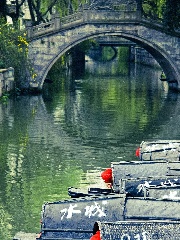
Suzhou, situated in China's Yangtze Delta, is a city of timeless elegance where classical gardens, tranquil canals, and rich silk heritage blend seamlessly. Known as the “Venice of the East,” its UNESCO-listed gardens—like The Humble Administrator's Garden—showcase refined Chinese aesthetics, while winding waterways and stone bridges add poetic charm. Beyond its landscapes, Suzhou thrives as a cultural hub, renowned for silk craftsmanship, delicate embroidery, and vibrant Kunqu Opera. With a 2,500-year history of scholarly achievement and a modern innovation district, it bridges tradition and progress effortlessly.
IntoTravelChina's updated Suzhou guide highlights essential attractions like Tiger Hill and the Silk Museum, hidden gems such as Zhouzhuang and Tongli water towns, and immersive experiences including tea ceremonies and calligraphy workshops. It offers practical advice on the best times to visit, affordable accommodations, and efficient travel between gardens and nearby cities like Shanghai or Hangzhou. Thoughtfully designed itineraries help travelers efficiently discover Suzhou's serene gardens, lively canals, and cultural treasures, ensuring an unforgettable journey through China’s most sophisticated city.

Precautions for traveling to Suzhou
Planning a trip to Suzhou? Prepare for its humid subtropical climate and seasonal rains. Master canal-side navigation via water buses or bike rentals, book popular gardens like Humble Administrator’s Garden early, and savor slow-paced moments to embrace its "Venice of the East" elegance.
Suzhou and Hangzhou provide return visitors with a rich array of cultural and culinary experiences, traditional arts, and lesser-known historical sites beyond their iconic gardens and lakes.
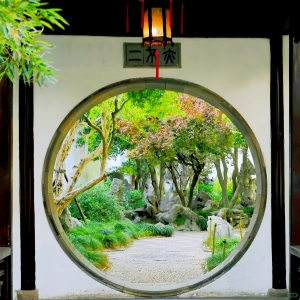
The Classical Gardens of Suzhou, a UNESCO World Heritage Site, embody Chinese philosophical ideals, showcase architectural wonders, and provide a window into traditional Chinese culture, making them a must-visit for those interested in Chinese history and art.
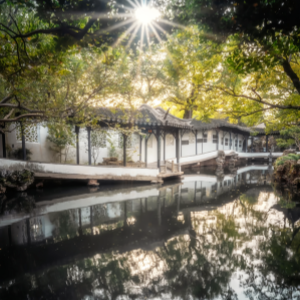
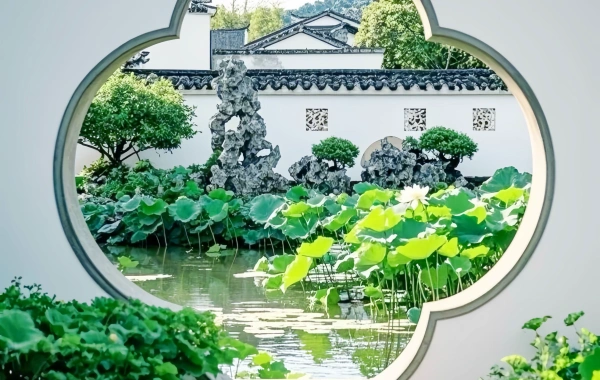
As one of China's four famous gardens and a UNESCO World Heritage site, the Humble Administrator's Garden is the pinnacle of Suzhou's classical gardens and is known as the mother of Chinese gardens. If you're planning to visit Suzhou, this garden is definitely a must-see!
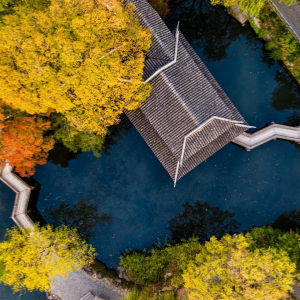
Suzhou is famous for its classical gardens, ancient water towns, silk culture, and modern urban landscape. Whether you're strolling through the charming gardens or navigating the bustling modern city, you can deeply feel its unique cultural charm and urban style
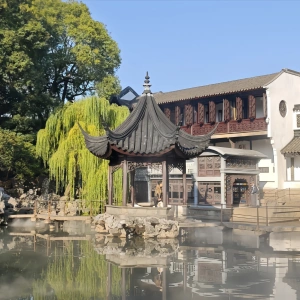
If you want to experience the essence of the city for a day trip to Suzhou, you have to plan well. Here's an awesome one-day tour to take you to experience the unique charm of Suzhou.
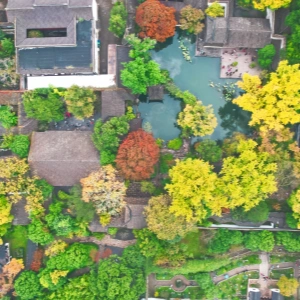
Suzhou’s seasonal travel requires packing wisely—rain gear in spring, light layers and hydration in summer, a jacket for autumn’s mild days, and heavy coats for winter’s chill—while adjusting activities to avoid crowds, heat, or cold, and embracing local festivals like cherry blossoms, canal cruises, or Lunar New Year celebrations.
To navigate Suzhou safely, use public transport (metro with mobile payments, buses via maps apps, and licensed taxis), follow bike/pedestrian rules (designated lanes, zebra crossings, and helmet use), drive only with an IDP or opt for Didi, prioritize water safety on tours, guard against scams (use official ticket sources and secure bags), and keep emergency numbers handy—patience and preparation ensure a stress-free visit.
To ensure a respectful and enriching visit to Suzhou, learn basic Mandarin phrases, observe quiet etiquette in traditional spaces, dress modestly at religious sites, follow dining customs like proper chopstick placement, bargain politely in markets, use non-verbal gestures for communication, respect photography rules, and embrace local technology and customs while carrying emergency contacts for a seamless experience.
The most popular attractions in Suzhou
Suzhou, renowned for its classical gardens and water town charm, blends poetic landscapes with cultural heritage. From the UNESCO-listed Humble Administrator’s Garden and Master of Nets Garden to the ancient Tongli Water Town and serene Hanshan Temple, its icons weave China’s traditional aesthetics with timeless allure.
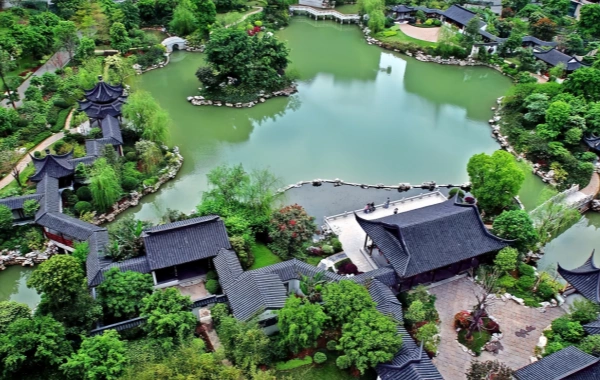
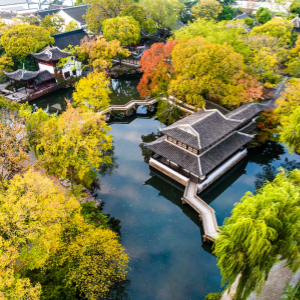
The Humble Administrator's Garden, a UNESCO World Heritage Site since 1997, is China’s largest classical Suzhou-style garden and a pinnacle of Ming Dynasty landscape art. Built in 1509 by Wang Xianchen, a retired official who "farmed chrysanthemums and cultivated his soul" after political setbacks, the garden covers 52,000 square meters. It blends pavilions, rockeries, and lotus ponds to embody the Confucian ideal of harmonious coexistence with nature. Today, it attracts millions annually, offering a serene escape from bustling modern Suzhou.
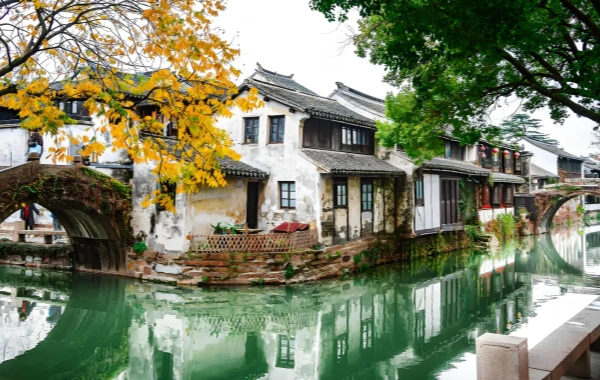
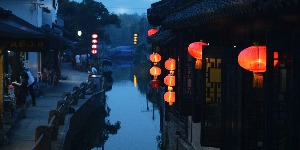
Zhouzhuang, dubbed "China’s Venice of the East," is a UNESCO-affiliated water town renowned for its labyrinth of canals, Ming-Qing arched bridges, and cobbled lanes. Founded in 1086 AD during the Song Dynasty, this 0.47-square-kilometer haven in Kunshan, Jiangsu, has preserved its ancient charm for over 900 years. With 14 stone bridges, 60% of its area covered by waterways, and 800 households still living in waterside residences, it offers a living museum of Jiangnan (Southern Yangtze) culture. UNESCO lauds it as a "masterpiece of harmonious human-water coexistence," attracting 3 million visitors annually.
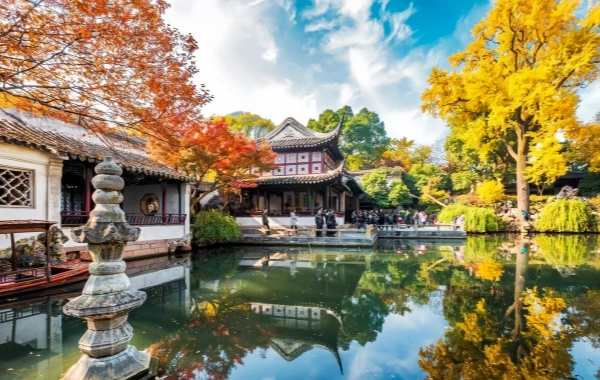
The Lingering Garden, or Liuyuan, ranks among China’s most celebrated classical gardens, renowned for its harmonious blend of architecture, landscape, and artistry. Built in the 16th century during the Ming Dynasty and expanded in the Qing era, it exemplifies the scholarly ideals of shanshui (mountain-water) aesthetics. Covering 23,300 square meters, the garden is a UNESCO World Heritage Site, celebrated for its intricate pavilions, winding corridors, and serene rockeries that evoke the essence of traditional Chinese gardens.
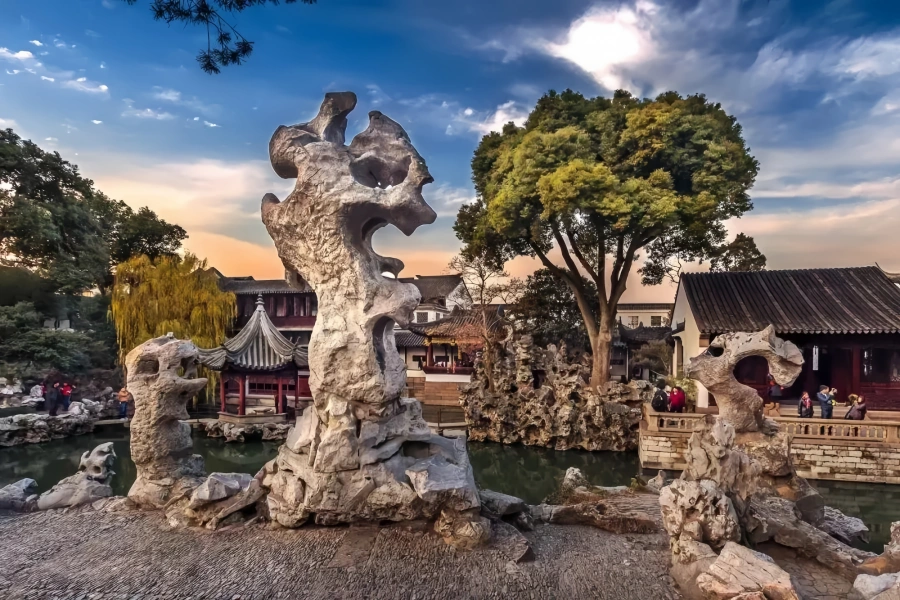
The Lion Grove Garden, or Shizilin, is one of Suzhou’s most enigmatic classical gardens, celebrated for its otherworldly rock formations, winding mazes, and serene Buddhist influences. Built in 1342 during the Yuan Dynasty by monks of the Tianru Temple as a tribute to their founder, Zhongfeng Mingben, the garden was later transformed into a private retreat for nobility. Covering 11,000 square meters, it is a UNESCO World Heritage Site, renowned for its abstract stone landscapes that evoke a sense of mystery and philosophical contemplation.
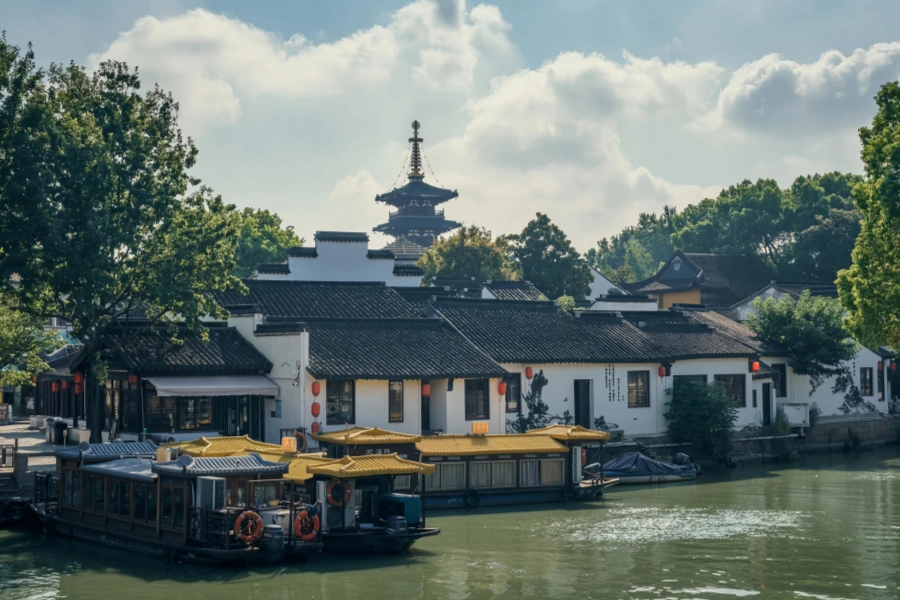
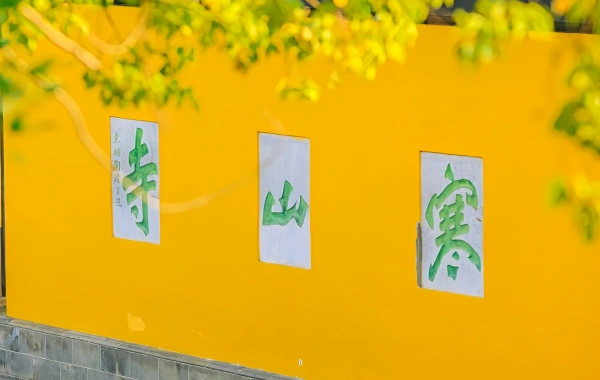
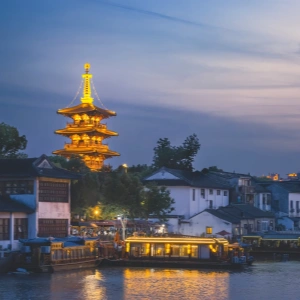
Hanshan Temple, or Hanshansi, is one of China’s most iconic Buddhist temples, nestled along the ancient Grand Canal in Suzhou. Famed for its association with the Tang Dynasty poet Hanshan (Cold Mountain) and immortalized by Zhang Ji’s poem "A Night Mooring Near Maple Bridge," the temple has been a pilgrimage site for poets, scholars, and travelers for over 1,500 years. Established in the Liang Dynasty (502–557) and rebuilt numerous times, it blends Buddhist spirituality with poetic legacy, offering visitors a tranquil escape from urban life.
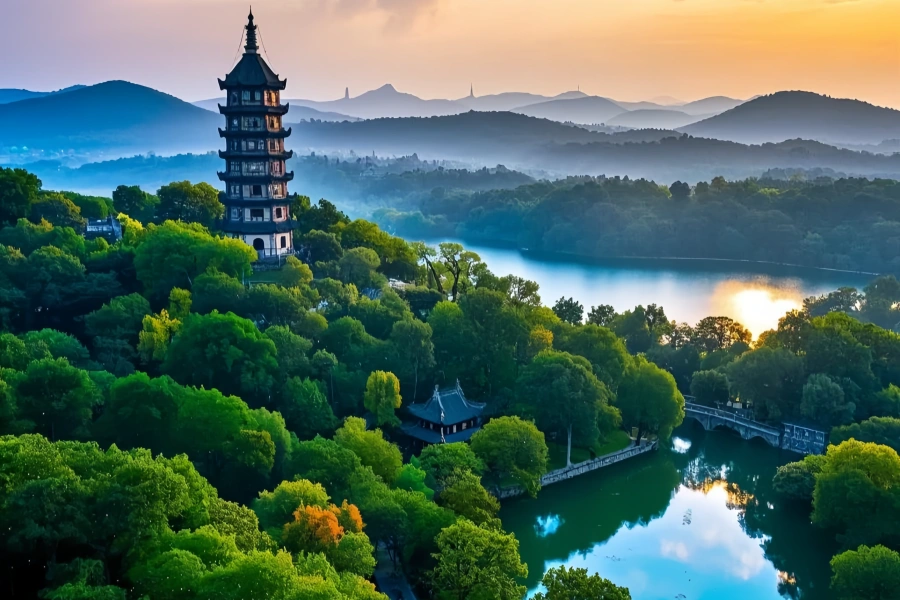
Tiger Hill, or Huqiu, is a iconic cultural and natural site in Suzhou, renowned for its legend-steeped landscapes, ancient pagodas, and panoramic views of the Yangtze Delta. Standing at 34.3 meters tall, the Cloud-Rock Pagoda (Yunyan Ta) leans at a dramatic angle, earning it the nickname "China’s Leaning Tower." The hill’s name traces back to a tale of King Helu of Wu burying his white tiger here, while its stone cliffs and tranquil ponds have inspired poets and artists for millennia. Designated a National AAAAA-Level Tourist Attraction, Tiger Hill blends history, myth, and natural beauty into a must-visit destination.
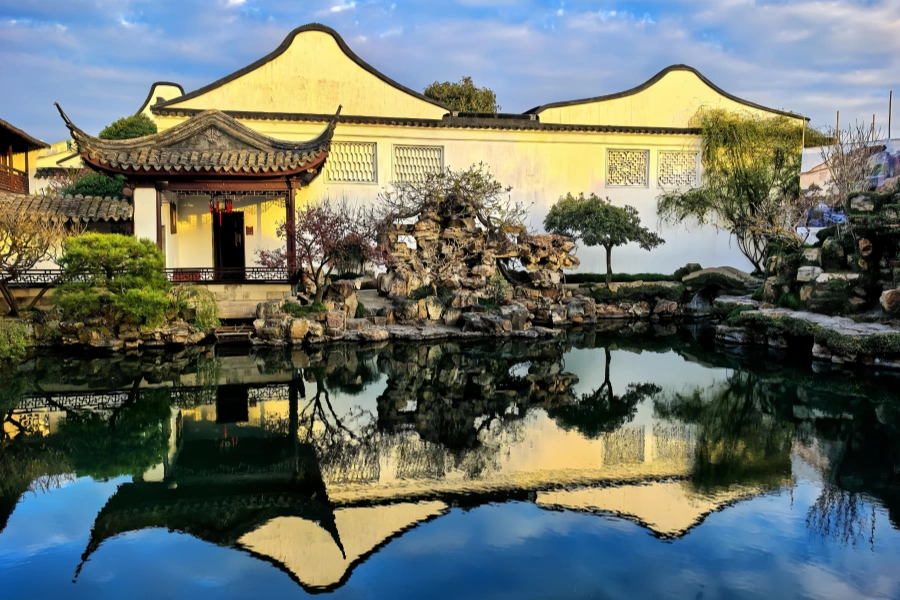
The Master of Nets Garden, a UNESCO World Heritage Site in Suzhou, is celebrated as a quintessential example of Ming Dynasty garden design. Built in 1140 and later renovated in the 18th century, the garden spans 5,400 square meters and embodies the philosophy of "borrowing scenery" to harmonize nature and architecture. Its intricate layout, poetic inscriptions, and serene pavilions make it a masterpiece of Chinese horticultural art.
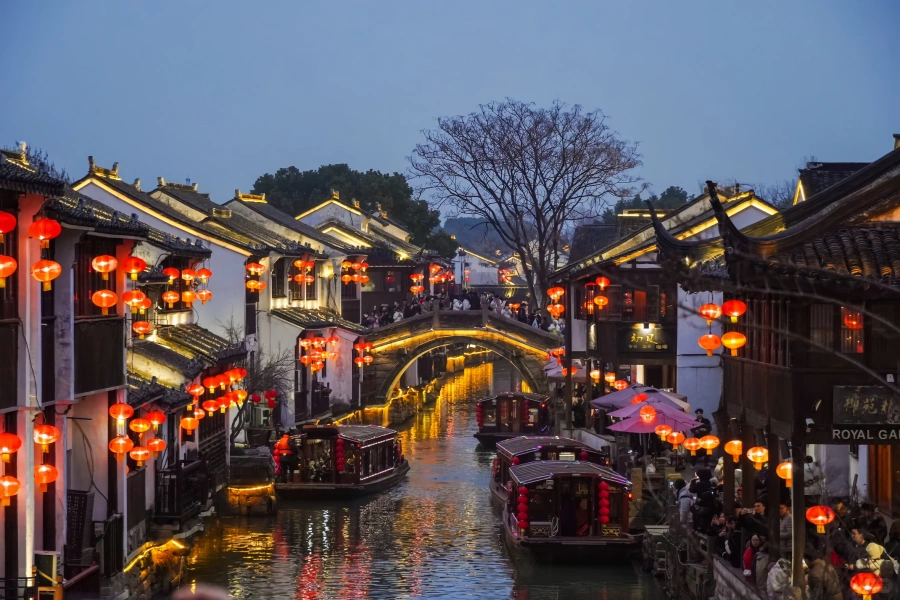
The iconic Shantang Street, also known as "Seven-Li Shantang," is a historic water town street in Suzhou, Jiangsu Province, blending ancient canal culture, traditional architecture, and local folklore. First constructed during the Tang Dynasty (8th century) and expanded in the Song Dynasty, this 3.6-kilometer-long street runs parallel to the Shantang River, connecting Changmen Gate with Huqiu Hill. Featuring stone bridges, Ming-Qing-style buildings, and bustling markets, it reflects Suzhou’s heritage as a "Venice of the East." Designated a national cultural heritage site, it offers a vivid snapshot of classical Jiangnan life through its canals, teahouses, and time-honored crafts.
Top 10 travel guides in Suzhou
Discover Suzhou’s soul through curated top 10 guides, spotlighting iconic garden tours, hidden canal alleys, silk-weaving workshops, and vibrant Pingtan (storytelling) performances. Tailor your journey from serene garden meditations to lively water market strolls, blending history, craft, and cuisine in China’s "City of Gardens."
-
 Top 10 must-experience cultures in Suzhou Suzhou offers a captivating cultural journey through its classical gardens, traditional arts and crafts, silk heritage, Kun Opera performances, tea ceremonies, picturesque water towns, exquisite cuisine, vibrant festivals, ancient temples, and hands-on experiences like calligraphy, making it a timeless destination for travelers seeking China’s artistic soul.
 -
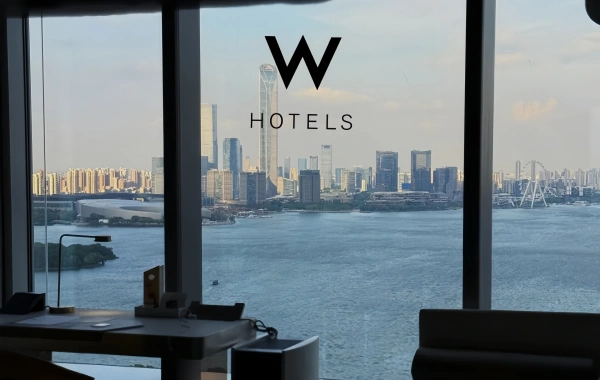
Top 10 high-end hotels in Suzhou Suzhou's top 10 high-end hotels for 2026 offer a mix of heritage luxury, boutique elegance, business sophistication, and serene resort stays, catering to every upscale traveler’s desire for cultural immersion and modern comfort.
-
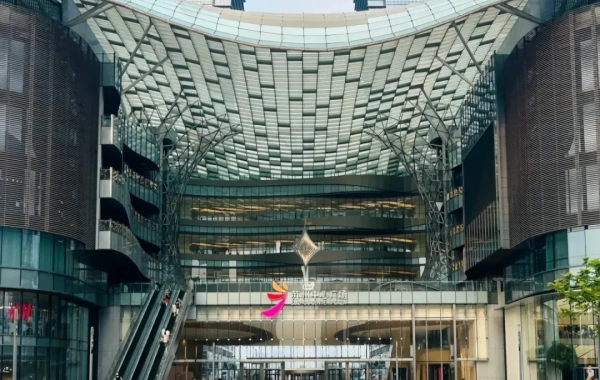
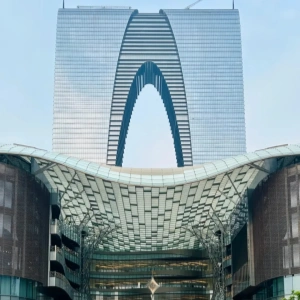
Top 10 of Suzhou’s Most Iconic Shopping Destinations: A Curated Journey Through Modern Retail and Cultural Charm Suzhou's top 10 shopping destinations, from luxury malls like Suzhou Centre to historic streets like Guanqian and Pingjiang, offer a perfect blend of modern retail, traditional crafts, and cultural charm for every traveler.
-
Top 10 of Suzhou’s Most Iconic Souvenirs: A Curated Journey Through Time-Honored Craftsmanship and Cultural Treasures Suzhou's top 10 souvenirs, from luxurious silk scarves and fragrant Biluochun tea to intricate embroidery and savory crab roe paste, offer a timeless taste of Jiangnan’s artistic and culinary heritage.
-
Top 10 of Suzhou’s Most Iconic Classic Dishes: A Curated Journey Through Time-Honored Flavors and Culinary Artistry Suzhou's top 10 classic dishes, from crispy Sweet and Sour Mandarin Fish to aromatic Osmanthus Dumplings, showcase the city’s refined Jiangnan culinary heritage through time-honored flavors, delicate techniques, and seasonal ingredients.
-
Top 10 Must-Visit Attractions in Suzhou: A Curated Exploration of Timeless Beauty and Cultural Heritage Suzhou, famed as the "Venice of the East," offers a timeless journey through its top 10 attractions, including UNESCO-listed classical gardens like the Humble Administrator’s Garden, historic sites such as Tiger Hill and Hanshan Temple, the cultural charm of Pingjiang Road and Shantang Street, and modern escapes like Dushu Lake, all showcasing the city’s rich heritage of art, nature, and silk traditions.


Best Things to Do in Suzhou
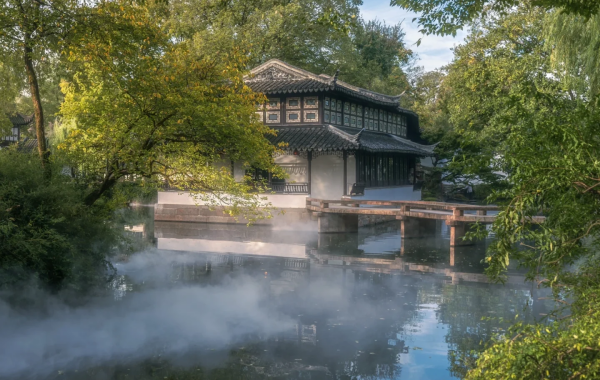
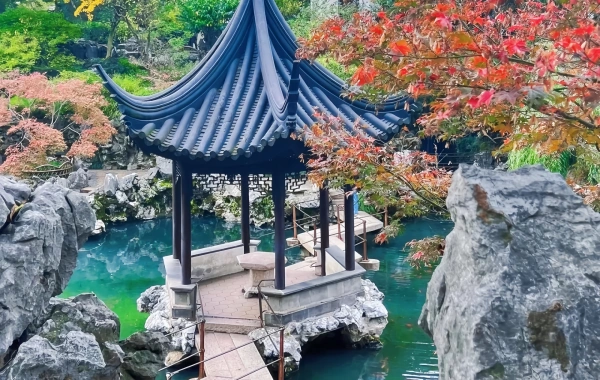
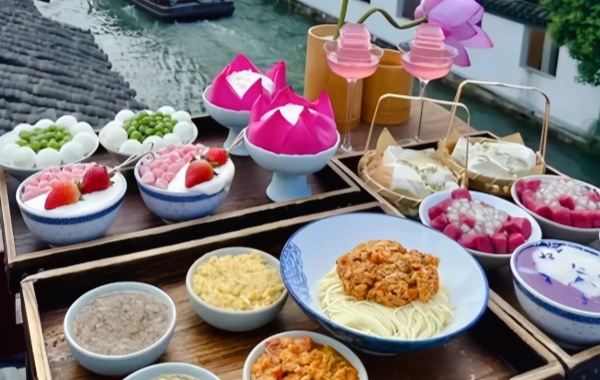
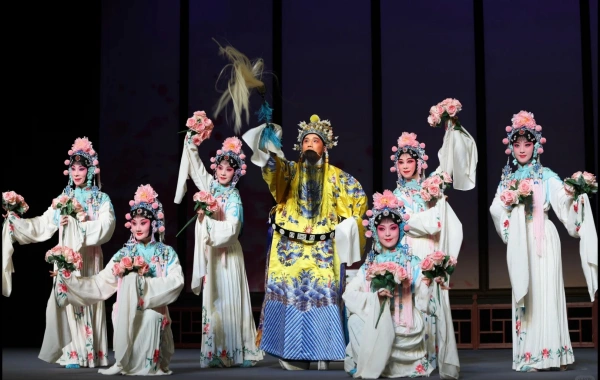
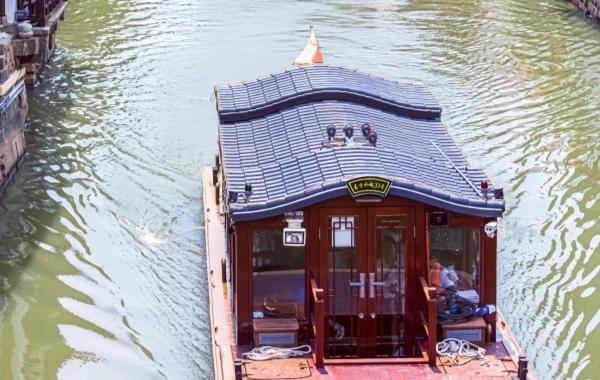
Savor Suzhou’s magic through sensory experiences. Stroll through mist-draped gardens, cruise the ancient Grand Canal, taste sweet osmanthus cakes in teahouses, or witness the artistry of Kunqu Opera—each activity captures its blend of refined culture and water-town vitality.

Specific guide for visiting Suzhou
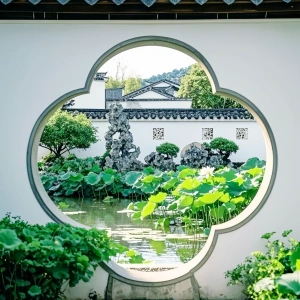
Suzhou, where ancient garden art meets water-town tranquility, offers timeless contrasts. Wander the zigzag bridges of Pingjiang Road, explore the intricate rockeries of Lion Grove Garden, or sip jasmine tea in a centuries-old courtyard—all embodying China’s southern poetic heritage and UNESCO-listed craftsmanship.
Suzhou Travel Itineraries
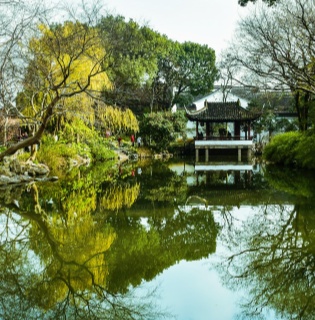
Craft your Suzhou adventure with themed routes blending gardens, water towns, and culture. Traverse the "Four Great Gardens" classic scenes, savor crab-roe soup dumplings in Shantang Street, or cycle through Luzhi’s canals—each itinerary mirrors your passion, from photography to culinary exploration.
What Our Clients Say?
Based on 10,000+ traveler reviews

Daniel Dorothea
Canada
Reviewed on April 29,2025
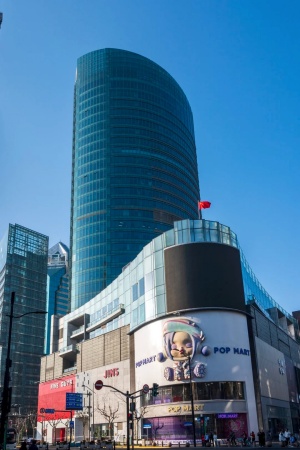
Shopping on Nanjing Road in Shanghai was just amazing! It's truly the "First Commercial Street of China", where tradition and modernity blend perfectly. You can find awesome souvenirs and experience the trendy vibes in cool stores. The neon lights at night are just spectacular, shining bright like Times Square in New York. The food here is incredible too. I had a feast for my taste buds. Shanghai, I'll definitely be back!
Destination(s):
Shanghai
Date of
Experience:
May 08,2024

Elvis Eva
Canada
Reviewed on June 20,2025
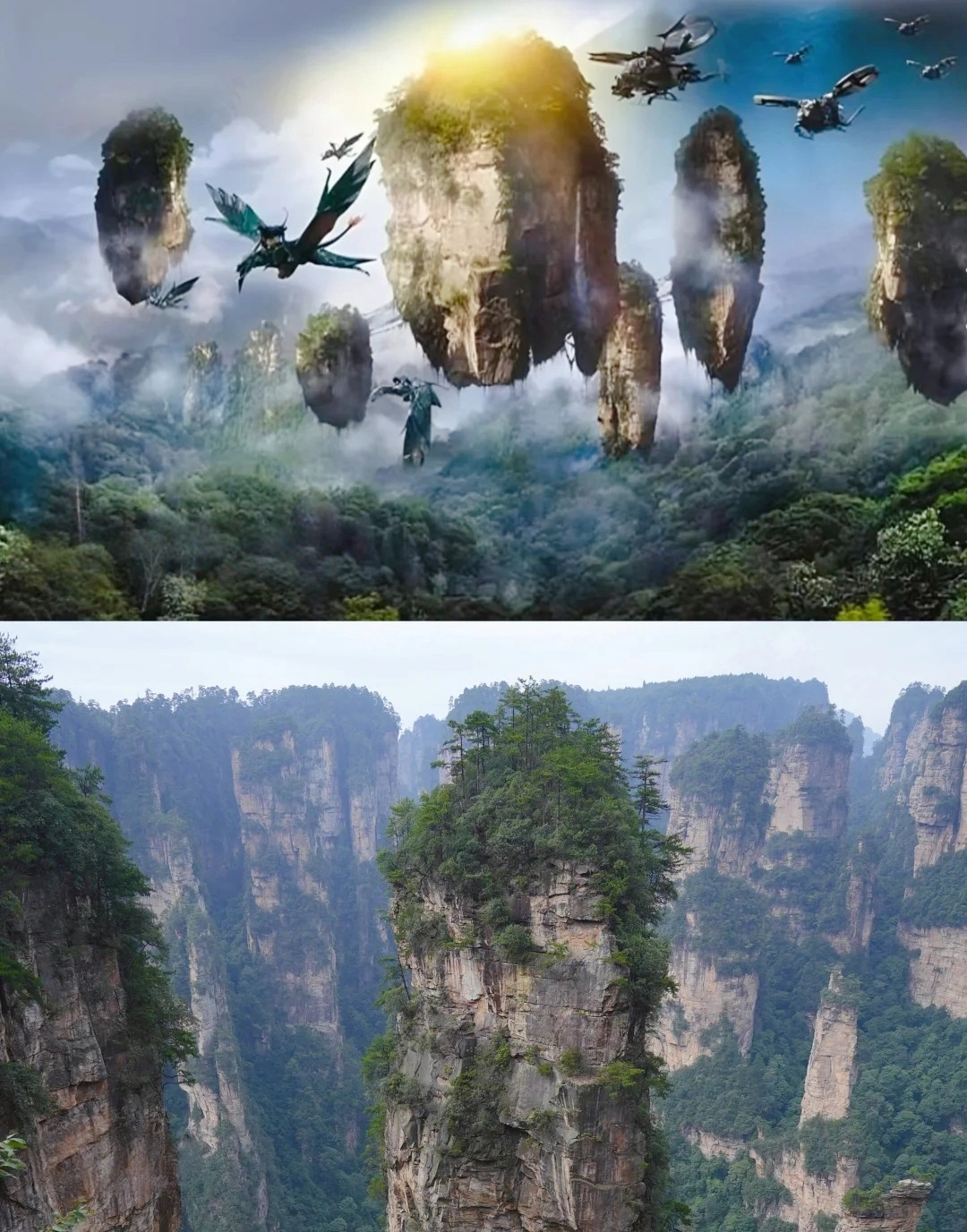
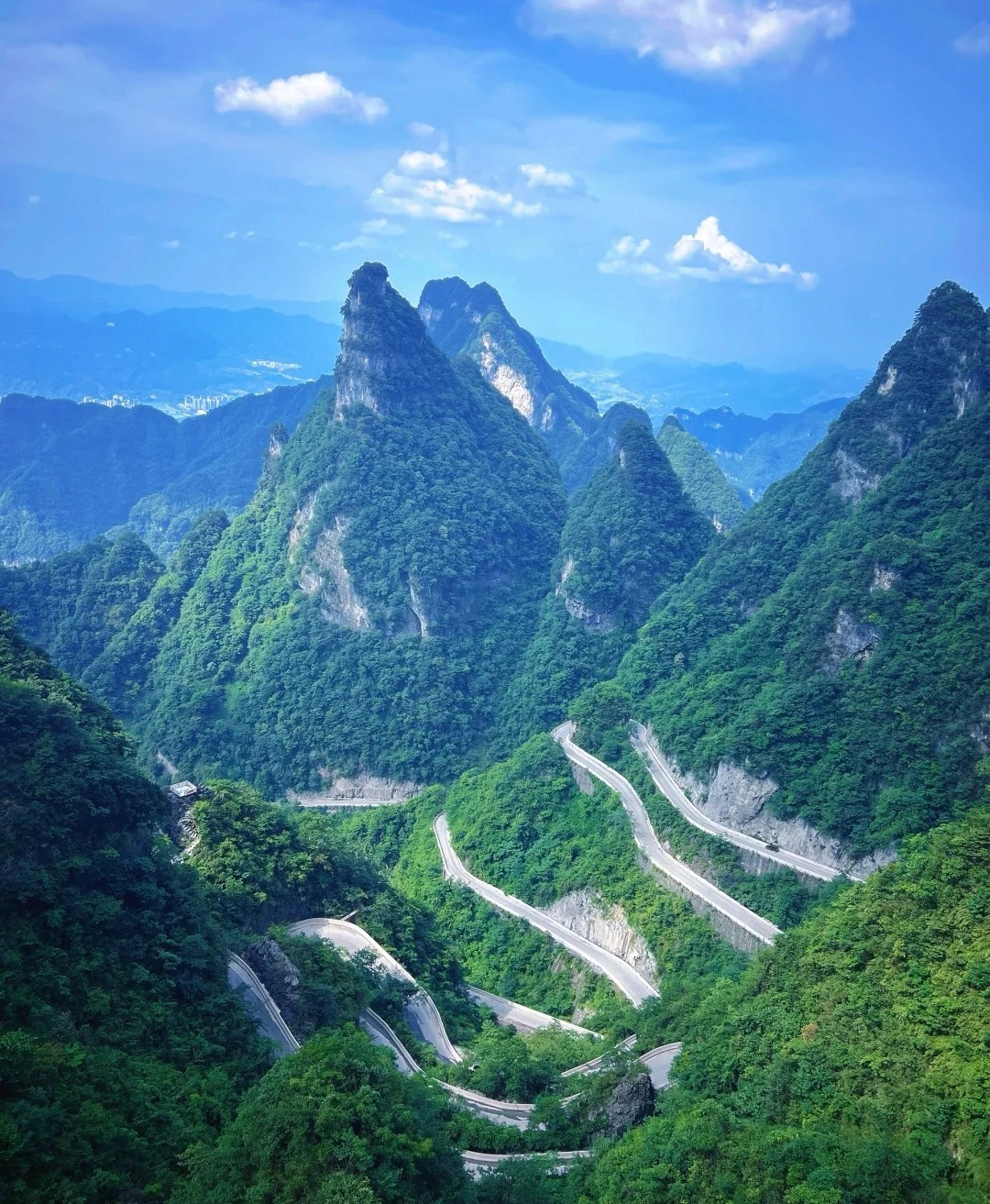
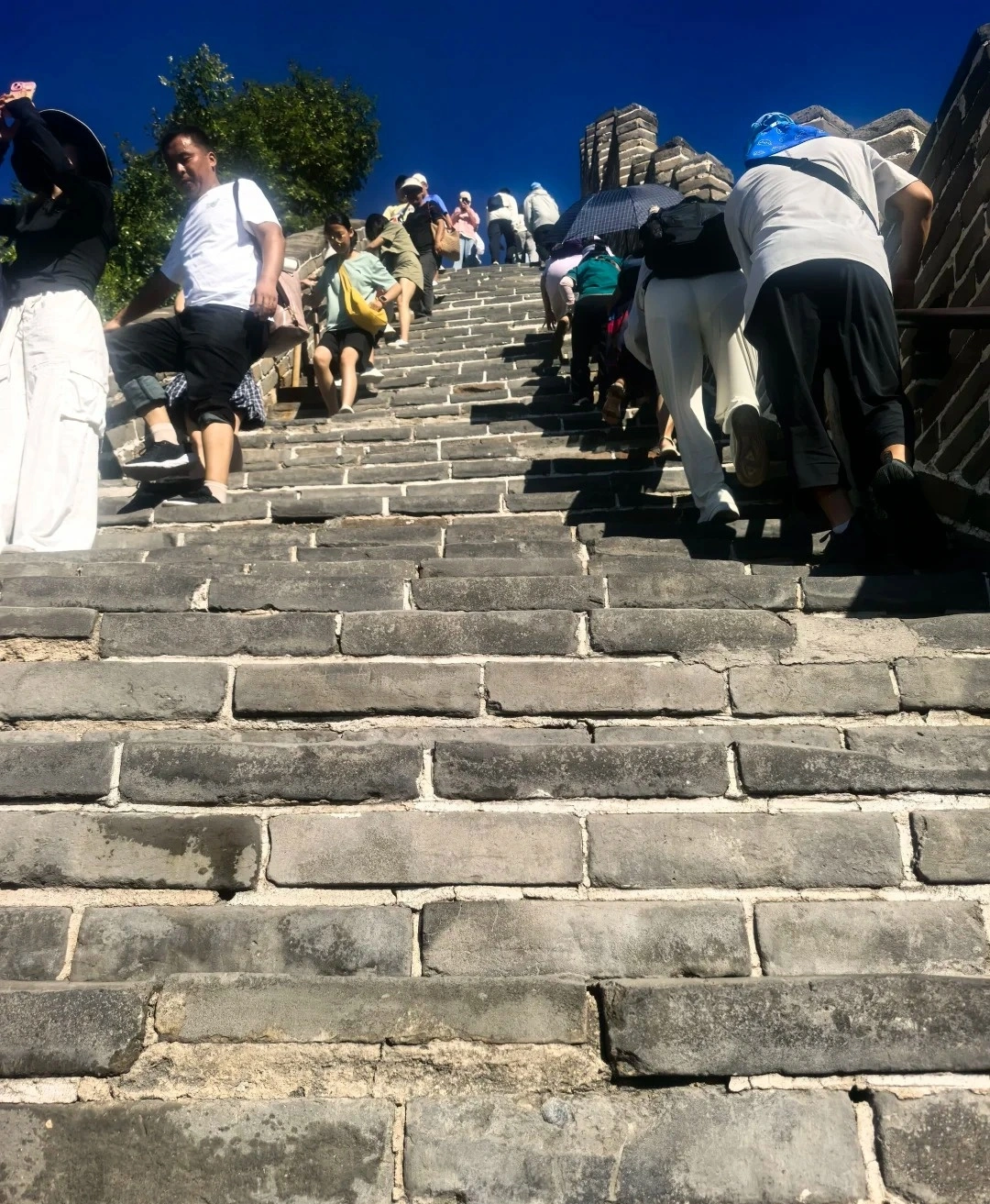
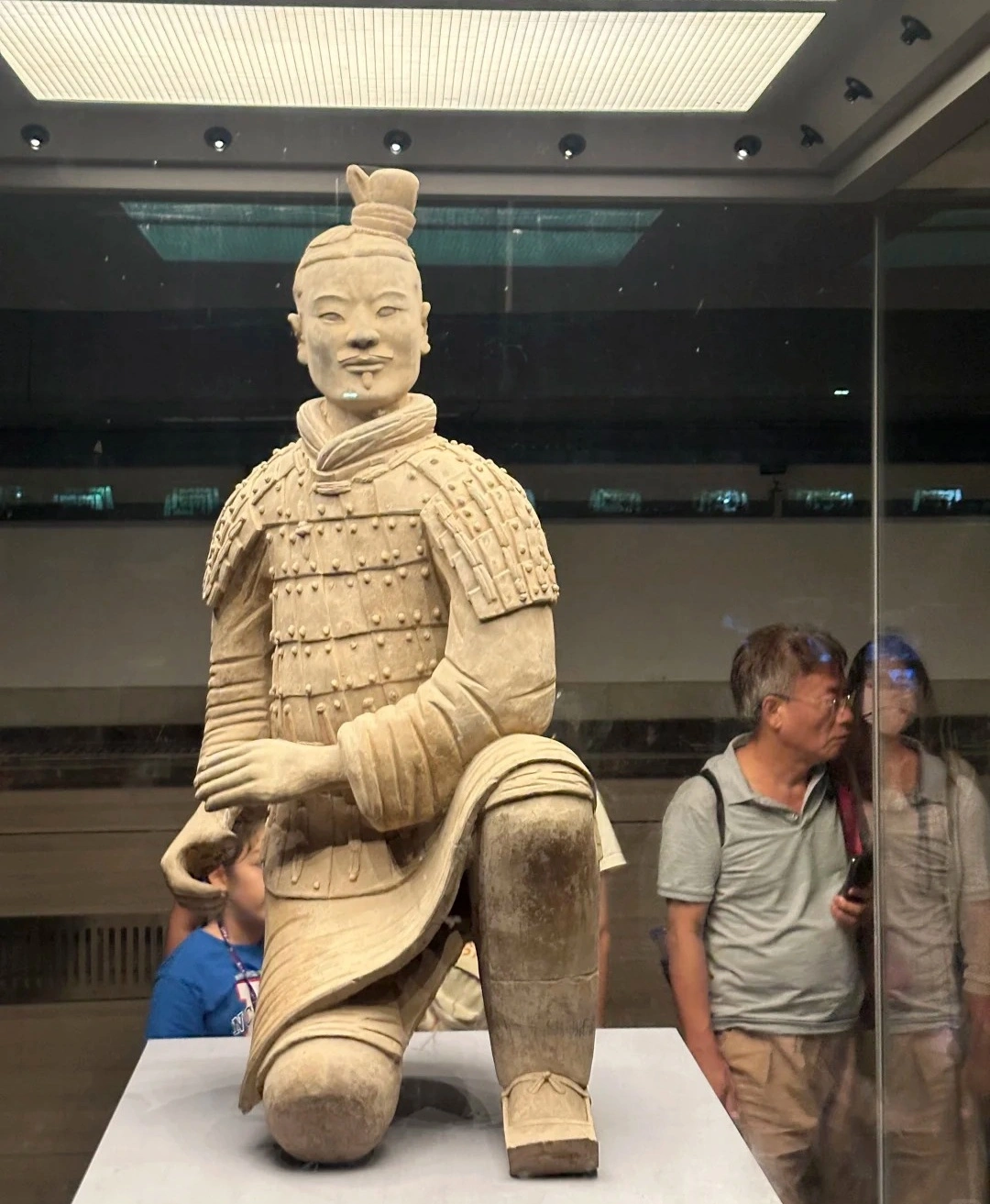
As a solo traveler from Canada, I was nervous about navigating China alone—but this 11-day tour was PERFECT! From hiking the Great Wall at sunrise (Day 3) to gasping at the Terracotta Army (Day 5), every day delivered ‘pinch-me’ moments. The real showstopper? Zhangjiajie’s Avatar Mountains (Day 7)! Our guide made the stone pillars come alive with stories.
Massive thanks for handling all logistics—bullet train tickets, entry passes, car! And the 4-star hotels surprised me.
Destination(s):
Beijing Xian Zhangjiajie Shanghai
Date of
Experience:
June 02,2025

Simon
America
Reviewed on May 29,2025
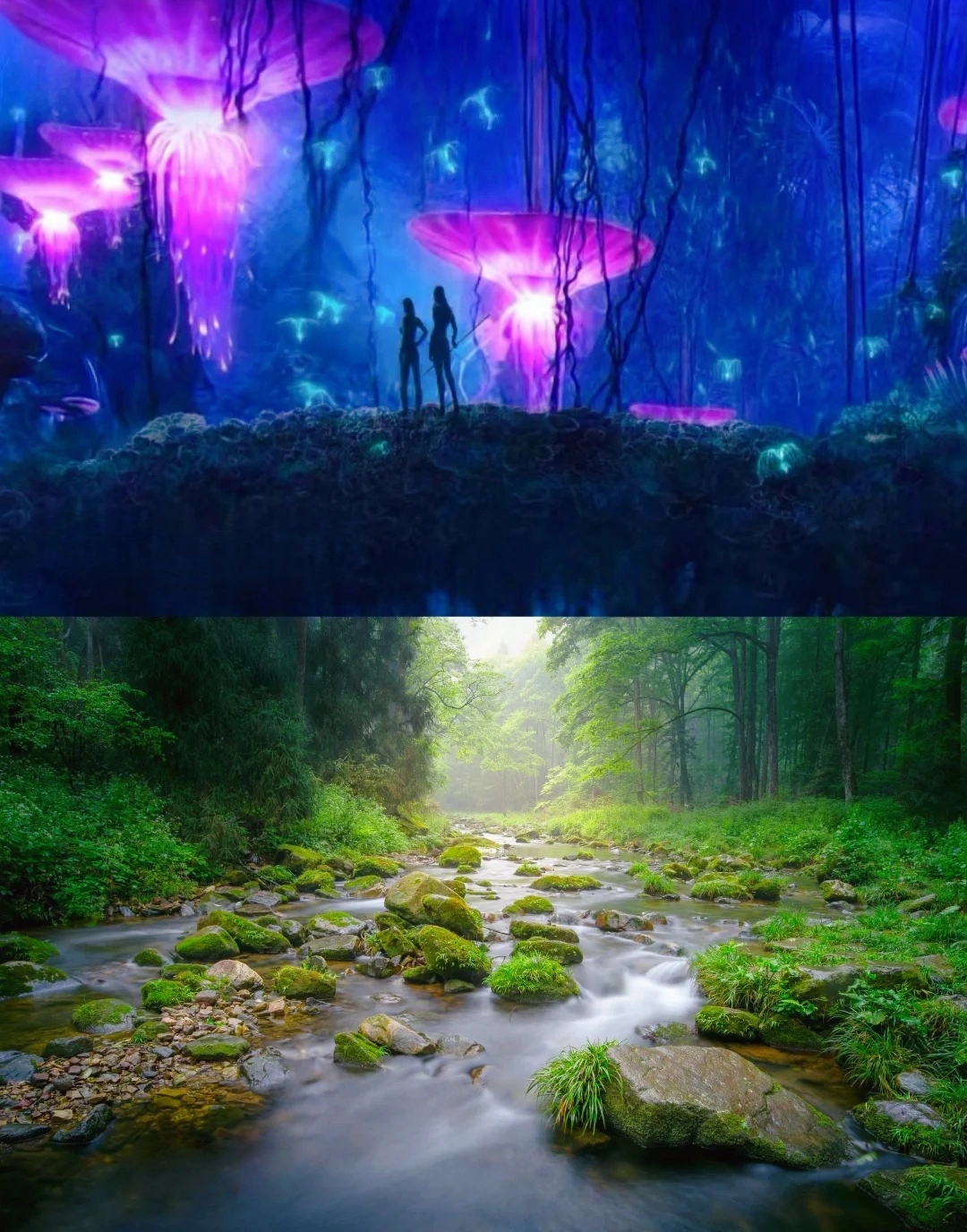
Our 2-day Zhangjiajie tour was beyond spectacular! As someone who’s visited Beijing and Shanghai for work, this trip revealed China’s wild, magical heart. Day 1 in Zhangjiajie National Forest Park felt like stepping onto Pandora—I’m a huge Avatar fan, and Yuanjiajie’s floating peaks left me breathless. The misty pillars and lush valleys like pure movie magic!
Then came Fenghuang Ancient Town, we eat dinner beside the thundering waterfall. It seems Unreal! The night views of stilt houses glowing over the river were straight from a fairy tale.
For fellow Avatar lovers and adventure seekers: Don’t miss this bucket-list experience! 10/10 would return.
A Well-Traveled Film Buff, May 2025
Destination(s):
Zhangjiajie
Date of
Experience:
May 08,2025