
Strolling Through Suzhou’s Classical Gardens: A Journey into China’s Poetic Landscapes
Suzhou, often called the "Garden City of China," is home to over 60 exquisite classical gardens, many of which are UNESCO World Heritage Sites. These gardens are not just places of beauty—they are masterpieces of art, philosophy, and nature, designed to harmonize with the rhythms of the universe. Here’s what makes a walk through Suzhou’s gardens an unforgettable experience for travelers worldwide.
1. The Philosophy Behind the Gardens: A Harmony of Elements
Suzhou’s gardens were crafted during the Ming (1368–1644) and Qing (1644–1912) dynasties by scholars, poets, and officials seeking retreats from city life. Their design follows Daoist and Confucian principles, emphasizing balance between:
- Rocks (symbolizing mountains and strength)
- Water (representing tranquility and the flow of life)
- Plants (chosen for seasonal beauty and symbolic meaning, like bamboo for resilience)
- Architecture (pavilions, corridors, and bridges that frame views like living paintings).
Insight: Every turn in a Suzhou garden reveals a new "scene," as if you’re walking through a scroll of traditional Chinese landscape art.
2. Must-Visit Gardens: Where History Meets Nature
A. The Humble Administrator’s Garden (拙政园, Zhuōzhèng Yuán)
- Highlights: The largest garden in Suzhou, famous for its central lake, winding corridors, and pavilions with poetic names like "Who Knows My Heart Pavilion."
- Best Time to Visit: Early morning to avoid crowds, or during autumn when maple leaves turn fiery red.
- Fun Fact: The garden’s name reflects its creator’s desire to "govern well but remain humble."
B. Lingering Garden (留园, Liú Yuán)
- Highlights: Known for its intricate rockeries, including the Corridor of Cloud-Capped Peaks, a 600-meter-long passage lined with rare Taihu Lake stones.
- Unique Feature: The garden uses "borrowed scenery" (jiejing)—framing views of distant pagodas or hills to extend the sense of space.
C. The Master-of-Nets Garden (网师园, Wǎngshī Yuán)
- Highlights: A compact garden perfect for exploring at night (it’s one of the few open for evening light shows). The Moon-Viewing Pavilion overlooks a pond reflecting the moon, creating a magical atmosphere.
- Size Tip: Smaller than others, but every corner is meticulously designed—ideal for slow, contemplative walks.
3. What to Do During Your Garden Walk
A. Follow the "Four Seasons" Path
Many gardens are divided into sections representing spring (plum blossoms), summer (lotus ponds), autumn (chrysanthemums), and winter (pine trees and bamboo). See if you can spot these seasonal themes!
B. Seek Out Hidden Symbolism
- Bats on carvings: Represent good fortune (the Chinese word for "bat" sounds like "happiness").
- Peonies: Symbolize wealth and honor.
- Crane statues: Stand for longevity.
C. Pause and Reflect
Find a quiet pavilion or stone bench to sit and absorb the surroundings. Listen to the rustle of leaves, the trickle of water, and the distant chirping of birds—a practice called "lingering" (youlan), central to garden appreciation.
4. Practical Tips for Visitors
- Best Seasons: Spring (March–May) for cherry blossoms or autumn (September–November) for mild weather and colorful foliage.
- What to Wear: Comfortable shoes for cobblestone paths; a light jacket for shaded areas.
- Tickets: Buy online in advance to skip lines. Most gardens charge ¥40–¥100 (USD 5–15).
- Guided Tours: Available in English at major gardens; highly recommended to understand the history and symbolism.
Final Thoughts: Why Suzhou’s Gardens Matter
These gardens are not just tourist attractions—they are living museums of Chinese culture, where every rock, plant, and pathway tells a story. A walk through them is a journey into the minds of ancient scholars who believed that nature and human creativity should coexist in perfect balance.
Pro Tip: Bring a sketchbook or camera—you’ll want to capture the timeless beauty of Suzhou’s gardens long after your visit ends.
Contact Us
What Our Clients Say?
Based on 10,000+ traveler reviews

Daniel Dorothea
Canada
Reviewed on April 29,2025
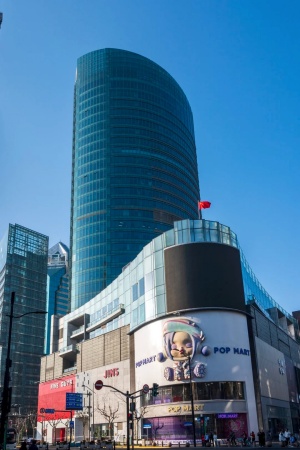
Shopping on Nanjing Road in Shanghai was just amazing! It's truly the "First Commercial Street of China", where tradition and modernity blend perfectly. You can find awesome souvenirs and experience the trendy vibes in cool stores. The neon lights at night are just spectacular, shining bright like Times Square in New York. The food here is incredible too. I had a feast for my taste buds. Shanghai, I'll definitely be back!
Destination(s):
Shanghai
Date of
Experience:
May 08,2024

Elvis Eva
Canada
Reviewed on June 20,2025
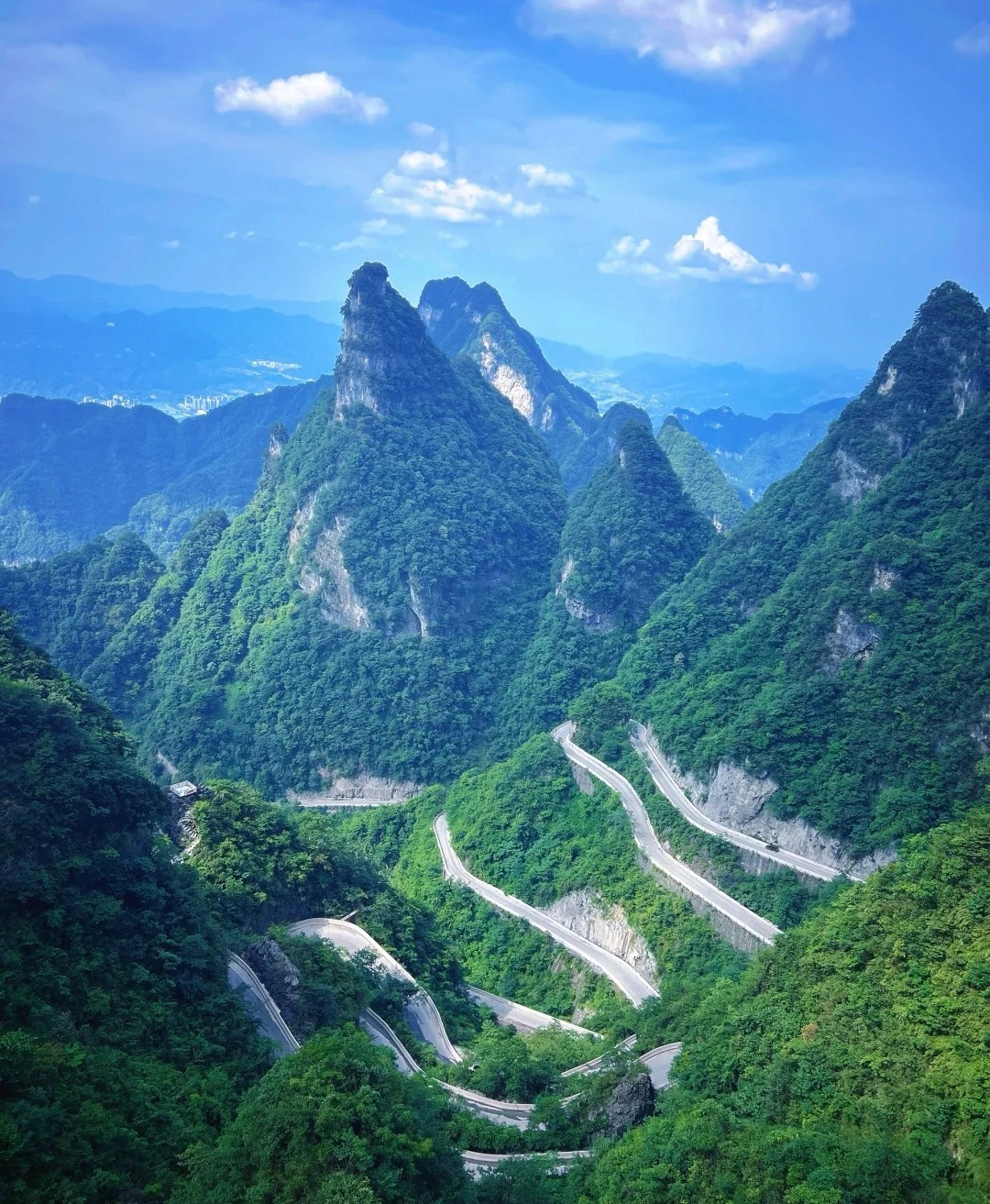
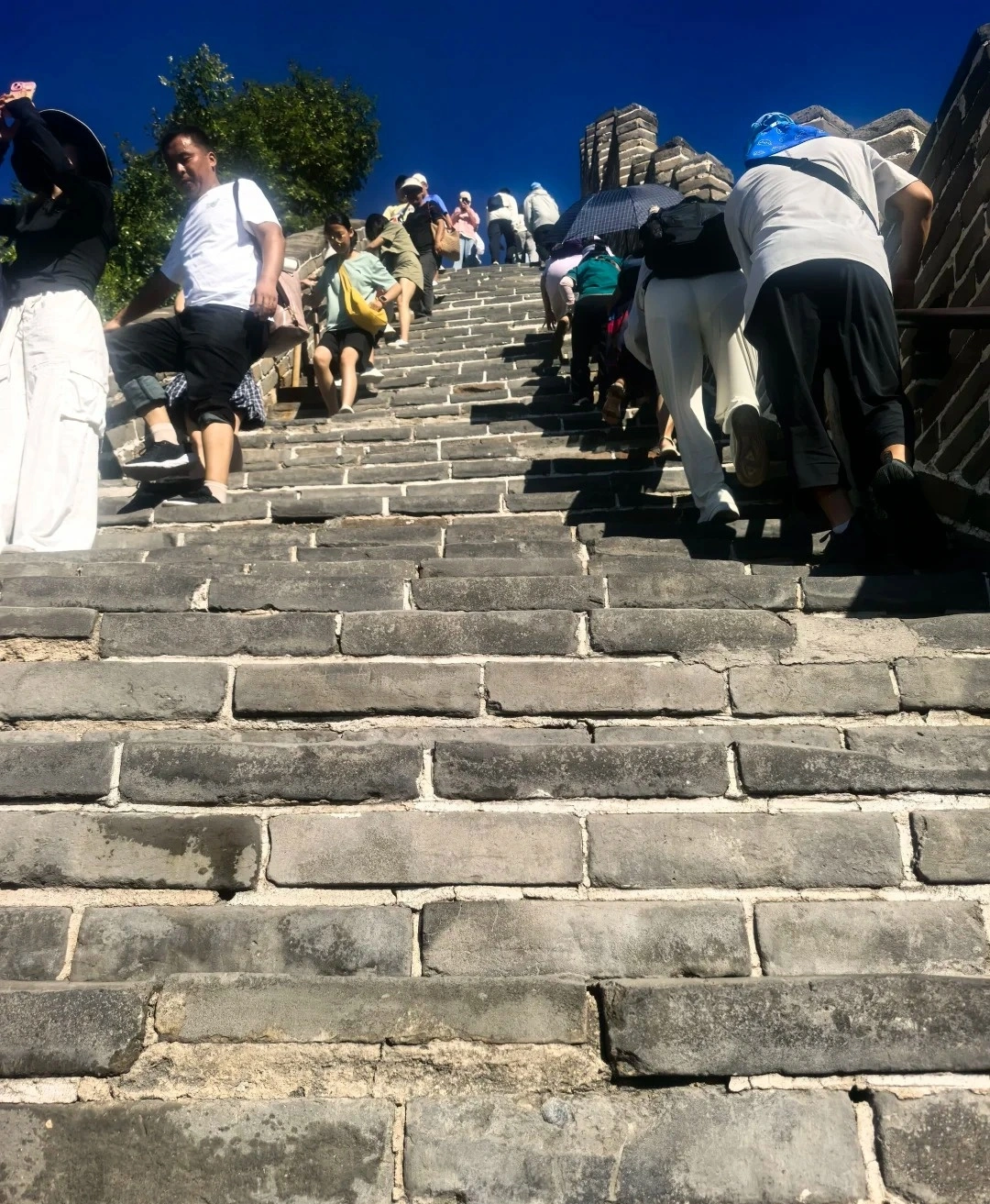
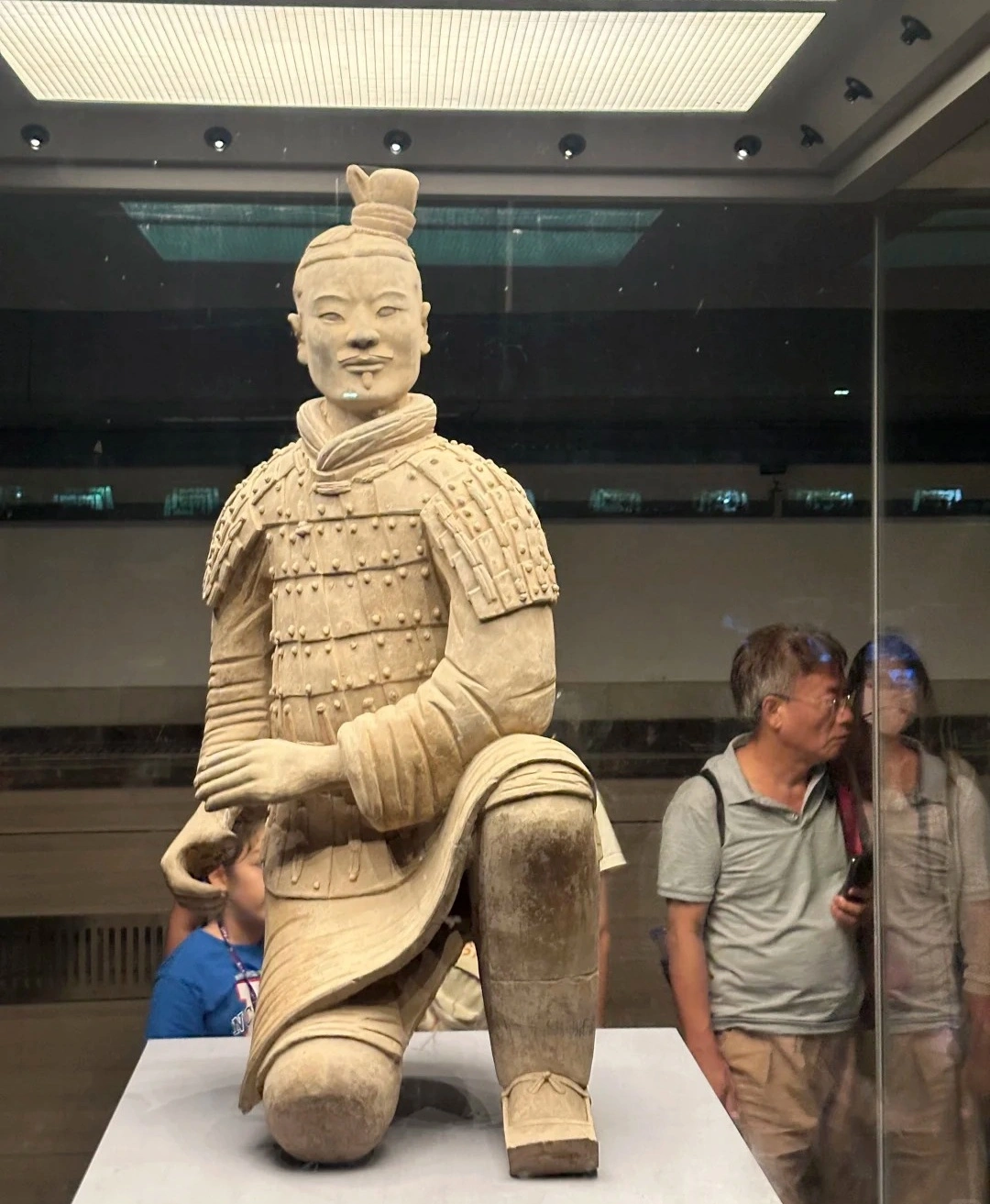
As a solo traveler from Canada, I was nervous about navigating China alone—but this 11-day tour was PERFECT! From hiking the Great Wall at sunrise (Day 3) to gasping at the Terracotta Army (Day 5), every day delivered ‘pinch-me’ moments. The real showstopper? Zhangjiajie’s Avatar Mountains (Day 7)! Our guide made the stone pillars come alive with stories.
Massive thanks for handling all logistics—bullet train tickets, entry passes, car! And the 4-star hotels surprised me.
Destination(s):
Beijing Xian Zhangjiajie Shanghai
Date of
Experience:
June 02,2025

Simon
America
Reviewed on May 29,2025
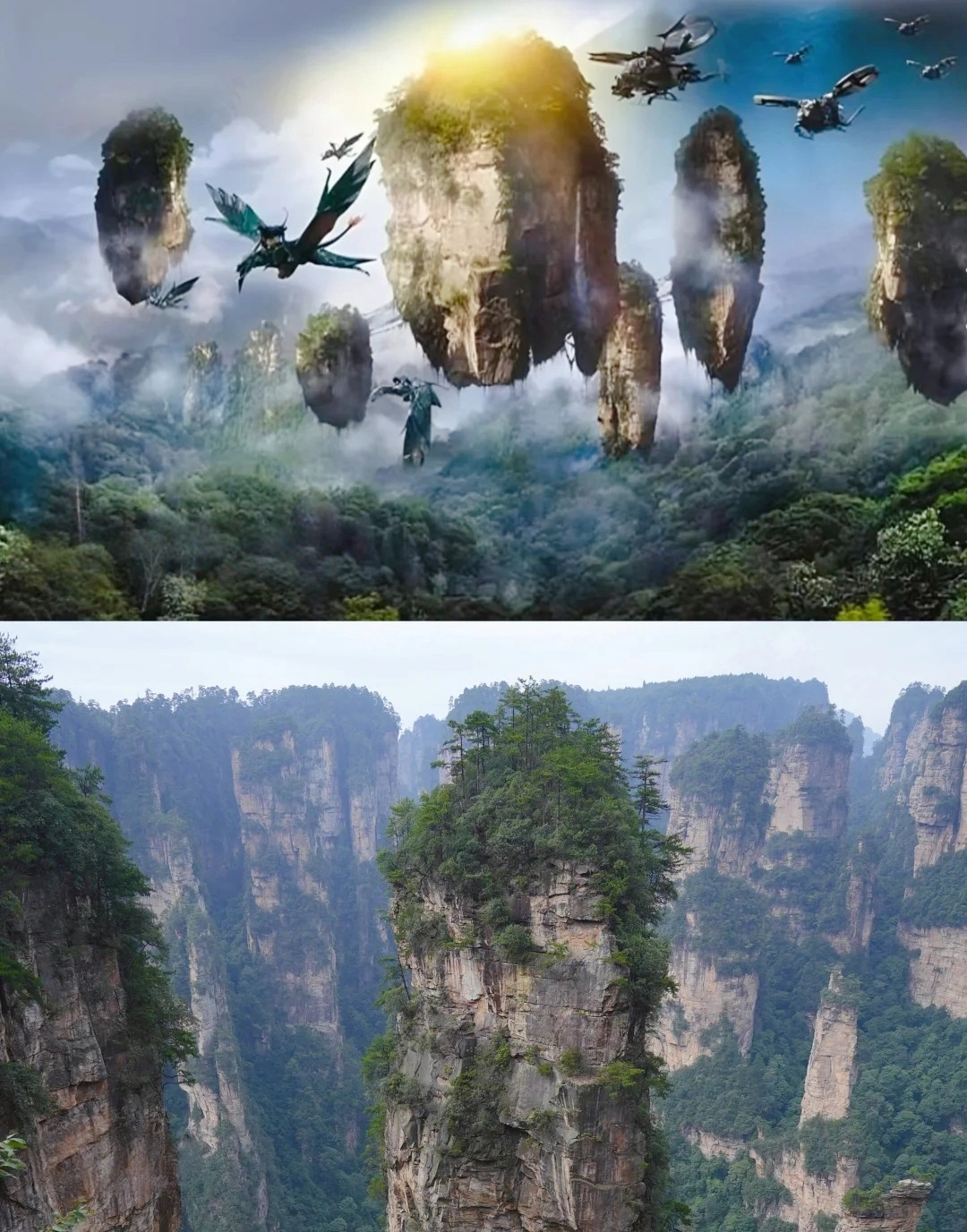
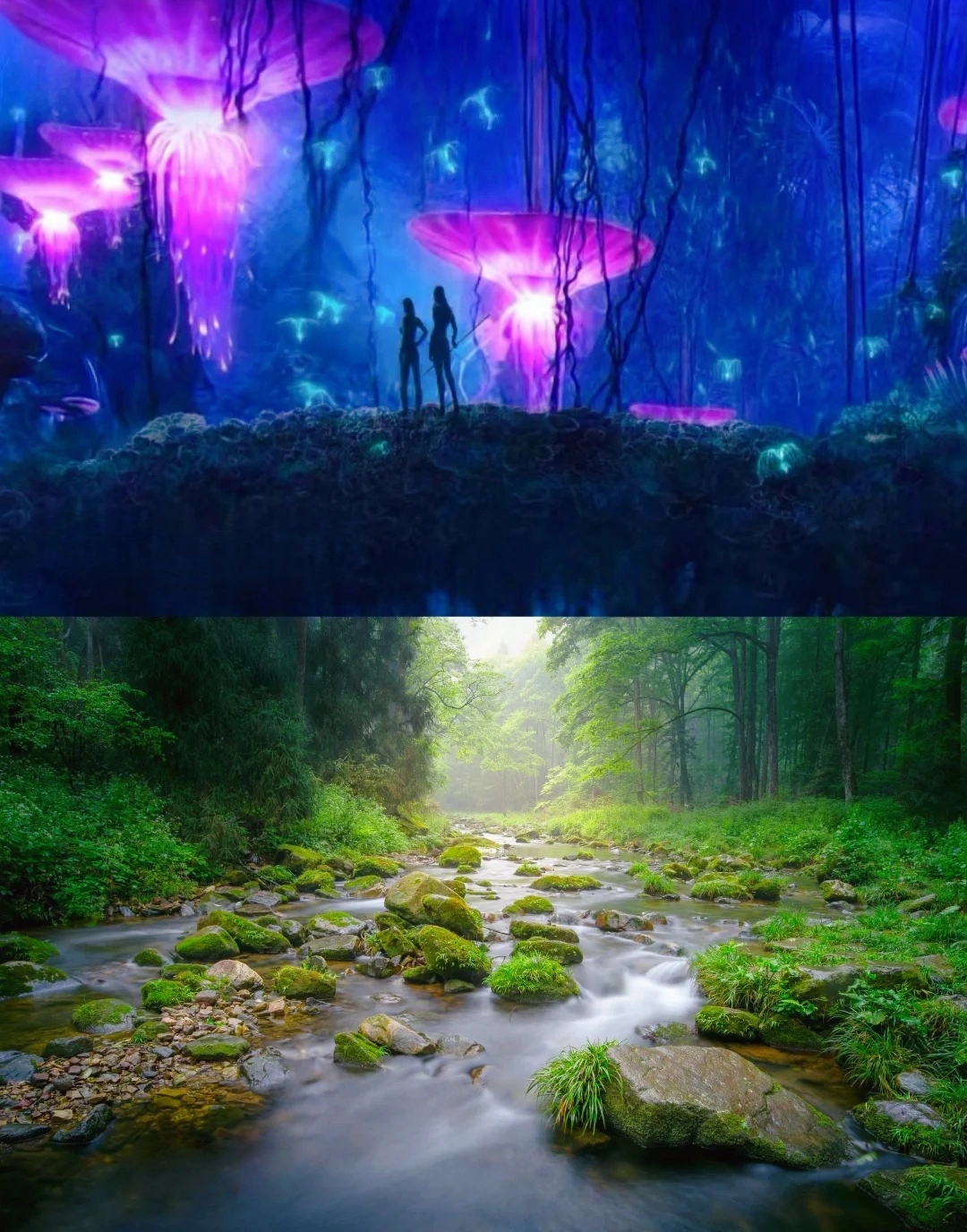
Our 2-day Zhangjiajie tour was beyond spectacular! As someone who’s visited Beijing and Shanghai for work, this trip revealed China’s wild, magical heart. Day 1 in Zhangjiajie National Forest Park felt like stepping onto Pandora—I’m a huge Avatar fan, and Yuanjiajie’s floating peaks left me breathless. The misty pillars and lush valleys like pure movie magic!
Then came Fenghuang Ancient Town, we eat dinner beside the thundering waterfall. It seems Unreal! The night views of stilt houses glowing over the river were straight from a fairy tale.
For fellow Avatar lovers and adventure seekers: Don’t miss this bucket-list experience! 10/10 would return.
A Well-Traveled Film Buff, May 2025
Destination(s):
Zhangjiajie
Date of
Experience:
May 08,2025