
Top 10 of Suzhou’s Most Iconic Classic Dishes: A Curated Journey Through Time-Honored Flavors and Culinary Artistry
Suzhou's top 10 classic dishes, from crispy Sweet and Sour Mandarin Fish to aromatic Osmanthus Dumplings, showcase the city’s refined Jiangnan culinary heritage through time-honored flavors, delicate techniques, and seasonal ingredients.
Suzhou, a city celebrated for its poetic gardens and serene canals, is equally renowned for its delicate and refined cuisine. Rooted in Jiangnan (Southern Yangtze) culinary traditions, Suzhou dishes emphasize fresh ingredients, subtle seasoning, and artistic presentation. From sweet-and-sour masterpieces to silky soups, here’s a curated list of Suzhou’s top 10 classic dishes that embody the city’s culinary elegance.
1. Sweet and Sour Mandarin Fish (Songshu Gui)
Why try it?
A signature Suzhou dish, the mandarin fish is carved into a lifelike "squirrel" shape, deep-fried until crispy, and drizzled with a vibrant sweet-and-sour sauce.
Flavor profile: Crunchy exterior, tender fish, and a balance of tangy and sweet.
2. Braised Pork Belly in Brown Sauce (Hong Shao Rou)
Why try it?
This timeless comfort food features succulent pork belly slow-cooked in soy sauce, sugar, and spices until meltingly tender.
Local twist: Suzhou versions often use less sugar than Shanghai-style red-braised pork, highlighting the meat’s natural richness.
3. Beggar’s Chicken (Jiao Hua Ji)
Why try it?
A whole chicken is marinated, wrapped in lotus leaves and clay, and baked for hours, resulting in incredibly moist meat infused with earthy aromas.
Legend: Named after a beggar who accidentally invented the dish while hiding his chicken in clay to avoid theft.
4. Biluochun tea-Smoked Duck (Cha Yan Ya)
Why try it?
Duck breasts are smoked over Biluochun Green Tea leaves, imparting a delicate floral aroma and a smoky-sweet flavor.
Pairing tip: Enjoy with a cup of Biluochun tea to enhance the tasting experience.
5. Wuxian Fried Gluten Puffs (You Mian Jin)
Why try it?
These golden, crispy gluten puffs are stir-fried with bamboo shoots, mushrooms, and vegetables in a light, savory sauce.
Vegetarian-friendly: A popular meatless option that doesn’t compromise on texture or flavor.
6. Suzhou-Style Noodles in Clear Broth (Ao Men Mian)
Why try it?
Thin wheat noodles are served in a translucent pork or chicken broth, topped with shredded pork, bamboo shoots, and green onions.
Customization: Add a soft-boiled egg or a spoonful of chili oil for extra depth.
7. Stir-Fried Eel with Ginger and Vinegar (Jiang Zhi Huang Shan)
Why try it?
Fresh eel slices are quickly stir-fried with ginger, garlic, and black vinegar, creating a dish that’s both tangy and umami-rich.
Health benefit: Eel is prized in Chinese medicine for its high protein and low-fat content.
8. Osmanthus-Infused Glutinous Rice Dumplings (Gui Hua Tang Yuan)
Why try it?
These chewy dumplings are filled with sweet red bean paste and scented with dried osmanthus flowers, a nod to Suzhou’s autumn blooms.
Seasonal treat: Best enjoyed during the Mid-Autumn Festival.
9. Crab Roe and Tofu Stew (Xie Huang Dou Fu)
Why try it?
Silken tofu is simmered in a creamy broth with fresh crab roe, eggs, and a touch of ginger, creating a luxuriously smooth dish.
Tip: Use a spoon to savor the contrast between the soft tofu and bursting crab roe.
10. Eight-Treasure Rice Pudding (Ba Bao Fan)
Why try it?
A festive dessert made with sticky rice, red bean paste, and eight symbolic ingredients like lotus seeds, dates, and candied fruits.
Symbolism: Each "treasure" represents good luck, prosperity, or health in Chinese culture.
Conclusion
Suzhou’s cuisine is a celebration of subtlety, balance, and seasonal ingredients. Whether you’re savoring the crispy texture of Sweet and Sour Mandarin Fish or the floral notes of Osmanthus Dumplings, each dish tells a story of the city’s refined palate and cultural heritage.
Pro Tip: Visit traditional teahouses or canal-side restaurants for an authentic dining experience, and don’t hesitate to ask locals for recommendations—they’re proud to share their culinary secrets!


Contact Us
What Our Clients Say?
Based on 10,000+ traveler reviews

Daniel Dorothea
Canada
Reviewed on April 29,2025
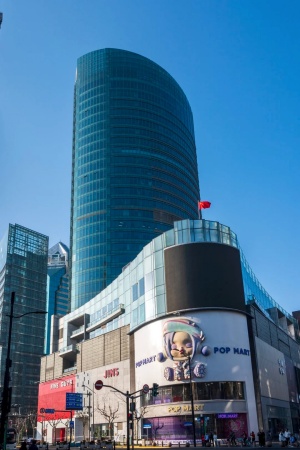
Shopping on Nanjing Road in Shanghai was just amazing! It's truly the "First Commercial Street of China", where tradition and modernity blend perfectly. You can find awesome souvenirs and experience the trendy vibes in cool stores. The neon lights at night are just spectacular, shining bright like Times Square in New York. The food here is incredible too. I had a feast for my taste buds. Shanghai, I'll definitely be back!
Destination(s):
Shanghai
Date of
Experience:
May 08,2024

Elvis Eva
Canada
Reviewed on June 20,2025
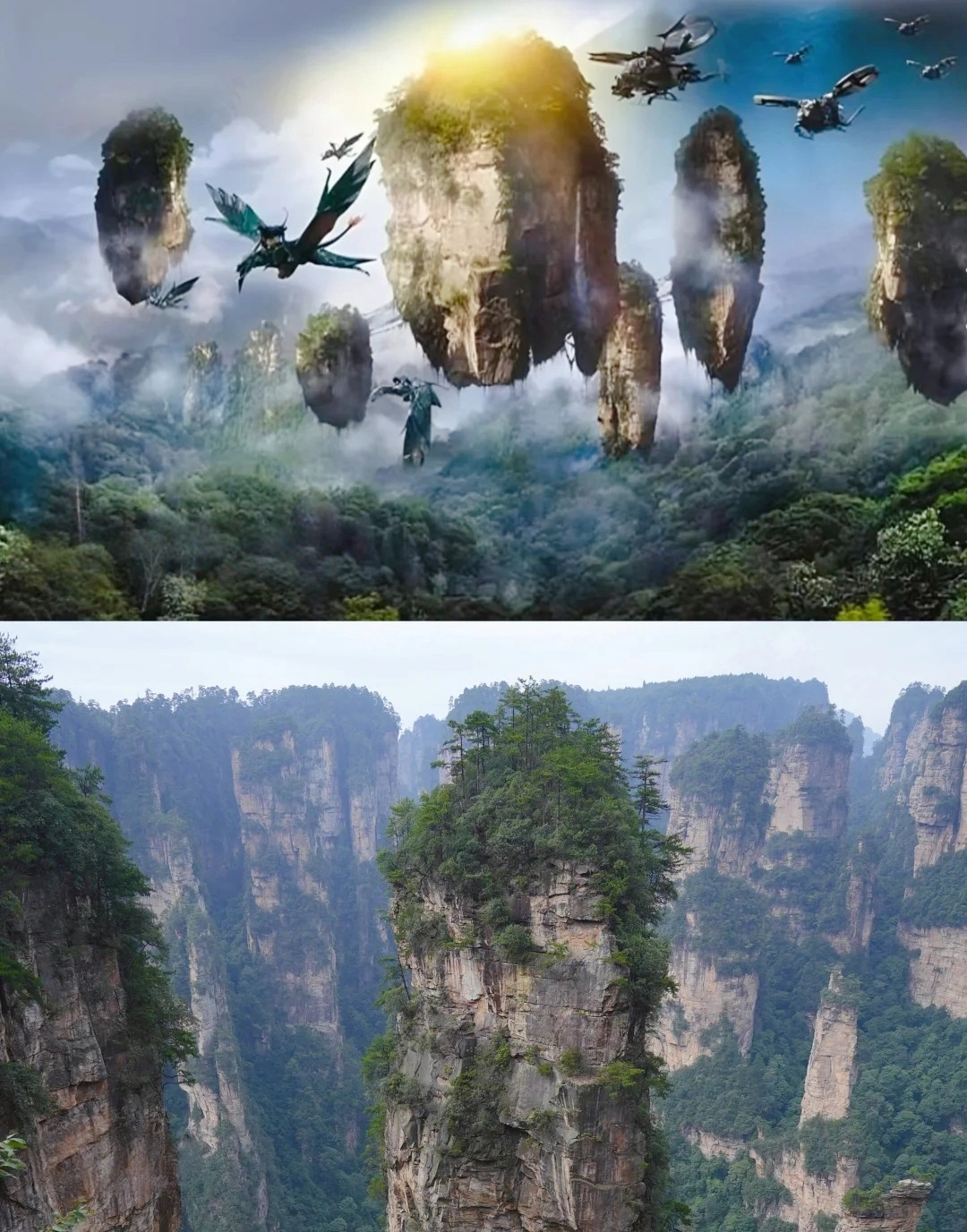
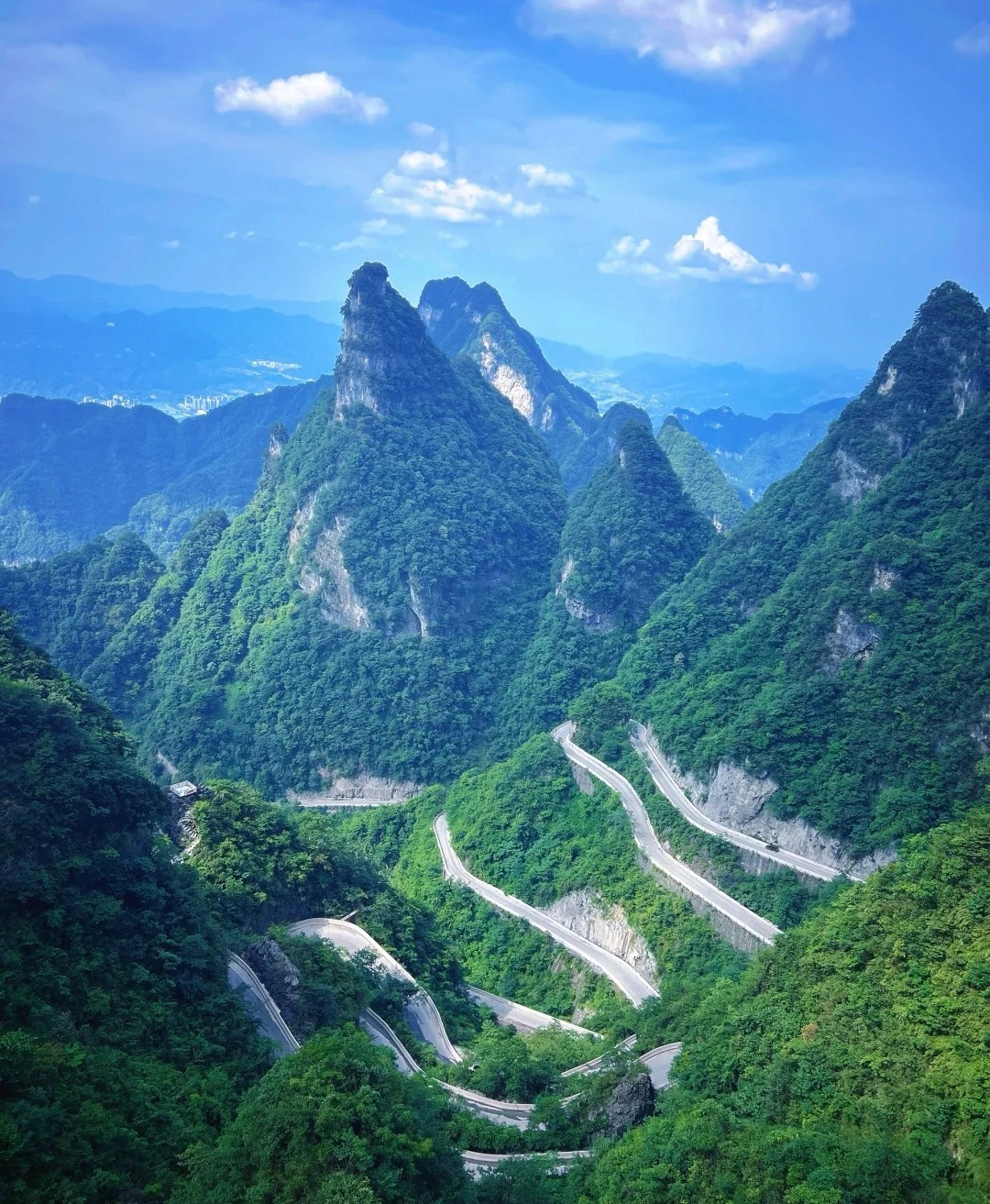
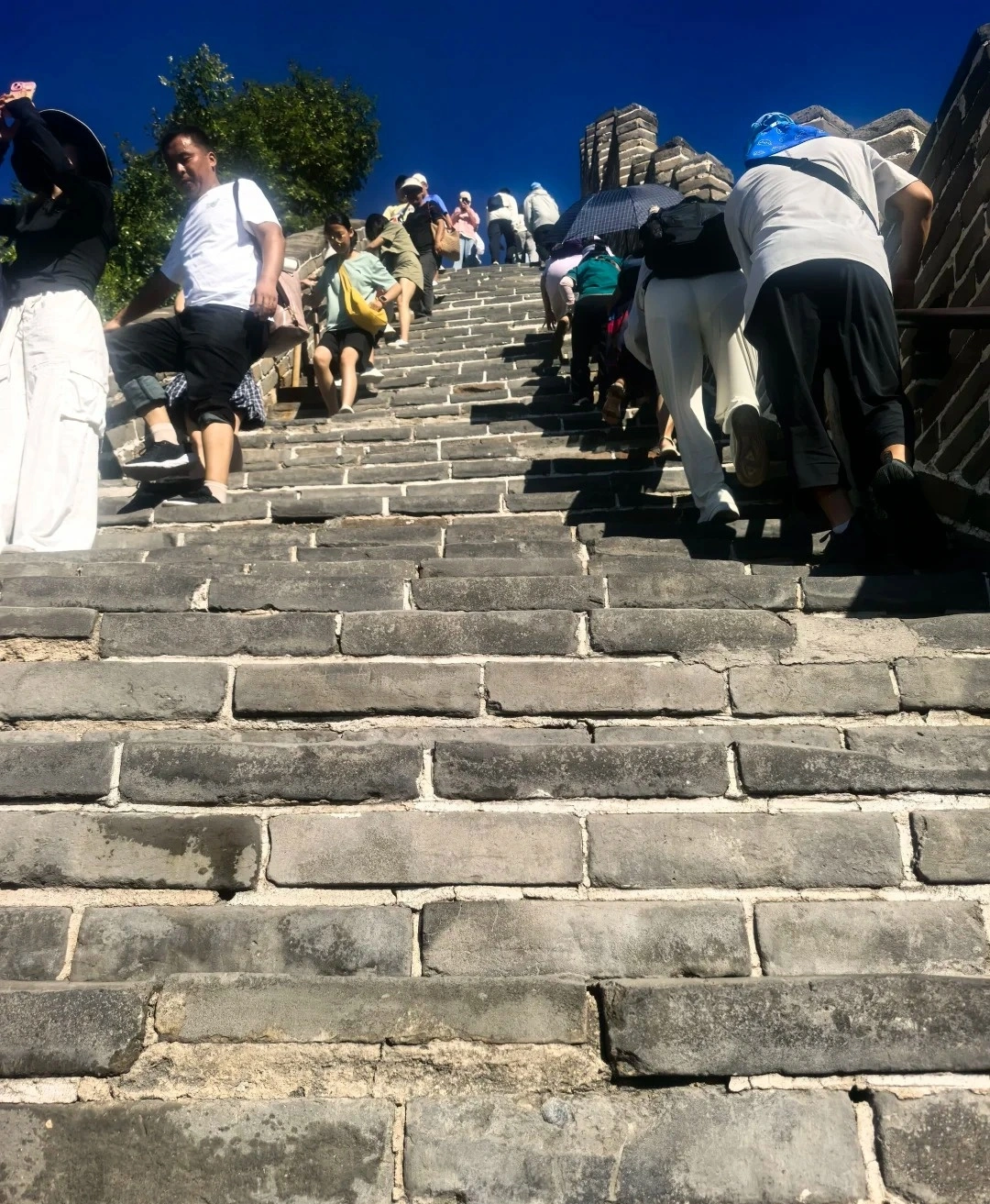
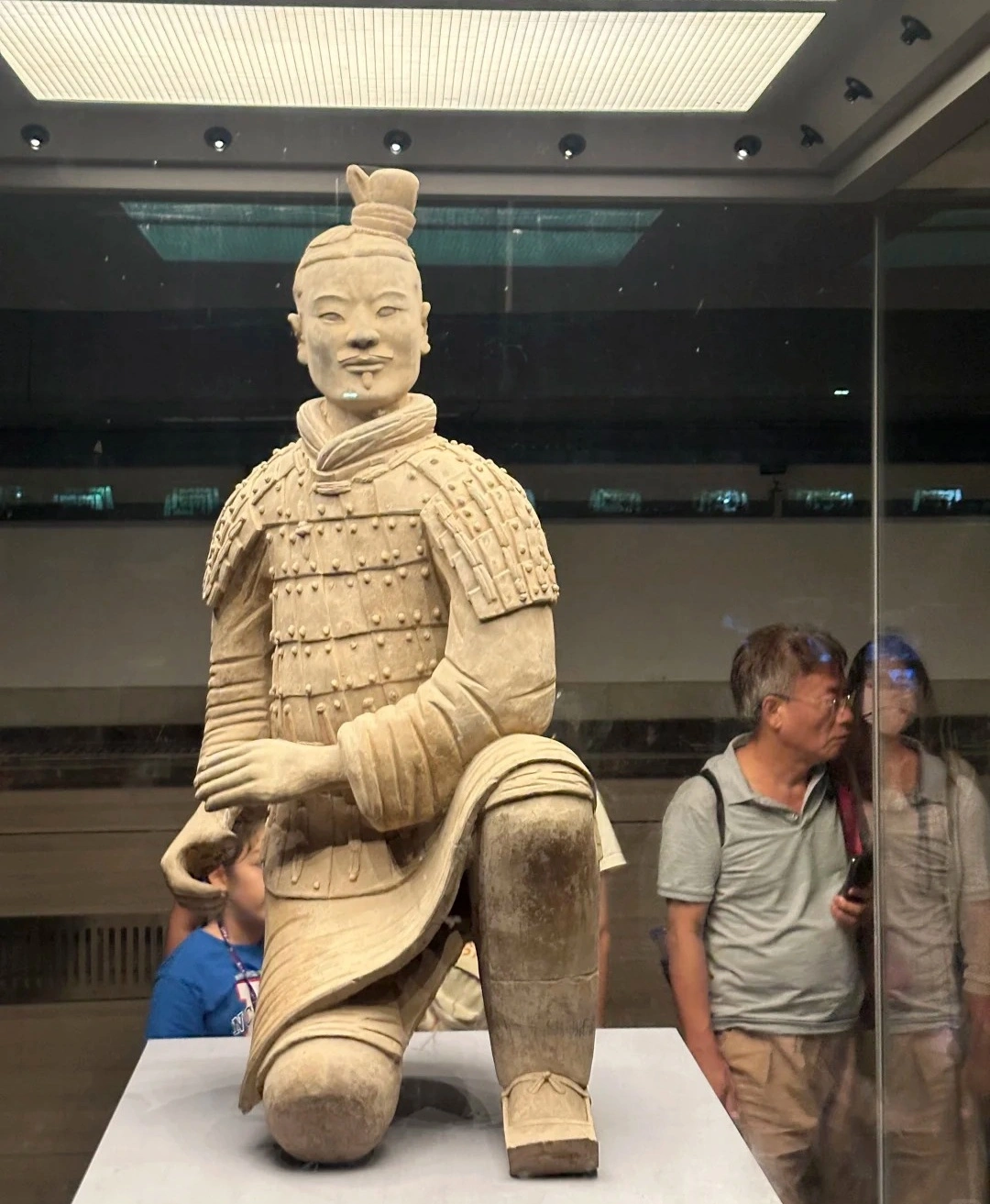
As a solo traveler from Canada, I was nervous about navigating China alone—but this 11-day tour was PERFECT! From hiking the Great Wall at sunrise (Day 3) to gasping at the Terracotta Army (Day 5), every day delivered ‘pinch-me’ moments. The real showstopper? Zhangjiajie’s Avatar Mountains (Day 7)! Our guide made the stone pillars come alive with stories.
Massive thanks for handling all logistics—bullet train tickets, entry passes, car! And the 4-star hotels surprised me.
Destination(s):
Beijing Xian Zhangjiajie Shanghai
Date of
Experience:
June 02,2025

Simon
America
Reviewed on May 29,2025
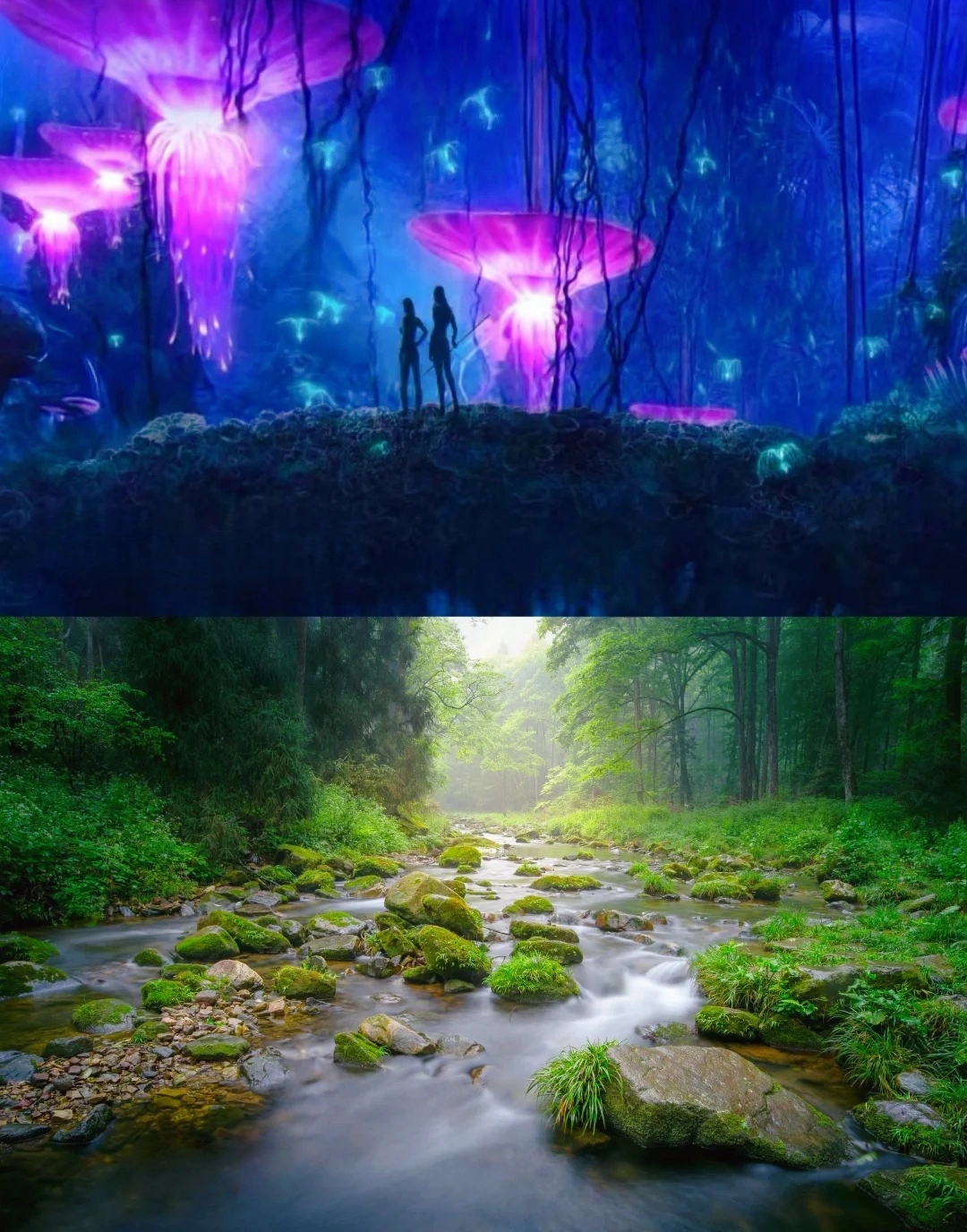
Our 2-day Zhangjiajie tour was beyond spectacular! As someone who’s visited Beijing and Shanghai for work, this trip revealed China’s wild, magical heart. Day 1 in Zhangjiajie National Forest Park felt like stepping onto Pandora—I’m a huge Avatar fan, and Yuanjiajie’s floating peaks left me breathless. The misty pillars and lush valleys like pure movie magic!
Then came Fenghuang Ancient Town, we eat dinner beside the thundering waterfall. It seems Unreal! The night views of stilt houses glowing over the river were straight from a fairy tale.
For fellow Avatar lovers and adventure seekers: Don’t miss this bucket-list experience! 10/10 would return.
A Well-Traveled Film Buff, May 2025
Destination(s):
Zhangjiajie
Date of
Experience:
May 08,2025