Nature's Creation—Tamed Strange Rocks and Ancient Trees
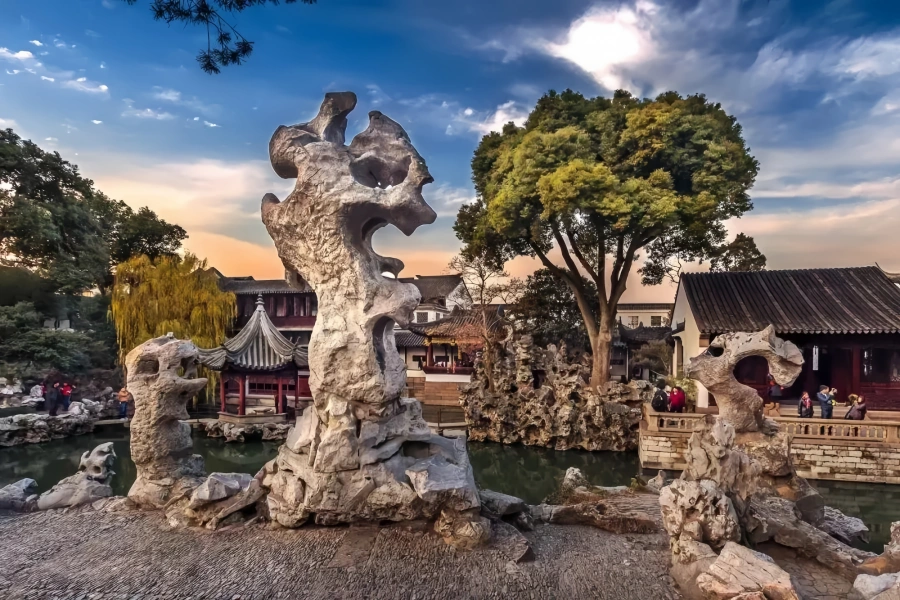
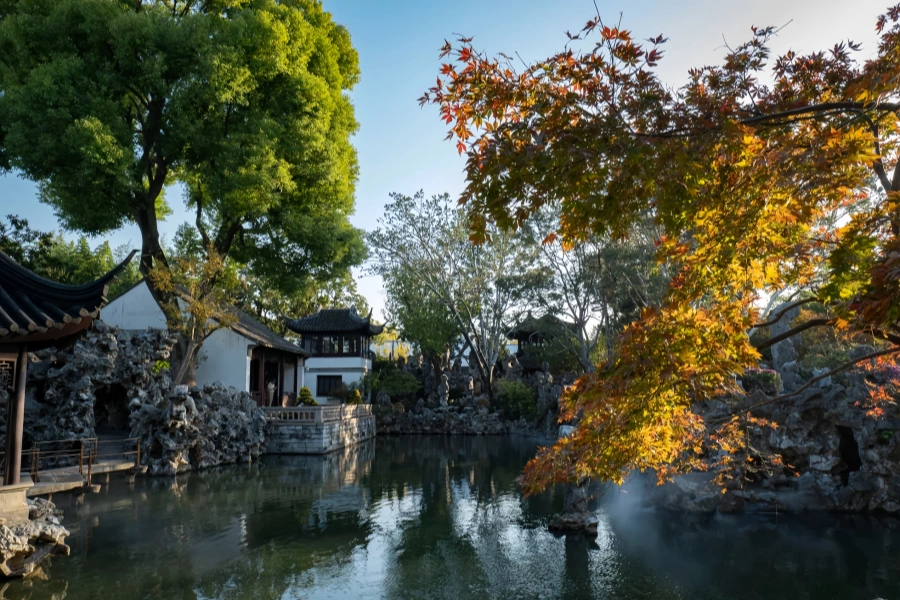
The "nature" of Lion Grove Garden is a landscape that has been refined and reshaped through the ultimate art.
Rockery Kingdom: China's Largest Taihu Stone Maze
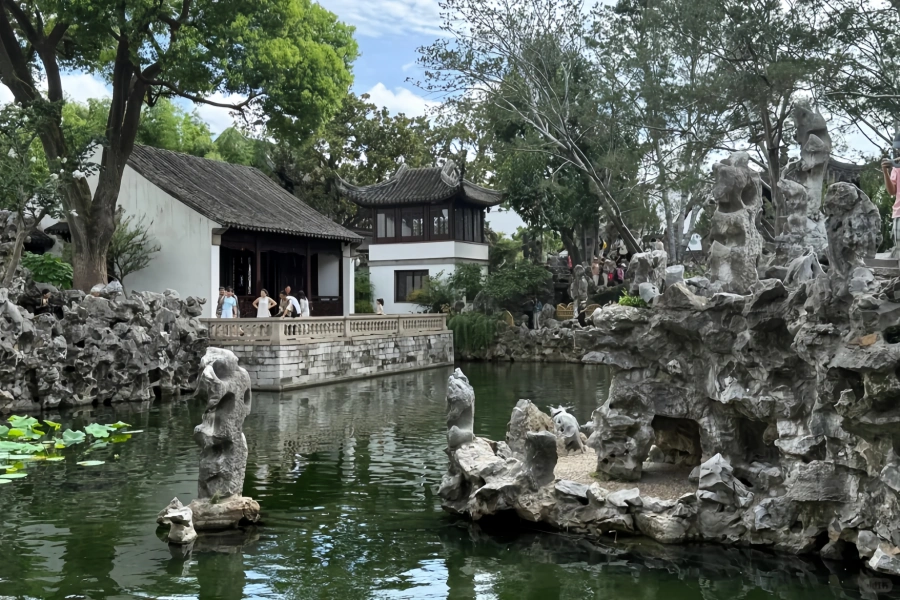
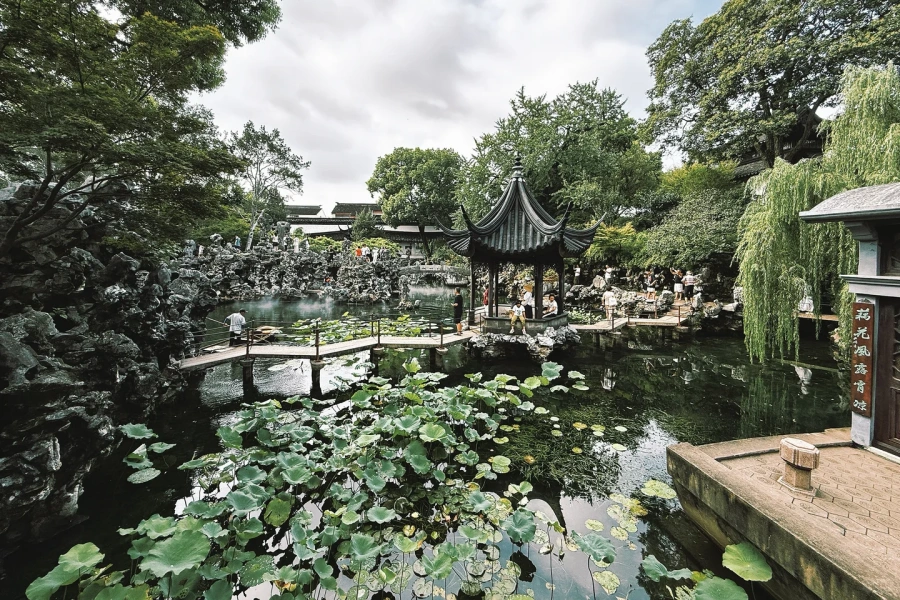
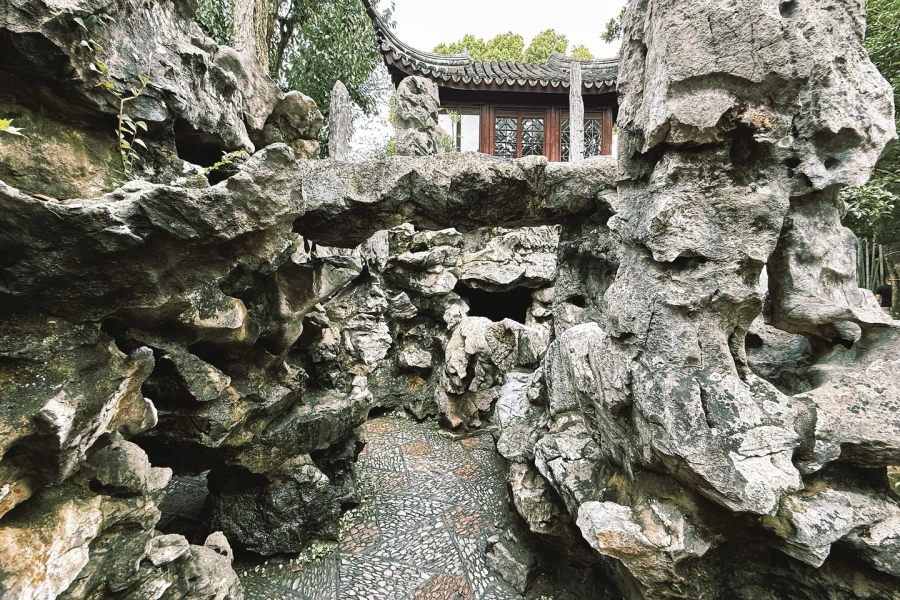
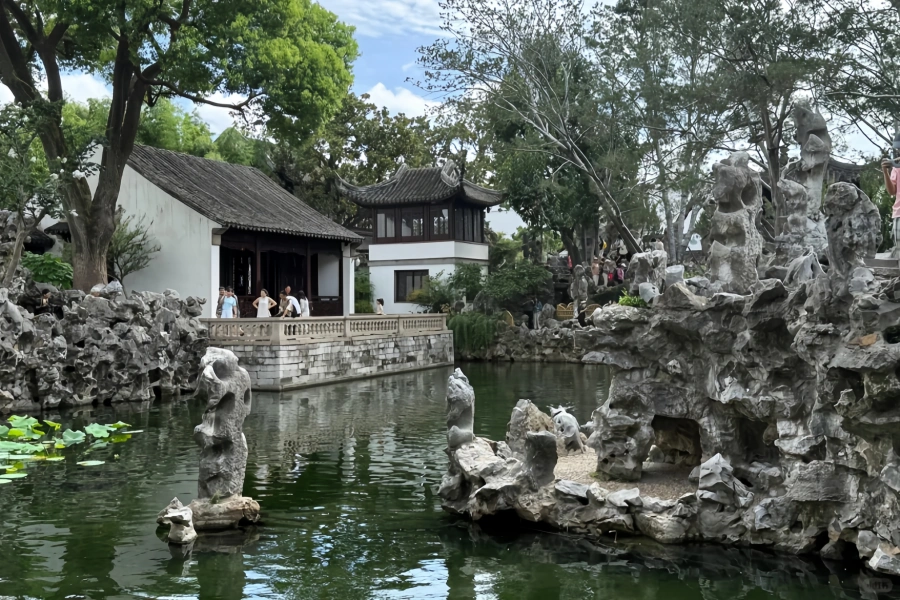
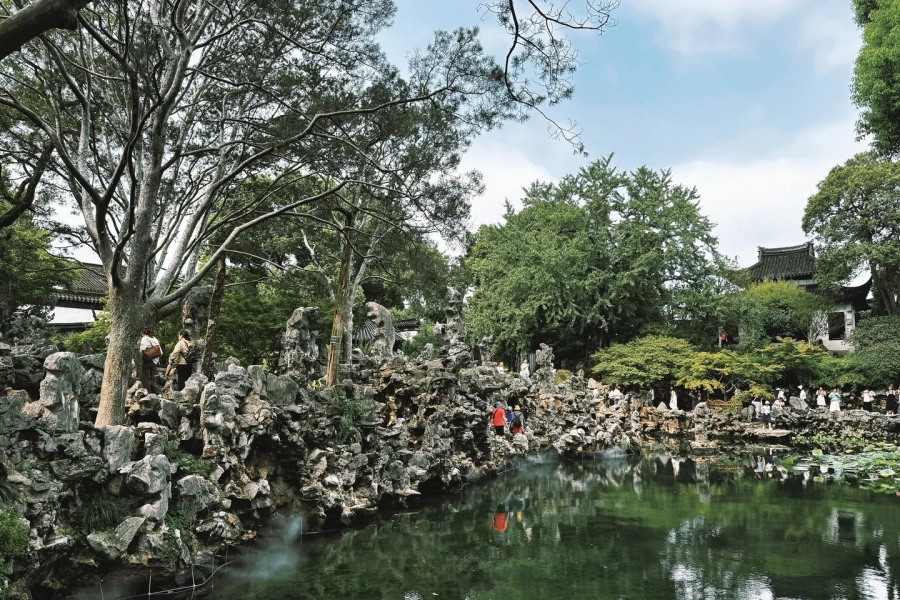
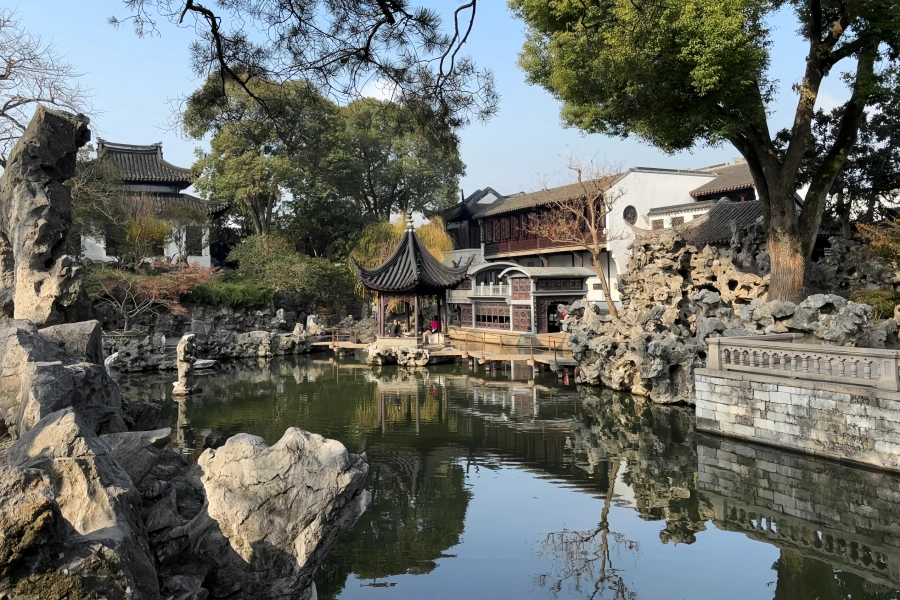
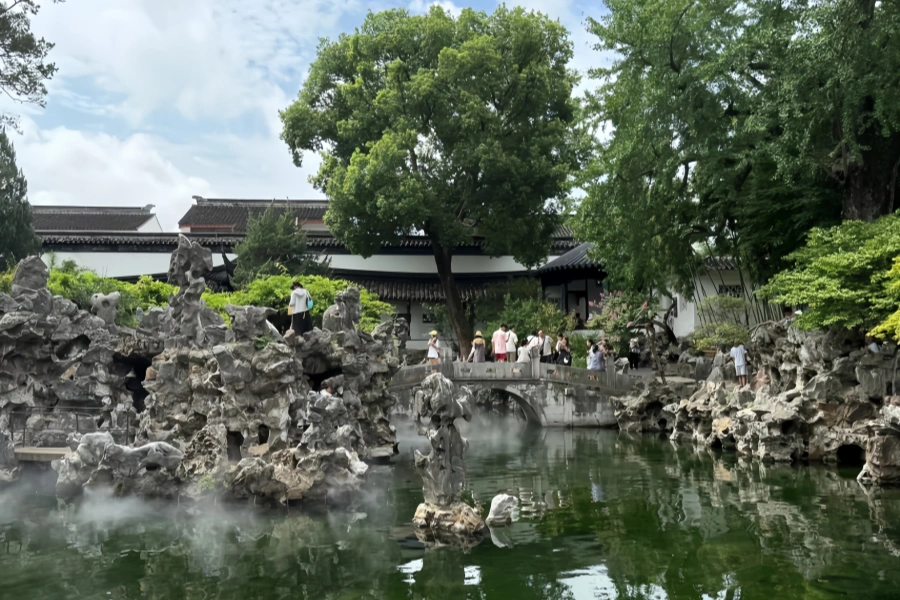
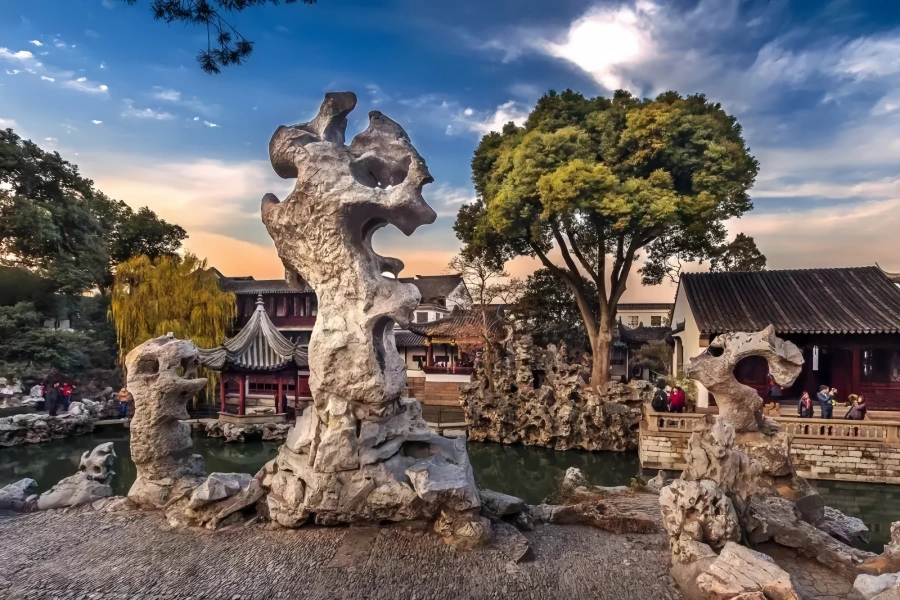
This is the soul of the Lion Grove Garden. The entire artificial mountain complex covers approximately 1.73 acres and uses over 1150 tons of Taihu stones. The mountain is divided into upper, middle, and lower levels, featuring 21 caves and 9 winding paths. Exploring it is like entering a stone maze, sometimes seemingly without a way out, and sometimes revealing a new path, full of the joy of exploration. The artificial mountain simulates the textures and ravines of natural mountain ranges, showcasing the beauty of Taihu stones—"lean, wrinkled, porous, and translucent"—to the fullest extent.
Plant Highlights: The Four Seasons Poem of Ancient Trees and Flowers
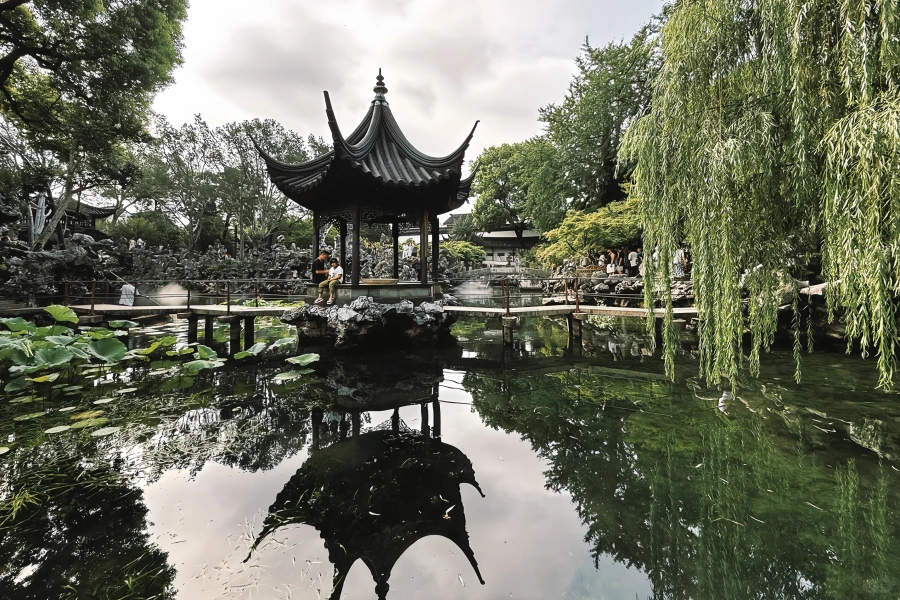
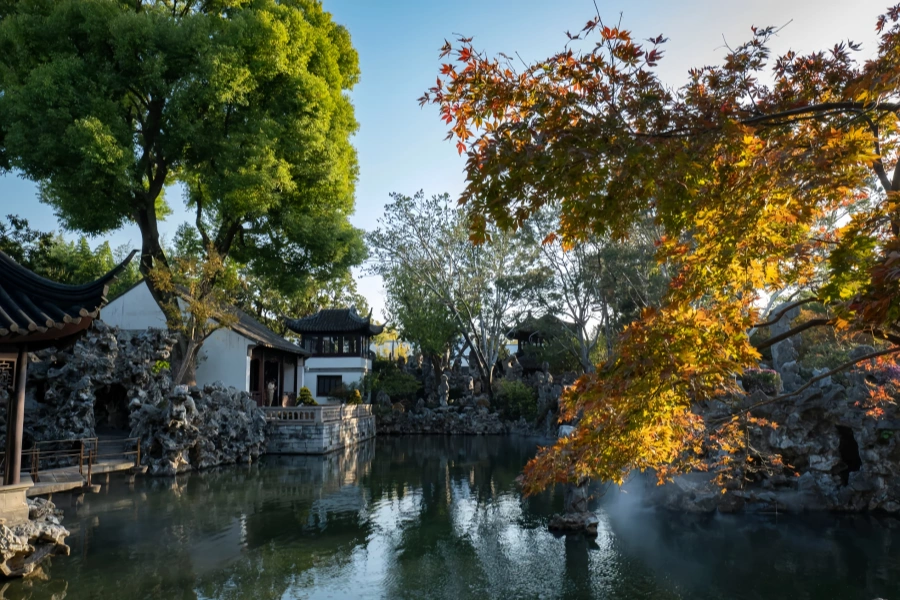
- The ancient trees and famous trees in the park are the best companions to the rockery. The "Tengjiao" ancient cypress and the "Li'e" pine are both over a hundred years old. Their branches and trunks are vigorous and they complement the rugged lake rocks. Their names are full of dynamism and picturesque charm.
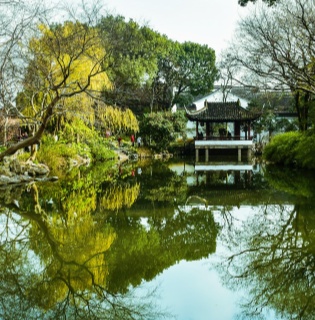
- The arrangement of flowers and trees follows the principles of painting: in spring, one can appreciate the plum blossoms next to the Wenmei Pavilion; in summer, one can admire the water lilies in front of the Lotus Hall; in autumn, one can smell the fragrance of osmanthus; and in winter, one can appreciate the subtle fragrance and sparse shadows. There are beautiful scenes to enjoy in all four seasons.
Water Management Art: A Grand Vision of Jianghu (江湖, a world of martial arts and chivalry) Seen in a Small Scale
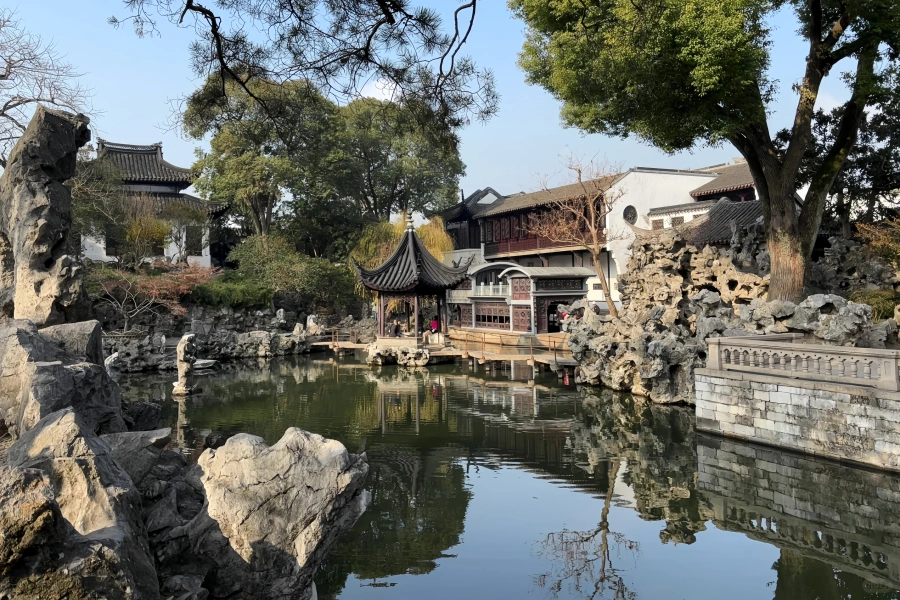
Although the water surface in front of the central pond, "Yifeng Zhibaixuan," is not large, the winding pond banks, the low-lying buildings, and the deep artificial hills create an image of a long and rich history of rivers and lakes. The water flows intermittently among the artificial hills, its sound like the melody of a zither, adding vitality and rhythm to the garden.
Humanistic Ingenuity: Stories and Sentiments in Architecture
Every building and every plaque here tells a story of the fusion of history and culture.
Zhi Bai Xuan and Zhen Qu Ting: The Core of the Story
- Zhibai Pavilion: The main hall in the garden, its name originates from the Tang Dynasty Zen koan "Zhao Zhou Points to the Cypress," highlighting the garden's Zen origins. Leaning on the railing here, directly facing the main rockery, offers the best panoramic view.
- Zhenqu Pavilion: Located on the west bank of the pond, this pavilion bears the inscription personally written by Emperor Qianlong. Legend has it that when Emperor Qianlong visited the garden, he was deeply impressed and wrote the three characters "真趣" (zhen qu xiang, meaning "truly interesting"). His accompanying ministers felt it was somewhat vulgar and requested the emperor to bestow the character "有" (you, meaning "to have") upon them, thus creating "真趣," which retained the emperor's praise while adding elegance. The plaque is decorated with gold leaf, showcasing imperial grandeur.
Yan Yutang and Flower Basket Hall: Etiquette and Exquisite Craftsmanship
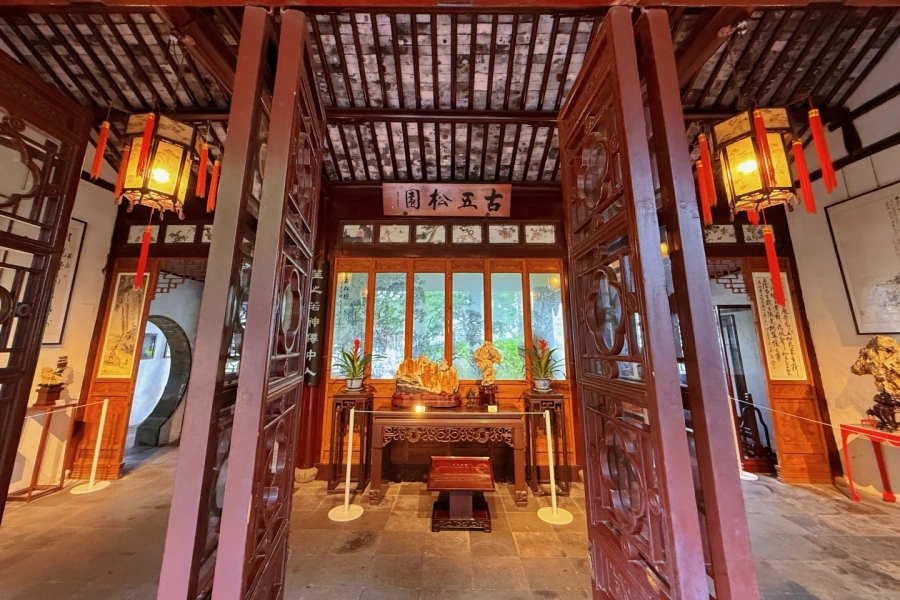
- Yanyu Hall: The main hall of the entire garden, it adopts the rare "Mandarin Duck Hall" layout. The front hall (men's hall) is used to receive ordinary guests, while the back hall (women's hall) is used for gatherings of the wives and concubines. The decoration styles are bright and cheerful, while elegant and refined, reflecting ancient etiquette and wisdom of life.
- Flower Basket Hall: Named for the exquisite flower baskets carved on the tops of the columns inside, it is a refined representative of southern hall architecture, reflecting Pei's respect for and promotion of traditional craftsmanship during the renovation.
Inscriptions and paving: Culture in the details
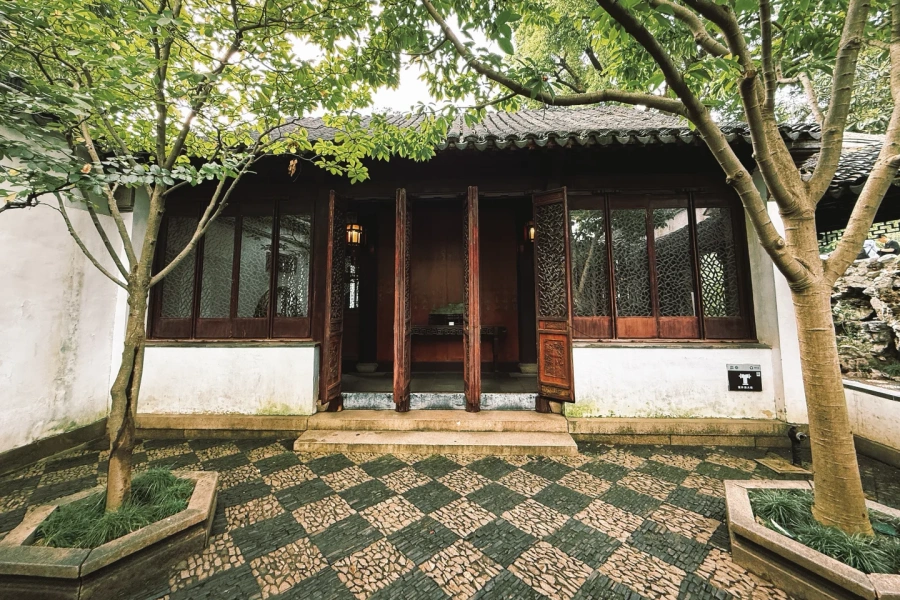
- The walls of the corridor are inlaid with stone tablets containing calligraphy works such as "Tingyulou Collection of Calligraphy", which brings together the calligraphy of famous masters such as Su Shi, Mi Fu, and Wen Tianxiang. The paving in the garden is also very exquisite, with auspicious patterns such as bats, coins, and lotus flowers made of tiles, pebbles, and porcelain pieces, making every step interesting.
Photography Tips:
The best maze viewing spots are from high vantage points such as "Anxiang Shuying Tower" or "Feipu Pavilion," which offer panoramic views of the artificial mountain maze and its intricate paths.
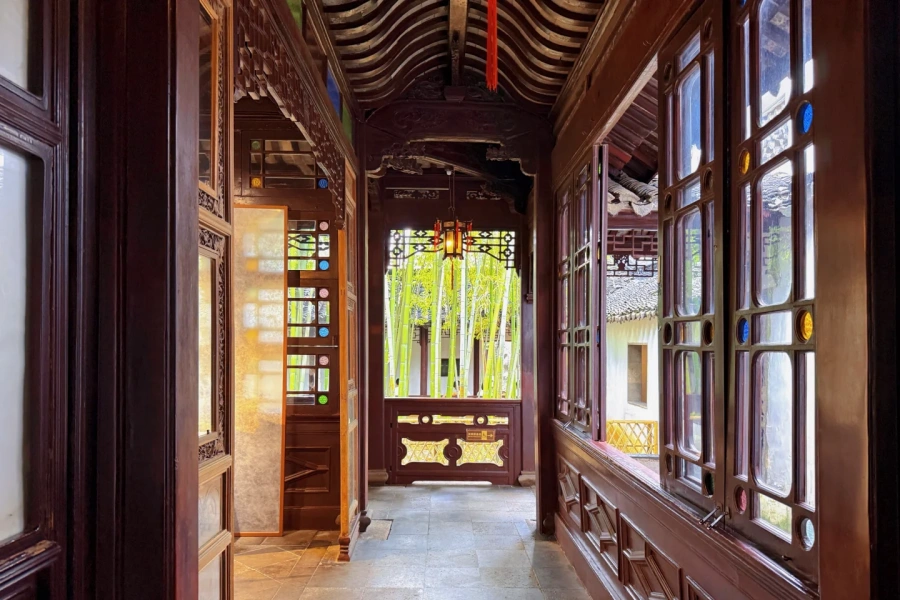
The beauty of framing: Using the window lattices and doorways of "Xiuzhu Pavilion" or "Wenmei Pavilion" as frames, the rockery and ancient trees in the framed view are photographed with great artistic flair.
Close-up details focus on the lake rocks that resemble lions, the exquisite wood carvings in the flower basket hall, or the auspicious paving patterns.