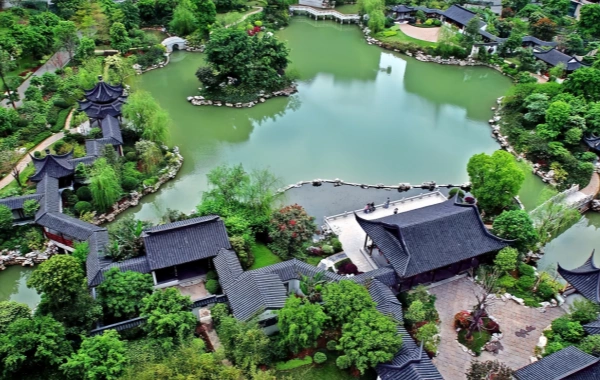
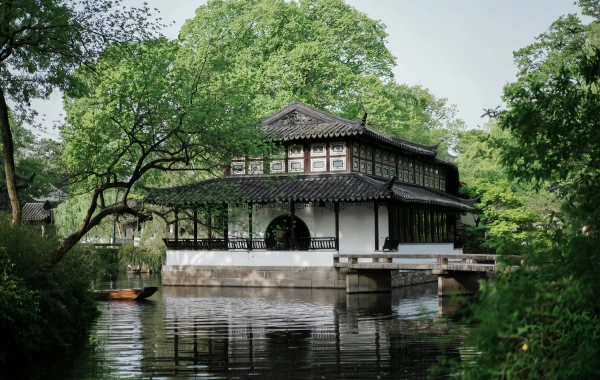
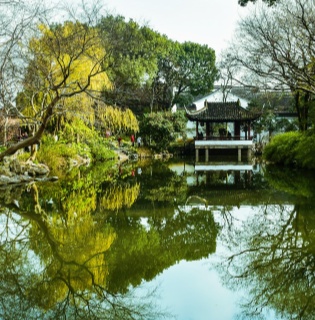
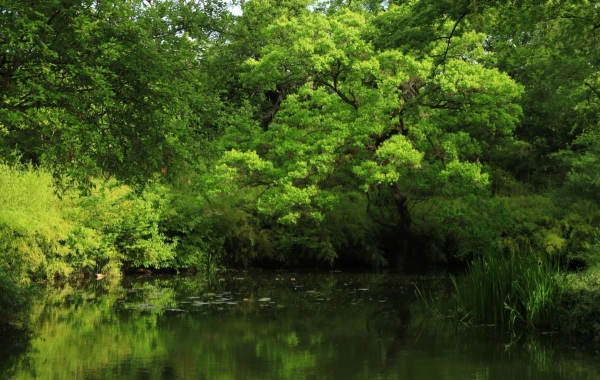
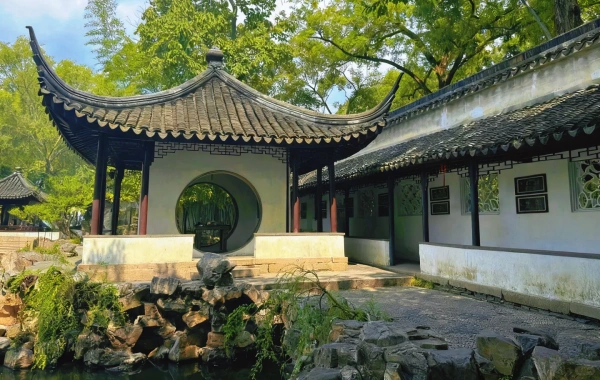
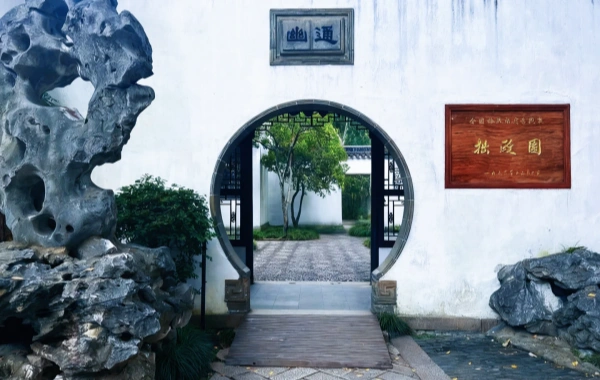
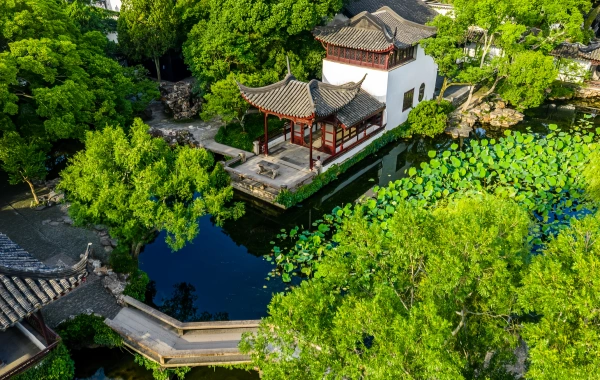
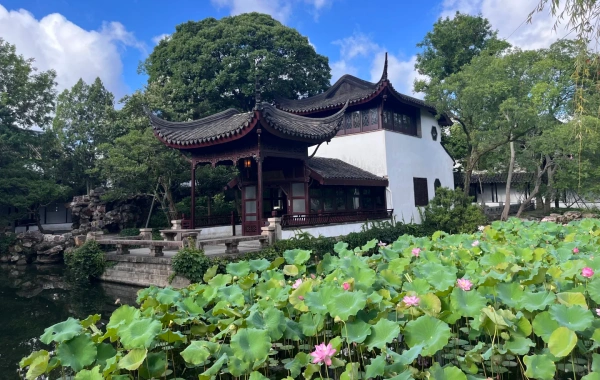
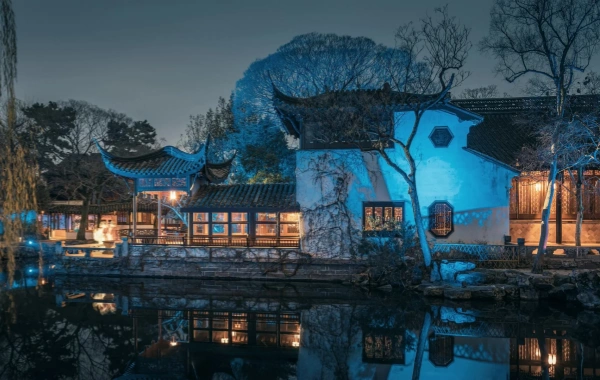
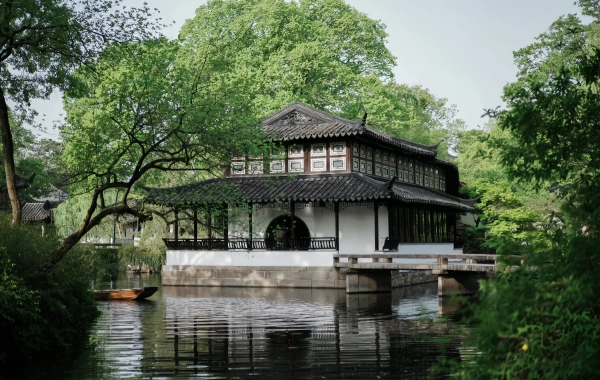
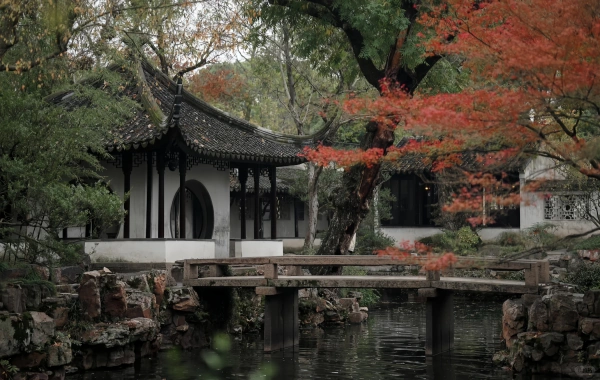
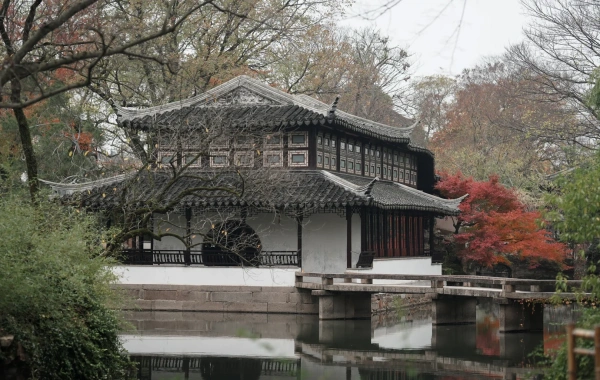
The charm of nature - an ecological picture that breathes. The beauty of the Humble Administrator's Garden lies primarily in its ecological creation that emulates and surpasses nature. Water is its soul, covering about one third of the entire garden. The ancient wisdom of water management and modern ecological technology blend here.
The Dynamic Water: From "Ripples on Stagnant Water" to "Underwater Forest" The water body in the garden once became "stagnant water" due to its isolation from the external water system, making its management difficult. Since 2018, managers have taken a different approach by introducing ecological regulation techniques, planting species such as vallisneria spiralis and myriophyllum verticillatum at the bottom of the water, and releasing water purification species such as spatula and bitterling carp, thus building a complete ecological chain. Today, this "underwater forest" endows the closed water body with self-purification capabilities. Fish and shrimp swim through and water plants sway, bringing the ancient garden to life with vigorous ecological vitality. In front of Yuanxiang Hall, the summer lotus breeze caresses your face, and at Xiaocanglang, a clear stream meanders. Both are perfect places to experience this dynamic water scenery.
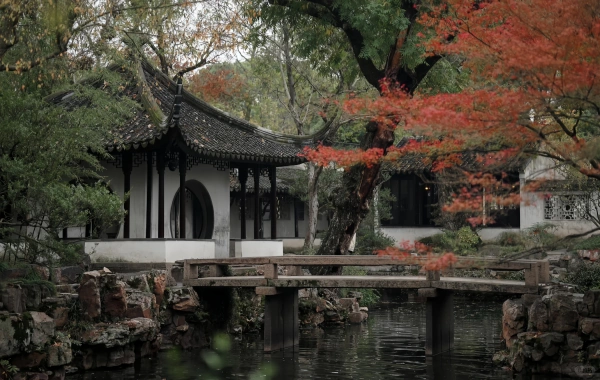
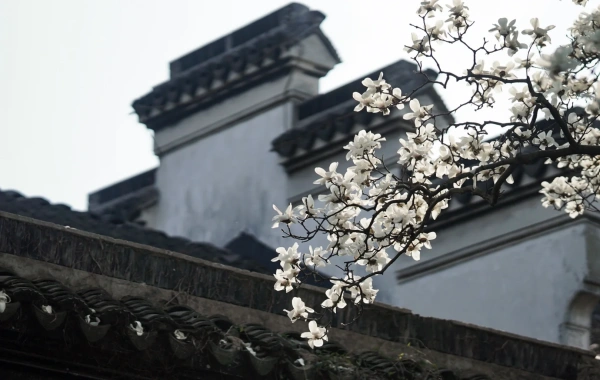
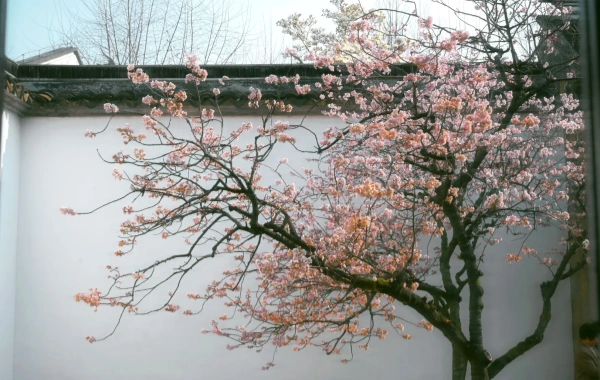
The Lush Trees: A Life Theater That Changes with the Seasons. The Humble Administrator's Garden is renowned for its "unparalleled forest", and the plant configuration within the garden is exemplary, aiming to "enjoy the blooming flowers in spring, smell the fragrance of lotus in summer, admire the red leaves in autumn, and see the verdant greenery in winter". In spring, the crabapple blossoms in Haitang Chunwu are enchanting and are hailed as the "immortals among flowers". Outside the Listening to the Rain Pavilion, banana plants, green bamboo and lotus flowers allow the sound of raindrops to transform into a natural symphony. Citrus fruits are planted around the Frost Pavilion, highlighting the theme of autumn. Gardeners tailor growth Spaces for each tree and prune them carefully, making plants not only landscapes but also carriers of emotions and extensions of artistic conception.
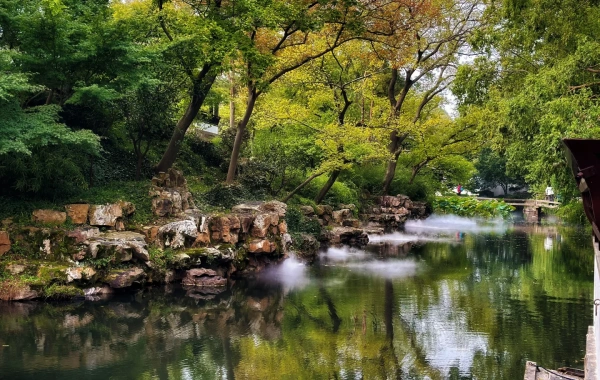
The art of stacking stones: Solidified landscape paintings. Stones are the skeleton of a garden. The eastern Zui Yun Peak, shaped like a cloud, stands side by side with the Lian Bi Peak, serving as a "barrier" for entering the park and gradually leading people into a beautiful scene. The three islands in the middle of the pool symbolize the three immortal mountains of Penglai, Fangzhang and Yingzhou, and are a classic embodiment of the traditional garden layout of "one pool and three islands". These stones not only shape the terrain but also, in the changes of light and shadow, together with buildings and flowers and trees, form a series of three-dimensional landscape paintings.
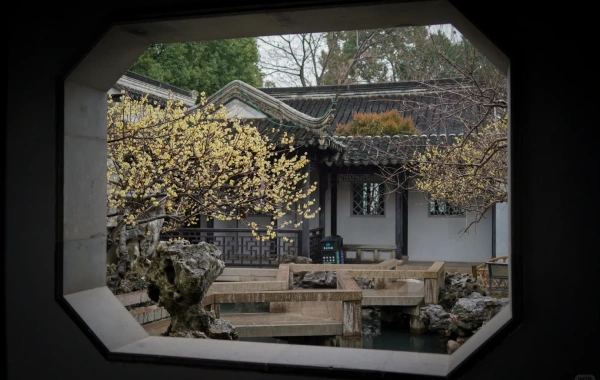
The Soul of Humanity: The Resonance of Architecture, poetry, Painting and Music. Every building here has an elegant name, and every window frames a scene. Together, they recite a silent poem.
Yuanxiang Hall: The main building in the middle of the Humble Administrator's Garden, its name is derived from Zhou Dunyi's "Discourse on the Lotus", which reads, "The fragrance travels far and becomes clearer." Surrounded by transparent floor-to-ceiling Windows on all sides, it resembles a huge viewfinder, offering a panoramic view of the lotus pond outside the hall. It is an ideal place to enjoy lotus flowers in summer.
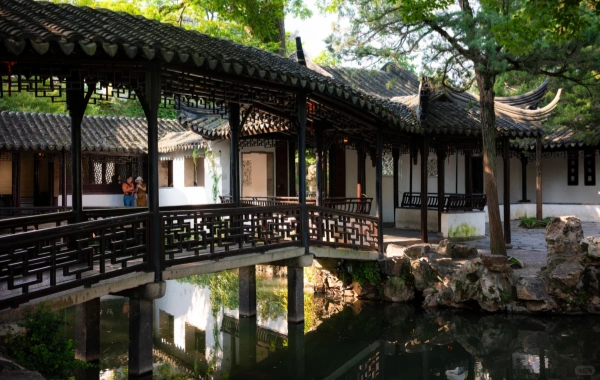
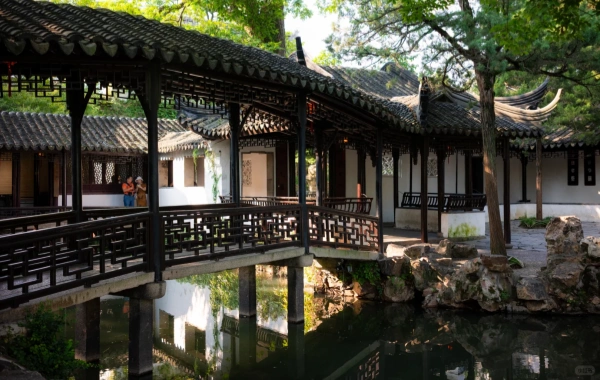
Xiaofeihong: An extremely rare covered bridge in Suzhou gardens. The vermilion bridge railing is reflected on the clear water, resembling a rainbow, thus earning its name. It not only connects traffic but also ingeniously divides the water surface space, increasing the depth of field. It is a classic position that photography enthusiasts love the most.
Thirty-six Mandarin Ducks Hall/Eighteen Mandala Flower Hall: The main building of the Western Garden, a hall with two plaques hanging on the north and south sides respectively. The North hall is adjacent to water and once housed mandarin ducks, thus it was named "Thirty-Six Mandarin Duck House". The south hall is planted with camellias (mandala flowers), thus it is called "Eighteen Mandala Flower House". The top of its building features a continuous arched canopy, which offers excellent acoustics. In the past, the owner of the garden often held Kunqu Opera gatherings here, achieving a perfect combination of classical gardens and the intangible cultural heritage of human oral history (Kunqu Opera).
Who to Sit With: A charming fan-shaped hut built by the water. Its name is taken from a line by Su Shi: "Who will I sit with?" "Bright moon, gentle breeze, and I." The architectural form is unique and the perspective is exquisite, expressing the owner's lofty and refined sentiments. Now it has become a popular check-in spot for Internet celebrities.
Suzhou Garden Museum: Located within the residential area of the Humble Administrator's Garden, it is the first museum in China dedicated to gardens. After visiting the real landscape of the garden and then entering for a tour, one can systematically understand the garden-making art and cultural connotations of Suzhou classical gardens, elevating the sensory experience to rational cognition.
Photography Secrets:
Best lighting and shadow: From 9 to 11 a.m., the light is soft and suitable for shooting the eastern and central landscapes. From 3 to 5 p.m., the setting sun can drape the buildings in the west with a golden glow.
Classic framing: Standing at Xiaocanglang and shooting the little rainbow and its reflection through the door frame is the most representative framing composition of a garden.
Unique perspective: When shooting from the inside out of the room with whom you are sitting, the fan-shaped window frame itself is a painting.
Reflection Art: On a windless sunny day or early morning, capture the perfect symmetry of buildings and trees in the water in front of a reflection building or by any pool.