
It's best to try these four foods in Suzhou
Suzhou, renowned for its classical gardens and serene canals, also boasts a rich culinary heritage rooted in the delicate flavors of Jiangnan (southern Yangtze River Delta) cuisine. Known for its emphasis on freshness, seasonal ingredients, and subtle sweetness, Suzhou’s food reflects the city’s refined culture. Here are four iconic dishes you simply cannot miss when visiting this "Venice of the East."
1. Sweet-and-Sour Mandarin Fish (松鼠鳜鱼, Sōngshǔ Guìyú)
Why Try It?
This dish is as visually stunning as it is delicious. A whole mandarin fish is deboned, scored into a "pinecone" shape, deep-fried until crispy, and drizzled with a vibrant sweet-and-sour sauce made from sugar, vinegar, and pine nuts. The name "Squirrel Fish" comes from its appearance—when sauce is poured, it resembles a squirrel’s bushy tail!
Flavor Profile: Crunchy exterior, tender meat, and a balanced sweet-tangy sauce.
Where to Eat: Song He Lou, a 200-year-old restaurant famous for traditional Suzhou dishes.
2. Beggar’s Chicken (叫化鸡, Jiàohuā Jī)
Why Try It?
A dish with a fascinating backstory, Beggar’s Chicken originated when a hungry beggar wrapped a stolen chicken in mud and baked it over a fire to avoid detection. Today, chefs use a similar method: a whole chicken is marinated with Shaoxing wine, ginger, and scallions, wrapped in lotus leaves and clay, then slow-baked for hours. The result? Fall-off-the-bone tender meat infused with aromatic herbs.
Flavor Profile: Succulent, smoky, and fragrant from the lotus leaves.
Where to Eat: De Yue Lou or local countryside restaurants for an authentic experience.
3. Songshu Gui (Squirrel-Shaped Yellowfish, 松鼠桂鱼)
(Note: Similar to Sweet-and-Sour Mandarin Fish but often made with yellowfish, this dish is sometimes listed separately on menus. For simplicity, focus on one version or clarify the distinction.)
Alternative Highlight: Chao Shrimp (碧螺虾仁, Bìluó Xiārén)
Why Try It?
Suzhou is famous for Biluochun tea, a fragrant Green Tea, and this dish pairs fresh river shrimp with tea-infused egg whites. The shrimp are stir-fried until tender, then tossed with Biluochun leaves for a light, floral aroma.
Flavor Profile: Delicate, slightly sweet, with a hint of tea’s grassy notes.
Where to Eat: Tea houses in Pingjiang Road or upscale restaurants like Xin Rong Ji.
4. Sticky Rice Dumplings (Zongzi, 粽子) During Dragon Boat Festival
Why Try It?
While zongzi are eaten across China, Suzhou’s version stands out for its refined fillings. These pyramid-shaped glutinous rice dumplings are stuffed with sweet options like red bean paste or savory combinations like pork with salted egg yolk. During the Dragon Boat Festival (June), locals gather to eat zongzi while watching dragon boat races on the Grand Canal.
Flavor Profile: Chewy rice with rich, contrasting fillings.
Where to Eat: Street vendors, markets, or Panmen Scenic Area during the festival.
Bonus Tip: Pair Your Meal with Suzhou’s Famous Yellow Wine (Suzhou Shaoxing Wine, 苏州黄酒)
Suzhou’s mild, amber-colored rice wine complements its cuisine perfectly. Try it warm with dishes like Beggar’s Chicken or chilled as an aperitif.
Final Thoughts
Suzhou’s food is a celebration of seasonality and craftsmanship, much like its gardens and silk. Whether you’re savoring the crunch of Sweet-and-Sour Fish or the floral notes of Biluochun shrimp, each bite tells a story of this Ancient City’s culinary legacy.
Pro Tip: Many restaurants offer English menus, but learning simple phrases like “wǒ yào zhège” (I’ll have this) can enhance your experience!


Contact Us
What Our Clients Say?
Based on 10,000+ traveler reviews

Daniel Dorothea
Canada
Reviewed on April 29,2025
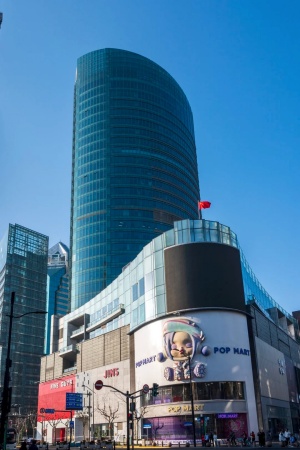
Shopping on Nanjing Road in Shanghai was just amazing! It's truly the "First Commercial Street of China", where tradition and modernity blend perfectly. You can find awesome souvenirs and experience the trendy vibes in cool stores. The neon lights at night are just spectacular, shining bright like Times Square in New York. The food here is incredible too. I had a feast for my taste buds. Shanghai, I'll definitely be back!
Destination(s):
Shanghai
Date of
Experience:
May 08,2024

Elvis Eva
Canada
Reviewed on June 20,2025
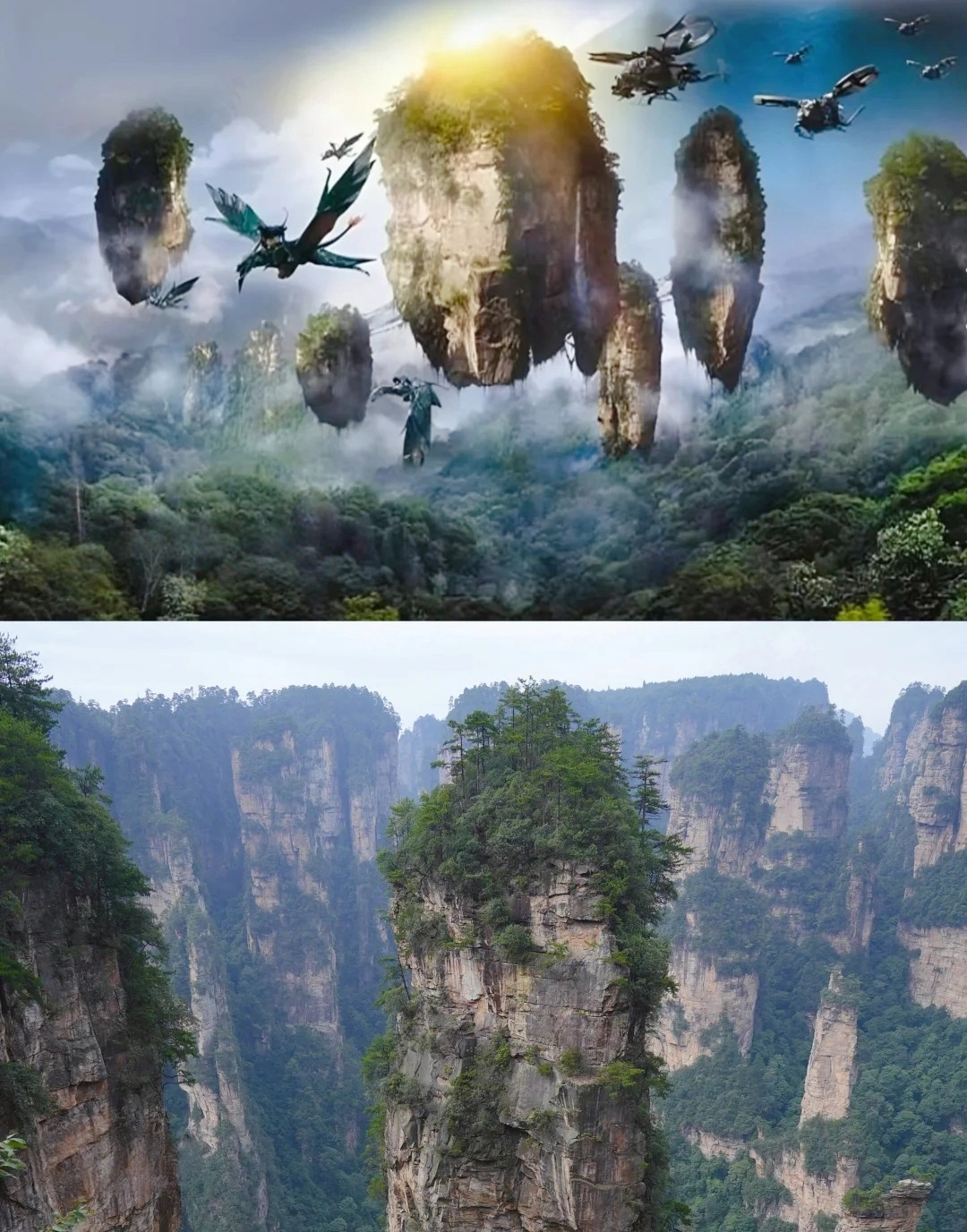
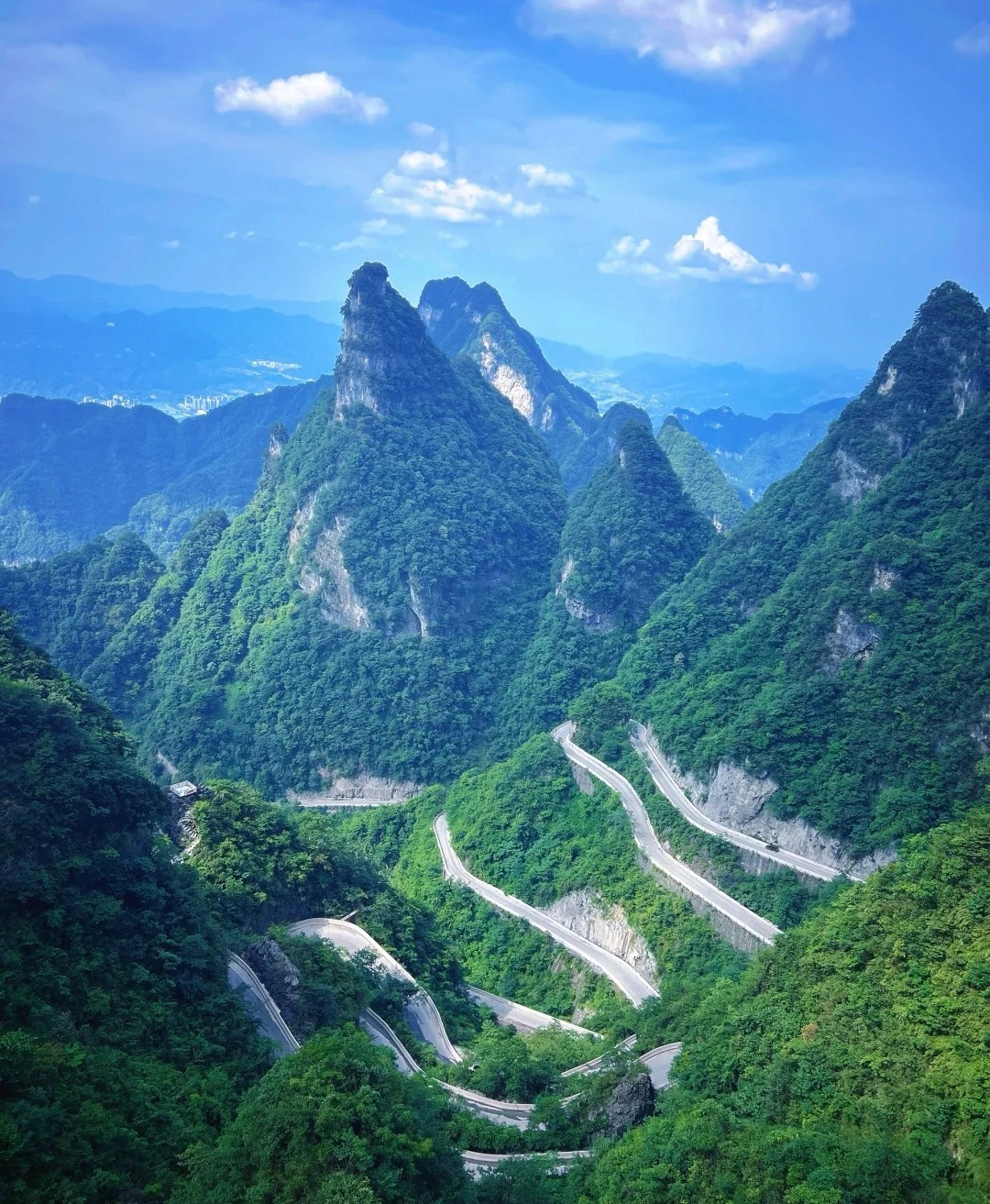
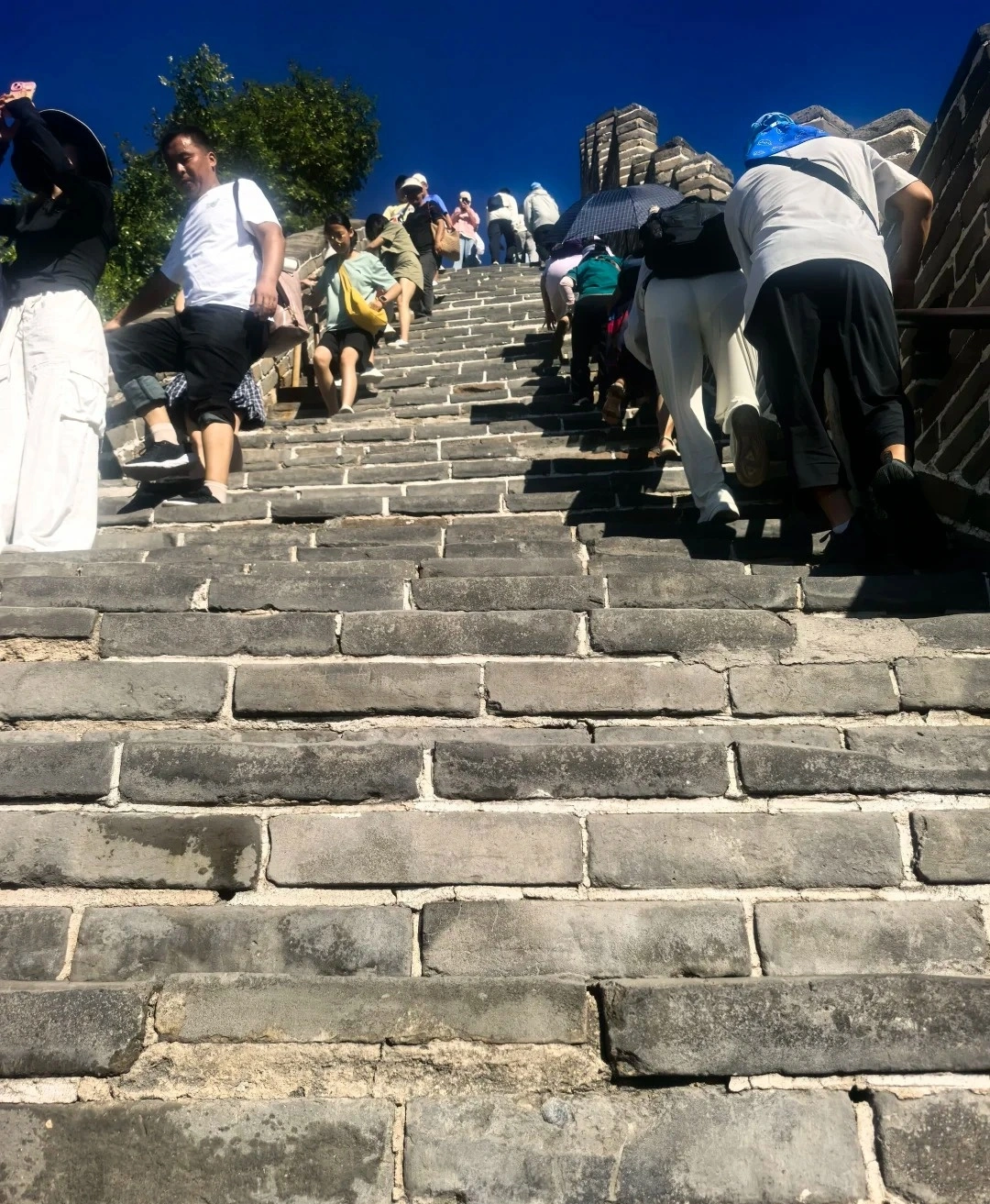
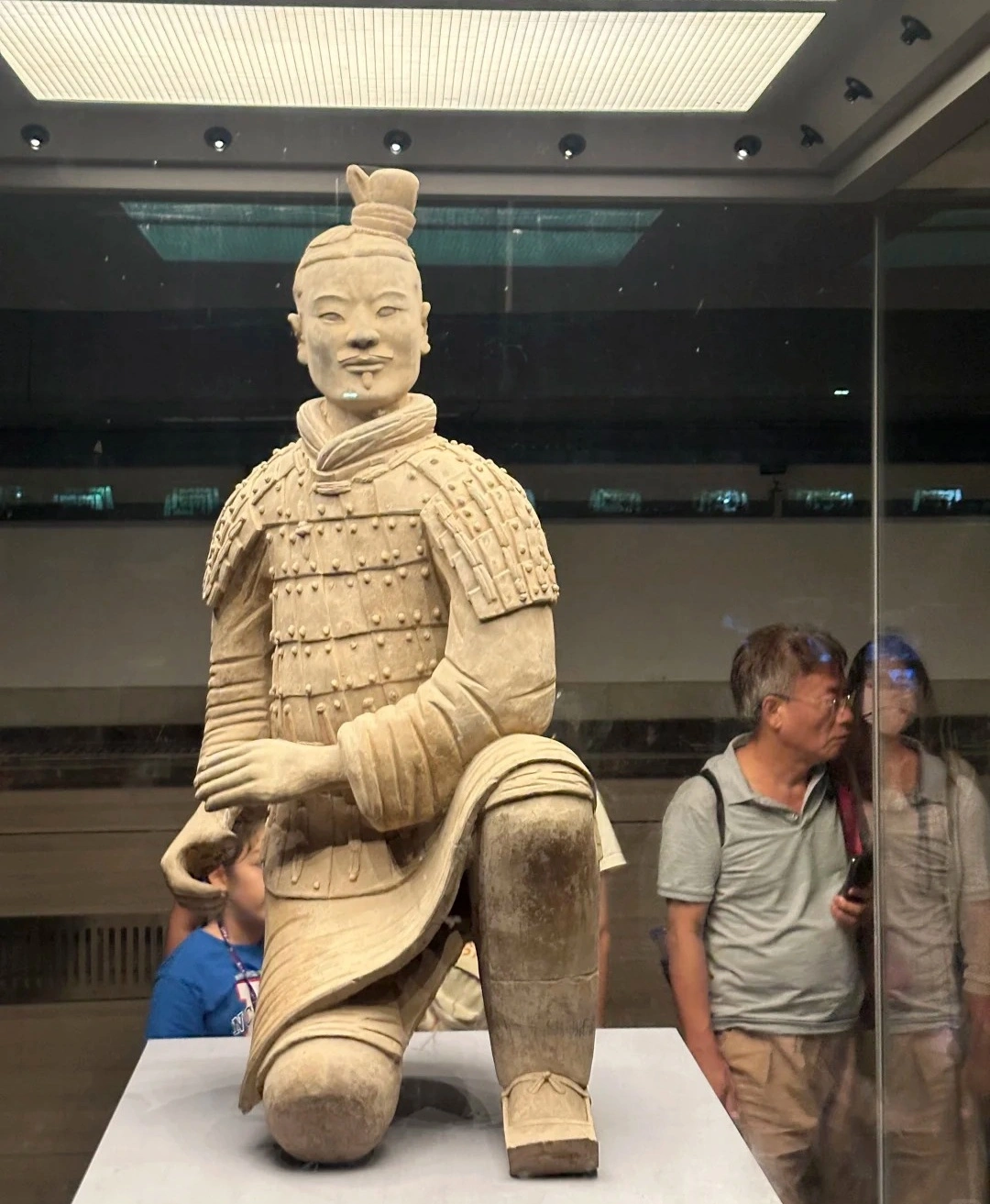
As a solo traveler from Canada, I was nervous about navigating China alone—but this 11-day tour was PERFECT! From hiking the Great Wall at sunrise (Day 3) to gasping at the Terracotta Army (Day 5), every day delivered ‘pinch-me’ moments. The real showstopper? Zhangjiajie’s Avatar Mountains (Day 7)! Our guide made the stone pillars come alive with stories.
Massive thanks for handling all logistics—bullet train tickets, entry passes, car! And the 4-star hotels surprised me.
Destination(s):
Beijing Xian Zhangjiajie Shanghai
Date of
Experience:
June 02,2025

Simon
America
Reviewed on May 29,2025
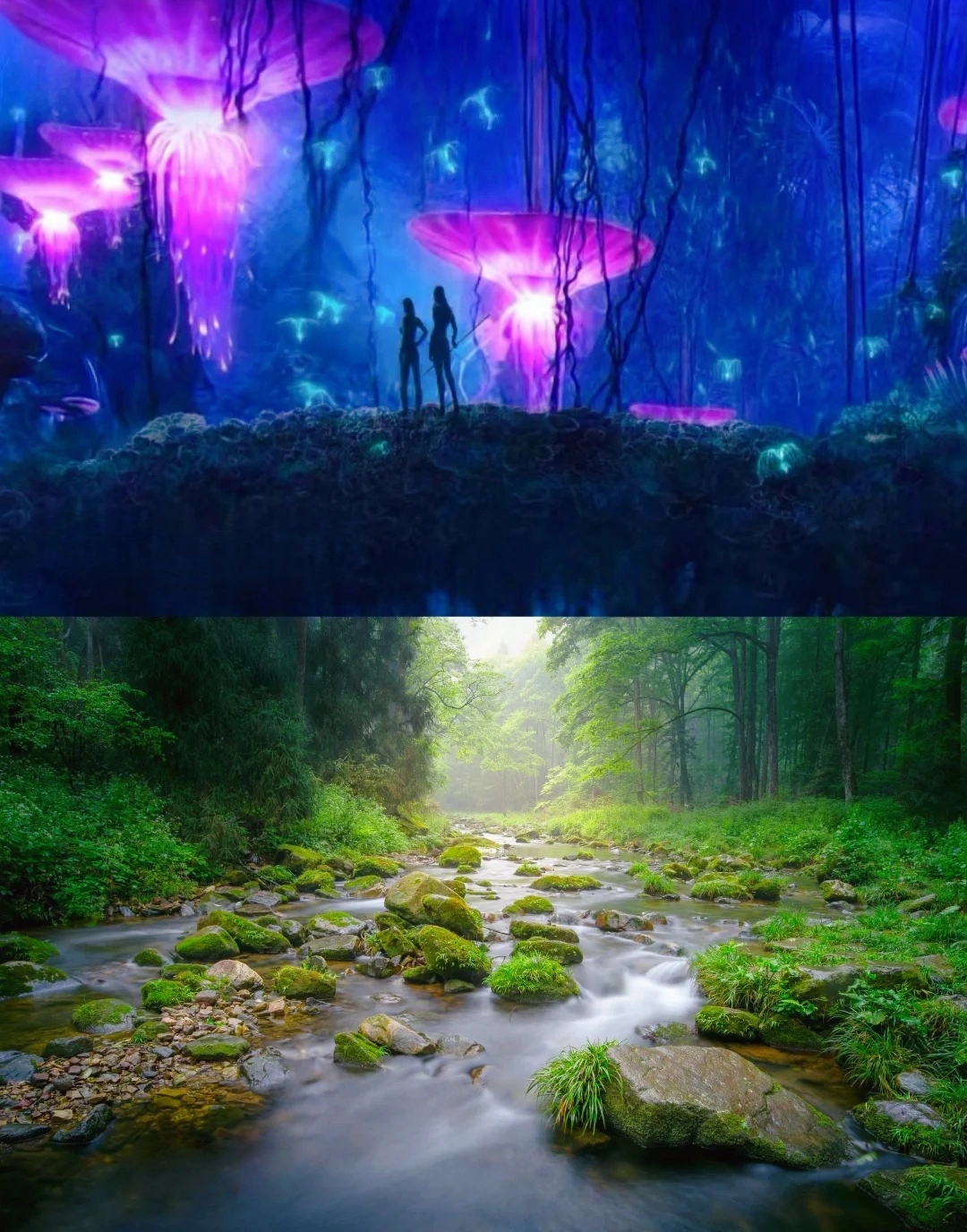
Our 2-day Zhangjiajie tour was beyond spectacular! As someone who’s visited Beijing and Shanghai for work, this trip revealed China’s wild, magical heart. Day 1 in Zhangjiajie National Forest Park felt like stepping onto Pandora—I’m a huge Avatar fan, and Yuanjiajie’s floating peaks left me breathless. The misty pillars and lush valleys like pure movie magic!
Then came Fenghuang Ancient Town, we eat dinner beside the thundering waterfall. It seems Unreal! The night views of stilt houses glowing over the river were straight from a fairy tale.
For fellow Avatar lovers and adventure seekers: Don’t miss this bucket-list experience! 10/10 would return.
A Well-Traveled Film Buff, May 2025
Destination(s):
Zhangjiajie
Date of
Experience:
May 08,2025