

Suzhou’s Sweet Delights: A Guide to the City’s Must-Try Traditional Desserts
Suzhou, renowned for its classical gardens, serene canals, and silk heritage, is also a paradise for food lovers—especially those with a sweet tooth. The city’s traditional desserts, known as "Suzhou-style sweets" (Suzhou Tianshi 苏州甜食), reflect centuries of culinary craftsmanship, blending local ingredients like glutinous rice, red beans, and osmanthus flowers into delicate treats. Here’s a curated guide to Suzhou’s most iconic sweets, perfect for travelers eager to taste the city’s sweet soul.
1. Glutinous Rice Cakes (Niangao 糕团)
What It Is:
Niangao are soft, chewy cakes made from glutinous rice flour, often filled with sweet red bean paste, sesame, or coconut. These cakes symbolize good luck and prosperity in Chinese culture (their name sounds like "higher year" in Chinese, implying progress in life).
Why Try It in Suzhou:
Suzhou’s niangao are famous for their silky texture and subtle sweetness, thanks to high-quality local rice and traditional steaming techniques. They’re often shaped like flowers or animals, adding a playful touch.
Where to Find:
- Huang Tianyuan Pastry Shop (黄天源): A historic shop founded in 1821, known for its colorful niangao with fillings like rose petals and chestnuts.
- Shantang Street Food Stalls: Try freshly steamed niangao topped with osmanthus syrup for a fragrant twist.
Pro Tip: Pair with a cup of Longjing Green Tea to balance the sweetness!
2. Sweet Osmanthus Jelly (Guihua Gao 桂花糕)
What It Is:
A translucent, jelly-like dessert infused with dried osmanthus flowers, giving it a floral aroma and golden hue. Lightly sweetened with rock sugar, it’s often served chilled.
Why Try It in Suzhou:
Suzhou is nicknamed the "City of Osmanthus" for its abundance of sweet osmanthus trees, which bloom in autumn. The city’s chefs have perfected the art of capturing this fragrance in desserts like guihua gao.
Where to Find:
- Songhe Lou Restaurant (松鹤楼): This Michelin-recommended spot serves guihua gao as a delicate finale to its classic Suzhou cuisine.
- Pingjiang Road Teahouses: Enjoy a bowl with a side of osmanthus-infused tea for a double dose of floral flavor.
Fun Fact: Osmanthus symbolizes nobility and purity in Chinese culture, making this dessert both tasty and meaningful!
3. Red Bean Paste Dumplings (Tangyuan 汤圆)
What It Is:
Soft, round dumplings made from glutinous rice flour, filled with sweetened red bean paste (azuki beans) and boiled in water. They’re often served during Festivals like the Lantern Festival and Winter Solstice.
Why Try It in Suzhou:
Suzhou’s tangyuan are praised for their thin, stretchy skins and rich, not-too-sweet filling. Locals even debate which shop makes the "perfect" ratio of skin to filling!
Where to Find:
- Zhu Xizhai Sweet Shop (朱新年): A family-run spot famous for its hand-rolled tangyuan in flavors like black sesame and taro.
- Nanyuan Restaurant (南园宾馆): Try their tangyuan in a warm ginger syrup broth for a cozy treat.
Did You Know? The round shape of tangyuan represents family unity—a heartwarming reason to share them with loved ones!
4. Fried Dough Twists (Mahua 麻花)
What It Is:
Crispy, golden-brown twists of deep-fried dough, often coated in sugar or honey. While mahua is popular across China, Suzhou’s version is lighter and less greasy, with a delicate crunch.
Why Try It in Suzhou:
Suzhou chefs add local twists like osmanthus sugar or sesame seeds, turning this humble snack into a gourmet delight.
Where to Find:
- Shantang Street Market: Watch vendors fry mahua on the spot and sprinkle them with fragrant spices.
- Xinghua Lou Pastry Shop (采芝斋): A century-old store selling mahua in elegant gift boxes—perfect for souvenirs!
Tip: Pair with jasmine tea to cut through the sweetness!
5. Osmanthus Rice Pudding (Guihua Zongzi 桂花粽子)
What It Is:
A twist on the classic zongzi (sticky rice wrapped in bamboo leaves), Suzhou’s version adds sweet osmanthus flowers and red bean paste for a fragrant, seasonal treat.
Why Try It in Suzhou:
Available primarily in autumn, when osmanthus blooms, this dessert captures the essence of the season. The bamboo leaves infuse the rice with a subtle earthy flavor.
Where to Find:
- Local Wet Markets: Early mornings are the best time to find freshly made guihua zongzi.
- Garden Teahouses: Enjoy one while sitting by a lotus pond in a classical Suzhou garden!
Cultural Insight: Zongzi are traditionally eaten during the Dragon Boat Festival to honor the poet Qu Yuan, but Suzhou’s osmanthus version is a year-round favorite.
Practical Tips for Sweet Tooths in Suzhou
- Seasonal Sweets: Try osmanthus-flavored treats in autumn and tangyuan during winter festivals.
- Portion Sizes: Many shops sell mini versions, so you can sample multiple desserts without overindulging!
- Allergies: Red bean paste (azuki) is common; ask for alternatives like coconut or sesame if needed.
- Payment: Most shops accept mobile pay (Alipay/WeChat Pay), but carry cash for street vendors.
- Packaging: For souvenirs, shops like Xinghua Lou offer beautifully packaged sweets that last 1–2 weeks.
Final Thoughts: Why Suzhou’s Sweets Are Unforgettable
Suzhou’s desserts are more than just sugar—they’re a celebration of local ingredients, seasonal beauty, and time-honored techniques. From the floral notes of osmanthus to the comforting warmth of red bean paste, each bite tells a story of this enchanting city.
Pro Tip: Combine your sweet adventure with a visit to Suzhou’s Humble Administrator’s Garden or a silk workshop—the perfect way to balance indulgence with culture!


Contact Us
What Our Clients Say?
Based on 10,000+ traveler reviews

Daniel Dorothea
Canada
Reviewed on April 29,2025
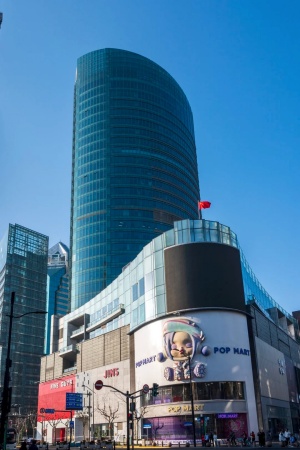
Shopping on Nanjing Road in Shanghai was just amazing! It's truly the "First Commercial Street of China", where tradition and modernity blend perfectly. You can find awesome souvenirs and experience the trendy vibes in cool stores. The neon lights at night are just spectacular, shining bright like Times Square in New York. The food here is incredible too. I had a feast for my taste buds. Shanghai, I'll definitely be back!
Destination(s):
Shanghai
Date of
Experience:
May 08,2024

Elvis Eva
Canada
Reviewed on June 20,2025
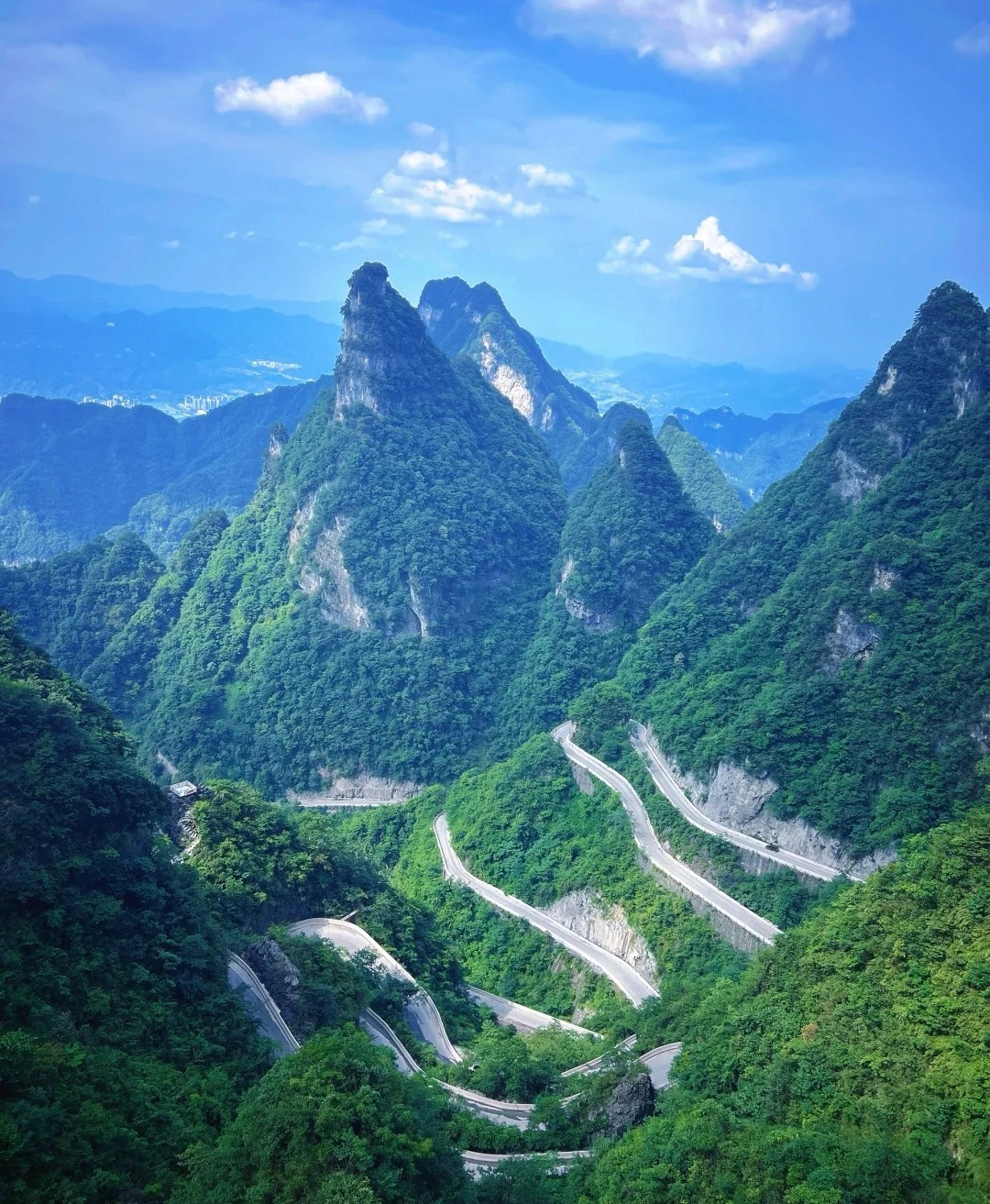
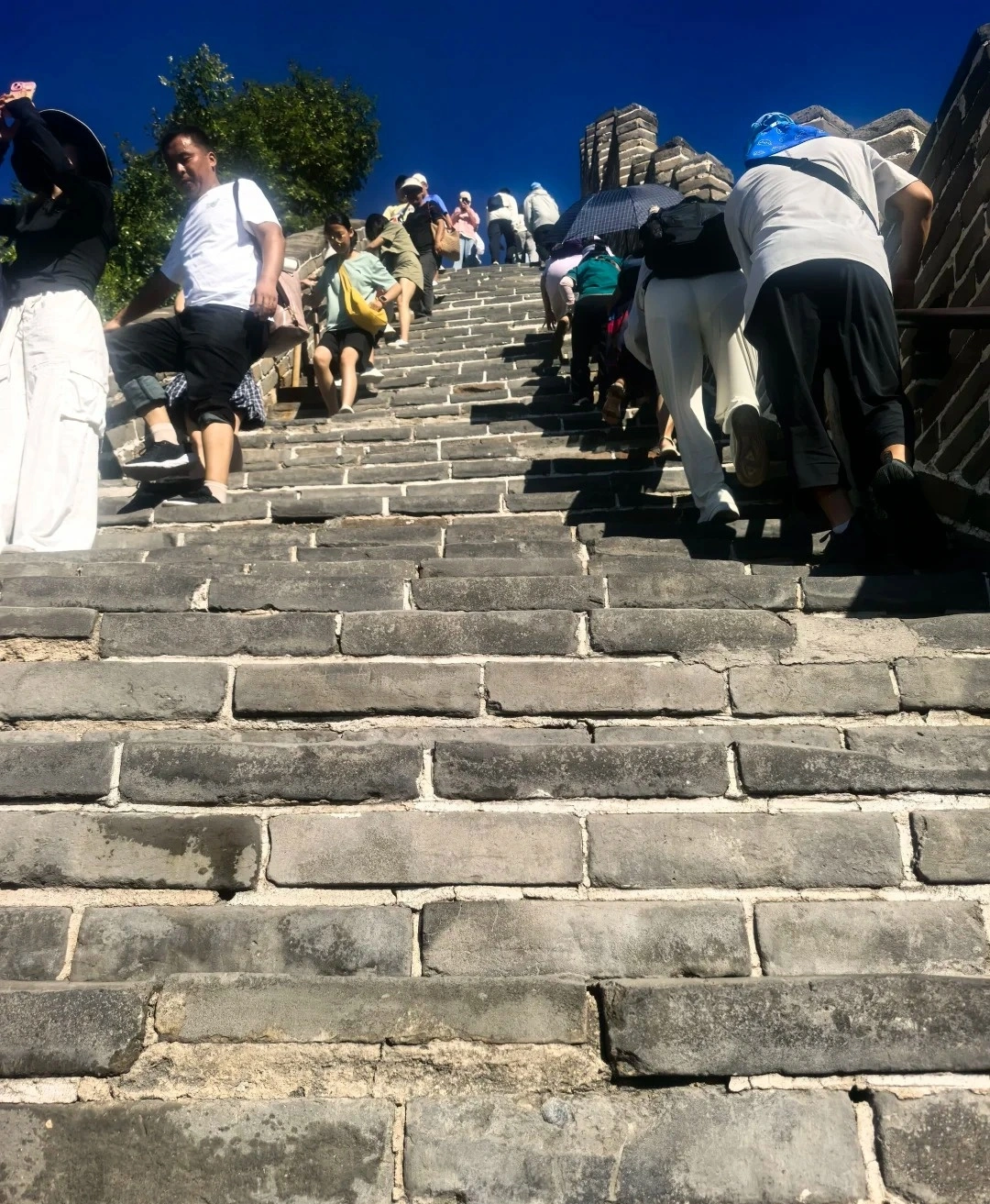
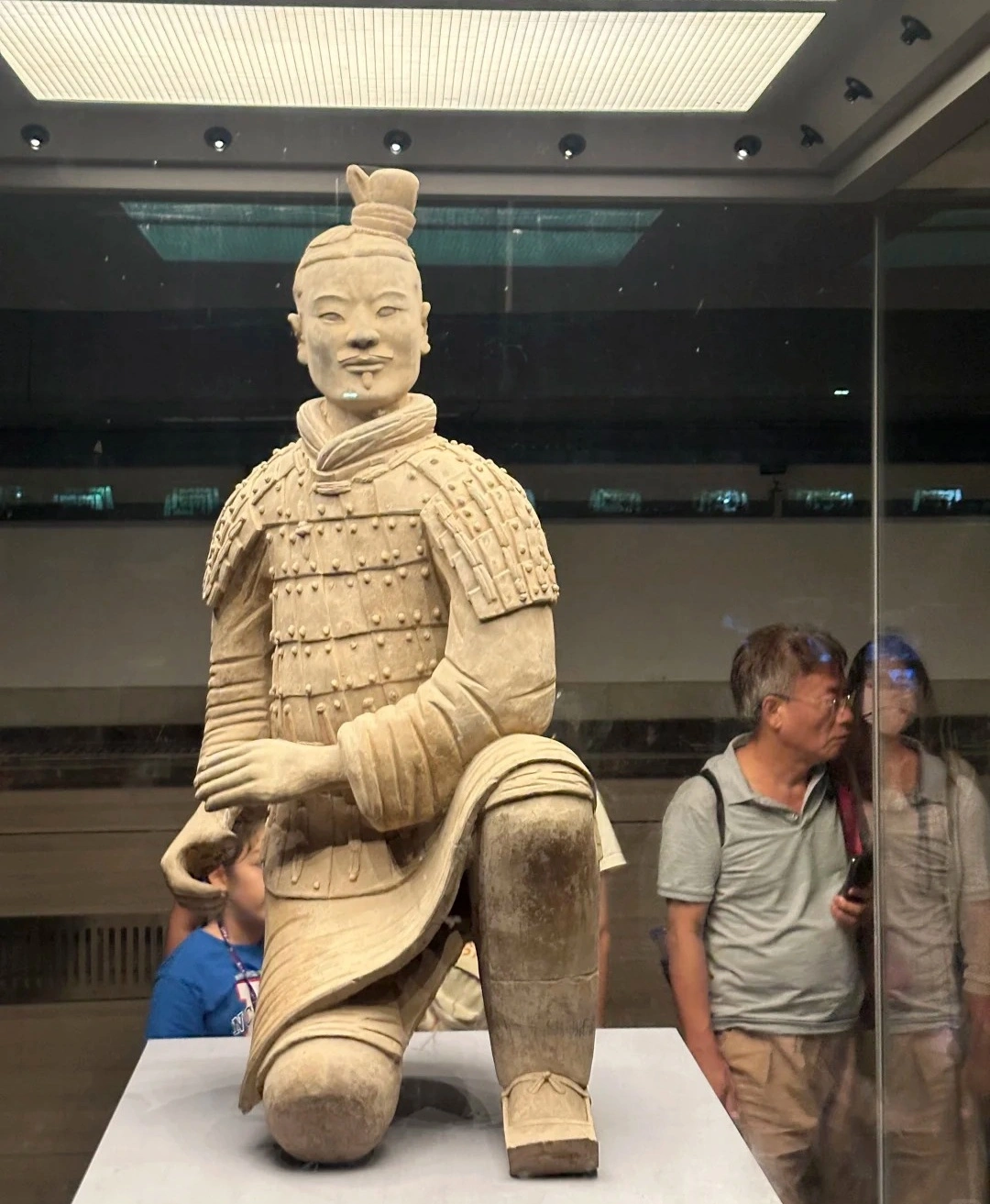
As a solo traveler from Canada, I was nervous about navigating China alone—but this 11-day tour was PERFECT! From hiking the Great Wall at sunrise (Day 3) to gasping at the Terracotta Army (Day 5), every day delivered ‘pinch-me’ moments. The real showstopper? Zhangjiajie’s Avatar Mountains (Day 7)! Our guide made the stone pillars come alive with stories.
Massive thanks for handling all logistics—bullet train tickets, entry passes, car! And the 4-star hotels surprised me.
Destination(s):
Beijing Xian Zhangjiajie Shanghai
Date of
Experience:
June 02,2025

Simon
America
Reviewed on May 29,2025
Our 2-day Zhangjiajie tour was beyond spectacular! As someone who’s visited Beijing and Shanghai for work, this trip revealed China’s wild, magical heart. Day 1 in Zhangjiajie National Forest Park felt like stepping onto Pandora—I’m a huge Avatar fan, and Yuanjiajie’s floating peaks left me breathless. The misty pillars and lush valleys like pure movie magic!
Then came Fenghuang Ancient Town, we eat dinner beside the thundering waterfall. It seems Unreal! The night views of stilt houses glowing over the river were straight from a fairy tale.
For fellow Avatar lovers and adventure seekers: Don’t miss this bucket-list experience! 10/10 would return.
A Well-Traveled Film Buff, May 2025
Destination(s):
Zhangjiajie
Date of
Experience:
May 08,2025