
Language considerations you need to be aware of when traveling to Suzhou
To ensure a respectful and enriching visit to Suzhou, learn basic Mandarin phrases, observe quiet etiquette in traditional spaces, dress modestly at religious sites, follow dining customs like proper chopstick placement, bargain politely in markets, use non-verbal gestures for communication, respect photography rules, and embrace local technology and customs while carrying emergency contacts for a seamless experience.
Suzhou, renowned for its classical gardens, serene canals, and rich cultural heritage, offers a unique experience for international travelers. To ensure a smooth and respectful visit, here’s a structured guide to navigating cultural norms and language nuances in this historic city.
1. Cultural Etiquette
- Respect Traditional Spaces:
- When visiting gardens, temples, or historic sites, maintain a quiet demeanor. Loud conversations or disruptive behavior may be seen as disrespectful.
- Remove shoes before entering someone’s home or certain traditional teahouses (look for cues like slippers placed at the door).
- Dining Customs:
- Accept tea offerings gracefully—tilt the cup slightly when receiving to show appreciation.
- Chopsticks should not be left sticking upright in rice (a funeral tradition); place them horizontally on the table or bowl instead.
- Tipping is uncommon in local restaurants; instead, a polite “xiè xiè” (thank you) suffices.
- Public Behavior:
- Avoid public displays of affection, as they may be frowned upon in conservative areas.
- Dress modestly when visiting religious sites (cover shoulders and knees).
2. Language Tips
- Basic Mandarin Phrases:
While English is spoken in tourist areas, learning a few Mandarin phrases enhances interactions:- Nǐ hǎo (Hello)
- Xiè xiè (Thank you)
- Duō shǎo qián? (How much is this?)
- Wǒ bù dǒng (I don’t understand)
- Dialect Awareness:
- Suzhou residents speak Wu Chinese (a dialect similar to Shanghainese), which differs from Mandarin. Don’t be surprised if locals struggle to understand your Mandarin—switch to simple gestures or written text (e.g., translation apps).
- Non-Verbal Communication:
- A smile and nod go a long way. Pointing with fingers is acceptable, but avoid beckoning with your palm up (considered rude; use a downward wave instead).
3. Navigating Local Customs
- Bargaining in Markets:
- At markets like Shantang Street, polite bargaining is expected. Start by offering half the asking price and negotiate respectfully.
- Use phrases like Tài guì le (Too expensive) or Zài pián yi diǎn ma? (Can you make it cheaper?).
- Transportation Etiquette:
- On subways or buses, offer seats to elders or pregnant women.
- Stand on the right side of escalators to let others pass on the left.
- Photography Rules:
- Always ask permission before photographing locals, especially in rural areas. Some temples may prohibit photography indoors—look for signs.
4. Modern vs. Traditional Dynamics
- Technology Integration:
- Suzhou blends tradition with modernity. While cash is accepted, mobile payments (Alipay/WeChat Pay) dominate. Carry small bills for street vendors.
- Work-Life Balance:
- Locals value efficiency but also prioritize meals and siestas. Avoid rushing service in restaurants during peak hours (12–2 PM).
5. Emergency Contacts & Resources
- Important Numbers:
- Police: 110
- Medical Emergency: 120
- Tourist Hotline: +86 512 12345 (English available)
- Apps for Assistance:
- Google Translate (for Mandarin/Wu dialect translations).
- Didi (for taxi services if language barriers complicate street hails).
Final Advice
Embrace Suzhou’s “jiangnan” (southern China) charm by observing and adapting. A little effort to respect local customs will be met with warmth and hospitality. Enjoy the gardens, savor the song gao (rice cakes), and let the city’s timeless elegance unfold!
Contact Us
What Our Clients Say?
Based on 10,000+ traveler reviews

Daniel Dorothea
Canada
Reviewed on April 29,2025
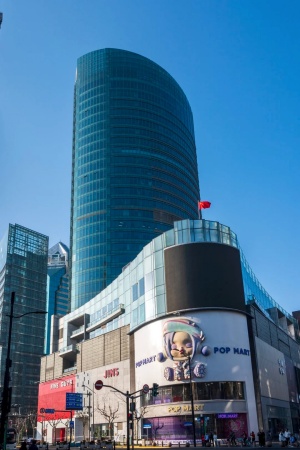
Shopping on Nanjing Road in Shanghai was just amazing! It's truly the "First Commercial Street of China", where tradition and modernity blend perfectly. You can find awesome souvenirs and experience the trendy vibes in cool stores. The neon lights at night are just spectacular, shining bright like Times Square in New York. The food here is incredible too. I had a feast for my taste buds. Shanghai, I'll definitely be back!
Destination(s):
Shanghai
Date of
Experience:
May 08,2024

Elvis Eva
Canada
Reviewed on June 20,2025
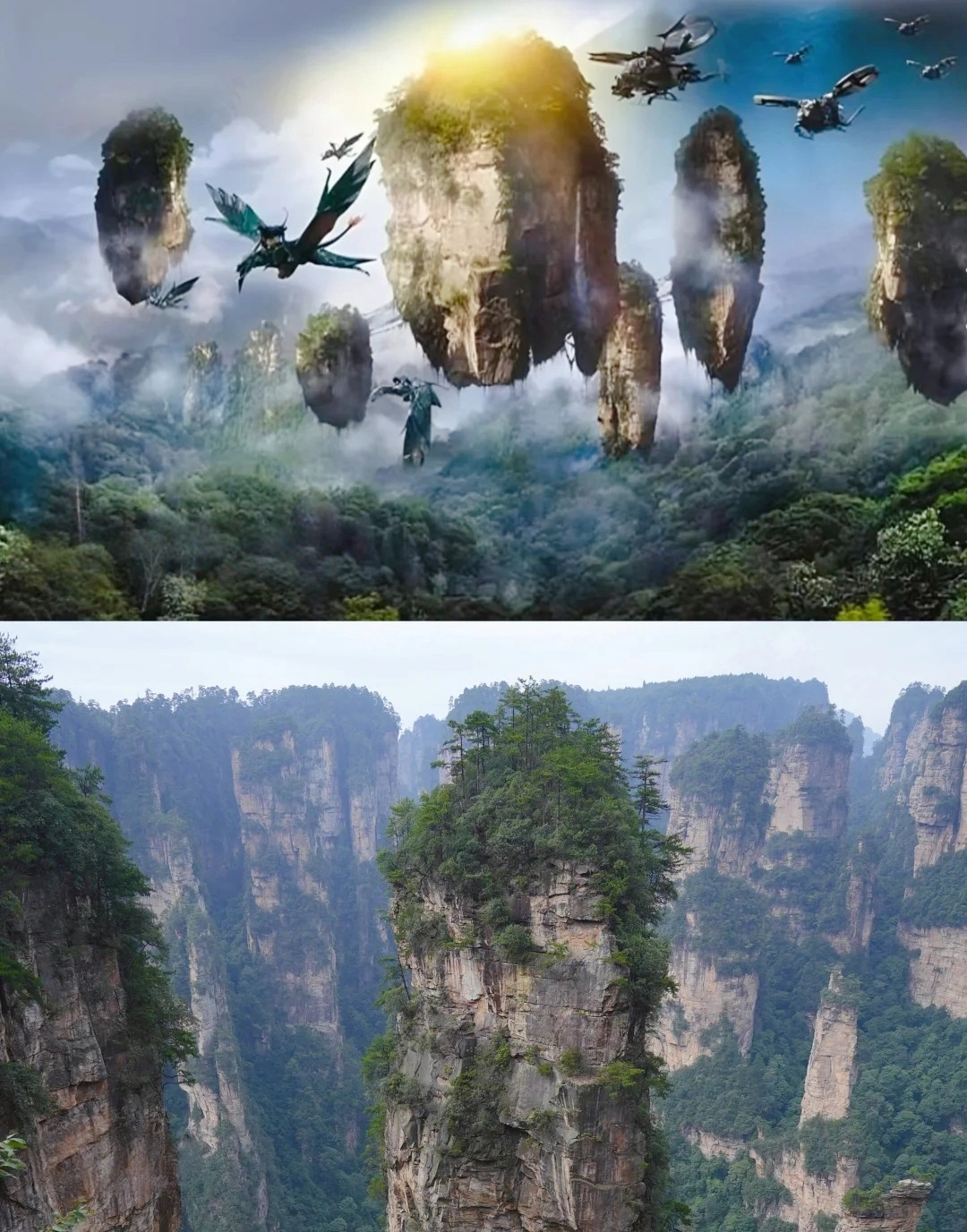
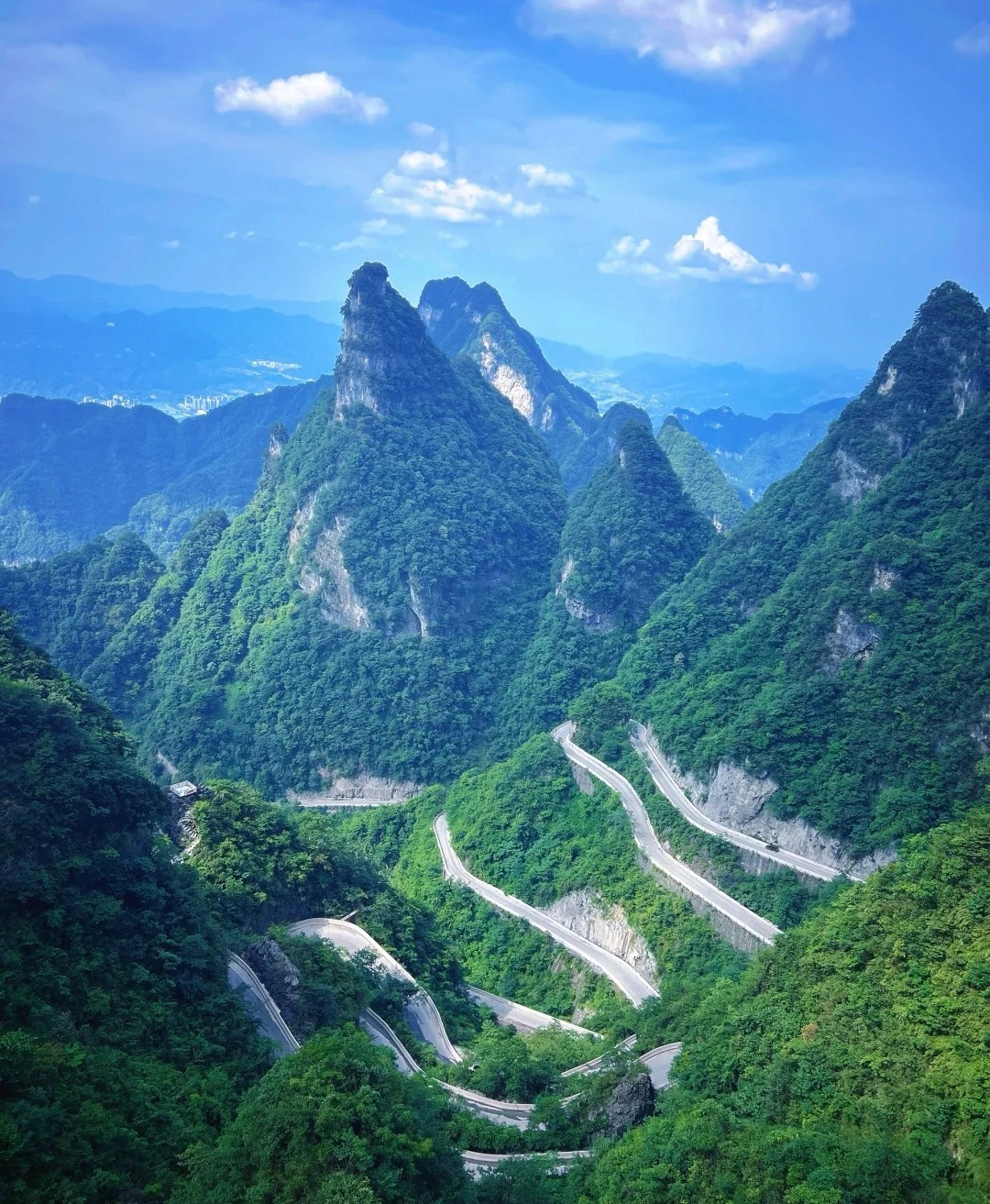
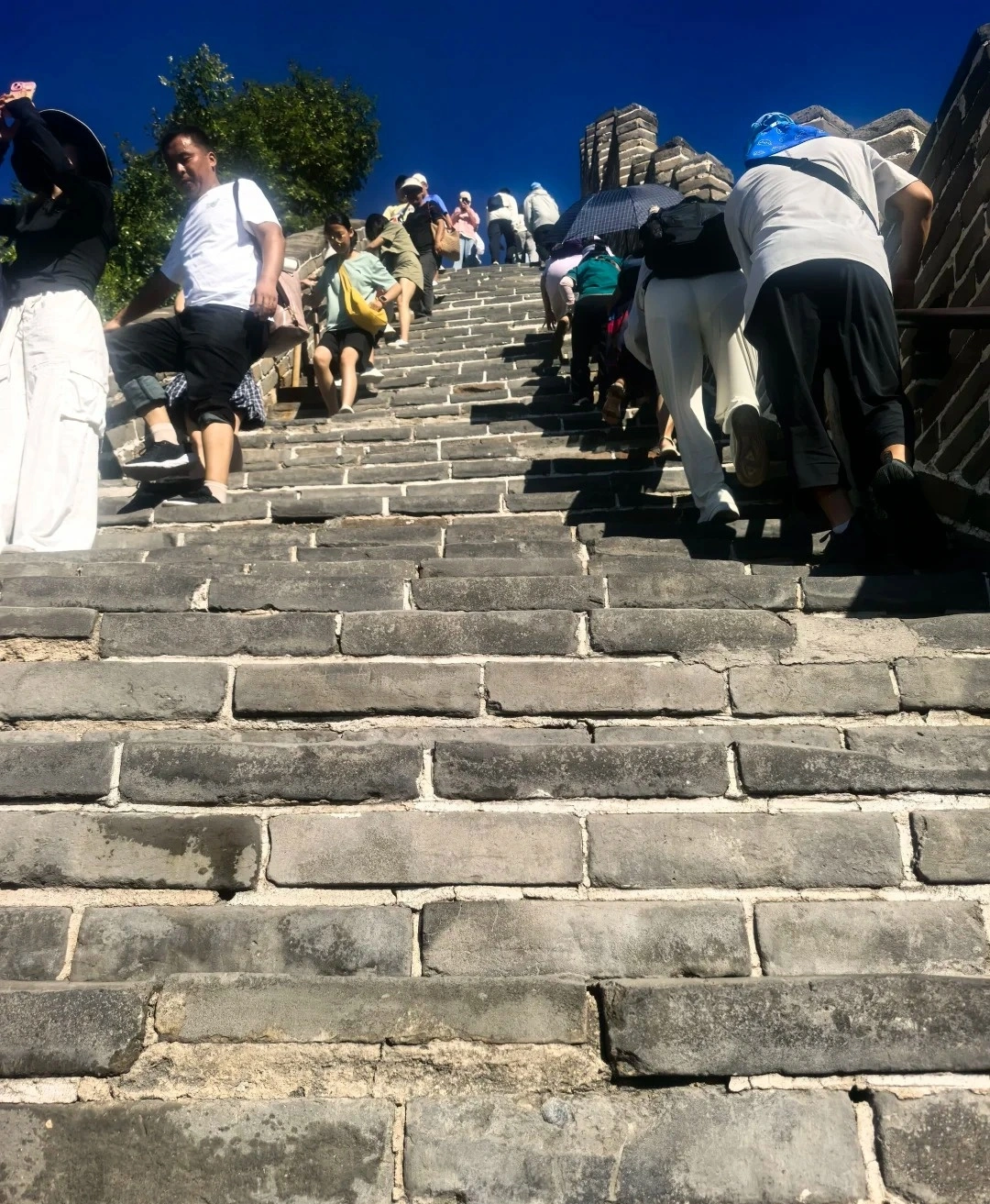
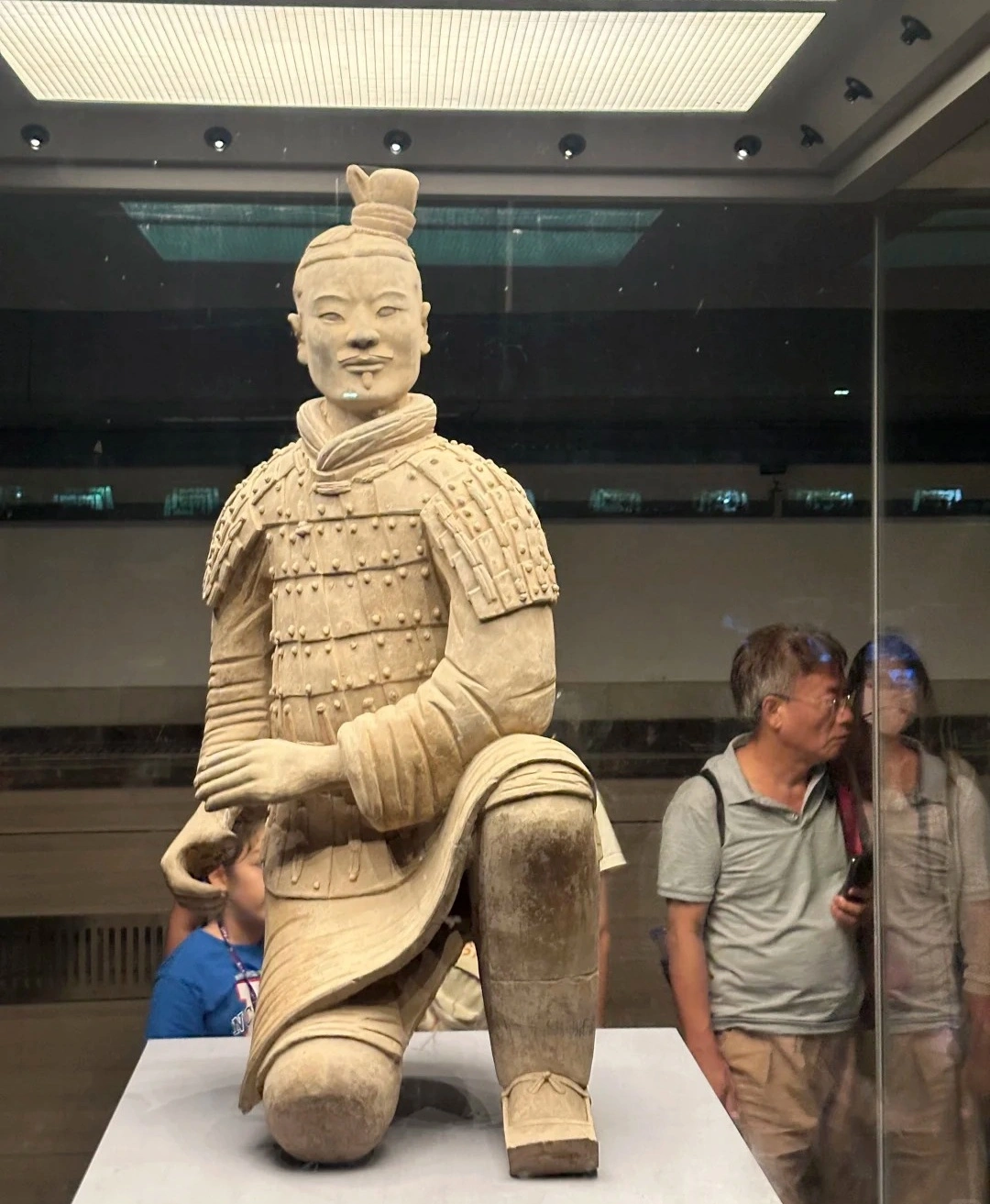
As a solo traveler from Canada, I was nervous about navigating China alone—but this 11-day tour was PERFECT! From hiking the Great Wall at sunrise (Day 3) to gasping at the Terracotta Army (Day 5), every day delivered ‘pinch-me’ moments. The real showstopper? Zhangjiajie’s Avatar Mountains (Day 7)! Our guide made the stone pillars come alive with stories.
Massive thanks for handling all logistics—bullet train tickets, entry passes, car! And the 4-star hotels surprised me.
Destination(s):
Beijing Xian Zhangjiajie Shanghai
Date of
Experience:
June 02,2025

Simon
America
Reviewed on May 29,2025
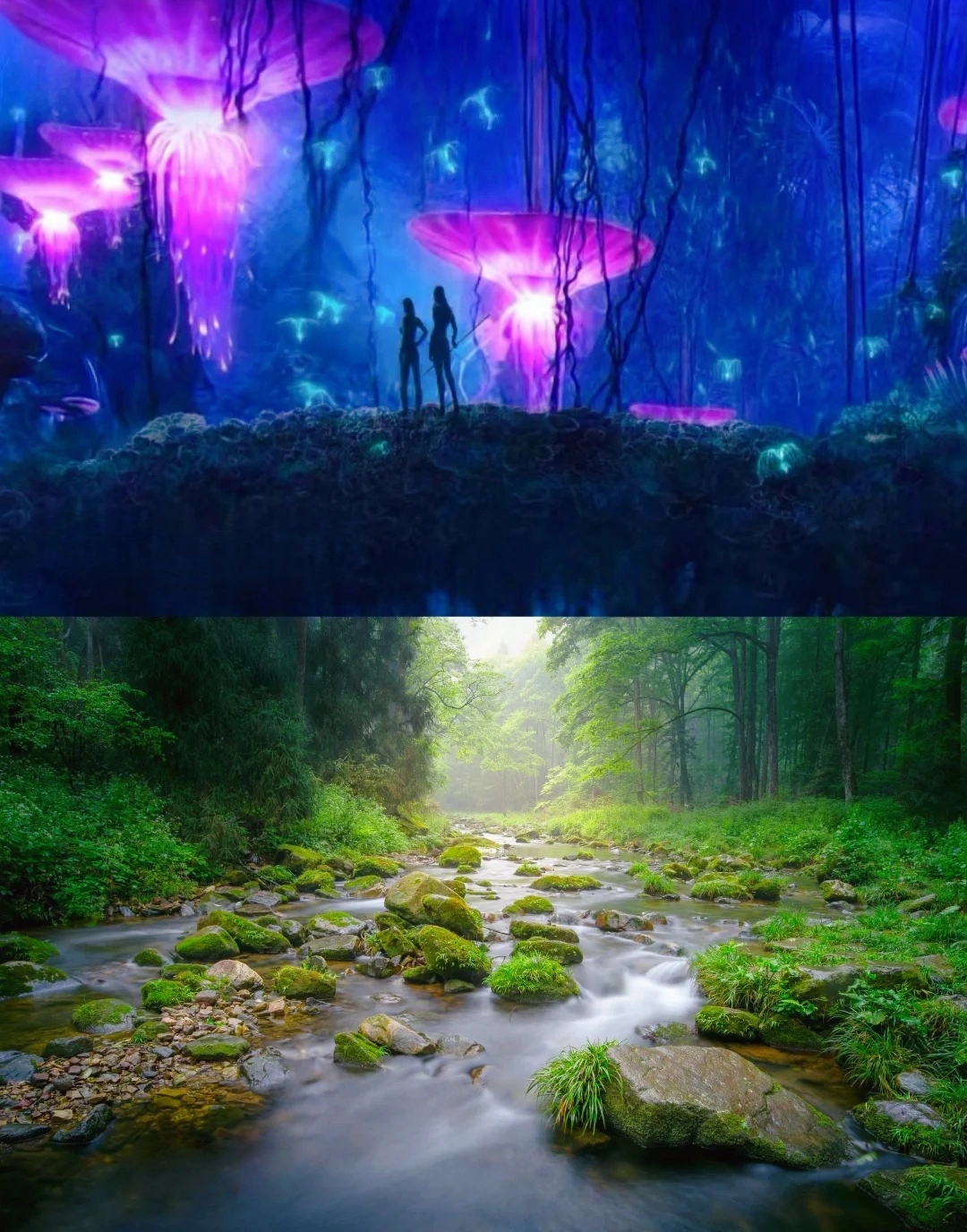
Our 2-day Zhangjiajie tour was beyond spectacular! As someone who’s visited Beijing and Shanghai for work, this trip revealed China’s wild, magical heart. Day 1 in Zhangjiajie National Forest Park felt like stepping onto Pandora—I’m a huge Avatar fan, and Yuanjiajie’s floating peaks left me breathless. The misty pillars and lush valleys like pure movie magic!
Then came Fenghuang Ancient Town, we eat dinner beside the thundering waterfall. It seems Unreal! The night views of stilt houses glowing over the river were straight from a fairy tale.
For fellow Avatar lovers and adventure seekers: Don’t miss this bucket-list experience! 10/10 would return.
A Well-Traveled Film Buff, May 2025
Destination(s):
Zhangjiajie
Date of
Experience:
May 08,2025