
Xi'an Food Guide: A Culinary Journey Through Ancient Flavors & Modern Delights
Xi’an, the ancient capital of China’s Tang Dynasty, is not only a treasure trove of history but also a paradise for food lovers. From hearty street snacks to time-honored royal dishes, Xi’an’s culinary scene reflects its rich cultural heritage and diverse influences. Let’s explore the must-try foods and hidden gems that make this city a gastronomic destination.
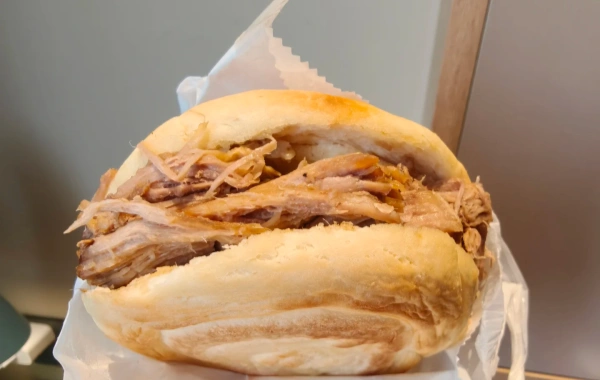
1. Roujiamo (Chinese Hamburger): The Soul of Xi’an Street Food
Roujiamo, often dubbed the “Chinese hamburger,” is Xi’an’s most iconic street snack. This savory delight consists of tender, slow-cooked pork (or lamb) stuffed into a crispy, flaky baozi-like bun. The meat is marinated in a blend of spices like cumin, star anise, and chili, giving it a bold, aromatic flavor.
For an authentic experience, head to Fangsheng Roujiamo, a local favorite near the Bell Tower. Vegetarians can try the gluten-based version, a chewy, protein-rich alternative. Pair it with a cold Ice Peak soda (a local citrus drink) for the perfect street-food combo.
2. Biangbiang Noodles: A Feast for the Eyes and Taste Buds
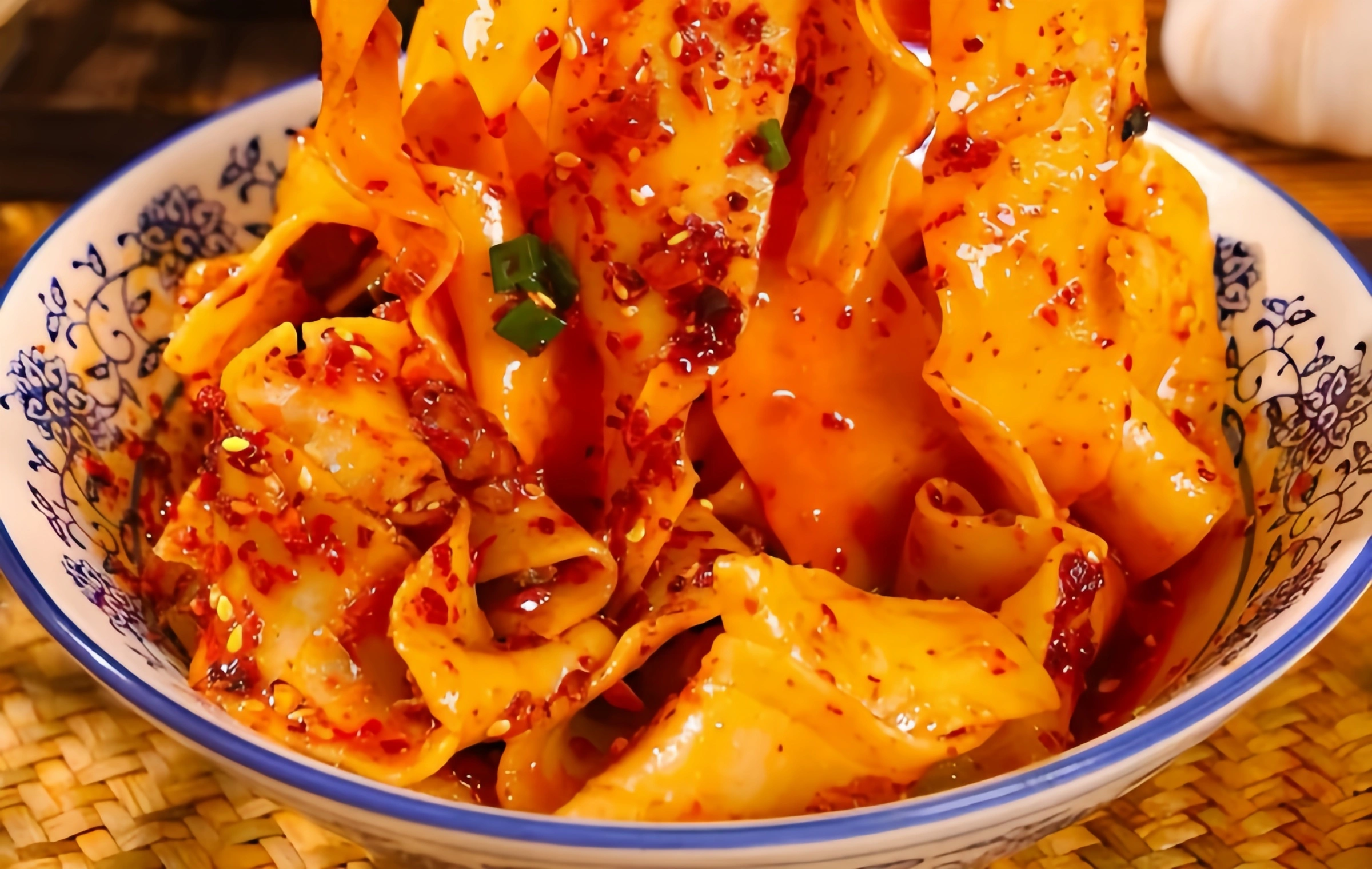
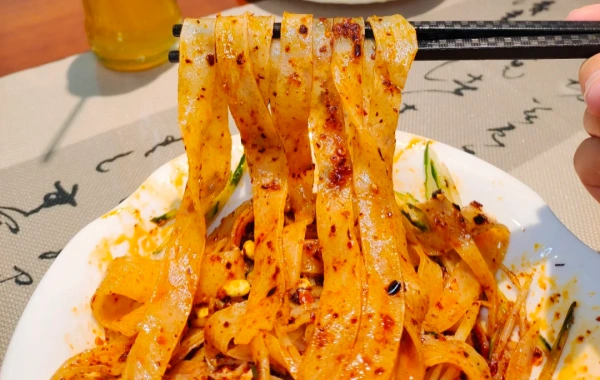
Biangbiang noodles are named after the loud “biang!” sound they make when stretched and slapped against the counter. These thick, hand-pulled wheat noodles are served in a spicy, tangy sauce made with vinegar, soy sauce, garlic, and Sichuan peppercorns, topped with minced pork, scallions, and chili oil.
Visit Da Piang Piang Noodles near the Muslim Quarter for a memorable meal. The dish’s playful name and bold flavors make it a favorite among locals and tourists alike. Don’t forget to try the cold version in summer, tossed with sesame paste and cucumbers.
3. Yangrou Paomo (Lamb Stew with Bread): A Hearty Royal Dish
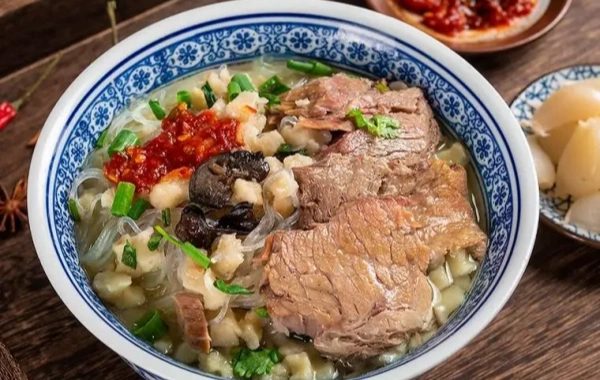
Yangrou Paomo is a traditional lamb stew served with unleavened bread (mo). Diners tear the bread into small pieces, which are then simmered in a rich, fragrant broth with tender lamb, vermicelli noodles, and fresh herbs like coriander and garlic chives.
This dish dates back to the Tang Dynasty and was once enjoyed by emperors. For an authentic taste, head to Lao Mi Jia Yangrou Paomo, a century-old restaurant near the Great Wild Goose Pagoda. The ritual of tearing the bread adds a fun, interactive element to the meal.
4. Liangpi: Cold Skin Noodles for Spicy Refreshment
Liangpi (“cold skin noodles”) are a refreshing summer staple made from wheat or rice flour. The noodles are steamed, sliced into thin strips, and served cold with a zingy sauce of vinegar, garlic, chili oil, and sesame paste, topped with cucumbers, bean sprouts, and cilantro.
For the best liangpi, try Wei Ji Liangpi in the Muslim Quarter. The dish’s chewy texture and bold flavors make it a perfect counterbalance to Xi’an’s heavier meat dishes. Some versions even add gluten sticks (mianjin) for extra protein.
5. Xi’an’s Muslim Quarter: A Food Paradise
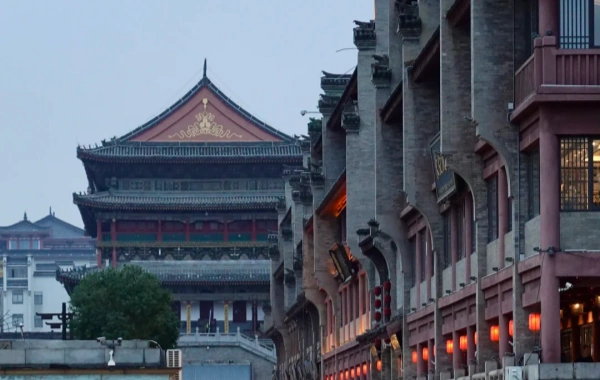
No visit to Xi’an is complete without exploring the Muslim Quarter (Huimin Jie), a bustling market filled with halal eateries, snack stalls, and sweet shops. Here, you can sample:
- Jinggao (Persian-style cakes): Flaky, nut-filled pastries with Middle Eastern influences.
- Honey Date Cakes: Sticky, sweet treats made from dates and walnuts.
- Roasted Persimmon Cakes: Dried persimmons stuffed with walnuts, a seasonal delight.
- Sticky Rice with Jujubes: A sweet, glutinous rice dish steamed with red dates.
Wander the narrow lanes, follow the aroma of spices, and let your taste buds lead the way!
6. Sweet Endings: Xi’an’s Desserts & Drinks
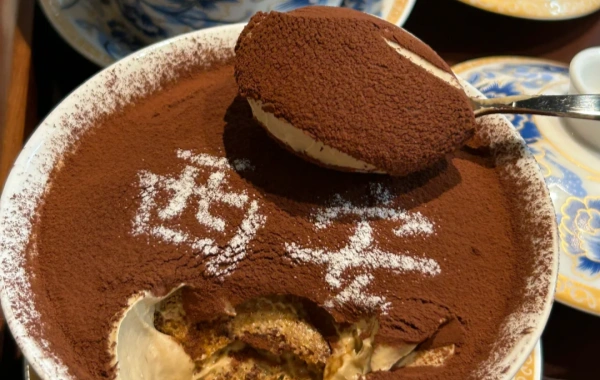
Xi’an’s dessert scene is as diverse as its savory offerings. Don’t miss:
- Nang (Xinjiang-style flatbread): Crispy, sesame-seed-studded bread often served with honey.
- Ice Peak Soda: A local citrus-flavored soda that pairs perfectly with spicy food.
- Persian Ice Cream: Creamy, saffron-infused ice cream with rosewater and pistachios.
Conclusion: Xi’an—Where History Meets Flavor
Xi’an’s culinary landscape is a vibrant mix of ancient traditions and modern innovations. From street-side roujiamo to royal lamb stews, every bite tells a story of conquest, trade, and cultural fusion. Whether you’re a foodie or a history buff, Xi’an promises an unforgettable gastronomic adventure.

Contact Us
What Our Clients Say?
Based on 10,000+ traveler reviews

Daniel Dorothea
Canada
Reviewed on April 29,2025
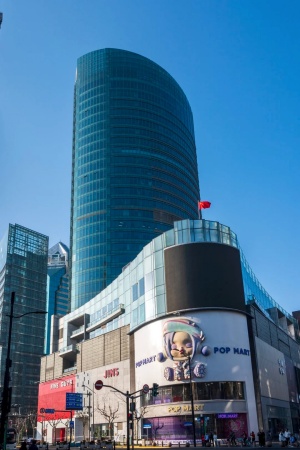
Shopping on Nanjing Road in Shanghai was just amazing! It's truly the "First Commercial Street of China", where tradition and modernity blend perfectly. You can find awesome souvenirs and experience the trendy vibes in cool stores. The neon lights at night are just spectacular, shining bright like Times Square in New York. The food here is incredible too. I had a feast for my taste buds. Shanghai, I'll definitely be back!
Destination(s):
Shanghai
Date of
Experience:
May 08,2024

Elvis Eva
Canada
Reviewed on June 20,2025
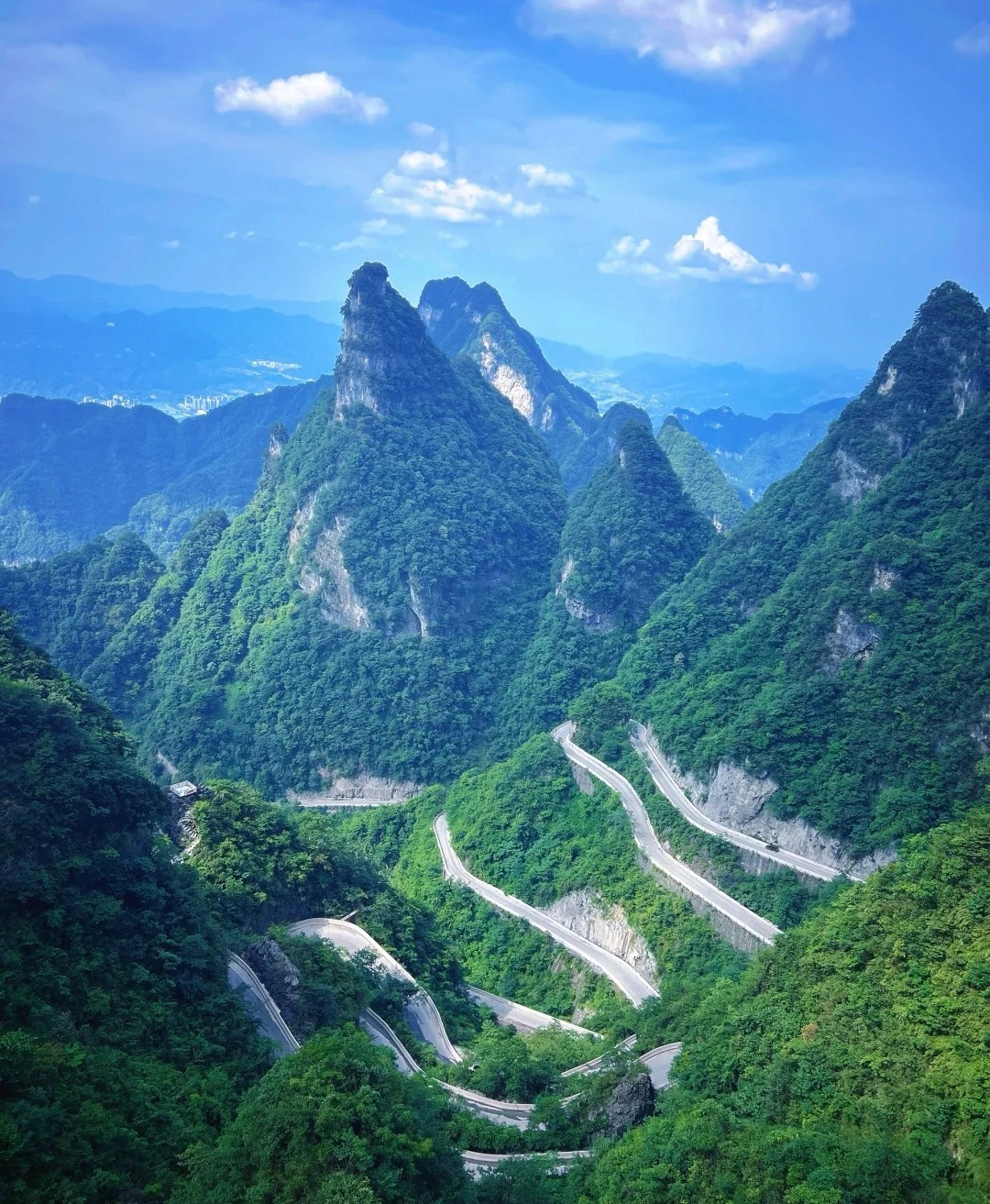
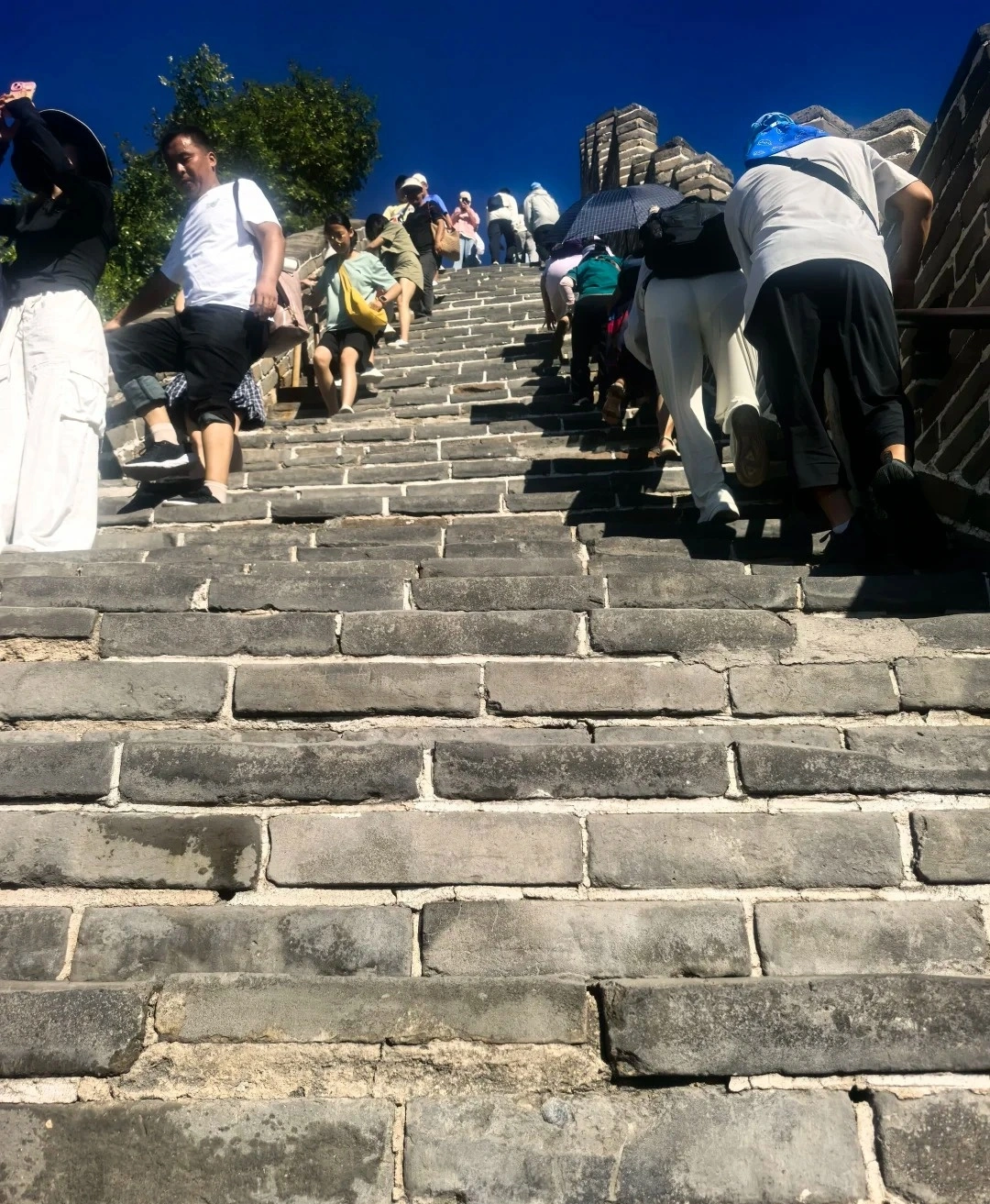
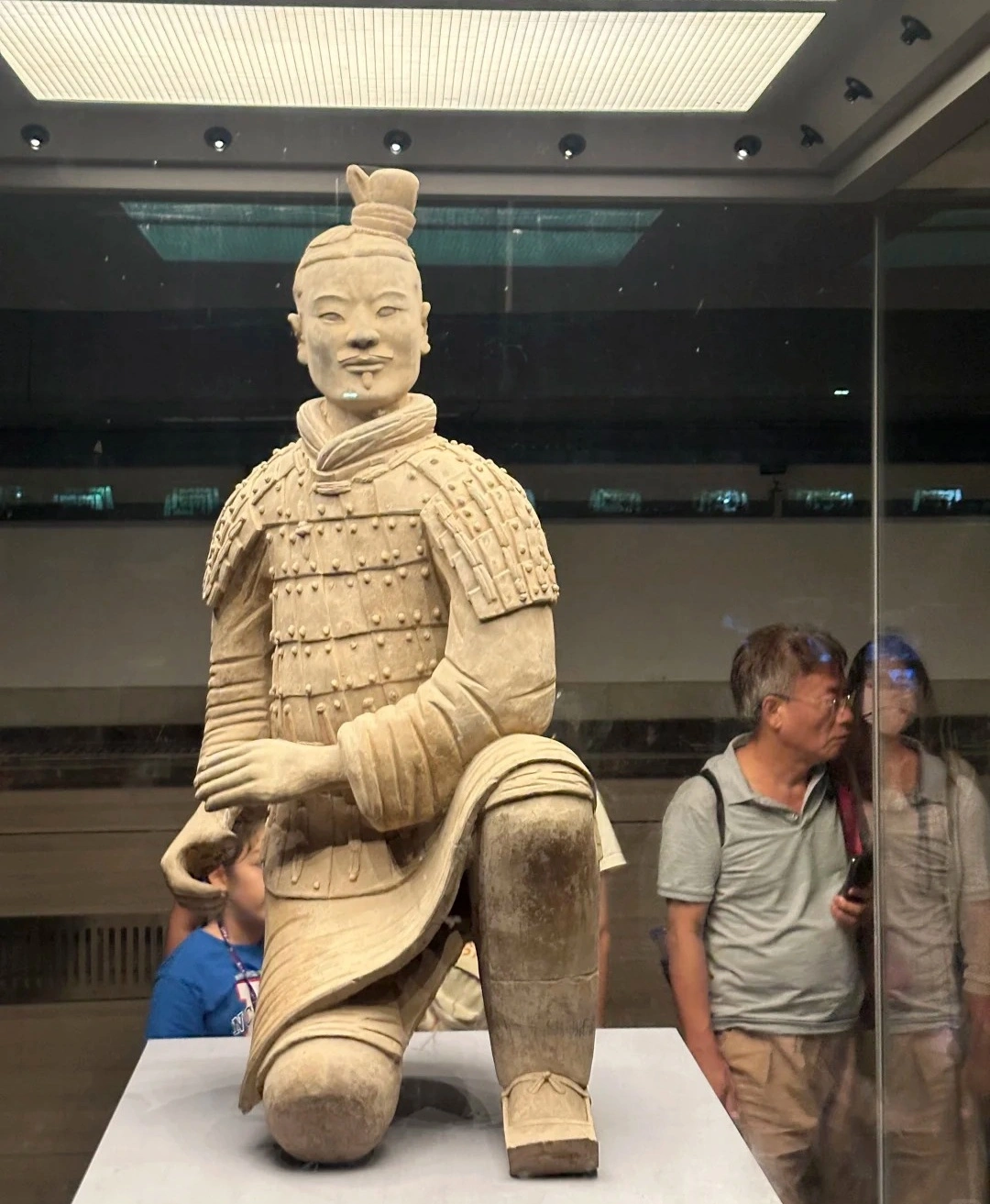
As a solo traveler from Canada, I was nervous about navigating China alone—but this 11-day tour was PERFECT! From hiking the Great Wall at sunrise (Day 3) to gasping at the Terracotta Army (Day 5), every day delivered ‘pinch-me’ moments. The real showstopper? Zhangjiajie’s Avatar Mountains (Day 7)! Our guide made the stone pillars come alive with stories.
Massive thanks for handling all logistics—bullet train tickets, entry passes, car! And the 4-star hotels surprised me.
Destination(s):
Beijing Xian Zhangjiajie Shanghai
Date of
Experience:
June 02,2025

Simon
America
Reviewed on May 29,2025
Our 2-day Zhangjiajie tour was beyond spectacular! As someone who’s visited Beijing and Shanghai for work, this trip revealed China’s wild, magical heart. Day 1 in Zhangjiajie National Forest Park felt like stepping onto Pandora—I’m a huge Avatar fan, and Yuanjiajie’s floating peaks left me breathless. The misty pillars and lush valleys like pure movie magic!
Then came Fenghuang Ancient Town, we eat dinner beside the thundering waterfall. It seems Unreal! The night views of stilt houses glowing over the river were straight from a fairy tale.
For fellow Avatar lovers and adventure seekers: Don’t miss this bucket-list experience! 10/10 would return.
A Well-Traveled Film Buff, May 2025
Destination(s):
Zhangjiajie
Date of
Experience:
May 08,2025