

China Wine
A Comprehensive Exploration of Chinese Alcohol
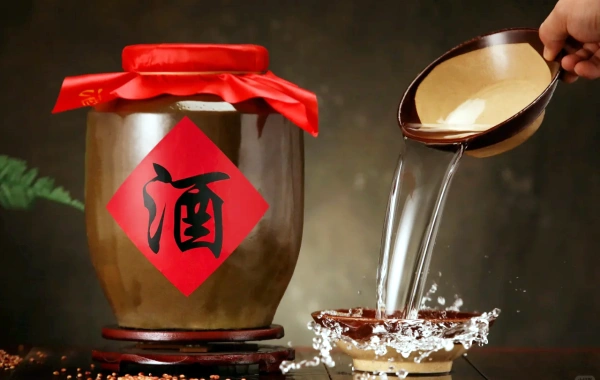
Chinese alcohol, deeply woven into the fabric of the nation's culture, history, and social interactions, stands as a testament to China's rich heritage. It is not merely a beverage but a symbol of celebration, mourning, friendship, and respect. This comprehensive guide delves into the fascinating world of Chinese alcohol, exploring its diverse types, the profound cultural significance it holds, the long - standing brewing history, captivating legends and legendary figures, renowned alcohol - related cities and attractions, the underlying traditional philosophies, exquisite drinking vessels and famous artifacts, as well as the intricate drinking etiquette.
 The Long - Standing Brewing History of Chinese Alcohol
| Ancient Origins
The history of Chinese alcohol production can be traced back over 9,000 years. Archaeological discoveries have revealed that early Chinese ancestors were making fermented beverages from grains such as rice, millet, and barley. In Jiahu, Henan Province, remnants of a fermented drink made from rice, honey, and fruit were found in pottery jars dating back to around 7000 - 6600 BCE. This indicates that alcohol production was an integral part of ancient Chinese life, likely used for religious ceremonies, social gatherings, and medicinal purposes.
| Shang and Zhou Dynasties: The Rise of Formal Brewing
During the Shang Dynasty (1600 - 1046 BCE), alcohol production became more organized. The Shang people had a deep - seated belief in the power of alcohol to communicate with the gods and ancestors. They built large - scale breweries and developed sophisticated brewing techniques. The oracle bone inscriptions from this period often mention alcohol - related activities, such as sacrifices and feasts.
In the Zhou Dynasty (1046 - 256 BCE), the government established a strict alcohol management system. There were specific officials in charge of alcohol production, distribution, and quality control. The "Li Ji" (Book of Rites), a classic Chinese text from this era, detailed the rules and regulations regarding alcohol use in various social and religious contexts, reflecting the high level of importance placed on alcohol in Zhou society.
| Tang and Song Dynasties: The Golden Age of Alcohol Culture
The Tang Dynasty (618 - 907 CE) is often regarded as the pinnacle of Chinese alcohol culture. Poets and writers of this period, such as Li Bai and Du Fu, frequently wrote about alcohol in their works, expressing their emotions, thoughts, and social experiences. Alcohol became a symbol of freedom, creativity, and a carefree lifestyle. The Tang government also promoted the development of the alcohol industry, and alcohol was widely available in taverns and inns across the country.
The Song Dynasty (960 - 1279 CE) saw further advancements in brewing technology. New types of alcohol emerged, and the market for alcohol became more diversified. The government introduced a series of policies to regulate the alcohol trade, including taxation and licensing systems. Alcohol was not only a popular beverage but also an important source of government revenue.
| Ming and Qing dynasties: Refinement and Regionalization
During the Ming (1368 - 1644 CE) and Qing (1644 - 1912 CE) dynasties, Chinese alcohol culture continued to evolve. Brewing techniques became more refined, and different regions developed their unique styles of alcohol. For example, Maotai from Guizhou Province and Fenjiu from Shanxi Province gained national and even international recognition. The consumption of alcohol was deeply integrated into daily life, from family gatherings to official banquets.
Legends and Legendary Figures in Chinese Alcohol History
Yi Di: The Legendary Inventor of Alcohol
According to ancient Chinese legend, Yi Di was the wife of Yu the Great, a legendary ruler in ancient China who is credited with controlling the Great Flood. One day, Yi Di accidentally discovered that when grains were left to ferment, they produced a delicious and intoxicating liquid. She presented this new beverage to Yu the Great, who was so impressed that he offered it as a sacrifice to the gods. Since then, Yi Di has been regarded as the inventor of alcohol in Chinese mythology, and her name is often associated with the origin of this ancient beverage.
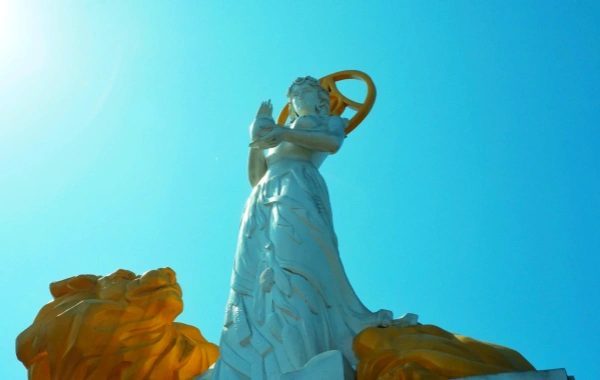
Du Kang: The God of Alcohol
Du Kang is another well - known figure in Chinese alcohol legends. He was said to be a skilled brewer during the Xia Dynasty (2070 - 1600 BCE). Du Kang was known for his innovative brewing methods, which produced high - quality alcohol. His name has become synonymous with excellent alcohol in Chinese culture, and many alcohol brands still use "Du Kang" as part of their names to signify quality and tradition. There is a popular saying in China: "How can one forget Du Kang when one gets drunk?" which reflects the high regard for Du Kang's brewing skills.
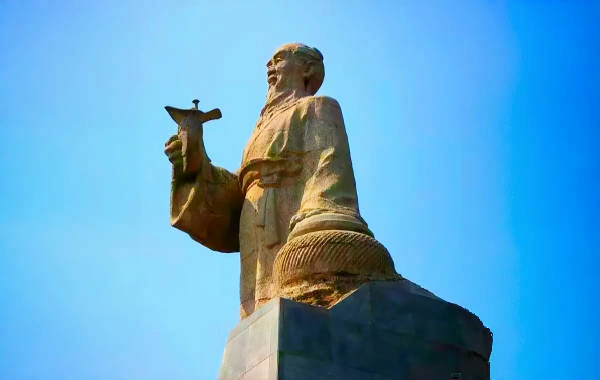
Li Bai: The Poet and Alcohol Lover
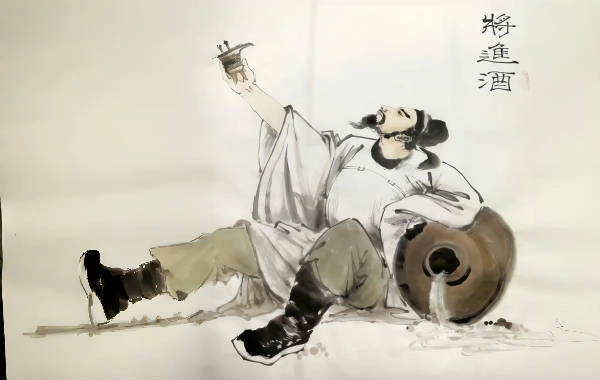
Li Bai (701 - 762 CE), one of the most famous poets in Chinese history, was also known for his love of alcohol. His poems often depict scenes of drinking, such as "Raising my cup, I invite the moon. Along with my shadow, we become three drinkers." Li Bai's poetry is filled with a sense of freedom, romance, and a carefree attitude towards life, which he often expressed through his drinking. His life and works have had a profound influence on Chinese alcohol culture, and he is regarded as a cultural icon representing the spirit of alcohol - inspired creativity.
Types of Chinese Alcohol
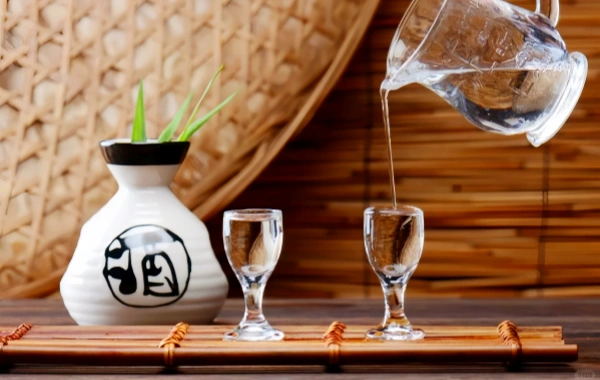
Baijiu (White Wine)
- Characteristics: Baijiu is a strong distilled liquor with an alcohol content typically ranging from 40% to 65%. It has a complex flavor profile, which can include notes of grains, fruits, and floral scents, depending on the raw materials and brewing techniques used.
- Raw Materials: The main raw materials for baijiu are grains such as sorghum, wheat, corn, and rice. Different regions may have their preferred grain combinations, which contribute to the unique flavors of local baijiu brands.
- Famous Brands: Maotai, Wuliangye, and Luzhou Laojiao are among the most well - known baijiu brands in China and around the world. Maotai, in particular, is considered the "national liquor" of China and is often served at important state banquets and diplomatic events.
Huangjiu (Yellow Wine)
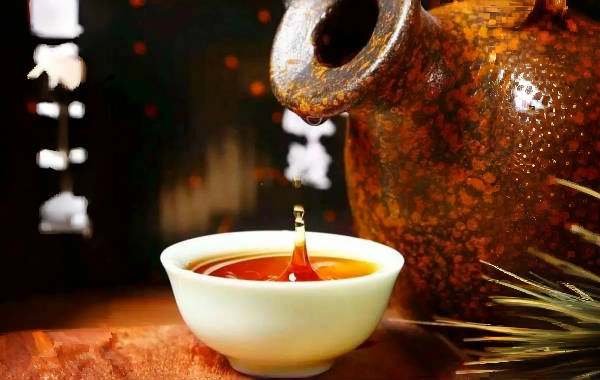
- Characteristics: Huangjiu is a fermented wine with a relatively low alcohol content, usually around 14% - 20%. It has a golden - yellow color and a mellow, sweet taste. Huangjiu is rich in nutrients and is often regarded as a healthy beverage.
- Raw Materials: The main raw material for huangjiu is glutinous rice, although other grains such as millet and wheat can also be used. The brewing process involves fermentation with a special type of yeast called qu, which gives huangjiu its unique flavor.
- Famous Brands: Shaoxing Huangjiu from Zhejiang Province is the most famous type of huangjiu. It has a long history and is widely used in Chinese cooking, especially in the preparation of marinades and stews.
Beer
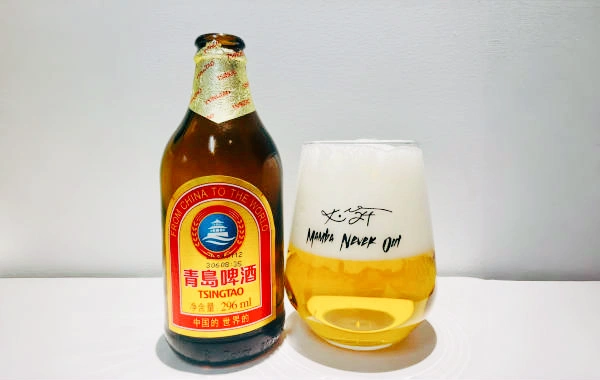
- Introduction to China: Beer was introduced to China in the late 19th century by Westerners. Since then, it has gradually become a popular beverage in China, especially among young people.
- Local Brands: Chinese beer brands such as Tsingtao Beer, Snow Beer, and Yanjing Beer have gained a large market share both domestically and internationally. Tsingtao Beer, in particular, is known for its crisp taste and high quality, and it is exported to many countries around the world.
Fruit Wine
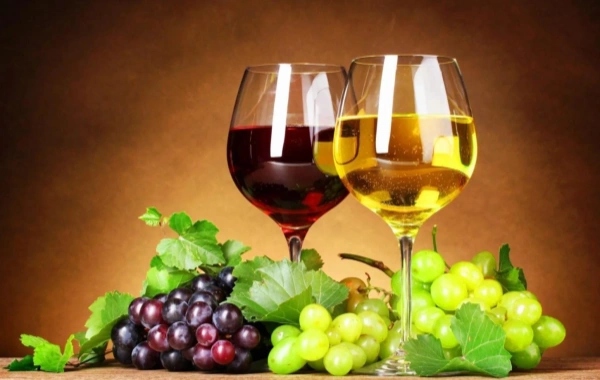
- Varieties: China has a wide variety of fruit wines, made from fruits such as grapes, plums, lychees, and strawberries. Each type of fruit wine has its unique flavor and aroma, reflecting the characteristics of the fruit used.
- Chinese Grape Wines: Among the diverse range of fruit wines in China, grape wines hold a special place. Chinese grape wines have been steadily gaining recognition both domestically and internationally for their quality and distinctiveness. With a growing number of vineyards and wineries across the country, especially in regions like Ningxia, Xinjiang, and Shandong, China is producing an impressive array of grape wines that cater to various palates. These wines range from dry reds and whites to sweet and sparkling varieties, each showcasing the unique terroir and winemaking techniques employed. Chinese grape wines are not only enjoyed for their taste but also for their cultural significance, often being served at important gatherings and celebrations.
- Production Areas: Different regions in China are known for their specific fruit wines. For example, Ningxia Province is famous for its grape wines, while Guangdong Province is known for its lychee wines.
Alcohol - Related Cities and Attractions in China
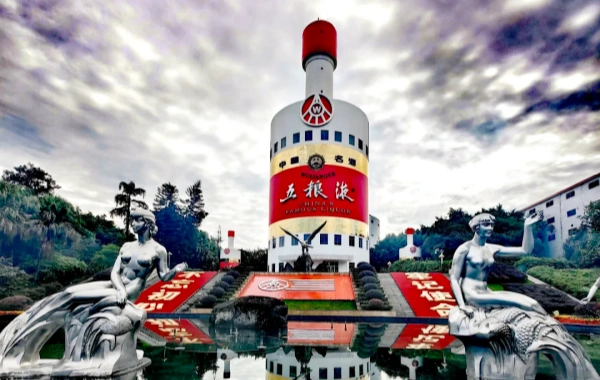
Yibin, Sichuan Province - The Hometown of Wuliangye
- Significance: Yibin holds immense significance as the birthplace of Wuliangye, one of China's most prestigious and internationally recognized baijiu (white liquor) brands. Its long - standing brewing tradition and unique production techniques have made Wuliangye a symbol of Chinese liquor culture, representing the pinnacle of baijiu craftsmanship.
- Attractions: The Wuliangye Industrial Park is a major highlight. It combines modern production facilities with a comprehensive museum. Here, visitors can witness the entire baijiu - making process, from the careful selection of grains to the complex fermentation and distillation stages. The park also features a vast underground cellar where the liquor is aged, allowing guests to understand how time contributes to Wuliangye's rich and complex flavor profile. Additionally, the scenic Shunan Bamboo Sea nearby offers a tranquil setting to relax and enjoy a glass of Wuliangye after the tour.
Zunyi, Guizhou Province - The Heart of Maotai Town
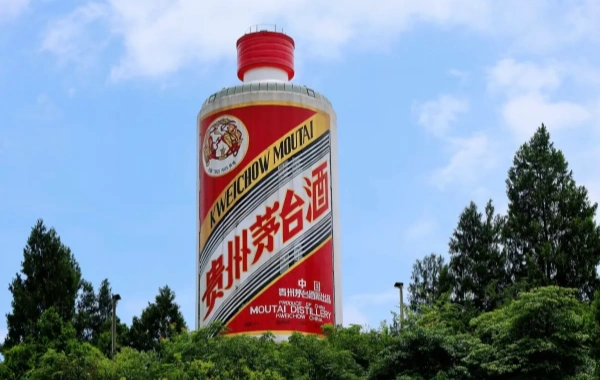
- Significance: Zunyi's Maotai Town is of great significance as it is the epicenter of Maotai baijiu production. Maotai is often regarded as the "national liquor" of China, with a history spanning over 2,000 years. Its unique brewing process and the specific terroir of the area have made it a highly sought - after spirit both in China and around the world, representing the essence of Chinese traditional liquor - making.
- Attractions: The Maotai Wine Culture City, including the Maotai Museum, is a must - visit. The museum provides an in - depth look at the long - standing history of Maotai baijiu, from its ancient brewing methods to its modern - day production scale. Visitors can also take a leisurely walk along the Chishui River, which supplies the unique water source crucial for Maotai's production. Moreover, exploring the traditional brewing workshops in the town allows one to witness firsthand how local craftsmen uphold the age - old brewing traditions.
Luzhou, Sichuan Province - The Origin of Luzhou Laojiao
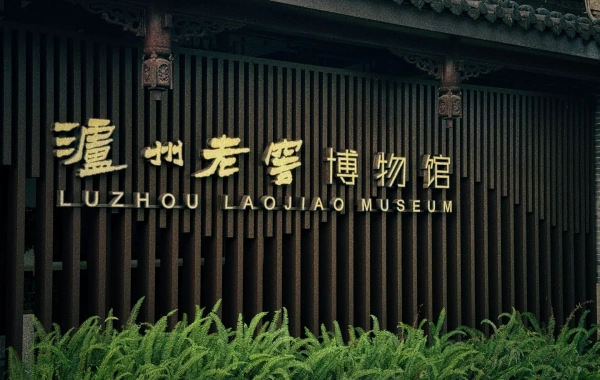
- Significance: Luzhou is renowned as the origin of Luzhou Laojiao, a well - known baijiu brand with a history dating back to the Ming Dynasty. Luzhou Laojiao is a representative of the traditional Chinese baijiu - making style, and its unique "mud - pit fermentation" method has been passed down through generations, making it an important part of China's intangible cultural heritage.
- Attractions: The Luzhou Laojiao Ancient Brewing Workshop is a key attraction. This workshop has been in continuous operation for hundreds of years and houses ancient fermentation pits, some of which are over 600 years old. Visitors can learn about the traditional brewing techniques, observe the fermentation process in the mud pits, and participate in tasting sessions to sample different varieties of Luzhou Laojiao and appreciate its distinct aroma and flavor.
Qingdao, Shandong Province - The Beer Capital of China
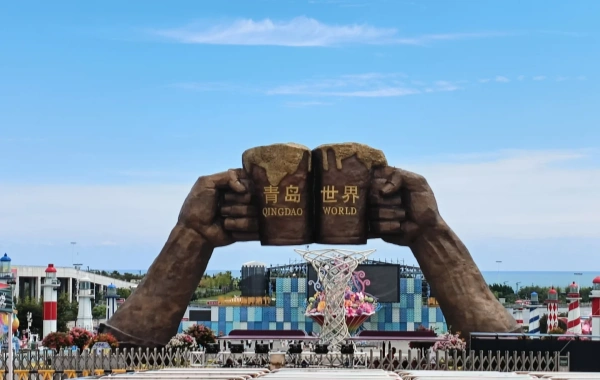
- Significance: Qingdao is synonymous with beer in China. It has a long - standing beer - brewing tradition, and Tsingtao Beer, produced here, has become a well - known global brand. The annual Qingdao International Beer Festival has further elevated the city's status as a beer hub, attracting beer enthusiasts from all over the world and promoting Chinese beer culture on an international stage.
- Attractions: The Qingdao International Beer Festival is a major event that transforms the city into a vibrant beer paradise during the festival period. The Tsingtao Beer Museum, located in the original Tsingtao Brewery building established by German settlers in 1903, is another significant attraction. It showcases the history of Tsingtao Beer, from its early German - influenced production to its current global presence. Visitors can take guided tours to learn about the beer - making process and enjoy freshly brewed Tsingtao Beer in the museum's bar.
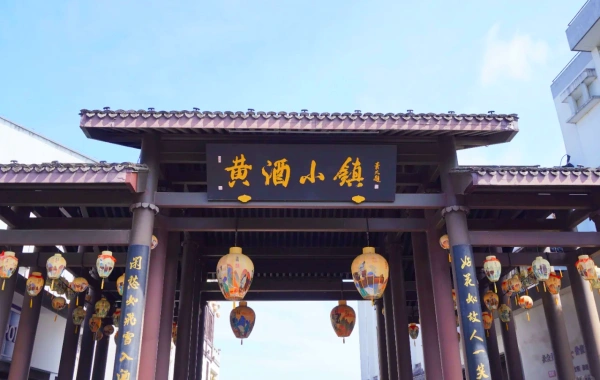
Shaoxing, Zhejiang Province - The Land of Huangjiu (Yellow Wine)
- Significance: Shaoxing is famous for its Huangjiu, a traditional Chinese fermented rice wine with a history of thousands of years. Huangjiu is an integral part of Chinese food and drink and cultural traditions, often served during important festivals and ceremonies. Shaoxing's unique climate and water quality contribute to the production of high - quality Huangjiu, making it a representative region for this ancient wine.
- Attractions: The Shaoxing Huangjiu Museum is a great starting point for exploring the city's wine culture. It displays a large collection of historical artifacts related to Huangjiu production, such as ancient brewing utensils and old wine jars. Visitors can also learn about the different types of Huangjiu and their brewing methods. After visiting the museum, taking a stroll through the ancient water towns around Shaoxing, like Anchang Ancient Town, allows one to find local wineries and taverns, sit by the canal, enjoy a cup of warm Huangjiu, and savor local snacks, fully experiencing the unique charm of Shaoxing's wine culture.
Traditional Philosophies Underlying Chinese Alcohol Culture
Harmony and Balance
In Chinese philosophy, harmony and balance are fundamental concepts. This is also reflected in Chinese alcohol culture. When drinking alcohol, Chinese people emphasize the importance of drinking in moderation, achieving a state of harmony between the body and the mind. Excessive drinking is seen as a sign of lack of self - control and is generally discouraged. At the same time, alcohol is often used as a medium to promote social harmony and build relationships. During social gatherings, sharing a drink can help break the ice and create a friendly and relaxed atmosphere.
The Concept of "Yin" and "Yang"
The ancient Chinese philosophy of "yin" and "yang" also plays a role in Chinese alcohol culture. Alcohol is considered to have a "yang" quality, as it is warm, stimulating, and can invigorate the body. In contrast, some foods and beverages are considered to have a "yin" quality, such as cold drinks and certain types of tea. Chinese people believe that a balance between "yin" and "yang" is essential for good health. Therefore, when drinking alcohol, they often pair it with "yin" - type foods to achieve a balanced diet. For example, when drinking baijiu, which is a strong "yang" beverage, people may eat cold dishes such as cucumbers and tofu to counteract the heat of the alcohol.
Respect for Tradition and Ancestors
Chinese alcohol culture is deeply rooted in tradition and respect for ancestors. Alcohol has been used in religious ceremonies and ancestor worship for thousands of years. During important festivals and family gatherings, Chinese people often offer alcohol as a sacrifice to their ancestors to express their respect and gratitude. This tradition reflects the Chinese belief in the importance of family and the continuity of generations.
The Artistic Image of Wine: Embodied in Legendary Figures
Wu Song: The Unyielding Hero Fueled by Wine
Wu Song, a legendary figure from the classic Chinese novel Water Margin, is immortalized for his extraordinary feat of slaying a man-eating tiger with his bare hands after consuming a staggering eighteen bowls of highly potent liquor. Wine, in this context, is not merely a beverage but a symbol of unyielding courage and indomitable spirit. It emboldens Wu Song, transforming an ordinary man into a fearless warrior capable of facing life-threatening danger head-on. His story illustrates how wine, when consumed by a person of great resolve, can transcend its physical properties and become a catalyst for heroic deeds, leaving an indelible mark on the annals of folklore.

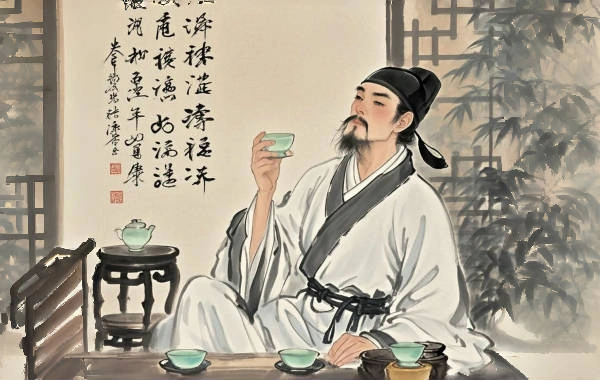
Li Bai: The Poetic Genius Inspired by Wine
Li Bai, often hailed as the "Poetic Immortal" of the Tang Dynasty, is renowned for his prolific output of over a hundred poems composed under the influence of wine. For Li Bai, wine was not just a source of pleasure but a muse that unlocked the gates of creativity. In his drunken state, he wandered through landscapes both real and imagined, weaving verses that captured the essence of nature, love, and the human condition. His poetry, infused with the spirit of wine, resonates with a timeless beauty and a profound sense of freedom, making him one of the most celebrated poets in Chinese literary history. Wine, thus, becomes a bridge between the mortal and the divine, enabling Li Bai to transcend earthly bounds and touch the very soul of poetry.
Cao Cao: The Strategist with a Wine-Stained Vision
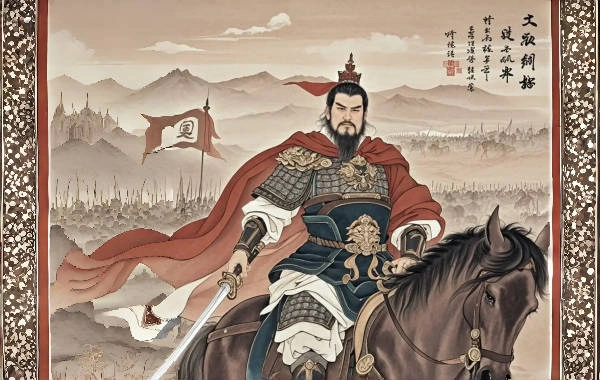
Cao Cao, a prominent statesman, military strategist, and poet during the late Eastern Han Dynasty, is another figure whose artistic image is intricately linked with wine. Known for his complex personality and shrewd political acumen, Cao Cao also possessed a deep appreciation for the arts, particularly poetry and music, often indulging in wine to stimulate his creative and strategic thinking. In his famous poem Short Song Style, he wrote, "How can a hero not drink wine? His true thoughts are only revealed when drunk." This line encapsulates Cao Cao's belief that wine had the power to unveil one's innermost thoughts and desires, serving as a mirror to the soul. For him, wine was not just a social lubricant but a tool for self-reflection and strategic planning, highlighting its multifaceted role in shaping the artistic and intellectual landscape of ancient China.
Drinking Vessels and Famous Artifacts in Chinese Alcohol Culture
Drinking Vessels
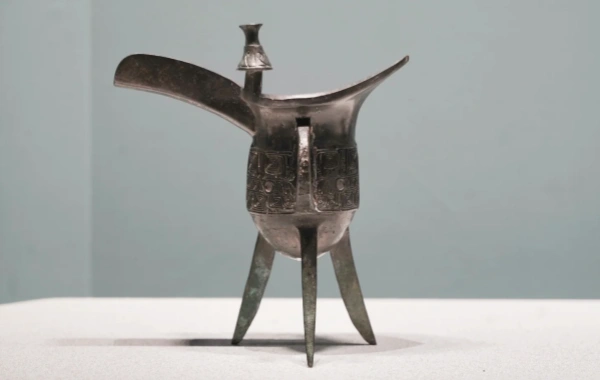
- Jue: The jue is an ancient Chinese drinking vessel that dates back to the Neolithic period. It is a three - legged cup with a long spout and a handle, often used for drinking wine during religious ceremonies and banquets. The shape of the jue is elegant and unique, reflecting the high level of craftsmanship in ancient China.
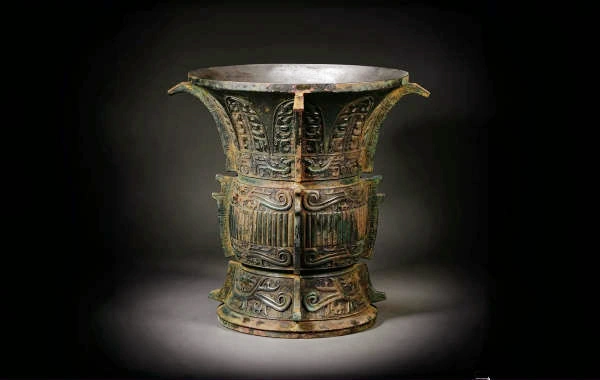
- Zun: The zun is a large - sized wine vessel with a wide mouth and a bulging body. It was commonly used in ancient China for storing and serving wine during important state ceremonies and feasts. Zun vessels are often decorated with intricate patterns and designs, such as dragon and phoenix motifs, which symbolize power and good fortune.
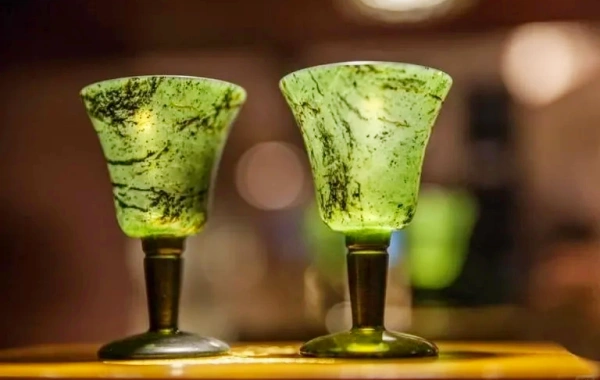
- Goblet - shaped Cups: In modern times, Chinese people also use goblet - shaped cups for drinking alcohol, especially when drinking beer or wine. These cups are usually made of glass or crystal and are designed to enhance the visual appeal of the beverage.
Famous Artifacts
- The Jade Zun from the Western Zhou Dynasty: This jade zun is a precious artifact that was discovered in a tomb in Shaanxi Province. It is made of high - quality jade and is exquisitely carved with patterns of animals and clouds. The jade zun is not only a masterpiece of ancient Chinese jade carving but also an important historical relic that provides insights into the alcohol culture of the Western Zhou Dynasty.
- The Bronze Jue from the Shang Dynasty: The bronze jue from the Shang Dynasty is another famous artifact related to Chinese alcohol culture. It is made of bronze and has a simple yet elegant design. The inscriptions on the jue provide valuable information about the brewing and drinking habits of the Shang people, as well as their religious beliefs and social structure.
Drinking Etiquette in Chinese Culture
Toast Etiquette
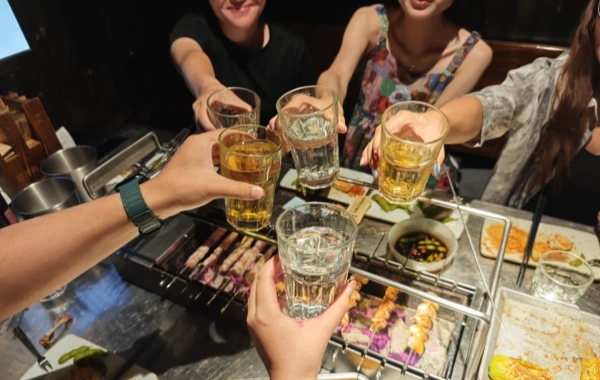
- The Order of Toasting: In Chinese social gatherings, there is a strict order of toasting. Generally, the host or the most senior person at the table starts the toasting. After that, others take turns to toast in order of seniority or social status. When toasting, it is customary to stand up and raise your glass slightly higher than the person you are toasting to as a sign of respect.
- The Language of Toasting: When toasting, Chinese people often use specific phrases to express their good wishes. Common toasting phrases include "Gan Bei" (Cheers, literally meaning "dry the cup"), "Wish you good health" (Zhu ni shen ti jian kang), and "Wish you success in your career" (Zhu ni shi ye shun li).
Pouring Alcohol
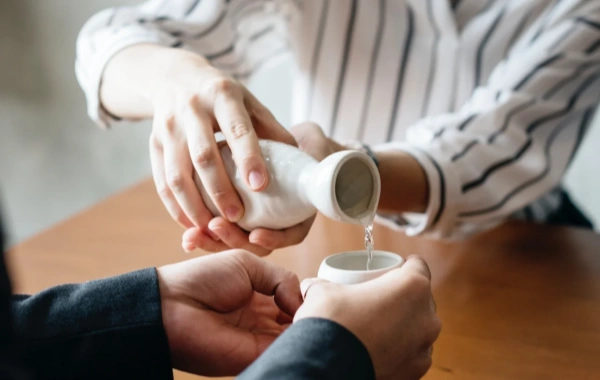
- Pouring for Others: In Chinese culture, it is considered polite to pour alcohol for others before pouring for yourself. When pouring alcohol, you should hold the bottle with both hands as a sign of respect. If you are pouring for an elder or a person of higher status, you should stand up and pour the alcohol carefully into their glass.
- Accepting Poured Alcohol: When someone pours alcohol for you, you should express your gratitude by saying "Xie xie" (Thank you). You can also tap your index and middle fingers on the table twice as a sign of appreciation, especially when you are in a more casual setting.
Drinking in Moderation
- As mentioned earlier, drinking in moderation is an important part of Chinese drinking etiquette. Chinese people believe that excessive drinking can lead to loss of self - control and inappropriate behavior, which is not in line with the principles of social harmony and respect. Therefore, it is common for people to politely decline additional drinks if they feel they have had enough.
Chinese alcohol is a fascinating and multifaceted aspect of Chinese culture. From its ancient origins and rich brewing history to the captivating legends and legendary figures, the diverse types of alcohol, the alcohol - related cities and attractions, the underlying traditional philosophies, the exquisite drinking vessels and famous artifacts, and the intricate drinking etiquette, Chinese alcohol culture offers a unique window into the soul of China. Whether you are a wine enthusiast, a history buff, or simply someone interested in exploring different cultures, Chinese alcohol is definitely worth discovering and experiencing. So, the next time you have the opportunity, raise a glass of Chinese alcohol and toast to the rich and vibrant culture of this ancient land.


Contact Us
What Our Clients Say?
Based on 10,000+ traveler reviews

Daniel Dorothea
Canada
Reviewed on April 29,2025
Shopping on Nanjing Road in Shanghai was just amazing! It's truly the "First Commercial Street of China", where tradition and modernity blend perfectly. You can find awesome souvenirs and experience the trendy vibes in cool stores. The neon lights at night are just spectacular, shining bright like Times Square in New York. The food here is incredible too. I had a feast for my taste buds. Shanghai, I'll definitely be back!
Destination(s):
Shanghai
Date of
Experience:
May 08,2024


Elvis Eva
Canada
Reviewed on June 20,2025
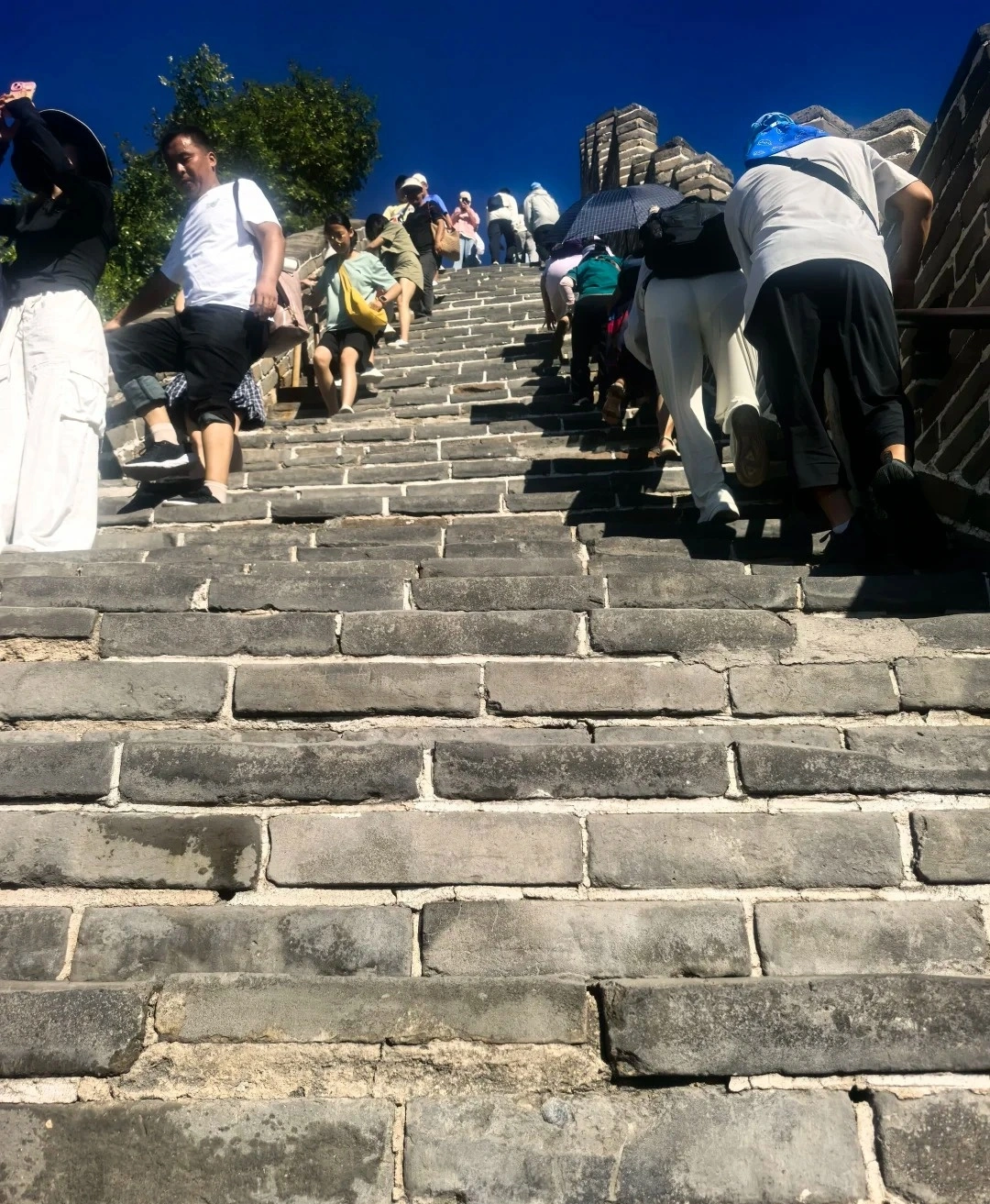
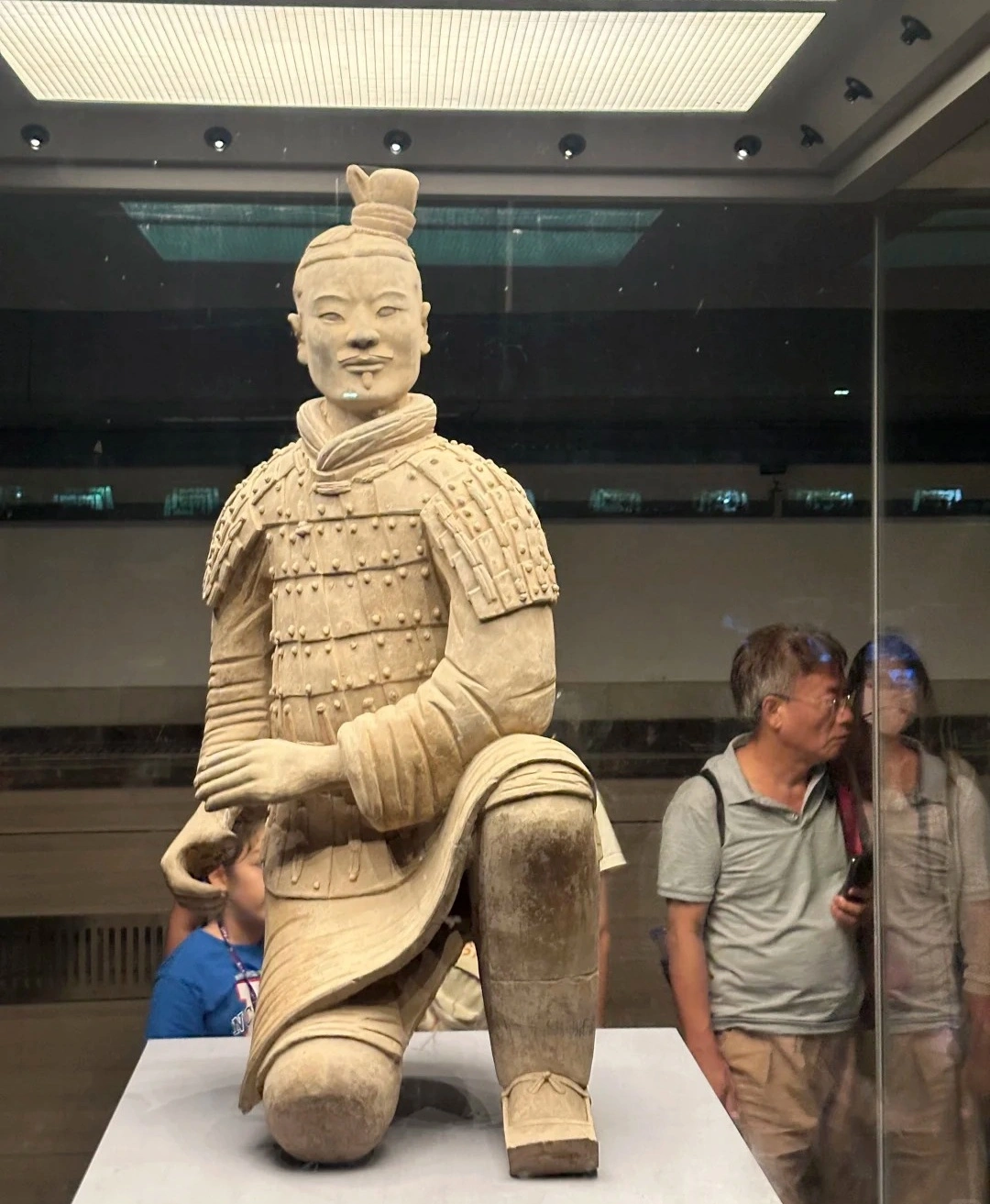
As a solo traveler from Canada, I was nervous about navigating China alone—but this 11-day tour was PERFECT! From hiking the Great Wall at sunrise (Day 3) to gasping at the Terracotta Army (Day 5), every day delivered ‘pinch-me’ moments. The real showstopper? Zhangjiajie’s Avatar Mountains (Day 7)! Our guide made the stone pillars come alive with stories.
Massive thanks for handling all logistics—bullet train tickets, entry passes, car! And the 4-star hotels surprised me.
Destination(s):
Beijing Xian Zhangjiajie Shanghai
Date of
Experience:
June 02,2025


Simon
America
Reviewed on May 29,2025
Our 2-day Zhangjiajie tour was beyond spectacular! As someone who’s visited Beijing and Shanghai for work, this trip revealed China’s wild, magical heart. Day 1 in Zhangjiajie National Forest Park felt like stepping onto Pandora—I’m a huge Avatar fan, and Yuanjiajie’s floating peaks left me breathless. The misty pillars and lush valleys like pure movie magic!
Then came Fenghuang Ancient Town, we eat dinner beside the thundering waterfall. It seems Unreal! The night views of stilt houses glowing over the river were straight from a fairy tale.
For fellow Avatar lovers and adventure seekers: Don’t miss this bucket-list experience! 10/10 would return.
A Well-Traveled Film Buff, May 2025
Destination(s):
Zhangjiajie
Date of
Experience:
May 08,2025