Nature’s Masterpiece—A Feng Shui Sanctuary in the Lotus Mountain Hollow
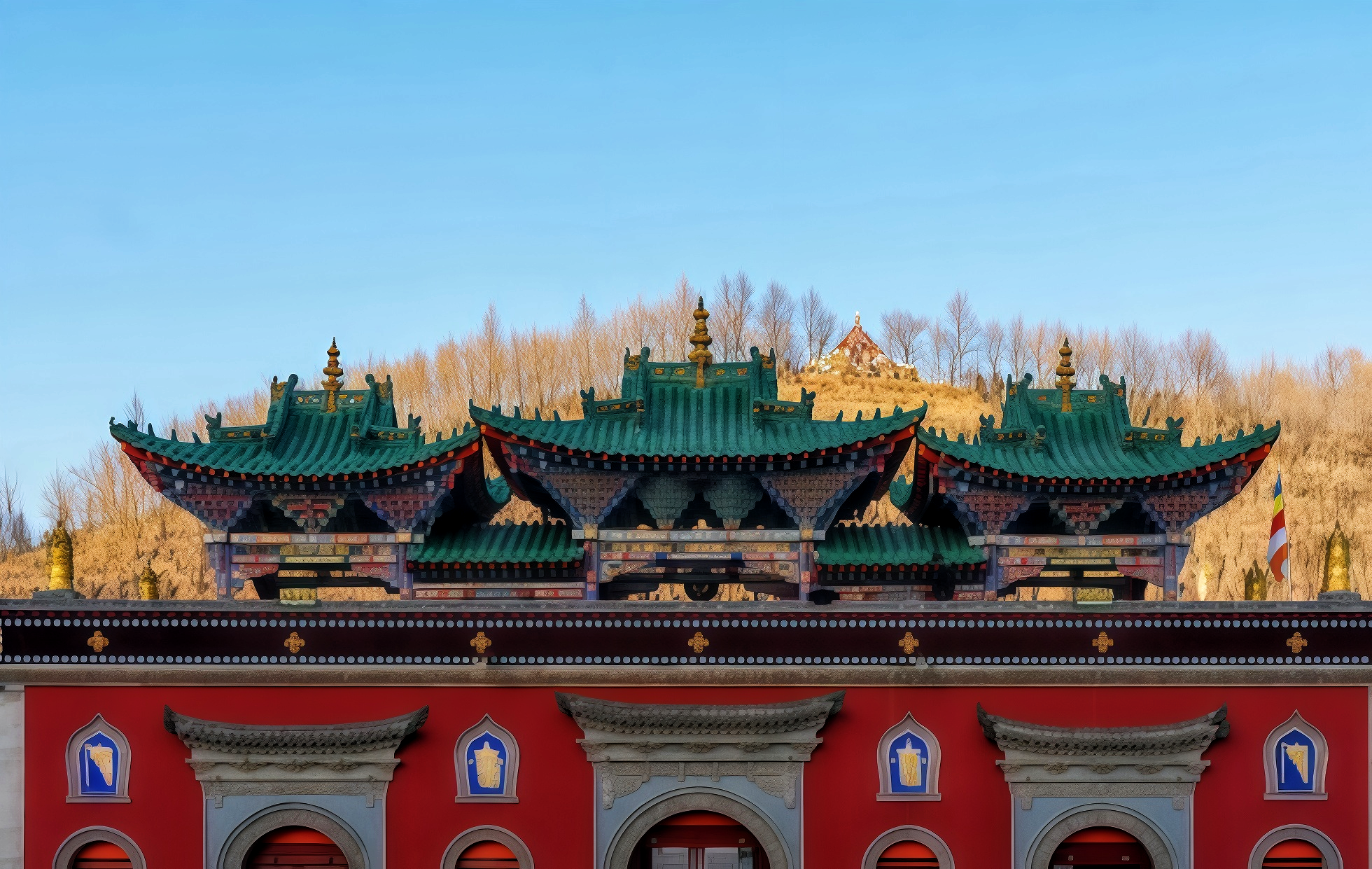
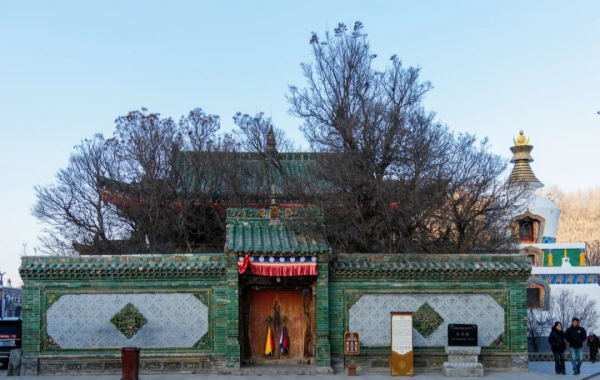
The architectural layout of Ta'er Monastery is, in itself, a masterpiece of the perfect fusion between nature and human culture. The entire complex is built against the backdrop of Lotus Mountain; its halls and pavilions are distributed in a harmonious, staggered arrangement across the slopes on both sides of a mountain ravine, creating a magnificent, three-dimensional tableau. Standing on the mountainside and looking down, one sees red walls and golden roofs shimmering beneath the crystal-clear blue skies of the plateau, dotted with white stupas, while the distant horizon is framed by an unbroken chain of mountains. In the early morning hours, wisps of mist swirl among the halls; as sunlight filters through the eaves and spills onto the prayer corridors, the interplay of light and shadow creates an ethereal atmosphere—as if the entire monastery were slowly awakening from a deep slumber.
Situated at an altitude of approximately 2,700 meters, the air here is fresh and pure. For most visitors, this elevation does not trigger significant symptoms of altitude sickness; however, first-time visitors are still advised to slow their pace and allow their bodies some time to acclimatize. The ultraviolet radiation on the plateau is intense; when the sunlight strikes the golden roofs, the resulting glare is dazzling and mesmerizing—visitors are therefore advised to carry sunscreen and sunglasses. As the seasons turn, Ta'er Monastery reveals a distinct and unique character: in late spring and early summer, wildflowers bloom across the mountainsides, and the landscape is lush with greenery; in autumn, beneath a high, clear sky, the golden roofs appear even more resplendent in the autumn sun; and in winter, after a snowfall, the red walls and white stupas are draped in a silvery mantle of snow—with few visitors present, the atmosphere becomes one of profound tranquility and solemnity, offering a perfect opportunity for photography enthusiasts.
Human Ingenuity—Six Centuries of Civilization Embodied in Brick and Tile
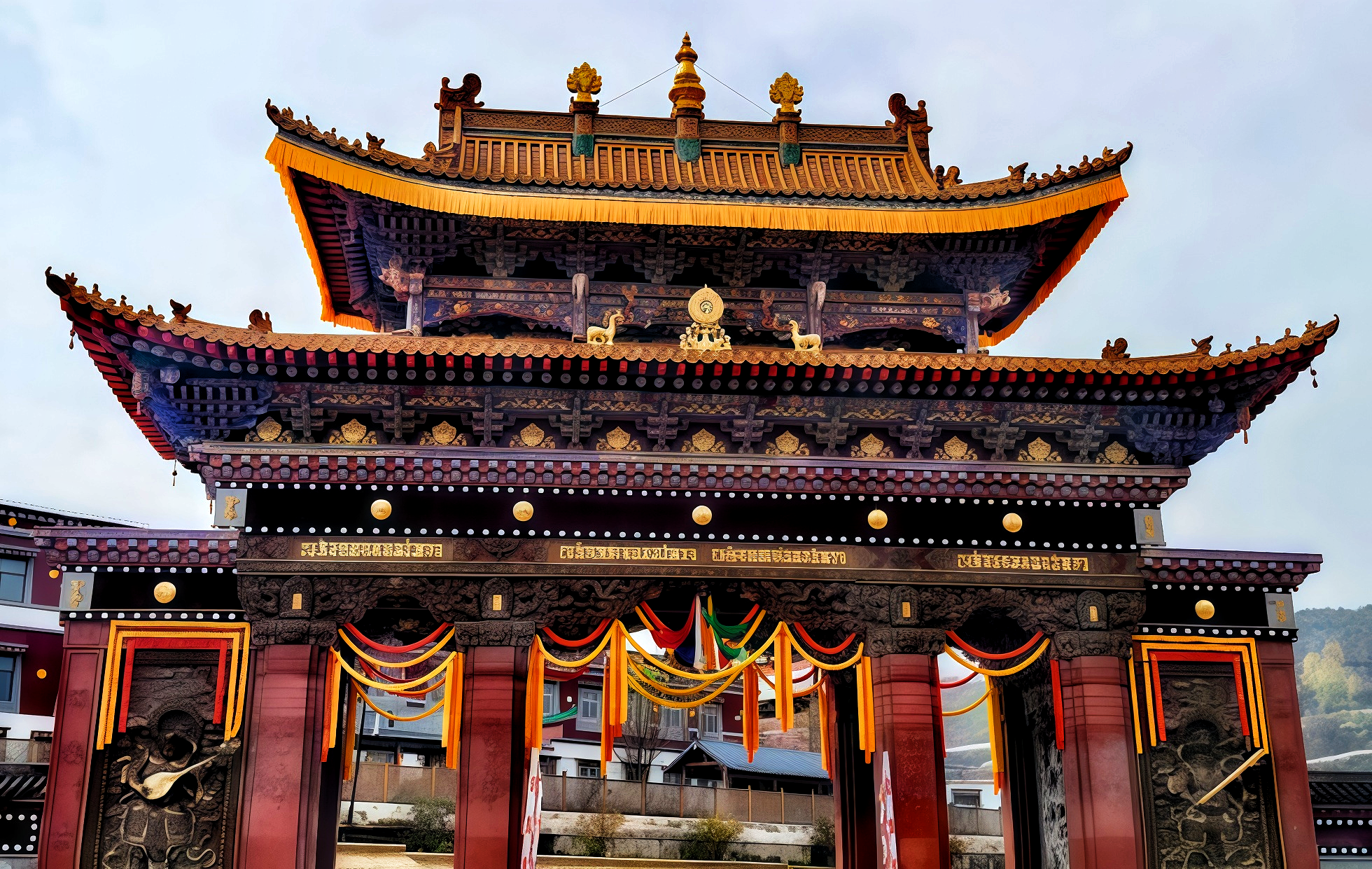
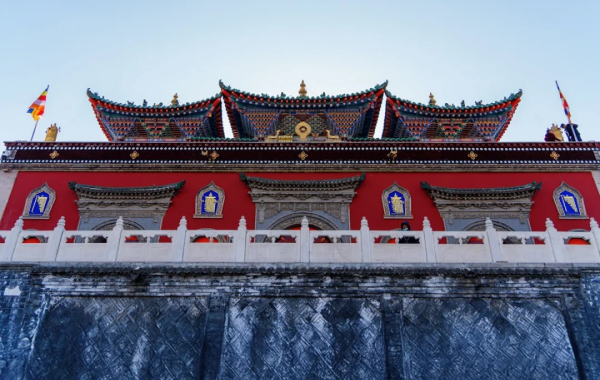
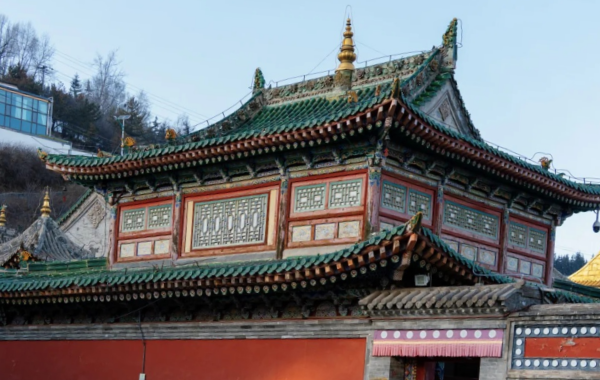
The architectural complex of Ta'er Monastery stands as a quintessential example of the fusion between Han Chinese and Tibetan artistic styles. Spanning an area of over 600 mu (approximately 40 hectares), the complex comprises a multitude of halls, scripture pavilions, stupas, and monks' quarters. Behind every single structure lies a rich tapestry of history and deep-rooted faith.
The Great Golden Roof Hall—The Heart of Faith
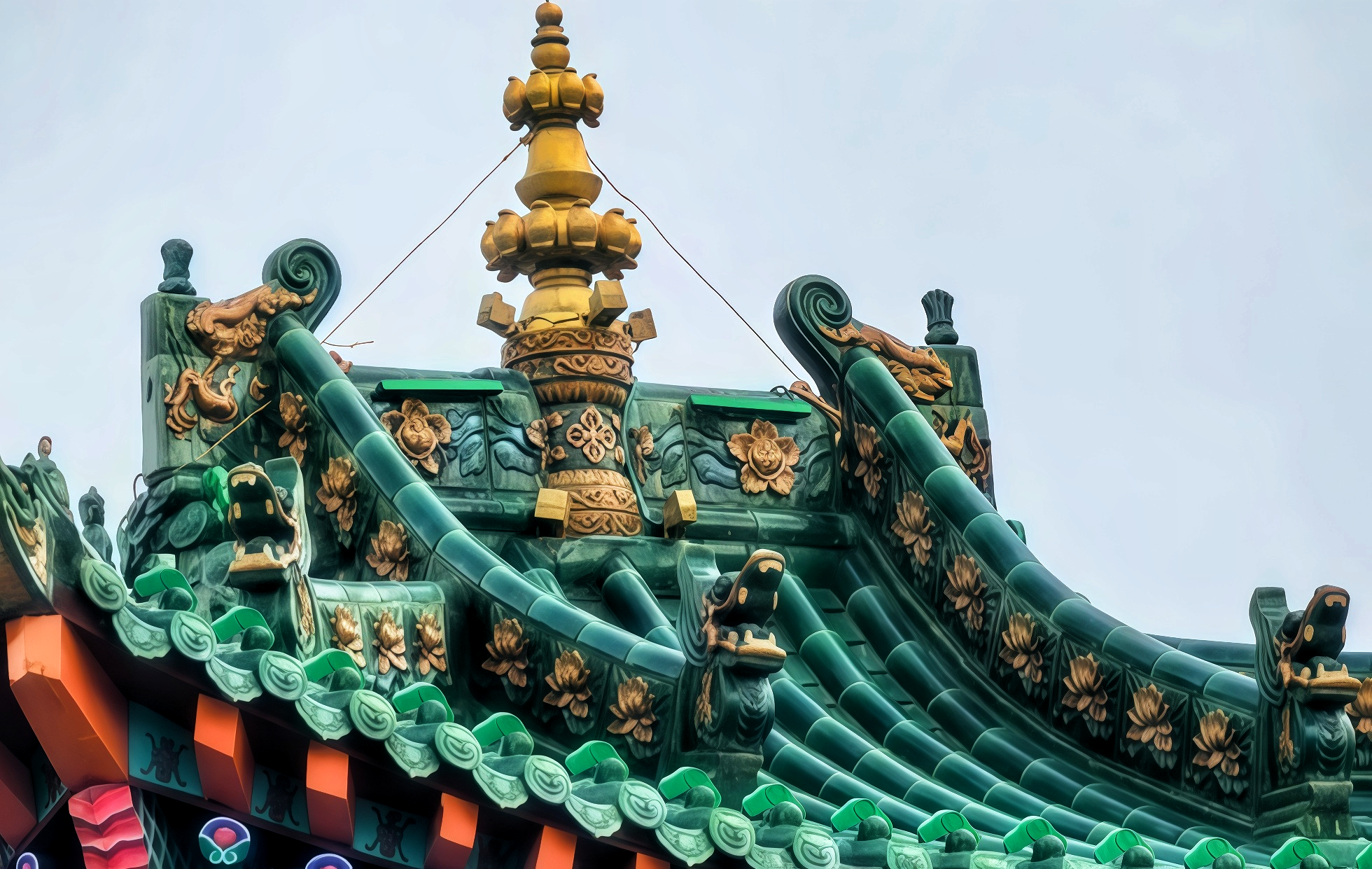
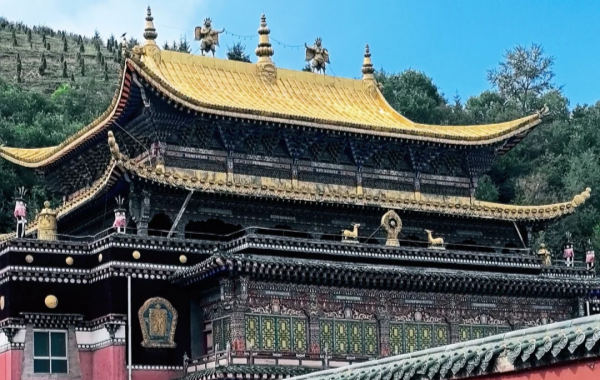
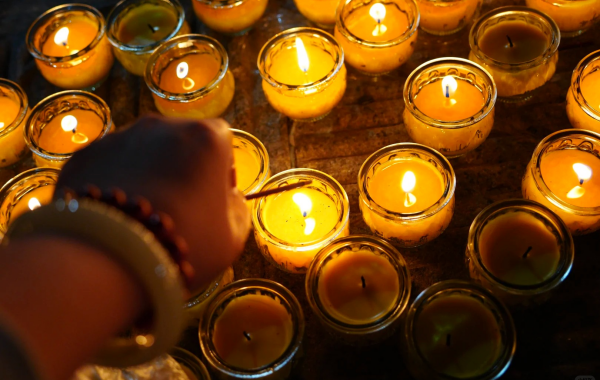
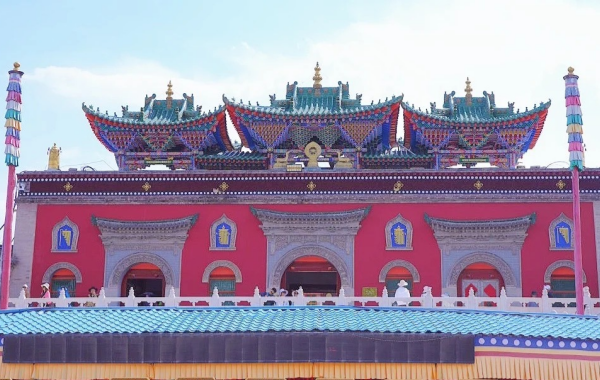
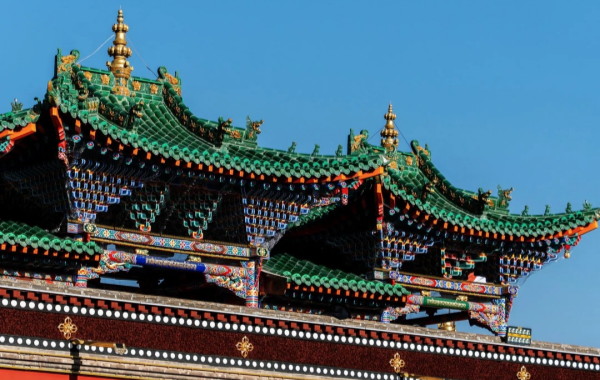
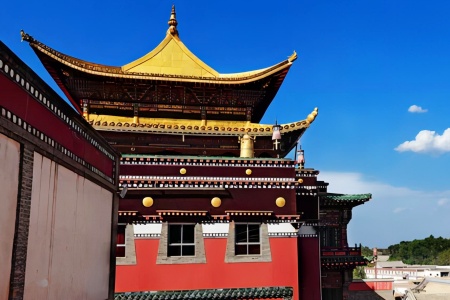
The Great Golden Roof Hall is situated at the very center of the monastery complex; in Tibetan, it is known as "Serdong Chenmo." Originally constructed in 1560, this hall underwent a magnificent renovation in 1711, during which its roof was transformed into a three-tiered, double-eaved xieshan-style golden roof, utilizing 1,300 taels of gold and over 10,000 taels of silver. The eaves are adorned with gilded cloud motifs and lotus petals, while the flying ridges are topped with miniature stupas and a pair of "flaming palms." Bronze bells hang from the four corners, shimmering with dazzling brilliance and golden radiance under the sunlight. Standing directly inside the hall is a towering silver stupa, 12.5 meters in height—marking the very spot where the Great Master Tsongkhapa was born. This stupa features a base of pure silver, an exterior plated in gold and inlaid with various precious gems, and is draped in dozens of layers of white hadak (ceremonial scarves). In front of the stupa, butter lamps burn brightly, and a golden plaque—an imperial gift from the Qianlong Emperor—hangs in place of honor.
The Eight Auspicious Stupas—Symbols of Shakyamuni’s Eight Major Deeds
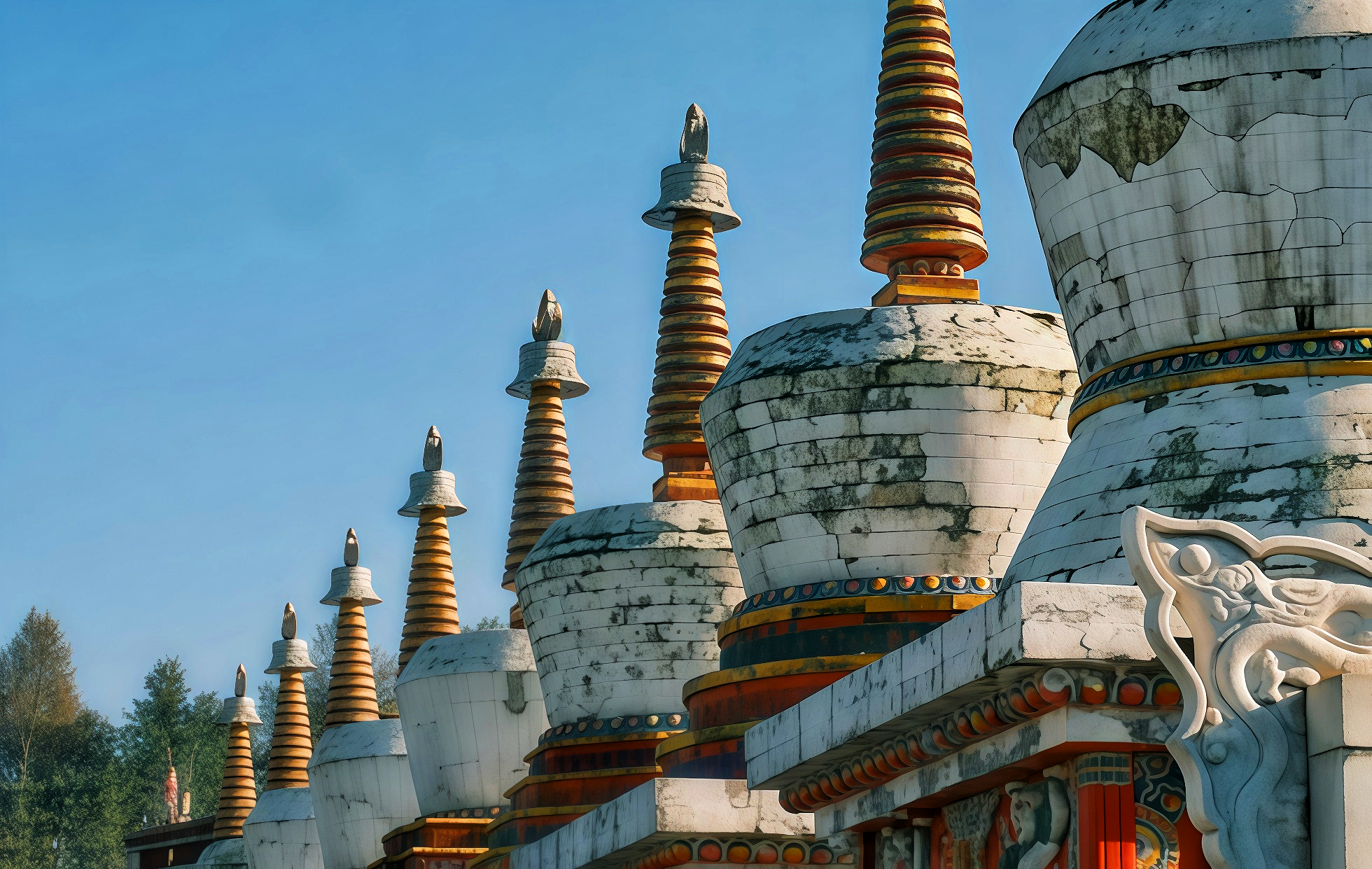
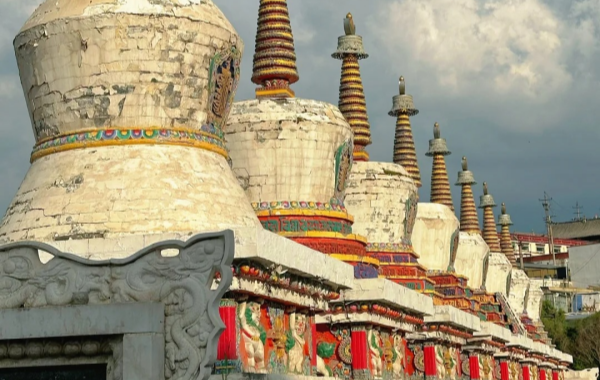
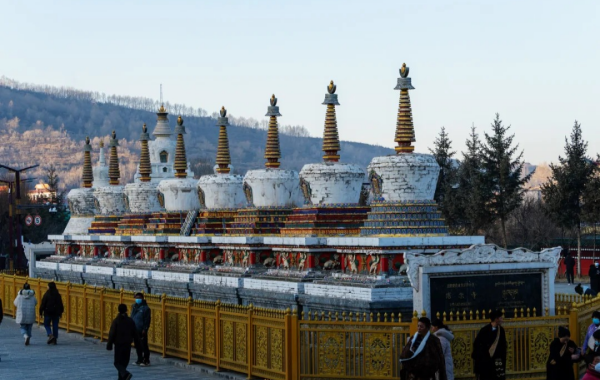
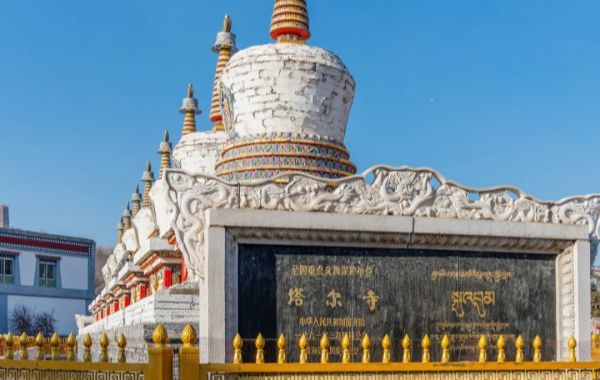
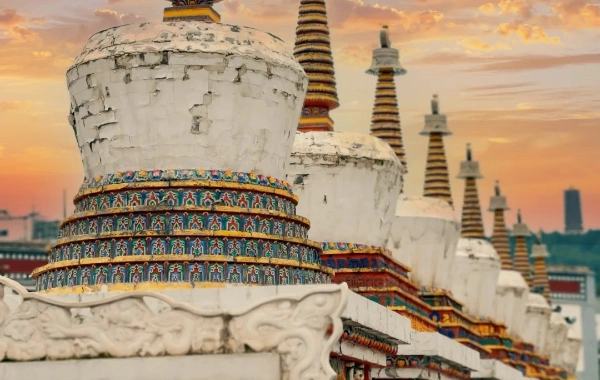
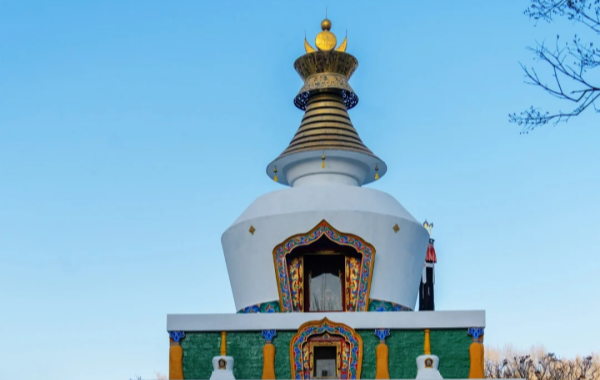
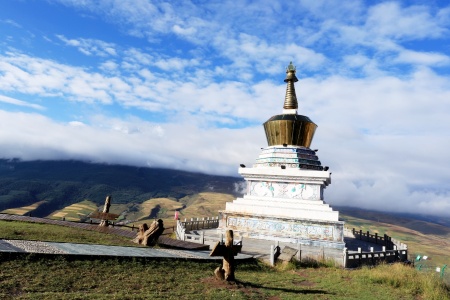
Located in the square in front of the monastery, the Eight Auspicious Stupas constitute one of Ta'er Monastery’s most iconic landmarks. These eight white stupas, constructed in 1776 (the 41st year of the Qianlong reign of the Qing Dynasty), are named—from east to west—the Lotus Stupa, the Enlightenment Stupa, the Four Noble Truths Stupa, the Miracles Stupa, the Descent from Heaven Stupa, the Reconciliation Stupa, the Victory Stupa, and the Nirvana Stupa. Each commemorates one of the eight major deeds performed by Shakyamuni Buddha, spanning his life from birth to Nirvana. Standing 6.4 meters tall, the stupas feature bodies finished in white lime plaster atop bases constructed of blue brick; a Buddhist niche is set into the southern face of each stupa. In the early morning, when the sunlight casts its oblique rays, the white stupas and the monastery's red walls form a picturesque tableau—making this the ideal vantage point for capturing both panoramic vistas and portrait photography.
The Great Scripture Hall—A Sanctuary for Spiritual Purification Amidst Chanting
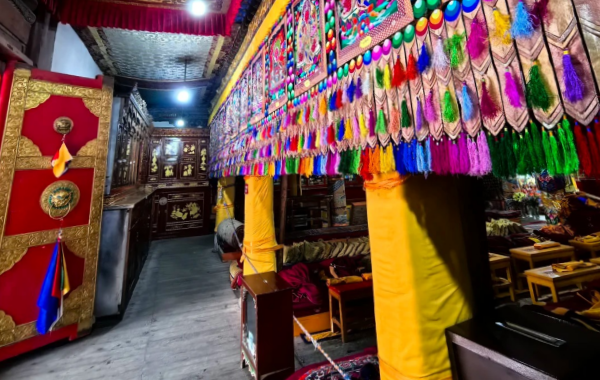
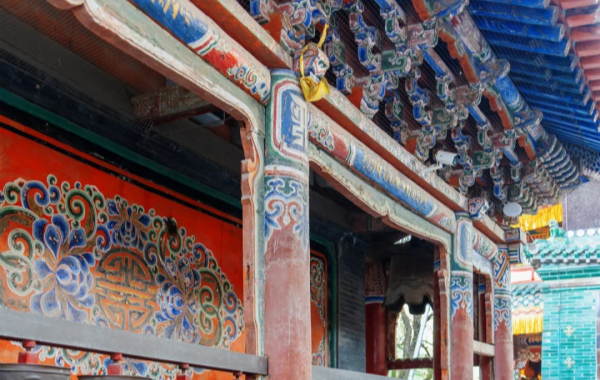
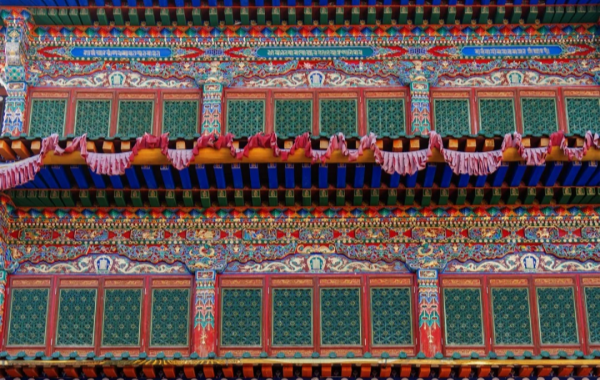
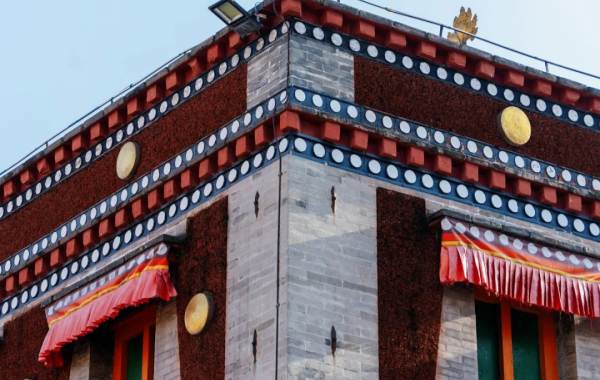
The Great Scripture Hall is the largest architectural structure within Ta'er Monastery. Built with a traditional timber-and-earth framework, it features a flat-roofed Tibetan architectural style. The hall is supported by 168 massive pillars, encompasses a floor area of nearly 2,000 square meters, and is capable of accommodating over a thousand lamas simultaneously as they sit in meditation and chant scriptures. The interior furnishings are exquisitely crafted; colorful banners and draperies adorn the beams and crossbeams, while the massive pillars are wrapped in Tibetan carpets painted with dragons, phoenixes, and auspicious clouds. The eaves and beams above are painted with intricate and vivid Tibetan-style motifs. If you are fortunate, you may witness the monks engaging in a collective chanting session, where deep, resonant incantations echo through the prayer hall, seemingly washing away all the cares and distractions of the mundane world.
The Small Golden Roof Hall (Hall of Guardian Deities) — Mysterious Animal Specimens and the Legend of the Divine Horse
First constructed in 1631, the Small Golden Roof Hall serves as the Hall of Guardian Deities at Ta'er Monastery. The corridors within the hall display taxidermied specimens of various animals—including wild yaks, sheep, bears, and monkeys. According to legend, these animal specimens symbolize the complete subjugation of all demons and malevolent spirits by the divine deities. To the left of the hall stands the taxidermied specimen of a white horse, accompanied by a moving legend: It is said that this horse was originally the mount ridden by the Third Dalai Lama on his journey from Lhasa. After completing his pilgrimage to Ta'er Monastery, the Third Dalai Lama prepared to depart for Mongolia to propagate the Buddhist teachings; however, the white horse steadfastly refused to leave. Shortly thereafter, it ceased eating and passed away. Later generations came to revere it as a "Divine Horse," and it is now enshrined and worshipped alongside the household deities.
Ta'er Monastery’s "Three Artistic Wonders": Unmissable Cultural Treasures
The Butter Sculptures, Murals, and Thangka Embroidery of Ta'er Monastery are collectively known as the "Three Artistic Wonders," and all three have been officially inscribed on China's National List of Intangible Cultural Heritage.
Butter Sculptures — Flowers of Piety Blooming in Icy Waters
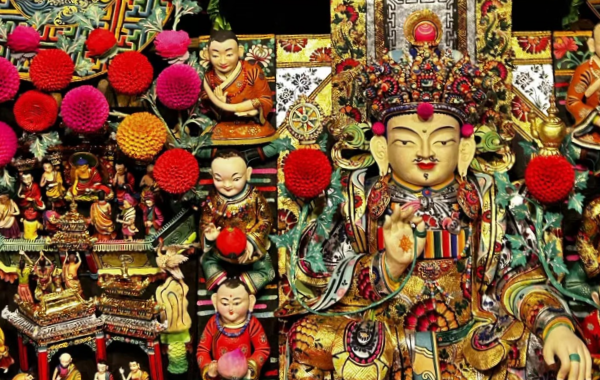
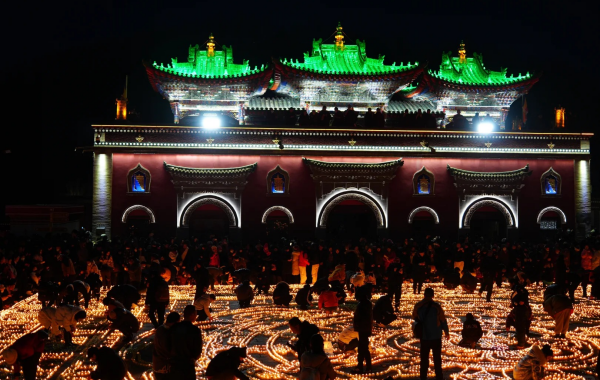
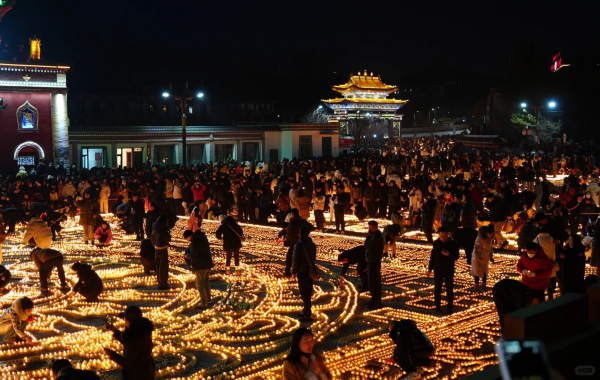
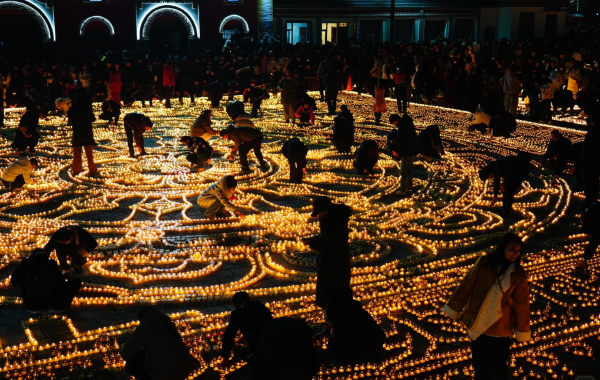
The Butter Sculptures stand at the forefront of these "Three Wonders" and represent the most astonishing feat of craftsmanship among them. The "butter" used in these sculptures is a type of handmade clarified butter (suyou), characterized by its soft and delicate texture. Every year during the bitter cold of winter, the artisan monks must immerse the butter in ice-cold water; after blending it with various mineral pigments, they meticulously mold it into a diverse array of forms—including Buddhist deities, human figures, flowers, birds, beasts, and elaborate pavilions. Because the artisans' hands must remain continuously submerged in the icy water during the sculpting process to prevent the butter from melting, every monk who creates these butter sculptures endures a tremendous physical toll. Held annually on the 15th day of the first lunar month, the Butter Sculpture Exhibition is one of Ta'er Monastery's grandest annual festivals. Newly created butter sculptures are unveiled to devotees on the night of the Lantern Festival—a true visual feast, cast from ice-cold water and the warmth of pious hearts.
Murals: A Millennia-Old Scroll of the Buddhist Realm
Most of the murals at Ta'er Monastery are painted on cloth hangings, though some are painted directly onto walls and structural beams. The pigments used are derived from natural minerals, resulting in vibrant colors that remain unfaded through the ages. The subject matter draws primarily from Buddhist sutras and Vajrayana teachings; the compositions are ingeniously conceived, the color palettes harmonious, and the overall aesthetic imbued with a rich Indo-Tibetan flavor. Even after enduring for centuries, these murals retain their vivid hues, and the figures depicted remain remarkably lifelike.
Appliqué Embroidery: The Art of Three-Dimensional Thangkas
Appliqué embroidery (Duixiu) is a unique art form pioneered at Ta'er Monastery. Artisan monks cut various colored silks and satins into shapes depicting Buddhist deities, human figures, flowers, birds, and animals. These shapes are then padded with wool or cotton stuffing and stitched onto cloth hangings, creating a distinct three-dimensional effect. Works such as the "Eighteen Arhats"—displayed within the Great Scripture Hall—are exquisitely crafted with unique designs, standing as true masterpieces of monastic art.
> Photography Tips: The golden roof of the Great Golden Tile Hall appears most magnificent when bathed in ample morning sunlight; shooting between 9:00 AM and 11:00 AM is recommended. The Eight Auspicious Pagodas are best photographed during the early morning or late evening, when soft side-lighting highlights their graceful silhouettes. The prayer wheel corridors offer excellent opportunities for capturing human silhouettes amidst the interplay of light and shadow. If flying a drone, be sure to familiarize yourself with local regulations before operating outside the monastery grounds; aerial photography is strictly prohibited within the monastery complex itself.