Nature's Handiwork—A Masterpiece of Earth and River
Guide's natural landscape unfolds as a grand narrative of water, stone, and life—a magnificent saga showcasing the interplay between the geological evolution of the Qinghai-Tibet Plateau and the enduring civilization of the Yellow River.
The Seven-Colored Danxia—A Geological Tapestry Spanning Eons
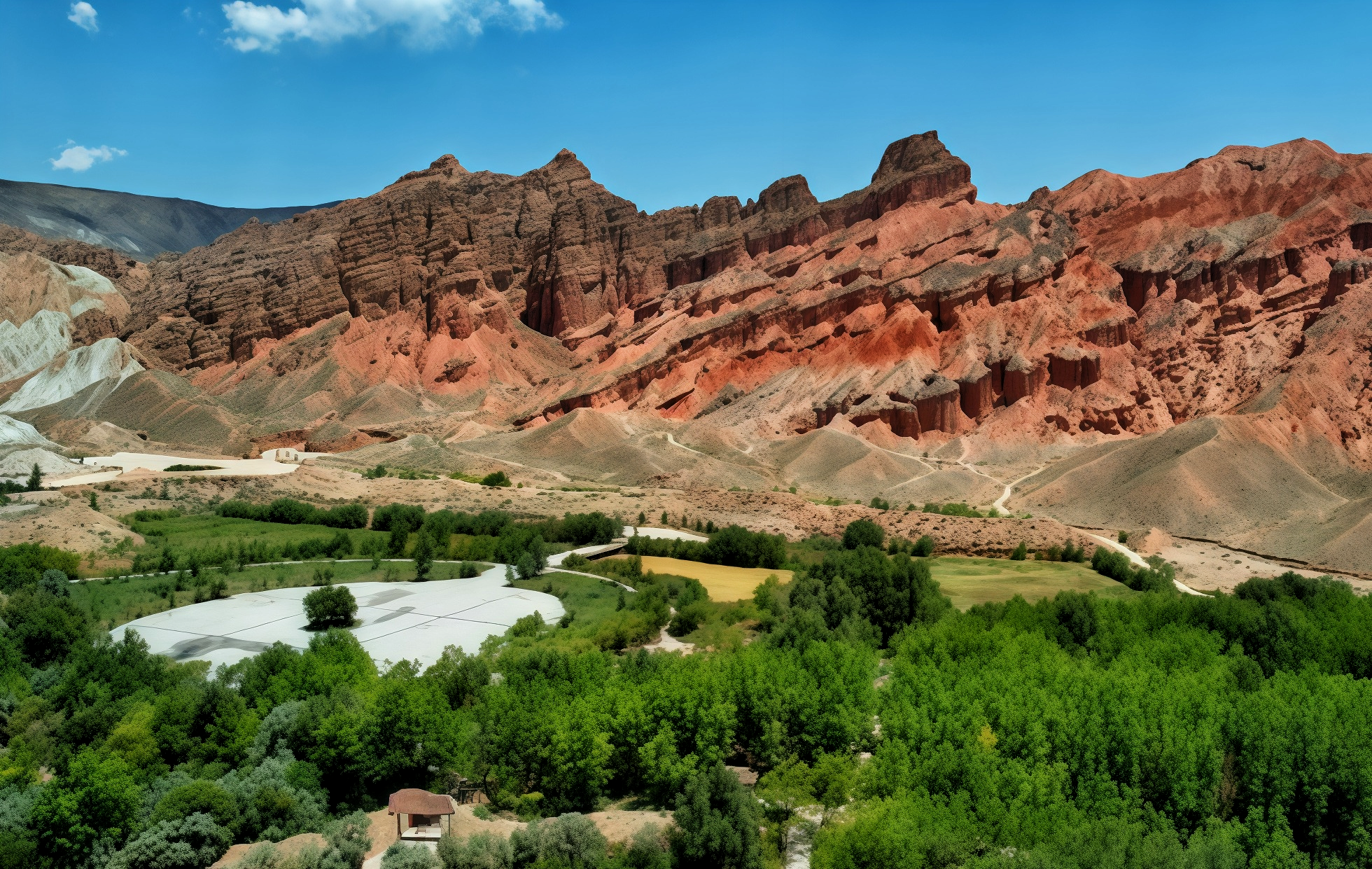
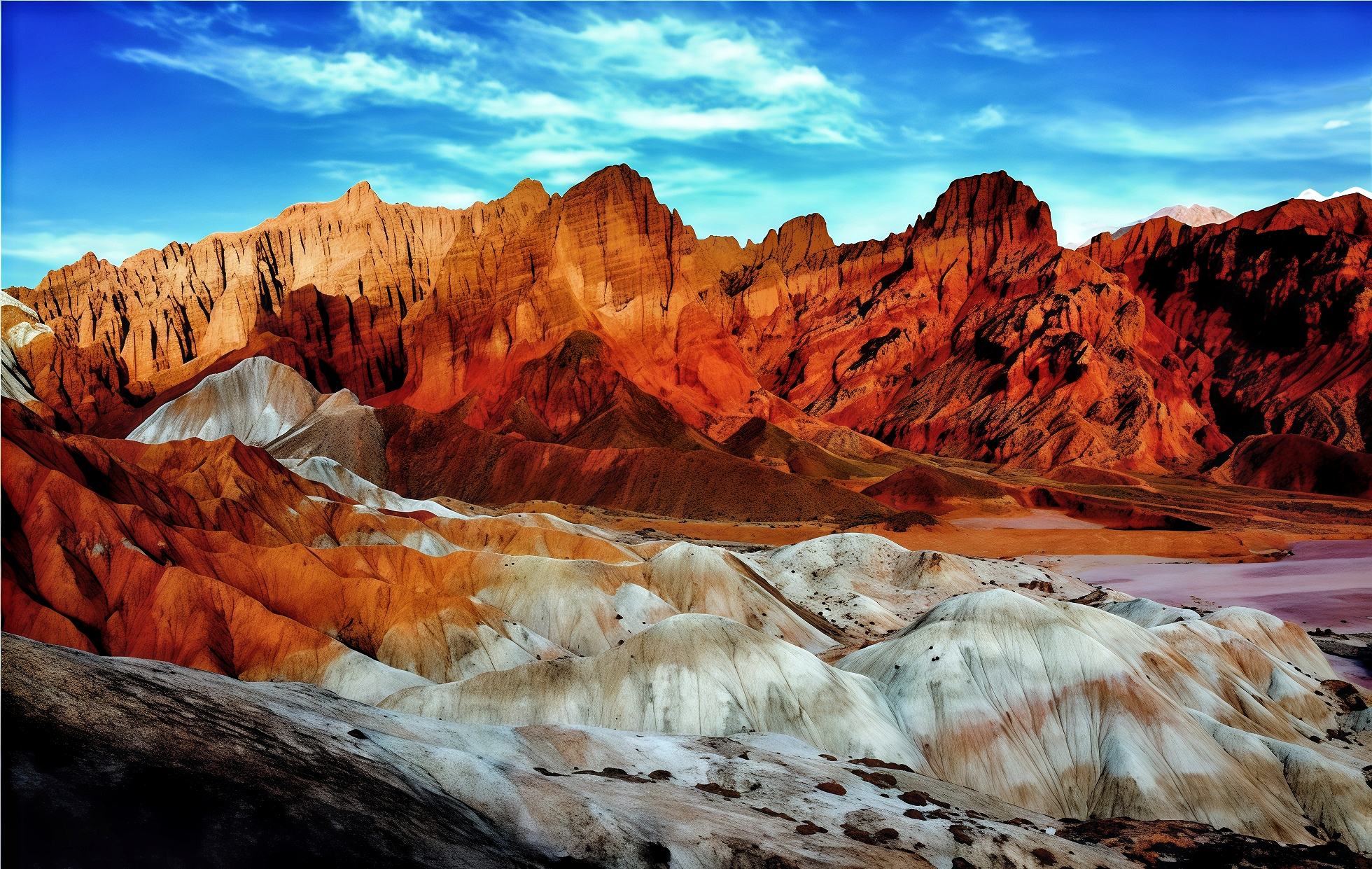
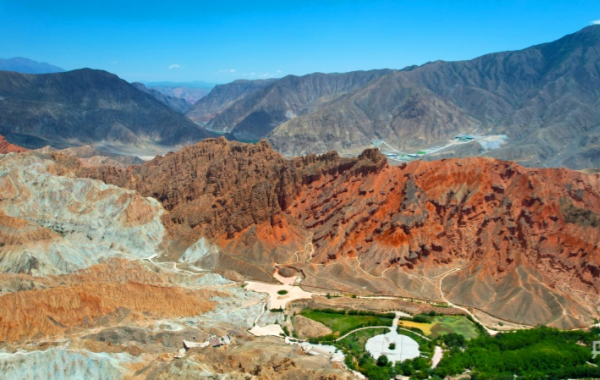
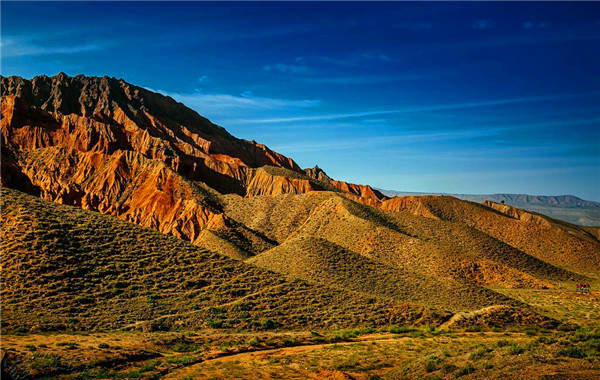
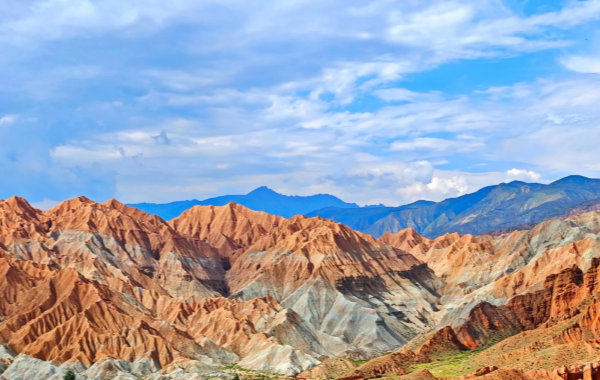
The Ashigong Seven-Colored Peaks Scenic Area lies at the very heart of the Guide National Geological Park. Spanning approximately 50,000 mu (roughly 3,333 hectares), it is a spectacular Danxia landform—a type of red-bed physiography—that took shape some 120 million years ago during the Cretaceous period. The scenic area comprises seven distinct Danxia canyons, where the rock formations display a vibrant palette of seven hues—including reddish-brown, bluish-gray, and ochre-yellow. When bathed in sunlight, these peaks glow with a radiance akin to the rosy hues of sunset clouds, earning the site its evocative name: the "Seven-Colored Peaks." As you stroll through this landscape, canyons such as Nuwa Gorge, Thousand Buddha Gorge, and Tongtian Gorge reveal a myriad of forms; every peak and every ravine serves as a chronicle of the ancient saga of the Qinghai-Tibet Plateau's uplift and the evolution of the Yellow River. For geology enthusiasts and photographers alike, this place serves as a natural "Earth Art Museum," where every click of the shutter pays homage to eons of time. Photography Tip: On clear days, the lighting is optimal between 4:00 PM and 6:00 PM, when the slanting rays of the setting sun render the Danxia landforms in their richest, most vibrant hues.
The Clear Yellow River — The Gentle Side of the Mother River
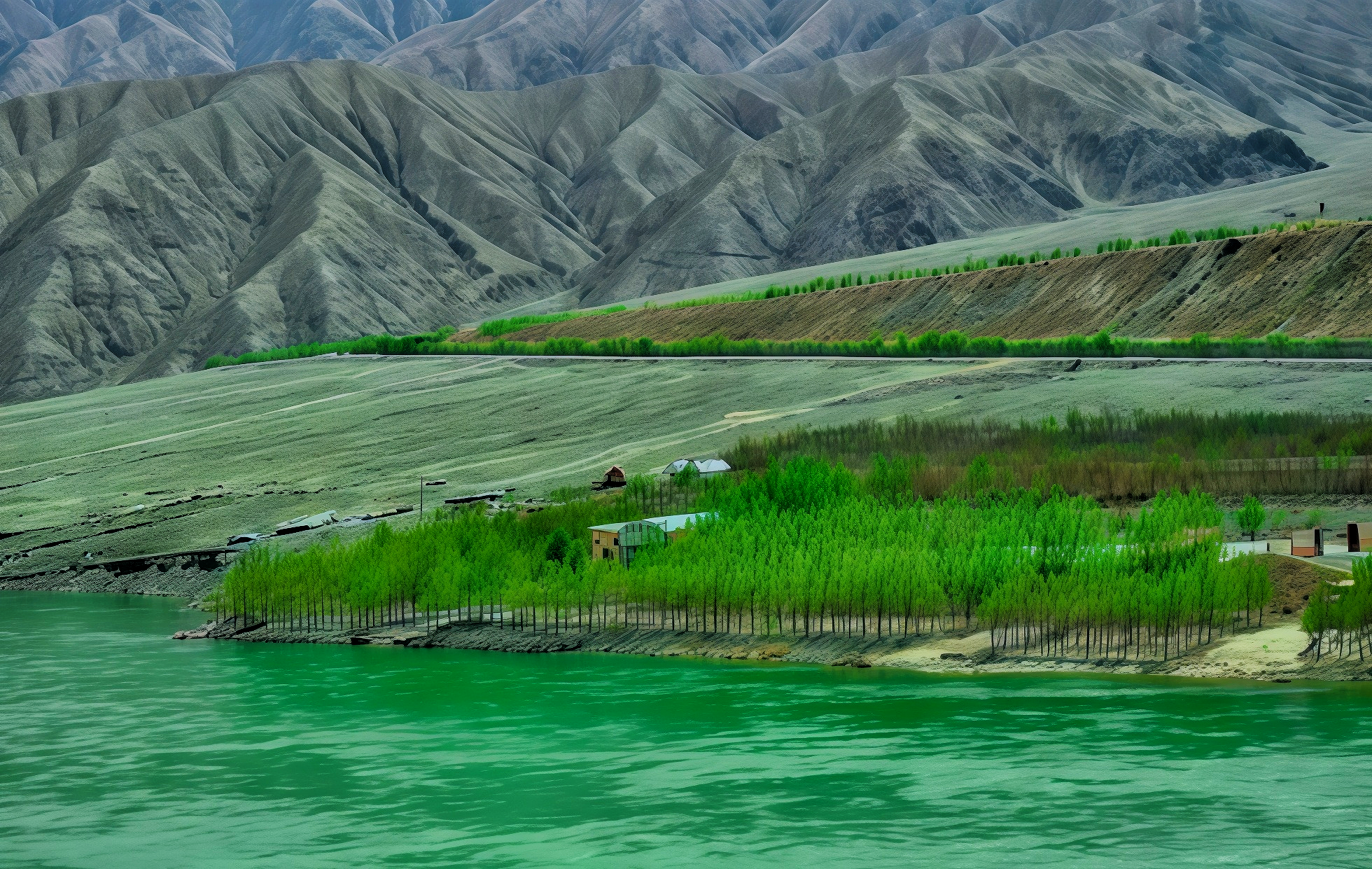
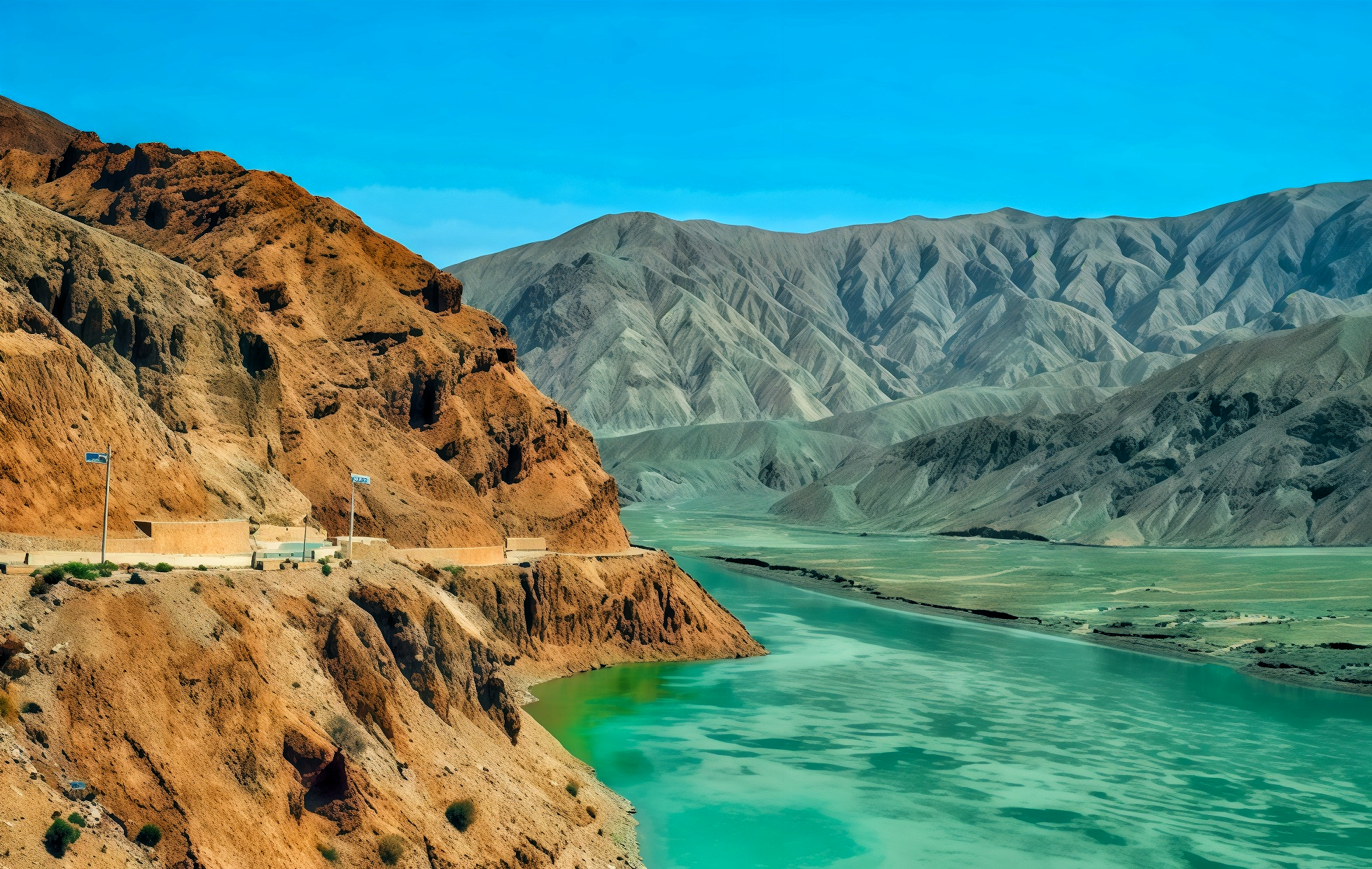
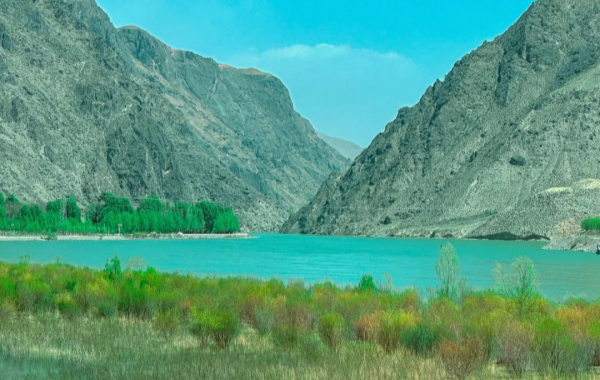
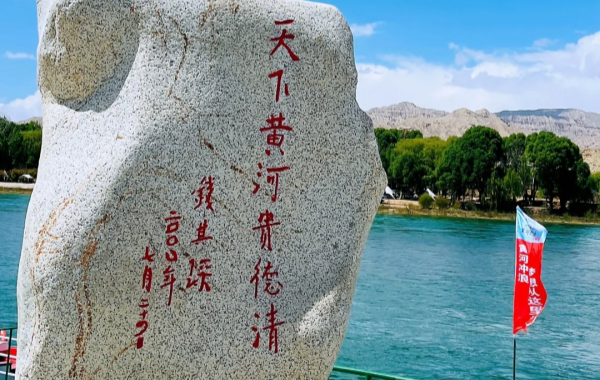
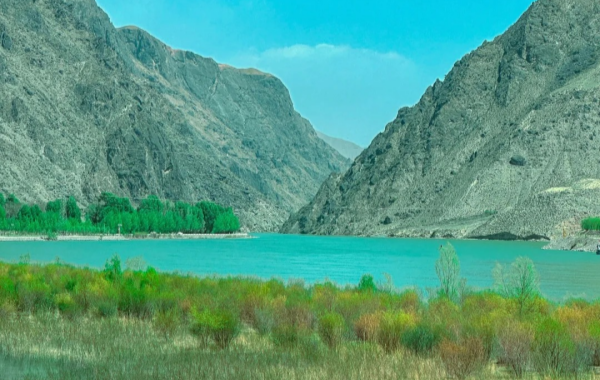
In Guide, the Yellow River sheds its familiar image of a turbid, surging torrent. The "Clear Yellow River" Scenic Area centers on the unique ecological phenomenon captured in the local adage—"The Yellow River runs clear in Guide." It encompasses iconic attractions such as the Waterwheel Plaza, Luhua Bay Water Ecological Park, and the "Wheel of Chinese Fortune," creating a holistic landscape where "river, mountains, city, fields, and villages" harmoniously reflect one another. You can stroll along the waterside boardwalk bordering the Yellow River, gazing at the gently rippling azure waves and listening to the murmuring water—a sensory experience that evokes the poetic water-town charm of the Jiangnan region, transplanted onto the high plateau. Alternatively, you can search the riverbanks for unique Yellow River stones of various shapes; having been polished by the river's flow over millions of years, these stones feature patterns of exquisite natural artistry—true masterpieces gifted by Mother Nature.
The Clear Yellow River Wetland — A Birdwatcher's Paradise and Ecological Treasure Trove
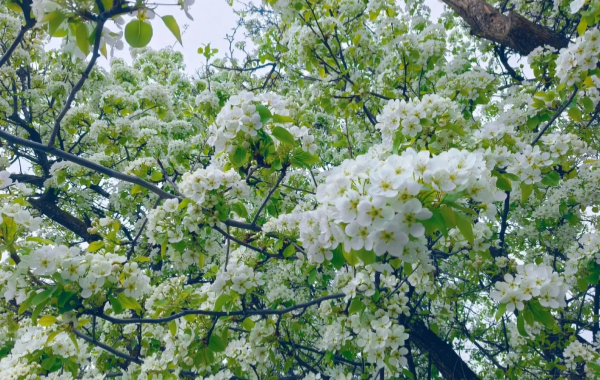
The Guide "Clear Yellow River" National Wetland Park spans a total area of 83,200 mu (approximately 5,550 hectares) and constitutes a precious wetland ecosystem situated within the transitional zone between the Loess Plateau and the Qinghai-Tibet Plateau. Characterized by expansive open waters, dense reed beds, swaying calamus reeds, and lush aquatic vegetation, the park paints a picturesque tableau of a "water town" set against a high-altitude backdrop. The wetland park boasts abundant avian resources, with records listing 120 bird species and 136 plant species; waterbirds—such as wild ducks and egrets—are frequently seen gracefully dancing across the lake's surface. The park features distinctive islets, such as "Pear Blossom Island" and "Apricot Blossom Island," which become breathtakingly beautiful during the spring blooming season, filled with the fragrance of flowers and the melodious chirping of birds. At dawn or dusk, this site serves as an exceptional location for birdwatching enthusiasts and nature photographers alike.
Humanistic Craftsmanship—A Profound Accumulation of History and Faith
The cultural landscapes of Guide resemble a condensed history of Western China’s civilization. From its ancient city dating back to the Ming Dynasty to its thousand-year-old hot springs, and from its complexes of ancient architecture—where the "Three Teachings" converge—to the spiritual beliefs of its Tibetan inhabitants, every element speaks to the deep cultural heritage of this land.
The Ancient City of Guide and the Jade Emperor Pavilion—A Six-Century Vigil
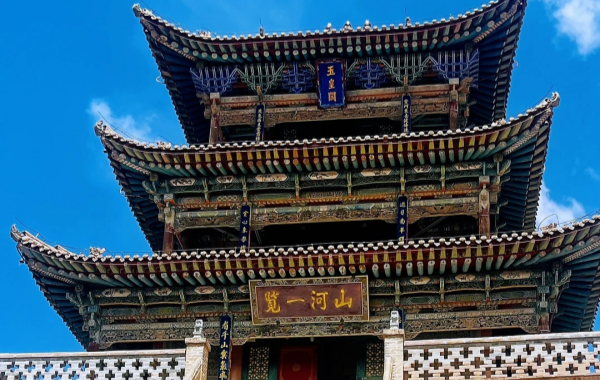
The Ancient City of Guide was first established in the 13th year of the Hongwu reign of the Ming Dynasty (1380 AD); with a history spanning over 600 years, it stands as one of the best-preserved ancient cities in Qinghai Province and the entire Northwest region. Within the city walls, a complex of ancient Ming and Qing Dynasty structures—including the Jade Emperor Pavilion, the Confucian Temple, the City God Temple, and the Guan-Yue Temple—still stands today. Covering an area of 61 mu, this complex embodies the unique cultural characteristic of the harmonious integration of the "Three Teachings": Confucianism, Buddhism, and Taoism. Foremost among these structures is the Jade Emperor Pavilion, the city's iconic landmark. Originally built in the 20th year of the Wanli reign of the Ming Dynasty (1592 AD), the pavilion stands 25.5 meters tall. Constructed using a distinctive "brick-wrapped-earth" technique, the entire architectural complex is arranged in a tripartite formation, exuding an air of majestic grandeur. Ascending the Jade Emperor Pavilion offers a panoramic view of the entire ancient city, allowing visitors to gaze into the distance at the Yellow River and the Danxia landforms, while immersing themselves in the profound depth and vastness of history.
The Nanhai Temple—Dragon Vein Culture and the Worship of Guanyin
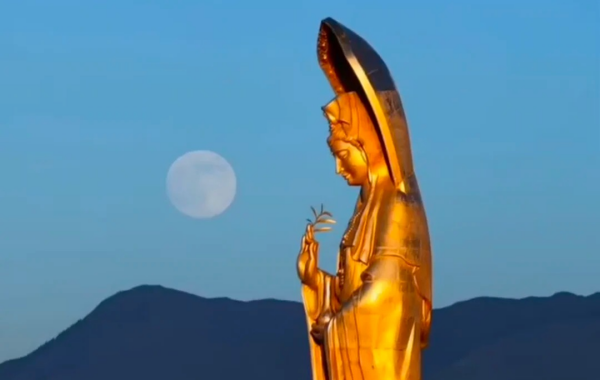
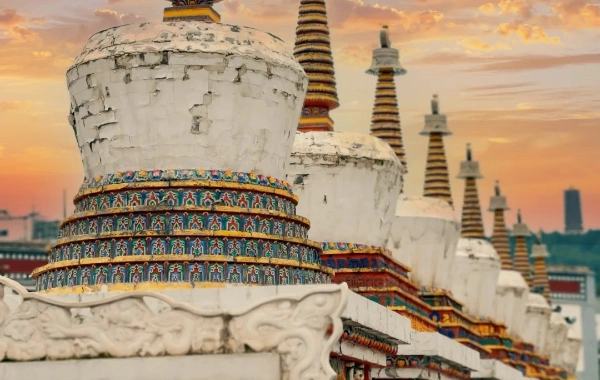
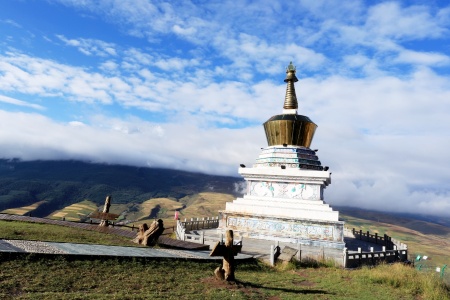
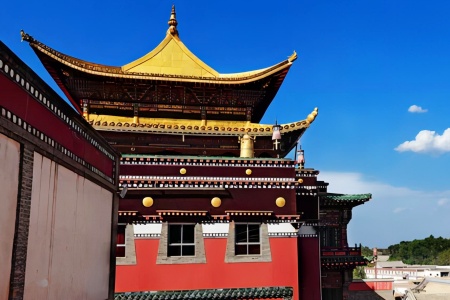
The Nanhai Temple is situated at the foot of Mount Meici, approximately 2.5 kilometers south of the Guide county seat. It is designated as a provincial-level cultural heritage site in Qinghai and is revered as the birthplace of Guide’s "Dragon Vein" culture. Legend has it that because the mountain range resembles the form of a dragon, the site is regarded as the very locus of Guide’s Longmai (Dragon Vein)—the spiritual energy axis of the land. The stone statue of Guanyin Bodhisattva enshrined within the temple is said to be a natural formation; known in Tibetan as Dongna Teji Qianbo, its name translates to "The Great Compassionate Guanyin at the Mouth of the Mountain." The entire architectural complex is built along the contours of the mountain, extending from west to east. Its memorial arches and stupas are nestled amidst swaying willows and evergreen cypresses, creating a picturesque setting. The Nanhai Temple is celebrated as one of the "Eight Ancient Scenic Spots" of Guide and serves as a vital destination for exploring the region's religious culture and folk beliefs.
Zhacang Hot Springs—A Divine Spring Flowing for a Thousand Years
Zhacang Hot Springs, also known as "Hot Water Gully," is situated approximately 15 kilometers southwest of Guide County town, nestled beneath the cliffs of Mount Duola. Located at an elevation of 2,400 meters, the site features over 70 distinct springs; notably, three of these are "boiling springs" that gush forth from fissures in the rock face. The water temperature at the source reaches a scorching 93°C, with a daily output of up to 800 tons. Laboratory analysis reveals the spring water to be a weakly alkaline carbonate-hydrogen sulfide type, rich in minerals and trace elements. It demonstrates remarkable efficacy in treating rheumatic ailments, musculoskeletal strain, neurological disorders, digestive system diseases, and various skin conditions. For centuries, the site's extraordinary therapeutic properties have drawn countless visitors—both from within the province and beyond—who travel specifically to seek its healing powers. Local Tibetan communities affectionately refer to Zhacang Hot Springs as "Deshiji Quku," meaning the "Spring of Peace and Happiness," and revere it as a sacred site. Today, Zhacang Hot Springs boasts well-appointed hot spring hotels and wellness facilities, making it an ideal destination for experiencing high-altitude hot spring therapy and rejuvenation.
> Photography Tips:
The best vantage points for panoramic shots are the Huangheqing Bridge or Waterwheel Square, offering classic compositions that capture the pristine Yellow River alongside the Danxia landforms and wetlands on its banks.
Within the Ashigong Scenic Area, the Nuwa Gorge and Thousand Buddha Gorge are prime locations for photographing the intricate textures of the Danxia formations and the interplay of light and shadow.
Visiting the Huangheqing Wetlands early in the morning allows you to capture serene scenes of waterbirds silhouetted against the morning mist and the gentle swaying of reeds.
Drone photography is permitted, enabling you to capture epic aerial vistas of the Yellow River winding its way through the vibrant, multicolored Danxia landscape.