Qinghai Lake: A Journey of Sacred Encounters with the "Sapphire of the Plateau"

Qinghai Lake: A Journey of Sacred Encounters with the

Overview: A Sparkling Gem Embedded in the Qinghai-Tibet Plateau

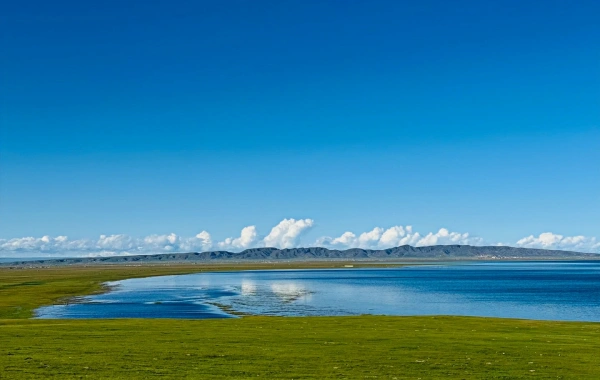
Known in Tibetan as "Tso Ngonpo"—meaning "The Blue Sea"—Qinghai Lake is China's largest inland saltwater lake and one of the highest-altitude lakes in the world. It was ranked by Chinese National Geography magazine as the foremost among "China's Five Most Beautiful Lakes."

Key Highlights at a Glance

Identity Tags: China's Most Beautiful Lake / The Sapphire of the Plateau / Wetland of International Importance

Core Experiences: Cycling around the lake with the wind at your back; photographing seas of canola flowers; watching the sunrise at Heima River

Recommended Visit Duration: 1–3 days. Most stunning in summer when the canola flowers are in full bloom; in autumn, the starry sky and the Milky Way are clearly visible.

Scenic Area Address: Gonghe County, Hainan Tibetan Autonomous Prefecture, Qinghai Province (Erlangjian Scenic Area)

  • Qinghai Lake: A Journey of Sacred Encounters with the
  • Qinghai Lake: A Journey of Sacred Encounters with the
  • Qinghai Lake: A Journey of Sacred Encounters with the
  • Qinghai Lake: A Journey of Sacred Encounters with the

Origins: The Queen Mother of the West's "Jade Pool" and a Modern Legend of Ecological Stewardship

Furong Ancient Town Furong Ancient Town

The Name of the Sacred Lake—The Legend of the Queen Mother's Jade Pool

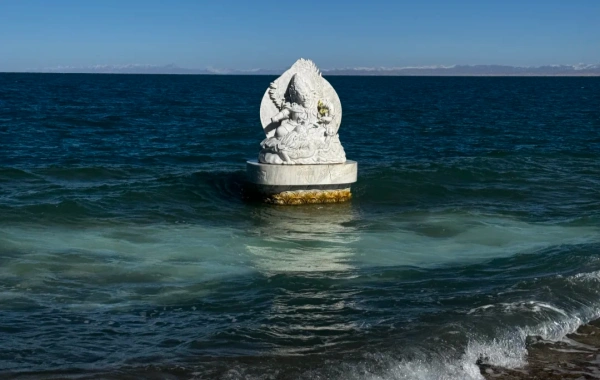
In the legends born from the cultural fusion of Tibetan and Han traditions, Qinghai Lake is revered as the "Jade Pool" (Yaochi) of the Queen Mother of the West—a sacred sanctuary inhabited by deities. Historically, it was referred to as Xianshuihai or Beiheqianghai; it was first officially designated "Qinghai" during the Northern Wei Dynasty. Known as Tso Ngonpo in Tibetan and Kokonor in Mongolian, both names translate to "The Blue Sea." This name precisely captures the lake's essence: beneath the pristine sunlight of the plateau, the waters display a rich spectrum of hues ranging from pale jade to deep indigo, appearing like an ocean frozen amidst the surrounding mountains. The Tibetan people, who have inhabited the region surrounding the lake for generations, regard Qinghai Lake as a sacred "Mother Lake"; every year, they hold grand ceremonies to worship the lake, offering their deepest reverence and gratitude for the nourishment and blessings bestowed by this holy body of water. 

The Path to Rebirth—From Ecological Crisis to a Model of Governance

The modern saga of Qinghai Lake is a sweeping epic of ecological conservation:

The Ecological Alarm (Late 20th Century): Impacted by global warming and human activity, the water level of Qinghai Lake experienced a continuous decline. The lake's surface area shrank by nearly 300 square kilometers compared to the 1950s; the population of the endemic Naked Carp plummeted to less than 3,000 tons; and biodiversity faced severe challenges.

Awakening and Action (Post-2000): Qinghai Province launched a comprehensive suite of ecological initiatives, including "lake closure for fish breeding," "returning grazing land to grassland," and wetland conservation projects, investing billions of yuan in total to implement integrated watershed management.

Scientific Conservation (2010s to Present): The Qinghai Lake National Nature Reserve was established, a Biodiversity Conservation Research Center was founded, and an integrated "space-air-ground" ecological monitoring network was constructed. By the end of 2025, the Naked Carp population in Qinghai Lake had recovered to 133,000 tons—a 51-fold increase from the early stages of conservation. The population of Przewalski's Gazelle reached over 3,700 individuals—a 12-fold increase—while the waterbird population grew to approximately 606,000, and the wetland area continued to expand.

Ecological Benefits for the People (2020 to Present): An innovative benefit-sharing mechanism—linking scenic viewpoints, village collectives, and pastoral households—was pioneered. Twelve standardized ecological scenic spots have generated benefits for over 20,000 farmers and herders across 20 villages in 8 townships surrounding the lake, encompassing more than 6,400 households, as the ecological dividends continue to flow.

> Dive Deeper: Explore more of China's ecological miracles.>>[Fanjing Mountain]>>[Caohai Lake]

Must-See Wonders: A Symphony of Nature and Culture

Furong Ancient Town Furong Ancient Town Furong Ancient Town Furong Ancient Town Furong Ancient Town

Nature's Masterpiece—The Breath and Pulse of the "Highland Sapphire"

The natural landscape of Qinghai Lake is an eternal dance of water, sky, flora, and wildlife.

The Waters of the Sacred Lake: China's Most Beautiful Blue

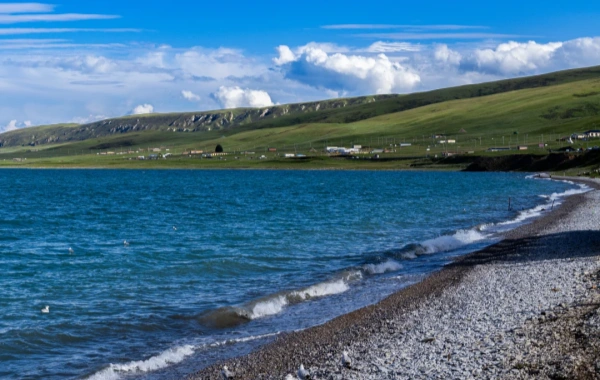
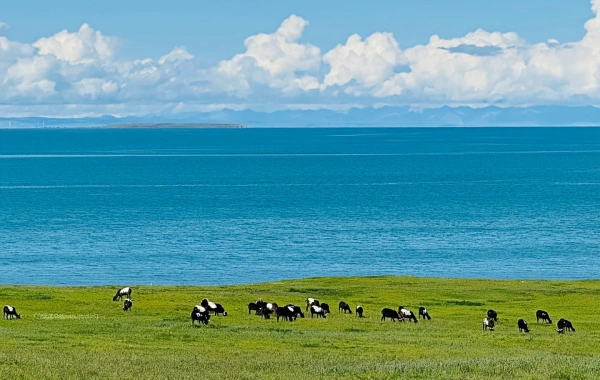
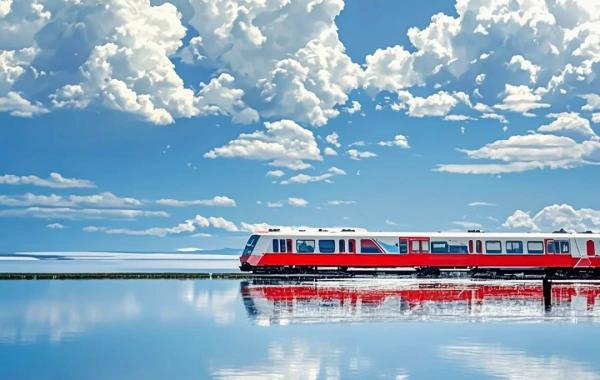
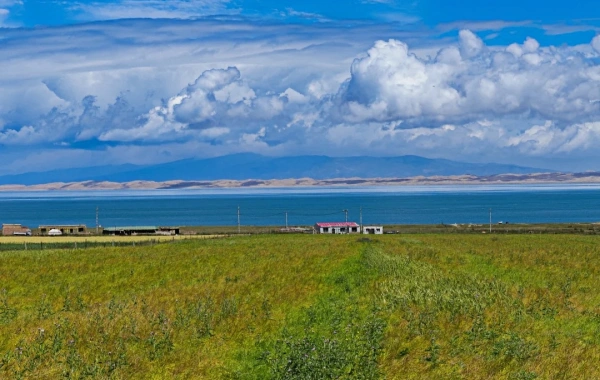
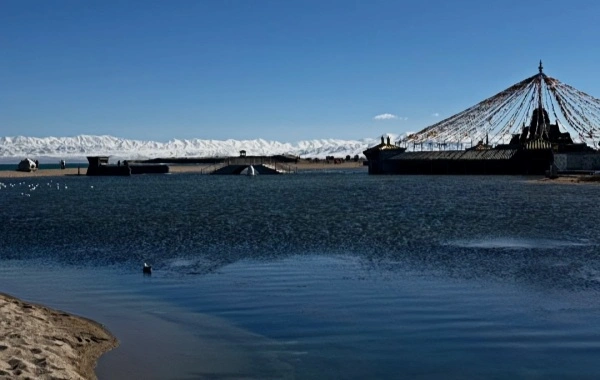
The primary allure of Qinghai Lake lies in its "color." Due to the water's relatively high salinity and exceptional clarity—reaching a transparency depth of 34 meters—the lake's absorption and reflection of light create a unique, mesmerizing blue-green hue. At dawn, the lake surface resembles an unpolished bronze mirror, shimmering with a soft, silvery-grey luster; at high noon, beneath the direct glare of the sun, the water transforms into a colossal sapphire—so deep and profound that it takes one’s breath away; as evening falls and the sun dips below the horizon, the lake is bathed in hues of gold and crimson, reflecting and harmonizing with the snow-capped peaks of the distant mountains.

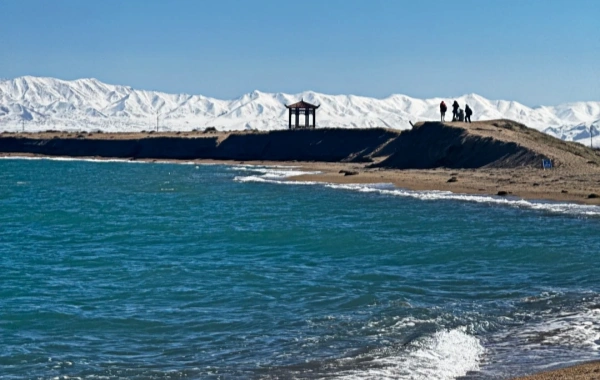
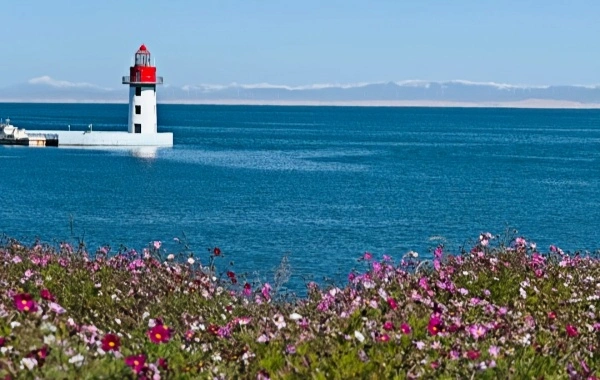
Erlangjian Peninsula: As the peninsula along the shores of Qinghai Lake that extends deepest into the water, this is an exceptional vantage point for gazing out upon this "sea." On clear days, the sandy beach on the peninsula's western side offers a seaside-like tranquility, earning it the moniker "the 'Sea' of the Plateau." Taking a boat ride further out into the lake allows one to truly experience the magnificent spectacle where water and sky merge into one seamless expanse.

Xiannvwan (Fairy Bay): Situated on the northwestern shore of Qinghai Lake, this site is known in Tibetan as Lamu Ke—meaning "the dwelling place of fairies." It is renowned for its vibrant plateau meadow wetlands and the magnificent, ever-changing scenery of the four seasons. Surrounded by wetlands and alive with the awakening calls of waterbirds, it serves as an ideal destination for both lake viewing and birdwatching.

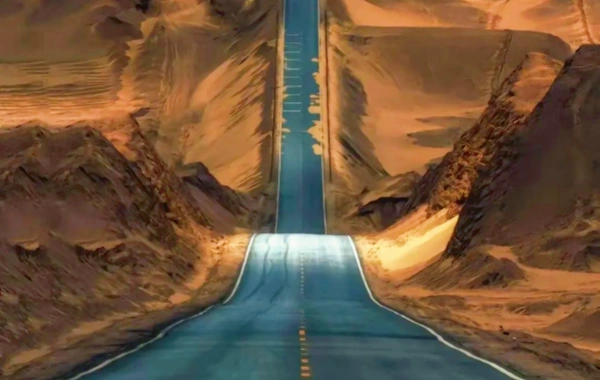
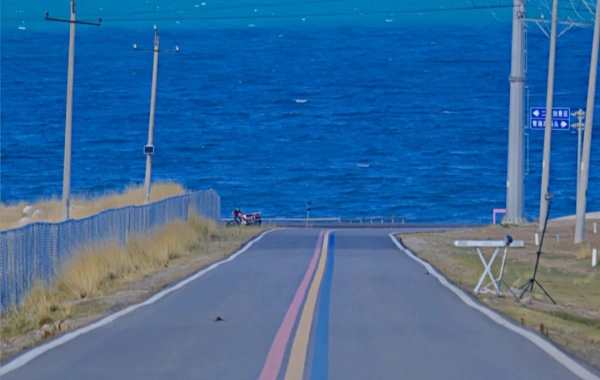
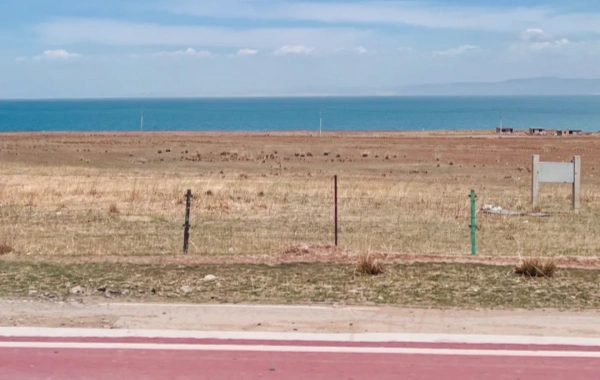
West Lake Road: The stretch of road running from Heimahe to Shinaihai is celebrated as the "Most Beautiful Lake-Circling Route." Hugging the shoreline closely, the road offers unobstructed views throughout its length, allowing travelers to pull over at any moment to capture stunning, cinematic-quality photographs of the lake merging with the sky.

The Spectacle of the "Lake Opening": A Spring Symphony on the Plateau

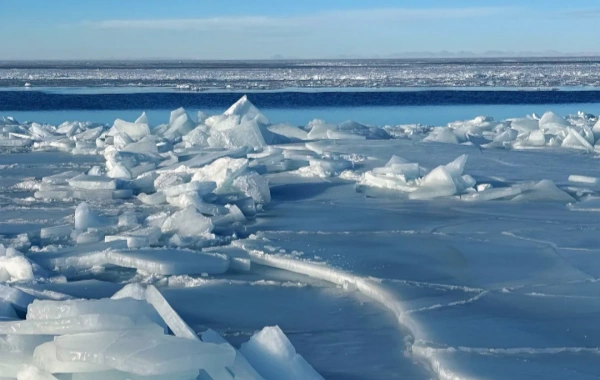
Every year from late March to mid-April, Qinghai Lake witnesses its most mysterious and magnificent annual event: the "Lake Opening." As spring breezes begin to blow, the lake ice starts to thaw, manifesting in two distinct and contrasting forms:

"Wen Kai" (The Gentle Opening): Like a tender poem. As temperatures gradually rise, the ice surface slowly thins and fractures, silently and imperceptibly dissolving back into shimmering azure waves. Beneath the surface, Huangyu fish—native to the lake—swim freely, creating a scene of profound tranquility and timeless serenity.

"Wu Kai" (The Fierce Opening): Like a majestic epic painting. Fierce winds sweep across the lake, causing the ice sheet to shatter instantly. Massive blocks of ice collide, grind against one another, and surge toward the shore, piling up to form spectacular ice dams. Local herdsmen refer to this phenomenon as the "Grand Review of the Dragon King of the West Sea"—a vivid demonstration of the raw power of nature.

The "Lake Opening" is not merely a natural spectacle; it is also regarded as an ecological omen of favorable weather and bountiful harvests, carrying deep emotional significance for the diverse ethnic communities living around the lake. Seas of Flowers and Grasslands: A Spectacular Clash of Colors

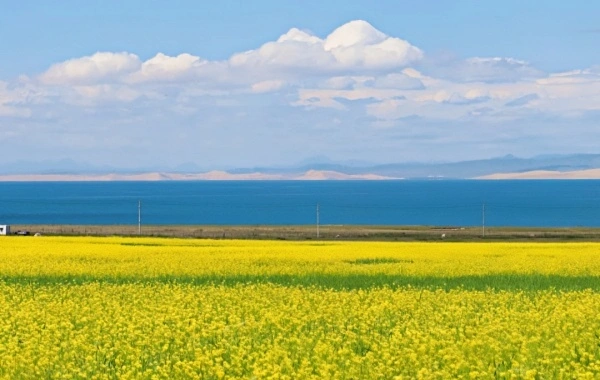
Canola Flower Fields (July–August): In the height of summer, hundreds of thousands of mu (acres) of canola flowers burst into bloom along the southern shores of Qinghai Lake. This golden sea of ​​flowers creates a painterly clash of colors against the backdrop of the azure lake waters and pristine white clouds. The best vantage point is located at the junction of the East and South Ring Roads; local herdsmen offer access to their private flower fields for a modest fee of just 10–20 RMB per person.

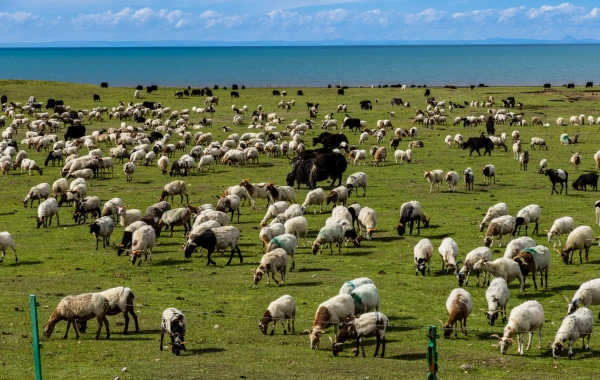
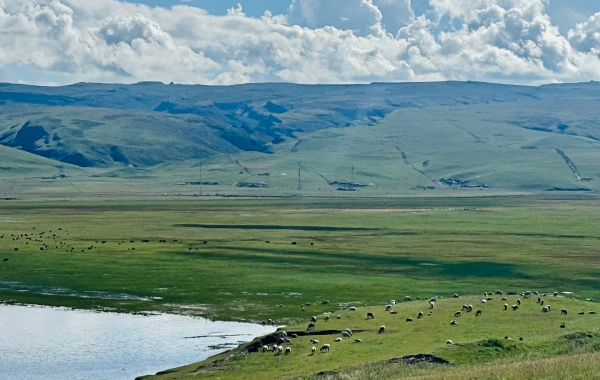
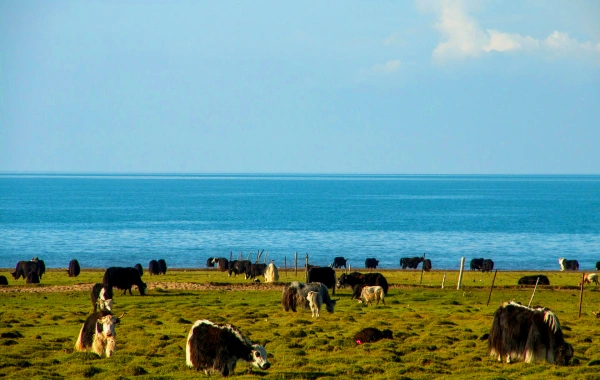
Jinyintan Grassland: It was here that Wang Luobin—hailed as the "King of Western Folk Songs"—penned the timeless classic In That Faraway Place. In summer, Jinyintan transforms into a lush green carpet dotted with wildflowers and herds of grazing cattle and sheep, making it the perfect destination for experiencing the authentic charm of the grasslands.

The Dance of Life: China’s Most Beautiful Migratory Bird Sanctuary

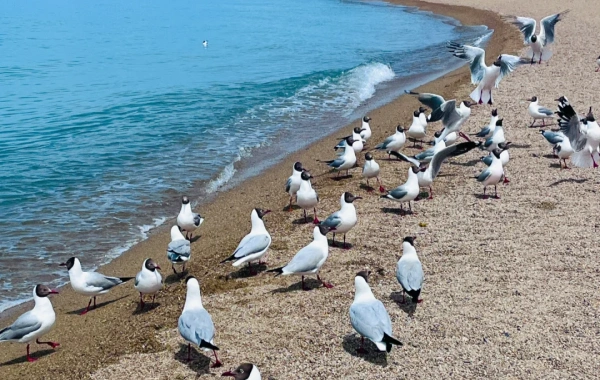
Bird Island (May–June): Every year at the transition from spring to summer, tens of thousands of migratory birds—including Bar-headed Geese, Common Gulls, and Brown-headed Gulls—fly north from their wintering grounds to Bird Island to breed. Their calls can be heard for miles around, and the sight of fledgling birds taking their first tentative steps fills the air with vibrant vitality.

The Migration of the Huangyu (June–July): To complete their reproductive cycle, the Qinghai Lake Naked Carp (Huangyu) swim upstream against the current into the freshwater rivers feeding the lake. Along the banks of the Shaliu River, a spectacular natural wonder unfolds once again: a river appearing "half clear water, half fish." It stands as nature's most awe-inspiring tribute to the miracle of life.

> Photography Tips:

> Erlangjian Peninsula: Shoot at sunset to capture the "Highland Sea"; the silhouettes of the lake ice and sandy beach against the backlighting create a deeply poetic scene.

> West Ring Road: Offers unobstructed lake views paired with the visual leading lines of the highway—ideal for stunning aerial photography via drone.

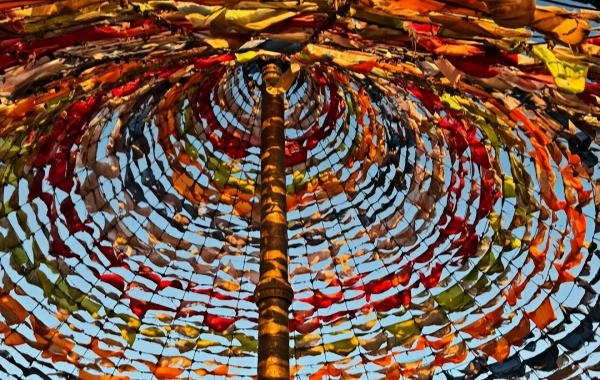
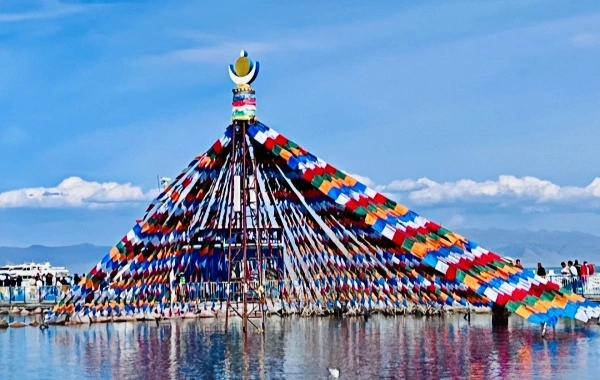
> Cliffside Vantage Point: Navigate to "Daxiumulabuza" (达秀木拉布宰); frame your shot with the cliff edge in the background and traditional Tibetan prayer flags in the foreground—wearing a white dress makes for an especially striking photo.

> Heimahe (Black Horse River): At sunrise, the lake surface transitions from an inky blue to a radiant golden-red hue, while swirling morning mists create an ethereal, fairyland-like atmosphere.

Cultural Ingenuity: Traces of Civilization by the Sacred Lake

The Sea-Worship Ritual: The Spiritual Legacy of a National Intangible Cultural Heritage

The Qinghai Lake Sea-Worship Ceremony (Jihai) is recognized as a National Intangible Cultural Heritage of China. It serves as a profound vessel for the rich spiritual beliefs and cultural traditions of the diverse ethnic groups inhabiting the region surrounding the lake. Traditional activities such as Sang burning (incense offering), lake worship, and ritual circumambulation have been passed down through generations, embodying people's cherished hopes for peace, harmony, and favorable weather. Herders craft biodegradable "ecological treasure vases"—made from barley flour and yak butter—and release them into the lake as a humble expression of gratitude for the sacred lake's sustenance. When performing the ritual circumambulation for blessings, one must walk in a clockwise direction; strictly avoid stepping on prayer flags or touching any sacrificial offerings.

Lakeside Dwellings and Tibetan Charm

Heimahe Tibetan Homestays: Open your window at dawn to witness the sunrise; a traditional Tibetan earthen hotpot offers warmth for both body and soul during the chilly highland nights.

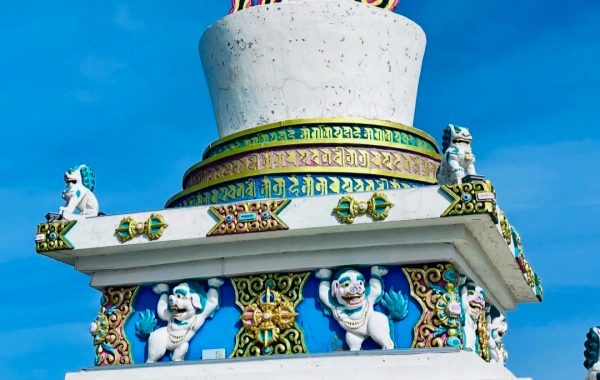
Gangcha Tibetan Hotels: Experience authentic Tibetan architectural styles and decorative arts, and gain insight into the wisdom of life among the highland ethnic communities.

Culinary Delights of Qinghai Lake

Must-Try Flavors: Kuangguo Lamb (pan-fried lamb—aromatic and soul-satisfying); Yak Yogurt (topped with a golden layer of milk skin—tangy, sweet, and thick); Shouzhu Lamb (hand-torn boiled lamb served with a salt-and-pepper dipping blend); Gamenpian (hand-pulled noodle flakes in a tomato and lamb broth); Goujiaoniao Flatbread (a unique Qinghai-style pan-fried flatbread).

Important Note: The Huangyu (Naked Carp) of Qinghai Lake is a nationally protected species; please do not consume it.

Core Experiences: An Immersive Guide to Life at the Sacred Lake

Furong Ancient Town Furong Ancient Town Furong Ancient Town Furong Ancient Town

Five Must-Do Activities to Unlock the Complete Qinghai Lake Experience

1. Capture a Series of Epic Lakeside Photos

Timing: One hour after sunrise (soft, warm light) or two hours before sunset (the "Golden Hour").

Locations: West Lake Road (for classic road-trip shots), Canola Flower Fields (for vibrant color contrasts), or the Cliffs (using prayer flags as a foreground element).

Attire: We recommend bringing a long white or red dress paired with an ethnic-style shawl to instantly transform into a "Highland Fairy."

2. Chase the Sunrise at Heimahe

Key Highlight: Heimahe is widely recognized as the premier location for watching the sunrise over Qinghai Lake. At the break of dawn, the lake's surface gradually shifts from an inky blue to a golden-red hue, enveloped in a swirling morning mist that creates a truly ethereal, fairyland atmosphere.

Tip: Stay at a Tibetan homestay in Heimahe Town the night before, allowing for a mere 10-minute walk to the designated viewing spot early the next morning.

3. Go for a Bike Ride Around the Lake

Classic Route: Erlangjian → Jiangxigou Section (approx. 70 km). The terrain is flat and easy, with picturesque pastoral scenery along the way.

Bike Rental Info: "57 Cycling Club" in Xihai Town offers mountain bikes for about 50 RMB per day; road bikes are also available.

4. Indulge in a Visual Feast of Canola Flower Fields

Timing: Mid-July to early August marks the peak blooming season.

Experience: Venture deep into local herdsmen's private flower fields (10–20 RMB per person), ride a yak for photos (approx. 20 RMB), and fully immerse yourself in the stunning visual impact of the vibrant clash of colors.

5. Gaze Up at the Starry Milky Way

Timing: Around 3:00 AM, when the galactic center rises and the magnificent Milky Way becomes visible to the naked eye.

Location: Heimahe or lakeside guesthouses along the West Lake Road. Choose a spot away from light pollution—you can simply open your window to stargaze.

Suggested Itineraries

One-Day "Highlights in a Flash" Tour (Ideal for those short on time):

Morning: Depart from Xining (2.5-hour drive) → Arrive at the Erlangjian Scenic Area; take a boat ride on the lake and stroll along the shore (2–3 hours) → Lunch: Savor Kangkou (Pot-Roasted) Lamb → Afternoon: Drive along the West Lake Road, stopping to snap photos at the "Most Beautiful Road" section (1 hour) → Head to the Heimahe Viewing Platform to await the sunset (1.5 hours) → Overnight stay in Heimahe Town.

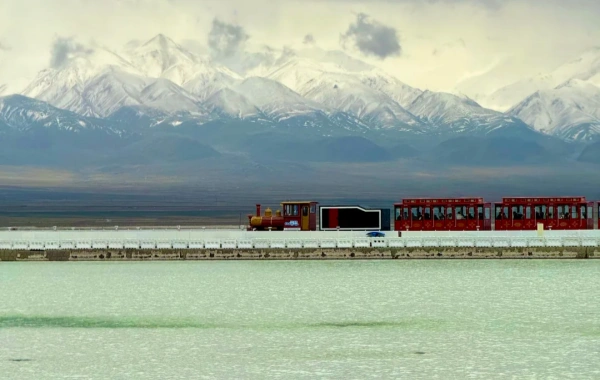
IntoTravelChina Tip: This itinerary is fast-paced; we recommend purchasing Erlangjian Scenic Area tickets (90 RMB/person) and booking the sightseeing mini-train (120 RMB/person all-access pass) in advance to save time.

Two-Day "Deep Immersion" Tour (Highly Recommended):

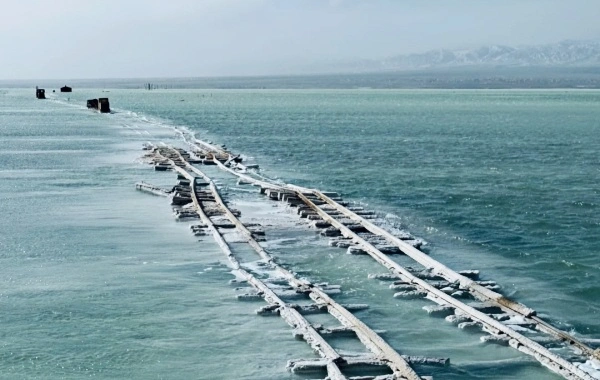
Day 1: Depart from Xining, passing through Riyue Mountain and Daotang River → In-depth exploration of the Erlangjian Scenic Area (boat rides, horseback riding, visiting the pier wetlands) → Head north along the West Lake Road, stopping at local herdsmen's trails along the way to get up close to the lake → Check into a Tibetan-style guesthouse in Heimahe Town, enjoy a traditional earthen-pot hotpot dinner → Nighttime stargazing. Day 2: Early morning sunrise viewing at Heimahe → After breakfast, head to Chaka Salt Lake (the "Mirror of the Sky"—a 1.5-hour drive) → Explore the salt lake and capture stunning photos of the reflections → Return to Heimahe for lunch → In the afternoon, visit the Xiannvwan Scenic Area in Gangcha County for birdwatching and wetland scenery → Return to Xining.

IntoTravelChina Advantage: We can book the most suitable accommodations for you, seamlessly coordinate all your activities, and provide detailed self-driving route maps and safety guidelines for your tour around the lake.

> Professional Guides: IntoTravelChina offers fully customized itineraries, including a dedicated private guide, transportation, and activity arrangements, ensuring a worry-free and immersive travel experience.>> Consult for Customization Now

Comprehensive Travel Guide: Transportation, Accommodation, and Seasons

Furong Ancient Town Furong Ancient Town Furong Ancient Town Furong Ancient Town Furong Ancient Town

How to Get There: A Seamless Connection Guide

Qinghai Lake does not have a direct airport or high-speed train station; Xining City serves as the sole transit hub.

From Xining City Center | Recommended: Self-driving/Private Charter | Approx. 2.5 hours | Navigate to "Erlangjian Scenic Area"; you can stop at Sun & Moon Mountain (Riyueshan) along the way for sightseeing.

From Xining Bus Station | Recommended: Scenic Area Bus | Approx. 3 hours | Limited departures; arrive early to secure a seat. Fare: approx. 60 RMB/person.
From Cities Nationwide | High-speed train to Xining Station | Recommended: Rent a car or book a private charter upon arrival for maximum convenience and flexibility.

From Nearby Attractions | Recommended (e.g., Chaka Salt Lake): Self-driving | Approx. 1.5 hours | If departing from Heimahe, take the Beijing-Tibet Expressway (G6).

Important Return Reminder: If you plan to watch the sunrise at Heimahe or stay overnight by the lake, please allow ample time for your return journey. Self-driving travelers should pay close attention to road conditions around the lake; exercise caution when driving at night.

Best Time to Visit

Qinghai Lake offers beautiful scenery in every season, though the atmosphere varies distinctly. The best time to visit is during the summer months—June through August.

Summer Peak Season (June–August): The climate is pleasant, with daytime temperatures ranging from 15°C to 25°C. In July and August, the rapeseed flowers are in full bloom, offering the most magnificent scenery; in June and July, visitors can witness the spectacular migration of the Huangyu fish; and in late July, the grand International Road Cycling Race around the lake takes place.

Autumn: The Season of Tranquility (Sept–Oct): The grasslands gradually turn golden, crowds are sparse, and the starry sky—including the Milky Way—is clearly visible, making it a paradise for photography enthusiasts; however, be sure to pack windproof and warm clothing.

Spring: The Lake Thaw Season (Mar–Apr): Witness the spectacular natural phenomena of the "Gentle Thaw" and "Violent Thaw," and experience the symphony of spring on the high plateau; birdwatching spots also begin to come alive during this period.

Winter: The Ice and Snow Season (Dec–Feb): The lake surface freezes over like a giant mirror, while flocks of great swans rest gracefully in Quanwan Bay; visitor numbers are extremely low, and accommodation offers excellent value for money.

Accommodation Options

Within the Scenic Area / Lakeside (Top Picks):

1. Qinghai Lake Guanhu International Hotel: Situated on a hillside on the southern shore of Qinghai Lake, this hotel boasts the best panoramic views of the lake in the entire region, allowing guests to watch the sunrise without ever leaving their rooms. The luxury lake-view rooms offer stunning scenery right outside the window, and the hotel features an all-day dining restaurant serving authentic local Qinghai cuisine.

Ideal for: Travelers seeking the ultimate scenic viewing experience and comfortable, high-end accommodation.

2. Heimahe Lakeside Homestays: Wake up to views of the lake right outside your window; a mere 10-minute walk in the early morning takes you to the prime sunrise viewing spots. Their traditional Tibetan-style earthen hotpot is a signature specialty.

Ideal for: Travelers who want convenient access to sunrise viewing and wish to experience authentic Tibetan cultural vibes.

3. Lakeside West Road Herder Homestays: A secluded spot with wild, unspoiled scenery; step right outside your door for unobstructed views of the lake, making it an excellent location for stargazing at night.

Ideal for: Photography enthusiasts and travelers seeking peace and solitude.

Township Accommodation (Budget-Friendly Choices):

1. Gangcha County Hotels: Featuring a strong Tibetan aesthetic, standard rooms average around 200 RMB per night, and the lakeside is just a 15-minute drive away.

2. Gonghe County Hotels: Offering excellent value for money, these options are ideal for self-driving travelers on a limited budget.

3. Xining City Hotels: Offering a wide range of choices, these are perfect for travelers planning a multi-stop itinerary that includes other nearby attractions (such as Ta'er Monastery or Chaka Salt Lake). IntoTravelChina Accommodation Booking Tips:

We strongly recommend planning your itinerary and booking your accommodation at least 12 months in advance—especially during the peak season of July and August—as lakeside guesthouses are in extremely high demand and rooms become nearly impossible to secure. By booking through us, you gain access to real-time room availability and the ability to bundle your accommodation, attraction tickets, and transportation into a single, cohesive plan. This often results in package discounts and ensures a seamless, hassle-free travel experience. Simply share your budget and specific requirements with us, and we will match you with the perfect "Home by the Sacred Lake." >> Click to Contact an IntoTravelChina Travel Consultant

Extending Your Journey: Connecting the Highlights of the Qinghai-Gansu Grand Loop

Furong Ancient Town

Qinghai Lake is by no means the end of your travels; rather, it serves as the perfect starting point for exploring the magnificent landscapes of Northwest China.

Classic 3-Day Lake Loop: Xining → Sun & Moon Mountain → Erlangjian Scenic Area → Heimahe → Chaka Salt Lake → Gangcha → Fairy Bay → Xining. This is a perfect short-haul journey that harmoniously blends the sacred lake, salt lakes, grasslands, and wetlands.

Qinghai-Gansu Grand Loop (7–9 Days): Xining (Qinghai Lake) → Chaka Salt Lake → Dachaidan Emerald Lake → Dunhuang Mogao Caves → Jiayuguan → Zhangye Colorful Danxia → Qilian Grasslands → Menyuan Canola Flower Fields → Xining. This is an epic route that encompasses lakes, salt lakes, the Gobi Desert, ancient grottoes, Danxia landforms, and vast grasslands.

Partner with IntoTravelChina to Embark on Your Exclusive Sacred Lake Adventure

The story of Qinghai Lake is one of nature's bounty, ecological renewal, and cultural heritage. IntoTravelChina specializes in crafting in-depth, personalized, and hassle-free travel experiences across China. Our travel experts are here to provide you with:

Tailor-Made Itineraries: We design the perfect route—featuring Qinghai Lake and its surrounding attractions—customized to your specific interests and schedule.

One-Stop Service: We handle all the details, including entrance tickets, unique accommodations, transportation transfers, local guides, and activity bookings.

Exclusive Experiences: We arrange unique activities such as cycling around the lake, visits to local Tibetan families, participation in traditional "Sea-Worship" rituals, and guidance on the best times for photography.

Let your journey to Qinghai Lake be more than just sightseeing—let it be an immersive, spiritual pilgrimage to this sacred lake.

> Start Planning Your Journey Now

> We invite you to contact our professional travel consultants; we will provide you with a personalized itinerary proposal and price quote within 24 hours. 

What Our Clients Say?

Based on 10,000+ traveler reviews

...
Daniel Dorothea
Canada
Reviewed on April 29,2025
Shopping on Nanjing Road in Shanghai was just amazing! It's truly the "First Commercial Street of China", where tradition and modernity blend perfectly. You can find awesome souvenirs and experience the trendy vibes in cool stores. The neon lights at night are just spectacular, shining bright like Times Square in New York. The food here is incredible too. I had a feast for my taste buds. Shanghai, I'll definitely be back!
Destination(s): Shanghai
Date of Experience: May 08,2024
...
...
Elvis Eva
Canada
Reviewed on June 20,2025
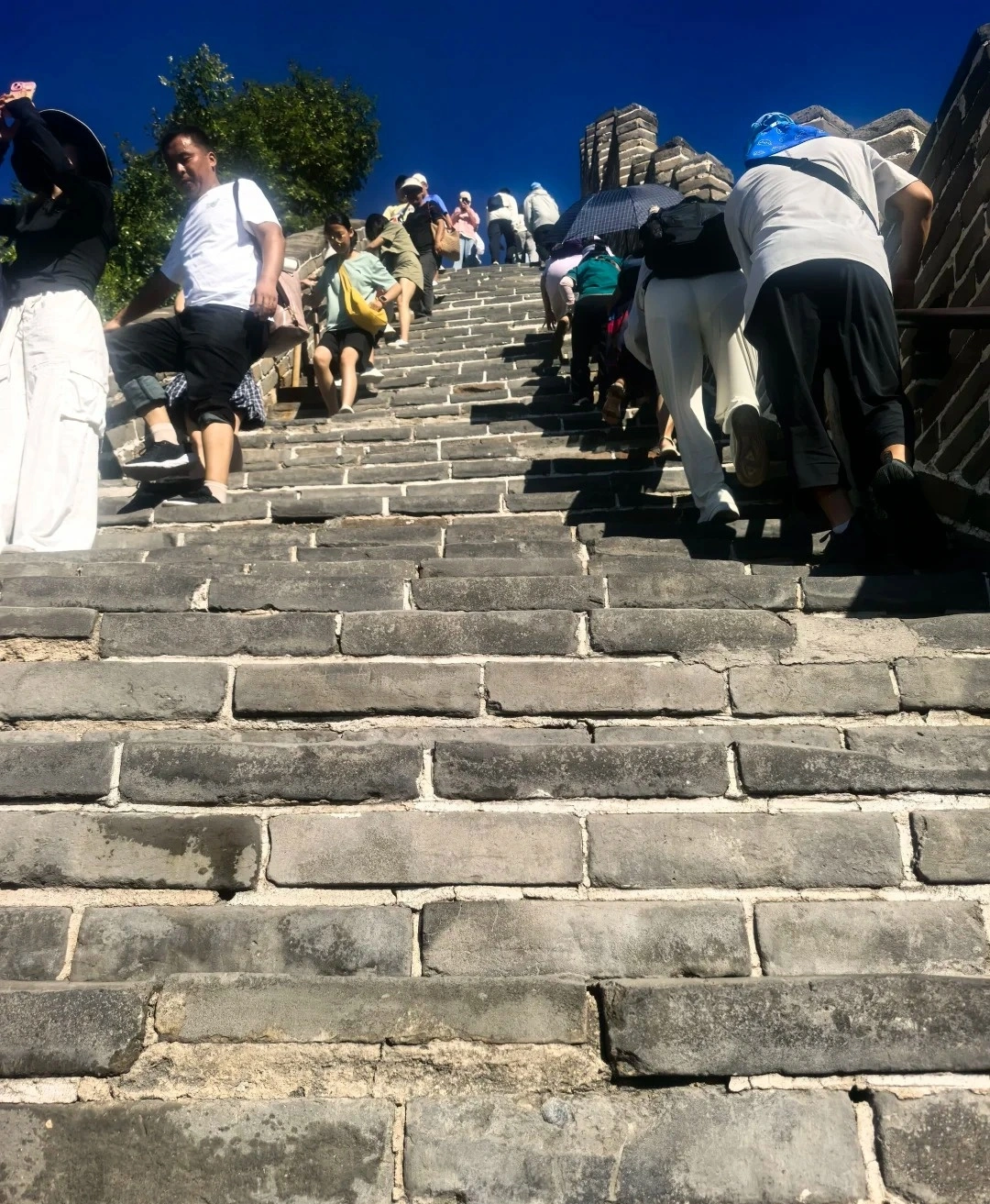
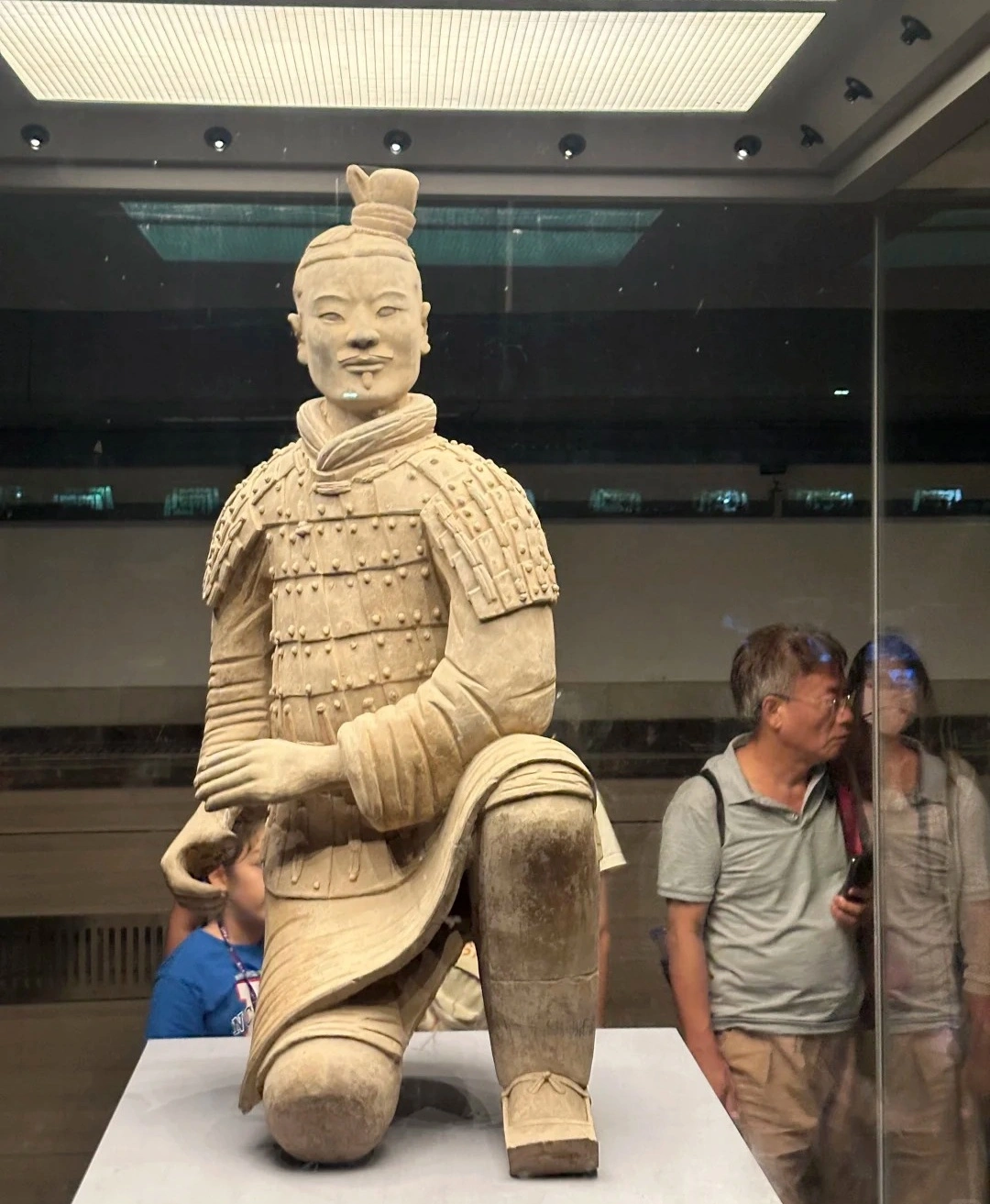
As a solo traveler from Canada, I was nervous about navigating China alone—but this 11-day tour was PERFECT! From hiking the Great Wall at sunrise (Day 3) to gasping at the Terracotta Army (Day 5), every day delivered ‘pinch-me’ moments. The real showstopper? Zhangjiajie’s Avatar Mountains (Day 7)! Our guide made the stone pillars come alive with stories. Massive thanks for handling all logistics—bullet train tickets, entry passes, car! And the 4-star hotels surprised me.
Destination(s): Beijing Xian Zhangjiajie Shanghai
Date of Experience: June 02,2025
... ... ...
...
Simon
America
Reviewed on May 29,2025
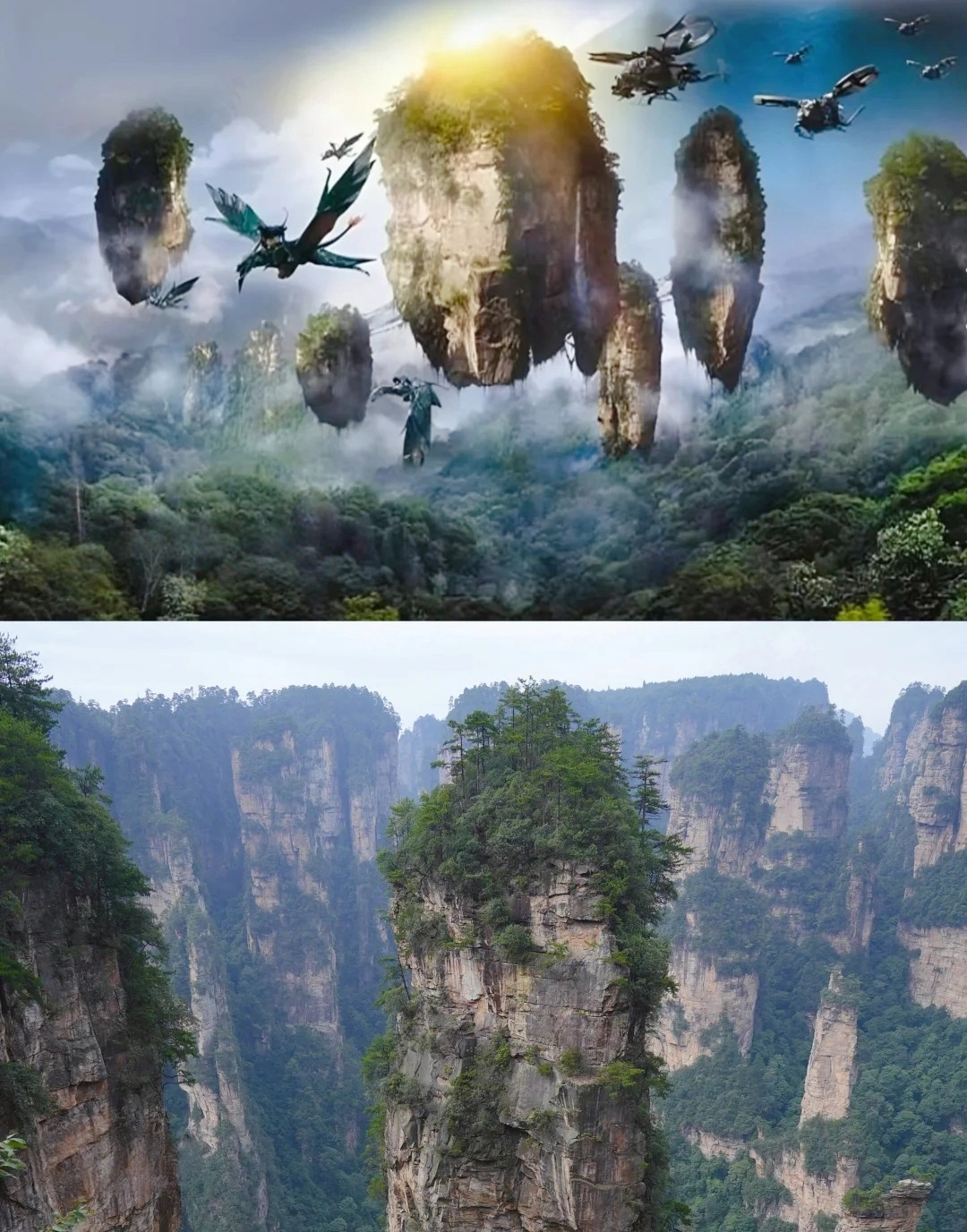
Our 2-day Zhangjiajie tour was beyond spectacular! As someone who’s visited Beijing and Shanghai for work, this trip revealed China’s wild, magical heart. Day 1 in Zhangjiajie National Forest Park felt like stepping onto Pandora—I’m a huge Avatar fan, and Yuanjiajie’s floating peaks left me breathless. The misty pillars and lush valleys like pure movie magic! Then came Fenghuang Ancient Town, we eat dinner beside the thundering waterfall. It seems Unreal! The night views of stilt houses glowing over the river were straight from a fairy tale. For fellow Avatar lovers and adventure seekers: Don’t miss this bucket-list experience! 10/10 would return. A Well-Traveled Film Buff, May 2025
Destination(s): Zhangjiajie
Date of Experience: May 08,2025
... ...

Ask a Question

Question Summary (100 characters)
Details (optional) (2,000 characters)
Name
Country
Email