Kaiyuan Temple:A Journey of Discovery Through a Thousand-Year-Old Temple

Kaiyuan Temple:A Journey of Discovery Through a Thousand-Year-Old Temple

Overview:A Living Museum of World Religions
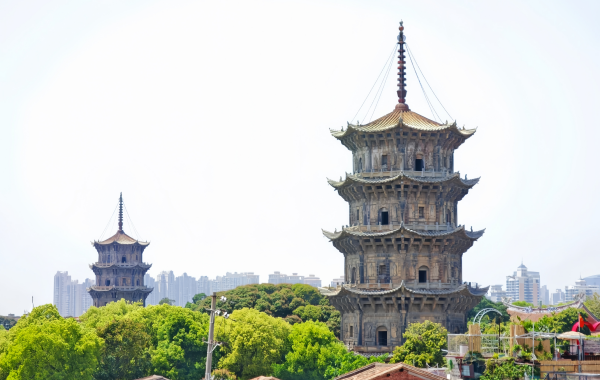
Kaiyuan Temple on West Street in Quanzhou is the city's most iconic Buddhist temple and a UNESCO World Heritage Site. Founded in 686 AD, it is famous for its pair of Song Dynasty stone pagodas—the tallest of their kind in China. The temple also reflects Quanzhou's history as a global trading hub, blending influences from Hinduism and other cultures.

Key Highlights at a Glance
Defining Tags: UNESCO World Heritage Site / Largest Buddhist Temple in Fujian / Tallest Song Dynasty Stone Pagodas in China
Core Experiences: Viewing the East and West Pagodas, seeing the Flying Apsaras carvings, visiting the ancient mulberry tree, exploring nearby West Street
Recommended Duration: 2–3 hours (best combined with a stroll along West Street)
Location: No. 176 West Street, Licheng District, Quanzhou City, Fujian Province
Ticket Price: Free admission

  • Kaiyuan Temple:A Journey of Discovery Through a Thousand-Year-Old Temple-1
  • Kaiyuan Temple:A Journey of Discovery Through a Thousand-Year-Old Temple-2
  • Kaiyuan Temple:A Journey of Discovery Through a Thousand-Year-Old Temple-3
  • Kaiyuan Temple:A Journey of Discovery Through a Thousand-Year-Old Temple-4

Origin:The Thousand-Year Legend of White Lotus Blossoms from Mulberry Trees

Furong Ancient Town

The Connection Between Mulberry and Lotus—The Legend of Huang Shou Gong
The founding of Kaiyuan Temple originates from a Tang Dynasty legend filled with miracles.In the second year of the Chuigong era(686 AD),Huang Shou Gong,a wealthy man from Quanzhou,dreamed of white lotus blossoms blooming from mulberry trees.He then donated his mulberry garden to build a temple,initially named"Lotus Flower Dojo."The ancient mulberry tree,known as the"Sanglian Ancient Site,"located west of the Ganlu Ordination Platform within the temple,still flourishes after more than 1300 years of weathering.Though its trunk branches into three,it remains vibrant and a scenic highlight of the temple.While the legend behind it is unverifiable,this ancient mulberry tree,witnessing Quanzhou's millennium of rise and fall,is itself a silent history book.

A Thousand-Year Journey—From Lotus Temple to World Heritage Site
The history of Kaiyuan Temple is a microcosm of Quanzhou's role as a global maritime trade center:

Initial Construction and Renaming(Tang Dynasty):Initially built in 686 AD(the second year of the Chuigong era of the Tang Dynasty),it was initially named Lotus Temple.In 738 AD(the twenty-sixth year of the Kaiyuan era),Emperor Xuanzong of Tang ordered the construction of a temple in each prefecture to commemorate the year,and it was renamed Kaiyuan Temple.

Peak and Integration(Song and Yuan Dynasties):During the Song and Yuan Dynasties,Quanzhou became the"largest port in the East,"and Kaiyuan Temple reached its peak,with 120 branch temples and a thousand monks.At that time,Hindu stone pillars and Brahmanical reliefs were incorporated into the temple architecture,witnessing the fusion of diverse cultures.

Rebirth After Calamity(Ming and Qing Dynasties):Having survived numerous fires and earthquakes,Kaiyuan Temple was repeatedly destroyed and rebuilt.In 1637,during the reign of Emperor Chongzhen of the Ming Dynasty,Zheng Zhilong rebuilt the Mahavira Hall,laying the foundation for its present layout.

A Stunning Journey to the World(Contemporary Era):In 1982,Kaiyuan Temple was listed as a second batch of National Key Cultural Relics Protection Units.In 2021,"Quanzhou:A World Maritime Centre of Song and Yuan China"was successfully inscribed on the World Heritage List,with Kaiyuan Temple serving as a representative heritage site,telling the world the story of this ancient city,"half city of bustling life,half city of ethereal beauty."

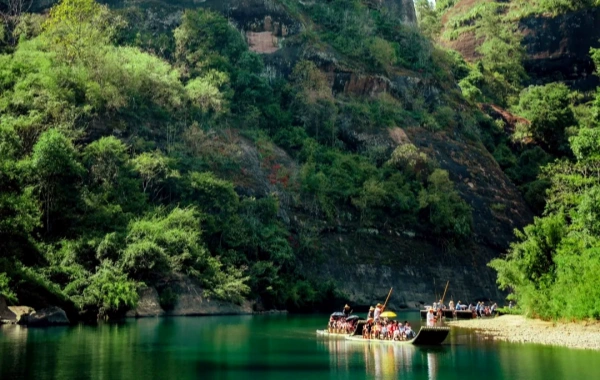
>In-depth Understanding:Explore more Fujian World Heritage Sites >> [Wuyi Mountain]

Must-See Wonders:A Symphony of Humanity and Nature

Furong Ancient Town Furong Ancient Town Furong Ancient Town Furong Ancient Town

Humanistic Ingenuity—The Pinnacle of Stone Architecture
The architecture of Kaiyuan Temple is not only a carrier of faith but also a crystallization of human wisdom.

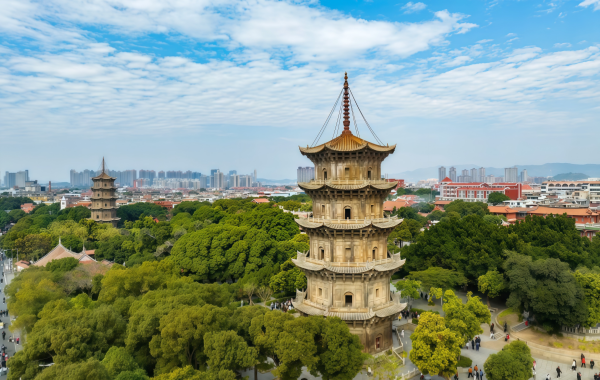
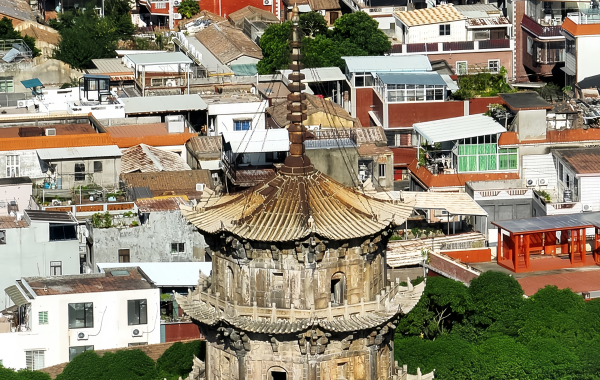
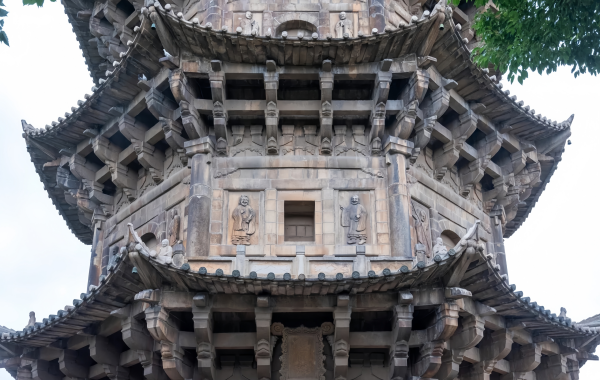
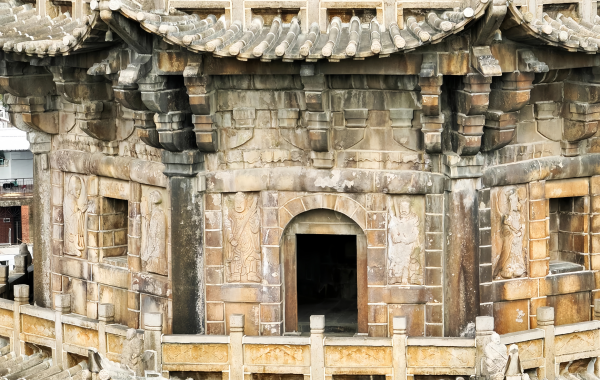
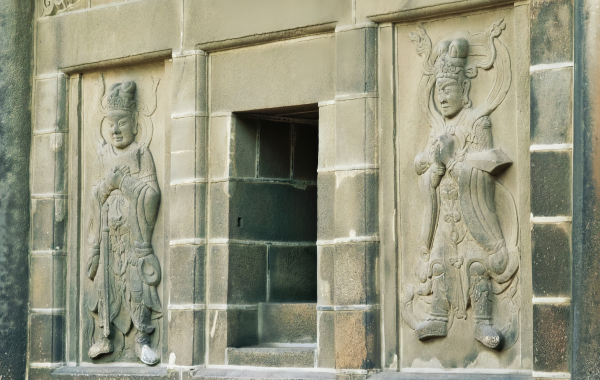
The East and West Pagodas(Zhenguo Pagoda and Renshou Pagoda):the soul landmarks of Kaiyuan Temple.These two octagonal,five-story,pavilion-style stone pagodas,imitating wooden structures,are about 200 meters apart.The eastern one,"Zhenguo Pagoda,"is 48.24 meters high;the western one,"Renshou Pagoda,"is 44.06 meters high.They are the tallest pair of Song Dynasty stone pagodas still standing in China and are also the city symbols of Quanzhou.The eastern pagoda was first built in the sixth year of the Xiantong era of the Tang Dynasty(865 AD),initially as a wooden pagoda,then converted to a brick pagoda during the Southern Song Dynasty,and later rebuilt as a stone pagoda.The western pagoda was first built in the second year of the Zhenming era of the Liang Dynasty(916 AD),similarly undergoing the evolution from wood to brick to stone.Looking up at the pagodas,80 bas-reliefs of Buddhas,Vajras,and Arhats,each with a unique expression,are lifelike.The Buddhist story bas-reliefs on the Sumeru pedestal are the pinnacle of Song Dynasty stone carving art.Having withstood a thousand years of wind and rain and earthquakes,the two pagodas still stand tall,truly deserving the title of"Kings of Stone Pagodas."Standing beneath the tower and gazing upwards,the devout faith and exquisite craftsmanship of the Song Dynasty artisans are palpable.

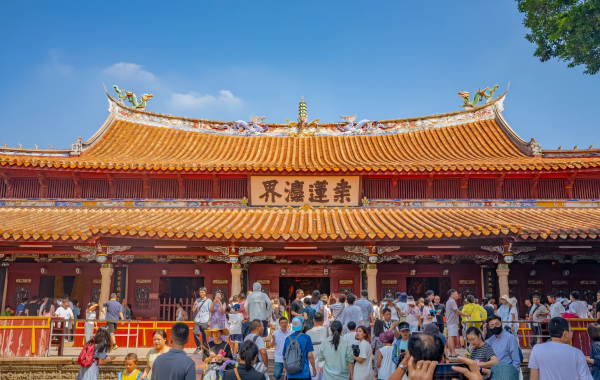
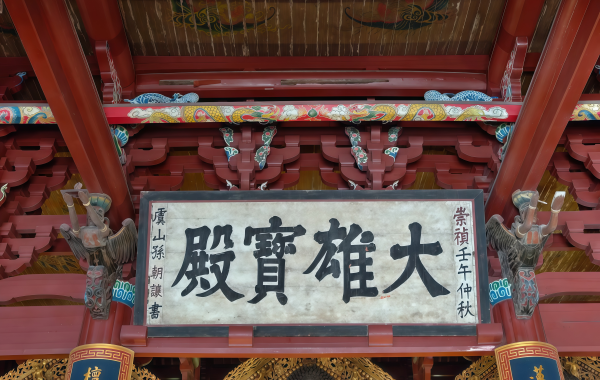
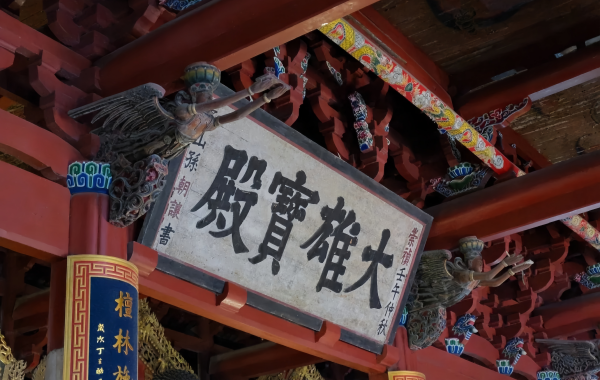
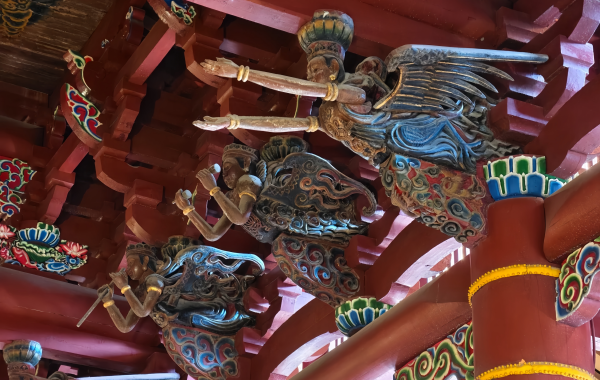
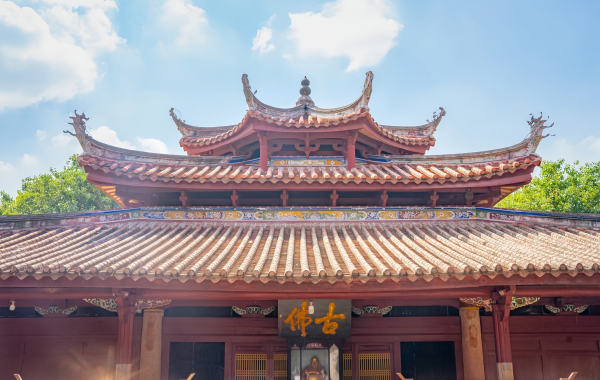
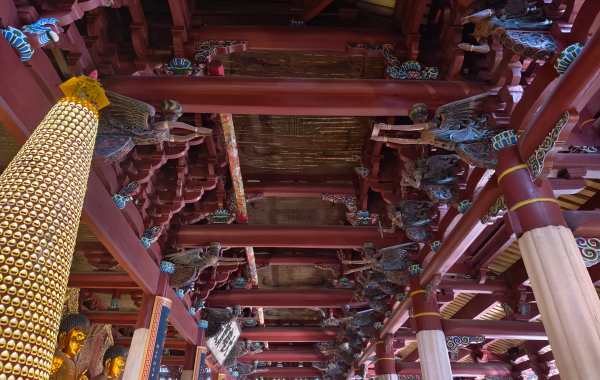
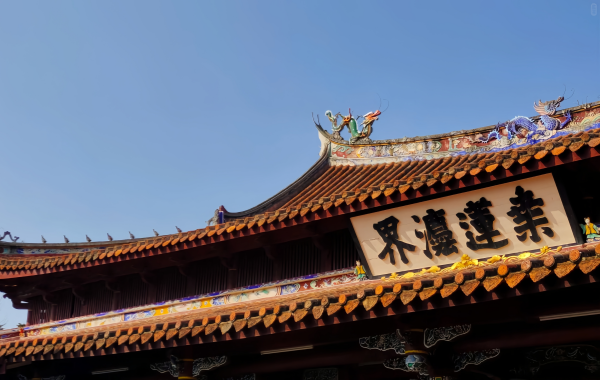
The Great Buddha Hall(Ziyun Hall):The main building of Kaiyuan Temple,it spans nine bays in width and six bays in depth.Supported by 86 massive,begonia-shaped stone pillars,it is commonly known as the"Hall of a Hundred Pillars."Above the hall is a large plaque inscribed"Sanglian Fajie,"echoing the legend of the temple's founding,"the mulberry tree blooms with a white lotus."Most breathtaking are the 24"Flying Apsaras"adorning the brackets—they combine Buddhist mythical birds,Christian angels,and Chinese apsaras in their forms,adorned with colorful ribbons,holding instruments such as the pipa,erhu,and xiao,dancing and singing gracefully,seemingly in flight.This fusion of diverse cultural elements in wood carving is rare in Chinese wooden architecture.

The Ganlu Ordination Platform:Behind the Great Buddha Hall lies one of the three major existing ordination platforms in China(along with Beijing's Jietai Temple and Hangzhou's Zhaoqing Temple).Originally built in the Song Dynasty,the existing structure was rebuilt during the Kangxi period of the Qing Dynasty.The altar's ceiling features a complex and exquisite caisson structure,resembling a spider's web or a brocade pattern.Around the altar,between the pillars and brackets,are 24 wooden sculptures of flying apsaras and musicians,echoing the main hall.At the top of the altar is a Ming Dynasty wooden seated statue of Vairocana Buddha,its lotus pedestal adorned with a thousand lotus petals,each petal carved with a small Buddha image—the craftsmanship is truly breathtaking.


The Sutra Repository and the Hongyi Master Memorial Hall:The Sutra Repository houses precious Buddhist scriptures from the Song and Yuan dynasties,including fragments of the Tripitaka written in gold and silver ink by Wang Shenzhi,the King of Min during the Five Dynasties period,and the Lotus Sutra written in blood by the Yuan Dynasty monk Ruzhao.Master Hongyi(Li Shutong)resided at Kaiyuan Temple multiple times in his later years.The memorial hall displays the calligraphy,writings,and life story of this eminent modern monk,making it a must-see for understanding the complexities of life.


Photography Tips:
The best panoramic view is from the rooftop on the 3rd floor of the West Street Visitor Center,offering a simultaneous shot of the East and West Pagodas and the vibrant atmosphere of West Street.
Xiangfeng Lane is a classic spot for photographing the East Pagoda,where the ancient lane's red walls and stone pagoda create a picturesque scene.
The red walls in front of the Mahavira Hall provide an excellent backdrop for portrait photography.
Early mornings or dusks,with their soft light,are the best times to capture the silhouettes of the twin pagodas.

Natural Charm–A Breathing Millennium Courtyard
Sanglian Ancient Site:The oldest"living relic"in the temple–the thousand-year-old mulberry tree that is said to have bloomed with white lotuses.Although its main trunk has branched into three,it remains lush and vibrant.Every spring and summer,the ancient mulberry tree sprouts green leaves,contrasting beautifully with the red walls and flying eaves,making it the best place to experience the atmosphere of a"millennium-old temple."

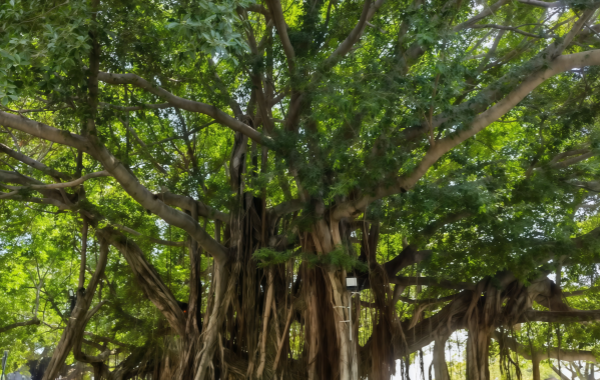
Ancient Banyan Trees and Worship Courtyard:Upon entering the mountain gate,towering ancient banyan trees,many hundreds of years old,line both sides of the worship courtyard.These banyan trees have aerial roots that reach the ground,their canopies providing a cool respite for pilgrims and tourists.Resting under the trees,watching the sunlight filter through the leaves and cast dappled shadows,listening to the interplay of chanting and birdsong—this is the perfect embodiment of Quanzhou's slow-paced lifestyle.

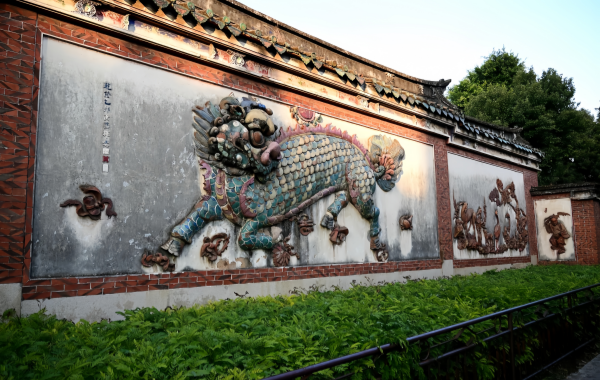
Lions and Stone Carvings:On the Sumeru pedestal of the platform in front of the Mahavira Hall,there are 72 sphinx-shaped stone reliefs.These are precious artifacts moved from a destroyed Yuan Dynasty Hindu temple during the Ming Dynasty reconstruction of the hall.These exotic reliefs are vivid testament to Quanzhou's status as a"world religious museum,"telling the story of the cultural exchange along the ancient Maritime Silk Road.

The charm of Kaiyuan Temple goes far beyond"seeing,"it lies in"experiencing."Here,there is no bustling commercial atmosphere,only a thousand years of tranquility and serenity.

Core Experiences:A Guide to Life in Quanzhou's Ancient City

Furong Ancient Town Furong Ancient Town Furong Ancient Town Furong Ancient Town

Five Must-Do Things to Unlock the Complete Kaiyuan Temple Journey
1.Look Up at the East and West Pagodas
Best Time:Before 8:00 AM,when there are few tourists and the sunlight shines obliquely on the pagodas,it is the best time for quiet appreciation.
Key Points:Walk around the pagodas and carefully examine the reliefs.The East Pagoda(Zhenguo Pagoda)features richer Buddhist story reliefs,while the West Pagoda(Renshou Pagoda)boasts more lifelike floral and animal sculptures on its Sumeru pedestal.Legend has it that during the ancient construction of the pagodas,craftsmen used a"piling earth method"to build layer by layer;even on the day of completion,the earthen mound had not yet dissipated,demonstrating the immense scale of the project.

2.Find the 24 Flying Apsaras
Location:Between the brackets of the Mahavira Hall(24 figures),between the brackets of the Ganlu Ordination Platform(24 figures).
Highlights:Carefully identify the musical instruments held by these"flying apsaras"—pipa,xiao,clappers,erhu…They are living fossils of the fusion of Quanzhou Nanyin music and Buddhist art,and unique among wooden structures in China.

3.Touch the"Peace of Mind Stone"and Make a Wish
Location:Behind the Mahavira Hall.
Experience:Inside Kaiyuan Temple,there is a stone engraved with the words"Peace of Mind."Legend says that touching it can help you let go of your worries.Whether it's effective or not,giving yourself a sense of"letting go"in the ancient temple is a form of healing in itself.

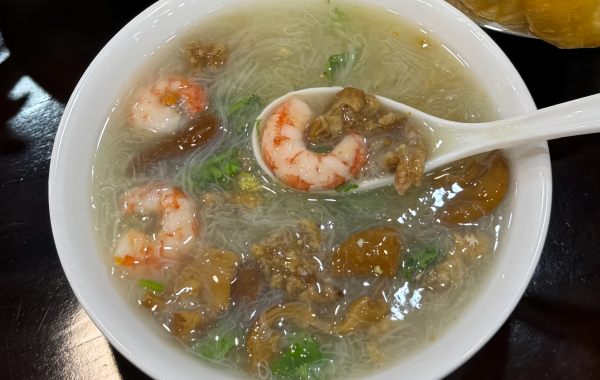
4.Enjoy a pot of Quanzhou tea and a bowl of rice noodle soup.
Temple Experience:Sit quietly under the ancient banyan tree,listen to the lingering chants,and watch the incense smoke curl.
Outside the Temple:Just outside Kaiyuan Temple is West Street,a hub for Quanzhou snacks.Ya Fo Rice Noodle Soup,Grandma Hou's Rice Dumplings,Wu's Mochi…Start your day with an authentic Minnan breakfast or afternoon tea–a day of"half city life,half ethereal beauty."

5.Attend a Dharma Assembly or Listen to Nanyin Music.
On the 19th day of the second lunar month(Guanyin's birthday),the 19th day of the sixth lunar month(Guanyin's enlightenment day),and the 19th day of the ninth lunar month(Guanyin's renunciation day),grand Dharma assemblies are held at the temple.
Irregularly:Nanyin performances are frequently held at the temple or in the ancient houses of West Street.If you are lucky enough to catch one,be sure to stop and listen to the thousand-year-old charm of this"living fossil of Chinese music."

Suggested Itinerary
One-Day"Ancient City Stroll"(Suitable for most tourists):

Enter from West Street at 9:00 AM→Take photos of the Ziyun Screen outside the Kaiyuan Temple gate→After entering the temple,first visit the ancient banyan tree in the courtyard→Look up at the East and West Pagodas and admire the reliefs around them(1 hour)→Visit the Mahavira Hall and look for the flying apsaras and musicians(30 minutes)→Explore the Ganlu Ordination Platform and see another set of flying apsaras and the caisson ceiling(30 minutes)→Pay homage to the Sanglian Ancient Site and touch the thousand-year-old mulberry tree(15 minutes)→Visit the Hongyi Master Memorial Hall(30 minutes)→Exit the temple at noon and enjoy rice noodle soup and meat dumplings on West Street→In the afternoon,you can continue to explore West Street,the Bell Tower,and Xiaoxicheng to experience the vibrant atmosphere of the ancient city.

IntoTravelChina Tip:Kaiyuan Temple is free to enter and no reservation is required.It is recommended to wear comfortable shoes,respect religious sites,and refrain from loud noise inside the halls.


One-Day"World Heritage Deep Dive Tour"(connecting surrounding attractions):8:30 AM Kaiyuan Temple(2.5 hours)→11:00 AM West Street(1.5 hours)→1:30 PM Confucian Temple(1 hour)→3:00 PM Qingjing Mosque(30 minutes,3 RMB entrance fee)→4:00 PM Guanyue Temple(1 hour,most popular area)→Evening return to West Street or Zhongshan Road for further food exploration.

IntoTravelChina Advantages:We can book the most suitable accommodations for you,arrange all activities seamlessly,and provide detailed hiking maps and safety guidelines.

Professional Guides:IntoTravelChina offers personalized itineraries,including dedicated guides,transportation,and activity arrangements,ensuring a worry-free and in-depth travel experience.>> [Consult for Customization Now]

Complete Travel Guide:Transportation,Accommodation,and Season

Furong Ancient Town Furong Ancient Town Furong Ancient Town

How to Get There:Seamless Connection Guide
Kaiyuan Temple is located in the heart of Quanzhou Ancient City,with extremely convenient transportation.

For travelers departing from across the country,we recommend taking the high-speed rail to Quanzhou Station.Travel tip:After exiting the station,take bus route 33 or K602 directly to the"Kaiyuan Temple West Gate"stop,or take a taxi for approximately 20 yuan.

For travelers departing from Quanzhou city center,we recommend taking the"Little White Car"(ancient city sightseeing bus).Travel tip:It stops on demand,costs 2 yuan per person,and you can tell the driver your destination.This is the most convenient way to explore the ancient city.

For travelers departing from surrounding cities,we recommend taking the high-speed rail or driving.Travel time:Xiamen(1 hour)/Fuzhou(2 hours)/Zhangzhou(1.5 hours).Travel tip:Quanzhou high-speed rail station has frequent trains,making it suitable for connecting with other Minnan(Southern Fujian)tours.

Important Note:Kaiyuan Temple is open from 6:30 AM to 5:40 PM(last entry at 5:00 PM).It is recommended to visit in the morning when the light is better and there are fewer tourists.Admission to the temple is free.

Best Time to Visit
Quanzhou is suitable for travel year-round,but spring and autumn are the best seasons.Spring and Autumn(March-May,September-November):Pleasant climate,neither too hot nor too cold.In spring,the kapok trees blaze like fire,reflecting the ancient pagodas in red;in the crisp autumn air,the ginkgo leaves turn golden,and the sounds of chanting and flocks of pigeons dance together,making it the perfect time to stroll through the ancient city.

Summer(June-August):Quanzhou is hot and rainy,but the ancient banyan trees inside Kaiyuan Temple provide ample shade,making it relatively cool.Bring a sun hat,mosquito repellent,and rain gear.

Winter(December-February):Fewer tourists,making the temples even more tranquil.If visiting during the Spring Festival,you can experience Quanzhou's unique folk customs such as"Worshiping the Heavenly Emperor."

Accommodation Options
Around the Scenic Area(Preferred):

1.Guesthouses near West Street/Bell Tower:
Experience:A 5-minute walk to Kaiyuan Temple,and right outside West Street's food street,allowing you to experience the vibrant atmosphere of the ancient city.Many guesthouses offer views of the East and West Pagodas at night from their rooftops.
Disadvantages:Some guesthouses may have poor soundproofing,and prices may increase during holidays.
Suitable for:Tourists who want an immersive experience of Quanzhou's ancient city life and convenient access to shopping and dining.

2.Hotels near Zhongshan Road/Tumen Street:
Experience:Located in the heart of the ancient city,with convenient transportation and within walking distance of attractions such as Qingjing Mosque and Guanyue Temple.A wide range of options are available,from budget to boutique hotels.
Suitable for:Tourists planning to visit multiple attractions in the ancient city.

Other areas in the city(value-for-money options)

1.Near Quanzhou Wanda/Lingshow World:A modern commercial area with abundant dining and entertainment options,suitable for young tourists,but requires daily travel to the ancient city(approximately 15 minutes).

2.Near Quanzhou High-Speed​​Railway Station:Suitable for tourists transferring or catching a train the next day,but is relatively far from the ancient city.

IntoTravelChina Accommodation Booking Recommendations:
We recommend planning your trip and booking accommodation at least one month in advance,especially during holidays when guesthouses around West Street are in high demand.Booking through us not only provides real-time room availability but also allows you to package accommodation,tickets,and transportation,often offering combined discounts.Tell us your budget and needs,and we will match you with the most suitable"home in the ancient city".>>[Click to contact IntoTravelChina Travel Consultant]

Extended Journey:Connecting the Essence of Southern Fujian

Furong Ancient Town

Kaiyuan Temple is not the end of the journey,but the perfect starting point for exploring the wonderful Quanzhou and Southern Fujian culture.

Classic 3-Day Loop:Quanzhou(Kaiyuan Temple,Qingjing Mosque,Guanyue Temple,Maritime Museum)→Luoyang Bridge(China's oldest existing cross-sea beam stone bridge)→Xunpu Village(Zanhuawei experience,oyster shell houses)→Qingyuan Mountain(Laojun Rock Statues).This is a perfect journey integrating World Heritage culture,cuisine,folk customs,and nature.

5-Day Southern Fujian Combined Tour:Connecting Quanzhou with Xiamen(Gulangyu Island)and Zhangzhou(Tulou),experiencing the diverse Southern Fujian from the ancient Maritime Silk Road city to island scenery and mountain Tulou.

Partner with IntoTravelChina and embark on your exclusive World Heritage journey

Furong Ancient Town Furong Ancient Town

The story of Kaiyuan Temple is about the inheritance of faith,the fusion of civilizations,and the memory of the city.IntoTravelChina focuses on creating in-depth,personalized,and worry-free travel experiences in China.Our travel experts can help you:

Tailor-made itineraries:Design the perfect route including Kaiyuan Temple and Quanzhou's World Heritage sites based on your interests and time.

One-stop service:Handle unique accommodations,transportation,local guides,and cultural experience bookings.

Exclusive experiences:Arrange intangible cultural heritage workshops(such as Nanyin music and puppet shows),in-depth guided tours of World Heritage sites,and exploration of West Street's culinary delights.

Make your Quanzhou trip more than just sightseeing;it's a dialogue with civilizations across millennia.

Start planning your trip now!
Contact our professional travel consultants for a customized itinerary and quote within 24 hours.
>>[Click to contact IntoTravelChina Travel Consultant]

What Our Clients Say?

Based on 10,000+ traveler reviews

...
Daniel Dorothea
Canada
Reviewed on April 29,2025
Shopping on Nanjing Road in Shanghai was just amazing! It's truly the "First Commercial Street of China", where tradition and modernity blend perfectly. You can find awesome souvenirs and experience the trendy vibes in cool stores. The neon lights at night are just spectacular, shining bright like Times Square in New York. The food here is incredible too. I had a feast for my taste buds. Shanghai, I'll definitely be back!
Destination(s): Shanghai
Date of Experience: May 08,2024
...
...
Elvis Eva
Canada
Reviewed on June 20,2025
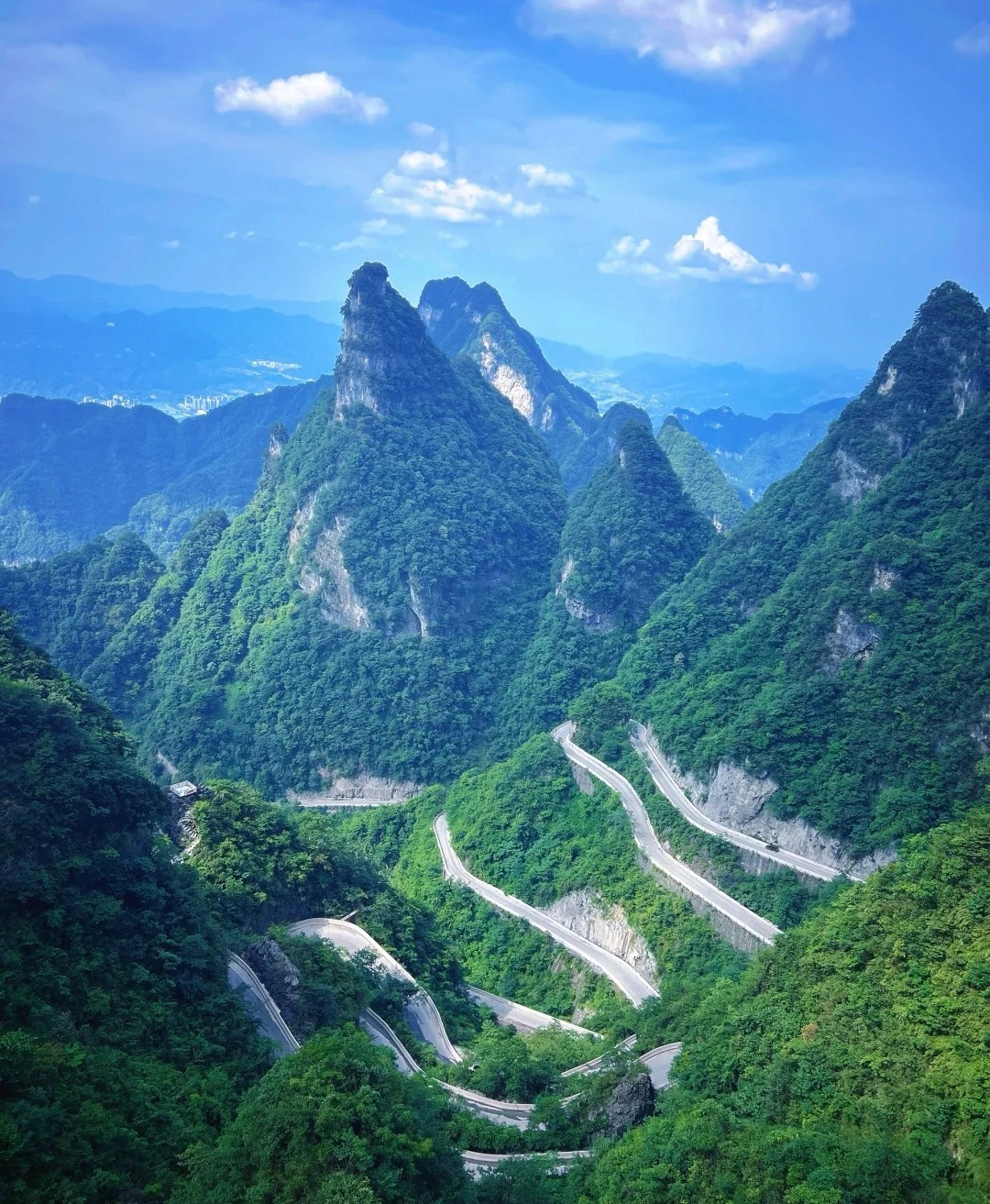
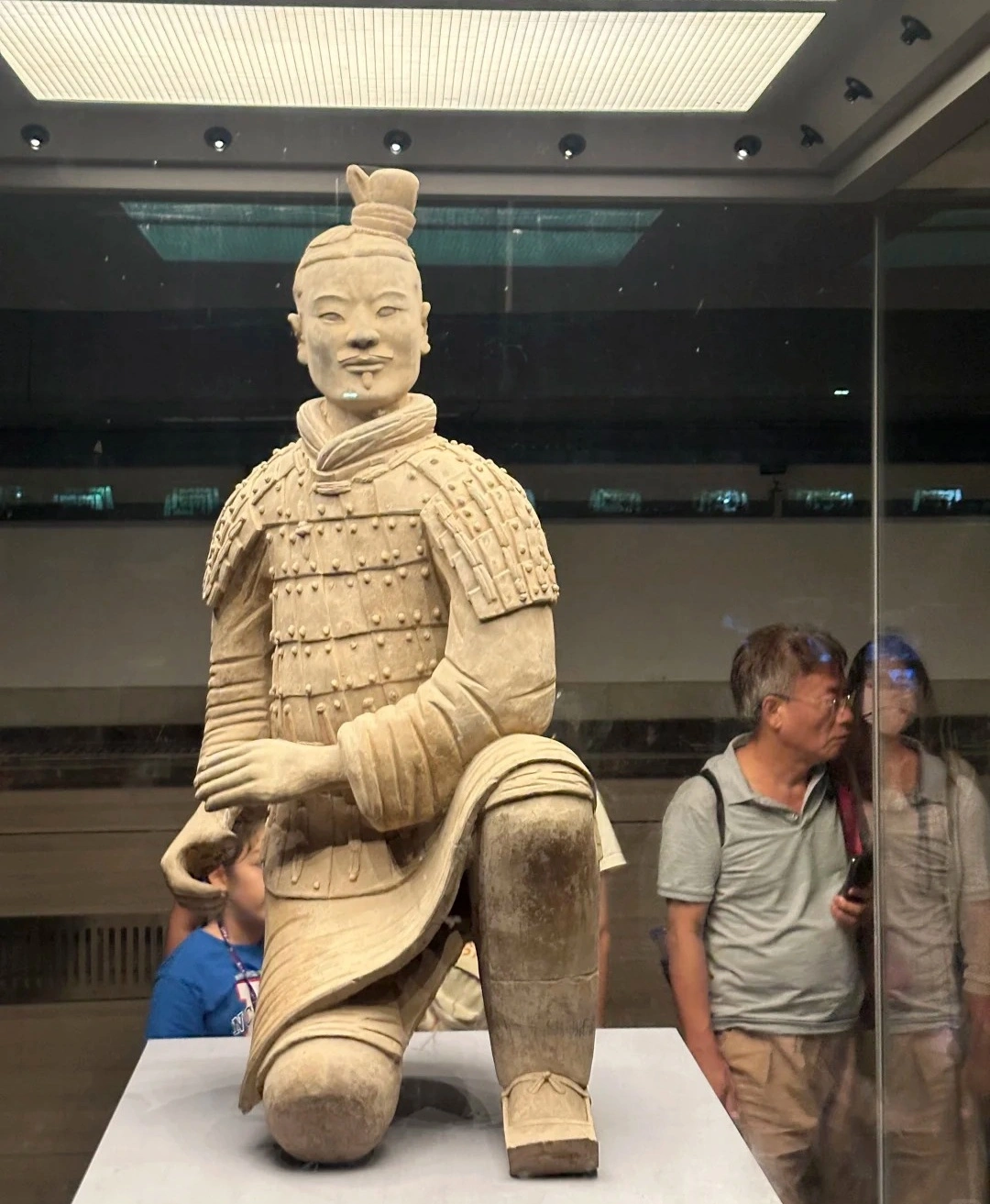
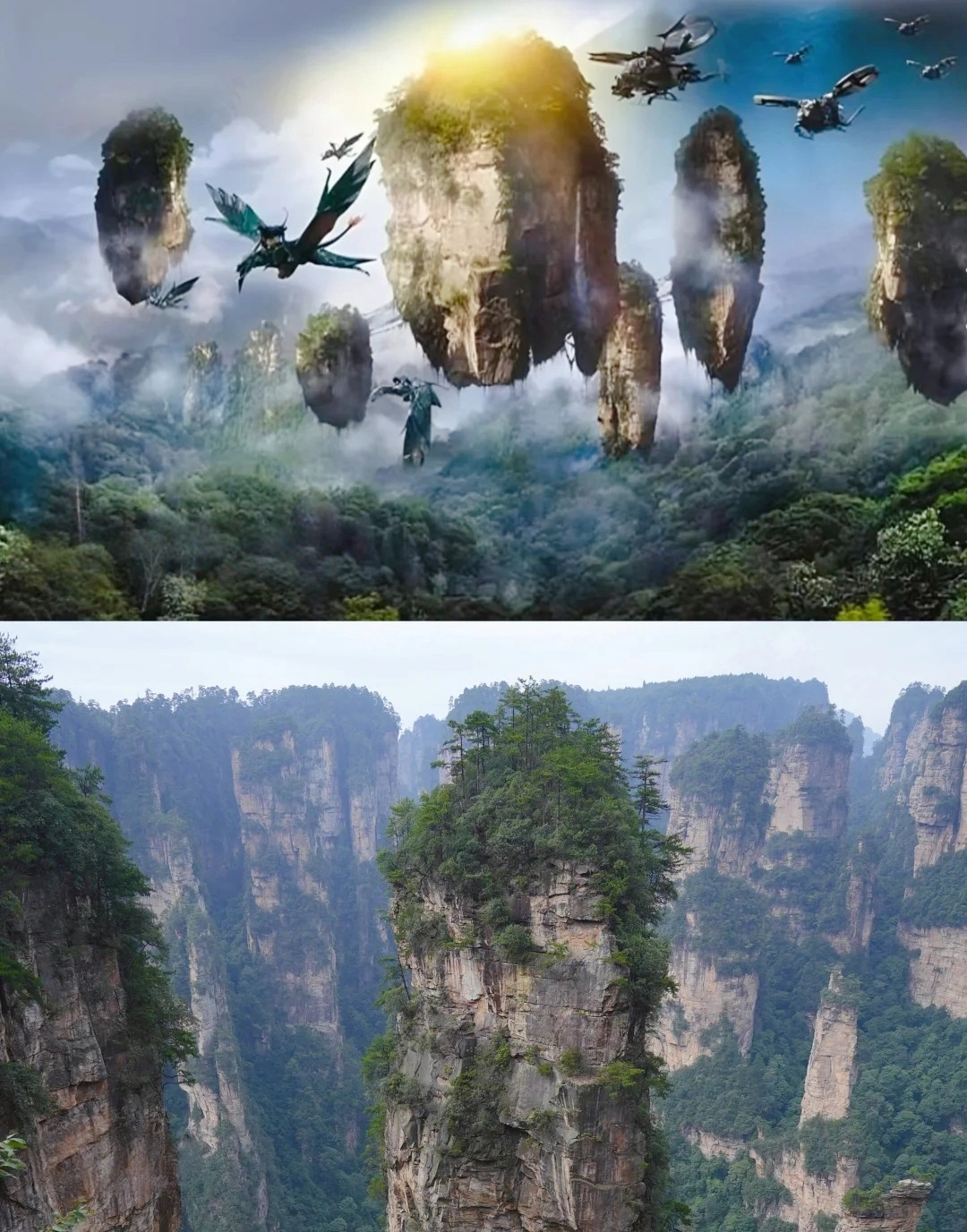
As a solo traveler from Canada, I was nervous about navigating China alone—but this 11-day tour was PERFECT! From hiking the Great Wall at sunrise (Day 3) to gasping at the Terracotta Army (Day 5), every day delivered ‘pinch-me’ moments. The real showstopper? Zhangjiajie’s Avatar Mountains (Day 7)! Our guide made the stone pillars come alive with stories. Massive thanks for handling all logistics—bullet train tickets, entry passes, car! And the 4-star hotels surprised me.
Destination(s): Beijing Xian Zhangjiajie Shanghai
Date of Experience: June 02,2025
... ... ...
...
Simon
America
Reviewed on May 29,2025
Our 2-day Zhangjiajie tour was beyond spectacular! As someone who’s visited Beijing and Shanghai for work, this trip revealed China’s wild, magical heart. Day 1 in Zhangjiajie National Forest Park felt like stepping onto Pandora—I’m a huge Avatar fan, and Yuanjiajie’s floating peaks left me breathless. The misty pillars and lush valleys like pure movie magic! Then came Fenghuang Ancient Town, we eat dinner beside the thundering waterfall. It seems Unreal! The night views of stilt houses glowing over the river were straight from a fairy tale. For fellow Avatar lovers and adventure seekers: Don’t miss this bucket-list experience! 10/10 would return. A Well-Traveled Film Buff, May 2025
Destination(s): Zhangjiajie
Date of Experience: May 08,2025
... ...

Ask a Question

Question Summary (100 characters)
Details (optional) (2,000 characters)
Name
Country
Email