Nature's Masterpiece—Sea Breezes,Giant Boulders,and a Poetic Coastline
Gulangyu's natural landscape is an eternal dialogue between the sea,the rocks,and the interplay of light and shadow.
Where Sea Meets Sky:The Island's Breath and Pulse
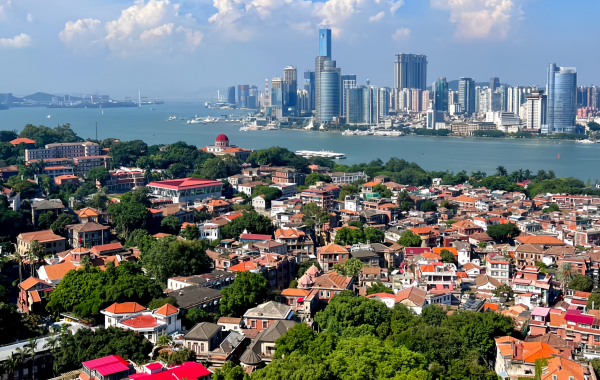
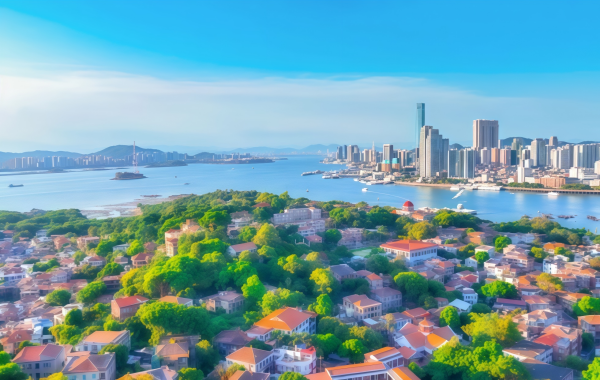
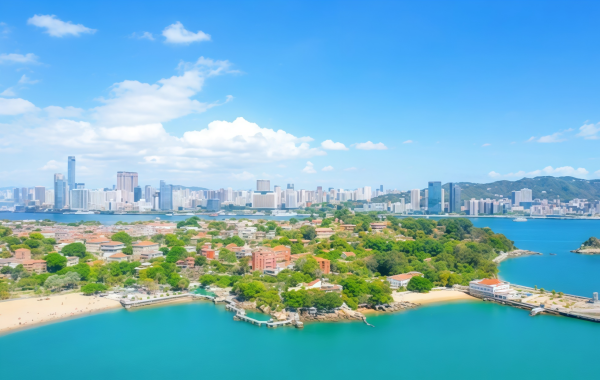
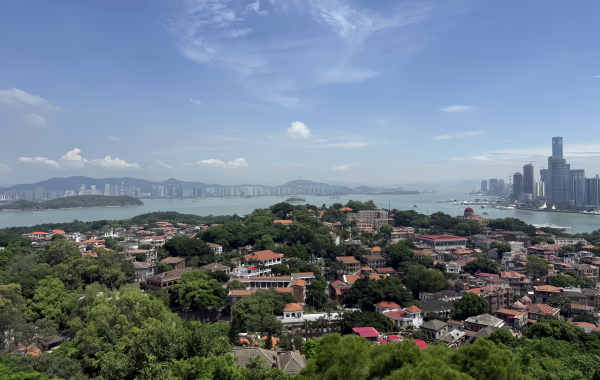
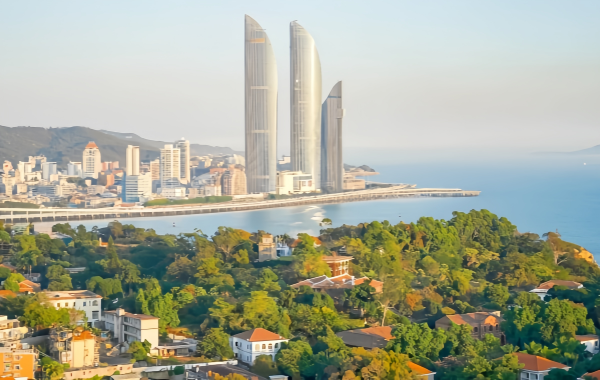
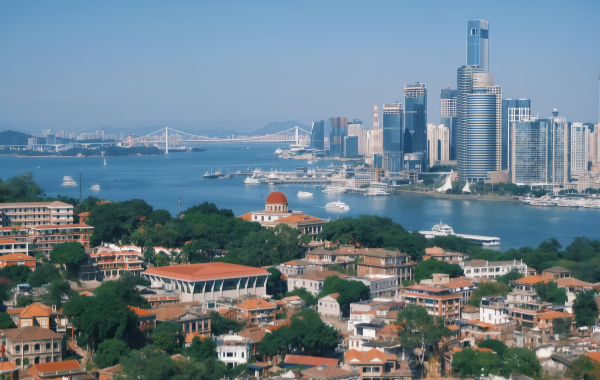
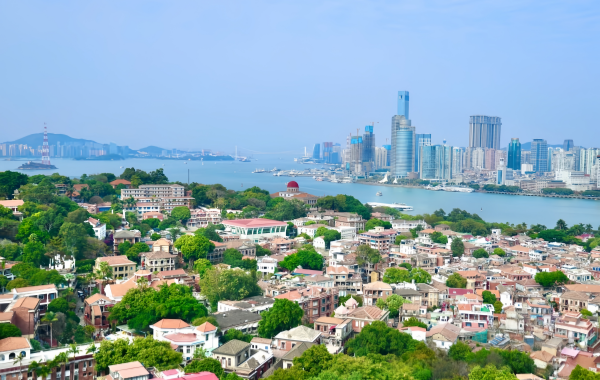
Sunlight Rock(Riguangyan):The highest point on Gulangyu,standing at an elevation of 92.7 meters.Local lore holds that"one has not truly visited Xiamen until one has climbed Sunlight Rock."From the summit,visitors can enjoy a panoramic view of the entire island;amidst a tapestry of red-tiled roofs and lush green foliage,both Xiamen Island and the vast expanse of the ocean stretch out before one's eyes.The ruins of the"Longtou Ancient Fortress"atop the rock are said to have once served as a garrison and training ground for the naval forces of Zheng Chenggong(Koxinga).The best times to visit are at dawn to witness the sunrise or at dusk to catch the sunset,when the radiant glow of the sky spills across the sea,creating a truly magnificent spectacle.
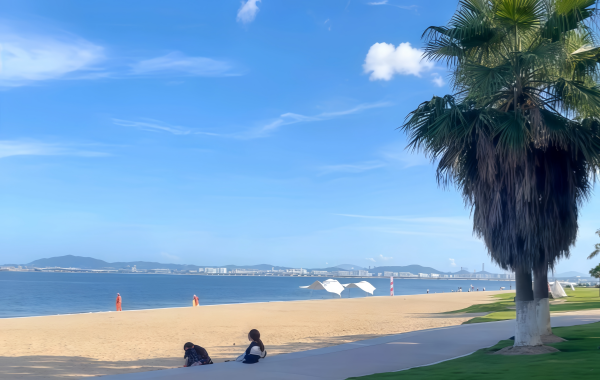
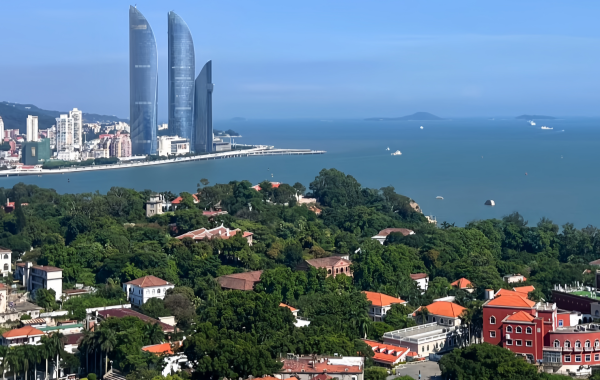
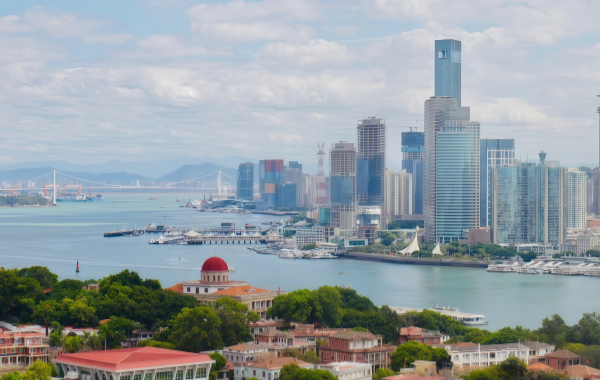
Gangzaihou Beach:A crescent-shaped stretch of sand situated to the west of Shuzhuang Garden,featuring fine-grained sand and crystal-clear waters.This is the island's most popular seaside leisure area;in summer,visitors can take a dip in the sea,while in autumn and winter,it serves as an excellent spot for a stroll or for watching the tides.As evening falls,the setting sun paints the ocean surface a golden-red hue,while the distant Xiamen Twin Towers loom faintly amidst the twilight.
Dadeji Beach:A tranquil little cove located next to Haoyue Garden,named for the opportunity it offers to gaze up close at the statue of Zheng Chenggong.Relatively few tourists visit this spot,making it an ideal place to sit quietly,listen to the sea,and immerse oneself in the natural rhythm of the waves crashing against the reefs.
Rugged Rocks:A Geological Chronicle and a Canvas for Imagination
The Sunlight Rock Boulder Cluster:Composed of granite,these rocks have been shaped into myriad forms by millions of years of weathering and erosion.The stone inscriptions carved into the rock faces—such as"Heavenly Winds and Roaring Seas"and"The Grotto of Gulang"—stand as cultural imprints left behind by scholars and literati throughout the ages.
Bijiashan(Pen-Rack Mountain)and Moonlight Rock:Located in the northwestern part of the island,Bijiashan derives its name from its resemblance to a traditional pen rack.Nestled within the mountain slopes,Moonlight Rock serves as the island's second-highest scenic vantage point(after Sunlight Rock);with fewer crowds,it offers the perfect opportunity to enjoy the tranquility of the sunset in solitude.
The Green Sanctuary:A Living,Breathing Ecological Museum
The island boasts a green coverage rate exceeding 40%,with ancient trees and famous specimens dotting every street and alleyway.As you hike through this landscape,you will encounter centuries-old banyan trees with aerial roots cascading like curtains,and flame trees bursting into fiery bloom during the height of summer.A morning stroll along Bishan Road or Jishan Road—where the birdsong of the forest interweaves with the morning mist—offers a perfect moment for"forest bathing"meditation,refreshing both body and soul.
The natural beauty of Gulangyu extends far beyond mere"sightseeing";it lies,above all,in"listening"to the rhythm of the tides lapping against the shore and"feeling"the gentle caress of the sea breeze upon your face.
Humanistic Craftsmanship:An Open-Air Museum of International Architecture
Each and every building here stands as a testament to the dialogue between Eastern and Western civilizations.
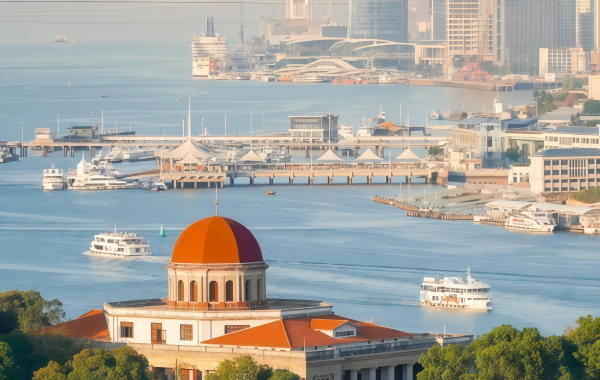
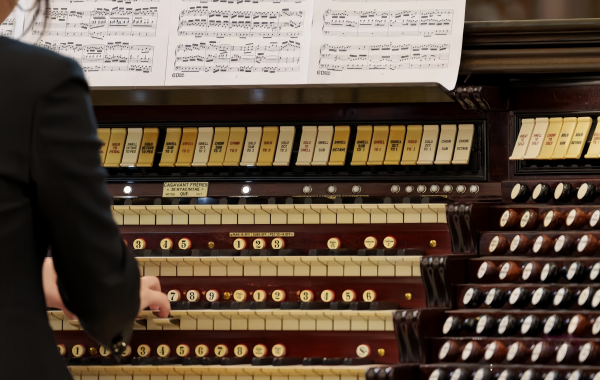
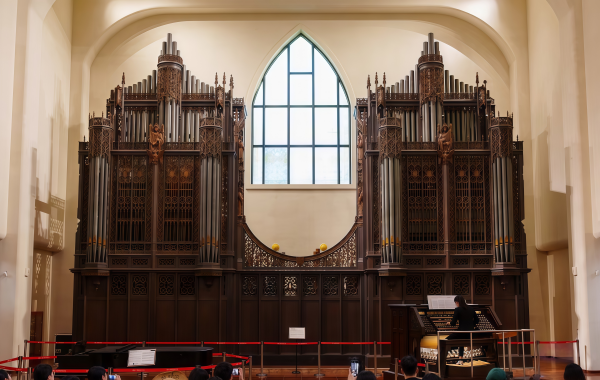
Bagua Tower(Organ Museum):A landmark structure on Gulangyu Island,originally constructed in 1907 and completed after 23 years of work.The main building covers a floor area ofapproximately 6,300 square meters;both in terms of sheer volume and height,it stands as the largest of all the villas on Gulangyu.Its red dome mimics the stone dome of the Al-Aqsa Mosque in Palestine,while the 82 large columns surrounding it draw inspiration from the style of the Temple of Hera in ancient Greece—yet,by utilizing locally quarried Xiamen granite for the moldings,the structure presents a unique aesthetic that harmoniously blends Chinese and Western elements.Today,it serves as China’s only and the world’s largest organ museum,housing a collection of organs sourced from nations across the globe—the largest of which towers over six meters high.
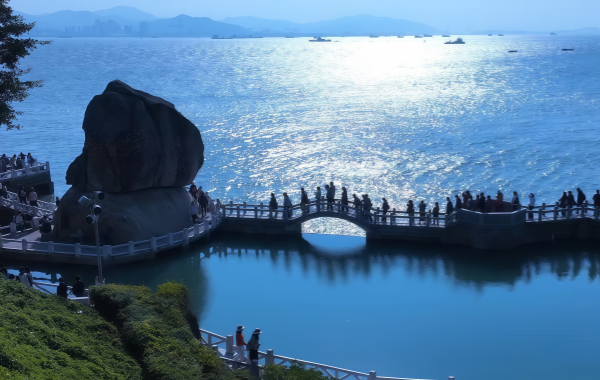
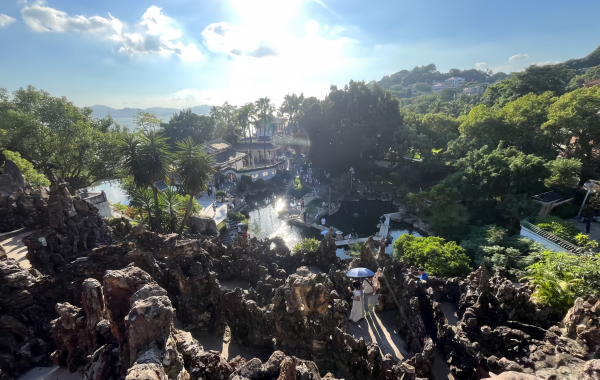
Shuzhuang Garden&Piano Museum:Originally the private estate of Lin Erjia,a wealthy merchant from Taiwan,this garden was established in 1913.It ingeniously fuses the poetic charm of Jiangnan-style gardens with the breathtaking beauty of the surrounding marine landscape.Its core essence lies in the concept of"concealing the sea within the garden"—upon entering,the sea remains hidden from view;yet,once one passes through the"Moon Gate,"the vast ocean suddenly bursts into full,magnificent view.The garden’s Piano Museum houses a collection of over one hundred antique pianos—many of them rare and renowned instruments—donated by the patriotic overseas Chinese philanthropist,Mr.Hu Youyi.As visitors stroll through the grounds,the melodies of the pianos mingle with the rhythmic sounds of the ocean waves,creating an atmosphere of profound poetic beauty.
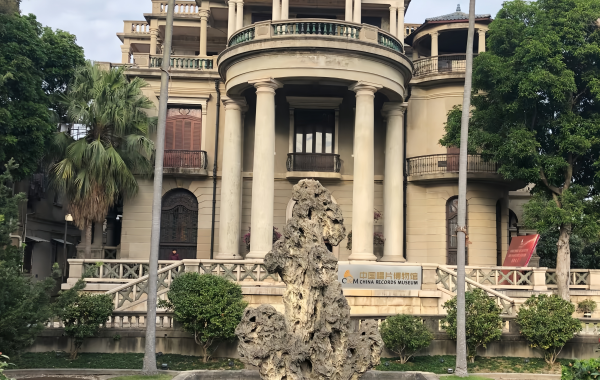
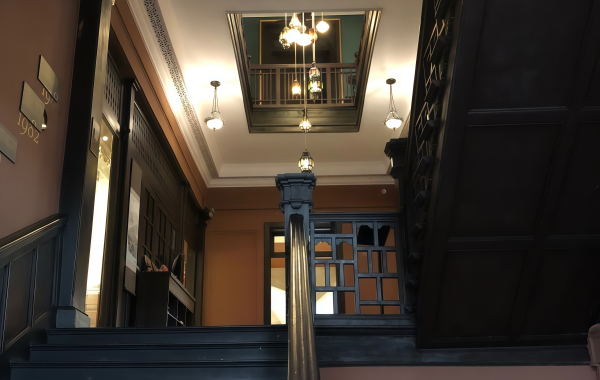
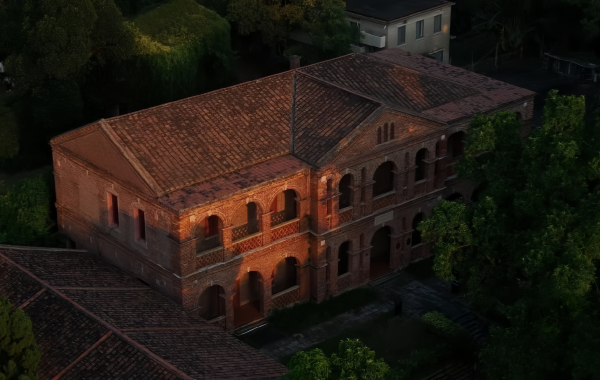
Huang Rongyuan Villa(China Record Museum):A century-old villa built in 1920,featuring an architectural style that blends Greek and Roman elements,set within a courtyard shaded by towering ancient banyan trees.It currently serves as China’s first national-level record museum,filling a significant void in the nation’s archives of"auditory memory."The museum exhibits a diverse array of recordings spanning the entire history of sound reproduction—from the early days of the phonograph era to the modern digital age—allowing visitors to experience the echoes of auditory memories that span a full century.
Haitiantang Complex:The largest architectural complex on Gulangyu Island to feature a fusion of Chinese and European styles,built in the 1920s by Huang Xiulang,an overseas Chinese entrepreneur from the Philippines.While the main building features a traditional Chinese double-eaved Xieshan(hip-and-gable)roof,its supporting columns adopt a distinctly Western style—a unique combination that has earned it the affectionate moniker of a building"wearing a Western suit while sporting a bamboo hat."The complex is now open to the public as a cultural exhibition space,where visitors can enjoy performances of intangible cultural heritage arts,such as Nanyin(Southern Music)and traditional puppet theater.
Catholic Church and Trinity Church:The Catholic Church is the only Gothic-style church in the Xiamen region,featuring exquisite pointed-arch windows and rose windows.Trinity Church,on the other hand,features a cruciform layout and red-brick walls;it serves as the island's central hub for Christian worship and frequently hosts organ recitals on Sundays.
Photography Tips:
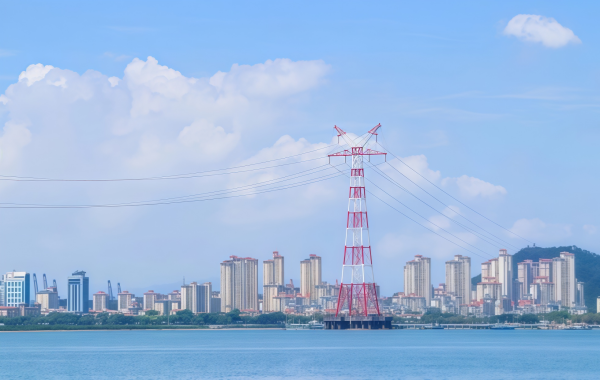
From the summit of Sunlight Rock,you can capture panoramic views of Gulangyu Island and the skyline of Xiamen Island.
The plaza in front of the Bagua Tower offers a classic vantage point for photographing the red dome set against the blue sky.
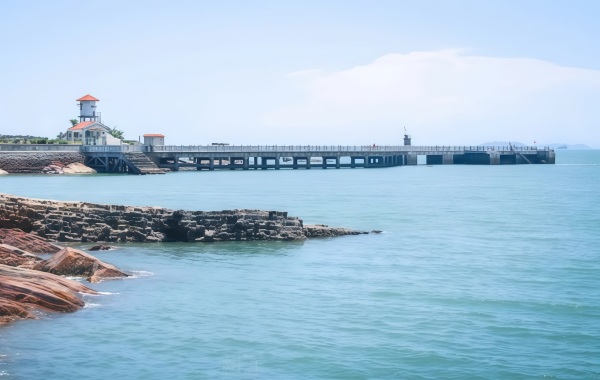
The"Forty-Four Bridge"in Shuzhuang Garden extends out into the sea,making it an ideal spot for capturing the seamless blend of sea and sky.
The historic buildings found at the corners of Longtou Road and the uphill lanes of Bishan Road offer picturesque scenes at every turn—simply snap a photo,and you’ll have a stunning,artistic masterpiece.