Huzhu Tu Ethnic Homeland Park: A Journey into the Living Culture of the "Rainbow Homeland"

Huzhu Tu Ethnic Homeland Park: A Journey into the Living Culture of the

Overview: A Cultural Home Adorned with Seven-Colored Sleeves

Located in Weiyuan Town, Huzhu Tu Autonomous County, Haidong City, Qinghai Province, the Huzhu Tu Ethnic Homeland Park lies just 31 kilometers from the provincial capital, Xining.

Key Highlights at a Glance

- Identity Tags: The Nation's Only Tu Autonomous County / "The Rainbow Homeland"

- Core Experiences: Immersive Tu Wedding Ceremonies / Thrilling "Wheel Swing" Performances

- Suggested Visit Duration: 1 Day (Recommended arrival in the morning to catch the full schedule of folk performances)

- Scenic Area Address: Tianyoude Avenue, Weiyuan Town, Huzhu Tu Autonomous County, Haidong City, Qinghai Province

  • Huzhu Tu Ethnic Homeland Park: A Journey into the Living Culture of the
  • Huzhu Tu Ethnic Homeland Park: A Journey into the Living Culture of the
  • Huzhu Tu Ethnic Homeland Park: A Journey into the Living Culture of the
  • Huzhu Tu Ethnic Homeland Park: A Journey into the Living Culture of the

Origins: A Millennium of Heritage from the Tuyuhun Descendants and the Rebirth of the Rainbow Homeland

Furong Ancient Town Furong Ancient Town

The Source of Lineage: Ancient Descendants of the Tuyuhun

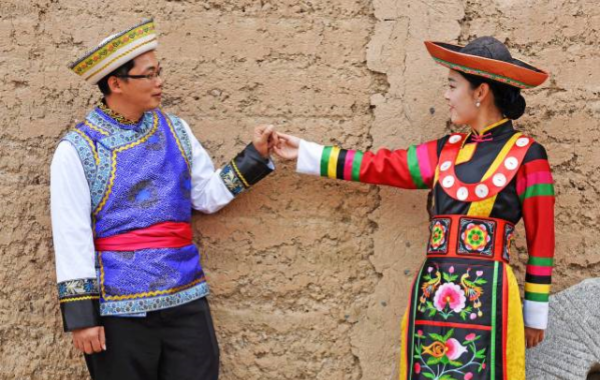
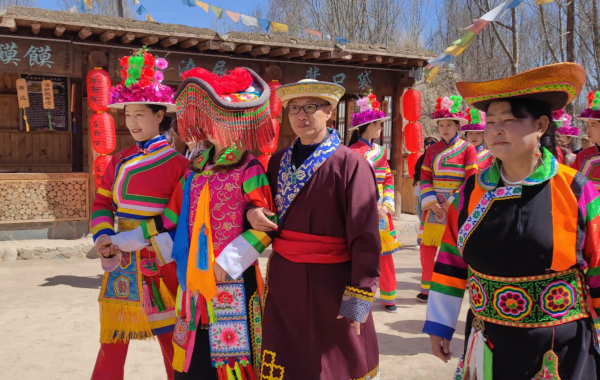
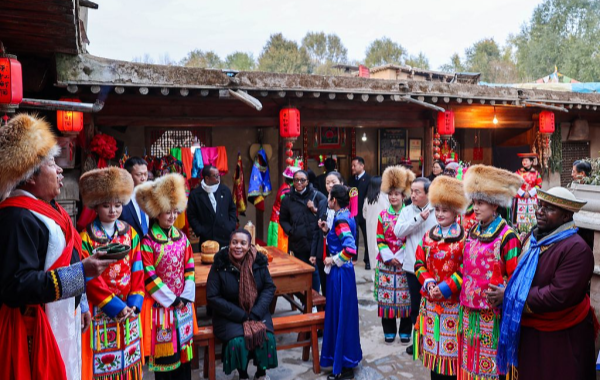
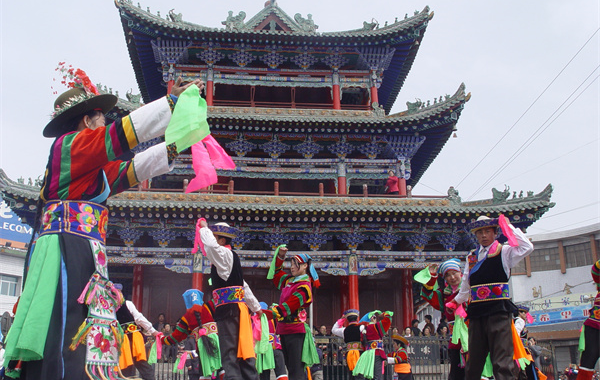
The story of the Tu people traces its roots back over 1,700 years, to the era of the Western Jin Dynasty. The ancestors of the Tu people are descendants of an ancient ethnic group that historically established the Tuyuhun Kingdom. Over the course of a long historical journey, they integrated the bloodlines of various groups—including the Qiang, Tibetan, and Mongol peoples—to form the unique Tu culture seen today. Huzhu County is the only autonomous county in China where the Tu people constitute the majority ethnic group; the county's Tu population accounts for approximately one-third of the total Tu population nationwide. The Tu people have inhabited the high plateau of northeastern Qinghai for generations. Because their traditional attire features "flower-sleeved shirts" pieced together from seven distinct colors—red, yellow, blue, green, purple, black, and white—creating a vibrant spectacle akin to a rainbow in the sky, this region has been bestowed with a beautiful name: the "Home of the Rainbow."

A Path of Rebirth: From Traditional Villages to the Global Stage

The modern narrative of the Huzhu Tu Homeland Park is a vivid chronicle of the flourishing development of ethnic cultural tourism:

- Period of Traditional Foundation (Pre-1990s): The Tu people lived for generations in Weiyuan Town and its surrounding villages, maintaining a traditional agrarian lifestyle and a unique folk culture that remained largely unknown to the outside world.

- Period of Tourism Emergence (1990s–2010): Tourism services featuring Tu folk customs and traditions gradually began to take shape. Tu families in villages such as Xiaozhuang Village started experimenting with hosting visitors through "home visits," offering demonstrations of traditional Tu weddings, songs, and dances.

- Period of Meticulous Development (2011–2017): Guided by the core philosophy of "preservation and inheritance, exhibition and experience," the scenic area successively constructed key attractions—including the Rainbow Tribe Tu Park, Nadun Manor, and the Western Tu Folk Culture Village—thereby systematically integrating its Tu cultural resources. Beginning in 2011, the Rainbow Tribe Tu Park pioneered the introduction of winter ice and snow tourism activities within Qinghai Province.

- A Stunning Debut (2017–Present): On February 27, 2017, the Huzhu Tu Homeland Park scenic area was officially designated a National 5A-level Tourist Attraction. In 2022, the Rainbow Tribe Tu Ethnic Park was selected for the national list of exemplary projects integrating intangible cultural heritage with tourism. In 2024, it welcomed 400,000 visitors, bringing its cumulative visitor count to 4 million. The site has emerged as a vivid exemplar of the philosophy that "lucid waters and lush mountains are invaluable assets" within the realm of ethnic cultural tourism.

> Dive Deeper: Explore more of China's premier ethnic cultural tourism destinations >>Qianhu Miao Village in Xijiang, Guizhou

Must-See Wonders: A Symphonic Poem of Humanity and Nature

Furong Ancient Town Furong Ancient Town Furong Ancient Town

Nature's Masterpiece — The "Rainbow Homeland" on the Plateau

The Huzhu Tu Ethnic Homeland Park is situated at the southern foot of the Qilian Mountains, at an average elevation of approximately 2,700 meters. Flanked to the north by the Daban Mountains, it lies within a climatic zone typical of the Qinghai-Tibet Plateau. The summers here are cool and pleasant, while the winters are blanketed in snow and ice; this distinct four-season climate endows the land with a unique natural landscape. The terrain surrounding Weiyuan Town is open and expansive, featuring vast fields where waves of highland barley ripple in the summer breeze and pristine white snow lies deep in the winter. Standing on the observation deck of the Rainbow Tribe Tu Ethnic Park, visitors can gaze out at the undulating peaks of the Beishan National Forest and Geological Park, with the boundless expanse of the forest sea stretching out before their eyes. The air here is fresh and pure; for most visitors, the 2,700-meter elevation does not trigger significant symptoms of altitude sickness, though first-time visitors are still advised to slow their pace and allow their bodies some time to acclimatize. The ultraviolet radiation on the plateau is intense; when the sunlight bathes the colorful architecture and traditional attire, the resulting kaleidoscope of hues is truly dazzling—visitors are therefore advised to carry sunscreen and sunglasses.

Human Ingenuity — A Living Museum of Tu Ethnic Culture

The Huzhu Tu Ethnic Homeland Park comprises five core attractions: the Rainbow Tribe Tu Ethnic Park, Nadun Manor, the Western Tu Ethnic Folk Culture Village, the Xiaozhuang Tu Ethnic Folk Culture Village, and the Tianyoude Source of Chinese Highland Barley Liquor. Together, they resemble a bouquet of five blooming flowers, each exuding its own intoxicating fragrance. Each of these attractions serves as a three-dimensional chronicle of Tu ethnic history.

Rainbow Tribe Tu Ethnic Park — A Panoramic Showcase of Tu Culture

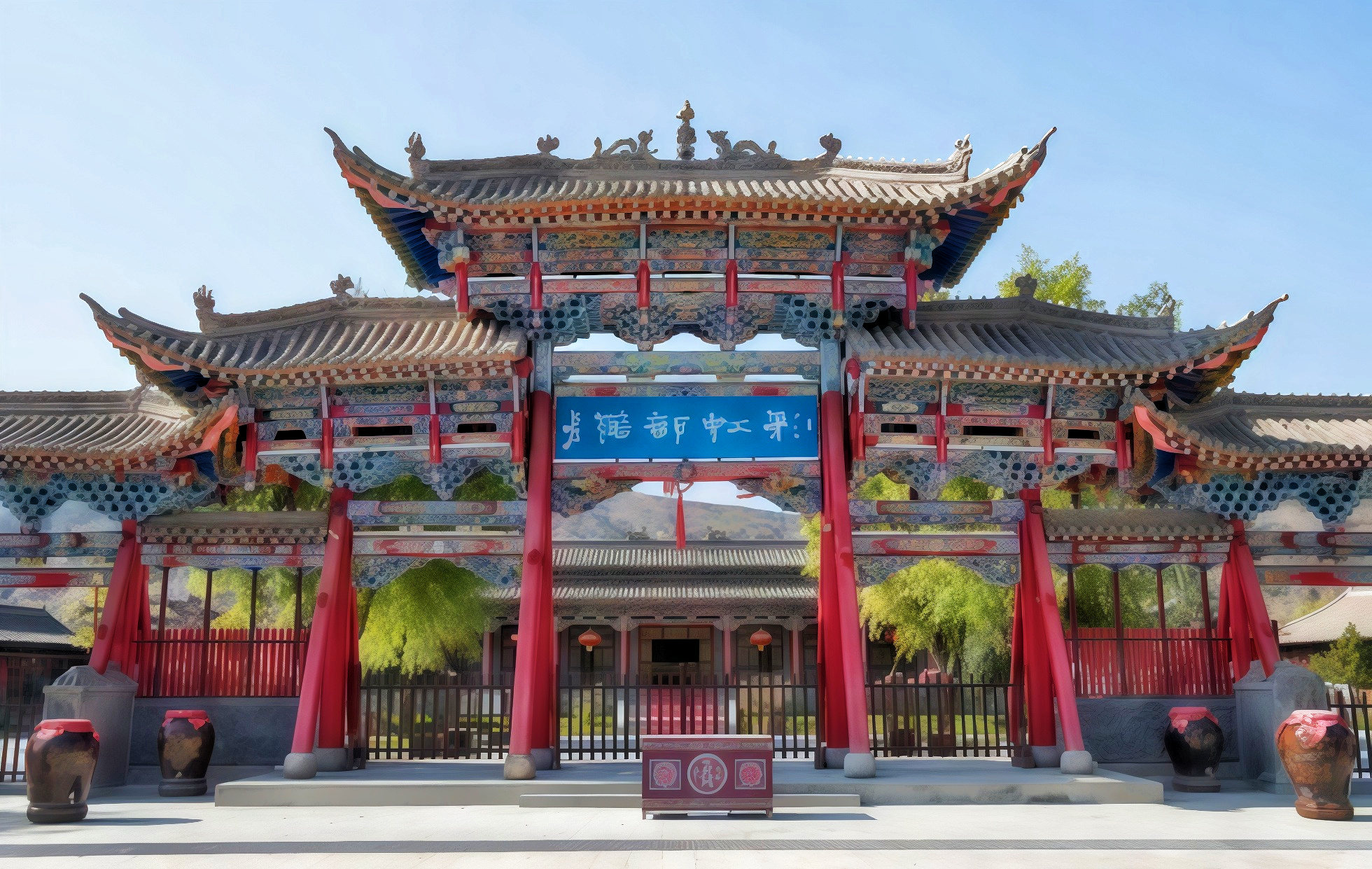
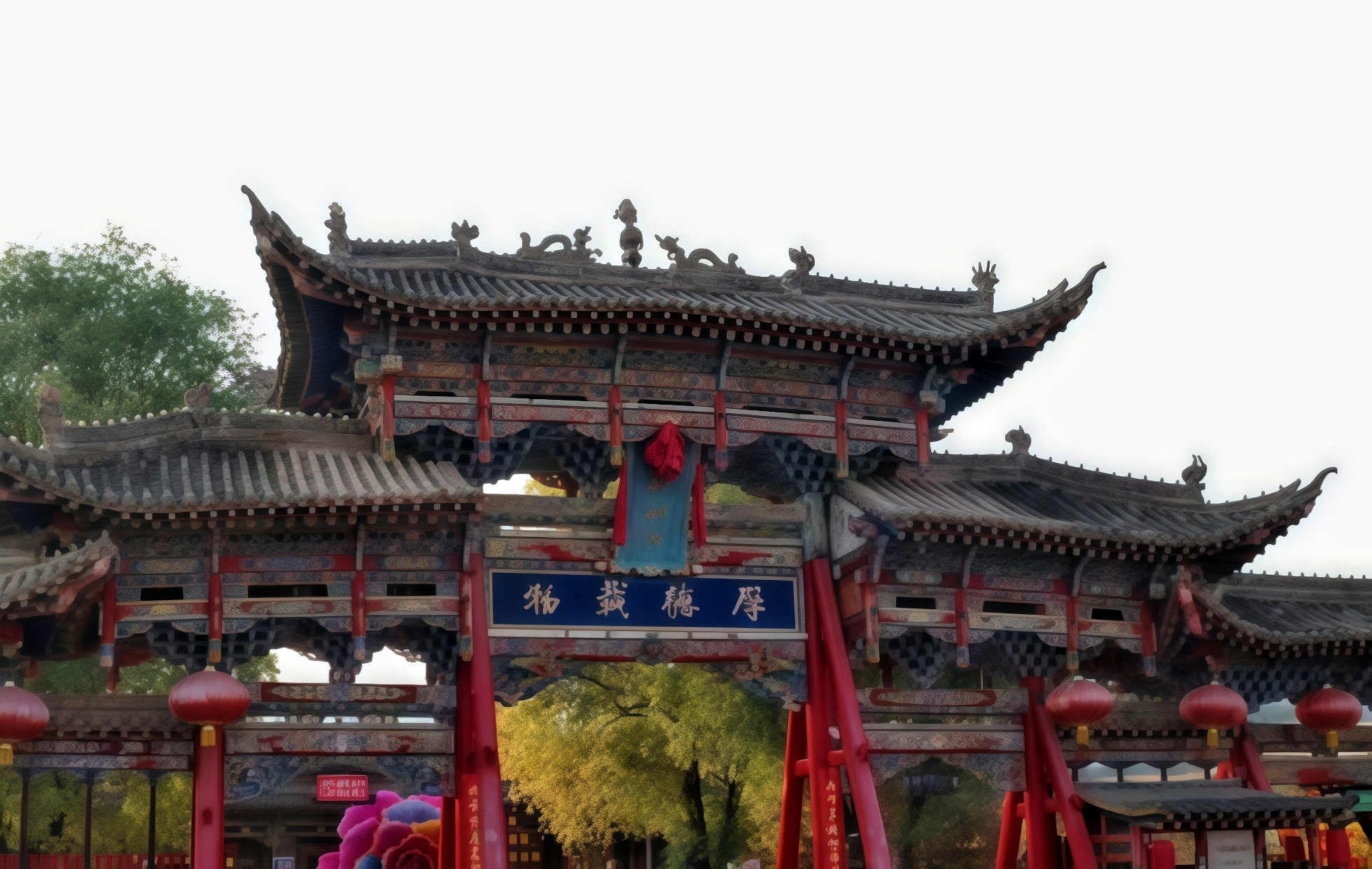
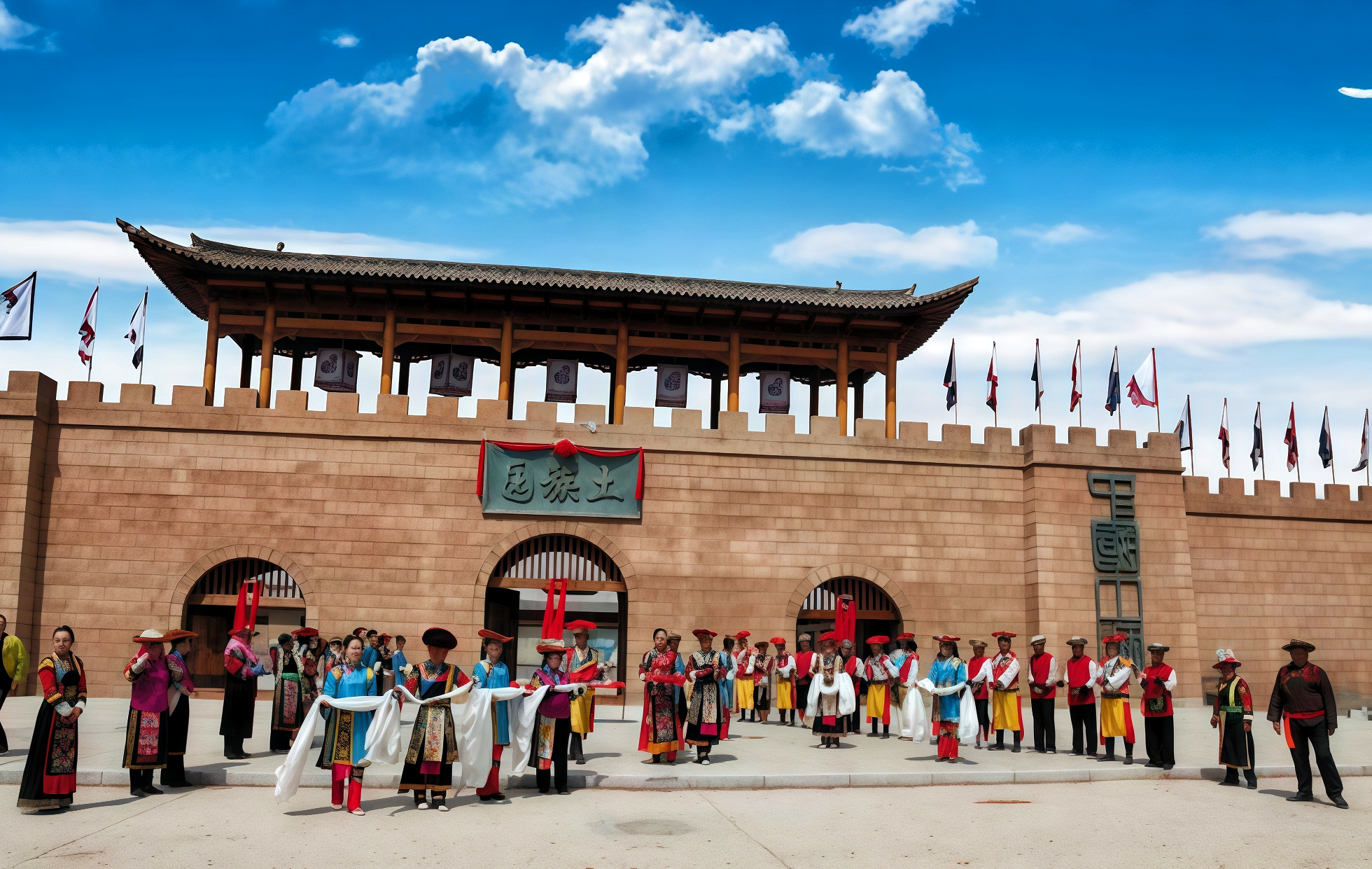
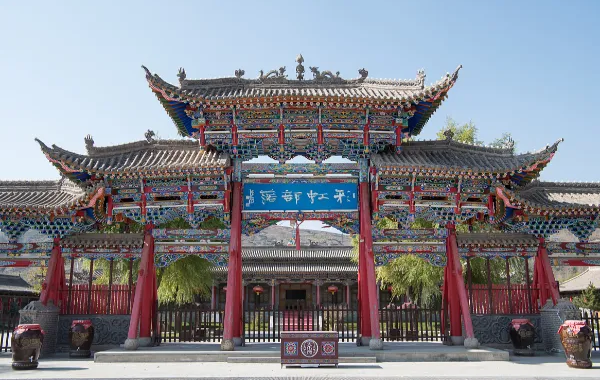
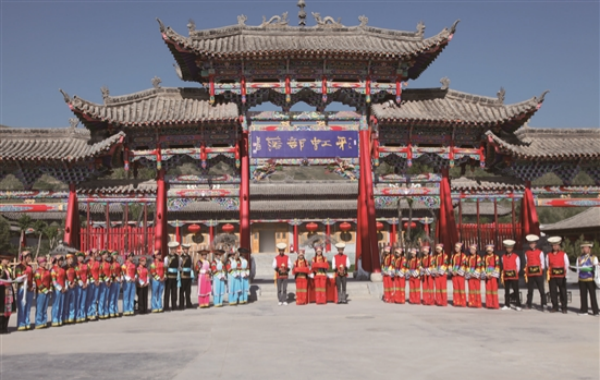
The Rainbow Tribe Tu Ethnic Park serves as the core attraction of the scenic area. Spanning 130,000 square meters, it is a large-scale theme park dedicated to Tu ethnic folklore and culture. Within the park stands a complex of ancient Tu-style buildings—constructed using age-old techniques such as blue brick and tile work, rammed earth and adobe, intricate brick carving, and wood carving—that transports visitors back in time, immersing them in the long river of Tu history. The park features a host of major historical structures, including the Shibadonggou Old Oil Mill, the Living Buddha Courtyard, Anzhao Square, the Tusi (Chieftain) Mansion, traditional Zhuangkuo courtyards, and a Center for the Preservation and Inheritance of Intangible Cultural Heritage. Additionally, the park offers experiential activities such as horseback riding and archery, and hosts year-round folk events—including traditional Tu wedding ceremonies and the thrilling "Wheel Swing" performances—while showcasing national-level intangible cultural heritage items, such as the intricate art of Tu Panxiu (coiled embroidery). The annual Rainbow Ice and Snow Cultural Tourism Festival held here features a rich array of activities, ranging from the spectacular "Iron Flower" sparks display and "Fire Pot" rituals to lively bonfire parties.

Xiaozhuang Tu Ethnic Folk Culture Village — "The Premier Village for Tu Folk Experiences"

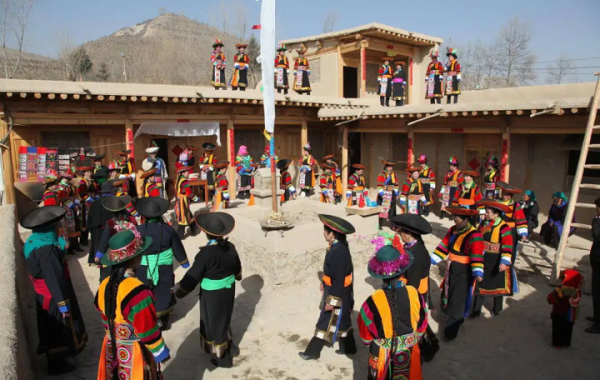
Xiaozhuang Village is a natural village inhabited almost exclusively by the Tu people, with the Tu population accounting for 98.2% of the total residents. Embodying the very essence of the Tu ethnic group, it has earned the title of "The Premier Village for Tu Folk Experiences." The village offers an authentic reflection of the Tu people's pristine lifestyle and culture, their traditional residential architecture, and their rich intangible cultural heritage. With Tu-centric folk tourism serving as its leading industry, the village has developed a comprehensive tourism program featuring home visits, traditional dining, wedding custom experiences, folk song and dance performances, tours of pastoral landscapes, and exhibitions of Tu traditional attire and handicrafts. It stands as the premier destination for visitors seeking to gain a deeper understanding of Tu ethnic folklore and culture.

Naduon Manor — Where the Fragrance of Highland Barley Wine Mingles with Folk Charm

Naduon Manor is a folk tourism attraction dedicated to comprehensively showcasing the unique folk customs of the Tu people alongside the rich cultural heritage of their traditional highland barley wine. Within the complex lies the Highland Barley Mingliu Liquor Culture Museum, which showcases the thousand-year-old liquor culture of the Qinghai-Tibet Plateau. There is also an underground cellar displaying the century-long tradition of burying and aging Mingliu liquor in Weiyuan. Additionally, the "Golden Flower" Performing Arts Center highlights the Tu people's national-level intangible cultural heritage—featuring Hua'er folk songs, traditional attire, Tu wedding ceremonies, and Panxiu (coil embroidery). This site serves as one of Qinghai Province's most concentrated and comprehensive platforms for showcasing the distinctive culture of the Tu people and fostering ethnic artistic exchange; it is also one of the province's most captivating destinations for folk culture tourism.

Western Tu Folk Culture Village — "China's Premier Tu Village"

Spanning 20,000 square meters, the Western Tu Folk Culture Village is a grand cultural tourism destination that integrates Tu architectural styles, traditional attire, culinary arts, song and dance traditions, folk customs, and highland barley liquor culture. It is renowned as "China's Premier Tu Village." The site features the "World's Largest Mani Stone," weighing a staggering 88 tons. Carved into its surface are various Buddhist scriptures—including the Medicine Buddha Mantra and the Long-Life Buddha Mantra—while the base bears an engraving of the Six-Syllable Mantra of Avalokiteśvara Bodhisattva; the stone itself boasts a history spanning over 300 years. The village also includes a guesthouse modeled after a Ming Dynasty Tusi (local chieftain) mansion—featuring a traditional "three-courtyard" layout—as well as an ancient, primitive water-powered mill, a century-old oil press workshop, and a traditional Tu residence dating back to the Daoguang era of the Qing Dynasty.

Tianyoude: The Source of Chinese Highland Barley Liquor — A Highland Elixir Fragrant Through the Ages

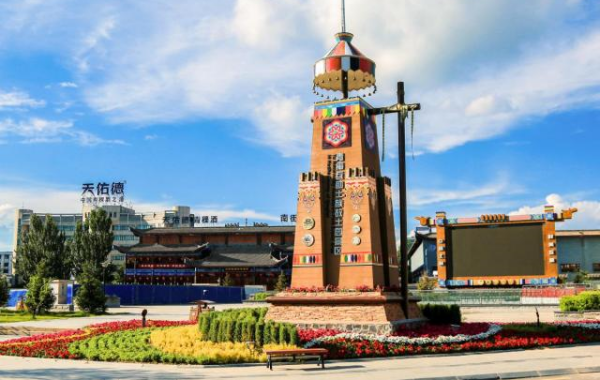
The Tianyoude "Source of Chinese Highland Barley Liquor" is the nation's largest production base for highland barley liquor, as well as a designated site for the protection of the liquor's geographical origin. Its brewing history traces back to the renowned Tianyoude Distillery established in Northwest China during the Hongwu era of the Ming Dynasty. Through guided tours and panoramic VR experiences, the scenic area offers visitors a firsthand look at the intricate brewing process and rich cultural heritage of highland barley liquor. This distinctive spirit is characterized by a mellow, sweet, and full-bodied profile, offering a unique palate experience that is smooth, crisp, harmoniously aromatic, and leaves a long, lingering aftertaste.

Tu People's "Cultural Treasures": Unmissable Intangible Cultural Heritage Experiences

The Huzhu Tu Ethnic Homeland Park embodies the cultural legacy accumulated by the Tu people over thousands of years. The following four highlights represent the essential experiences—must-see attractions and activities—for anyone wishing to immerse themselves in the vibrant culture of the Tu people.

The Lunzou (Wheel Swing)—A Thrilling Acrobatic Spectacle of Spinning Rainbows

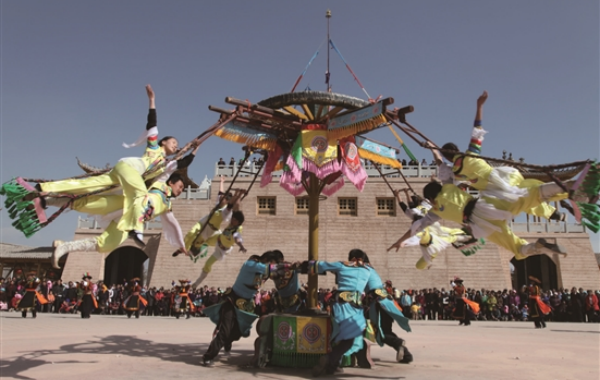
The Lunzou is a folk sport unique to the Tu people, and it has been designated a National-Level Intangible Cultural Heritage. Originally, it was a folk athletic pastime practiced by the Tu people during the agricultural off-season; after the harvest had been threshed, they would construct makeshift swings on the spot using wagon wheels and axles. Today, the Lunzou has evolved into a vital symbol of Tu culture. During performances, young Tu men and women—clad in vibrant, multicolored traditional attire—execute aerial flips and perform a variety of breathtaking stunts while spinning rapidly atop the wagon wheels. Performances that combine the Lunzou with the Anzhao dance seamlessly blend the thrilling acrobatics of this National Intangible Cultural Heritage with the graceful elegance of the Anzhao dance form. At every major festival or celebratory event, the Lunzou performance invariably stands out as the most captivating highlight.

Tu Weddings—An Oral and Experiential Folkloric Feast

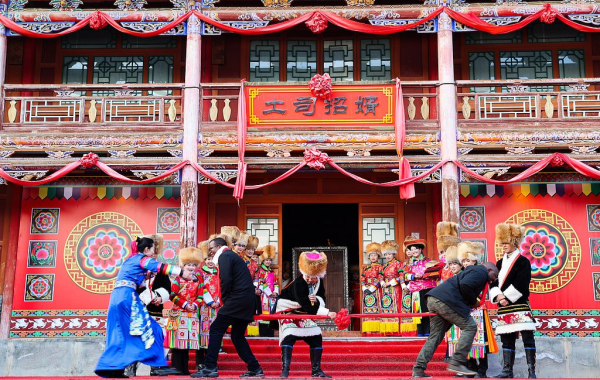
Tu wedding ceremonies feature nearly twenty distinct genres of oral performance and chant. The content of these recitations spans astronomy, geography, history, mythology, folktales, social etiquette, and the heroic deeds of ancestors, serving as a concentrated embodiment of the finest oral arts within Tu folk culture. In 2006, the Tu wedding ceremony was included in the first batch of the National-Level Intangible Cultural Heritage List. Within the park grounds, designated cultural inheritors perform daily reenactments of the Tu wedding ceremony for visitors. These performances attract a large number of participants, allowing visitors the unique opportunity to step into roles such as the bride, the groom, or members of the wedding procession. The entire Tu wedding process—from the initial matchmaking proposals and formal betrothal to the actual wedding day—is imbued with a profound sense of ritual and artistic flair, offering a vibrant, living feast of folk culture.

Tu Panxiu (Coiled Embroidery)—Three-Dimensional Rainbows on the Needle's Tip

Tu Panxiu (Coiled Embroidery) is one of the most representative embroidery techniques of the Qinghai region (Qingxiu). It constitutes an essential and highly distinctive component of traditional Tu attire. Creating Panxiu requires the simultaneous manipulation of two threads of the same color; utilizing a specialized stitching technique known as "coiling above and stitching below," the embroidery artist creates patterns that possess a three-dimensional, bas-relief-like effect. In 2006 and 2008, Tu Panxiu and traditional Tu attire were successively inscribed onto the National-Level Intangible Cultural Heritage List. Today, the ancient Tu people’s Panxiu (coil embroidery) technique is staging a remarkable comeback in the world of fashion. Under the nimble fingers of skilled embroiderers, this craft—passed down through a millennium—is now being stitched into suit lapels, woven into the hems of stylish skirts, and integrated into people's daily lives. At the Panxiu Exhibition Hall within the scenic area, visitors can witness firsthand as embroiderers create traditional motifs—such as the "sunflower"—stitch by meticulous stitch, gaining a deep appreciation for the exquisite mastery of this ancient art form.

The Anzhao Dance and the Nadon Festival—A Celebration of Harvest Through Song and Dance

The Anzhao dance is one of the oldest traditional dances of the Tu people; through graceful movements, it expresses prayers for a bountiful harvest and gratitude toward the natural world. The Nadon Festival is a traditional folk event through which the Tu people celebrate the harvest season. Accompanied by the rhythmic beat of gongs and drums and the fluttering of colorful banners, the shifting formations of the dancers evoke the vivid imagery of an ancient battlefield—a scene of clashing arms and thundering hooves. Every August, the "Qinghai Tu People’s Anzhao & Nadon Festival" is held in Huzhu County. The event serves as a centralized showcase for various cultural performances—including Qinqiang Opera, shadow puppetry, Tu folk songs (Hua'er), and the recitation of the epic narrative poem Qijia Yanxi—while also offering visitors the opportunity to tour and experience the production bases for Qingxiu (Qinghai embroidery/Panxiu). This festival has become a vital platform for fostering the integration of culture and tourism, as well as promoting ethnic unity, within Qinghai Province.

> Photography Tips: The complex of ancient buildings—featuring green bricks and tiles—at the "Rainbow Tribe" Tu Cultural Park looks most rustic and elegant under the morning sunlight; shooting between 9:00 AM and 11:00 AM is recommended. The Lunziqiu (Spinning Wheel) performance offers excellent subject matter for capturing dynamic action shots; using a high-speed continuous shooting mode is advised. Tu traditional attire is brilliantly colorful and creates stunning images when set against a backdrop of blue skies and white clouds. The traditional Tu residences in Xiaozhuang Village are bathed in soft, gentle light during the late afternoon/early evening, making them ideal subjects for capturing human-interest and cultural photography.

Core Experience: An Immersive Cultural Journey to the "Home of the Rainbow"

Furong Ancient Town Furong Ancient Town Furong Ancient Town

Five Must-Do Activities to Unlock the Complete Tu Cultural Experience

1.  Experience a Traditional Tu Wedding Ceremony

Participate in a live, authentic reenactment of a traditional Tu wedding ceremony at either the "Rainbow Tribe" Tu Cultural Park or Xiaozhuang Village. Starting with three cups of "Gate-Blocking Wine," Tu maidens—dressed in festive regalia and holding pristine white Hadas (ceremonial scarves)—step forward to welcome you. A pair of young men and women then present three small bowls of mellow, fragrant wine, drawing you into the warmth and joy of the Tu people. The entire wedding ceremony is rich in narrative song and chant, allowing you to experience the essence of Tu folk culture firsthand through active participation.

2.  Learn the Art of Tu Panxiu (Coiled Embroidery)

At the Intangible Cultural Heritage Protection Center or the Panxiu Exhibition Hall, sit beside the embroiderers and learn the unique "coiling-on-top, stitching-underneath" needlework technique. Under the guidance of master embroiderers—such as the veteran artisan Lu Taohua—you will personally stitch a "sunflower" motif, a symbol of family harmony and joyful reunion. This is not merely an exercise in craftsmanship; it is a process of engaging in a dialogue with Tu culture.

3.  Witness a Thrilling "Wheel Swing" Performance

At the Wheel Swing Performance Plaza, watch as young Tu performers—clad in shirts featuring rainbow-hued sleeves—execute breathtaking aerial flips and acrobatics atop a rapidly spinning wheel. This performance seamlessly blends the thrilling spectacle of the "Tu Wheel Swing" (a National Intangible Cultural Heritage) with the graceful elegance of the Anzhao dance. It symbolizes the vision of diverse ethnic groups joining hands to create a brighter future together, making it the most visually captivating highlight of the entire park.

4.  Savor a Feast of Authentic Tu Cuisine

At Nadun Manor or within the homes of local Tu families in Xiaozhuang Village, indulge in the authentic flavors of Tu cuisine. Must-try dishes include: Kunguo Mo (Griddle-Baked Barley Bread)—made from highland barley flour, brushed with spices such as red yeast rice and turmeric, and baked to a vibrant hue with a crisp, sweet texture; Goujiaoniao (Fried Barley Pancakes)—deep-fried in rapeseed oil until golden, crispy, and delicious; and Yangyu Jinjin (Crispy Potato Cakes)—made from potato starch and pan-fried until both sides are golden-brown, offering a delightful crispness. Pairing these dishes with a cup of mellow highland barley wine completes the experience, truly immersing you in the hospitality of a Tu household.

5.  Attend the Rainbow Ice and Snow Cultural Festival (Winter Exclusive)

If you visit during the winter season (November through February), be sure not to miss the Rainbow Ice and Snow Cultural Festival. At the Guchengshan Ski Resort, a 600-meter-long professional intermediate ski run awaits enthusiasts, offering ample space to carve through the snow to their hearts' content. The event centers on the themes of "playing on ice and snow, soaking in hot springs, experiencing folk customs, sampling highland barley wine, and savoring traditional cuisine." Additionally, evening activities—such as the spectacular "Iron Flower" performance, the "Fire Pot" display, and lively bonfire parties—infuse the "Hometown of Rainbows" with boundless vitality and warmth during the winter season.

Suggested Itineraries

One-Day "Highlights & In-Depth" Tour (Recommended)

Arrive at the scenic area at 9:00 AM and begin the tour at the Rainbow Tribe Tu Ethnic Park: Kick off your journey into Tu culture with the warm "Gate-Blocking Wine" welcoming ceremony, then visit the complex of ancient Tu architecture, the Tu Costume Exhibition Hall, and the Center for the Preservation and Inheritance of Intangible Cultural Heritage (approx. 2 hours) → Watch a performance of a traditional Tu wedding ceremony and the "Wheel Swing" acrobatics (approx. 1 hour) → 12:30 PM: Lunch—savor traditional Tu cuisine within the park (approx. 1 hour) → 2:00 PM: Head to the Xiaozhuang Tu Folk Culture Village to visit local households, experiencing authentic Tu daily life and traditional handicrafts firsthand (approx. 1.5 hours) → 3:30 PM: Proceed to Nadun Manor to tour the Highland Barley Liquor Culture Museum and the underground wine cellar, followed by a tasting of highland barley liquor (approx. 1 hour) → 5:00 PM (Optional): Visit the Tianyoude "Source of Chinese Highland Barley Liquor" site to learn about the brewing process (approx. 0.5 hours). Total tour duration: approximately 7–8 hours.

> IntoTravelChina Advantages & Professional Guides: IntoTravelChina offers fully customized itineraries, including exclusive guides, transportation, and activity arrangements, ensuring a worry-free and immersive travel experience. Click here to inquire about a custom tour now.

Two-Day "Xining + Huzhu" Immersive Tour

Day 1: Depart from Xining in the morning for the Huzhu Tu Ethnic Homeland Park (approx. 1-hour drive) → Explore the five core attractions in depth, following the "One-Day Highlights" itinerary described above → Overnight stay in Huzhu County (recommended accommodations: Naduonyuanqi Zen B&B or Rainbow Tribe Resort Hotel); in the evening, enjoy a bonfire party and folk performances at Naduon Cultural Street.

Day 2: Morning visit to the Youzuiwan Ecological and Cultural Scenic Area to experience farm-to-table fruit/vegetable picking and enjoy the pastoral scenery → Lunch featuring authentic rural cuisine (such as large-pot cooked meals and firewood-roasted chicken) → Afternoon visit to Beishan National Forest and Geological Park; enjoy a hiking tour through this "natural oxygen bar," admiring the cascading waterfalls and vast forests of the Langshidang Scenic Area → Return to Xining in the evening, concluding your two-day immersive journey.

> IntoTravelChina Advantages: We can book the most suitable accommodations for you, seamlessly coordinate all your activities, and provide detailed route maps and safety guidelines.>>Consult now for customization

Comprehensive Travel Guide: Transportation, Accommodation, and Seasons

Furong Ancient Town Furong Ancient Town

How to Get There: A Seamless Connection Guide

The Huzhu Tu Ethnic Homeland Park is located just 31 kilometers from Xining, making Xining the most convenient starting point for arranging your transportation.

- Traveling from Across the Country: We recommend flying into Xining Caojiabao Airport or taking a high-speed train to Xining Station. Xining Airport is approximately 50 kilometers from Huzhu County; you can either charter a private vehicle directly to Huzhu or take an airport shuttle bus to the city center before transferring to Huzhu County. Travel Tip: We recommend staying overnight in Xining city center to acclimatize to the altitude before proceeding to Huzhu. - From Xining City Center: Shuttle buses run directly from the Bus Passenger Transport Center at Xining Railway Station Square to Weiyuan Town in Huzhu County. Departures are scheduled every 20 minutes; the journey takes approximately 40 minutes, and the fare is around 15 RMB. Travel Tip: You also have the option to charter a private vehicle; this takes about one hour and costs approximately 100–150 RMB.

- Driving Route: From Xining, take the Ninghu Expressway or Ninghuxi Road to Weiyuan Town in the Huzhu Tu Autonomous County. The total distance is approximately 32 kilometers, and road conditions are excellent.

- From Xining Caojiabao Airport: You can take an airport shuttle bus to Xining city center and then transfer to a bus bound for Huzhu County. Alternatively, you can charter a private vehicle directly from the airport; the drive takes about 50 minutes.

Important Return Trip Reminder: Shuttle buses from Huzhu County back to Xining operate until the early evening (approximately 18:00–19:00). It is highly recommended that you confirm the schedule for the last bus of the day in advance. The most reliable option is to pre-book a ride-hailing service or contact your hotel to arrange a pickup vehicle.

Best Time to Visit

The Huzhu Tu Nationality Homeland Park offers scenic beauty in every season, though the atmosphere varies distinctly throughout the year. The best time to visit is from June to September. During this period, the climate is pleasant—with average temperatures ranging from 15°C to 25°C—wildflowers are in full bloom, and a wealth of folk cultural activities take place, making it the ideal season to experience the unique charm of the "Hometown of the Rainbow."

- The Golden Season of Summer & Autumn (June–September): The weather is delightful with abundant sunshine. Against a backdrop of clear blue skies and white clouds, the vibrant traditional costumes and historic grey-brick architecture appear at their most spectacular. While daytime temperatures in summer hover between 15°C and 25°C, there is a significant temperature difference between day and night; therefore, it is advisable to dress in layers (the "onion style") and carry a light jacket. Ultraviolet (UV) radiation is extremely intense, so be sure to take adequate sun protection measures. During the peak tourist season in July and August, the park increases the frequency of folk performances—such as the "Wheel Swing" (Lunzi Qiu) and traditional Tu weddings—while the Anzhao Nadun festival is typically held in late August. - Winter Ice and Snow Season (Dec–Feb): Visitor numbers are relatively low during this period. Guests can enjoy unique activities associated with the "Rainbow Ice and Snow Cultural Festival," such as skiing, Datiehua (iron-smelting fireworks), and bonfire parties. Daytime temperatures in winter often drop below 0°C, so be sure to pack plenty of warm clothing. While some outdoor performance schedules may be reduced, the range of ice and snow recreational activities remains extensive. Accommodation also offers better value for money during the winter season.

Note on High-Altitude Reactions: Huzhu County sits at an elevation of approximately 2,700 meters; consequently, most visitors will not experience any significant symptoms of altitude sickness. First-time visitors need only avoid strenuous physical activity, drink plenty of water, and ensure they get adequate sleep. A very small minority of sensitive individuals may experience mild dizziness or shortness of breath, but these symptoms typically subside within 24 hours as the body acclimatizes.

Accommodation Options

- Huzhu County Seat (Recommended Choice):

Experience: A wide variety of accommodation options are available, ranging from boutique homestays to comfortable hotels. Attractions are either within walking distance or just a short drive away.

Recommended Stays: Nadonyuanqi Zen Homestay (located within Nadon Manor; a nationally certified Grade-A tourist homestay offering an immersive experience of Tu ethnic culture); Huzhu Rainbow Tribe Resort Hotel (located near the scenic area with comprehensive facilities); and Huzhu Tianyoude Hotel (located near the Drum Tower, offering convenient transportation access and hot spring facilities).

Best For: The vast majority of visitors—particularly those wishing to deeply immerse themselves in Tu ethnic culture and participate in evening activities.

- Xining City Center (Option for Combined Itineraries):

Experience: Offers a broad spectrum of accommodation choices, ranging from budget-friendly inns to five-star hotels. This option is ideal for travelers planning to visit other attractions in Qinghai—such as Qinghai Lake or Ta'er Monastery—in conjunction with their trip to Huzhu.

Transport: A round-trip commute between Xining and Huzhu takes approximately one hour by vehicle.

- Surroundings of Beishan National Forest and Geological Park (Choice for Nature Enthusiasts):

Experience: Stay at forest lodges or homestays located near the scenic area to enjoy the tranquility and crisp, fresh air of the forest all to yourself during the early morning hours.

Best For: Travelers planning to combine their visit to Huzhu with an excursion to Beishan Forest Park. IntoTravelChina Accommodation Booking Tips:

We strongly recommend planning your itinerary and booking your accommodation at least 2–4 weeks in advance—especially during the peak travel season in July and August, as well as during the "Rainbow Ice and Snow Cultural Festival," when hotel rooms in Huzhu County are often in extremely high demand. By booking through us, you gain access to real-time room availability and the ability to bundle your accommodation, attraction tickets, and transportation into a single, cohesive plan. This often results in package discounts and ensures a seamless travel experience. Simply let us know your budget and preferences, and we will match you with the perfect "Rainbow Home" for your stay. >>Click to contact IntoTravelChina travel consultant

Extended Journeys: A Loop Connecting the Highlights of the Hehuang Valley

Furong Ancient Town

The Huzhu Tu Ethnic Homeland Park is by no means the end of your journey; rather, it serves as the perfect starting point for exploring the rich Hehuang culture of Qinghai.

- Classic 3-Day Folk Culture Loop: Xining (Departure) → Huzhu Tu Ethnic Homeland Park (Tu Ethnic Culture) → Ping'anyi: Hehuang Folk Culture Experience Center (Ancient Post Station Ambiance) → Hehuang Culture Museum (Painted Pottery & Agrarian Culture) → Xunhua Salar Homeland (Salar Ethnic Customs). This unique journey seamlessly blends the cultures of multiple ethnic groups, including the Tu and Salar peoples. 

- 4-Day Eastern Qinghai Nature & Culture Loop: Xining (Ta'er Monastery) → Huzhu Tu Ethnic Homeland Park (Tu Ethnic Culture) → Beishan National Forest & Geological Park (A High-Altitude "Natural Oxygen Bar") → Menyuan 100-Mile Canola Flower Sea (July Blooming Season) → Qilian Mountain Grasslands. This perfect itinerary combines Tibetan Buddhist culture, Tu ethnic customs, forest wonders, and the majestic scenery of snow-capped mountains and grasslands. 

Partner with IntoTravelChina to Embark on Your Exclusive Cultural Journey to the "Home of the Rainbow"

Furong Ancient Town

The story of the Huzhu Tu Ethnic Homeland Park is one of an ancient people's enduring perseverance, the passing down of millennia-old craftsmanship, and the vibrant blossoming of a "Home of the Rainbow." IntoTravelChina specializes in crafting in-depth, personalized, and hassle-free travel experiences across China. Our travel experts are here to offer you:

- Tailor-Made Itineraries: We design the perfect route based on your specific interests and schedule—featuring the Huzhu Tu Ethnic Homeland Park alongside other attractions along Qinghai’s Eastern Route.

- One-Stop Service: We handle all the details—from ticket bookings, unique accommodations, and transportation transfers to securing local guides and activity reservations.

- Exclusive Experiences: We arrange immersive workshops focused on Intangible Cultural Heritage—allowing you to learn Pan embroidery firsthand under the guidance of skilled artisans, participate in authentic Tu ethnic wedding ceremonies, enjoy tastings of highland barley wine, and more.

Let your visit to the Huzhu Tu Ethnic Homeland Park be more than just sightseeing; let it be a truly immersive journey into a living culture.

> Start Planning Your Journey Now

> We invite you to contact our professional travel consultants. We will provide you with a personalized itinerary proposal and price quote within 24 hours. >>Click to contact IntoTravelChina travel consultant

What Our Clients Say?

Based on 10,000+ traveler reviews

...
Daniel Dorothea
Canada
Reviewed on April 29,2025
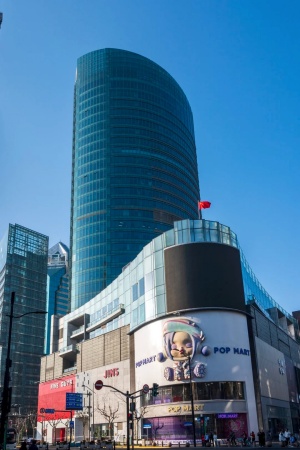
Shopping on Nanjing Road in Shanghai was just amazing! It's truly the "First Commercial Street of China", where tradition and modernity blend perfectly. You can find awesome souvenirs and experience the trendy vibes in cool stores. The neon lights at night are just spectacular, shining bright like Times Square in New York. The food here is incredible too. I had a feast for my taste buds. Shanghai, I'll definitely be back!
Destination(s): Shanghai
Date of Experience: May 08,2024
...
...
Elvis Eva
Canada
Reviewed on June 20,2025
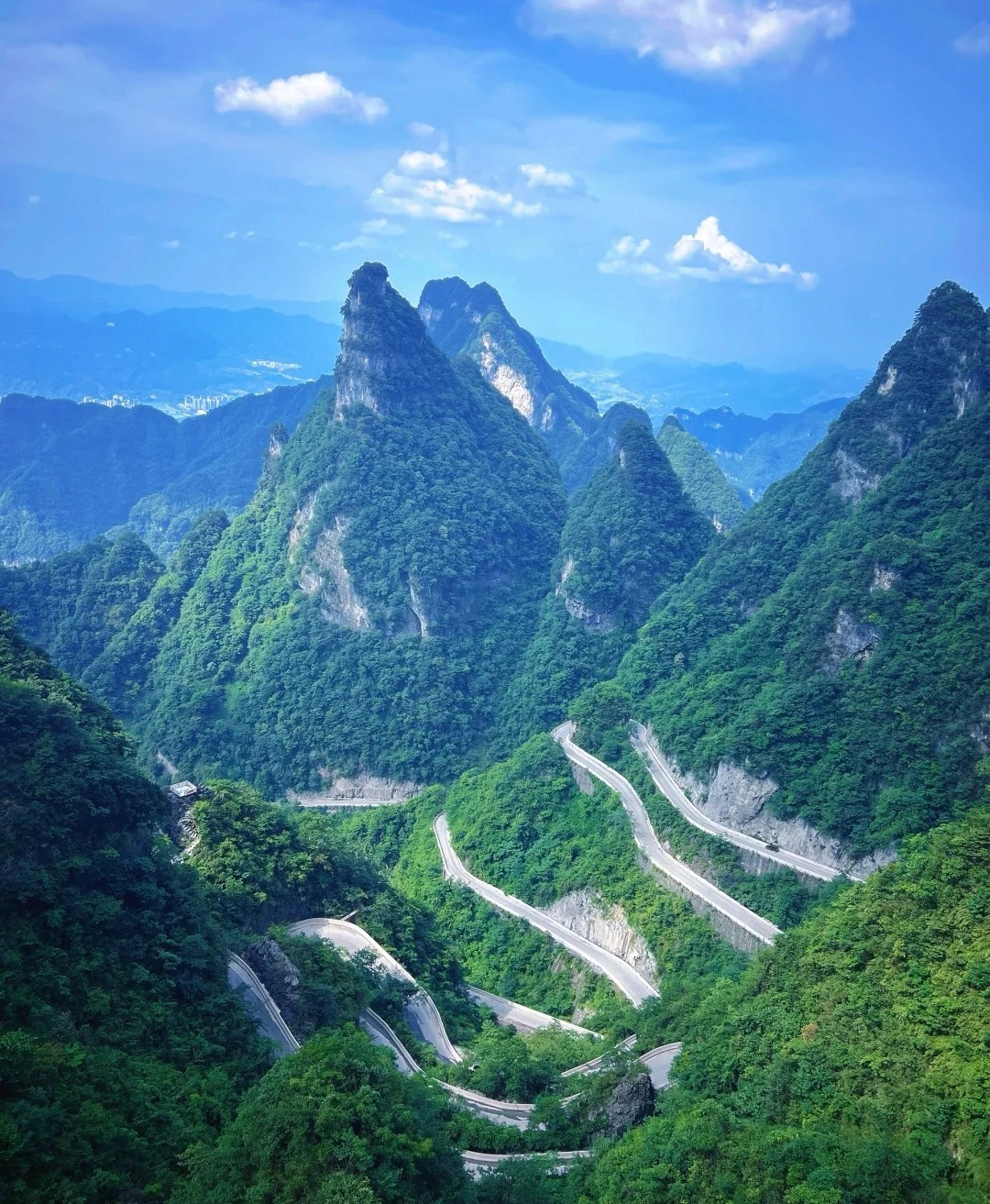
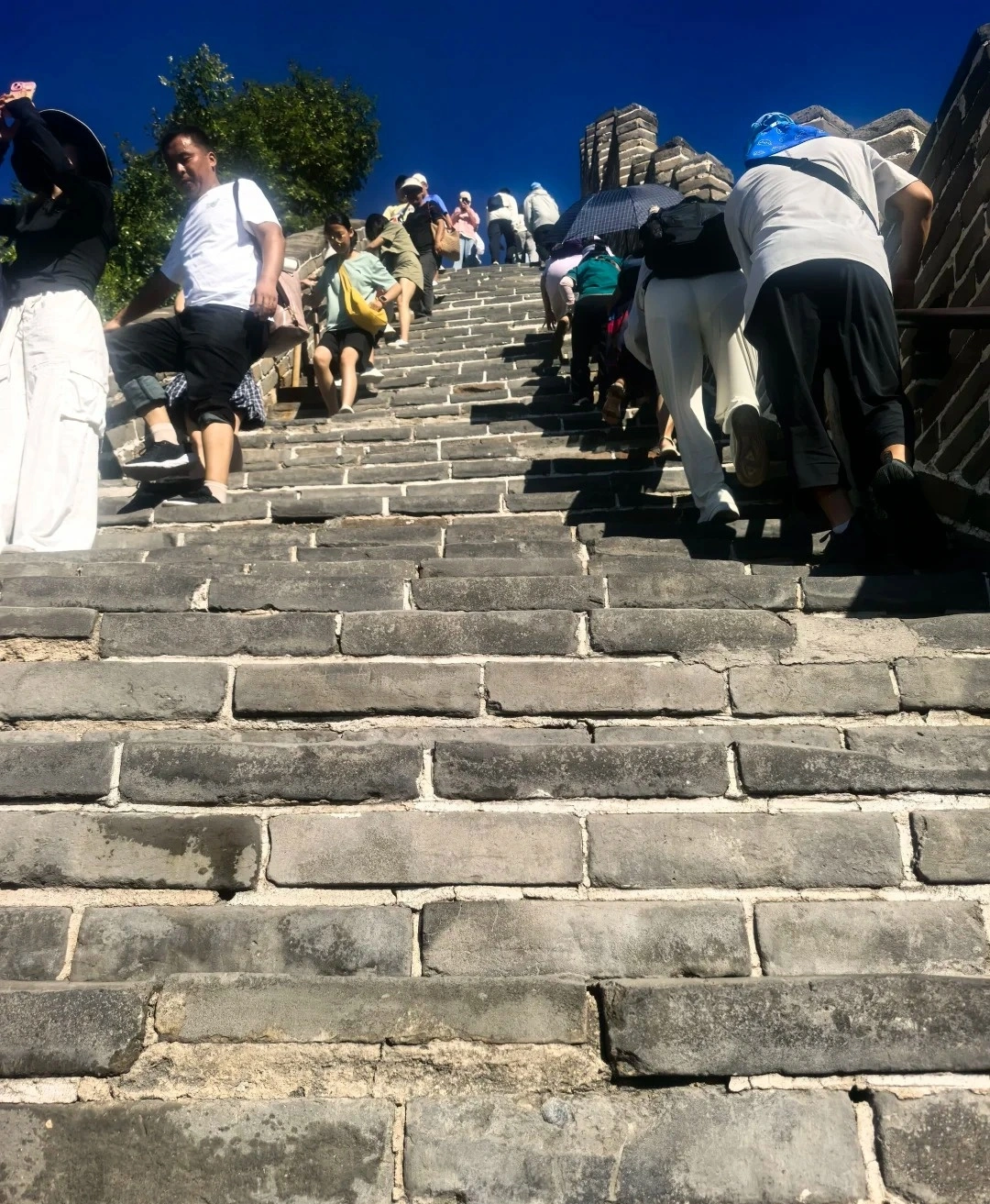
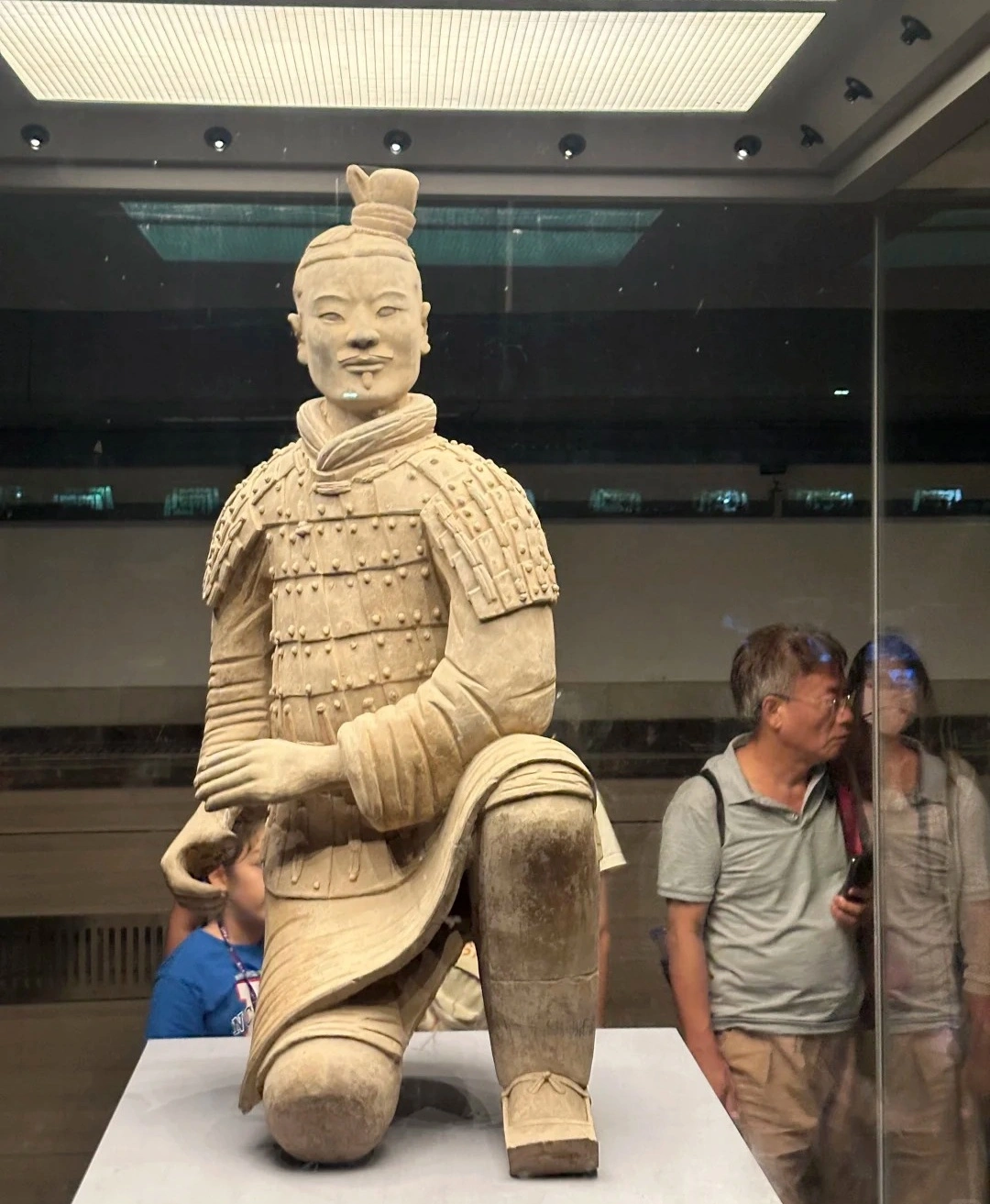
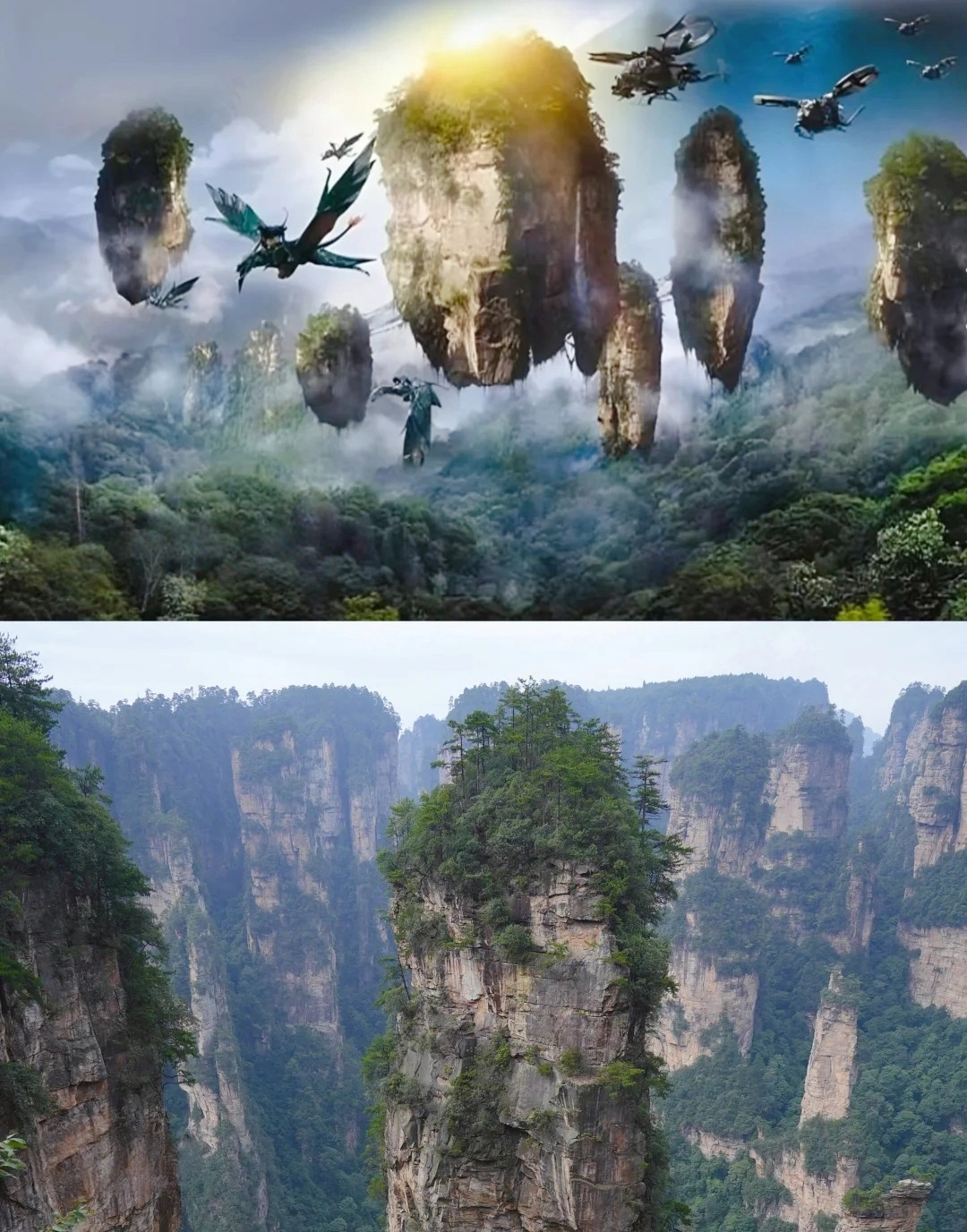
As a solo traveler from Canada, I was nervous about navigating China alone—but this 11-day tour was PERFECT! From hiking the Great Wall at sunrise (Day 3) to gasping at the Terracotta Army (Day 5), every day delivered ‘pinch-me’ moments. The real showstopper? Zhangjiajie’s Avatar Mountains (Day 7)! Our guide made the stone pillars come alive with stories. Massive thanks for handling all logistics—bullet train tickets, entry passes, car! And the 4-star hotels surprised me.
Destination(s): Beijing Xian Zhangjiajie Shanghai
Date of Experience: June 02,2025
... ... ...
...
Simon
America
Reviewed on May 29,2025
Our 2-day Zhangjiajie tour was beyond spectacular! As someone who’s visited Beijing and Shanghai for work, this trip revealed China’s wild, magical heart. Day 1 in Zhangjiajie National Forest Park felt like stepping onto Pandora—I’m a huge Avatar fan, and Yuanjiajie’s floating peaks left me breathless. The misty pillars and lush valleys like pure movie magic! Then came Fenghuang Ancient Town, we eat dinner beside the thundering waterfall. It seems Unreal! The night views of stilt houses glowing over the river were straight from a fairy tale. For fellow Avatar lovers and adventure seekers: Don’t miss this bucket-list experience! 10/10 would return. A Well-Traveled Film Buff, May 2025
Destination(s): Zhangjiajie
Date of Experience: May 08,2025
... ...

Ask a Question

Question Summary (100 characters)
Details (optional) (2,000 characters)
Name
Country
Phone
Email