Nature's Masterpiece — The "Rainbow Homeland" on the Plateau
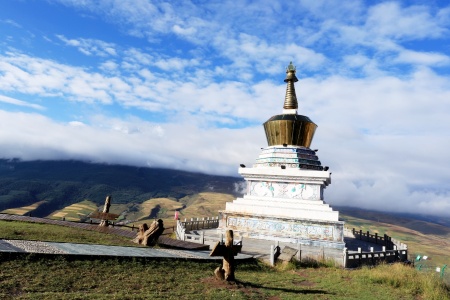
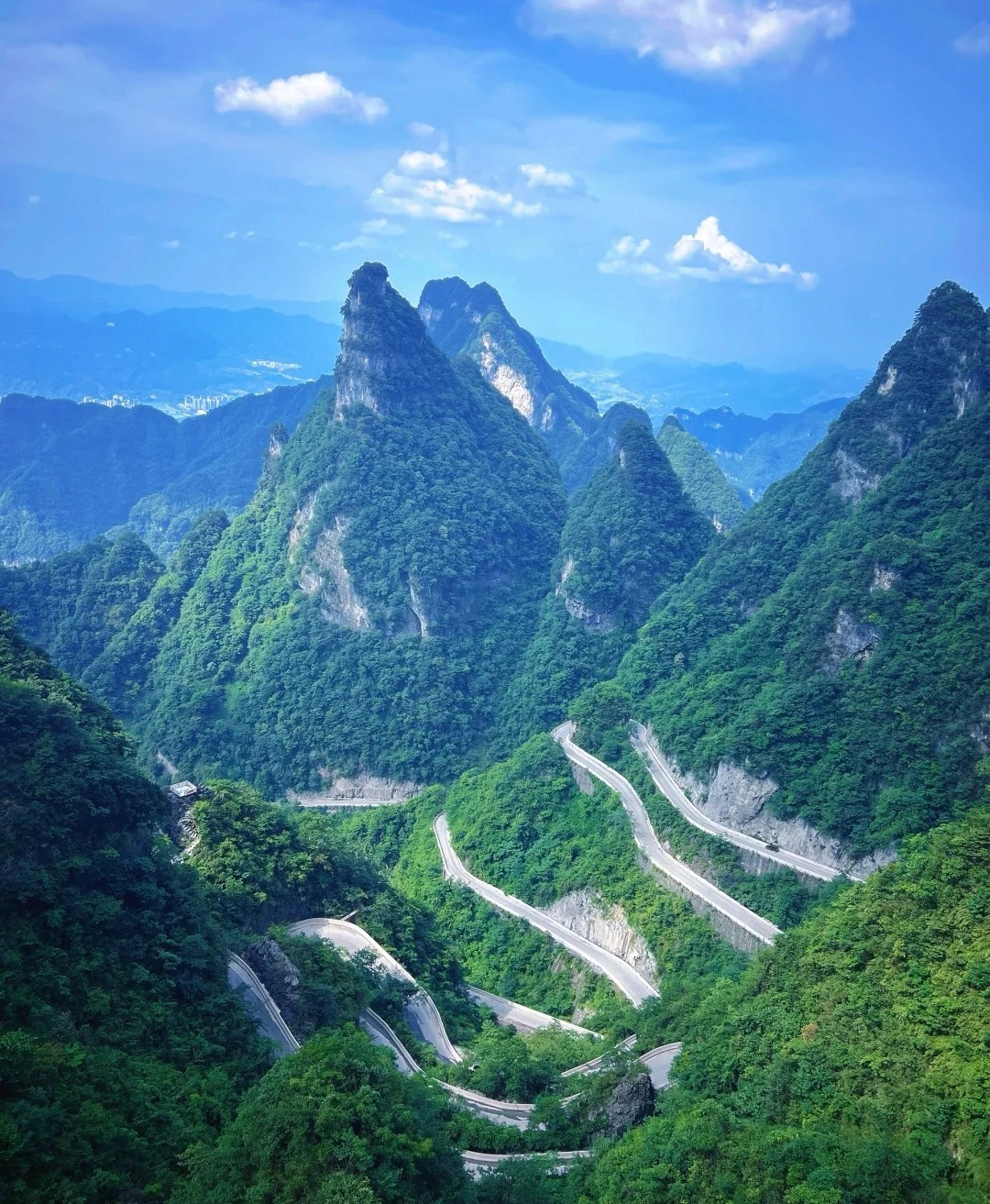
The Huzhu Tu Ethnic Homeland Park is situated at the southern foot of the Qilian Mountains, at an average elevation of approximately 2,700 meters. Flanked to the north by the Daban Mountains, it lies within a climatic zone typical of the Qinghai-Tibet Plateau. The summers here are cool and pleasant, while the winters are blanketed in snow and ice; this distinct four-season climate endows the land with a unique natural landscape. The terrain surrounding Weiyuan Town is open and expansive, featuring vast fields where waves of highland barley ripple in the summer breeze and pristine white snow lies deep in the winter. Standing on the observation deck of the Rainbow Tribe Tu Ethnic Park, visitors can gaze out at the undulating peaks of the Beishan National Forest and Geological Park, with the boundless expanse of the forest sea stretching out before their eyes. The air here is fresh and pure; for most visitors, the 2,700-meter elevation does not trigger significant symptoms of altitude sickness, though first-time visitors are still advised to slow their pace and allow their bodies some time to acclimatize. The ultraviolet radiation on the plateau is intense; when the sunlight bathes the colorful architecture and traditional attire, the resulting kaleidoscope of hues is truly dazzling—visitors are therefore advised to carry sunscreen and sunglasses.
Human Ingenuity — A Living Museum of Tu Ethnic Culture
The Huzhu Tu Ethnic Homeland Park comprises five core attractions: the Rainbow Tribe Tu Ethnic Park, Nadun Manor, the Western Tu Ethnic Folk Culture Village, the Xiaozhuang Tu Ethnic Folk Culture Village, and the Tianyoude Source of Chinese Highland Barley Liquor. Together, they resemble a bouquet of five blooming flowers, each exuding its own intoxicating fragrance. Each of these attractions serves as a three-dimensional chronicle of Tu ethnic history.
Rainbow Tribe Tu Ethnic Park — A Panoramic Showcase of Tu Culture
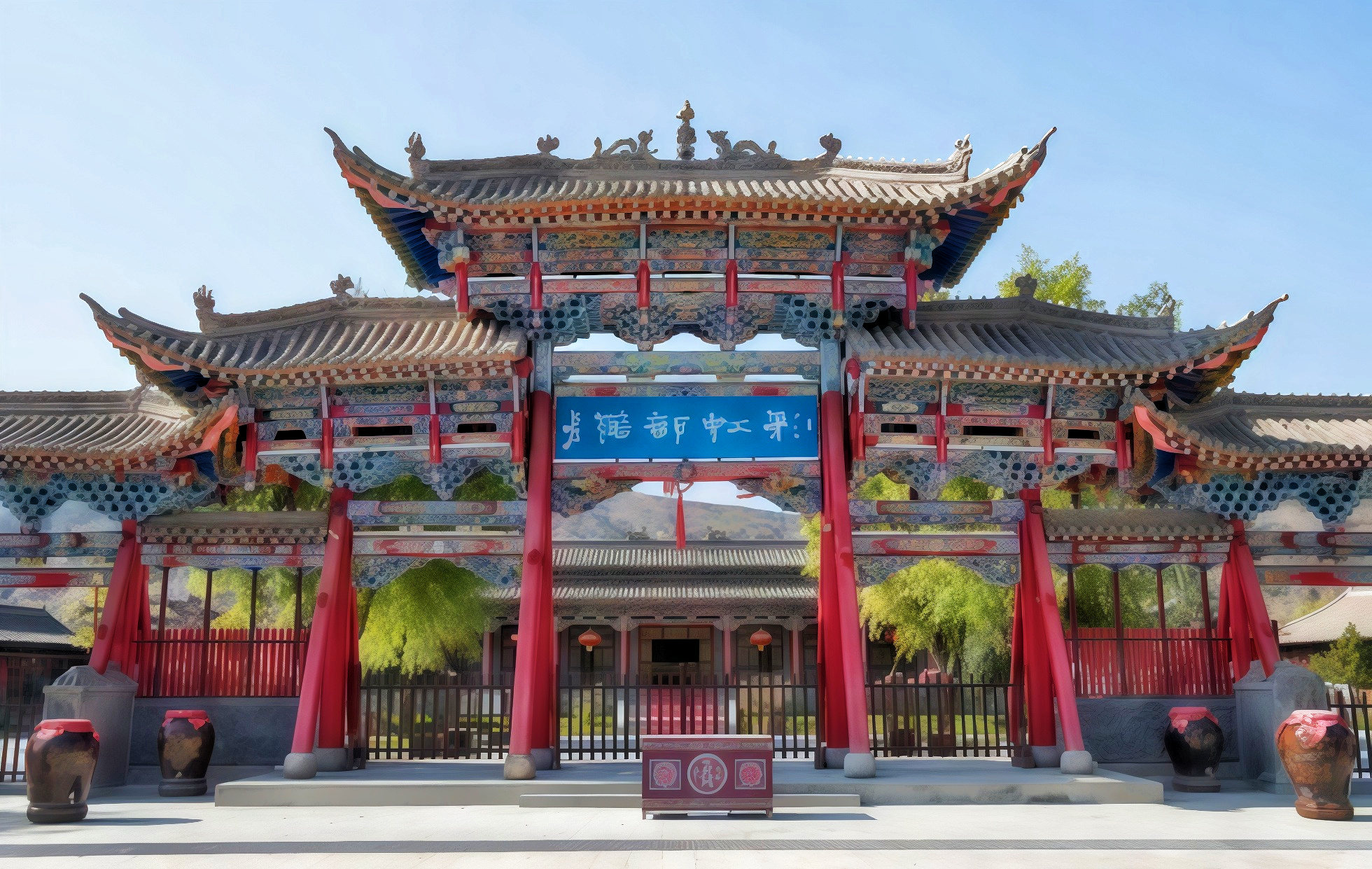
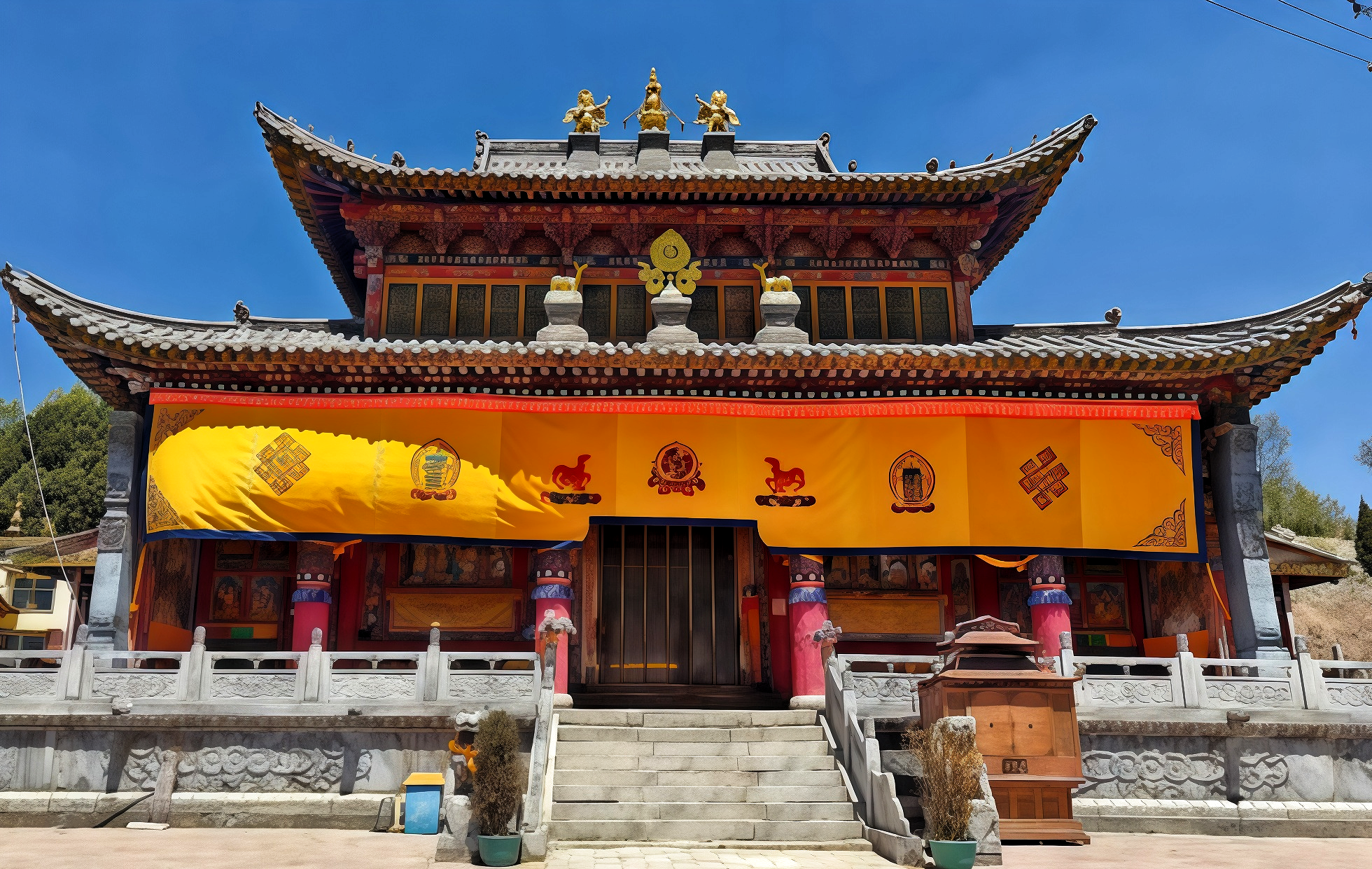
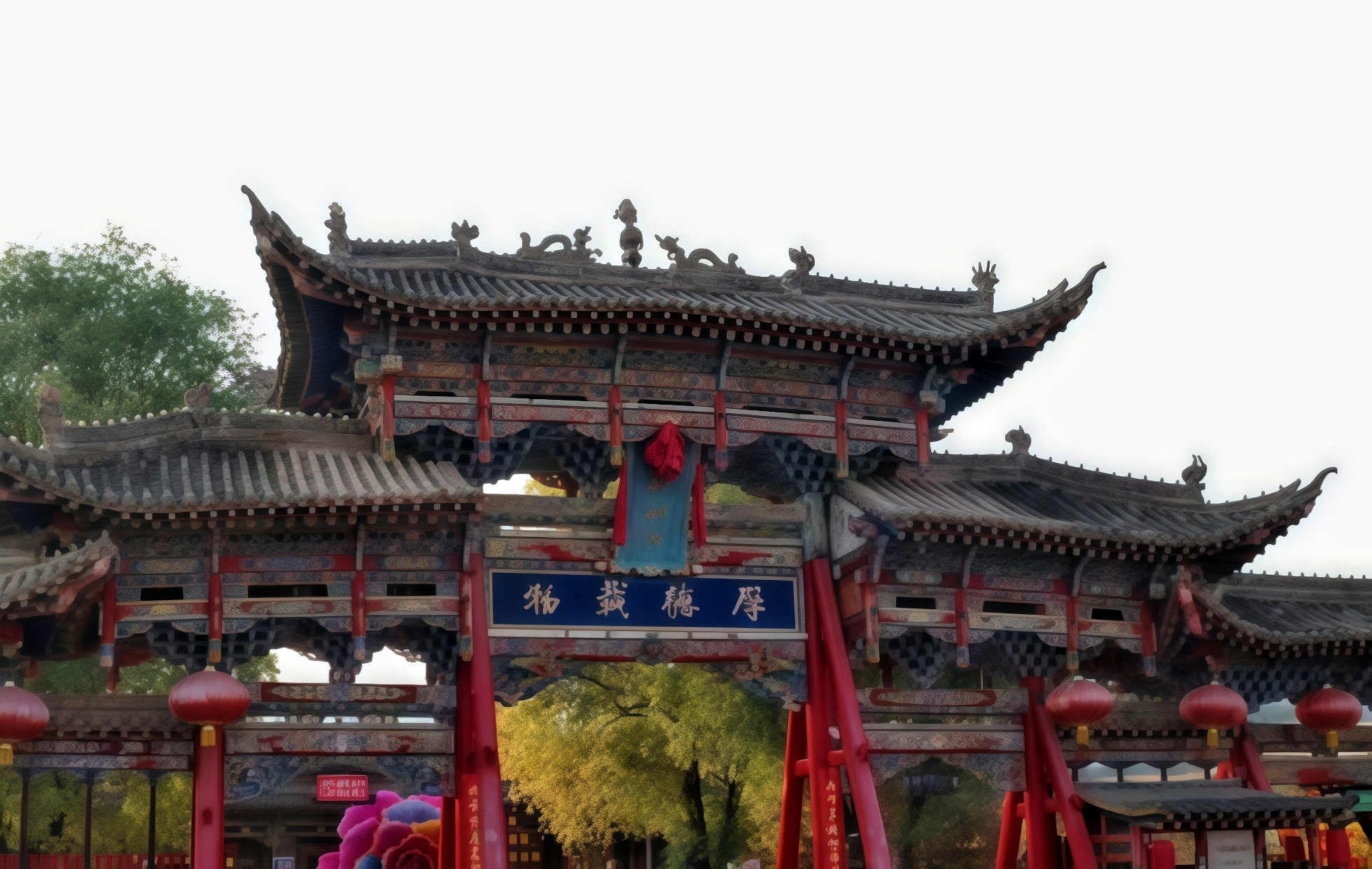
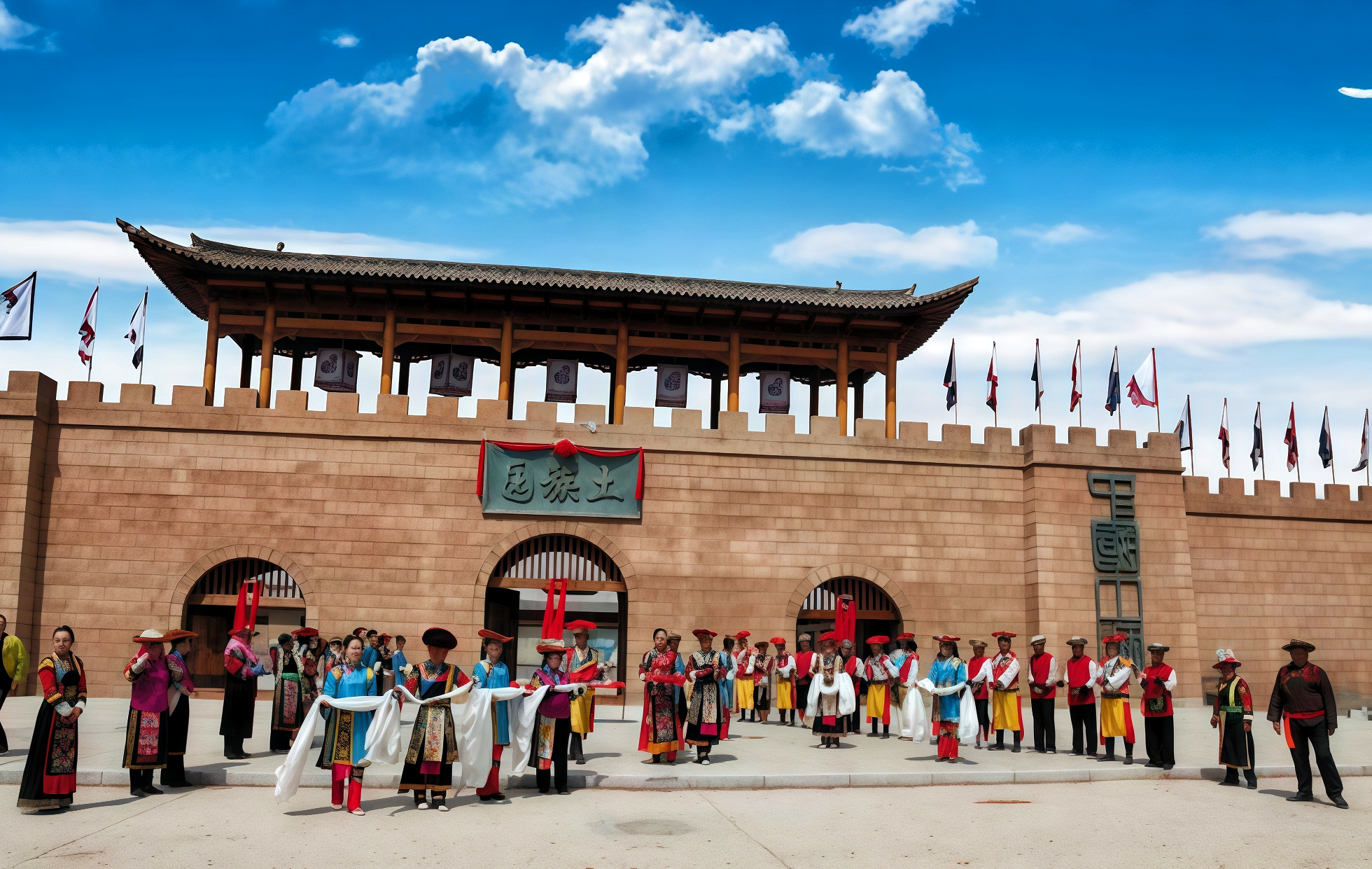
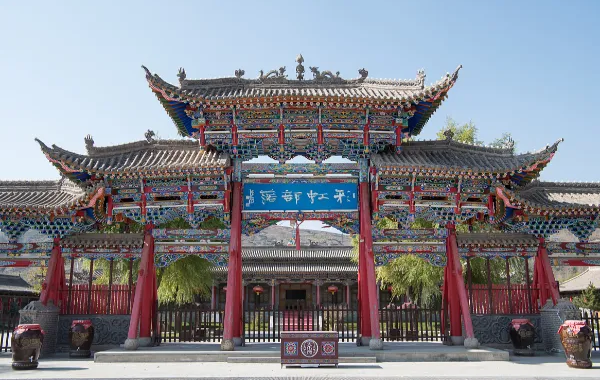
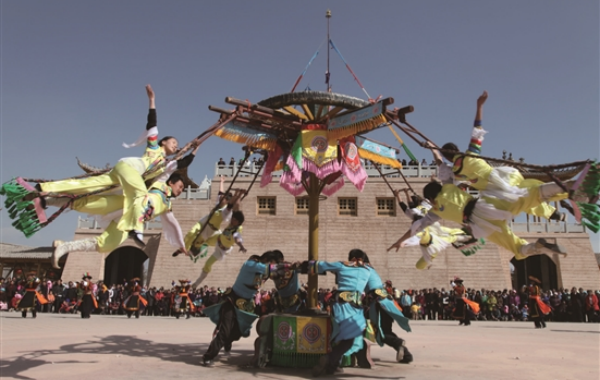
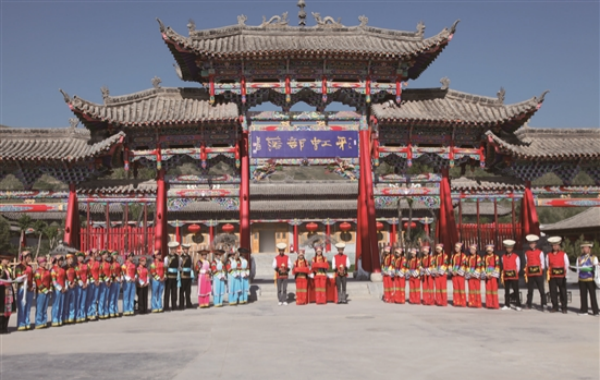
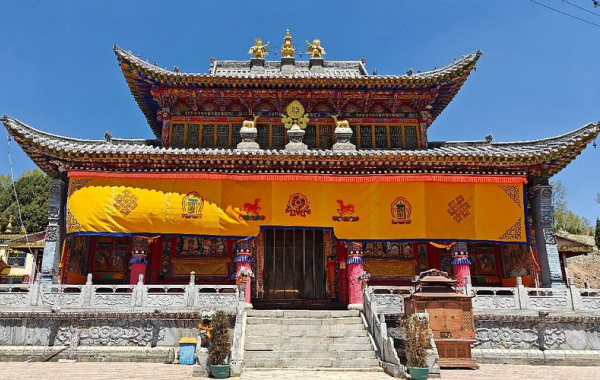
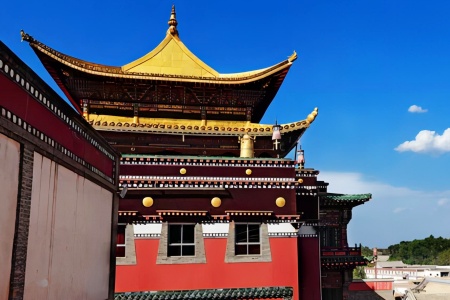
The Rainbow Tribe Tu Ethnic Park serves as the core attraction of the scenic area. Spanning 130,000 square meters, it is a large-scale theme park dedicated to Tu ethnic folklore and culture. Within the park stands a complex of ancient Tu-style buildings—constructed using age-old techniques such as blue brick and tile work, rammed earth and adobe, intricate brick carving, and wood carving—that transports visitors back in time, immersing them in the long river of Tu history. The park features a host of major historical structures, including the Shibadonggou Old Oil Mill, the Living Buddha Courtyard, Anzhao Square, the Tusi (Chieftain) Mansion, traditional Zhuangkuo courtyards, and a Center for the Preservation and Inheritance of Intangible Cultural Heritage. Additionally, the park offers experiential activities such as horseback riding and archery, and hosts year-round folk events—including traditional Tu wedding ceremonies and the thrilling "Wheel Swing" performances—while showcasing national-level intangible cultural heritage items, such as the intricate art of Tu Panxiu (coiled embroidery). The annual Rainbow Ice and Snow Cultural Tourism Festival held here features a rich array of activities, ranging from the spectacular "Iron Flower" sparks display and "Fire Pot" rituals to lively bonfire parties.
Xiaozhuang Tu Ethnic Folk Culture Village — "The Premier Village for Tu Folk Experiences"
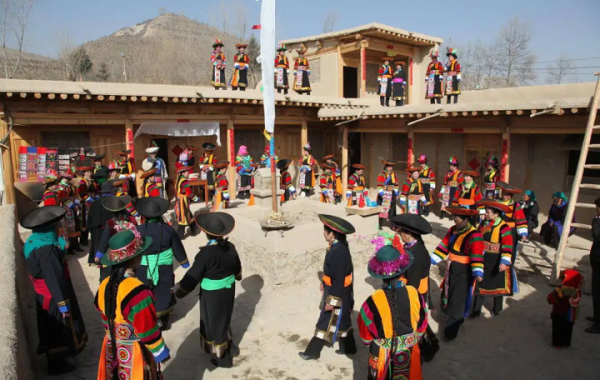
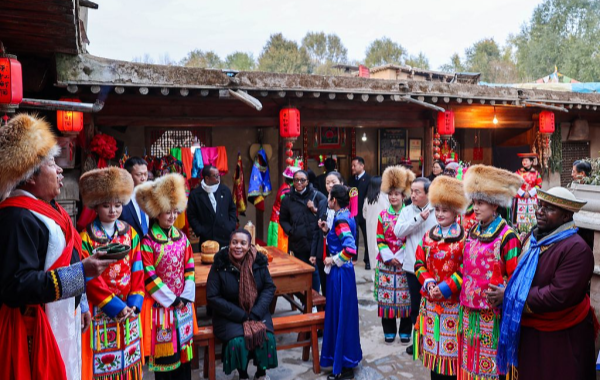
Xiaozhuang Village is a natural village inhabited almost exclusively by the Tu people, with the Tu population accounting for 98.2% of the total residents. Embodying the very essence of the Tu ethnic group, it has earned the title of "The Premier Village for Tu Folk Experiences." The village offers an authentic reflection of the Tu people's pristine lifestyle and culture, their traditional residential architecture, and their rich intangible cultural heritage. With Tu-centric folk tourism serving as its leading industry, the village has developed a comprehensive tourism program featuring home visits, traditional dining, wedding custom experiences, folk song and dance performances, tours of pastoral landscapes, and exhibitions of Tu traditional attire and handicrafts. It stands as the premier destination for visitors seeking to gain a deeper understanding of Tu ethnic folklore and culture.
Naduon Manor — Where the Fragrance of Highland Barley Wine Mingles with Folk Charm
Naduon Manor is a folk tourism attraction dedicated to comprehensively showcasing the unique folk customs of the Tu people alongside the rich cultural heritage of their traditional highland barley wine. Within the complex lies the Highland Barley Mingliu Liquor Culture Museum, which showcases the thousand-year-old liquor culture of the Qinghai-Tibet Plateau. There is also an underground cellar displaying the century-long tradition of burying and aging Mingliu liquor in Weiyuan. Additionally, the "Golden Flower" Performing Arts Center highlights the Tu people's national-level intangible cultural heritage—featuring Hua'er folk songs, traditional attire, Tu wedding ceremonies, and Panxiu (coil embroidery). This site serves as one of Qinghai Province's most concentrated and comprehensive platforms for showcasing the distinctive culture of the Tu people and fostering ethnic artistic exchange; it is also one of the province's most captivating destinations for folk culture tourism.
Western Tu Folk Culture Village — "China's Premier Tu Village"
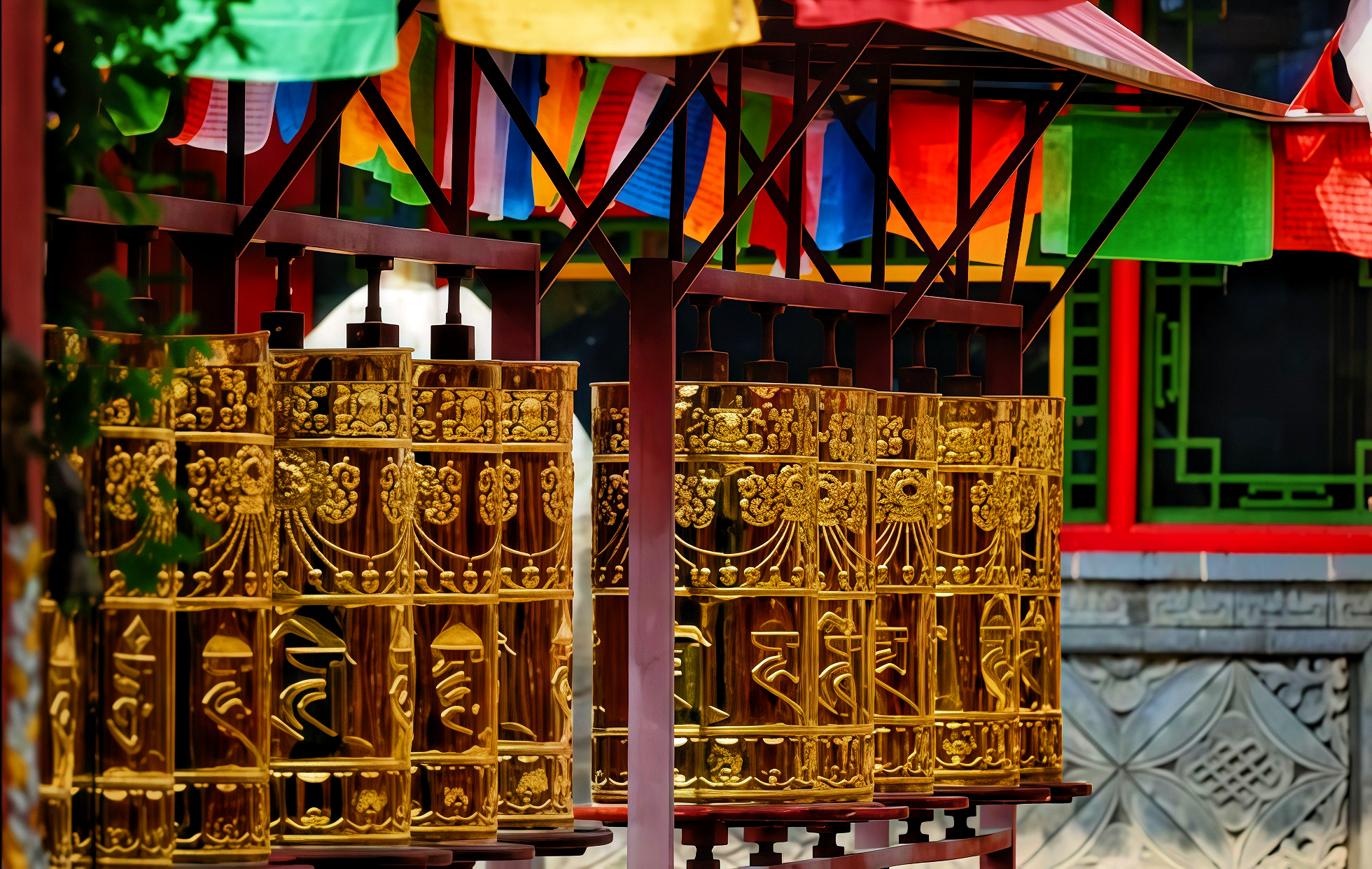
Spanning 20,000 square meters, the Western Tu Folk Culture Village is a grand cultural tourism destination that integrates Tu architectural styles, traditional attire, culinary arts, song and dance traditions, folk customs, and highland barley liquor culture. It is renowned as "China's Premier Tu Village." The site features the "World's Largest Mani Stone," weighing a staggering 88 tons. Carved into its surface are various Buddhist scriptures—including the Medicine Buddha Mantra and the Long-Life Buddha Mantra—while the base bears an engraving of the Six-Syllable Mantra of Avalokiteśvara Bodhisattva; the stone itself boasts a history spanning over 300 years. The village also includes a guesthouse modeled after a Ming Dynasty Tusi (local chieftain) mansion—featuring a traditional "three-courtyard" layout—as well as an ancient, primitive water-powered mill, a century-old oil press workshop, and a traditional Tu residence dating back to the Daoguang era of the Qing Dynasty.
Tianyoude: The Source of Chinese Highland Barley Liquor — A Highland Elixir Fragrant Through the Ages
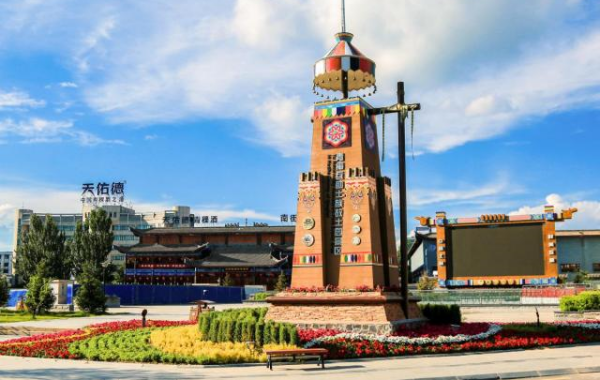
The Tianyoude "Source of Chinese Highland Barley Liquor" is the nation's largest production base for highland barley liquor, as well as a designated site for the protection of the liquor's geographical origin. Its brewing history traces back to the renowned Tianyoude Distillery established in Northwest China during the Hongwu era of the Ming Dynasty. Through guided tours and panoramic VR experiences, the scenic area offers visitors a firsthand look at the intricate brewing process and rich cultural heritage of highland barley liquor. This distinctive spirit is characterized by a mellow, sweet, and full-bodied profile, offering a unique palate experience that is smooth, crisp, harmoniously aromatic, and leaves a long, lingering aftertaste.
Tu People's "Cultural Treasures": Unmissable Intangible Cultural Heritage Experiences
The Huzhu Tu Ethnic Homeland Park embodies the cultural legacy accumulated by the Tu people over thousands of years. The following four highlights represent the essential experiences—must-see attractions and activities—for anyone wishing to immerse themselves in the vibrant culture of the Tu people.
The Lunzou (Wheel Swing)—A Thrilling Acrobatic Spectacle of Spinning Rainbows
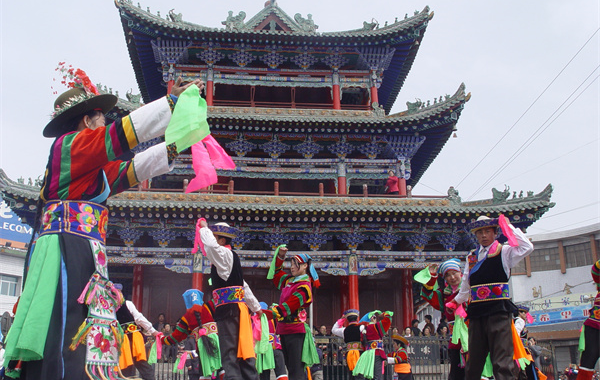
The Lunzou is a folk sport unique to the Tu people, and it has been designated a National-Level Intangible Cultural Heritage. Originally, it was a folk athletic pastime practiced by the Tu people during the agricultural off-season; after the harvest had been threshed, they would construct makeshift swings on the spot using wagon wheels and axles. Today, the Lunzou has evolved into a vital symbol of Tu culture. During performances, young Tu men and women—clad in vibrant, multicolored traditional attire—execute aerial flips and perform a variety of breathtaking stunts while spinning rapidly atop the wagon wheels. Performances that combine the Lunzou with the Anzhao dance seamlessly blend the thrilling acrobatics of this National Intangible Cultural Heritage with the graceful elegance of the Anzhao dance form. At every major festival or celebratory event, the Lunzou performance invariably stands out as the most captivating highlight.
Tu Weddings—An Oral and Experiential Folkloric Feast
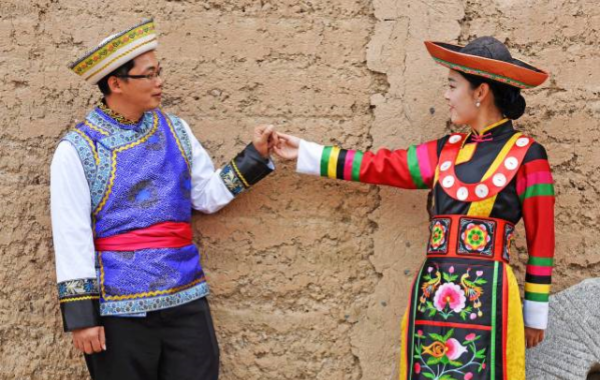
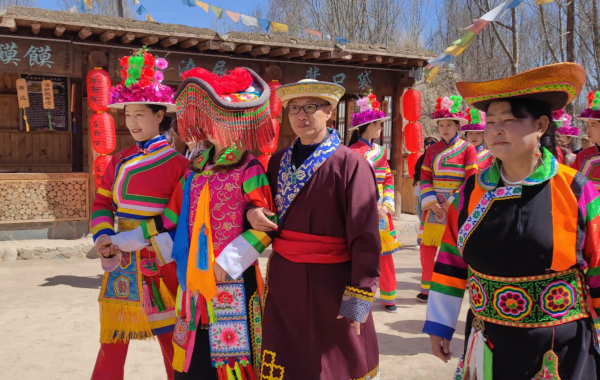
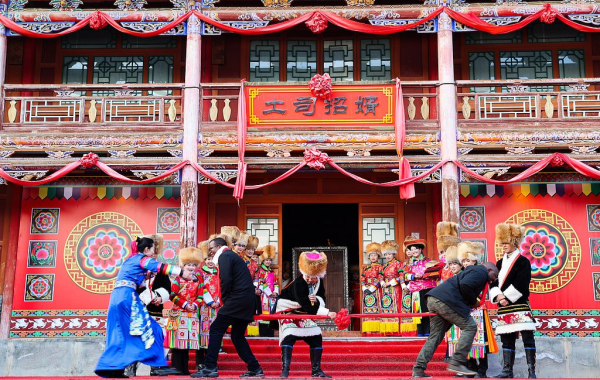
Tu wedding ceremonies feature nearly twenty distinct genres of oral performance and chant. The content of these recitations spans astronomy, geography, history, mythology, folktales, social etiquette, and the heroic deeds of ancestors, serving as a concentrated embodiment of the finest oral arts within Tu folk culture. In 2006, the Tu wedding ceremony was included in the first batch of the National-Level Intangible Cultural Heritage List. Within the park grounds, designated cultural inheritors perform daily reenactments of the Tu wedding ceremony for visitors. These performances attract a large number of participants, allowing visitors the unique opportunity to step into roles such as the bride, the groom, or members of the wedding procession. The entire Tu wedding process—from the initial matchmaking proposals and formal betrothal to the actual wedding day—is imbued with a profound sense of ritual and artistic flair, offering a vibrant, living feast of folk culture.
Tu Panxiu (Coiled Embroidery)—Three-Dimensional Rainbows on the Needle's Tip
Tu Panxiu (Coiled Embroidery) is one of the most representative embroidery techniques of the Qinghai region (Qingxiu). It constitutes an essential and highly distinctive component of traditional Tu attire. Creating Panxiu requires the simultaneous manipulation of two threads of the same color; utilizing a specialized stitching technique known as "coiling above and stitching below," the embroidery artist creates patterns that possess a three-dimensional, bas-relief-like effect. In 2006 and 2008, Tu Panxiu and traditional Tu attire were successively inscribed onto the National-Level Intangible Cultural Heritage List. Today, the ancient Tu people’s Panxiu (coil embroidery) technique is staging a remarkable comeback in the world of fashion. Under the nimble fingers of skilled embroiderers, this craft—passed down through a millennium—is now being stitched into suit lapels, woven into the hems of stylish skirts, and integrated into people's daily lives. At the Panxiu Exhibition Hall within the scenic area, visitors can witness firsthand as embroiderers create traditional motifs—such as the "sunflower"—stitch by meticulous stitch, gaining a deep appreciation for the exquisite mastery of this ancient art form.
The Anzhao Dance and the Nadon Festival—A Celebration of Harvest Through Song and Dance
The Anzhao dance is one of the oldest traditional dances of the Tu people; through graceful movements, it expresses prayers for a bountiful harvest and gratitude toward the natural world. The Nadon Festival is a traditional folk event through which the Tu people celebrate the harvest season. Accompanied by the rhythmic beat of gongs and drums and the fluttering of colorful banners, the shifting formations of the dancers evoke the vivid imagery of an ancient battlefield—a scene of clashing arms and thundering hooves. Every August, the "Qinghai Tu People’s Anzhao & Nadon Festival" is held in Huzhu County. The event serves as a centralized showcase for various cultural performances—including Qinqiang Opera, shadow puppetry, Tu folk songs (Hua'er), and the recitation of the epic narrative poem Qijia Yanxi—while also offering visitors the opportunity to tour and experience the production bases for Qingxiu (Qinghai embroidery/Panxiu). This festival has become a vital platform for fostering the integration of culture and tourism, as well as promoting ethnic unity, within Qinghai Province.
> Photography Tips: The complex of ancient buildings—featuring green bricks and tiles—at the "Rainbow Tribe" Tu Cultural Park looks most rustic and elegant under the morning sunlight; shooting between 9:00 AM and 11:00 AM is recommended. The Lunziqiu (Spinning Wheel) performance offers excellent subject matter for capturing dynamic action shots; using a high-speed continuous shooting mode is advised. Tu traditional attire is brilliantly colorful and creates stunning images when set against a backdrop of blue skies and white clouds. The traditional Tu residences in Xiaozhuang Village are bathed in soft, gentle light during the late afternoon/early evening, making them ideal subjects for capturing human-interest and cultural photography.