Rebgong: A Millennial Artistic Pilgrimage to the Golden Valley

Rebgong: A Millennial Artistic Pilgrimage to the Golden Valley

Overview: A Living Sanctuary of Tibetan Culture

Rebgong (meaning "The Golden Valley Where Dreams Come True" in Tibetan) is a mystical enclave situated within the Longwu River Valley in Tongren City, Huangnan Tibetan Autonomous Prefecture, Qinghai Province, covering a total area of 3,275 square kilometers.

Core Highlights at a Glance

Identity Tags: Birthplace of the Intangible Cultural Heritage "Rebgong Art" / A Living Museum of Tibetan Buddhist Art

Core Experiences: Thangka painting workshops, Pilgrimage to Longwu Monastery, Visits to art villages, Witnessing the "June Festival" (seasonal)

Suggested Duration: 2–3 days; it is recommended to stay at least two nights to fully immerse yourself in the artistic atmosphere and local Tibetan way of life.

Location: Tongren City, Huangnan Tibetan Autonomous Prefecture, Qinghai Province

  • Rebgong: A Millennial Artistic Pilgrimage to the Golden Valley-1
  • Rebgong: A Millennial Artistic Pilgrimage to the Golden Valley-2
  • Rebgong: A Millennial Artistic Pilgrimage to the Golden Valley-3
  • Rebgong: A Millennial Artistic Pilgrimage to the Golden Valley-4

Origins: The Legend of the Divine Brush and a Millennial Artistic Lineage

Furong Ancient Town Furong Ancient Town Furong Ancient Town Furong Ancient Town

The Name of Gold—The Legend of the Divine Eagle and the Brush

The name "Rebgong" carries with it a beautiful legend from the high plateau. According to the tale, long ago, this land was barren and desolate, and the people lived in dire poverty. Moved by compassion, the deities in the heavens dispatched a divine eagle, clutching a "Divine Brush" in its beak, to fly down to this realm and cast the brush upon the earth. Those who discovered the Divine Brush subsequently made their living through painting, and from that moment on, the land was imbued with vibrant colors and blessed with a life of abundance. Thus, the name "Rebgong"—"The Golden Valley Where Dreams Come True"—was born. This legend serves as a poetic portrayal of how deeply Regong Art is interwoven with the lives of the common people: here, art has never been the exclusive domain of a privileged few, but rather an integral part of every ordinary person's daily existence.

A Thousand-Year Cultural Lineage—From the Rise of Monasteries to World Intangible Cultural Heritage Status

The modern saga of Regong is a grand epic chronicling the journey of Tibetan Buddhist art as it emerged from the valleys and stepped onto the global stage:

- The Eastern Spread of Buddhism (13th Century): Phags-pa, the Imperial Preceptor of the Yuan Dynasty, dispatched missionary delegations to the Tongren region. Accompanying them were Tibetan painters who introduced their exquisite Buddhist painting techniques to Regong, thereby sowing the seeds of this artistic tradition.

- The Flourishing of Longwu Monastery (14th–15th Centuries): With the completion of Longwu Monastery, Regong emerged as a regional hub for the dissemination of Buddhism. Monastic and lay artists alike engaged in the large-scale creation of murals and Buddhist sculptures, gradually giving definitive form to the Regong Art style.

- Ethnic Integration (Ming and Qing Dynasties): The implementation of Tuntian (military-agricultural colony) policies brought an influx of migrants from the Jiangnan region. Han Chinese artisans and Tibetan painters worked side by side, learning from one another; here, the artistic styles of the Central Plains converged with those of the Tibetan plateau. To this day, the name of "Painter Liang Dazhi" can still be found inscribed on the Stele of the Great Ming Royal Court Ceremony at Nendu Monastery.

- Global Recognition (2006–2009): Regong Art was included in China's first national list of Intangible Cultural Heritage. In 2009, it was officially inscribed on the UNESCO Representative List of the Intangible Cultural Heritage of Humanity, thereby making its transition from a "Golden Valley" to the global stage.

> Dive Deeper: Explore More Journeys into China's Intangible Cultural Heritage >>[Hailuogou Glacier][Bipeng Valley]

Must-See Wonders: A Duet of Divine Artistry and Spiritual Nature

Furong Ancient Town Furong Ancient Town Furong Ancient Town Furong Ancient Town

Humanistic Craftsmanship—Faith and Color Flowing from the Fingertips

At the heart of Regong's cultural landscape lies "Art"—a comprehensive aesthetic practice that permeates every aspect of faith, daily life, and architecture.

Regong Art: The Pinnacle of Tibetan Buddhist Aesthetics

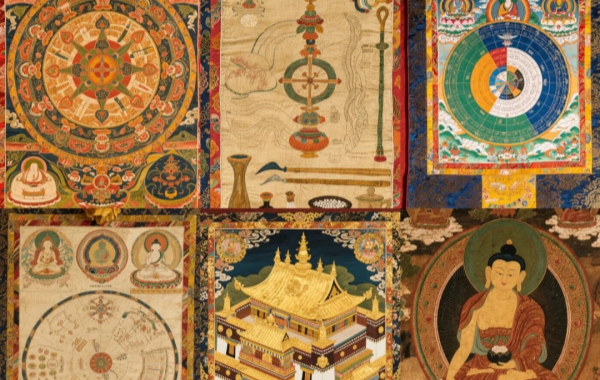
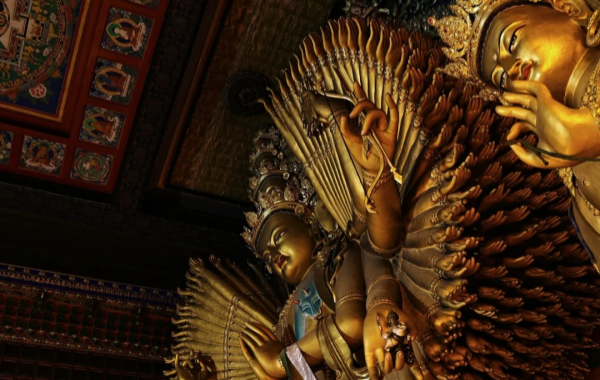
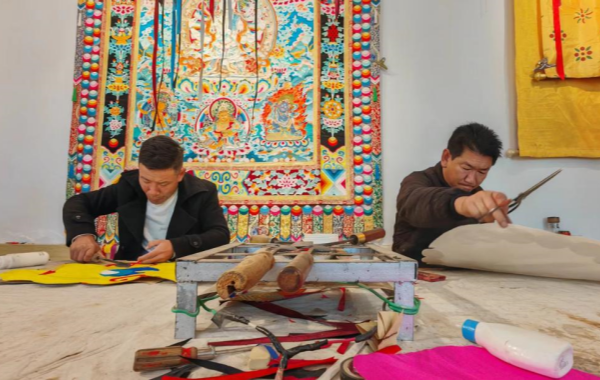
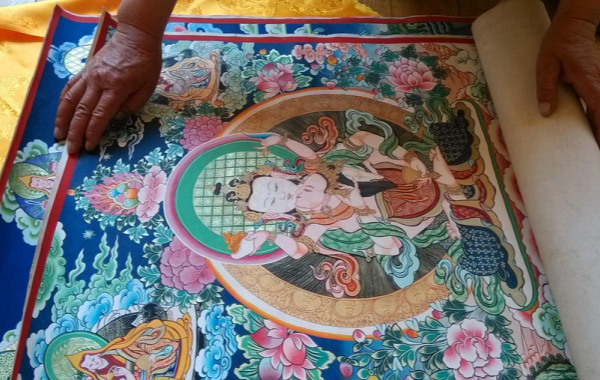
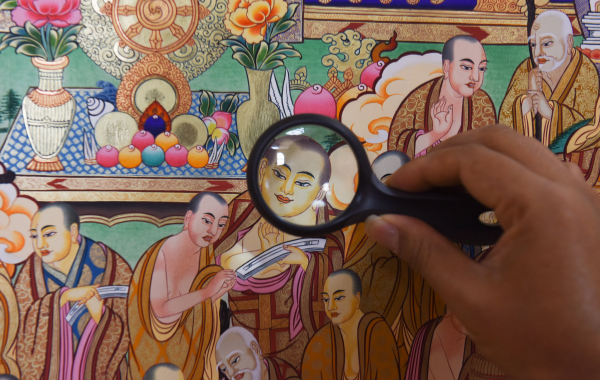
Regong Art encompasses a diverse array of visual art forms, including Thangka painting, murals, Dui Xiu (appliqué embroidery), sculpture, architectural polychromy, sand mandalas, and butter sculptures. It draws primarily upon Jataka tales (stories of the Buddha's previous lives) from Tibetan Buddhism, historical figures, and mythological legends, while simultaneously infusing them with the vibrant spirit of everyday secular life. The most representative manifestation of this tradition is the Thangka—a painted scroll on cloth, typically framed with colorful silk brocade—which, due to its portability and ease of display, has served as a vital medium for the dissemination of Tibetan Buddhism.

- Artistic Characteristics: Regong Thangka is renowned for its exquisite use of gold lines, creating a visually opulent and majestic effect. Its dyeing techniques are unique, producing colors that are vivid yet harmonious. Evolving over centuries, Regong art has developed a diverse range of styles, spanning from the rustic and grand to the intricate and magnificent; since the 19th century, the extensive use of gold has become a hallmark, endowing the artworks with a dazzling, resplendent brilliance.

- Living Heritage: In the villages of Wutun and Nianduhu, the adage "every family has a painter, every household creates Thangkas" is not mere rhetoric, but a tangible reality of daily life. Nine out of ten men possess the skills to wield both brush and carving knife; it is through this "grassroots" mode of transmission that Regong art continues to thrive and endure.

- Visitor Recommendations: The Regong Art Museum serves as the ideal starting point for gaining a comprehensive understanding of Regong art. The museum houses a curated collection of masterpieces—including Thangkas, murals, appliqué embroidery (Dui Xiu), and sculptures—all characterized by their vivid colors and meticulous craftsmanship.

Longwu Monastery: The Spiritual Center of the Gelug School in Southern Qinghai

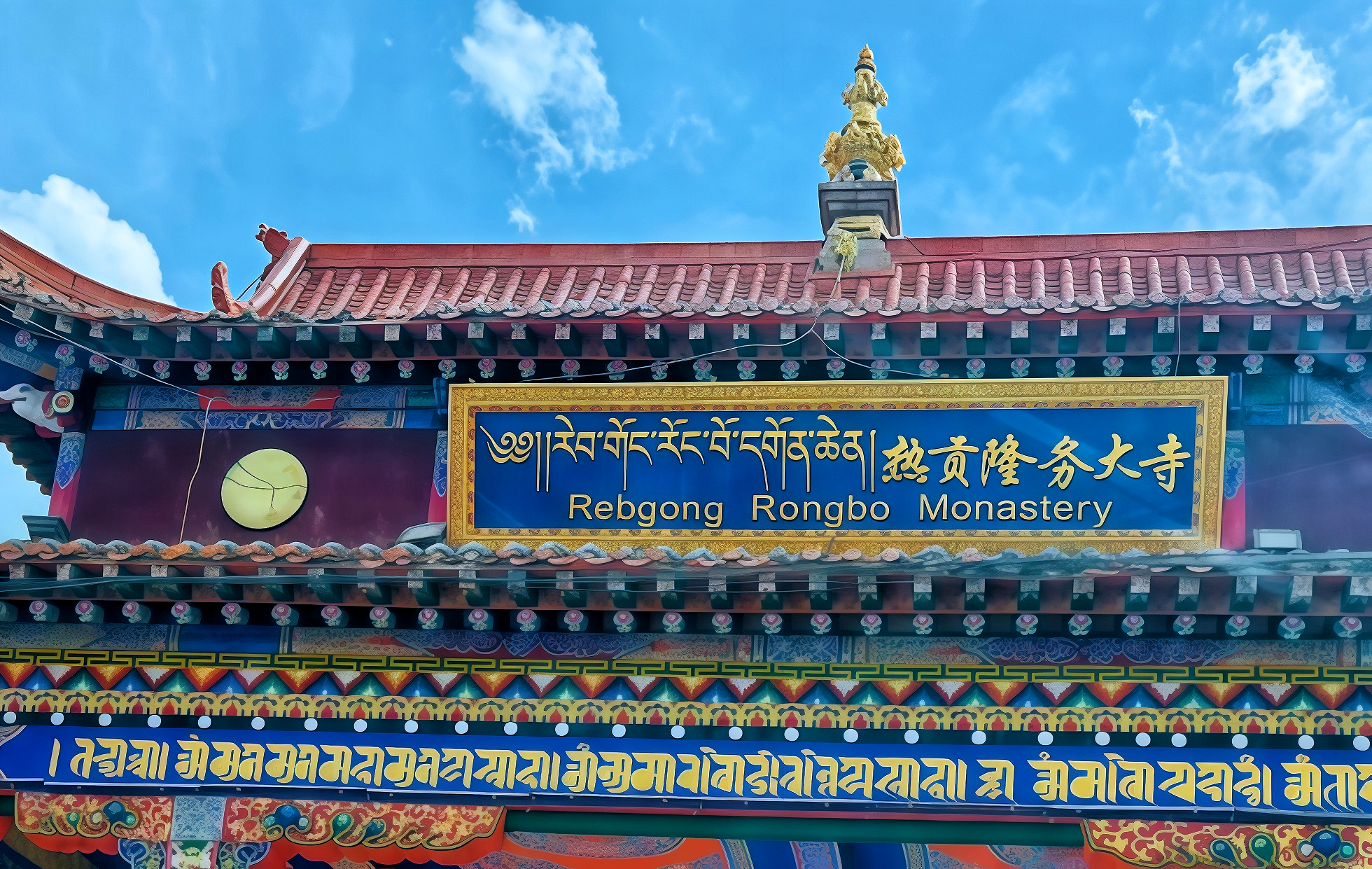
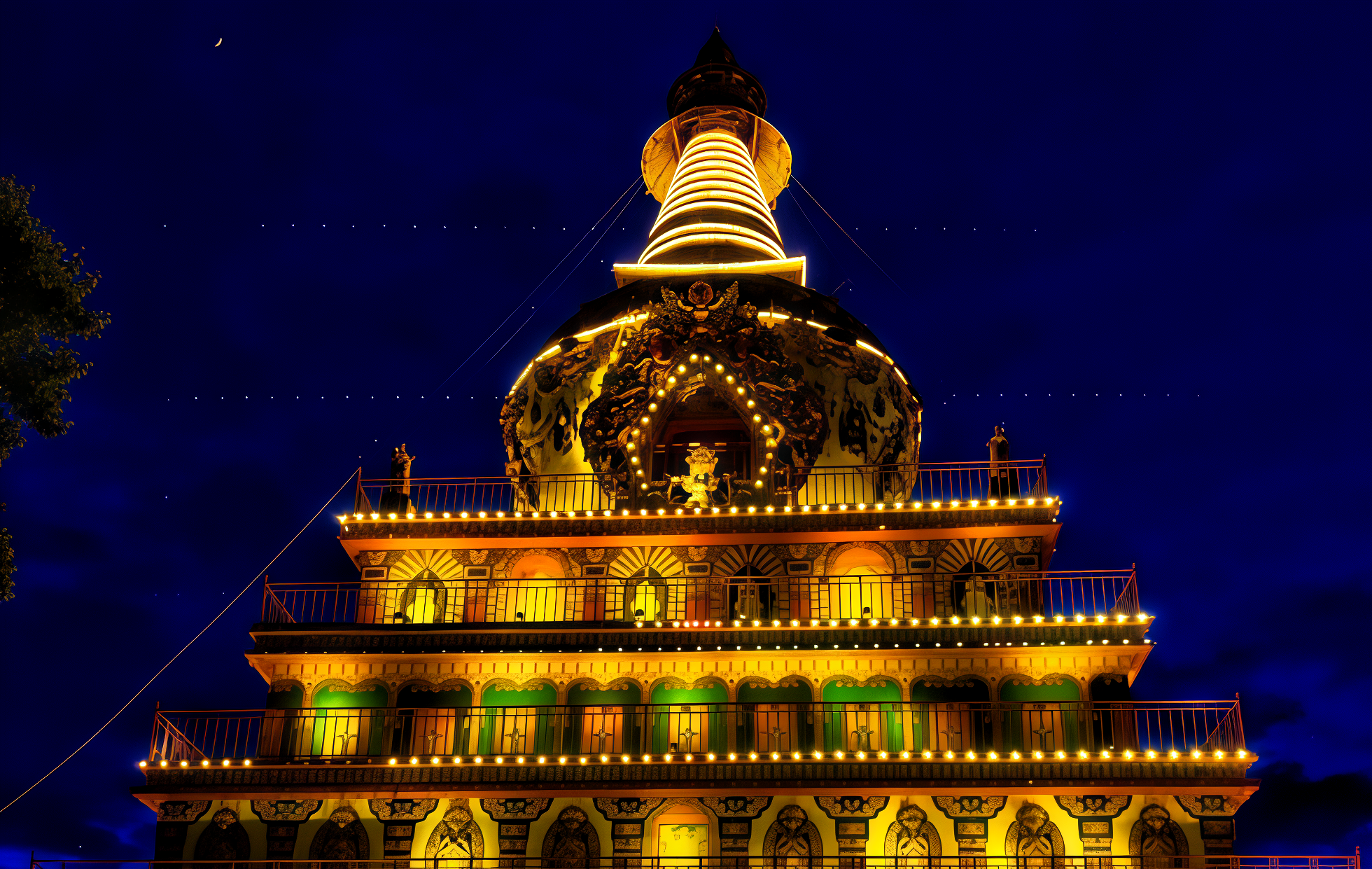
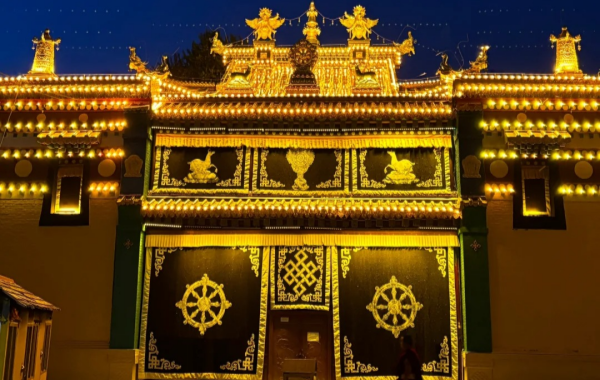
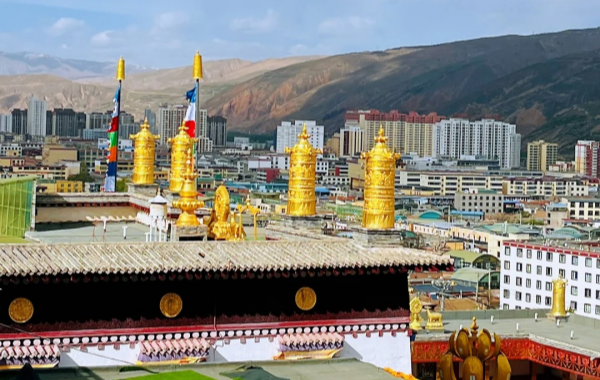
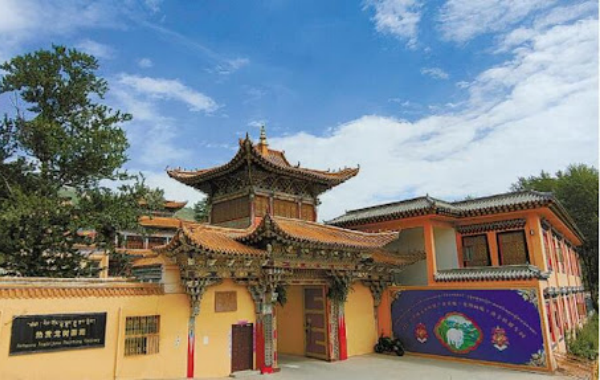
Longwu Monastery—known in Tibetan by its full name, Longwu Deqin Qiongkeer Lin (meaning "The Isle of the Great Wheel of Joy at Longwu")—was originally established in 1301. It stands as one of the oldest Tibetan Buddhist monasteries in Qinghai Province and remains the largest Gelug school monastery in the southern Qinghai region. The entire complex spans an area of ​​380 mu (approximately 25 hectares) and comprises three major colleges: the College of Exoteric Buddhism, the College of Esoteric Buddhism, and the College of the Kalachakra (Shilun). Longwu Monastery is far more than just a religious sanctuary; it is a magnificent architectural complex that seamlessly integrates architecture, sculpture, and painting—indeed, it is the very birthplace of Regong art.

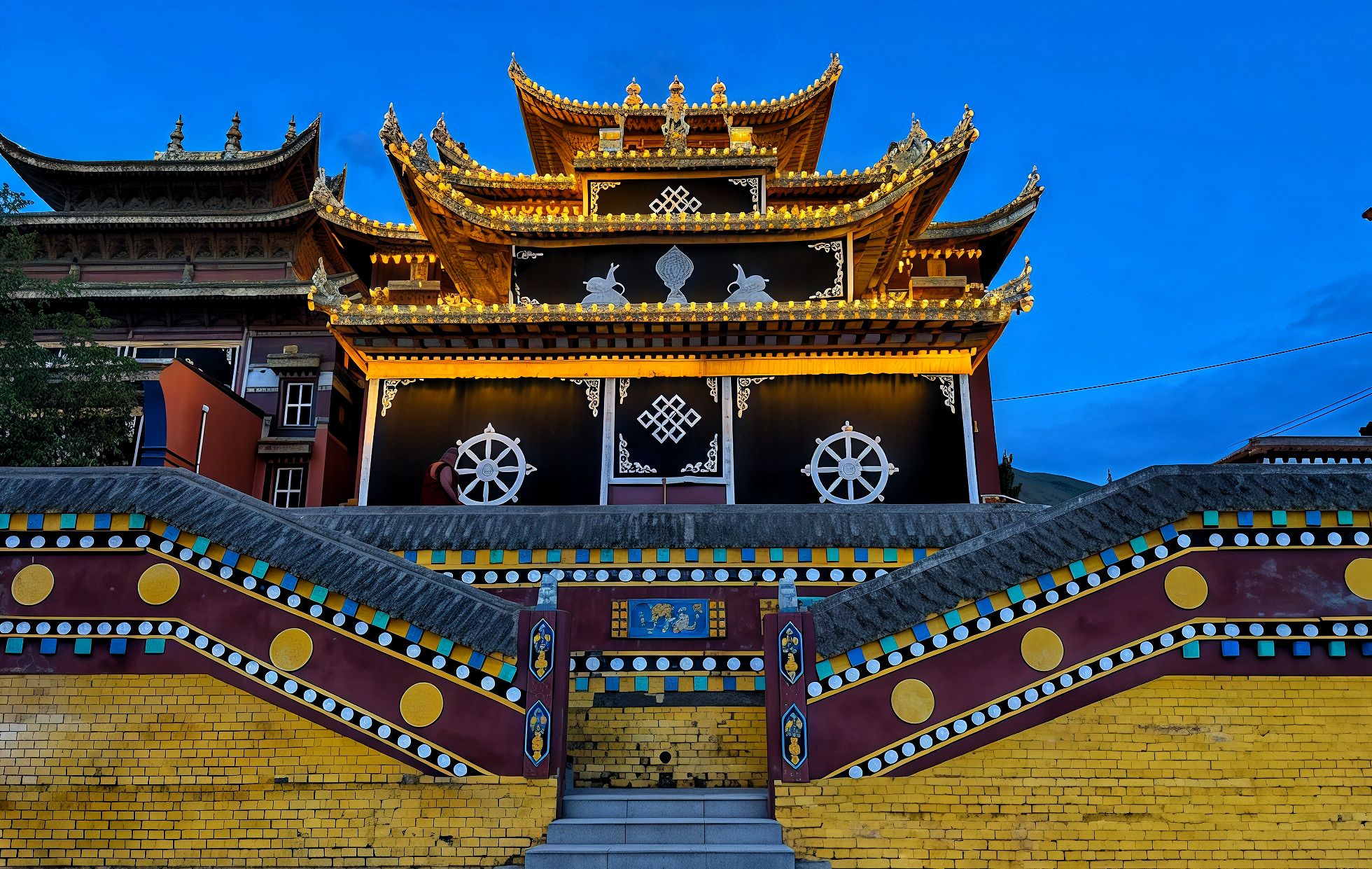
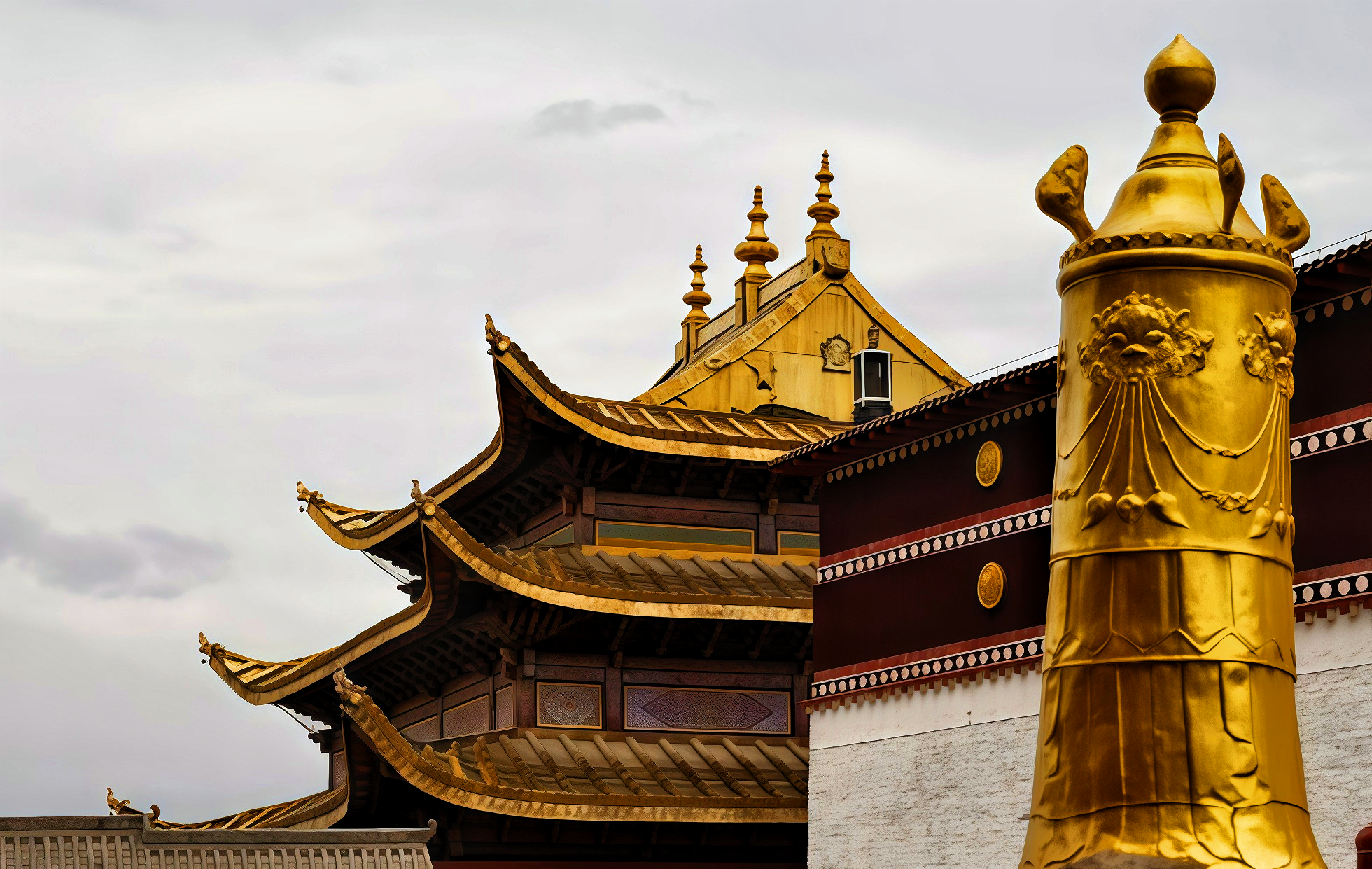
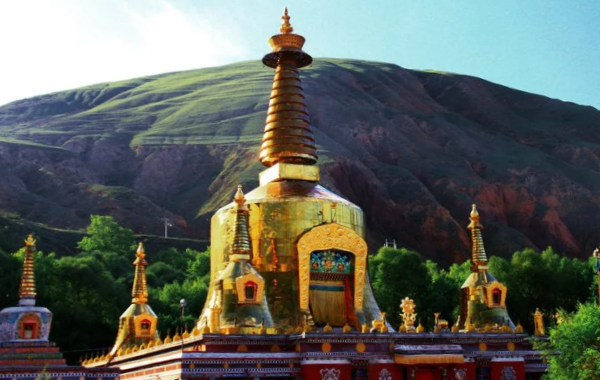
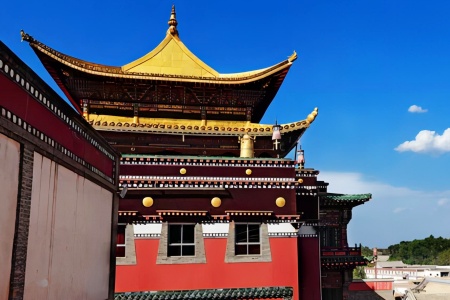
- Architectural Beauty: The monastery's halls and temples are grand in scale, with gilded finials atop the roofs shimmering brilliantly beneath the high-altitude sunlight. The assembly halls (Jingtang) feature an architectural style that harmoniously blends traditional Tibetan bracket-and-beam structures with the distinct craftsmanship traditions of the Hezhou region, resulting in a design that is both solemn in form and lavish in ornamentation. In the fifth year of the Tianqi reign (1625) of the Ming Dynasty, the Ming Emperor bestowed a plaque inscribed with the characters "Sacred Realm of the Western Regions," which was subsequently hung above the entrance to the Sutra Hall.

- Monastic Complex: The affiliated monasteries of Longwu Temple include Upper Wutun Temple, Lower Wutun Temple, Niandu'hu Temple, and Guomari Temple. All five sites are designated as Major Historical and Cultural Sites Protected at the National Level, collectively forming the most spectacular complex of Tibetan Buddhist monasteries within the Longwu River basin. Among them, Lower Wutun Temple boasts a history spanning over 600 years; it houses numerous halls and enshrines a vast collection of masterpieces of Regong art.

Art Villages: A Realm of Artisans—"One Village, One Specialty"

Distributed along the banks of the Longwu River, the villages of Wutun, Niandu'hu, Gashari, and Guomari constitute the core creative community of Regong art. They have established a distinctive pattern of "One Village, One Specialty": Wutun Village focuses primarily on Thangka painting, while also engaging in sculpture and Dui Xiu (appliqué embroidery); Niandu'hu Village specializes in Dui Xiu, alongside sculpture, Thangka painting, and murals; and Gashari and Guomari Villages concentrate mainly on the creation of Thangkas and murals.

- Wutun Village: Hailed as the core zone of the "Hometown of Chinese Thangka Art," the majority of households in this village are engaged in the production of Regong art. One need only push open the door of any farmhouse to catch a glimpse of artists deeply immersed in the meticulous work of sketching and outlining. The village's Upper and Lower Wutun Temples house extensive collections of Regong art masterpieces.

- Niandu'hu Village: The central hub for the preservation and transmission of the intangible cultural heritage of Dui Xiu (appliqué embroidery), where approximately 70% of the villagers have mastered this traditional craft. Dui Xiu is a unique technique that combines embroidery with appliqué; it is characterized by its vibrant colors and strong three-dimensional effect.

Longwu Ancient City and Guomari Ancient Fort

Longwu Ancient City serves as the core district of a National-Level Famous Historical and Cultural City. Situated to the east of Longwu Temple, it ranks among the best-preserved ancient urban areas in Qinghai Province. During the Qianlong reign of the Qing Dynasty, the Living Buddha of Longwu Temple allocated land and invited merchants from the Hui, Han, and Salar ethnic groups to establish businesses there, a process that gradually gave rise to Longwu Old Street—a bustling thoroughfare where merchants and traders congregated. Strolling through the old streets, the bluestone-paved paths feel both rustic and profound; within the shops, the languages ​​of various ethnic groups interweave, vividly illustrating the "unity in diversity" that characterizes the culture of Regong.

The Guomari Ancient Fort is another historical site not to be missed. Designated a Major Historical and Cultural Site Protected at the National Level in 2013, this ancient fortress is situated in Guomari Village, Nianduohu Township. Nestled between mountains and water, it retains its original architectural layout and structural integrity to this day.

> Photography Tips:

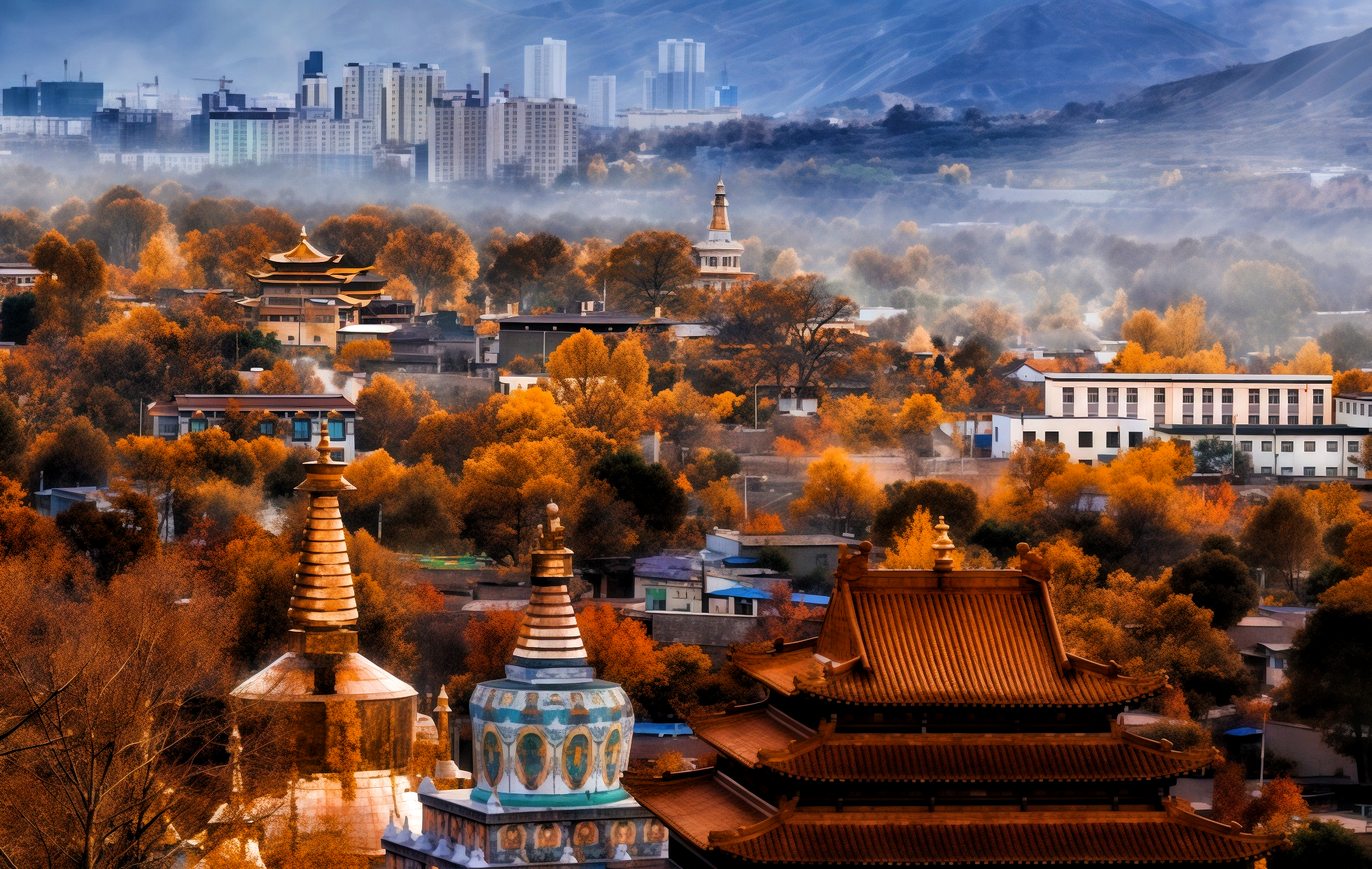
The best vantage point for a panoramic view of Longwu Monastery is Regong Bridge, offering a sweeping vista that encompasses both the monastery's golden roofs and the entire Longwu River Valley.

For close-up details of the Thangka painting process, it is best to shoot inside art academies or workshops; be sure to utilize natural light to avoid glare and reflections.

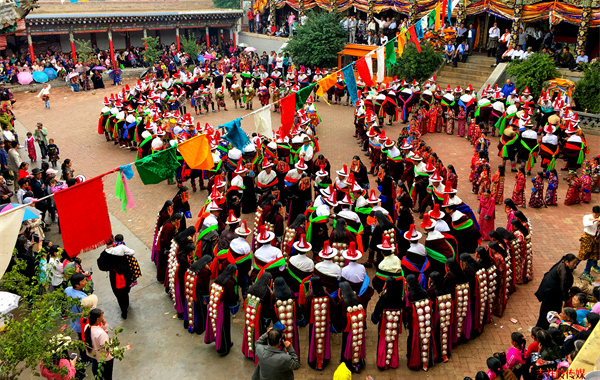
During the "June Festival" (Liuyuehui), the dance formations and crowds clad in festive attire make for excellent subjects for cultural photography; a medium-to-long telephoto lens is recommended to capture the nuances of people's facial expressions.

The Danxia landforms at Shuangpengxi are best photographed during the hour following sunrise or the hour preceding sunset, when the ochre-red rock faces reveal their distinct layers under the soft, oblique light.

Nature's Masterpiece: The Grace and Grandeur of the Longwu River Valley

The natural beauty of Regong stems from the life-giving nourishment of the Longwu River and the bountiful blessings of the Qinghai-Tibet Plateau.

The Longwu River: The Mother River of the Golden Valley

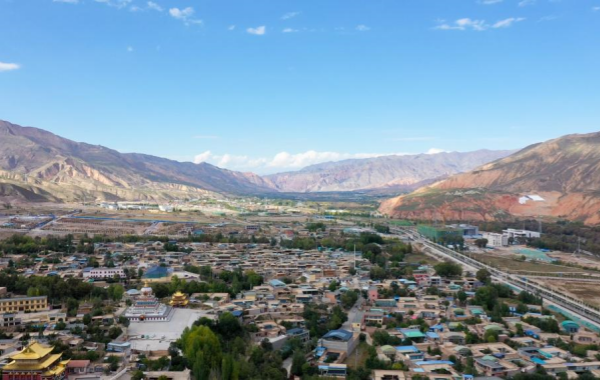
The Longwu River is a primary tributary of the Yellow River. Known in Tibetan as "Longwu Gechu," its name translates to "the river formed by the convergence of nine streams." Originating in the Ruoqia Mountain range of Zeku County—at an elevation of nearly 4,000 meters—the river carves its way from south to north through the Longwu Gorge. After flowing for a total distance of 144.3 kilometers, it eventually merges with the Yellow River. It is this very river—and the alluvial plains it has sculpted—that has nurtured a brilliant agrarian civilization and the renowned culture of Regong. As you drive along the banks of the Longwu River, the valley opens up to reveal expansive farmlands and scattered villages; whether the fields are a vibrant green with sprouting highland barley in spring, or a sea of ​​golden wheat in autumn, the scenery offers a unique charm in every season.

The Geographic Tapestry of the Rebkong Valley

Tongren is situated within the transitional zone between the Qinghai-Tibet Plateau and the Loess Plateau. Its terrain is characterized by undulating mountains interspersed with river valleys; the topography slopes from high in the south to low in the north, ranging from a maximum elevation of 4,767 meters to a minimum of 2,160 meters—a relative elevation difference of 2,607 meters. From the vantage point of the Rebkong Bridge, a panoramic view unfolds: river valleys and plains, low-lying hills and ravines, mid-to-high mountain peaks, and alpine pastures appear in succession, resembling a three-dimensional geographic masterpiece. The towering peaks of Mount Xiaqiong and Mount Amidehelong stretch across the landscape from north to south; amidst swirling mists and clouds, azure lakes shimmer and sparkle, serving as a natural sanctuary for wildlife.

The Danxia Landforms of Shuangpengxi

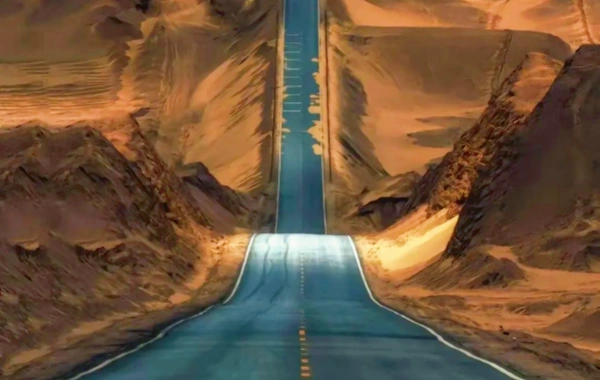
Located in Shuangpengxi Village, the Danxia landforms represent the crowning jewel of Rebkong’s natural scenery. Shaped by hundreds of millions of years of wind erosion and water sculpting, the peculiar rock formations include a mountain peak that bears a striking resemblance to a giant camel—complete with a distinct nose and eyes, appearing remarkably lifelike. Under the intense sunlight of the plateau, the ochre-red rock faces take on a rich, textured quality akin to an oil painting; set against the backdrop of a blue sky, emerald waters, and the golden hues of the river valley, this site is a hidden paradise for photography enthusiasts.

Core Experiences: An Immersive Guide to Tibetan Cultural Pilgrimage

Furong Ancient Town Furong Ancient Town Furong Ancient Town

Five Must-Do Activities to Unlock the Complete Rebkong Journey

1. Hand-Paint Your Own Thangka

- Locations: Sangjie Thangka Art Academy; various Thangka workshops in Wutun Village.

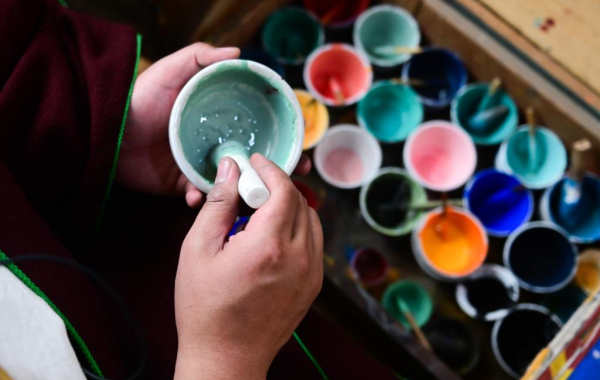
- Experience: Under the guidance of professional artists, learn the fundamental techniques of Thangka painting—from stretching the canvas and outlining the design to filling in the colors—and personally complete a small-scale Thangka artwork. The Sangjie Thangka Art Academy offers specialized "Intangible Cultural Heritage" experience programs, allowing visitors to participate in the painting process and take their finished pieces home as unique souvenirs.

- Tip: It is recommended to set aside 2–3 hours for this activity. Since Thangka pigments are typically ground from natural minerals, please take care to protect your clothing.

2. Attend the Millennial Rituals of the "June Festival"

- Time: Annually, from the 17th to the 25th day of the sixth lunar month.

- Location: 22 Tibetan and Tu ethnic villages within the Longwu River basin.

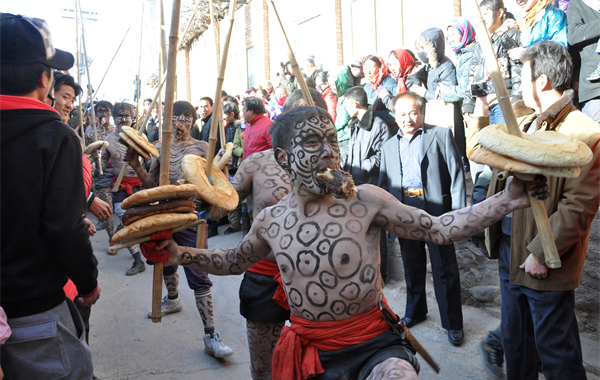
- Experience: The "Regong June Festival" is a grand ritual performance event widely celebrated among the local Tibetan and Tu communities. With a history spanning over 1,400 years, it was designated as one of China's first batches of National Intangible Cultural Heritage in 2006. The festival seamlessly blends rituals, celebrations, song and dance, and folk theatrical performances; its unique methods of deity worship are unparalleled throughout the entire Tibetan region. Three major dances—"Lashize" (Spirit Dance), "Leshize" (Dragon Dance), and "Moheze" (Military Dance)—are performed in different villages, each showcasing its own distinct style.

- Tips: The specific dates for the festival vary from village to village; it is recommended to check the current year's schedule in advance. When taking photographs, please respect local customs and refrain from using flash photography during ritual ceremonies without permission.

3. Experience the Morning Bells and Evening Drums of Longwu Monastery

- Experience: In the early morning, join the pilgrims on their kora (circumambulation) around the monastery, immersing yourself in the daily rhythm of Tibetan Buddhism amidst the rising smoke of sang (incense burning) and the chanting of sutras. At sunset, stand in the square in front of Longwu Monastery and quietly observe the golden rooftops as they shimmer and shift in color under the fading light of the setting sun.

- Cultural Highlights: Longwu Monastery houses three major colleges—Exoteric Buddhism, Esoteric Buddhism, and the Kalachakra (Wheel of Time) tradition. Visitors can tour the debate courtyard, the Grand Sutra Hall, and the various Buddha Halls to admire the exquisite masterpieces of Regong Art preserved within the monastery.

- Tips: Admission is approximately 60 RMB per person. Opening hours are from 8:00 AM to 6:00 PM. When entering the main halls, visitors are required to remove their shoes and hats; please refrain from pointing your fingers directly at the Buddha statues.

4. Wander Through the Ancient City of Longwu and Its Artistic Villages

- Longwu Old Street: Stroll along this ancient street paved with blue flagstones and soak up the vibrant, everyday atmosphere—a lively blend of cultures where Han, Tibetan, Hui, Tu, Salar, and other ethnic groups coexist. Push open a slightly ajar courtyard gate, and you may find a warm-hearted host inviting you in to share a cup of steaming Aochá (boiled tea), accompanied by freshly baked momo (flatbread). - Wutun Village and Niandu'hu Village: Visit artists' workshops to observe—up close—the intricate processes of Thangka painting and Dui(appliqué embroidery). Many workshops feature exhibition areas where you can admire and purchase Regong artworks.

- Tip: We recommend allocating half a day to a full day for this visit, traveling between the various villages on foot or by private charter vehicle. Please be sure to obtain permission before entering any private art studios.

5. A Panoramic View of the Longwu River Valley’s Natural Tapestry

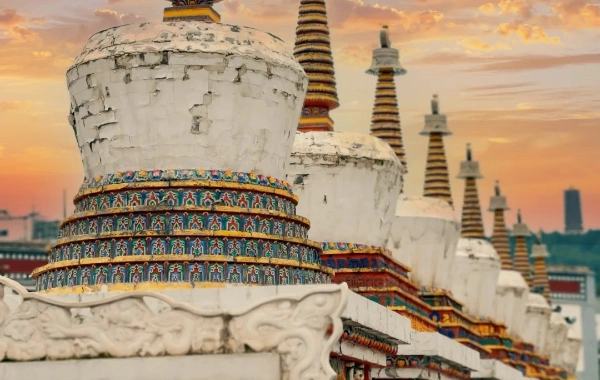
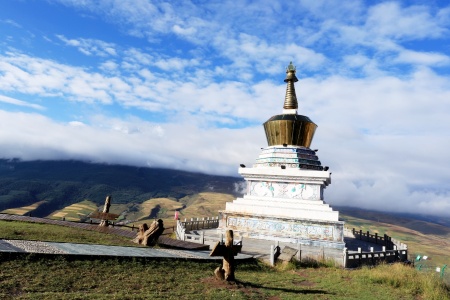
- Self-Driving Route: Head south from Tongren city center along the Asai Road. The route passes through Bao'an Town and Shuangpengxi Village before continuing toward Zeku; the Longwu River winds alongside you throughout the journey, offering a constantly shifting landscape of Danxia landforms, river valley farmlands, and traditional Tibetan villages dotted with white stupas.

- Natural Highlights: "Camel Peak" within the Shuangpengxi Danxia landform area; the confluence of the Yellow River at the mouth of the Longwu Gorge; and the high-altitude pastures nestled beneath Mount Xiaqiong.

- Tip: Weather conditions on the plateau can change rapidly, so it is advisable to pack a windproof jacket and sun protection gear. The best times for photography are between 9:00–11:00 AM or 4:00–6:00 PM.

Suggested Itineraries

Two-Day "Art Pilgrimage" Tour (Highly Recommended):

Day 1: Arrive in Tongren in the morning and begin by visiting the Regong Art Museum to gain a comprehensive understanding of the history and diverse forms of Regong art (1.5 hours) → Have lunch on Longwu Old Street to experience a culinary fusion of various ethnic groups (recommended dishes: Tibetan Tsampa, yak yogurt, and Hui-style Mianpian—hand-torn noodles) → In the afternoon, visit Longwu Monastery to tour the Great Prayer Hall, the various Buddha Halls, and the Debate Courtyard; at sunset, head to the monastery's front square to capture photos of the golden rooftops bathed in the evening light (2.5 hours) → Spend the night in Tongren city center and take an evening stroll along the banks of the Longwu River to enjoy the nighttime scenery. Day 2: Rise early in the morning and drive to Wutun Village to visit the Upper and Lower Wutun Monasteries, admiring the exquisite masterpieces of Regong Art housed within (1.5 hours) → Proceed to Nianduhu Village to visit an appliqué embroidery workshop and observe the intricate craftsmanship involved in its creation (1 hour) → In the afternoon, choose between visiting the ancient fortress of Guomari to explore its historic architecture, or heading to Shuangpengxi Village to photograph the stunning Danxia landforms → Return to Tongren in the evening; if time permits, revisit Longwu Old Street to enjoy a traditional Tibetan dinner.

IntoTravelChina Advantage: We can book the most suitable accommodations for you, seamlessly coordinate all activities, and provide detailed hiking route maps and safety guidelines.

Three-Day "Deep Immersion" Tour (Including Regional Extensions):

Day 1: Follow the itinerary outlined for Day 1 of the Two-Day Tour.

Day 2: Follow the itinerary outlined for Day 2 of the Two-Day Tour.

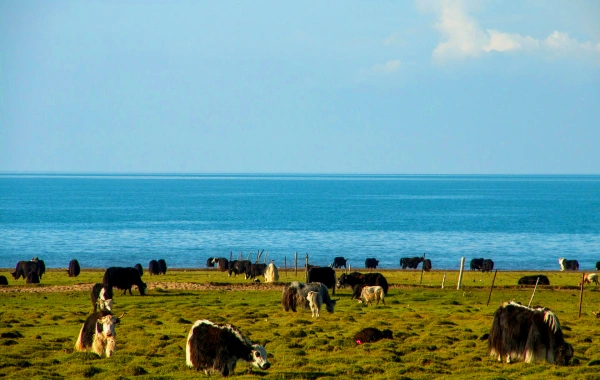
Day 3: Drive early in the morning to the Maixiu Forest Farm in Zeku County; travel upstream along the Longwu River to explore the pristine forests and alpine grasslands situated on the edge of the Qinghai-Tibet Plateau (approx. 1.5-hour drive) → At midday, experience the lifestyle of Tibetan herdsmen on the Zeku Grasslands, enjoying traditional butter tea and hand-grabbed mutton → Return to Tongren in the afternoon, passing through the Longwu Gorge to admire the magnificent confluence of the Yellow River and the Longwu River → The tour concludes in the evening.

IntoTravelChina Advantage: We can book the most suitable accommodations for you, seamlessly coordinate all activities, and provide detailed hiking route maps and safety guidelines.

> Professional Guides: IntoTravelChina offers fully customized itineraries, including a dedicated private guide, transportation, and activity arrangements, ensuring a worry-free and deeply immersive travel experience. >> [Consult for Customization Now]

Comprehensive Travel Guide: Transportation, Accommodation, and Seasons

Furong Ancient Town Furong Ancient Town Furong Ancient Town

How to Get There: A Seamless Connection Guide

Regong (Tongren City) does not have its own airport or high-speed train station; Xining and Lanzhou serve as the two primary transit hubs for the region.

- If traveling from other parts of the country, we recommend flying to Xining Caojiabao Airport or Lanzhou Zhongchuan Airport, then transfer to a long-distance bus bound for Tongren. The distance from Xining to Tongren is approximately 181 km, and from Lanzhou to Tongren, it is about 165 km; both journeys take roughly 2.5 to 3 hours by road.

- Departing from Xining: It is recommended to take the "Xining–Tongren" shuttle bus from the Xining Passenger Transport Center. Services are frequent; upon arrival at the Tongren Bus Station, transfer to a local public bus or taxi to reach the various attractions.

- Departing from Lanzhou: It is recommended to take a shuttle bus bound for Tongren directly from the Lanzhou Passenger Transport Center, or to take an airport shuttle bus from Lanzhou Zhongchuan Airport to Xining before transferring to a Tongren-bound shuttle.

- Departing from Nearby Attractions: Chartering a vehicle or self-driving is recommended. Distances to popular nearby destinations include: Labrang Monastery in Xiahe (approx. 2 hours' drive), Kanbula National Forest Park in Jianzha (approx. 1.5 hours' drive), and Ta'er Monastery (Kumbum) in Xining (approx. 2.5 hours' drive). This makes it ideal for combining a visit to Regong with other destinations such as Gannan and Qinghai Lake.

Important Travel Tips: Taxis and public buses within Tongren city are sufficient for transportation between major attractions; however, for visits to the art villages (such as Wutun, Niandu'hu, etc.), chartering a vehicle or utilizing the "customized passenger transport" service is recommended. Tongren City has launched "door-to-door" and "point-to-point" customized transport services, which can be booked in advance via telephone. As weather in high-altitude regions can be unpredictable, it is advisable to build some flexibility into your itinerary.

Best Time to Visit

Regong possesses a distinct charm in every season, though its atmosphere varies greatly. The best times to visit are during the summer and autumn months.

- Summer: The Golden Season (June–August): The climate is cool and pleasant, making it a natural summer retreat. The sixth lunar month (typically July–August in the Gregorian calendar) coincides with the "Regong June Festival," offering the perfect opportunity to experience the region's grandest folk festivities. During this time, the Longwu River Valley is lush with greenery, and the barley fields are vibrant with life.

- Autumn: The Radiant Season (September–October): In autumn, the Longwu River Valley glows with brilliant golden hues. This scenery harmonizes beautifully with the ochre-red tones of the Danxia landforms and the gilded ornamentation of the monasteries, making it the prime season for photography. At this time, the weather is stable, and there are relatively fewer tourists compared to the summer season.

- Winter: The Season of Tranquility (Nov–Feb): Although the high-altitude winter is cold, the skies are a crystal-clear azure; after a snowfall, Longwu Monastery and the ancient fortresses take on a unique, enchanting charm. The Tu ethnic group's "Yutu" dance—performed annually on the 20th day of the 11th lunar month—is a unique piece of intangible cultural heritage specific to the winter season, steeped in ancient mystery. Accommodation prices are lower, and crowds are sparse, making this an ideal time for travelers seeking a deeply immersive cultural experience.

- Spring: The Season of Revival (Mar–May): The spirit of spring gradually intensifies throughout the Longwu River Valley, as apricot and pear blossoms burst into bloom in succession. During this period, the temperature difference between day and night is significant, so visitors should take care to dress warmly. The monastery's prayer ceremonies held during the Lunar New Year period (from the 5th to the 16th day of the first lunar month) offer an excellent opportunity to experience the festive traditions of Tibetan Buddhism.

Accommodation Options

- Tongren City Center (The Convenient Choice)

1. Regong Art-Themed Hotels / Boutique Hotels:

   Experience: Located in close proximity to Longwu Monastery and the Regong Art Museum, offering convenient access for sightseeing. Many of these hotels incorporate elements of Regong art—such as Thangka paintings—creating a rich cultural atmosphere.

   Suitable for: Most travelers who prioritize both convenient access to major scenic spots and a high level of comfort.

2. Budget Hotels & Guesthouses:

   Experience: Affordable rates with basic amenities; suitable for travelers on a limited budget.

- Art Village Homestays (The Immersive Experience Choice)

1. Wutun Village / Niandu'hu Village Family Homestays:

   Experience: Stay in the homes of Thangka painters or Dui Xiu (appliqué embroidery) artists to experience the daily life of Regong art practitioners up close. Some homestays offer Thangka painting workshops, giving guests priority access to participate.

   Drawbacks: Accommodation conditions are generally simpler than those in the city center; language barriers may require the assistance of translation tools or a tour guide.

   Suitable for: Art enthusiasts seeking deep cultural immersion and opportunities to interact directly with local artists.
- Unique Accommodations in the Surrounding Areas

1. Qiansang Bieyuan: Located at Butterfly Beach (Hudietan) in Zhamao Township, this establishment seamlessly combines accommodation, dining, and leisure facilities. The guest room area is set within a beautiful environment, making it an ideal resting stop for self-driving travelers journeying to or from Zeku. 2. Zeku County / Jianzha County Hotels: Ideal for travelers looking to combine a visit to Regong with the Maixiu Forest Farm and Kambula National Forest Park, offering convenient connections for your itinerary.

IntoTravelChina Accommodation Booking Tips:

We strongly recommend booking your accommodation in Tongren city center at least 1–2 months in advance—particularly during the "Sixth Month Festival" (held in the sixth lunar month) and the National Day holidays—otherwise, you may face fully booked situations. By booking through us, you gain access to real-time room availability and can bundle your accommodation with private car charters and cultural experiences. This often results in package discounts and ensures a seamless, hassle-free itinerary. Simply tell us your budget and preferences, and we will match you with the perfect "Golden Valley" home away from home. >> [Consult for Customization Now]

Journey Extensions: Connecting the Highlights of the Northeastern Qinghai-Tibet Plateau

Furong Ancient Town

Regong is by no means the end of your journey; rather, it serves as the perfect starting point for exploring the fascinating crossroads where Qinghai and Gansu meet.

- Classic 4-Day Cultural Loop: Xining (Ta'er Monastery) → Tongren (Regong) → Xiahe (Labrang Monastery) → Langmusi (The Hidden Gem of Gannan). This is an immersive cultural journey that blends Tibetan Buddhist art, sweeping grassland landscapes, and the vibrant tapestry of multi-ethnic cultures. 

- Qinghai-Gansu Nature & Culture Combo: Link your visit to Regong with iconic sites such as Qinghai Lake, Chaka Salt Lake, Kambula National Forest Park, and Zhagana in Gannan. Experience the ultimate symphony of nature and culture—journeying from the "Golden Valley" to sacred highland lakes, and from dramatic Danxia landforms to the fairytale "Stone City." 

Partner with IntoTravelChina to Embark on Your Exclusive Pilgrimage to the "Golden Valley"

Furong Ancient Town

The story of Regong is a tale of unwavering faith, artistic legacy, and the harmonious coexistence of diverse ethnic groups. In this golden valley nurtured by the Longwu River, the thousand-year-old art of Thangka continues to flow from the brushes of master painters; the sacred chants of Longwu Monastery still echo in the morning light; and the rhythmic drums of the "June Festival" continue to resound throughout every midsummer season. IntoTravelChina specializes in crafting in-depth, personalized, and hassle-free travel experiences across China. Our travel experts are here to provide you with:

- Tailored Itineraries: We design the perfect route—covering Rebkong and its surrounding attractions—customized to your specific interests and schedule.

- One-Stop Service: We handle all the details, including attraction tickets, unique accommodations, transportation transfers, local guides, and reservations for intangible cultural heritage experiences.

- Exclusive Access: We arrange unique opportunities such as immersive Thangka painting workshops, prime viewing spots for the June Festival, and personal interactions with artists in the local art villages.

Let your journey to Rebkong be more than just sightseeing—let it be an immersive experience in the living heritage of Tibetan culture.

> Start Planning Your Journey Now

> We invite you to contact our professional travel consultants; we will provide you with a personalized itinerary proposal and price quote within 24 hours. >> [Consult for Customization Now]

What Our Clients Say?

Based on 10,000+ traveler reviews

...
Daniel Dorothea
Canada
Reviewed on April 29,2025
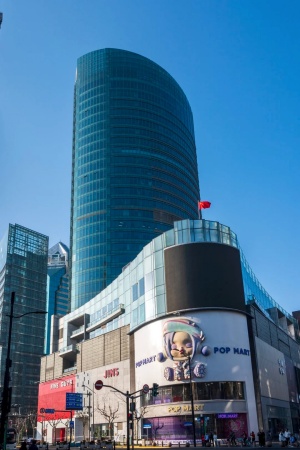
Shopping on Nanjing Road in Shanghai was just amazing! It's truly the "First Commercial Street of China", where tradition and modernity blend perfectly. You can find awesome souvenirs and experience the trendy vibes in cool stores. The neon lights at night are just spectacular, shining bright like Times Square in New York. The food here is incredible too. I had a feast for my taste buds. Shanghai, I'll definitely be back!
Destination(s): Shanghai
Date of Experience: May 08,2024
...
...
Elvis Eva
Canada
Reviewed on June 20,2025
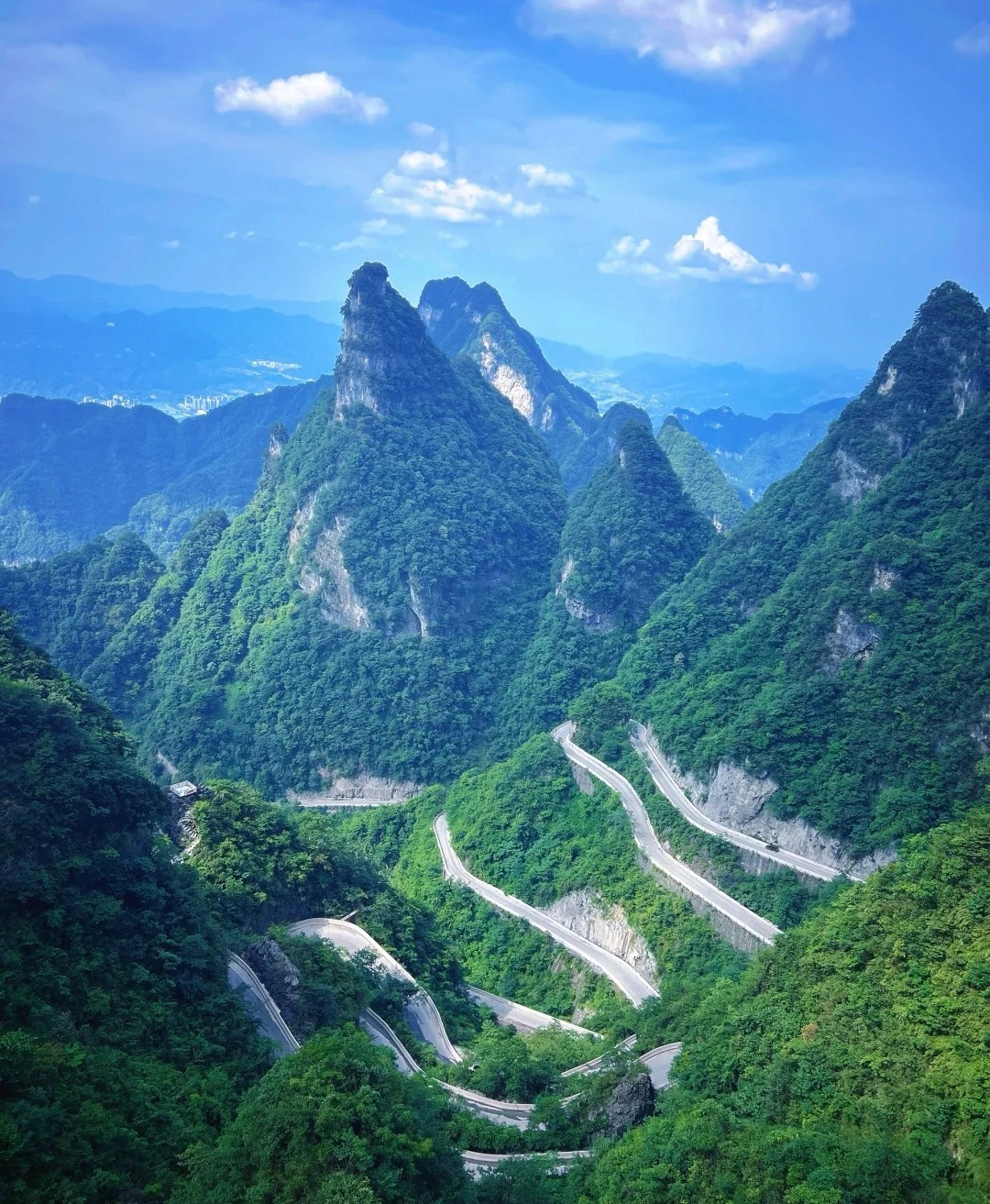
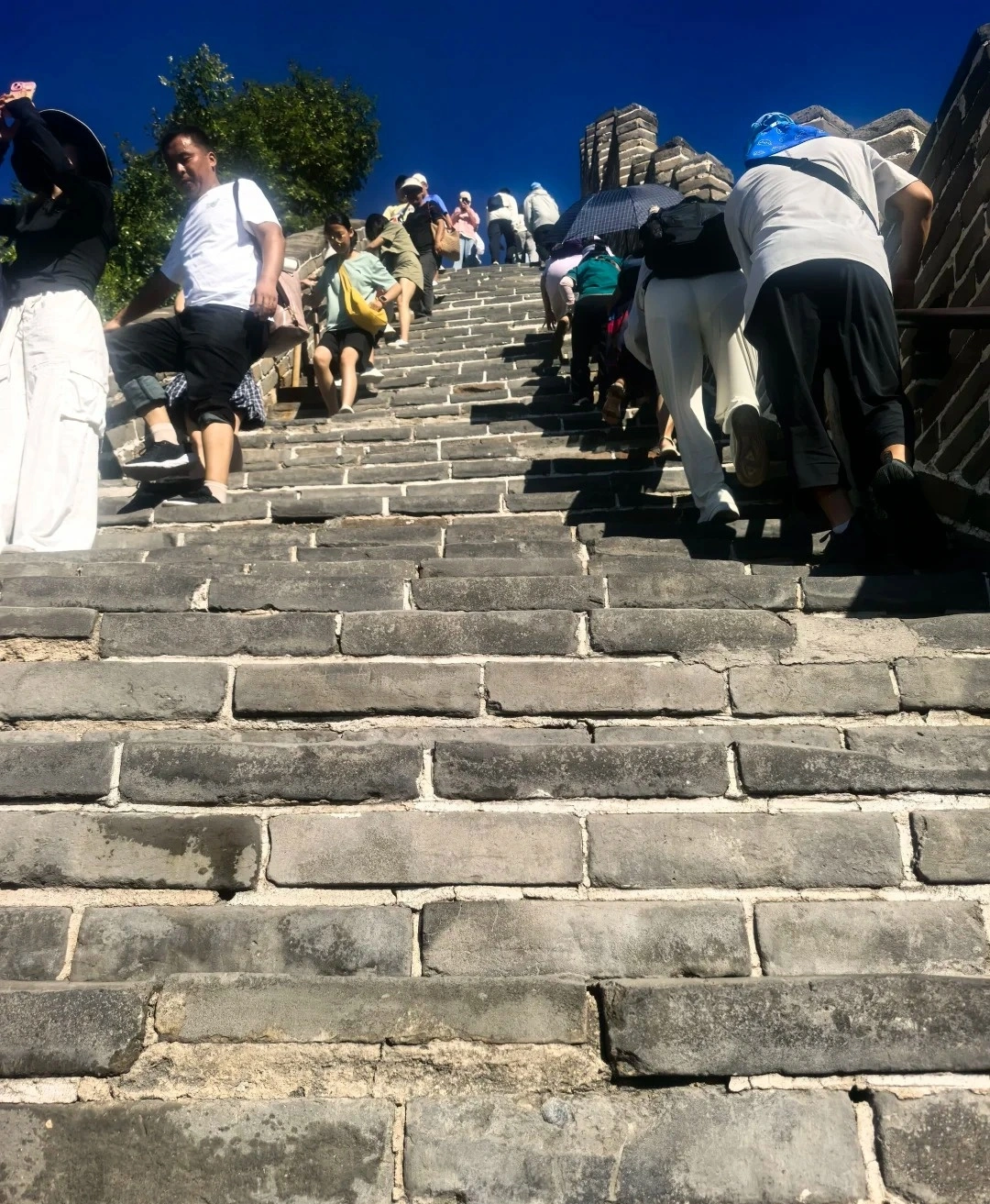
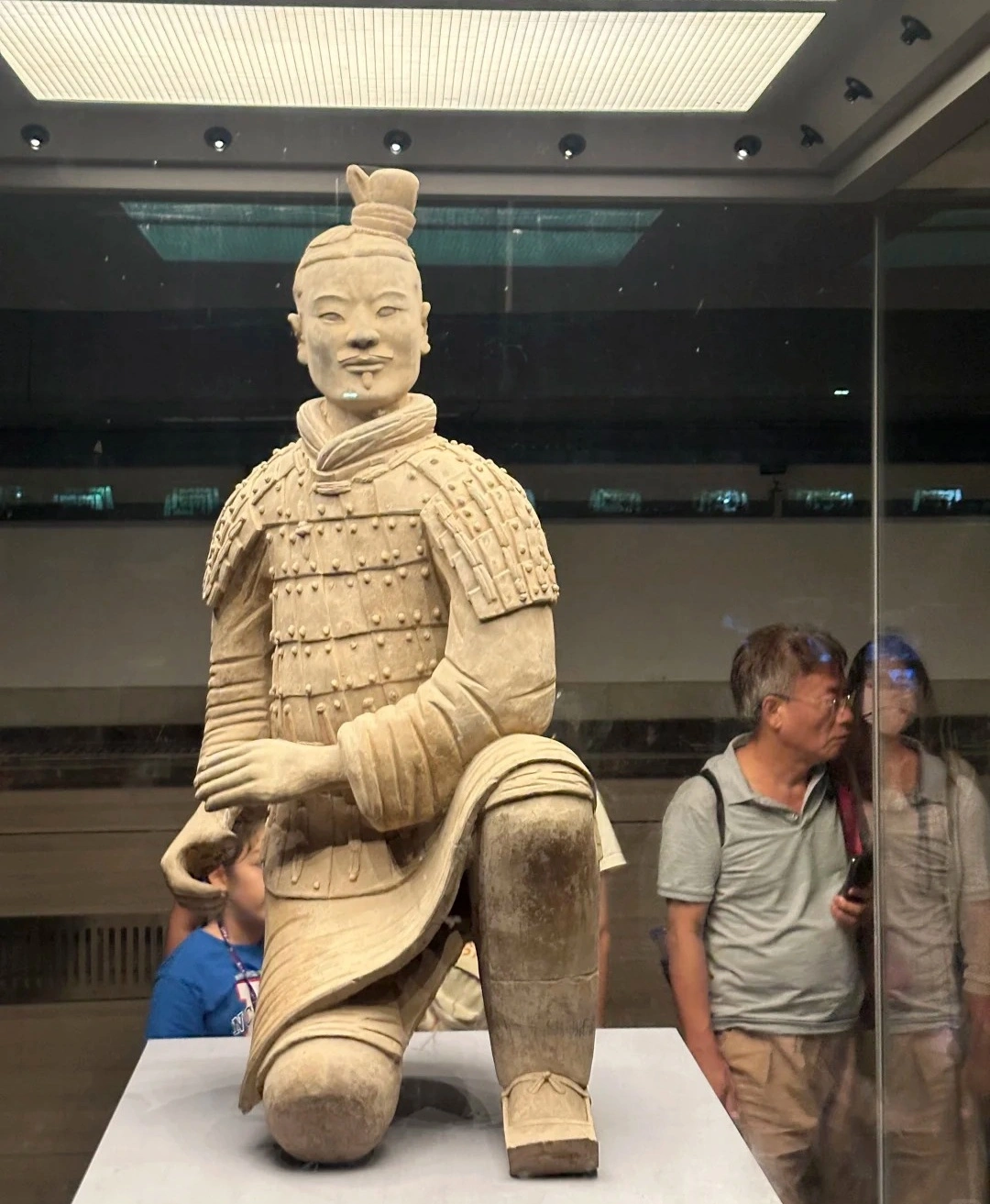
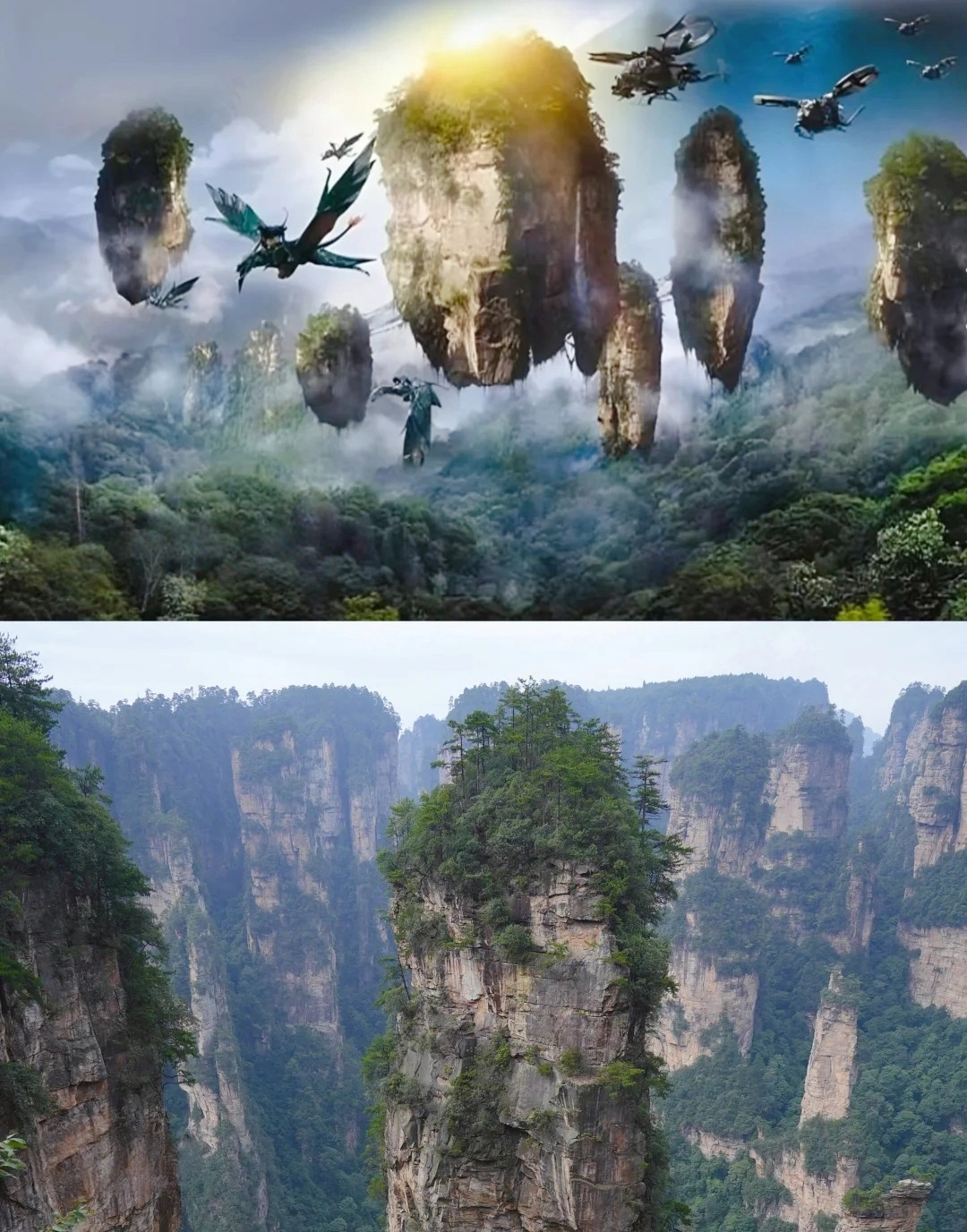
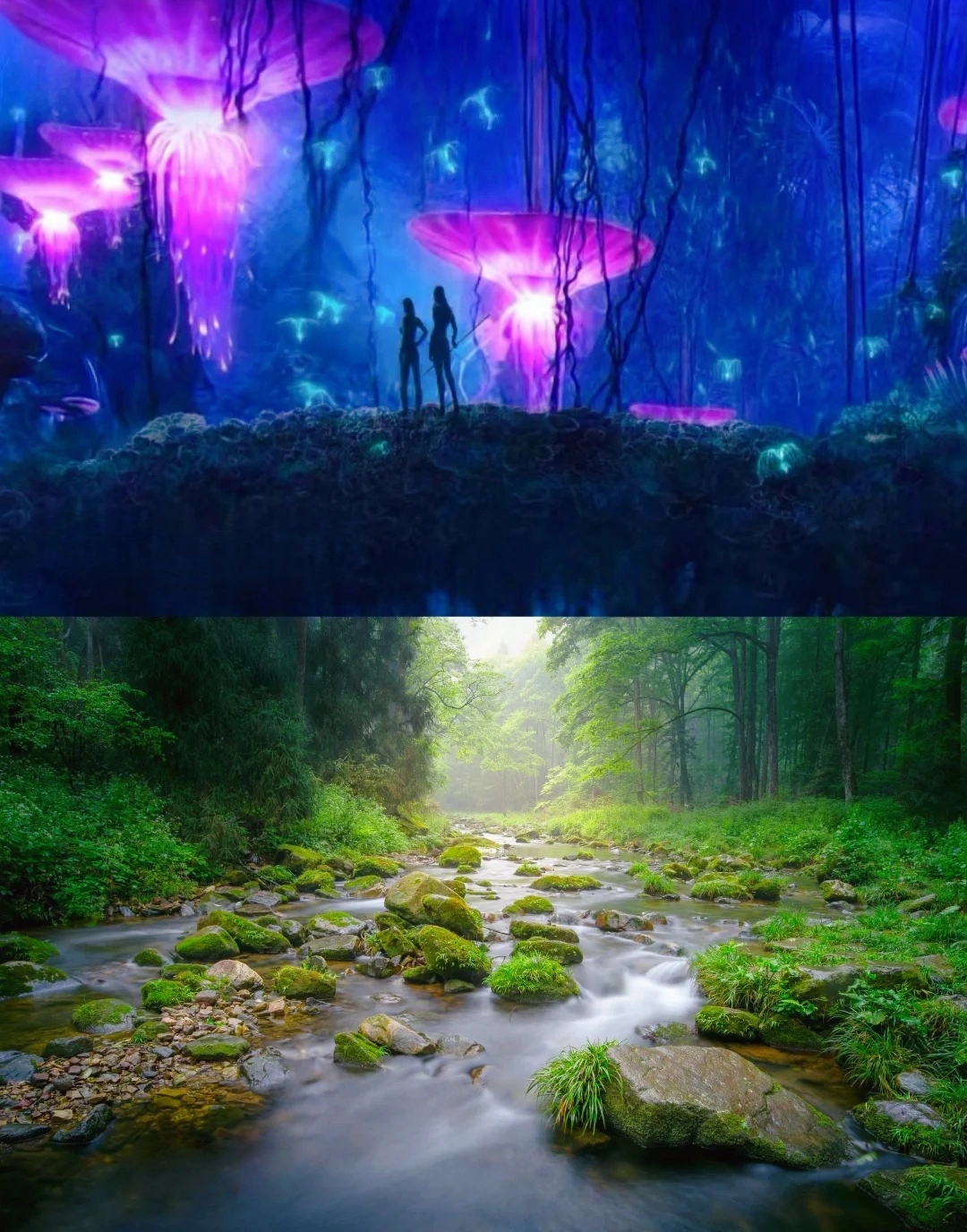
As a solo traveler from Canada, I was nervous about navigating China alone—but this 11-day tour was PERFECT! From hiking the Great Wall at sunrise (Day 3) to gasping at the Terracotta Army (Day 5), every day delivered ‘pinch-me’ moments. The real showstopper? Zhangjiajie’s Avatar Mountains (Day 7)! Our guide made the stone pillars come alive with stories. Massive thanks for handling all logistics—bullet train tickets, entry passes, car! And the 4-star hotels surprised me.
Destination(s): Beijing Xian Zhangjiajie Shanghai
Date of Experience: June 02,2025
... ... ...
...
Simon
America
Reviewed on May 29,2025
Our 2-day Zhangjiajie tour was beyond spectacular! As someone who’s visited Beijing and Shanghai for work, this trip revealed China’s wild, magical heart. Day 1 in Zhangjiajie National Forest Park felt like stepping onto Pandora—I’m a huge Avatar fan, and Yuanjiajie’s floating peaks left me breathless. The misty pillars and lush valleys like pure movie magic! Then came Fenghuang Ancient Town, we eat dinner beside the thundering waterfall. It seems Unreal! The night views of stilt houses glowing over the river were straight from a fairy tale. For fellow Avatar lovers and adventure seekers: Don’t miss this bucket-list experience! 10/10 would return. A Well-Traveled Film Buff, May 2025
Destination(s): Zhangjiajie
Date of Experience: May 08,2025
... ...

Ask a Question

Question Summary (100 characters)
Details (optional) (2,000 characters)
Name
Country
Email