Gushan Mountain: A Journey Through the Echoes of a Thousand-Year-Old Stone Drum

Gushan Mountain: A Journey Through the Echoes of a Thousand-Year-Old Stone Drum

Overview: Gazing into the Soul of a City

Gushan Mountain—towering over the eastern suburbs of Fuzhou City in China's Fujian Province, along the northern bank of the Min River—is a magnificent mountainous sanctuary spanning a total area of 49.7 square kilometers.

Core Highlights at a Glance

Identity Tags: "Forest of Steles in the Southeast" / Fuzhou's "Urban Backyard" / Home to the "Crown of Fujian's Buddhist Temples"

Core Experiences: Hiking ancient trails dating back a millennium; tracing Song Dynasty cliffside stone carvings; and enjoying panoramic views of the Min River and the entire city from the summit.

Suggested Visit Duration: Half a day to a full day; early morning departure is recommended to avoid peak crowds.

Scenic Area Address: Gushan Town, Jin'an District, Fuzhou City, Fujian Province.

  • Gushan Mountain: A Journey Through the Echoes of a Thousand-Year-Old Stone Drum-1
  • Gushan Mountain: A Journey Through the Echoes of a Thousand-Year-Old Stone Drum-2
  • Gushan Mountain: A Journey Through the Echoes of a Thousand-Year-Old Stone Drum-3
  • Gushan Mountain: A Journey Through the Echoes of a Thousand-Year-Old Stone Drum-4

Origins: The Stone Drum Resounds Through the Ages

Furong Ancient Town Furong Ancient Town Furong Ancient Town

The Mountain's Name—A Giant Stone Like a Drum, Sounding in Wind and Rain

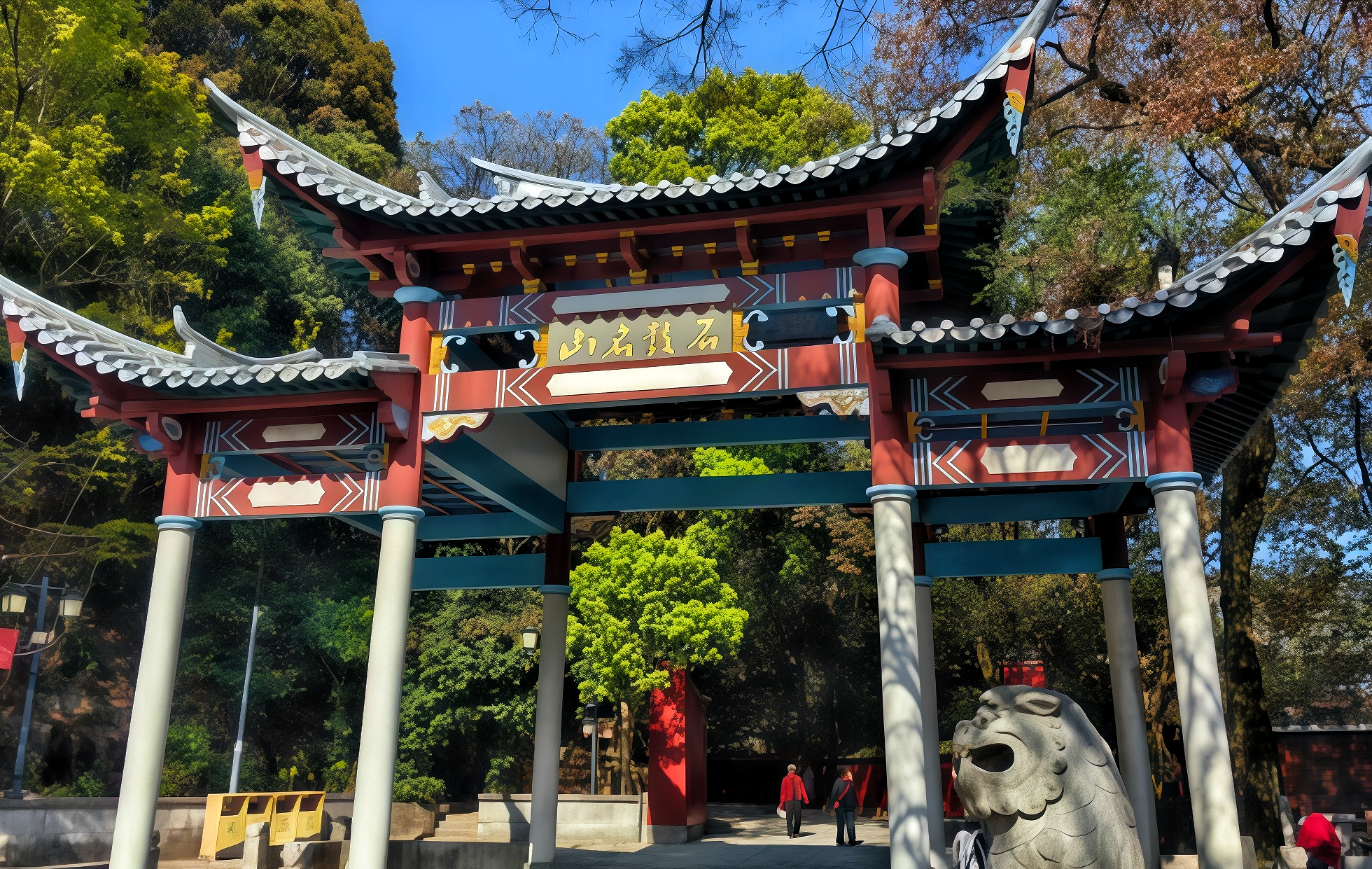
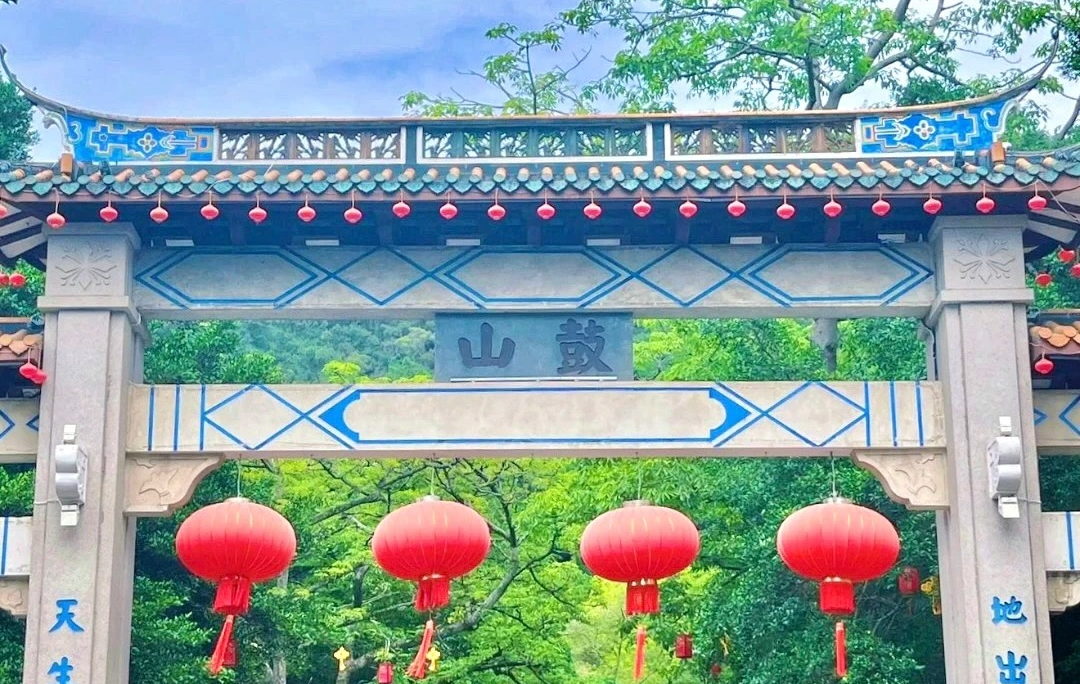
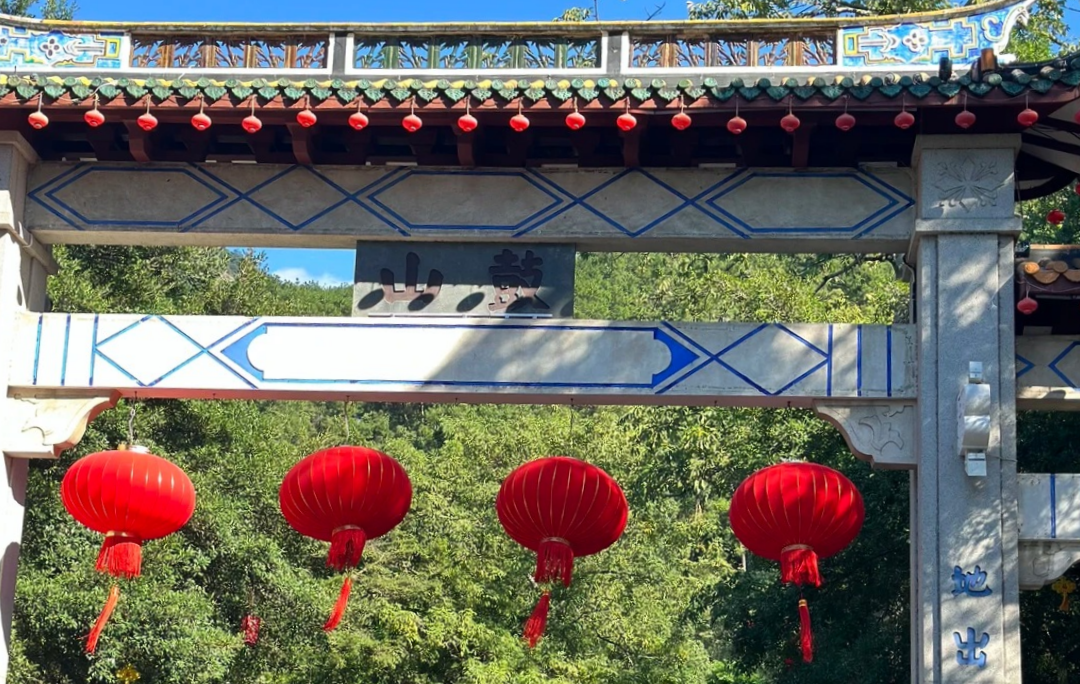
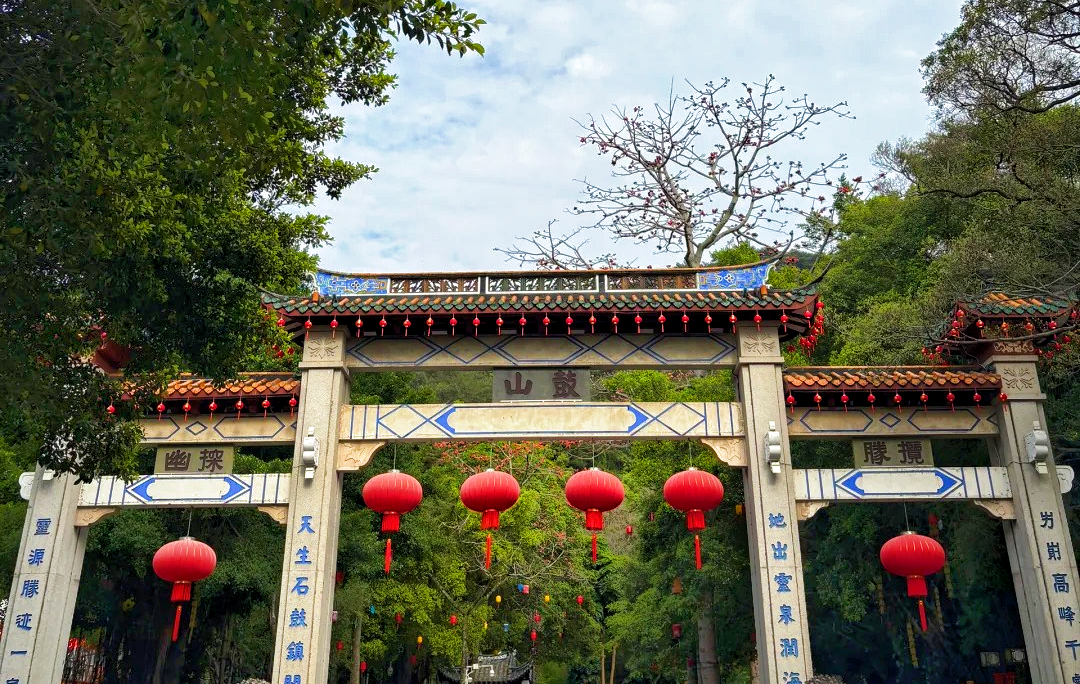
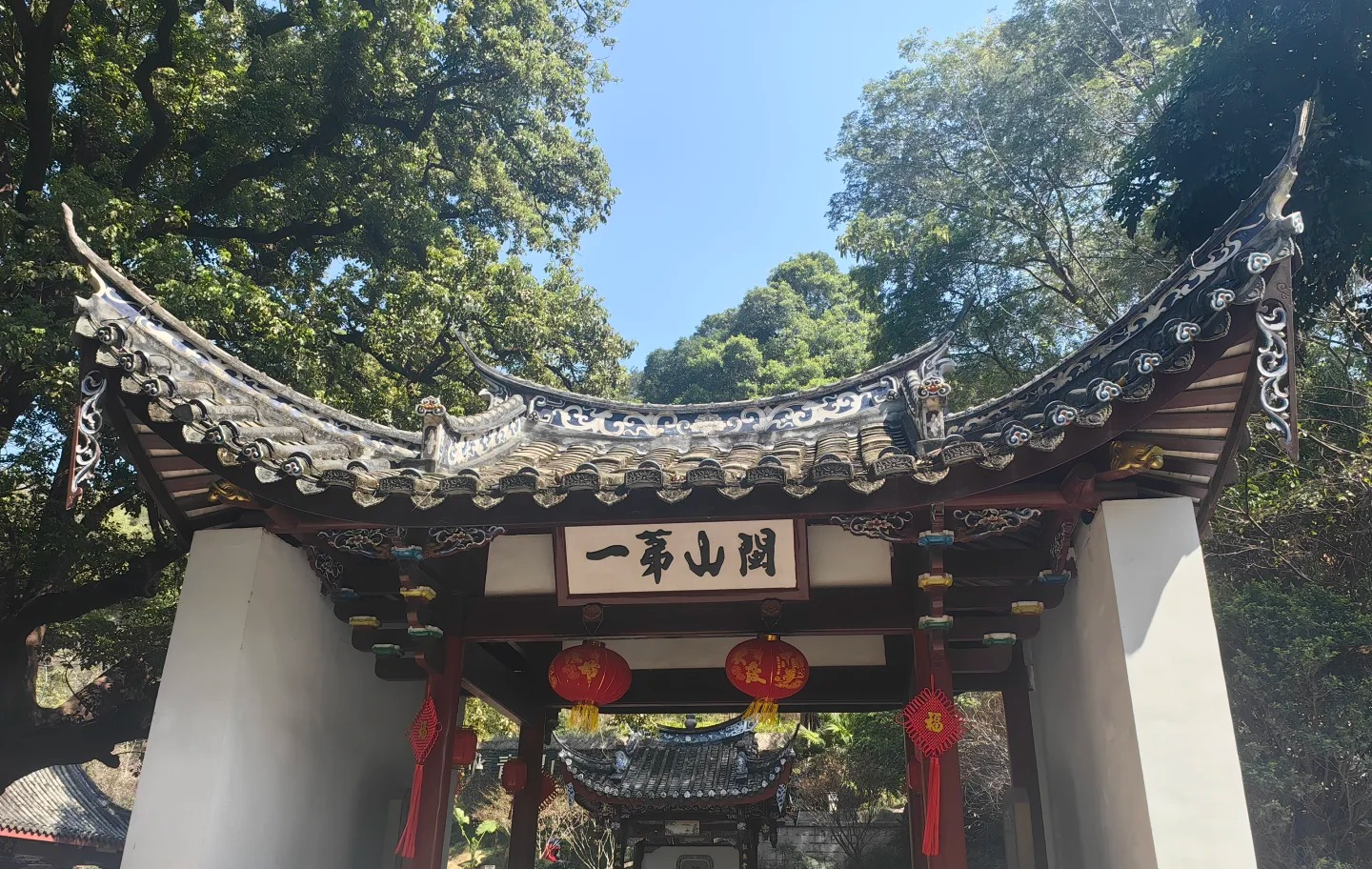
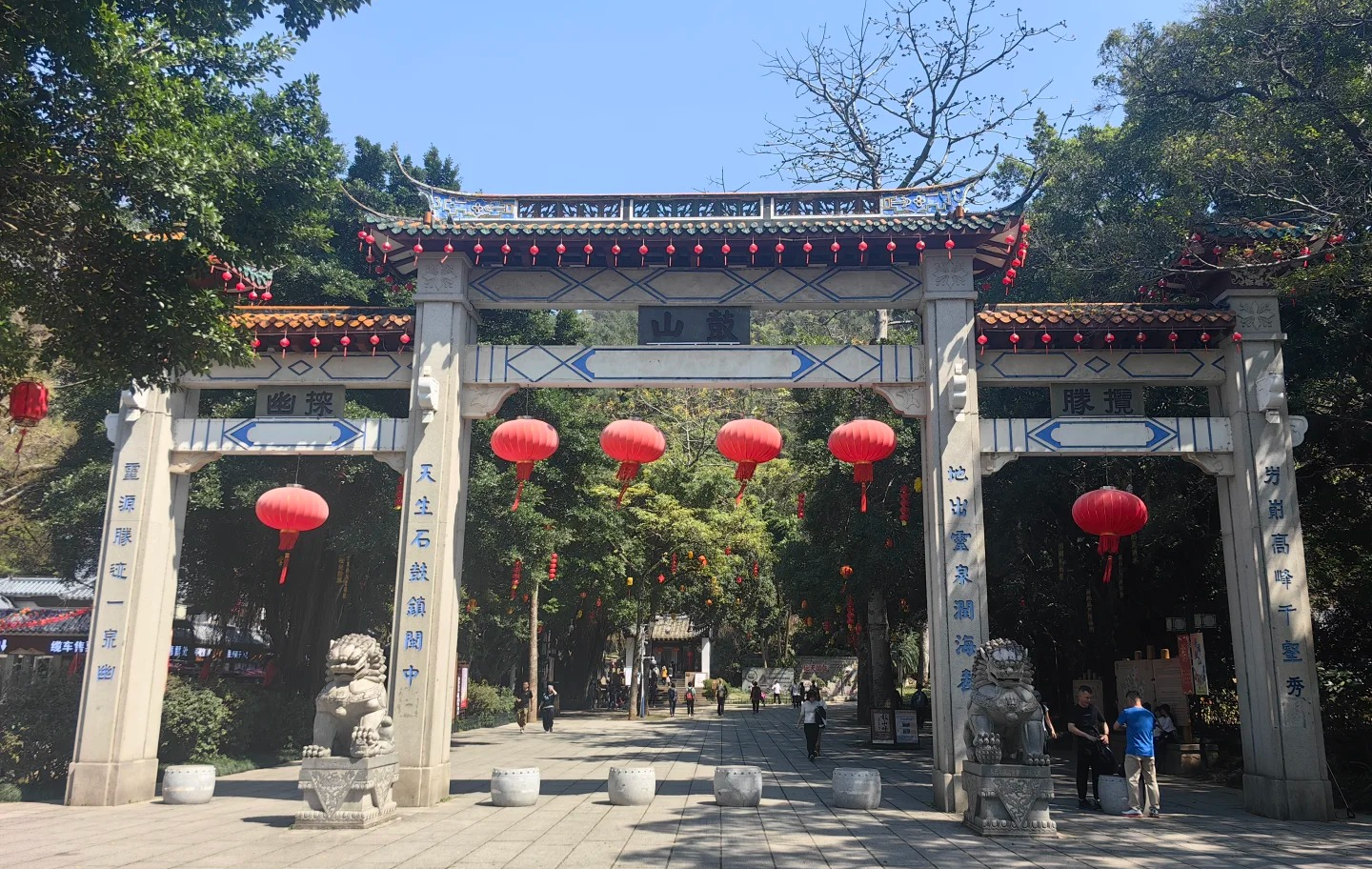
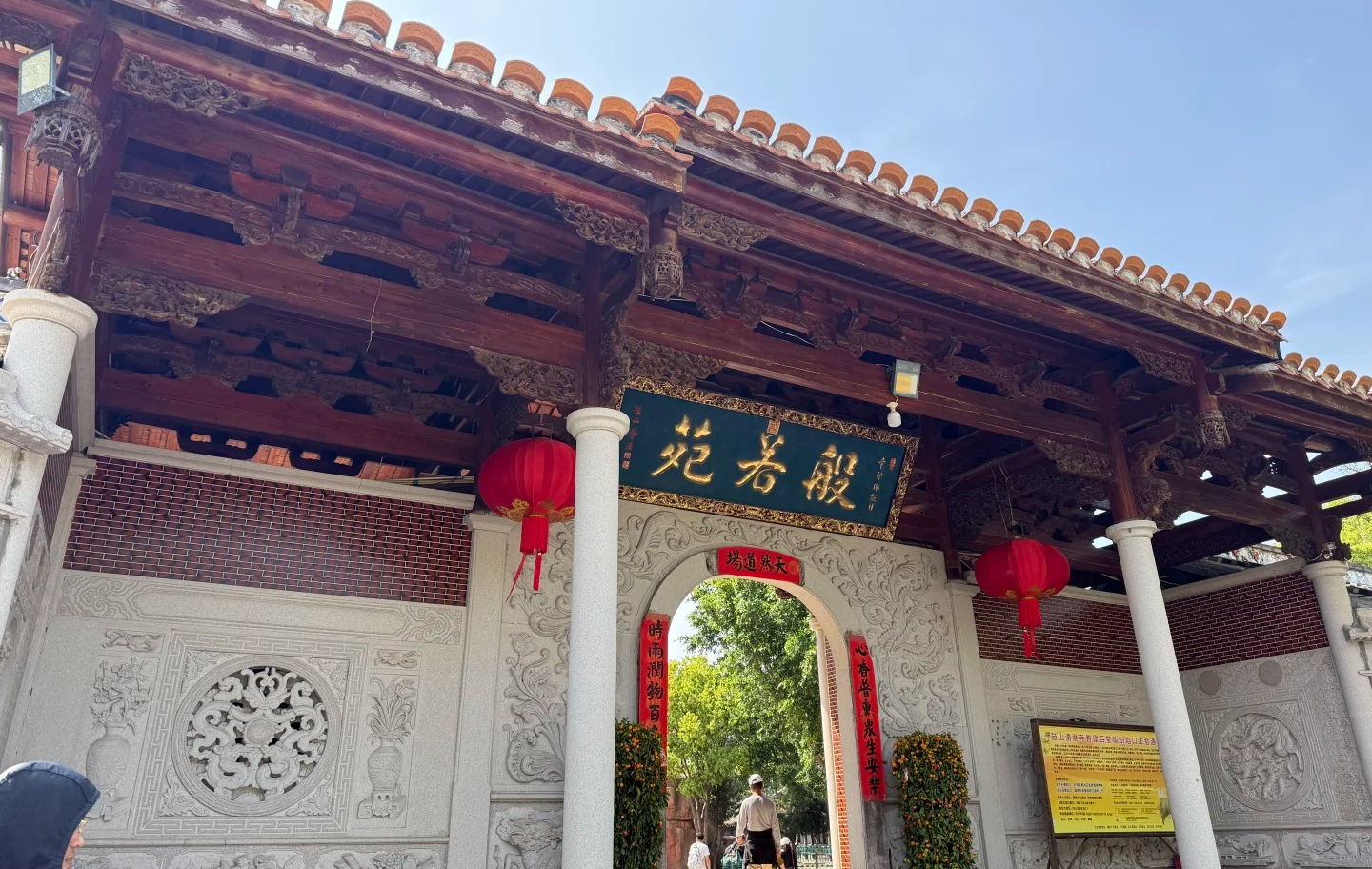
The name "Gushan" (Drum Mountain) stems from a poetic geological coincidence. Legend has it that atop the mountain stands a colossal rock, shaped precisely like a massive drum. Whenever the wind and rain gather in a storm, the mountain breeze whistles through the stone, emitting deep, resonant vibrations that sound like the distant beat of a drum echoing through the valleys. Thus, the mountain came to be known by the world as "Gushan," also referred to as "Shigu Mingshan" (The Famous Stone Drum Mountain). Upon stepping through the mountain gate, one need only look up to behold the four bold, vigorous characters—"Shigu Mingshan"—written in the very hand of the modern literary titan, Lu Xun. The ancients sensed this long ago; Su Dongpo, in his Record of Stone Bell Mountain, wrote: "A gentle breeze stirs the waves; water and rock clash, producing a sound like a great bell." The naming of Drum Mountain (Gushan) shares a similar, exquisite natural philosophy—a resonance between sound and landscape.

A Thousand-Year Cultural Lineage—From Zen Patriarchal Seat to Treasury of Calligraphy

The human history of Drum Mountain is nearly as long-standing as that of Fuzhou City itself.

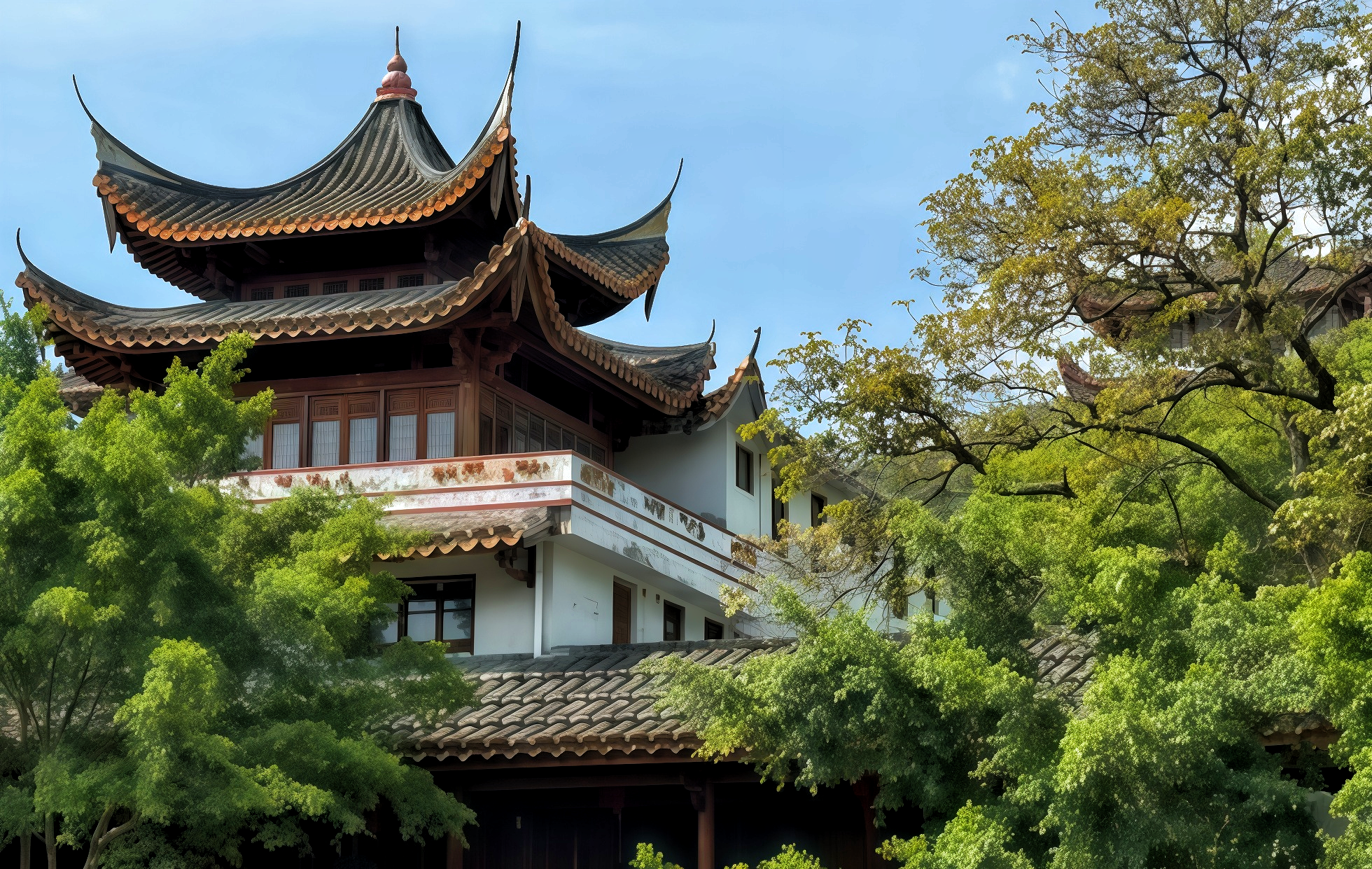
- A Zen Buddhist Sanctuary (Tang Dynasty – 783 AD): The Yongquan Temple, the spiritual heart of Drum Mountain, was originally founded in the fourth year of the Jianzhong era of the Tang Dynasty (783 AD) under the name "Huayan Temple." Having endured the Tang Emperor Wuzong's suppression of Buddhism and two destructive fires during the Ming Dynasty, the temple has been repeatedly destroyed and rebuilt. To this day, it retains a unique architectural layout characterized by the adage: "Enter the mountain path, yet see no temple; enter the temple grounds, yet see no mountain." The temple is nestled within a natural hollow known as the "Swallow's Nest" (Yanwo Xue) on the slopes of Baiyun Peak; consequently, from any vantage point along the mountain trails, it remains virtually impossible to glimpse the temple in its entirety.

- Millennia of Stone Inscriptions (Song Dynasty to Present): Beginning in the sixth year of the Qingli era of the Northern Song Dynasty (1046 AD), generations of literati, government officials, and Buddhist monks have left a wealth of inscriptions upon the sheer cliffs and ancient pathways of Drum Mountain. The handwritten calligraphy of over 2,400 individuals—including such luminaries as Cai Xiang, Zhu Xi, Li Gang, and Guo Moruo—is gathered here. With 652 extant inscriptions, the site constitutes a magnificent "Forest of Steles of the Southeast."

- Drum Mountain Today: Currently, Drum Mountain is actively pursuing designation as a National 5A-level Tourist Attraction. It is dedicated to transforming itself from a local public park into a vibrant cultural space shared by both visitors and residents, open to the entire world.

> Dive Deeper: Explore the Cultural Heritage of More Famous Chinese Mountains  >> [Pingtan Island] [Gulangyu]

Must-See Wonders: A Thousand-Year Dialogue Between Nature and Humanity

Furong Ancient Town Furong Ancient Town Furong Ancient Town Furong Ancient Town Furong Ancient Town


Nature's Masterpiece—An Epic Carved in Granite

The natural landscape of Drum Mountain is a visual feast—the culmination of hundreds of millions of years of geological evolution. The entire mountain massif is composed of vuggy alkaline granite dating back approximately 90 million years to the Late Cretaceous period. Through the ceaseless processes of weathering, water erosion, and gravitational collapse over the ages, the terrain has evolved into a diverse array of rock formations, each distinct in shape and character.

Views from the Summit: Ascending for a Panoramic View of Fuzhou

The highest point of Drum Mountain (Gushan) is Lizha Peak, standing at an elevation of 998 meters. A climb to the summit rewards visitors with a view of the "Three Wonders":

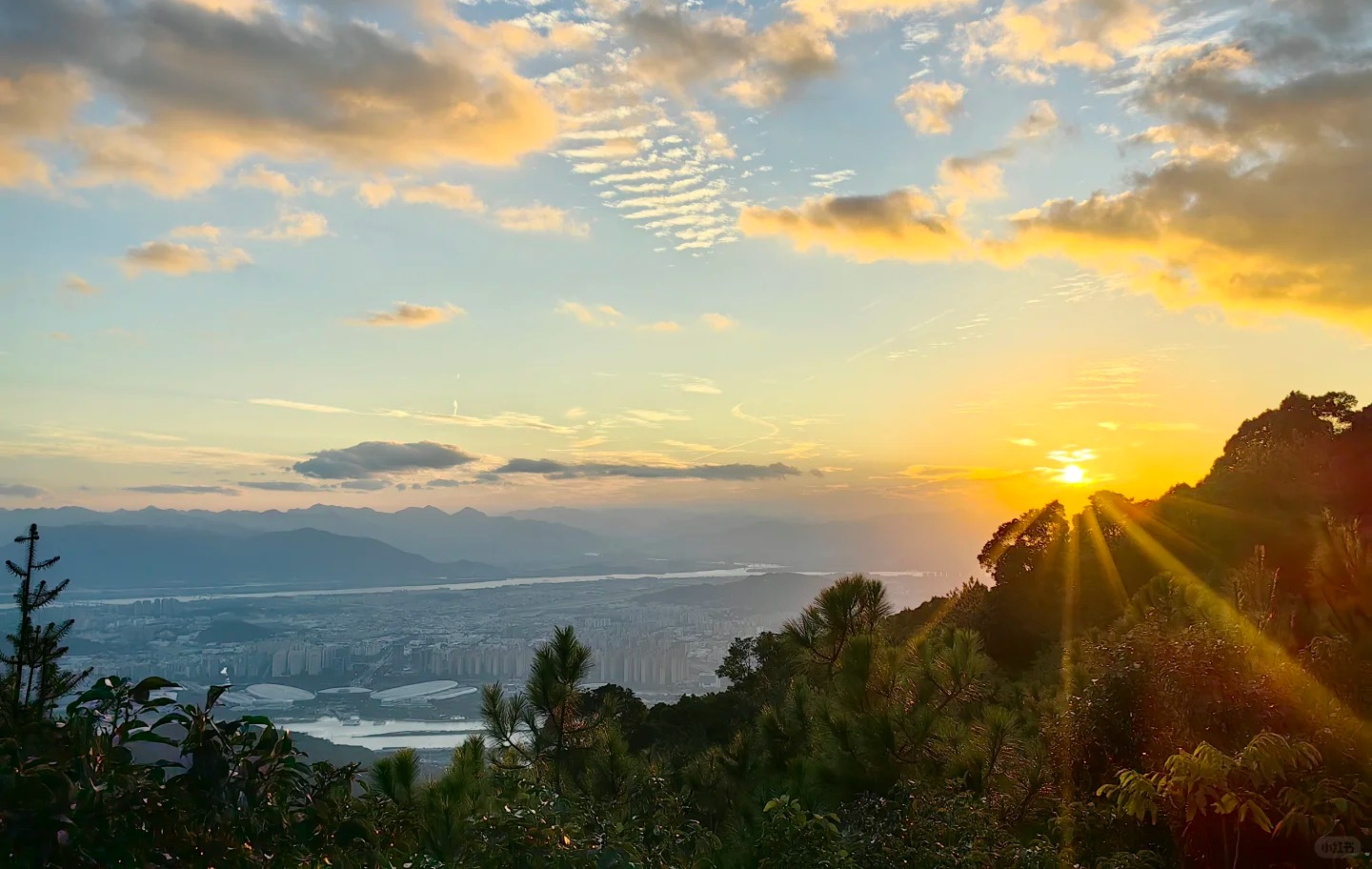
- Spectacular Sunrise: Stand atop the mountain to welcome the very first rays of dawn, as the Min River winds like a silken ribbon through the Fuzhou Basin below.

- Magnificent Panorama: Enjoy a 360-degree bird's-eye view of the entire city of Fuzhou; on clear days, the urban skyline appears to merge seamlessly with the shimmering river waters.

- Stunning Sea View: Gaze out toward the horizon—on days with exceptional visibility, you can spot the estuary where the Min River meets the sea, revealing a vast expanse of open ocean beyond the distant green hills.

The Thousand-Year-Old Mountain Trail: Fuzhou’s Cultural Artery

This ancient path offers the quintessential way to experience Drum Mountain. Spanning approximately 3.5 kilometers, the trail features over 2,000 stone steps and has served since antiquity as the sole route leading to Yongquan Temple. Winding its way upward in a distinctive "zigzag" pattern, the path is punctuated every 500 meters or so by historic pavilions offering places to rest—a sequence known as the "Seven Pavilions over Seven Li." We recommend setting out in the early morning to watch the dawn light filter through the foliage of ancient trees and to pass by local elders engaged in their morning exercises—an experience that captures the most authentic essence of daily life in Fuzhou.

Rugged Rock Formations: An Open-Air Museum of Earth-Sculpted Art

Drum Mountain boasts over 260 distinct natural scenic spots—including peaks, gorges, cliffs, and caves—among which the "Eighteen Scenic Spots" are the most renowned.

- Drinking Water Rock (Lingyuan Cave): This is arguably the most legendary natural landmark on Drum Mountain. A deep fissure—approximately 3 meters wide and 10 meters deep—was formed by a geological fault line. Legend has it that during the Tang Dynasty, a revered Buddhist monk was delivering a sermon here; finding the sound of the rushing stream water to be a distraction, he let out a mighty roar. The sheer force of his voice caused the stream to change its course and vanish beneath the earth. Today, the bottom of the fissure lies dry, while the surrounding cliff walls are covered in inscriptions carved by visitors throughout the centuries, dating back as far as the Song Dynasty—making this one of the most concentrated sites for cliffside rock carvings on Drum Mountain. - The Eighteen Scenes of Bodhidharma: A cluster of extraordinary rock formations shaped by eons of granite weathering, collapse, and accumulation. Their forms are remarkably diverse—some resemble a valley brimming with celestial peaches, others a divine tortoise reaching toward the sea, and still others a celestial ape guarding a mountain gorge. This natural masterpiece sparks the imagination and serves as an excellent destination for families with children to engage in geological exploration. Ticket Reference: 10 RMB per person.

Sea of Flowers and Flowing Springs: The Lifeblood of the Mountain Forest

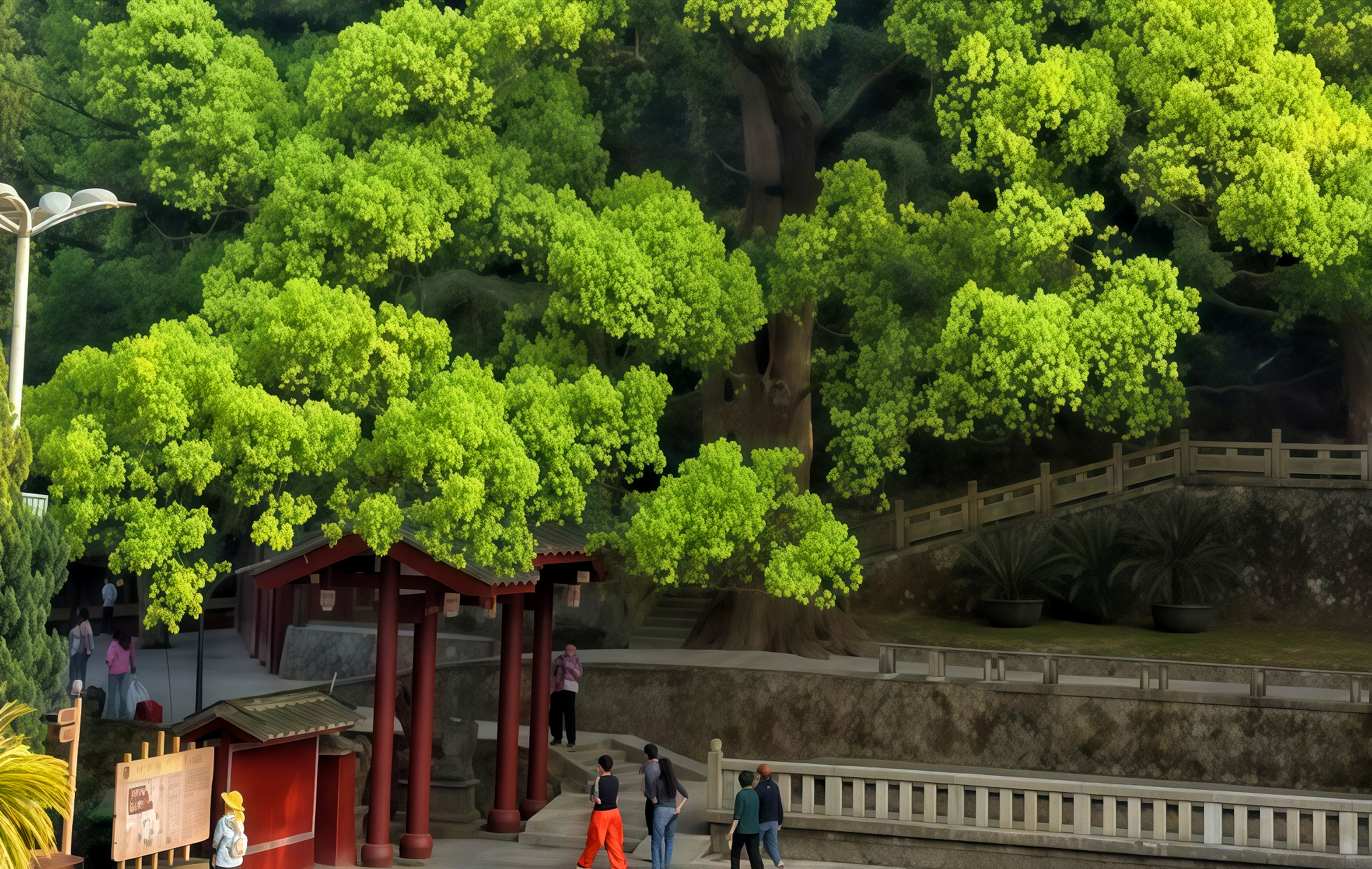
Gu Mountain boasts an exceptionally high forest coverage rate, home to over 1,600 species of higher plants and more than 1,600 ancient and renowned trees ranging in age from a century to over a millennium. In spring, wild azaleas burst into bloom across the mountainside, their pink and crimson hues dotting the lush greenery. The mountain terrain is further graced by over 50 streams, waterfalls, and natural springs; waters such as the Dragon Head Spring and Sweet Dew Spring are renowned for their crystal-clear purity and sweet taste—celebrated as famous springs of Fuzhou since ancient times.

Humanistic Ingenuity—A Civilization Suspended on the Cliffs of Time

The cultural landscape of Gu Mountain serves as a history of Chinese calligraphy etched in stone, as well as a sanctuary of Zen Buddhism spanning a thousand years.

Yongquan Temple: The Crown of Fujian’s Buddhist Sanctuaries, Hidden Deep Within the Mountains

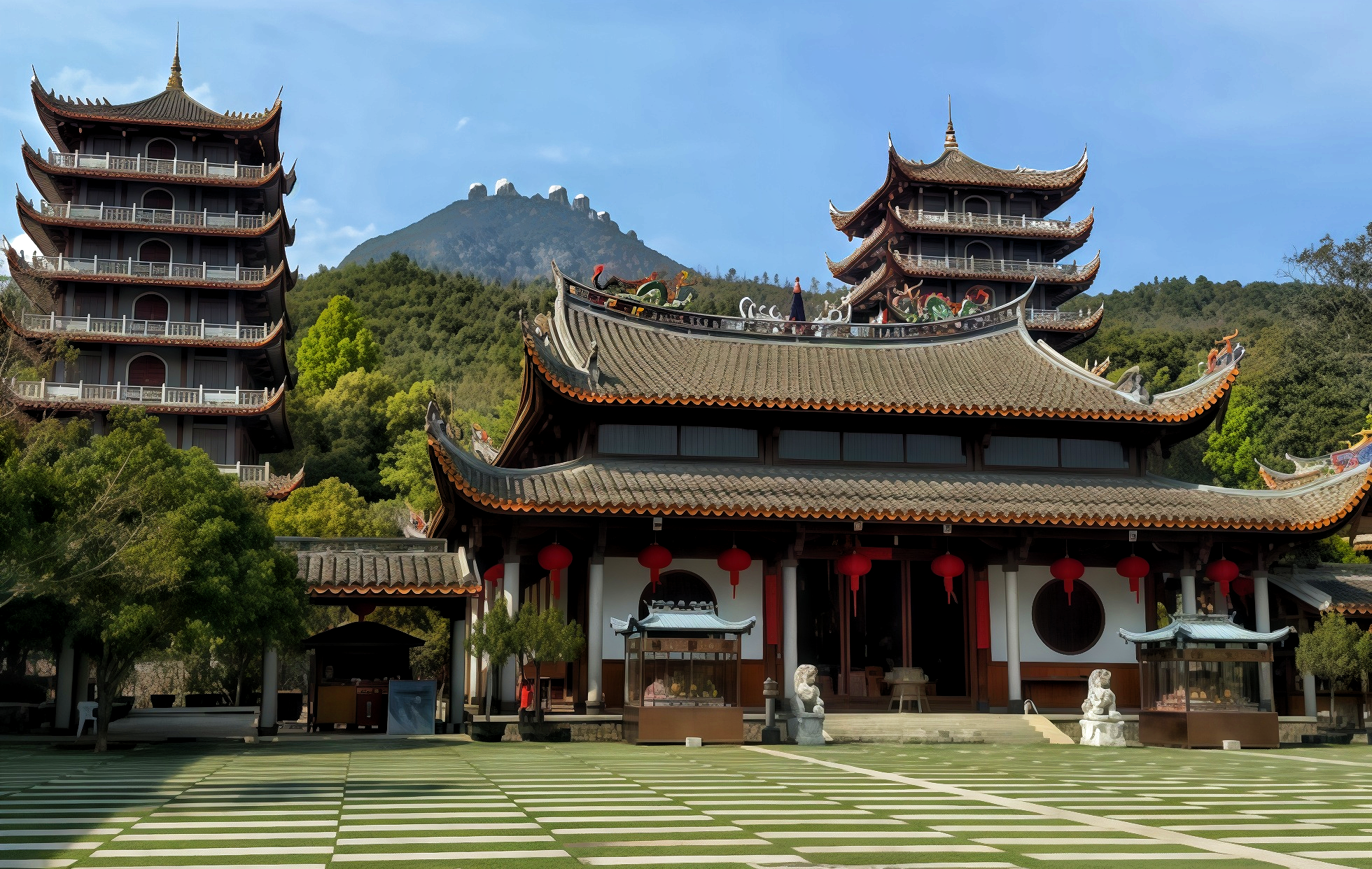
Situated on the mountainside of Gu Mountain at an elevation of 455 meters and covering an area of approximately 1.7 hectares, this ancient temple is hailed as the foremost Zen Buddhist sanctuary in southeastern China and is recognized as one of the nation's key protected temples. Flanked by Incense Burner Peak in the front and White Cloud Peak in the rear, the temple remains secluded and unobtrusive—encapsulated by the adage: "One enters the mountain yet sees no temple; one enters the temple yet sees no mountain." Only upon passing through the mountain gate do the magnificent halls suddenly reveal themselves in all their grandeur. The Hall of the Great Hero (Daxiong Baodian) enshrines the Tri-kaya (Three Bodies) of Shakyamuni Buddha, while two exquisite, towering ceramic pagodas—each adorned with a thousand Buddha images—stand before the hall, boasting a history of nearly a thousand years. Above the entrance to the Hall of the Heavenly Kings, a gilded plaque bearing the inscription "Yongquan Temple"—personally penned by Emperor Kangxi—remains proudly suspended to this day.

Ticket Reference: 40 RMB per person.

Cliffside Stone Carvings: An Open-Air Museum of Millennia-Old Calligraphy

These carvings represent Gu Mountain's most precious cultural heritage. There are currently 652 extant stone inscriptions, over 200 of which are concentrated in the vicinity of Lingyuan Cave, encompassing every major calligraphic script: Seal, Clerical, Cursive, Semi-cursive, and Regular. Here, you can get up close to "read" this "Bible of the Rock Face"—a cultural legacy accumulated over a thousand years:

- The Earliest Inscription: A 24-character inscription in Regular Script left on the eastern wall of Lingyuan Cave in the sixth year of the Qingli era (1046) of the Northern Song Dynasty by the renowned calligrapher Cai Xiang and his companions.

- The Largest Inscription: A colossal character for "Longevity" (Shou), penned by the Southern Song Neo-Confucian master Zhu Xi. Standing 4.15 meters high and 3.05 meters wide, it ranks as the largest ancient cliff inscription in Fujian Province.

- More Unmissable Inscriptions: Cai Xiang’s inscription on the "Stone of Lingering" (Wangguishi), and a poem carved by the modern literary figure Guo Moruo following his visit to Yongquan Temple.

The Hu Clan Ancestral Shrine and the Legend of "Prosperous Gushan"

A folk saying once circulated: "The Rise of Gushan Spells the Decline of Xichan." Legend has it that during the heyday of Yongquan Temple, monks from the rival Xichan Temple devised a scheme to construct a winding, snake-like stone path leading to Yongquan. This act allegedly triggered a series of disasters—including repeated fires and the sudden deaths of monks—at Yongquan Temple. To put an end to the calamity, the temple authorities built several pavilions along the route to "sever" the serpentine path; only then did the misfortunes cease. This legend adds a touch of mysterious intrigue to the lore of Gushan Mountain.

> Photography Tips:

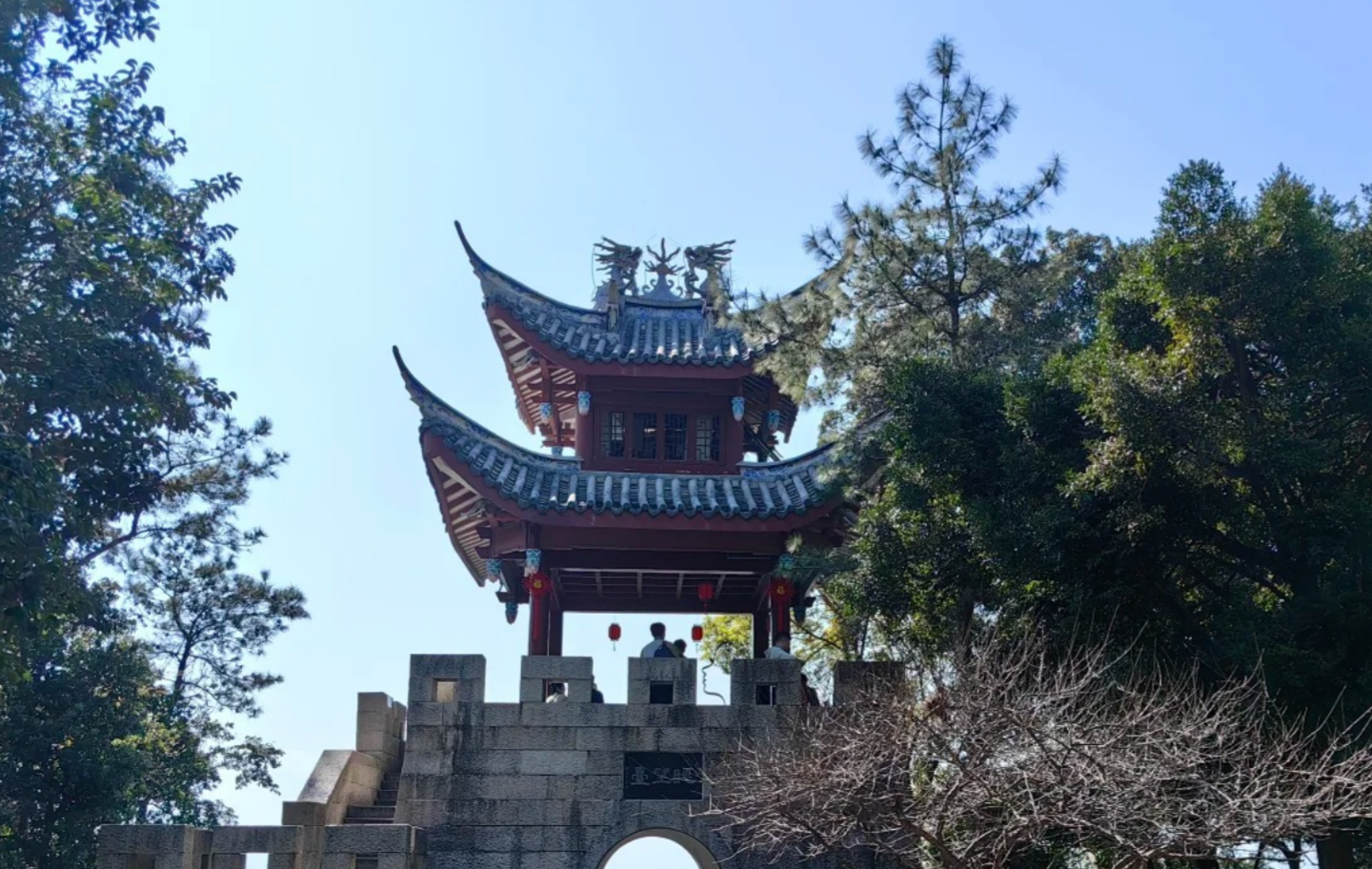
> Best Panoramic Viewpoint: The Baiyunding (White Cloud Peak) Observation Deck offers a sweeping vista of the Min River as it winds its way through the city of Fuzhou.

> Best Spot for Cliff Inscriptions: The crevices within Lingyuan Cave provide the ideal angle; utilize side lighting to highlight the contours of the characters.

> Yongquan Temple: Best photographed in the early morning mist, when the ancient temple is shrouded in atmosphere, the light is soft, and there are very few visitors.

> The Ancient Mountain Path: Along the ascent, look for dappled light filtering through the canopy, creating a beautiful interplay of light and shadow across the ancient trees and stone steps—perfect for portrait photography.

Core Experience: An Immersive Cultural Exploration Guide

Furong Ancient Town Furong Ancient Town Furong Ancient Town Furong Ancient Town

Five Must-Do Activities to Unlock the Complete Gushan Experience

1. Hike the Thousand-Year-Old Ancient Path

- Timing: The best time to set out is early in the morning (6:00–7:00 AM), when the lighting is soft and the crowds are sparse. - Route: Exit from Gate A of Gushan Metro Station; the trailhead is just a short walk away.

- Experience: Ascend the mountain via a path of 2,145 stone steps, passing through the "Seven Li, Seven Pavilions" section, and admire the ancient cliff carvings scattered alongside the steps at close range.

- Duration: Approximately 1.5 hours to reach the summit area (the "Eighteen Scenic Spots").

- Tips: Wear athletic shoes and bring water.

2. Explore the Zen Realm of Yongquan Temple

- Time: 8:00 AM – 10:00 AM; the temple has just opened, making it the quietest time to visit.

- Experience: Seek out the temple gate amidst a unique architectural layout where—as the saying goes—"one enters the mountain yet sees no temple, and enters the temple yet sees no mountain"; gaze up at the plaque inscribed with the calligraphy of Emperor Kangxi; sit in quiet contemplation for a moment in the Hall of the Great Hero; and admire the Thousand-Buddha Ceramic Pagoda, which dates back nearly a thousand years.

- Tips: You can enjoy a bowl of clear vegetarian noodles at the temple's noodle shop to savor a taste of Zen-inspired cuisine.

3. Read a Thousand-Year History Etched in Stone

- Location: The Lingyuandong (or "Hewuyan") area, home to the highest concentration of cliff carvings.

- Content: Look for the earliest inscription, dated 1046, by Cai Xiang, as well as the massive 4.15-meter-tall stone carving of the character for "Longevity" (Shou), created by Zhu Xi.

- Activity: You may bring paper and charcoal sticks to create simple rubbings within designated areas (strictly for personal keepsakes).

4. Capture the City's Stunning Skyline

- Location: The Baiyunding Viewing Platform or Lizifeng Peak (the highest peak).

- Best Time: 5:00 PM – 6:00 PM—the "golden hour" for photographing the sunset over the Min River and the city as its evening lights begin to twinkle.

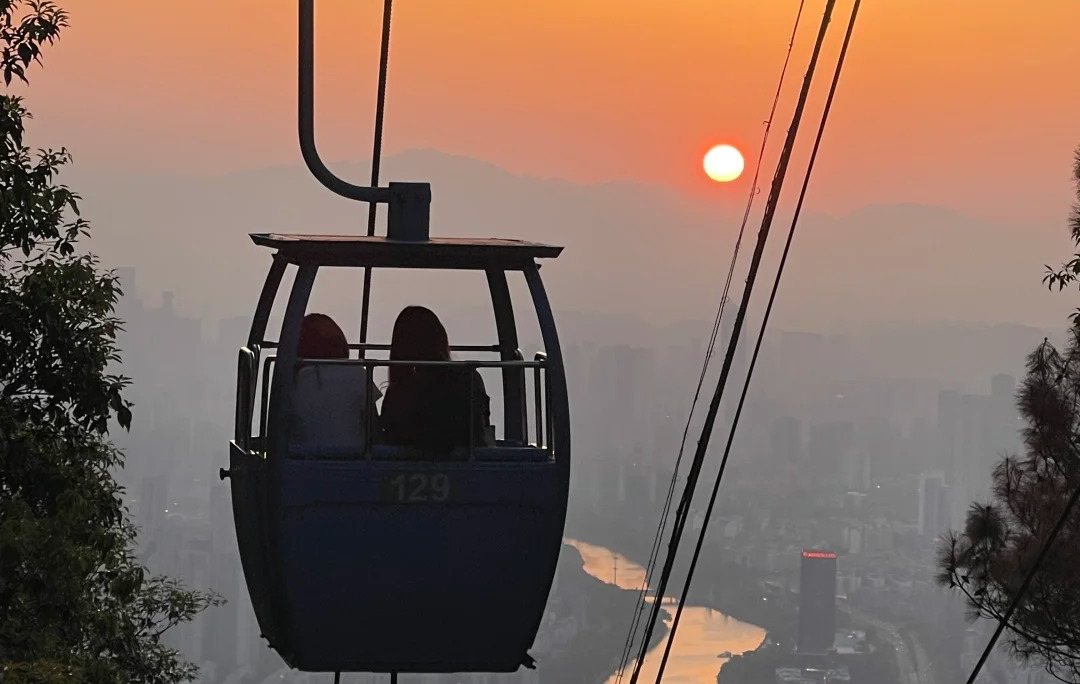
- Tips: Take the cable car back down the mountain to enjoy a magnificent aerial view of the sunset, watching the sky glow like molten gold.

5. Savor Authentic Eastern Fujian Flavors

- Temple Vegetarian Noodles: Served at the vegetarian dining hall (Zhai Tang) within Yongquan Temple—simple yet elegant.

- Fuzhou Fish Balls & Rouyan (Meat Swallows): Numerous snack stalls can be found at the scenic area's entrance and in the town of Gushan at the foot of the mountain; here, you can sample fish ball soup and Rouyan to experience the classic, bustling local atmosphere of Fuzhou. - Rock Tea Tasting: The mountain teahouse offers locally produced rock tea, inviting you to take a brief respite beneath ancient pines and savor the harmonious unity of Zen and tea.

Suggested Itineraries

Half-Day "Cultural Highlights" Tour (Ideal for visitors with limited time):

Arrive at the foot of Drum Mountain at 8:00 AM → Take the cable car up the mountain (approx. 30 minutes; 50 RMB/person, one-way) → Visit Yongquan Temple (1 hour; admission: 40 RMB/person) → Walk to Lingyuan Cave (also known as "Drinking Water Rock") to explore the cliffside stone carvings (45 minutes) → Hike to the Baiyunding (White Cloud Peak) Observation Deck for a panoramic view of Fuzhou (30 minutes) → Walk down the mountain via the ancient hiking trail, admiring the "Seven Pavilions in Seven Li" and the trailside stone carvings along the way (approx. 1 hour) → Return to the foot of the mountain and depart around 12:00 PM.

Full-Day "Deep Immersion" Tour (Highly Recommended):

Begin hiking up the mountain via the ancient trail at 7:00 AM (1.5 hours; admire cliffside carvings and ancient pavilions along the way) → Arrive at Yongquan Temple for a peaceful visit (1 hour; recommended before tour groups arrive) → Explore the cluster of cliffside stone carvings at Lingyuan Cave (Drinking Water Rock) (40 minutes) → Head to the "Eighteen Scenes of Bodhidharma" to admire the unique rock formations (1 hour; admission: 10 RMB/person) → Rest at a mid-mountain teahouse to enjoy rock tea and vegetarian noodles (40 minutes) → Continue climbing in the afternoon to Lizha Peak or the Baiyunding Observation Deck (1 hour) → Wait at the observation deck around 5:00 PM to watch the sunset and the city lights (1.5 hours) → Take the cable car down the mountain in the evening, enjoying aerial views of the sunset and city lights (30 minutes) → Conclude the itinerary around 7:00 PM.

A half-day visit to Drum Mountain is sufficient to experience its core highlights; however, if you have a full day available, a complete experience—delving into the ancient trails, unique rock formations, and panoramic sunset views—is highly recommended. IntoTravelChina Advantages: We can book the most suitable accommodations for you, seamlessly coordinate all your activities, and provide detailed hiking maps along with safety guidelines.

> Professional Guides: IntoTravelChina offers fully customized itineraries, including exclusive private guides, transportation, and activity arrangements, ensuring a worry-free and immersive travel experience. >> [Consult for Customization Now]

Comprehensive Travel Guide: Transportation, Accommodation, and Seasons

Furong Ancient Town Furong Ancient Town Furong Ancient Town

How to Get There: A Seamless Connection Guide

Mount Gu (Gushan) is situated right next to Fuzhou’s city center, offering extremely convenient transportation options that allow you to freely combine subway, bus, and cable car travel.

- From Fuzhou City Center: We recommend taking Subway Line 2; exit at Gushan Station (Exit A), and you will arrive directly at the foot of the mountain. Bus routes—including Lines 7, 29, 69, 73, 108, and others—also serve Gushan Station.

- From Fuzhou High-Speed ​​Railway Station (Fuzhou Station): We recommend taking Subway Line 1 and transferring to Line 2; the entire journey takes approximately 30 minutes to reach Gushan Station.

- From Fuzhou Changle International Airport: We recommend taking the airport shuttle bus to the city center, followed by Subway Line 2; the total travel time is approximately 1.5 hours.

Mountaineering Options:

- Traditional Hiking: Walk the ancient mountain trail (dating back over a thousand years). This option is free of charge, covers a distance of approximately 3.5 km, and takes 1 to 1.5 hours to complete.

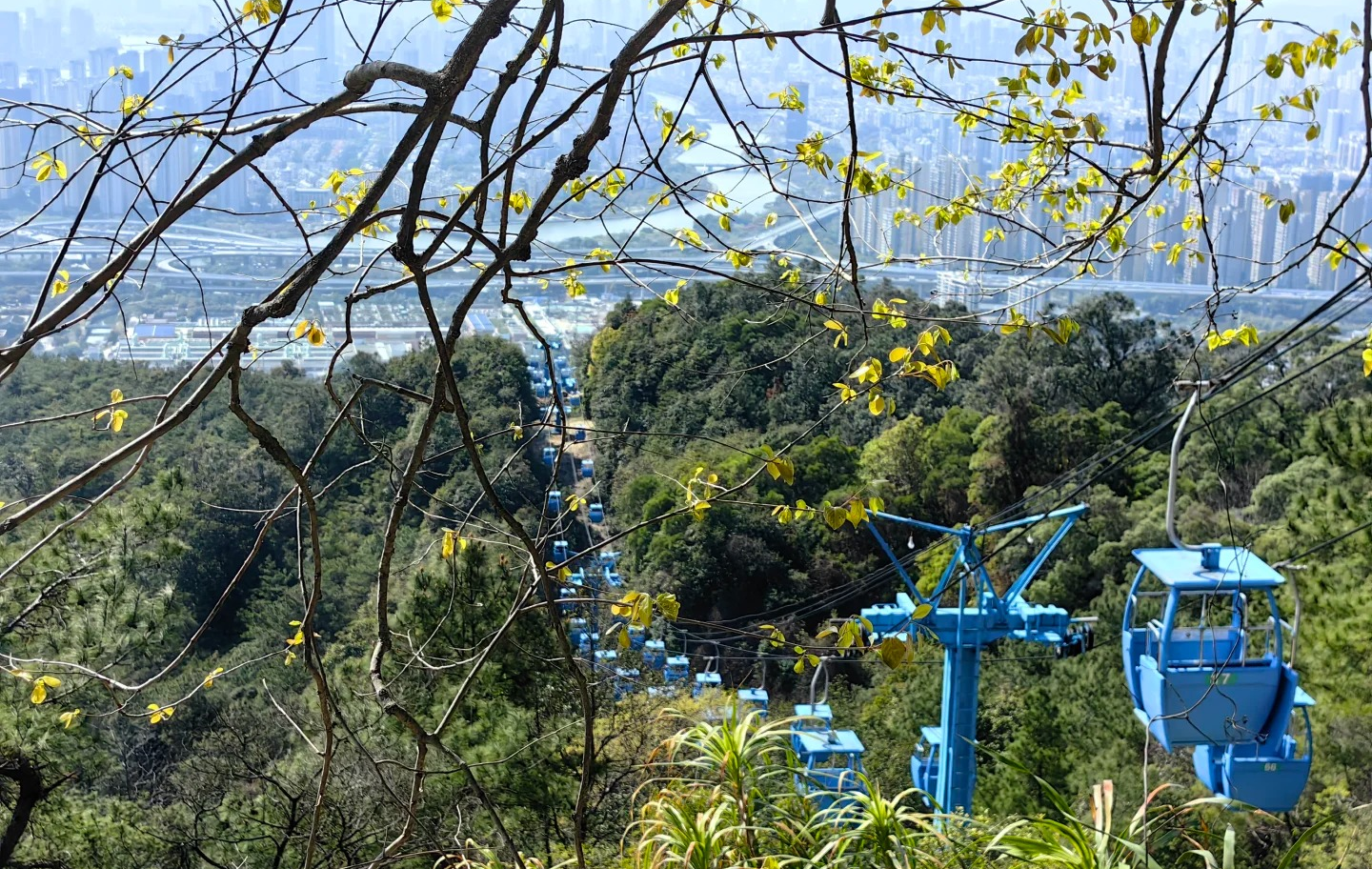
- Cable Car: Adult fares are 50 RMB per person for a one-way trip and 70 RMB per person for a round trip. Operating hours are from 8:00 AM to 5:30 PM. We recommend the combination of "taking the cable car up and walking down"—this saves physical energy while still allowing you to enjoy the pleasure of hiking.

- Scenic Area Shuttle Bus: A dedicated shuttle service runs from Gushan Xieyuan to Yongquan Temple. The fare is 10 RMB per person.

Scenic Area Ticket Information:

- Main Entrance Ticket (to the Scenic Area): Free of charge.

- Yongquan Temple: 40 RMB per person.

- "Eighteen Scenic Spots" at Damodong (Bodhidharma Cave): 10 RMB per person.

Best Time to Visit

Mount Gu is a destination that can be visited year-round; however, spring and autumn are the best seasons, offering the most comfortable and pleasant climate.

- Spring & Autumn "Golden Seasons" (March–May; September–November): The weather is warm and refreshing, with moderate humidity levels. In spring, azaleas bloom profusely across the mountainsides, and ancient trees sprout fresh green foliage; in autumn, the forests are ablaze with color, offering the clearest and most expansive vistas when viewed from the summit.

- Summer Retreat Season (June–August): While Fuzhou’s urban center can be sweltering, the mountain remains cool and pleasant. With its high forest coverage, it serves as a natural summer sanctuary and a "fresh-air oxygen bar." Visitors should be mindful of potential afternoon typhoons; the cable car service may be suspended during adverse weather conditions.

- Winter Tranquility Season (December–February): Visitor numbers are sparse, creating a serene and peaceful atmosphere. On clear days, the panoramic views from the high vantage points are exceptional. Temperatures are slightly lower than in the city center, so a windproof jacket is recommended.

Accommodation Options

Gu Mountain is situated right next to Fuzhou’s city center; consequently, most visitors choose to stay in the city, where accommodation options are incredibly diverse. However, for those wishing to immerse themselves more deeply in the mountain forest atmosphere, unique accommodations located directly on the mountain are also available.

- City Center Hotels (The Mainstream Choice)

Experience: Fuzhou’s city center offers a full spectrum of accommodation options—ranging from international five-star hotel chains to boutique design hotels and youth hostels—at every price point. Direct subway access to Gu Mountain makes commuting extremely convenient.

Recommended Area: The vicinity of Sanfang Qixiang (Three Lanes and Seven Alleys) in Gulou District allows you to easily visit Gu Mountain while also enjoying leisurely strolls through Fuzhou’s most renowned historical and cultural district.

Best For: All types of travelers, particularly those looking to combine their visit to Gu Mountain with other city attractions such as Sanfang Qixiang and Shangxiahang.

- Guling Resort Area Accommodation (The Unique Choice)

Experience: Situated at an altitude of over 800 meters, Guling is a historically famous summer retreat in modern China. Since its establishment by Western missionaries in 1886, summer temperatures here have rarely exceeded 30°C. The area preserves over 200 vintage villas featuring diverse architectural styles; visitors can choose to stay in these beautifully restored historic villas or in modern mountain resorts.

Best For: Summer vacationers seeking respite from the heat, travelers interested in a deep dive into local history and culture, and photography enthusiasts eager to capture the very first rays of morning sunlight embracing Gu Mountain.

IntoTravelChina Accommodation Booking Tips:

If you require assistance from a travel agency to book accommodation in the Fuzhou or Gu Mountain areas, please let us know your budget range and travel season; we will match you with the perfect combination of accommodations and itinerary options. >> [Consult for Customization Now]

Extend Your Journey: A Loop Tour Connecting the Essence of Mindu Culture

Furong Ancient Town

Mount Drum (Gushan) is by no means the end of your journey; rather, it serves as the perfect starting point for exploring the vibrant city of Fuzhou—and indeed, the very essence of Fujian province.

- Classic Fuzhou 2-Day Loop: Mount Drum (Ancient Trails & Cliff Carvings) → Three Lanes and Seven Alleys (A Living Museum of Ming & Qing Architecture) → Shangxiahang Historic District (Centuries-Old Merchant Port Charm) → Mount Yu Scenic Area (Another Hub for Cliff Carvings within the City). This route is a perfect blend of nature, history, and the vibrant local atmosphere of the city. 

- Northeast Fujian Link-Up: Combine your visit to Mount Drum with destinations such as Mount Wuyi (a UNESCO World Cultural and Natural Heritage Site), Mount Taimu ("The Immortal City by the Sea"), and Baishuiyang (a Natural Shallow-Water Plaza). Experience the diverse landscapes of Fujian—from ancient Zen forest trails to spectacular Danxia landforms. 

Partner with IntoTravelChina to Embark on Your Exclusive Journey of Mindu Cultural Discovery

Furong Ancient Town

The story of Mount Drum is woven from the echoes of the "Stone Drum," the morning bells and evening drums of a thousand-year-old Zen monastery, and the epic poetry of Chinese calligraphy carved directly into the cliffs. IntoTravelChina specializes in crafting in-depth, personalized, and hassle-free travel experiences across China. Our travel experts are here to provide you with:

- Tailored Itineraries: We design the perfect route—incorporating Mount Drum and surrounding attractions—based entirely on your interests and available time.

- One-Stop Service: We handle all the details—tickets, unique accommodations, transportation transfers, local guides, and activity bookings.

- Exclusive Experiences: We arrange private early-morning hikes along ancient trails, hands-on cliff-carving rubbings workshops, visits to morning prayer sessions at Yongquan Temple, guidance on the best times for photography, and more.

Let your journey to Mount Drum be more than just sightseeing; let it be an immersive dialogue with a thousand years of culture.

Start Planning Your Journey Now

We invite you to contact our professional travel consultants; we will provide you with a personalized itinerary and quotation within 24 hours. >> [Consult for Customization Now]

What Our Clients Say?

Based on 10,000+ traveler reviews

...
Daniel Dorothea
Canada
Reviewed on April 29,2025
Shopping on Nanjing Road in Shanghai was just amazing! It's truly the "First Commercial Street of China", where tradition and modernity blend perfectly. You can find awesome souvenirs and experience the trendy vibes in cool stores. The neon lights at night are just spectacular, shining bright like Times Square in New York. The food here is incredible too. I had a feast for my taste buds. Shanghai, I'll definitely be back!
Destination(s): Shanghai
Date of Experience: May 08,2024
...
...
Elvis Eva
Canada
Reviewed on June 20,2025
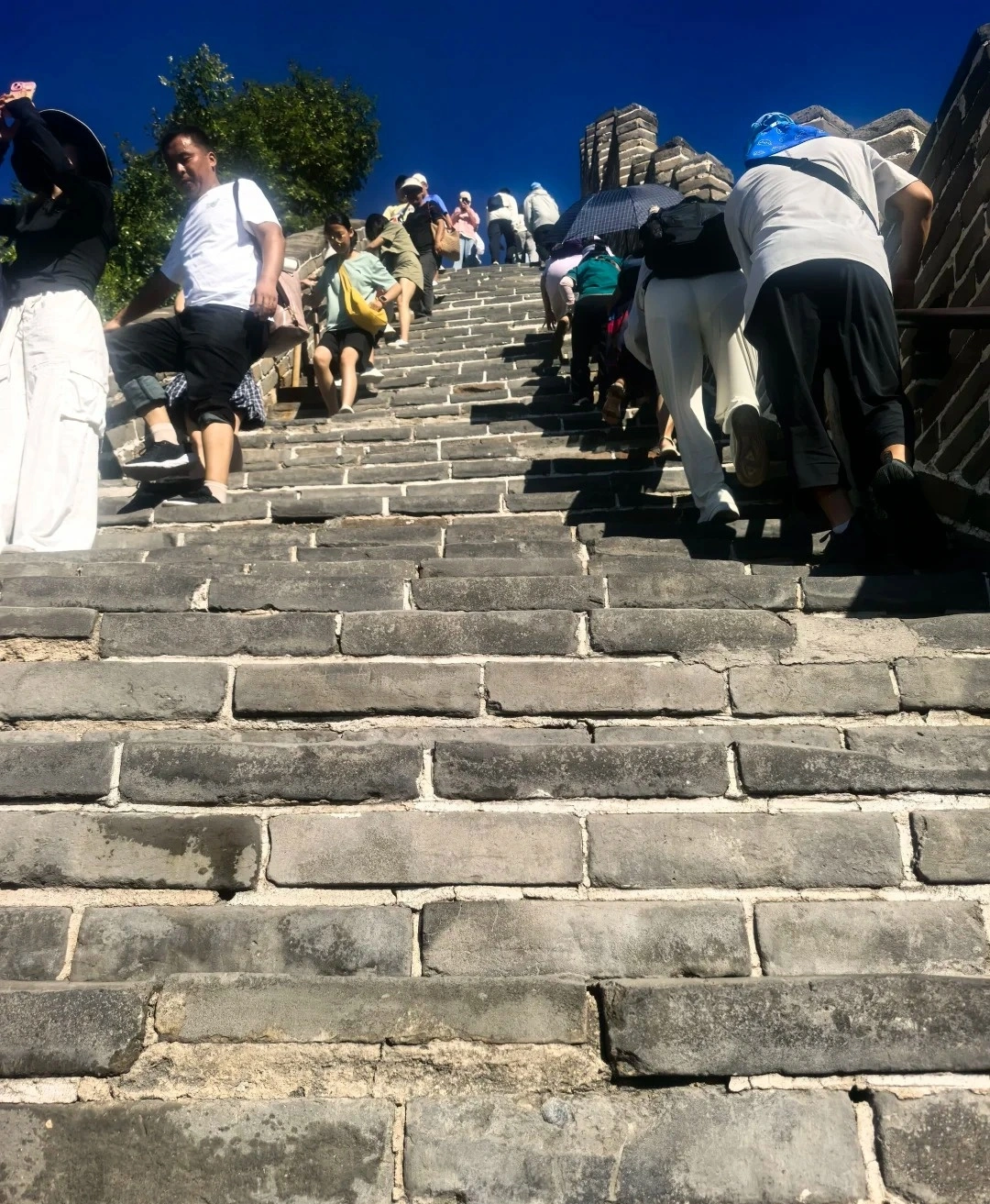
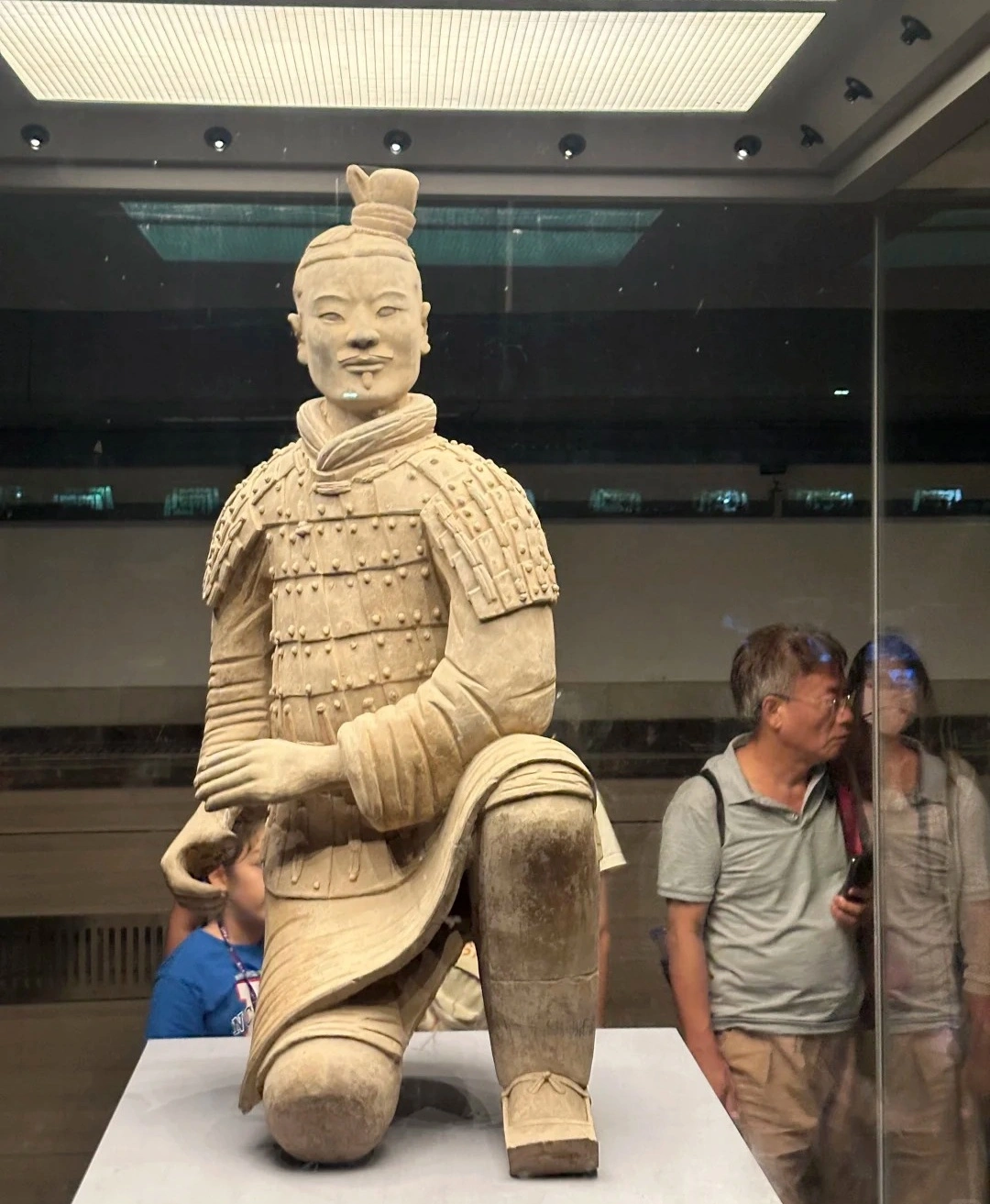
As a solo traveler from Canada, I was nervous about navigating China alone—but this 11-day tour was PERFECT! From hiking the Great Wall at sunrise (Day 3) to gasping at the Terracotta Army (Day 5), every day delivered ‘pinch-me’ moments. The real showstopper? Zhangjiajie’s Avatar Mountains (Day 7)! Our guide made the stone pillars come alive with stories. Massive thanks for handling all logistics—bullet train tickets, entry passes, car! And the 4-star hotels surprised me.
Destination(s): Beijing Xian Zhangjiajie Shanghai
Date of Experience: June 02,2025
... ... ...
...
Simon
America
Reviewed on May 29,2025
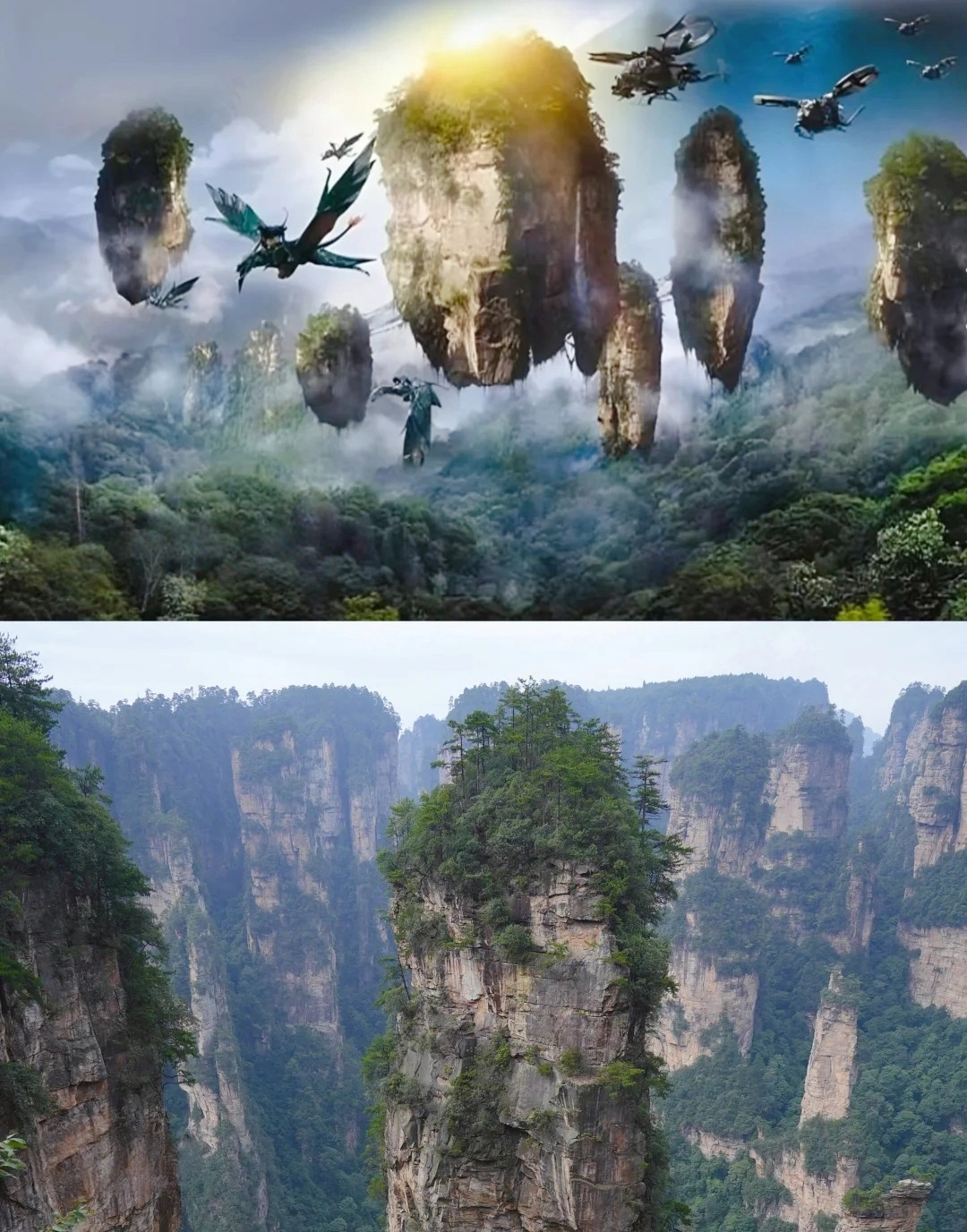
Our 2-day Zhangjiajie tour was beyond spectacular! As someone who’s visited Beijing and Shanghai for work, this trip revealed China’s wild, magical heart. Day 1 in Zhangjiajie National Forest Park felt like stepping onto Pandora—I’m a huge Avatar fan, and Yuanjiajie’s floating peaks left me breathless. The misty pillars and lush valleys like pure movie magic! Then came Fenghuang Ancient Town, we eat dinner beside the thundering waterfall. It seems Unreal! The night views of stilt houses glowing over the river were straight from a fairy tale. For fellow Avatar lovers and adventure seekers: Don’t miss this bucket-list experience! 10/10 would return. A Well-Traveled Film Buff, May 2025
Destination(s): Zhangjiajie
Date of Experience: May 08,2025
... ...

Ask a Question

Question Summary (100 characters)
Details (optional) (2,000 characters)
Name
Country
Phone
Email