Nature's Masterpiece—A Living Tapestry of the Changing Seasons
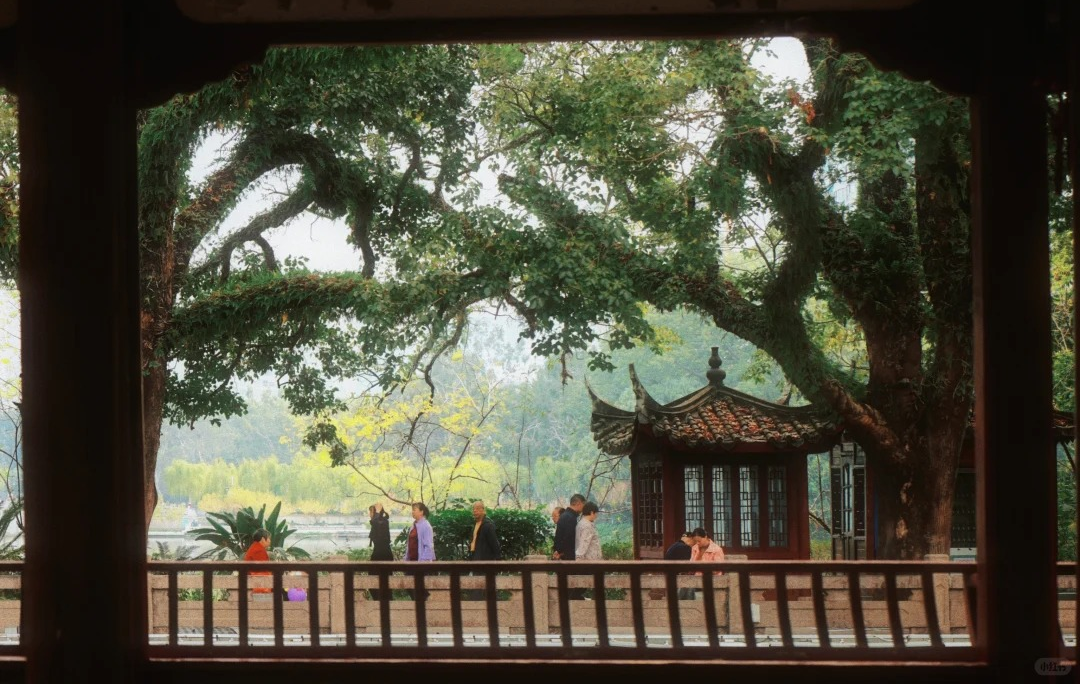
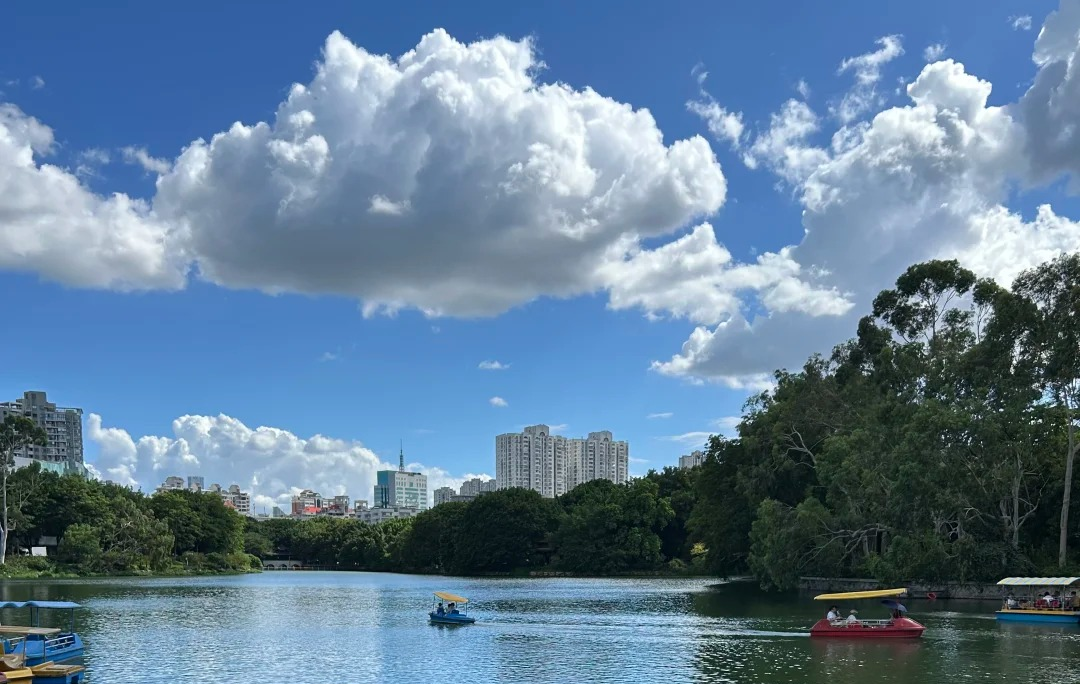
The beauty of Fuzhou's West Lake lies in its deep, intrinsic connection to the changing seasons. With four distinct seasons—each offering its own unique scenery—the lake unfolds like a living, ever-shifting version of the Dwelling in the Fuchun Mountains scroll painting.
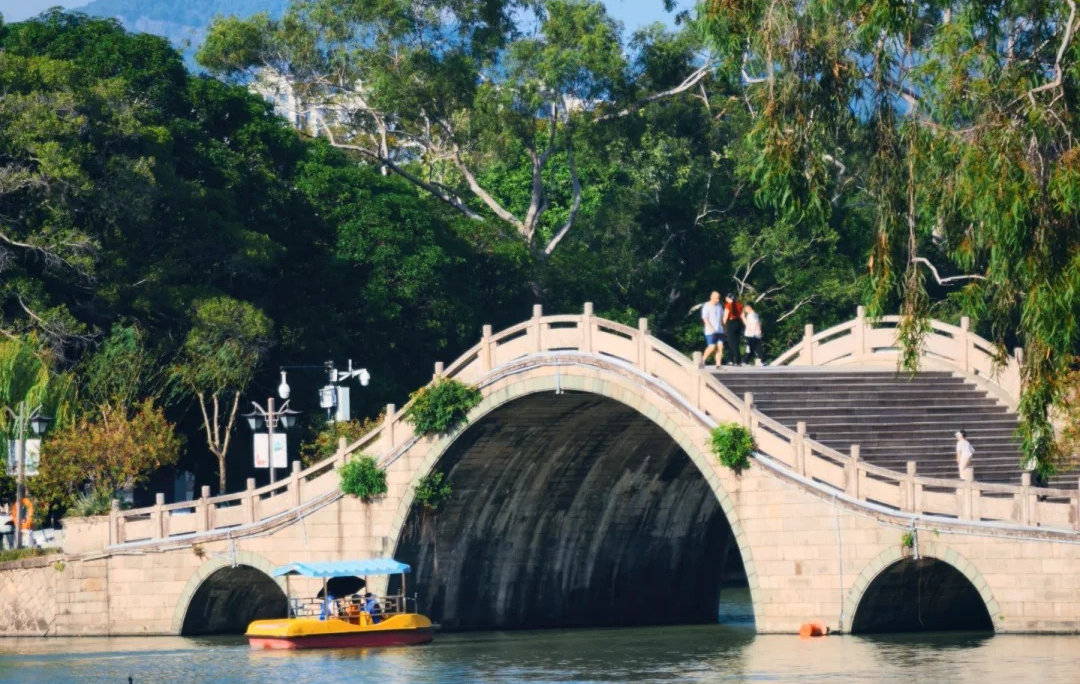
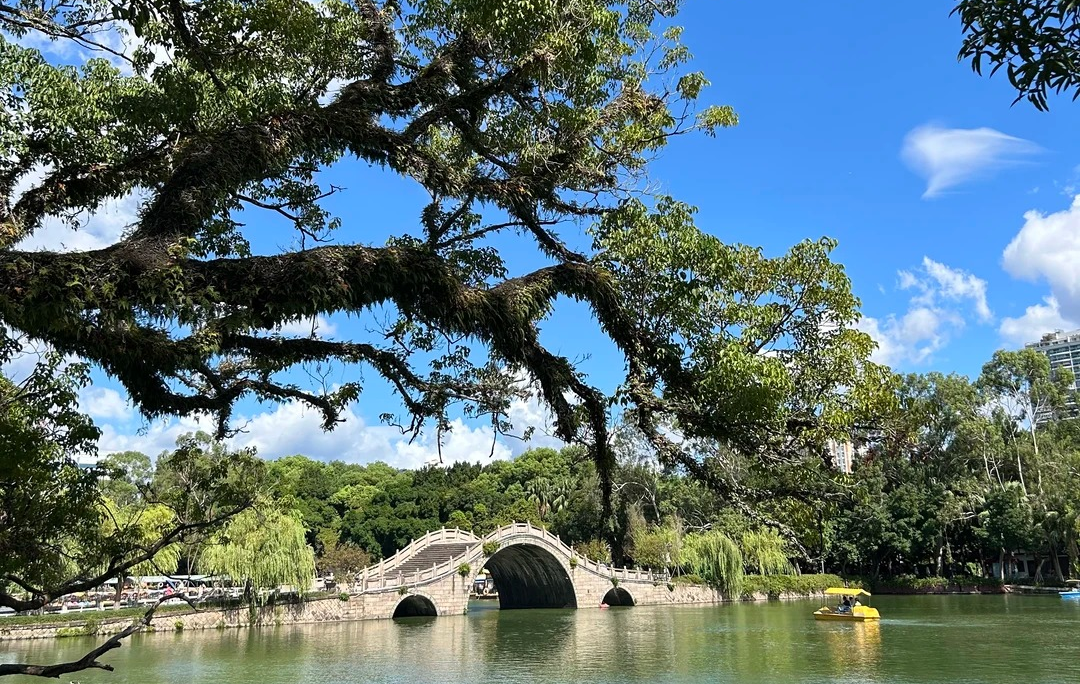
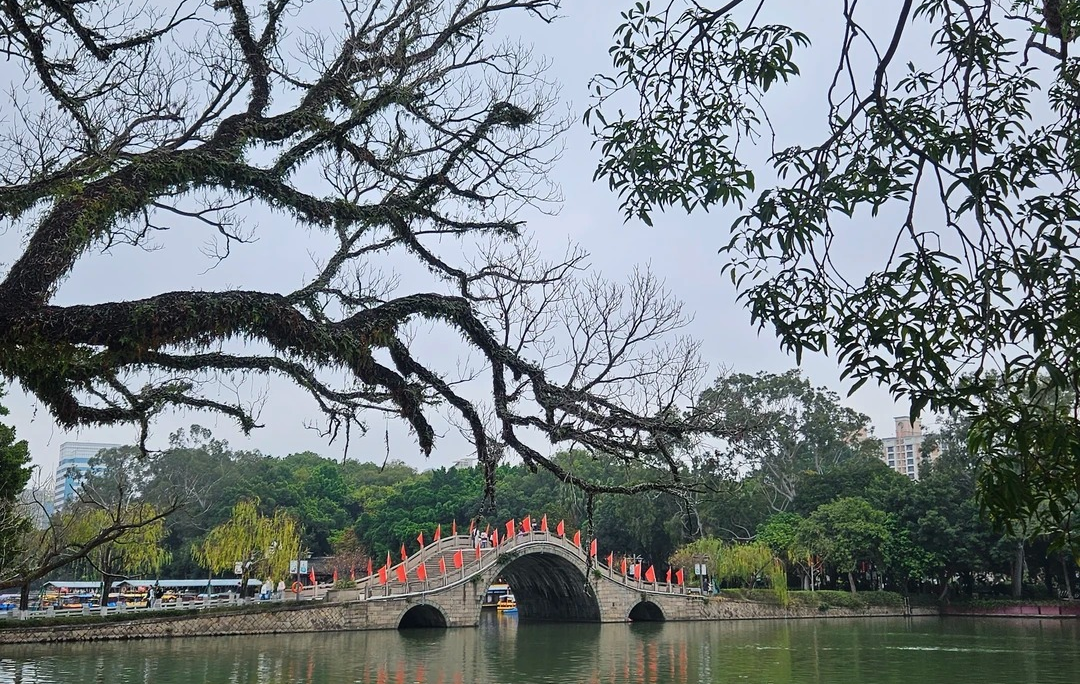
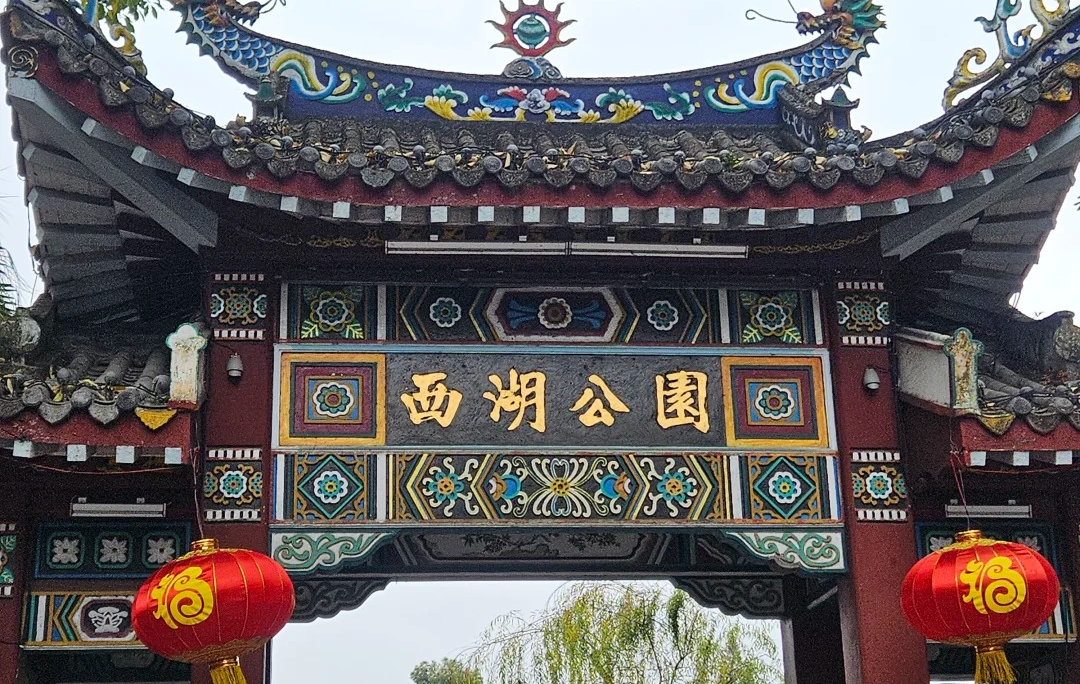
Spring: "Willow Hues at the Immortal Bridge"—Spring at West Lake begins with a willow-lined causeway. This site holds the distinction of being the foremost among the ancient "Eight Scenes of West Lake." Upon entering through the South Gate, one sees the long causeway lying gracefully across the water; on either side, weeping willows sway gently while peach blossoms bloom like fiery embers, appearing from a distance like a silken sash draped across the lake. As the spring breeze sweeps through, the willow fronds dance in harmony with the azure ripples, and birds chirp from the branches—a vibrant tableau of life and vitality slowly unfolds before one's eyes.
Summer: "Evening Songs at the Lotus Pavilion"—During the sweltering days of summer, the Lotus Pavilion—nestled in the northwest corner of West Lake—serves as an ideal sanctuary for escaping the heat. Vast expanses of lotus leaves blanket the water, while pink and white lotus blossoms rise gracefully above the surface; as a gentle breeze wafts through, the sweet fragrance of the lotuses permeates the air. In ancient times, this was a cherished spot where literati and refined scholars would gather to admire the lotus blossoms and compose poetry; today, it remains the ideal venue for citizens to seek respite from the heat and engage in leisurely conversation.
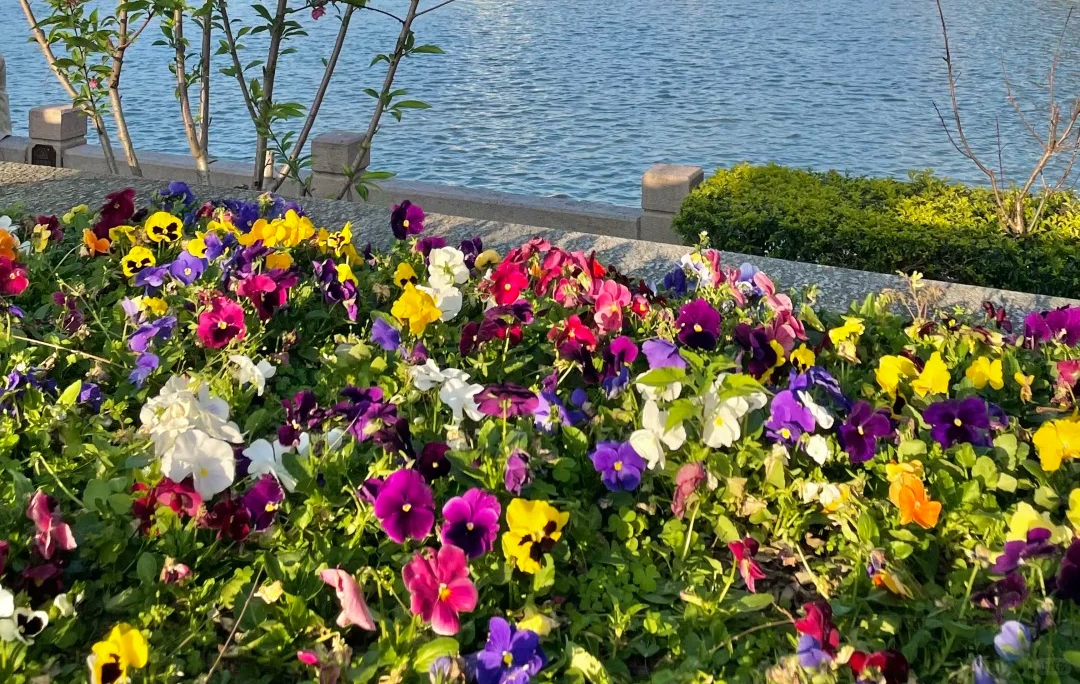
Autumn: A "Sea of Golden Chrysanthemums" — Every late autumn (typically in November), Fuzhou West Lake plays host to a grand floral spectacle: the Golden Autumn Chrysanthemum Exhibition. Tens of thousands of potted chrysanthemums vie for attention in a dazzling display, transforming areas such as Kaihua Islet into a shimmering golden ocean. Nearly a million visitors flock to the park during this period, drawn solely by the desire to partake in this annual feast of color. Tip: The chrysanthemum exhibition is primarily centered on Kaihua Islet; it is recommended to enter through the South Gate and stroll along the lakeshore.
Winter: "Ancient Battlements in the Setting Sun" — Even in winter, West Lake loses none of its charm. As dusk falls, standing by the water's edge, one can watch the lingering glow of the sunset cast its light upon the ancient battlements (reconstructed city walls) and the tranquil lake surface, gilding the pavilions and terraces with a warm, golden outline. At this moment, the plum blossoms begin to unfurl, their subtle fragrance drifting through the air, rendering the entire garden a place of extraordinary serenity and timeless beauty.
Humanistic Ingenuity — A Cultural Legacy Etched into the Landscape
Fuzhou West Lake is not merely a natural scenic spot; it is, in essence, an open-air museum of history and culture.
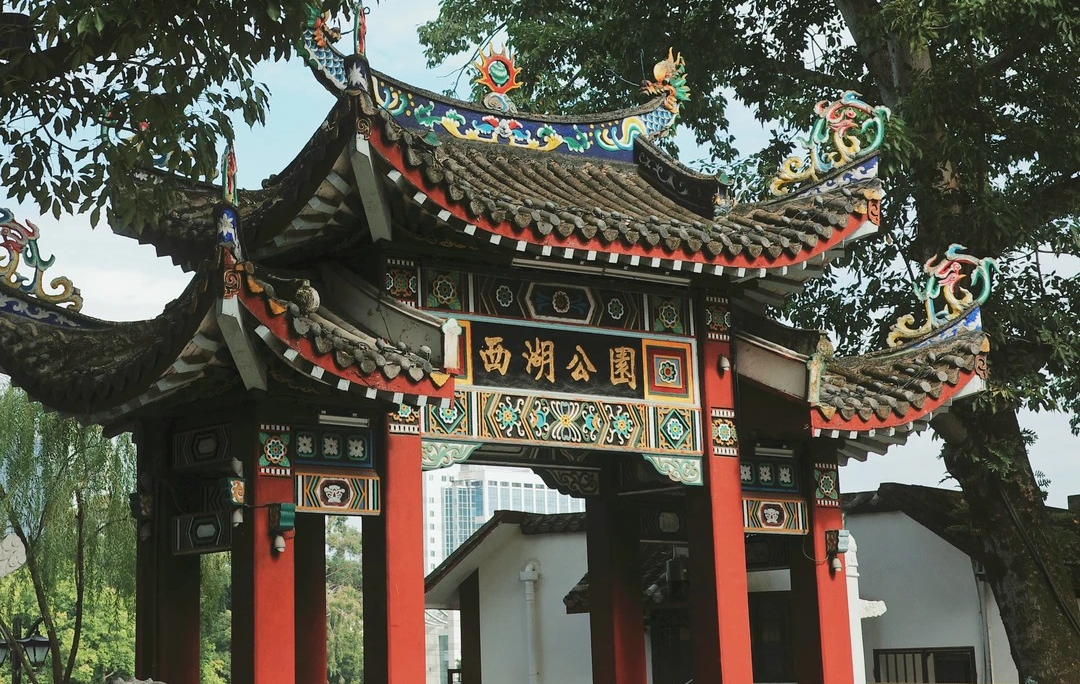
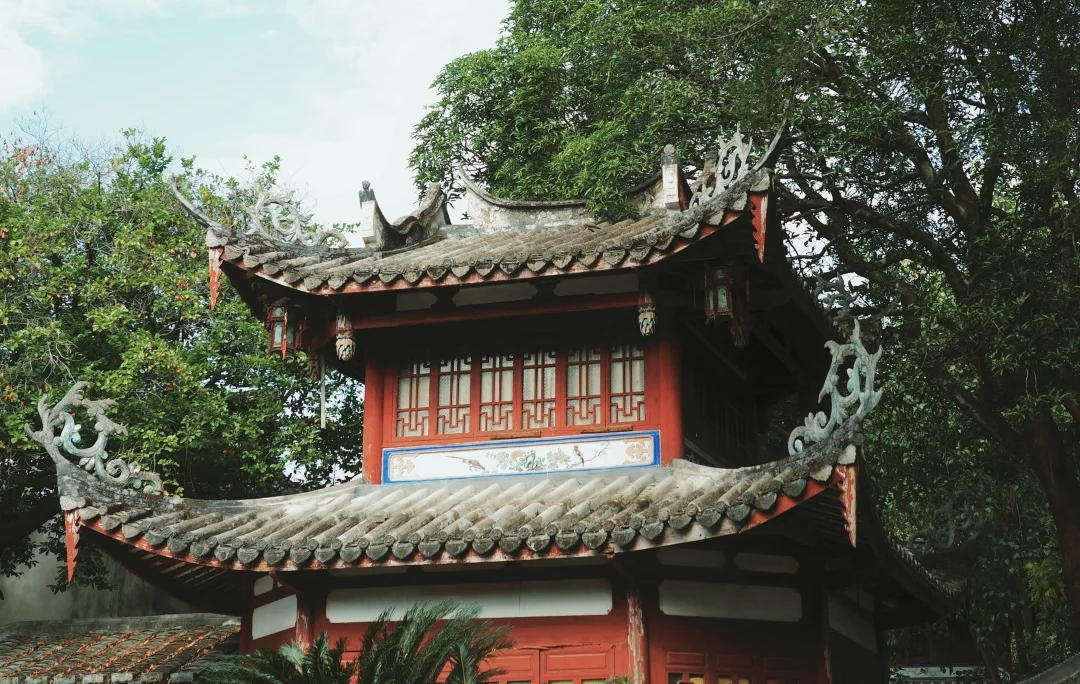
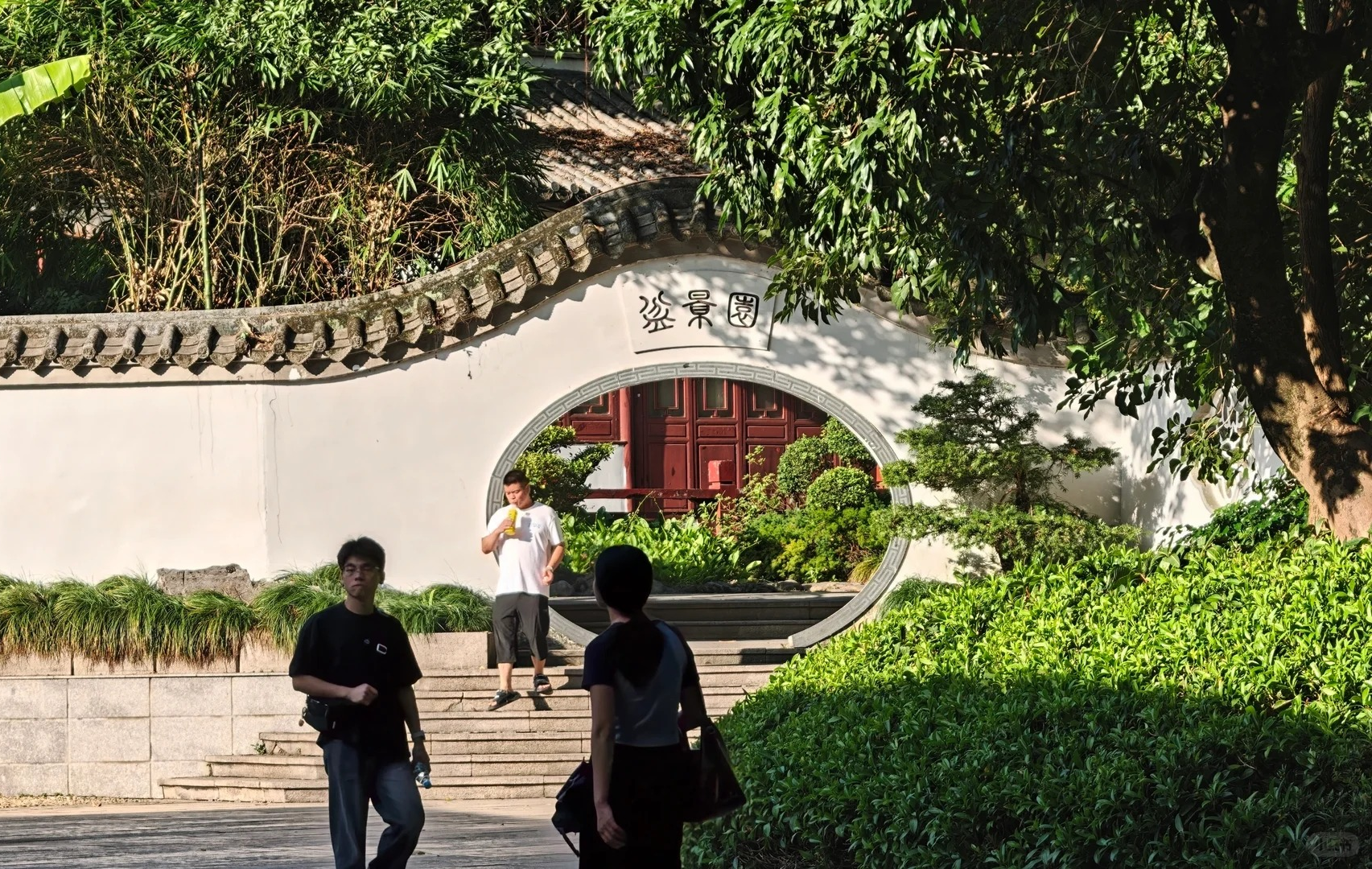
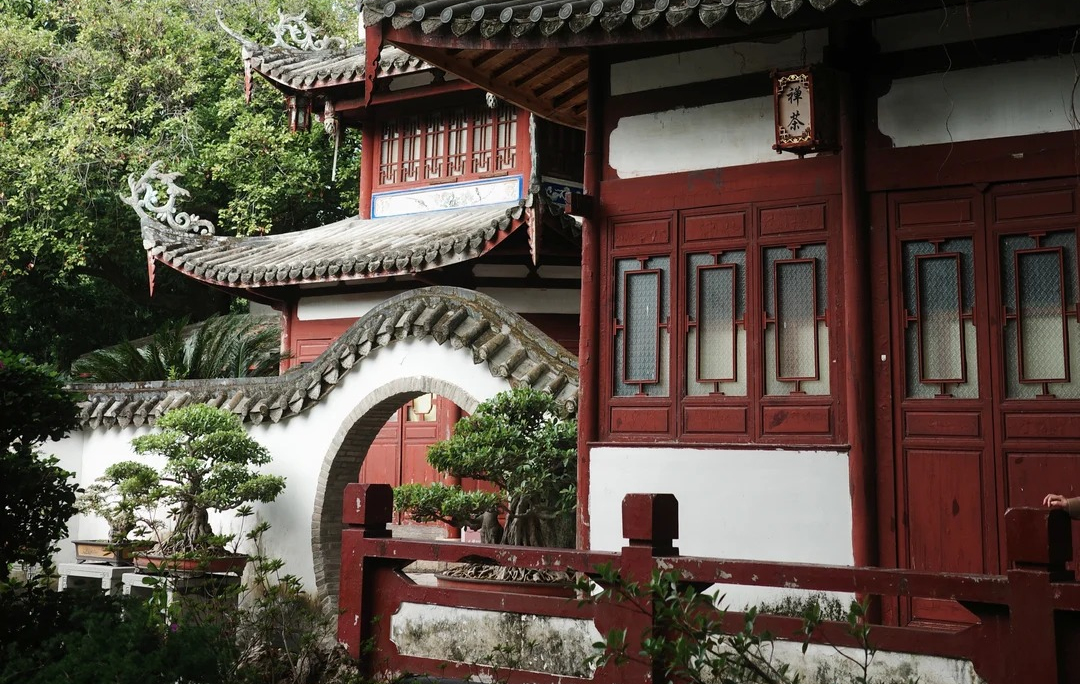
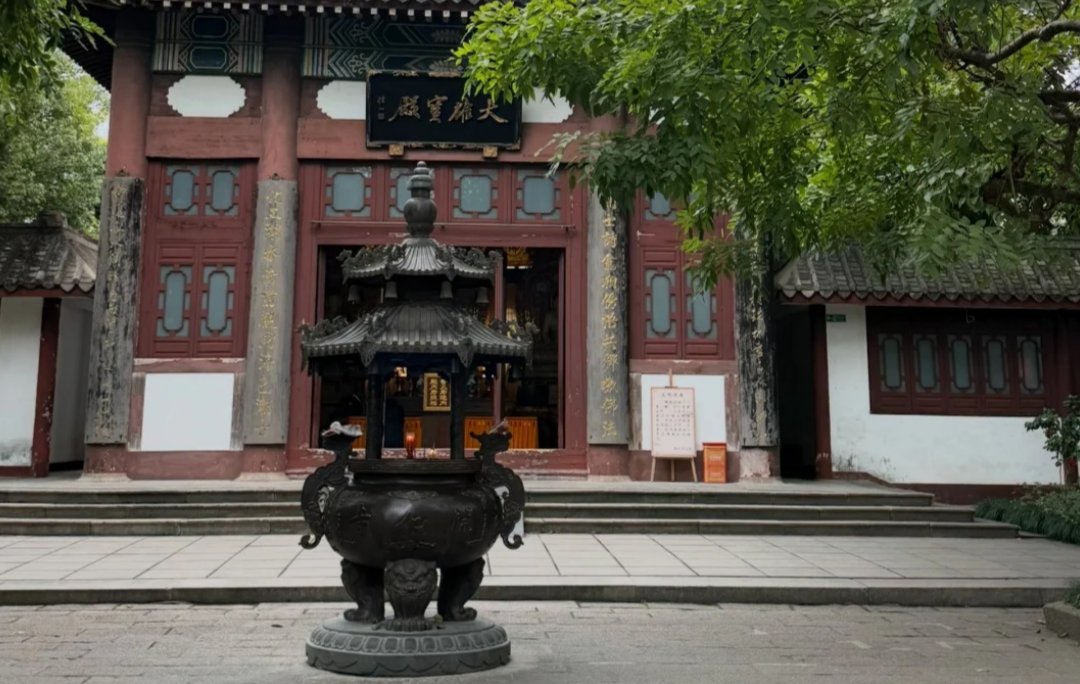
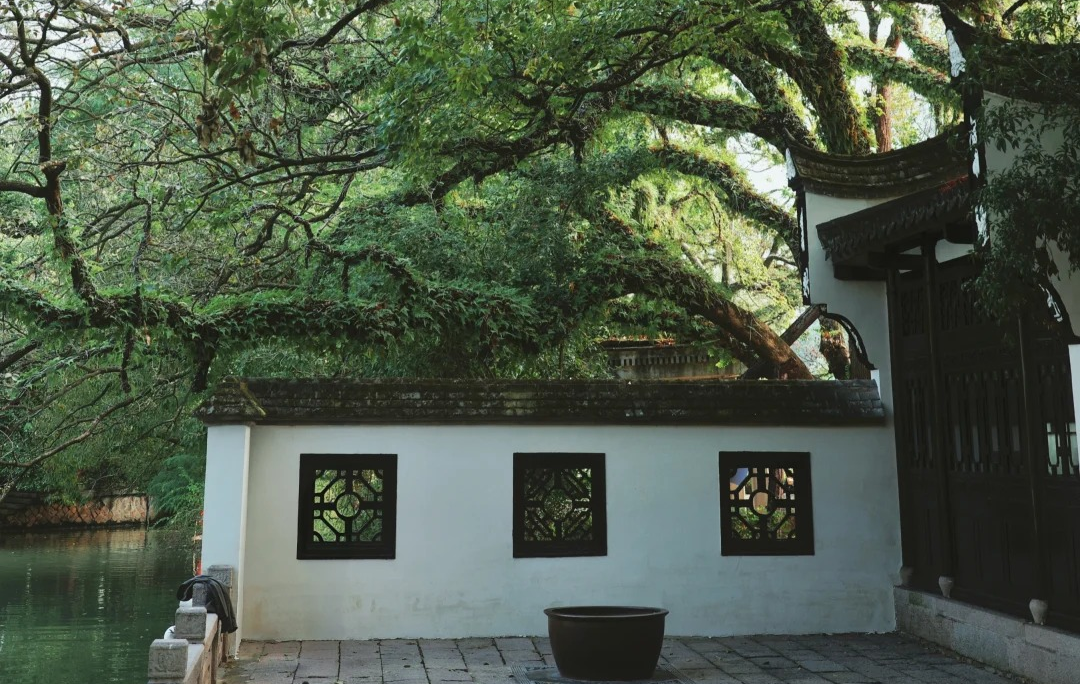
Kaihua Temple: Originally established in the fourth year of the Jingyou reign during the Northern Song Dynasty (1037 AD), it stands as one of the oldest surviving structures in Fuzhou. This thousand-year-old Buddhist sanctuary is situated on Kaihua Islet, its red walls and dark-tiled roofs nestled amidst a canopy of ancient pines and cypresses. With the faint chanting of sutras drifting from within and the azure waters encircling it without, it offers a rare sanctuary of tranquility amidst the bustle of a modern metropolis.
Wanzai Hall: Located to the south of Kaihua Temple, this elegant edifice was originally the private villa of the Ming Dynasty poet Fu Ruzhou. It later evolved into a hallowed ground for the poetic circles of central Fujian, housing memorial tablets dedicated to 33 poets hailing from Fuzhou—including the renowned Lin Zexu. Its name is derived from the poetic imagery found in the Book of Songs (Shijing)—specifically the line "Wanzai shui zhongyang" ("Seemingly in the midst of the waters")—perfectly encapsulating the poetic and picturesque spirit of classical Chinese gardens.
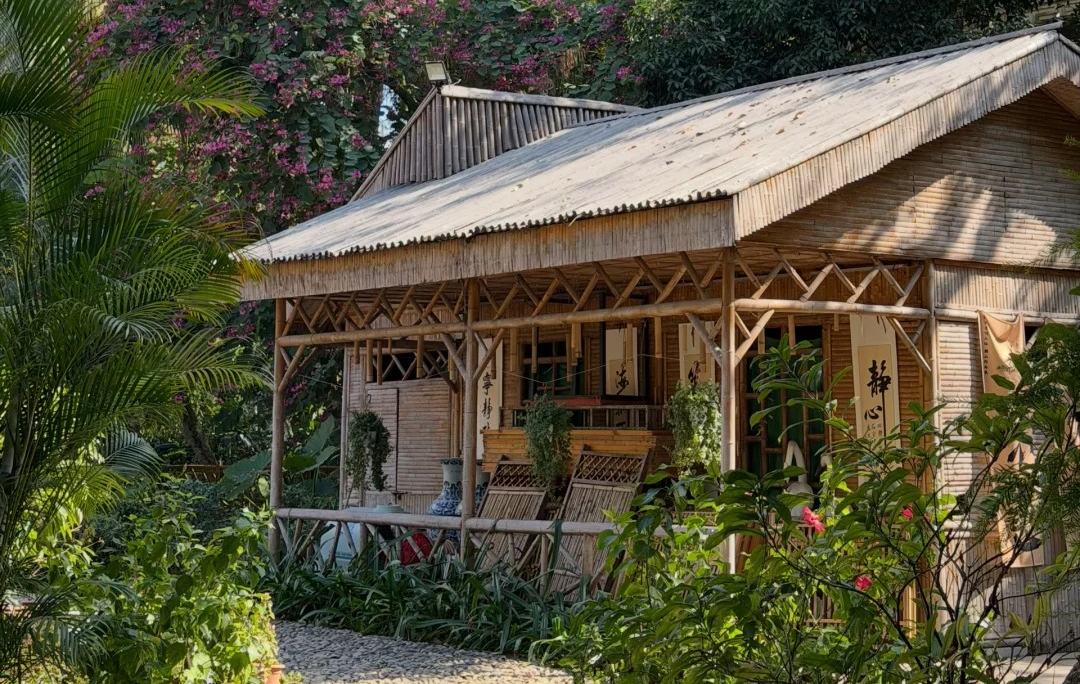
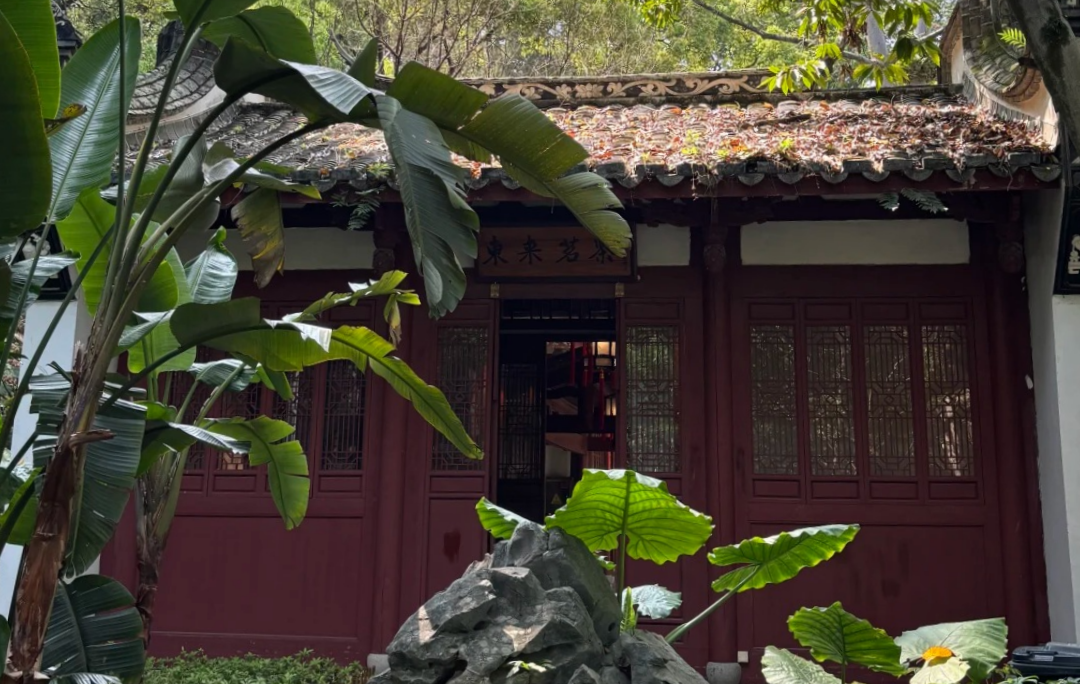
Gui Zhai (Osmanthus Study) & Lin Zexu’s Study: Gui Zhai served as the place where the national hero Lin Zexu pursued his studies during his childhood; today, it retains its original rustic charm and historical character. Stepping inside, one can almost sense the presence of the young Lin Zexu—diligently poring over his studies right here—a vision that imbues this graceful garden with a spirit of noble integrity.
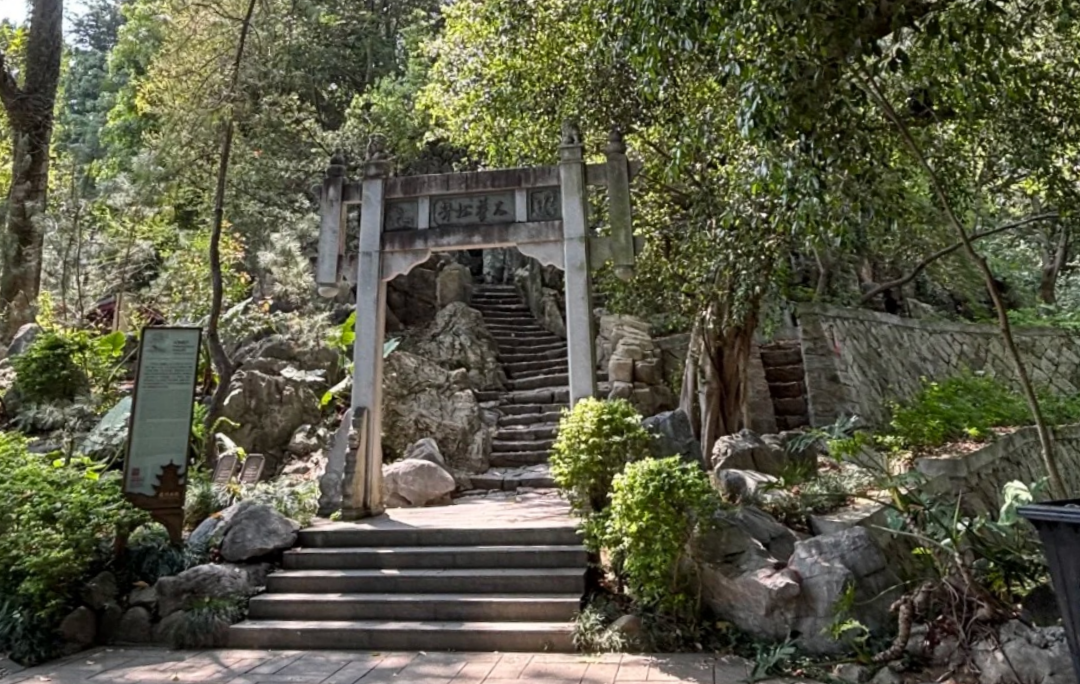
The Chenglan Pavilion and the Legend of the Eight Scenes: During the Song Dynasty, Prefect Zhao Ruyu erected the Chenglan Pavilion on this site and designated the "Eight Scenes," bestowing upon them poetic titles: "Willow-Lined Immortal Bridge," "Pine Whispers of Dameng Mountain," "Sunset over the Ancient Battlements," "Crescent Moon over Crystal Lake," "Evening Songs at the Lotus Pavilion," "Morning Bell of Xichan Temple," "Spring Rain on the Lake Islets," and "Dawn Orioles at Chenglan." These evocative names continue to serve as excellent guides for visitors seeking to explore the park's hidden corners and historical depths.
Photography Tips:
Best Panoramic Vantage Points: Dameng Mountain or the lakeside promenade offer the best spots to capture a sweeping view that encompasses all three islets in the center of the lake.
Ideal for Portraits: The Willow Embankment and Immortal Bridge area is a superb location for capturing the classic "peach blossoms amidst green willows" aesthetic, as well as for portrait photography.
Atmospheric Shots: Photographing sunset silhouettes at the "Sunset over the Ancient Battlements" spot during the evening twilight creates a truly atmospheric effect.
Aerial Photography: Drone usage must strictly adhere to Fuzhou City's regulations regarding unmanned aerial vehicles.