

Top 10 Distinctive Local Delicacies in Pingyao: A Gastronomic Exploration
From melt-in-the-mouth Pingyao beef and spicy hand-shaved noodles to crispy deep-fried oil cakes and tangy pickled vegetables, Pingyao’s top 10 must-try dishes—including cat-ear noodles, braised pork belly with mantou, and sweet yellow rice wine—offer a flavorful journey through Shanxi’s ancient culinary heritage.
Pingyao, renowned for its Ming-Qing heritage, also boasts a rich culinary tradition rooted in Shanxi Province’s northern flavors. From hearty noodles to savory preserved meats, here are the 10 dishes that define Pingyao’s unique cuisine.
1. Pingyao Beef (平遥牛肉)
Why Try It?
A UNESCO-recognized delicacy, Pingyao beef is slow-cooked for 12+ hours in a secret blend of spices, resulting in tender, melt-in-the-mouth meat with a smoky-sweet aroma.
Where to Eat: Yunlongxiang Beef Restaurant (云龙祥牛肉) on Mingqing Street.
Pairing: Serve with garlic vinegar dip for an extra kick.
2. Wantuo (碗托)
Why Try It?
A steamed buckwheat cake sliced into thin strips and tossed with chili oil, garlic, and vinegar. This vegan-friendly snack is Pingyao’s answer to street food.
Local Lore: Legend says it was invented by a Ming Dynasty chef to feed soldiers on the go.
Best Spot: Lao Zhang Wantuo (老张碗托) near the South Gate.
3. Shanxi Noodles with Vinegar Sauce (山西刀削面)
Why Try It?
Shanxi is famed for its daoxiaomian (knife-cut noodles), hand-shaved into thick, chewy strands and served in a tangy vinegar-based broth with minced pork and pickled vegetables.
Must-Try: Erdaoqiao Noodle House (二道桥刀削面) for authentic flavors.
4. Youpo Mian (油泼面)
Why Try It?
A spicy, aromatic noodle dish where hand-pulled wheat noodles are drenched in sizzling chili oil and topped with garlic, scallions, and Sichuan peppercorns.
Fun Fact: The “youpo” (oil-poured) technique originates from northern China’s cold winters, when hot oil was used to warm dishes.
5. Pingyao Fried Cake (平遥油糕)
Why Try It?
A crispy, golden-brown deep-fried pastry filled with sweet red bean paste or jujube jam. Locals eat it during Festivals like the Spring Festival.
Tip: Buy fresh from Xiaoli Fried Cake Stall (小李油糕) near the County Government Office.
6. Stir-Fried Lamb with Leeks (韭菜炒羊肉)
Why Try It?
Pingyao’s cold climate makes lamb a staple. This dish pairs tender mutton slices with pungent leeks and Shanxi aged vinegar for a bold, warming flavor.
Seasonal Tip: Best in autumn/winter when lamb is fattiest.
7. Shanxi Matou Noodles (山西猫耳朵)
Why Try It?
Named for their cat-ear shape, these small, rolled wheat noodles are stir-fried with tomatoes, eggs, and mushrooms. A comfort food favorite.
DIY: Try shaping them yourself at Grandma’s Kitchen (奶奶的手工面).
8. Braised Pork Belly with Mantou (红烧肉配馒头)
Why Try It?
Slow-braised pork belly in soy sauce and star anise, served with fluffy steamed mantou (Chinese buns). The fat melts into the bread—a carnivore’s dream.
Where to Go: Dongda Street Family Restaurant (东大街家常菜) for homestyle cooking.
9. Pingyao Pickled Vegetables (平遥泡菜)
Why Try It?
Crunchy, tangy pickles made from cabbage, carrots, and radishes, fermented in clay jars for months. Perfect as a side dish or condiment.
Fun Fact: Pingyao’s dry climate helps preserve the vegetables’ crisp texture.
10. Yellow Rice Wine (黄酒)
Why Try It?
A sweet, amber-colored rice wine brewed locally for centuries. Often served warm in winter, it pairs beautifully with beef or noodles.
Ritual: Try the “three cups” tradition—sip slowly to savor its mellow flavor.
Best Bar: Huangjiu Tavern (黄酒馆) near Shuanglin Temple.
Foodie Tips for Pingyao
- Dine Like a Local: Avoid touristy restaurants; look for places filled with locals.
- Spice Level: Pingyao cuisine leans mild, but ask for extra chili if you dare!
- Budget: Most dishes cost 10–30 RMB; street snacks start at 5 RMB.
Pingyao’s cuisine is a reflection of its history—hearty, resourceful, and deeply satisfying. Whether you’re savoring a century-old beef recipe or slurping noodles in a 500-year-old courtyard, every bite tells a story.


Contact Us
What Our Clients Say?
Based on 10,000+ traveler reviews

Daniel Dorothea
Canada
Reviewed on April 29,2025
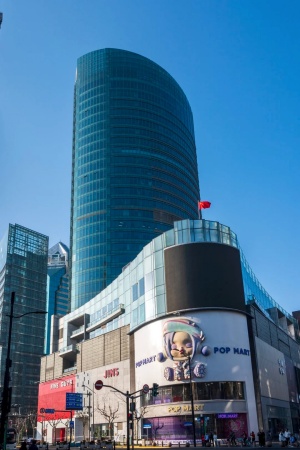
Shopping on Nanjing Road in Shanghai was just amazing! It's truly the "First Commercial Street of China", where tradition and modernity blend perfectly. You can find awesome souvenirs and experience the trendy vibes in cool stores. The neon lights at night are just spectacular, shining bright like Times Square in New York. The food here is incredible too. I had a feast for my taste buds. Shanghai, I'll definitely be back!
Destination(s):
Shanghai
Date of
Experience:
May 08,2024

Elvis Eva
Canada
Reviewed on June 20,2025
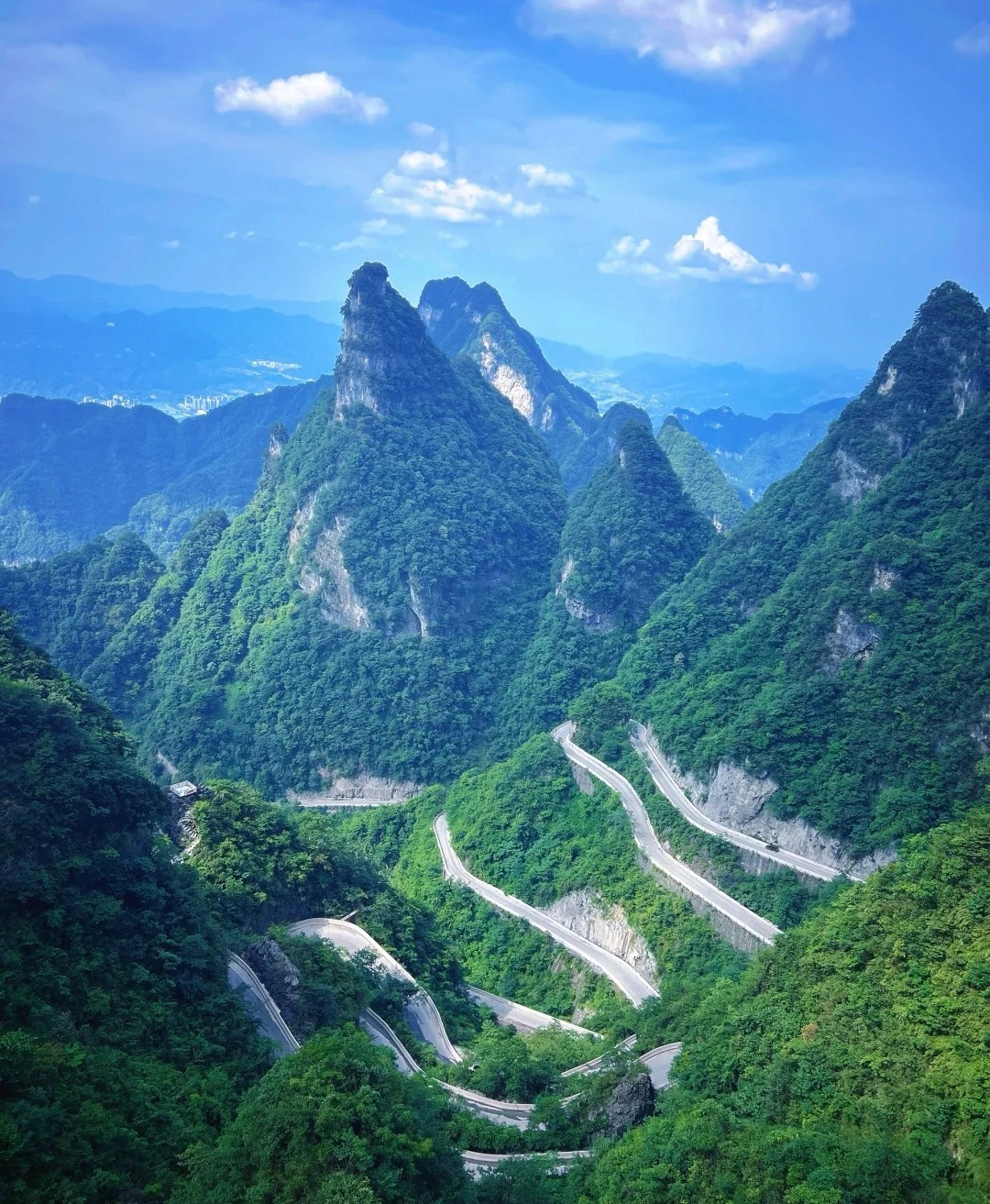
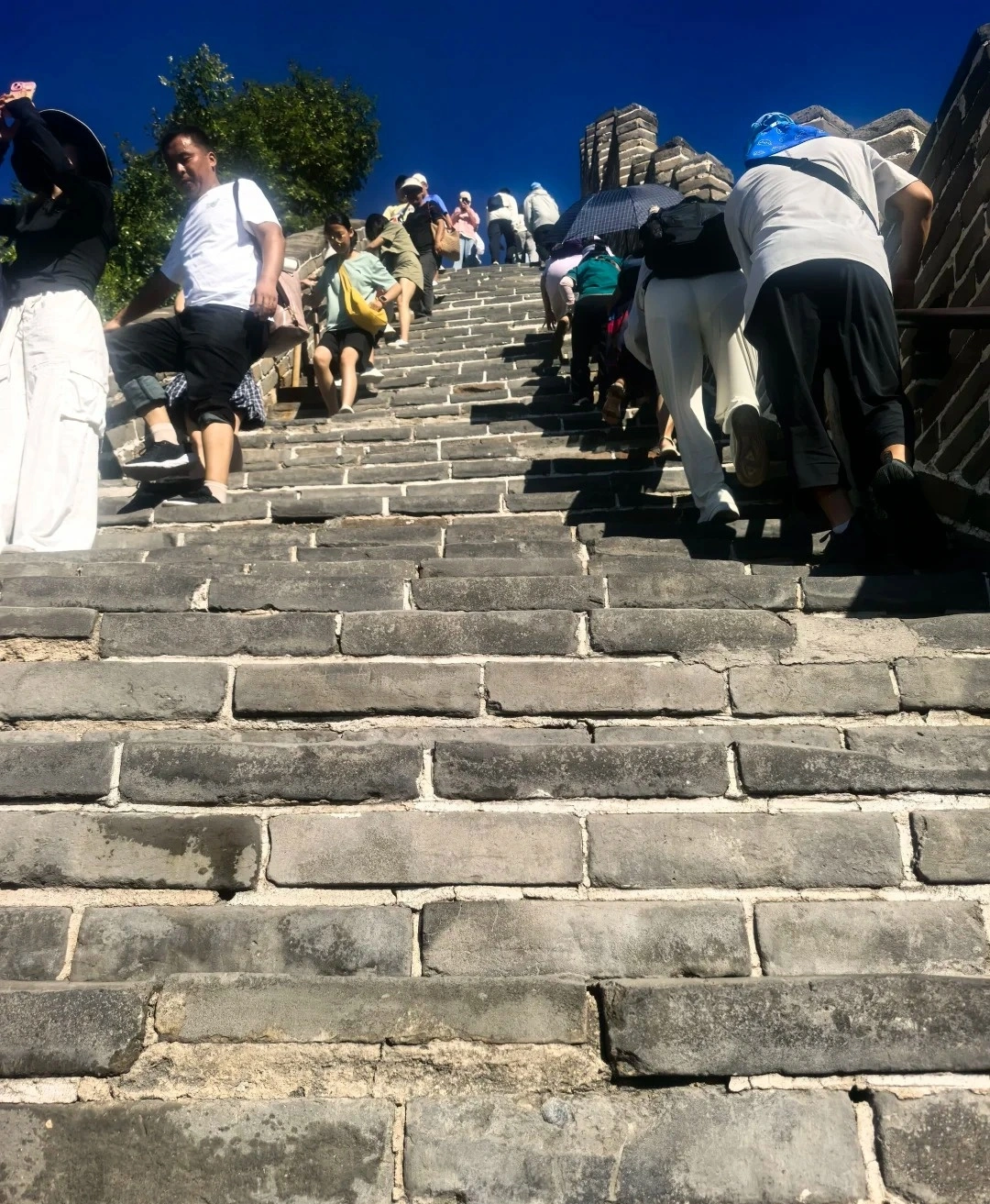
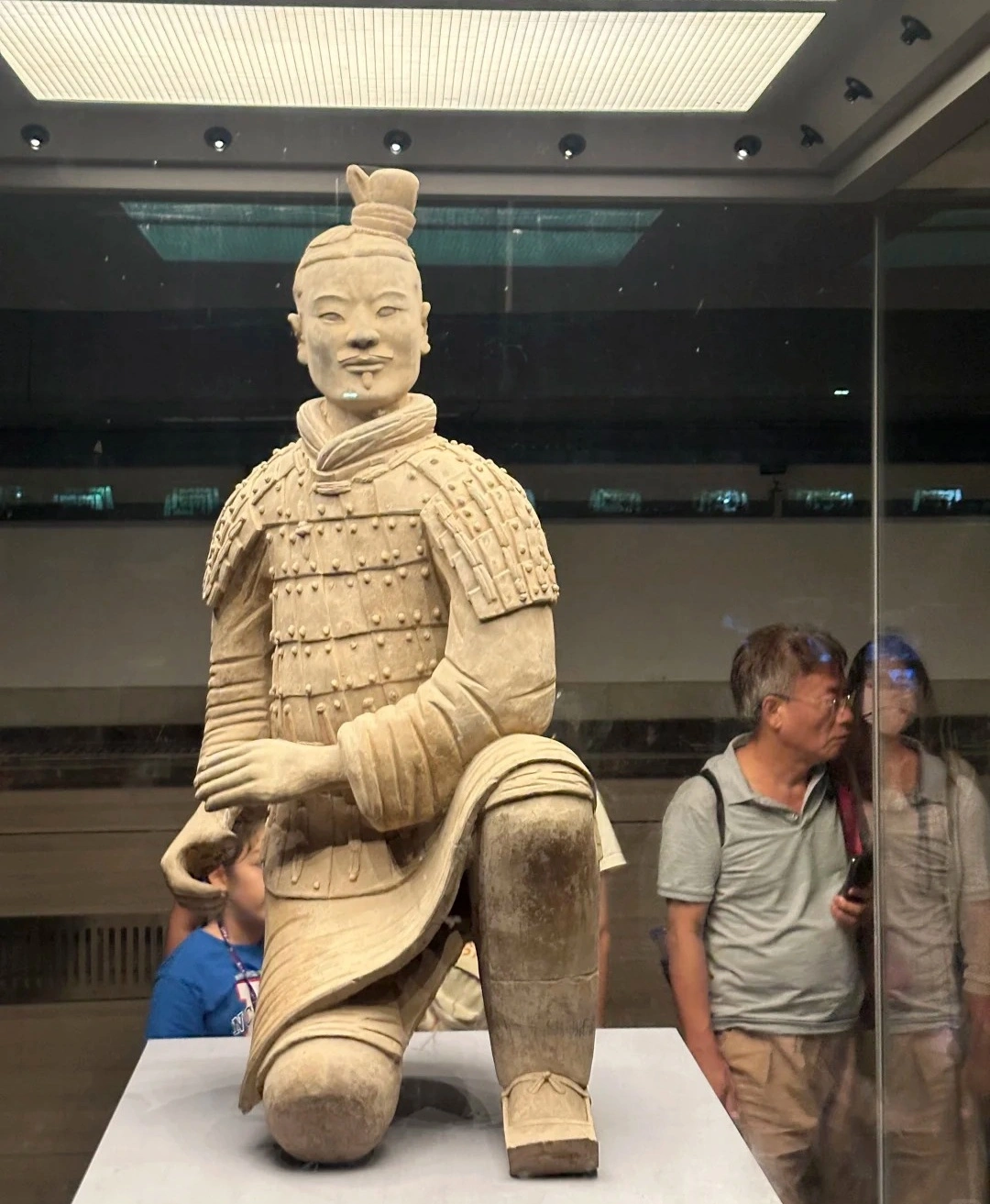
As a solo traveler from Canada, I was nervous about navigating China alone—but this 11-day tour was PERFECT! From hiking the Great Wall at sunrise (Day 3) to gasping at the Terracotta Army (Day 5), every day delivered ‘pinch-me’ moments. The real showstopper? Zhangjiajie’s Avatar Mountains (Day 7)! Our guide made the stone pillars come alive with stories.
Massive thanks for handling all logistics—bullet train tickets, entry passes, car! And the 4-star hotels surprised me.
Destination(s):
Beijing Xian Zhangjiajie Shanghai
Date of
Experience:
June 02,2025

Simon
America
Reviewed on May 29,2025
Our 2-day Zhangjiajie tour was beyond spectacular! As someone who’s visited Beijing and Shanghai for work, this trip revealed China’s wild, magical heart. Day 1 in Zhangjiajie National Forest Park felt like stepping onto Pandora—I’m a huge Avatar fan, and Yuanjiajie’s floating peaks left me breathless. The misty pillars and lush valleys like pure movie magic!
Then came Fenghuang Ancient Town, we eat dinner beside the thundering waterfall. It seems Unreal! The night views of stilt houses glowing over the river were straight from a fairy tale.
For fellow Avatar lovers and adventure seekers: Don’t miss this bucket-list experience! 10/10 would return.
A Well-Traveled Film Buff, May 2025
Destination(s):
Zhangjiajie
Date of
Experience:
May 08,2025