
A Culinary Journey Through China: Exploring the Legendary Eight Great Cuisines
China’s culinary landscape is as diverse as its geography, with a rich tapestry of flavors, techniques, and traditions spanning millennia. At the heart of this gastronomic heritage lie the Eight Great Cuisines of China—eight distinct regional styles that define the nation’s food culture. From fiery Sichuan dishes to delicate Cantonese dim sum, this guide unveils the secrets of each cuisine, helping travelers savor the best of China’s epicurean wonders.
1. Shandong Cuisine (Lu Cuisine): The Birthplace of Chinese Culinary Traditions
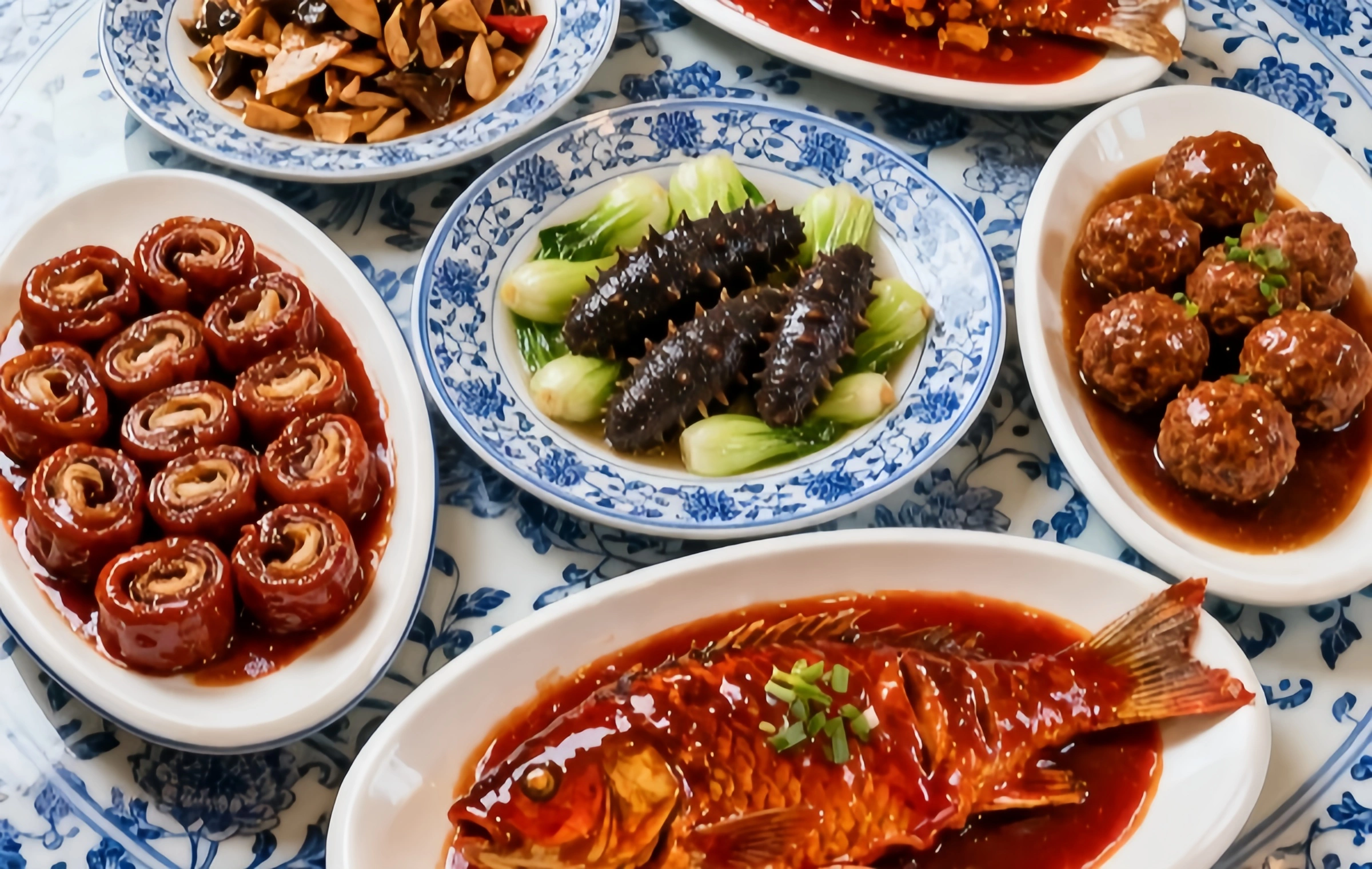
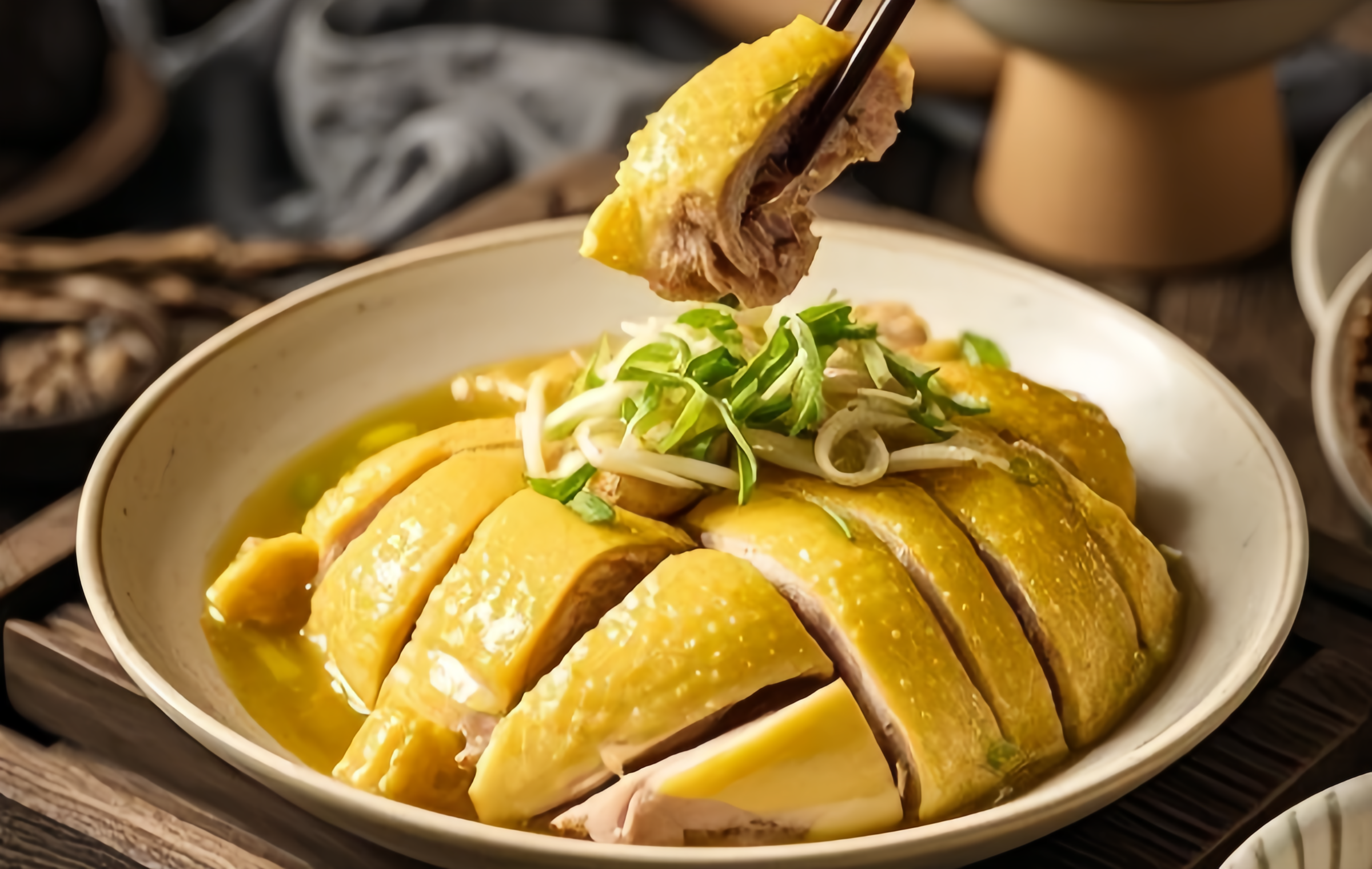
As the oldest of the Eight Great Cuisines, Shandong Cuisine (Lu Cuisine) originated in the eastern province of Shandong, once the political and cultural center of ancient China. Known for its emphasis on fresh seafood, clear broths, and precise knife skills, this style prioritizes balance and subtlety. Signature dishes include "Dezhou Braised Chicken" (marinated in soy sauce and spices for tender, flavorful meat) and "Braised Abalone with Sea Cucumber", a luxury dish showcasing the region’s coastal bounty.
2. Sichuan Cuisine (Chuan Cuisine): A Symphony of Spice and Sensation
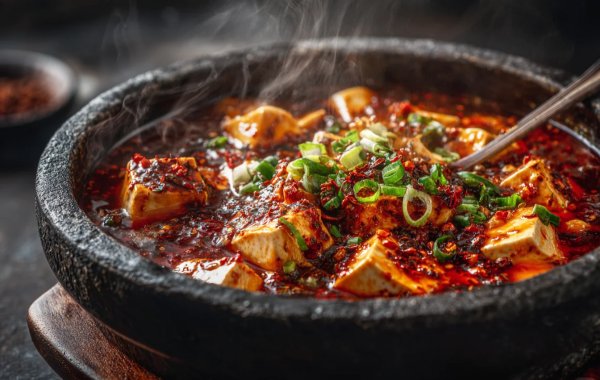
Sichuan Cuisine (Chuan Cuisine) hails from the southwestern province of Sichuan, famous for its bold, numbing flavors derived from Sichuan peppercorns and chili oils. This cuisine is a thrill for adventurous eaters, with dishes like "Mapo Tofu" (soft tofu in a spicy, aromatic sauce) and "Kung Pao Chicken" (stir-fried chicken with peanuts and dried chilies). The “ma la” (numbing-hot) sensation is a hallmark, leaving a tingling aftertaste that lingers long after the meal.
3. Cantonese Cuisine (Yue Cuisine): The Art of Subtlety and Freshness
Cantonesse Cuisine (Yue Cuisine), from Guangdong Province in the south, is celebrated for its light, fresh flavors and meticulous preparation. It’s the foundation of dim sum, a beloved brunch tradition featuring bite-sized steamed or fried dumplings like "Har Gow" (shrimp dumplings) and "Char Siu Bao" (barbecue pork buns). Cantonese chefs also excel in seafood dishes, such as "Steamed Fish with Ginger and Scallions", which highlights the natural sweetness of the ingredients.
4. Fujian Cuisine (Min Cuisine): A Coastal Delight of Umami and Aroma
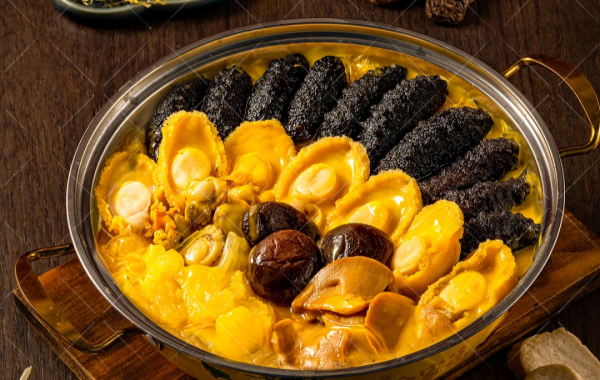
Fujian Cuisine (Min Cuisine), from the southeastern coastal province of Fujian, is renowned for its use of seafood, soups, and umami-rich ingredients like dried mushrooms and seaweed. Dishes like "Buddha Jumps Over the Wall" (a luxurious stew with shark fin, abalone, and quail eggs) and "Fujian Fried Rice" (stir-fried with seafood and vegetables) reflect the region’s maritime heritage. The cuisine also emphasizes “shuan” (braising) and “zha” (deep-frying) techniques for deep, layered flavors.
5. Jiangsu Cuisine (Su Cuisine): Elegance on a Plate
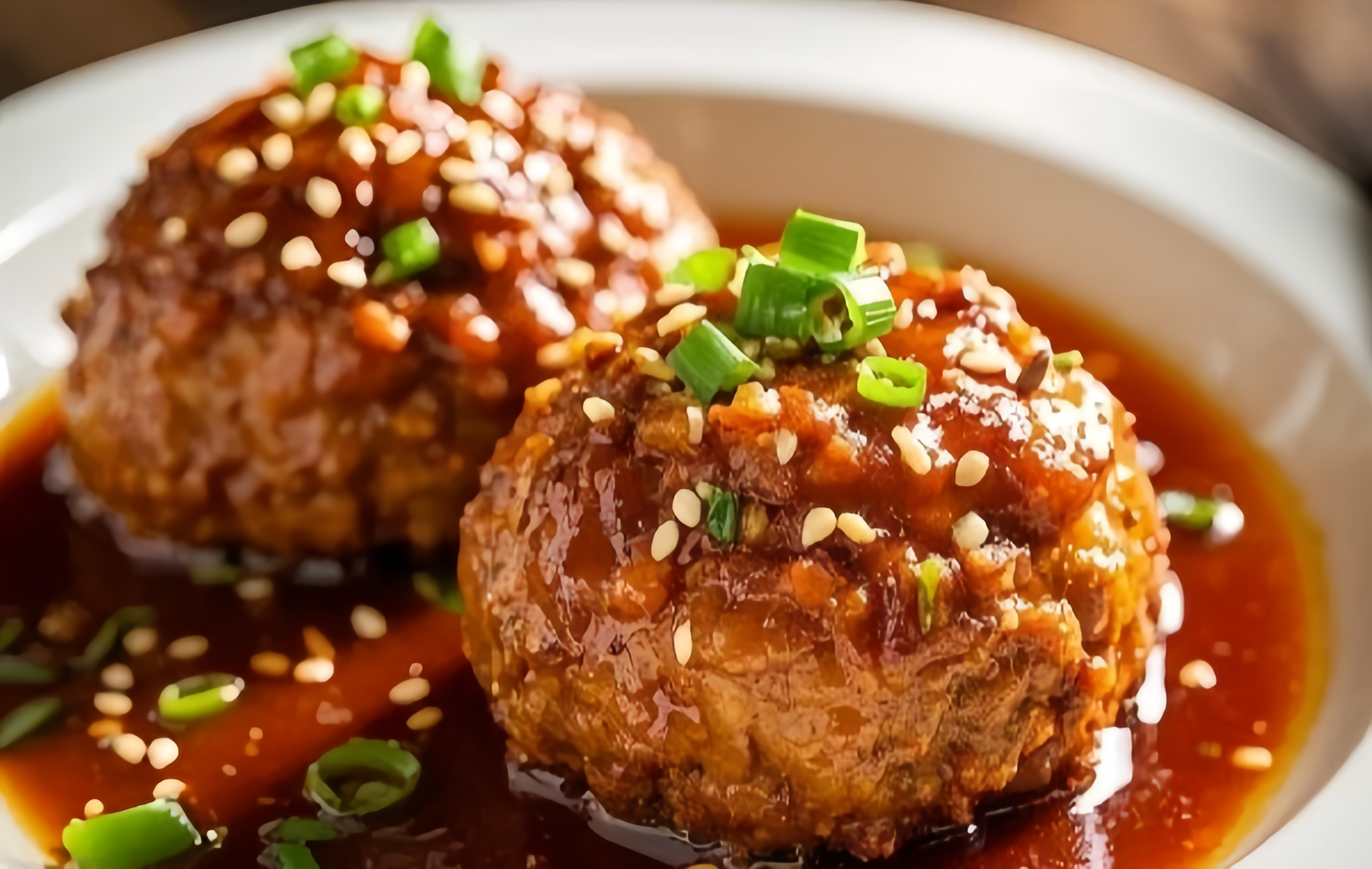
Jiangsu Cuisine (Su Cuisine), originating from the eastern provinces of Jiangsu and Shanghai, is synonymous with refinement and artistry. Often served at imperial banquets, its dishes feature intricate presentations and delicate flavors. Classic examples include "Sweet and Sour Mandarin Fish" (carved into a blooming lotus shape) and "Lion’s Head Meatballs" (giant pork meatballs simmered in broth). The cuisine’s focus on aesthetics makes every meal a feast for the eyes as well as the palate.
6. Zhejiang Cuisine (Zhe Cuisine): Fresh, Tender, and Mellow
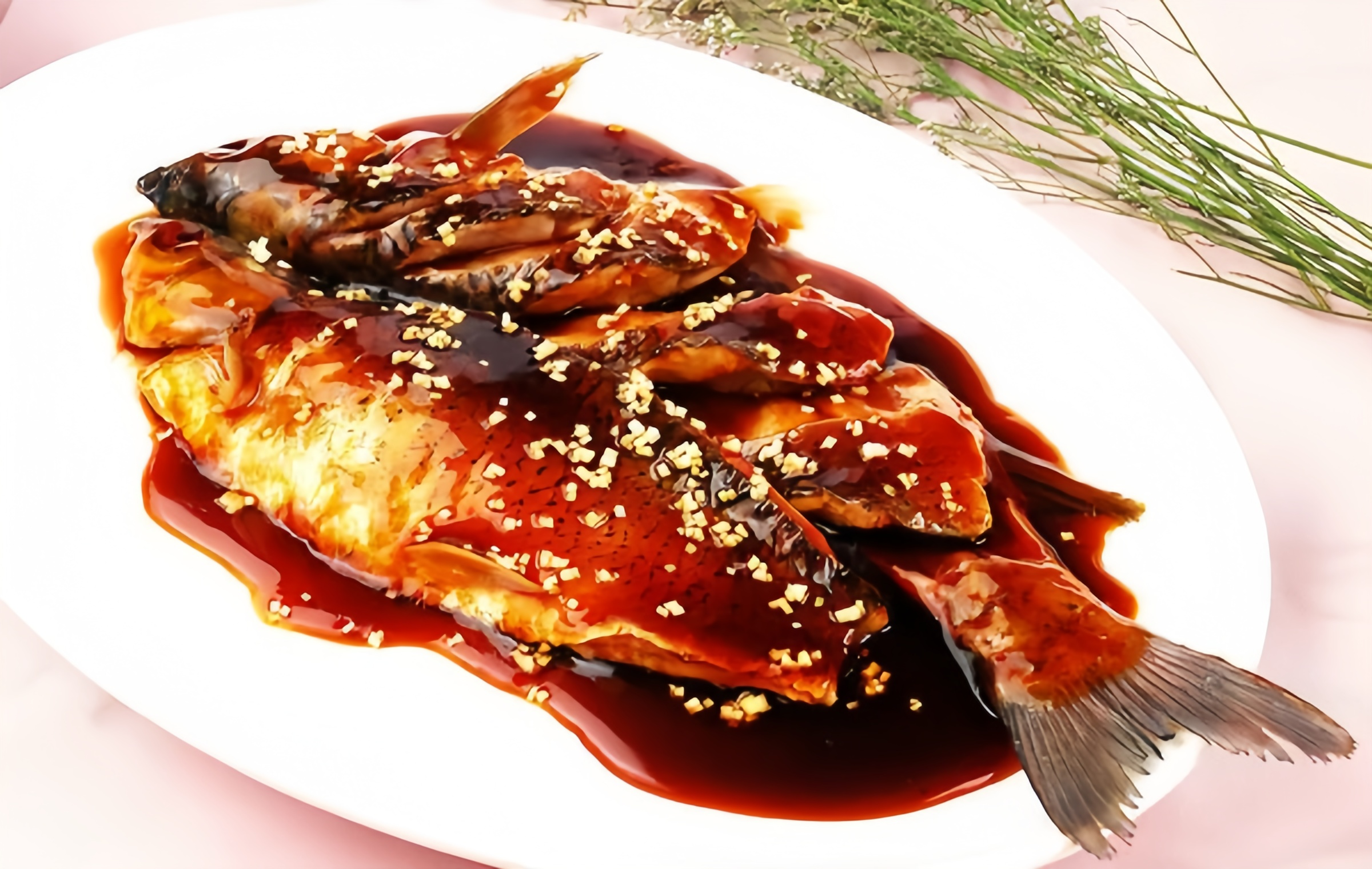
Zhejiang Cuisine (Zhe Cuisine), from the eastern province of Zhejiang, is divided into four sub-styles, each with its own specialty. Hangzhou-style dishes, like "West Lake Fish in Vinegar Gravy", are known for their tender textures and mild, tangy flavors. Shaoxing-style cuisine, meanwhile, incorporates wine-infused stews, such as "Shaoxing Pork Belly", which melts in the mouth. The cuisine’s emphasis on freshness and natural sweetness makes it a favorite among health-conscious diners.
7. Hunan Cuisine (Xiang Cuisine): Bold, Smoky, and Fiery
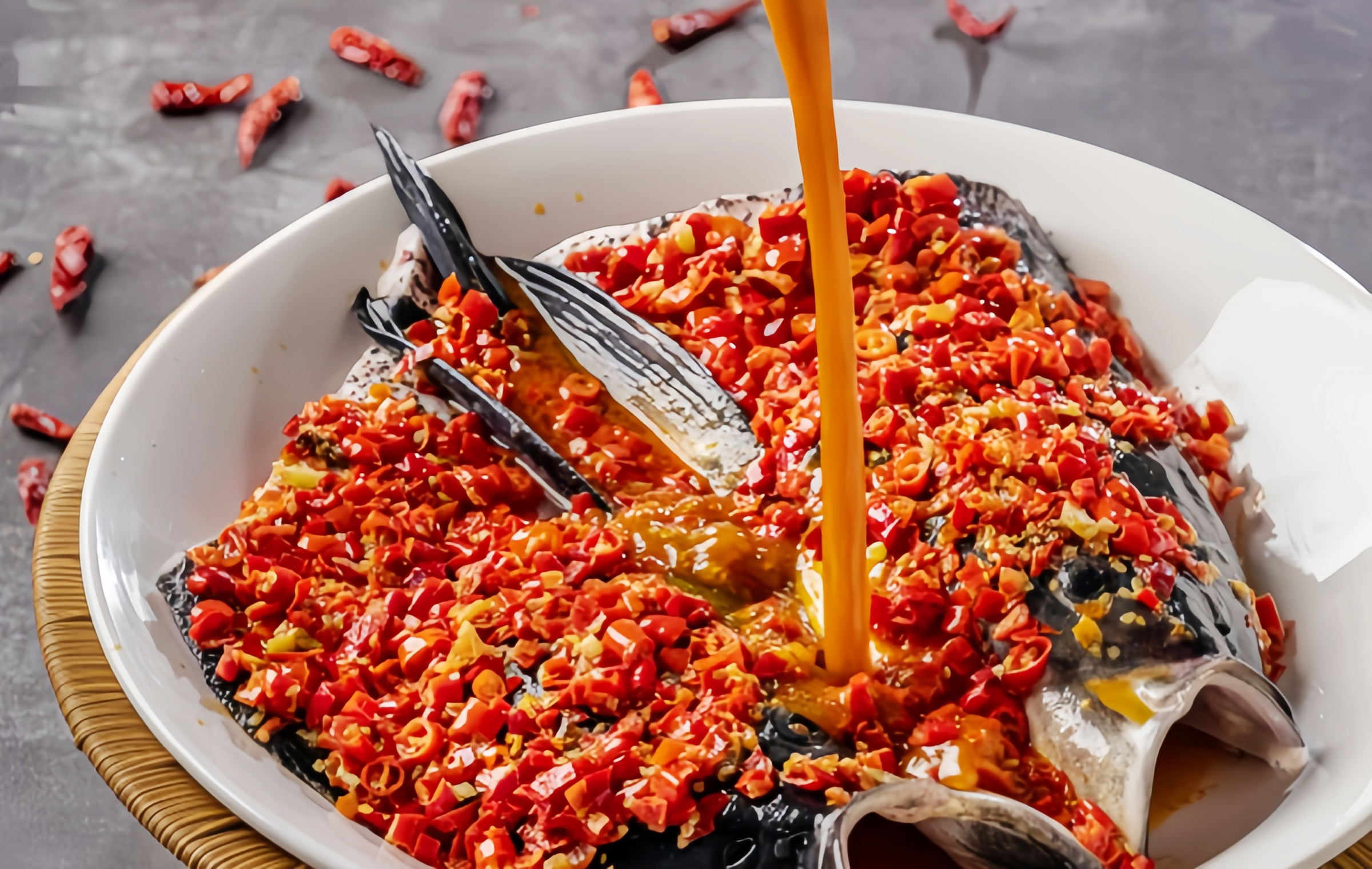
Hunan Cuisine (Xiang Cuisine), from central China’s Hunan Province, rivals Sichuan in its love for heat but differs in its use of fresh chilies and smoked ingredients instead of peppercorns. Dishes like "Chairman Mao’s Red-Braised Pork" (caramelized pork belly in a chili-soy sauce) and "Smoked Pork with Dried Chilies" showcase the region’s rustic, hearty flavors. Hunan’s cuisine is often described as “dry spicy,” with less oil than Sichuan dishes, allowing the chilies’ natural heat to shine.
8. Anhui Cuisine (Hui Cuisine): Mountain Flavors from the Countryside
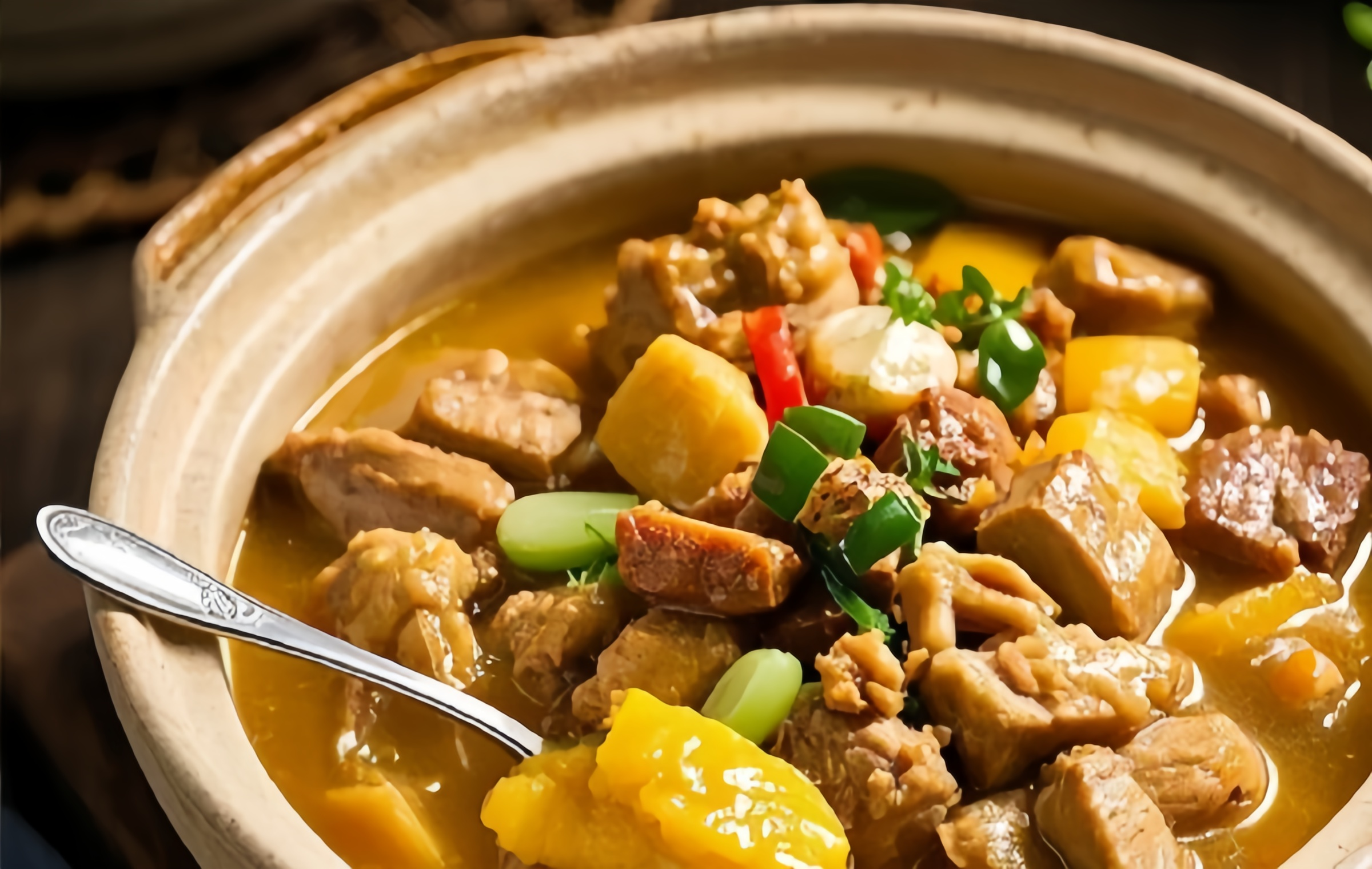
Anhui Cuisine (Hui Cuisine), from the inland province of Anhui, draws inspiration from the region’s mountainous terrain and forested landscapes. Wild herbs, bamboo shoots, and mushrooms feature prominently in dishes like "Stewed Soft-Shell Turtle with Ham" and "Bamboo Shoots with Salted Pork". The cuisine’s slow-cooking techniques, such as “stewing in brown sauce”, result in rich, earthy flavors that reflect Anhui’s rustic charm.
Final Tips for Food-Loving Travelers
- Explore local markets: Night markets and morning bazaars are treasure troves of regional specialties.
- Ask for recommendations: Locals often know hidden gems off the beaten path.
- Embrace the adventure: Don’t shy away from unfamiliar ingredients—they might become your new favorite!
China’s Eight Great Cuisines offer a passport to a world of flavors, where every dish tells a story of history, geography, and culture. Whether you’re craving the fiery kick of Sichuan or the delicate artistry of Jiangsu, your culinary journey through China promises to be unforgettable. Bon appétit!


Contact Us
What Our Clients Say?
Based on 10,000+ traveler reviews

Daniel Dorothea
Canada
Reviewed on April 29,2025
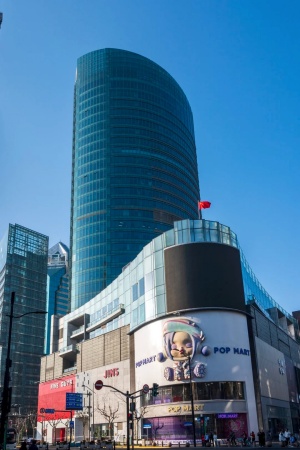
Shopping on Nanjing Road in Shanghai was just amazing! It's truly the "First Commercial Street of China", where tradition and modernity blend perfectly. You can find awesome souvenirs and experience the trendy vibes in cool stores. The neon lights at night are just spectacular, shining bright like Times Square in New York. The food here is incredible too. I had a feast for my taste buds. Shanghai, I'll definitely be back!
Destination(s):
Shanghai
Date of
Experience:
May 08,2024

Elvis Eva
Canada
Reviewed on June 20,2025
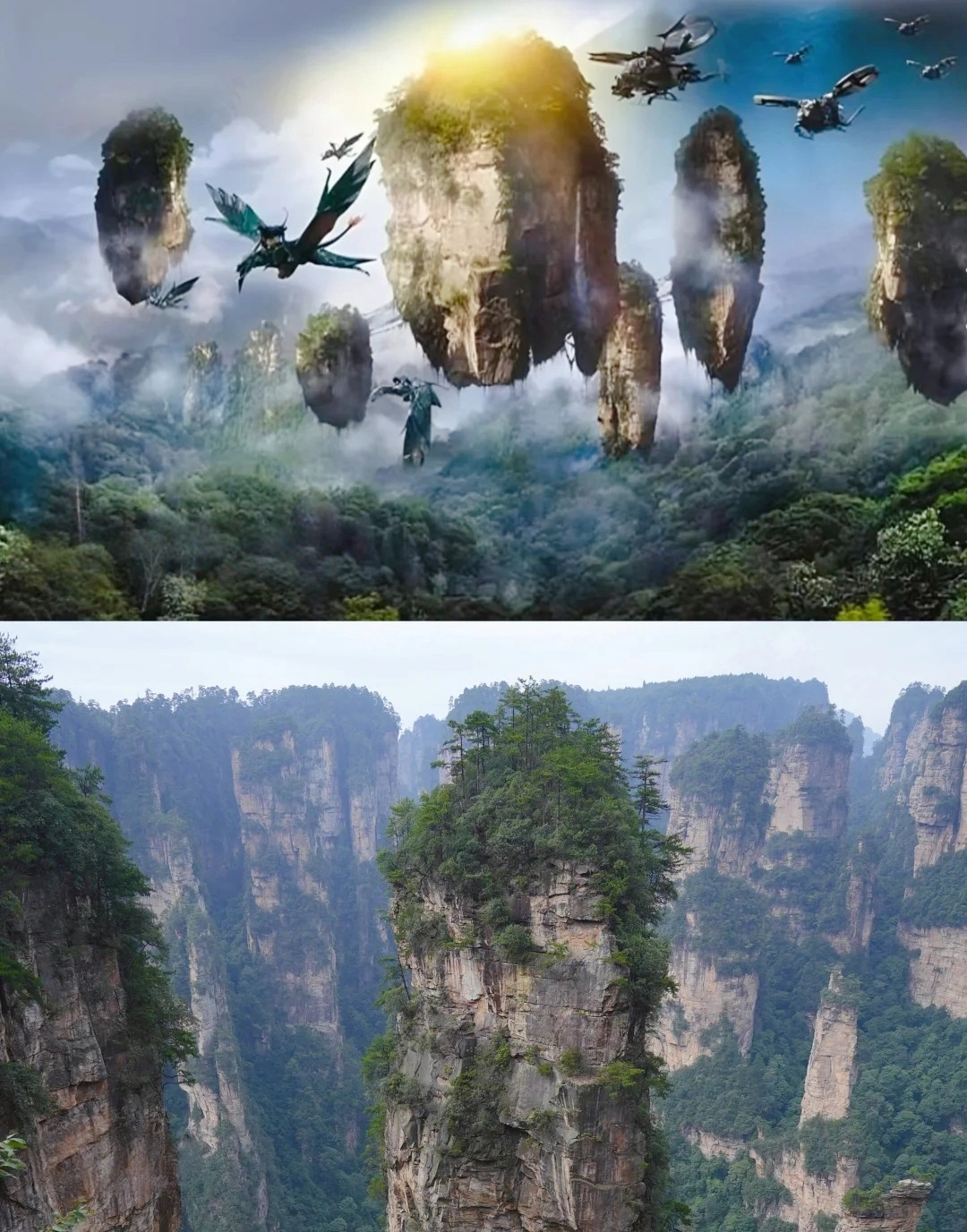
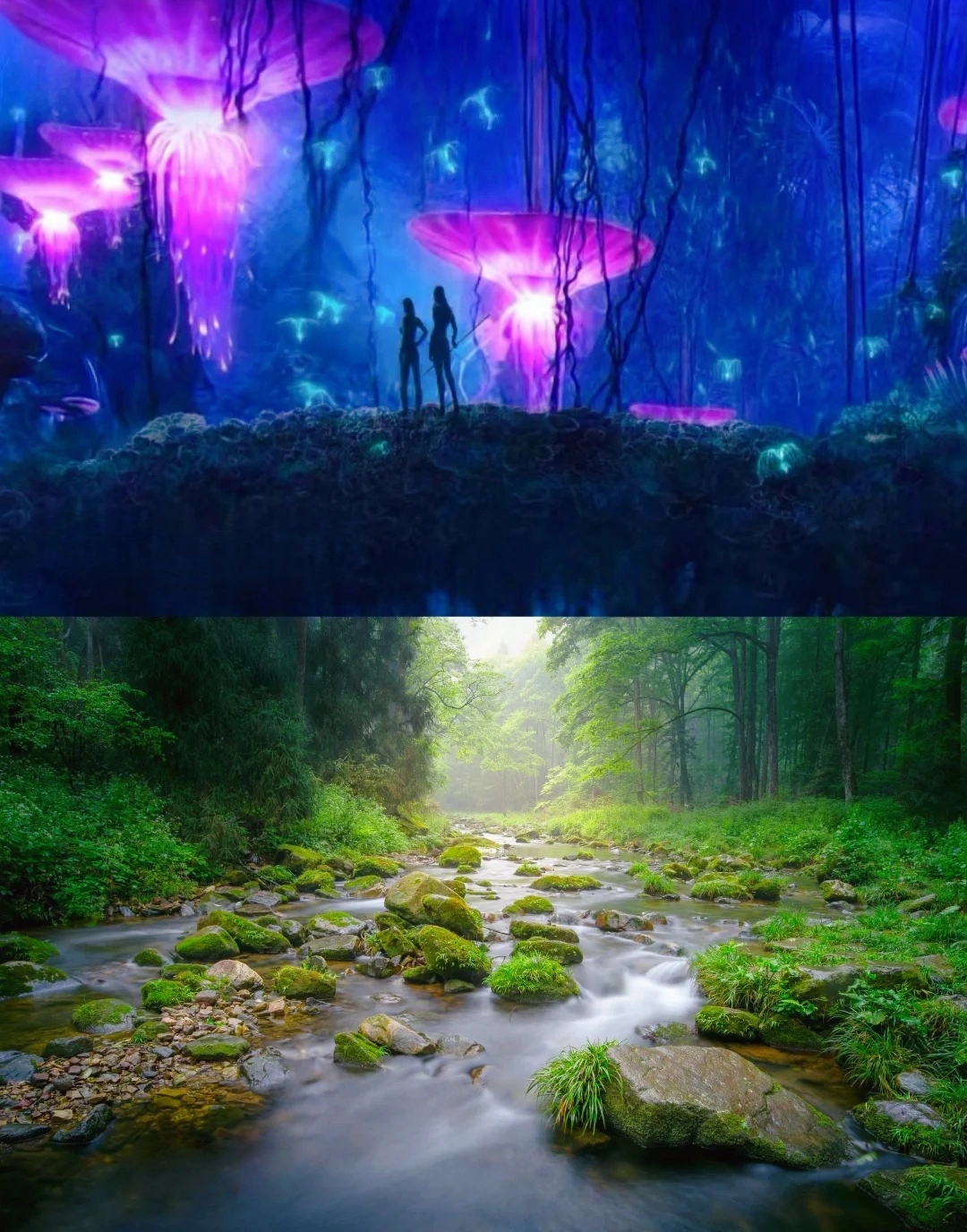
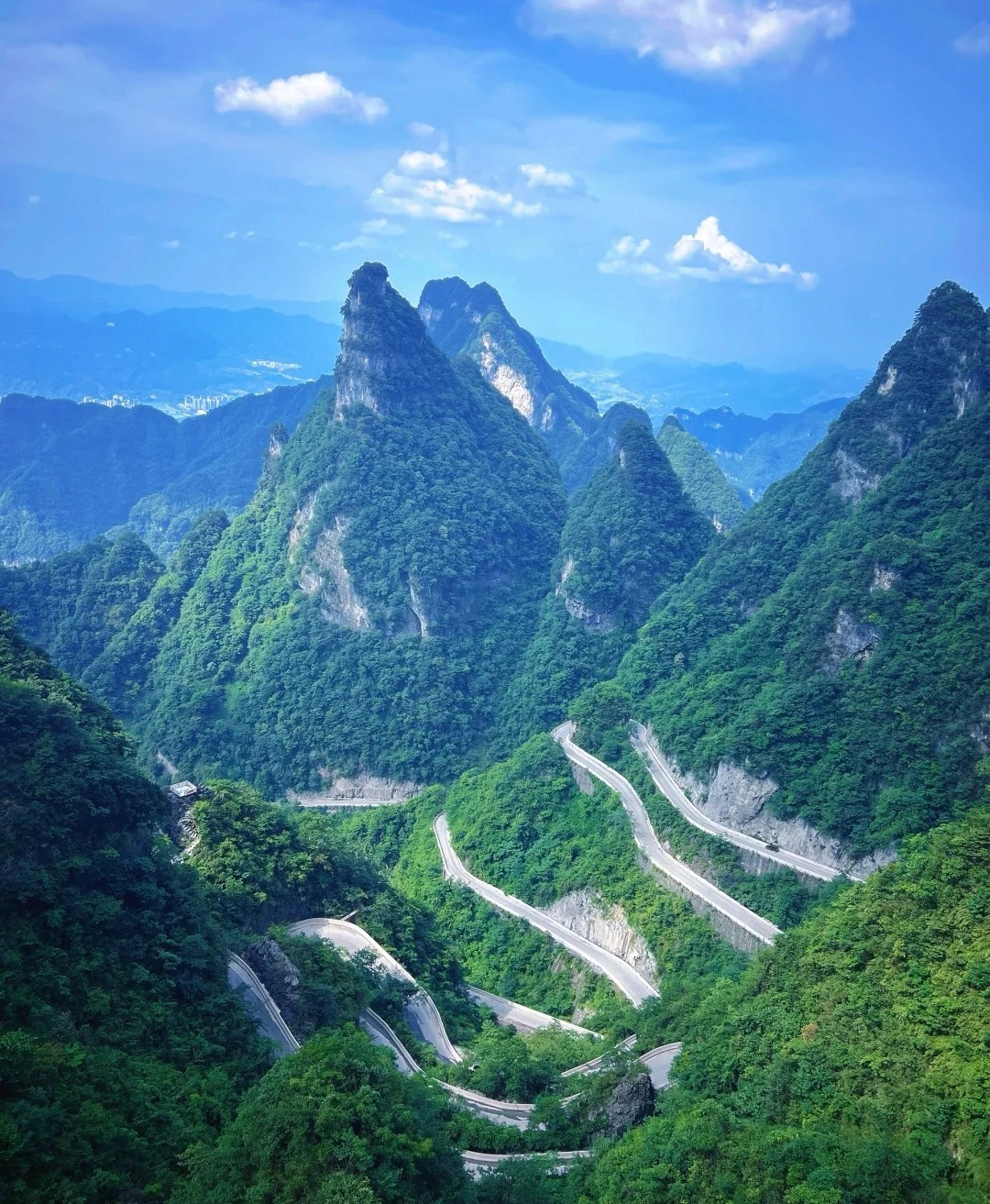
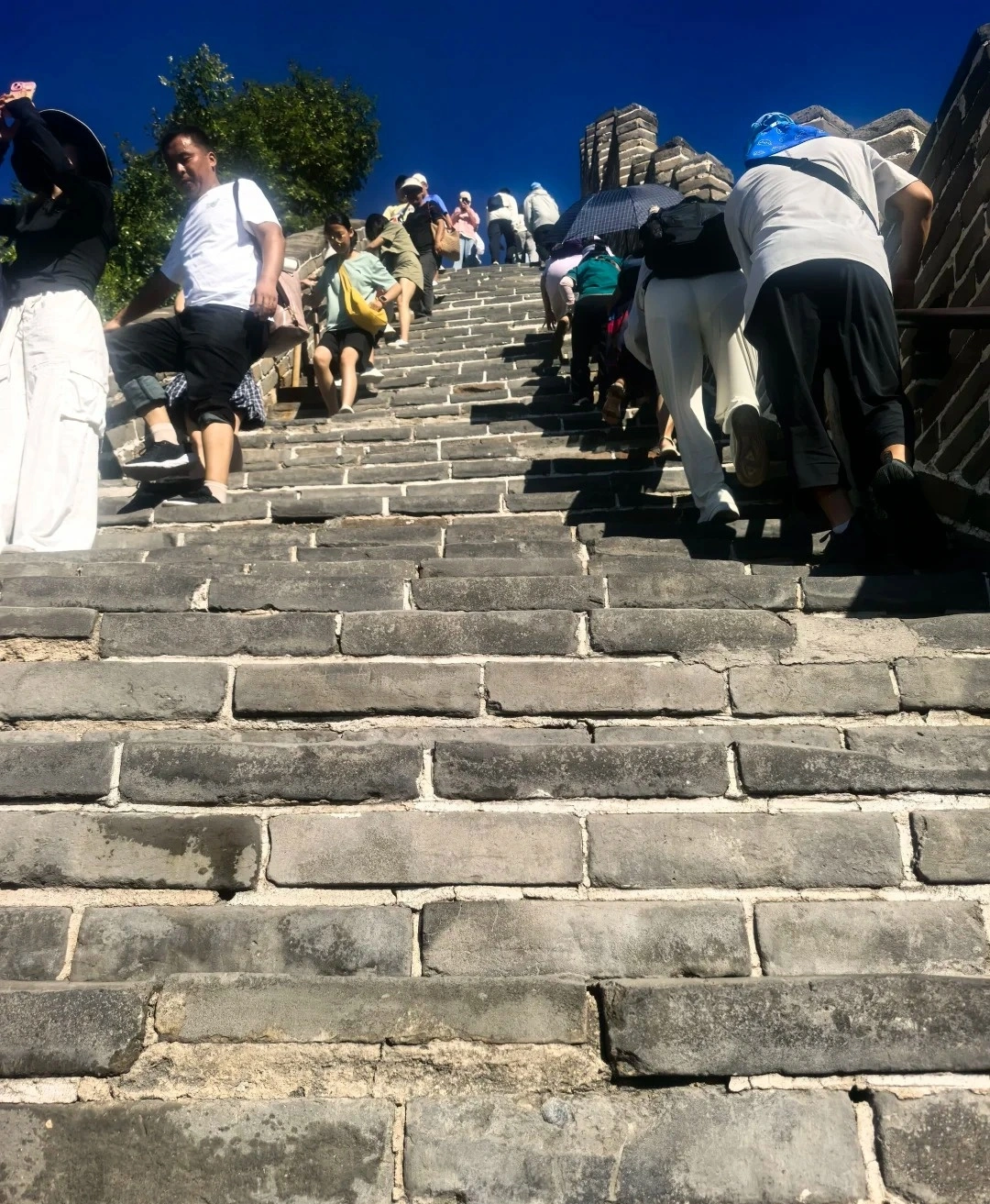
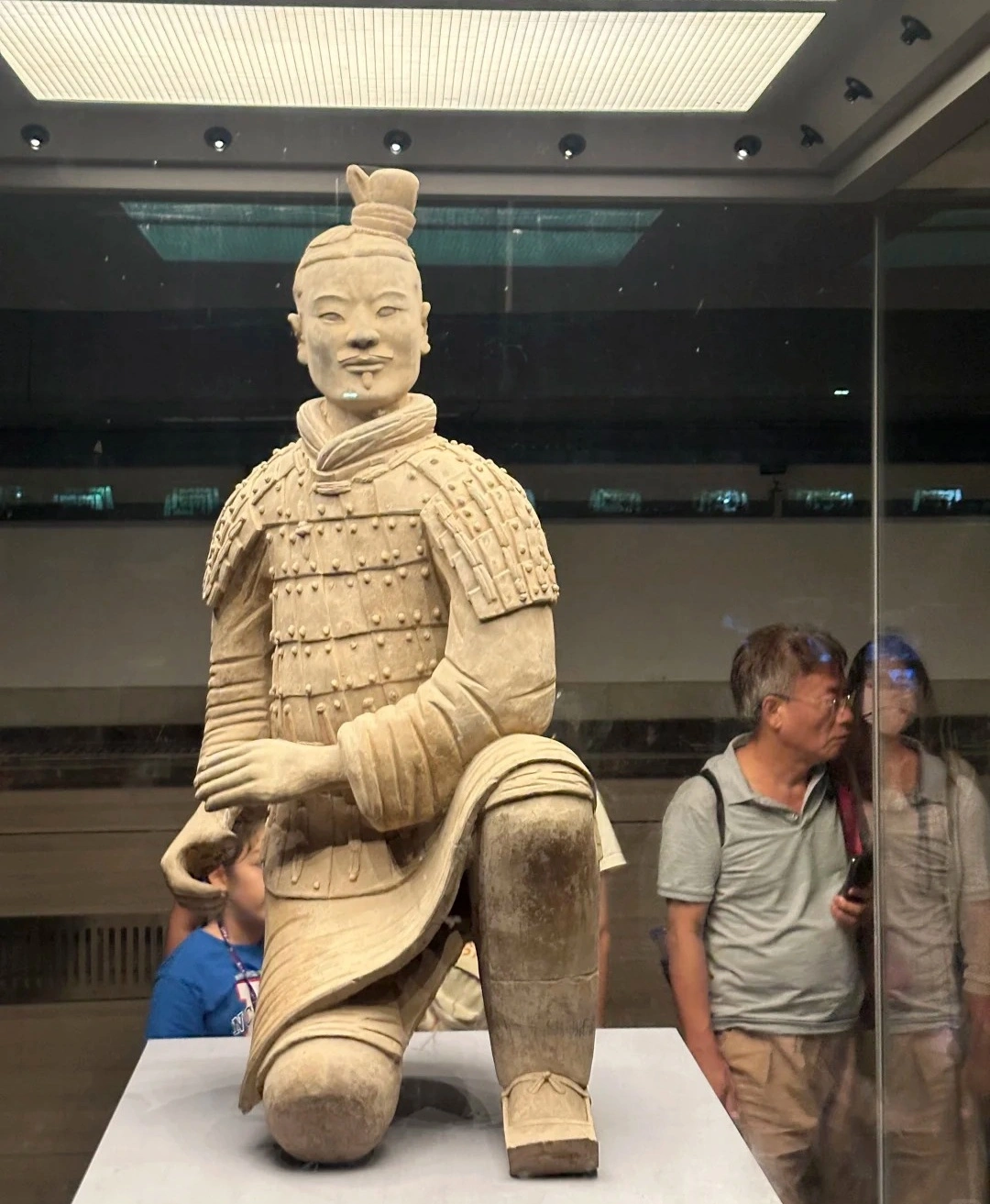
As a solo traveler from Canada, I was nervous about navigating China alone—but this 11-day tour was PERFECT! From hiking the Great Wall at sunrise (Day 3) to gasping at the Terracotta Army (Day 5), every day delivered ‘pinch-me’ moments. The real showstopper? Zhangjiajie’s Avatar Mountains (Day 7)! Our guide made the stone pillars come alive with stories.
Massive thanks for handling all logistics—bullet train tickets, entry passes, car! And the 4-star hotels surprised me.
Destination(s):
Beijing Xian Zhangjiajie Shanghai
Date of
Experience:
June 02,2025

Simon
America
Reviewed on May 29,2025
Our 2-day Zhangjiajie tour was beyond spectacular! As someone who’s visited Beijing and Shanghai for work, this trip revealed China’s wild, magical heart. Day 1 in Zhangjiajie National Forest Park felt like stepping onto Pandora—I’m a huge Avatar fan, and Yuanjiajie’s floating peaks left me breathless. The misty pillars and lush valleys like pure movie magic!
Then came Fenghuang Ancient Town, we eat dinner beside the thundering waterfall. It seems Unreal! The night views of stilt houses glowing over the river were straight from a fairy tale.
For fellow Avatar lovers and adventure seekers: Don’t miss this bucket-list experience! 10/10 would return.
A Well-Traveled Film Buff, May 2025
Destination(s):
Zhangjiajie
Date of
Experience:
May 08,2025