The Fabric of the Ancient Town:The Serene Poetry of the Emei River
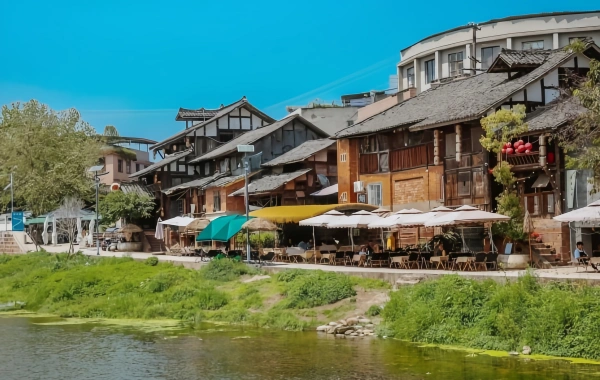
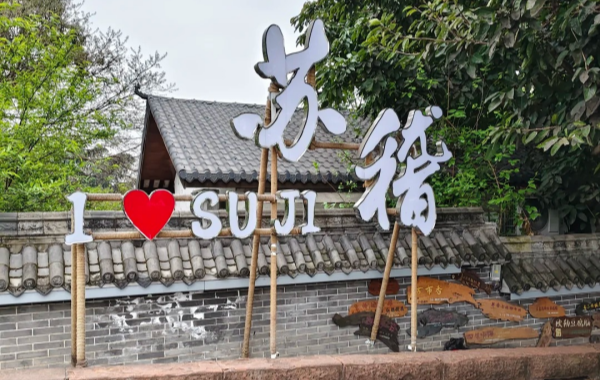
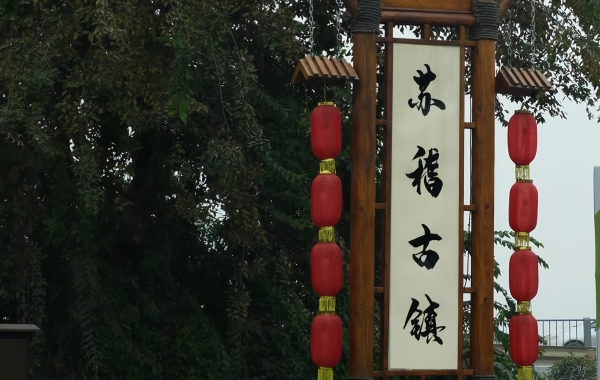
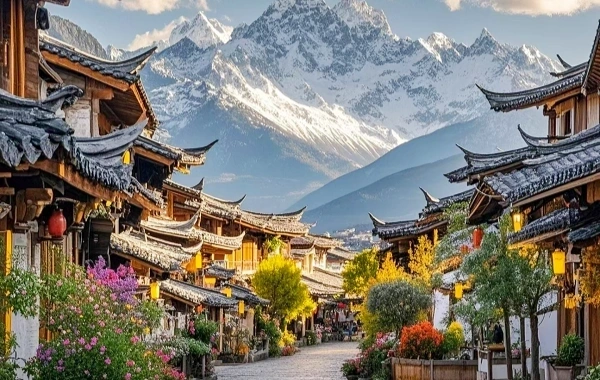
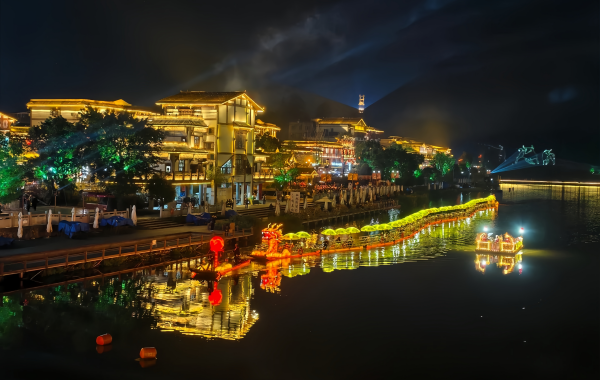
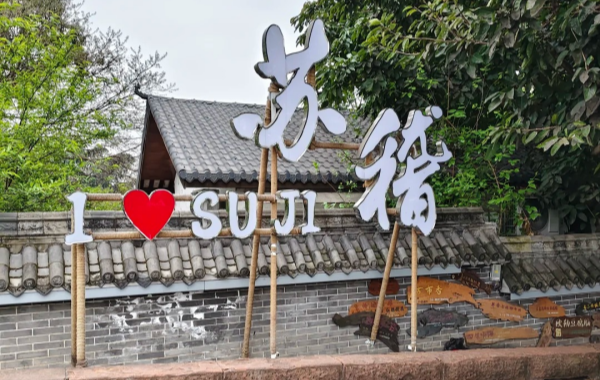
The beauty of Suji Ancient Town lies deeply embedded within the calm,steady flow of the Emei River.This river serves as the very natural pulse of the ancient town.
The Spirit of Water:The Gentle Essence of the Ancient Town
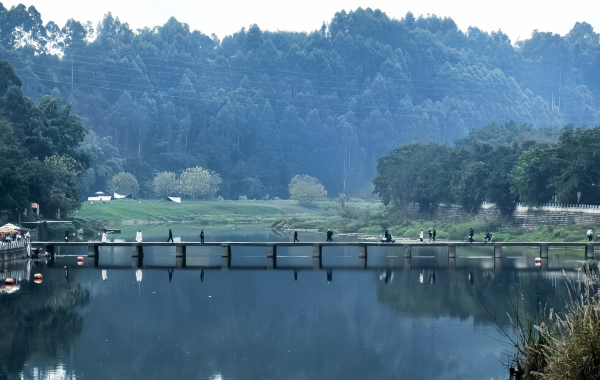
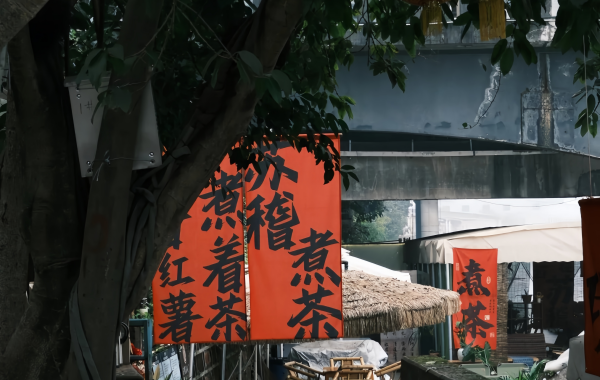
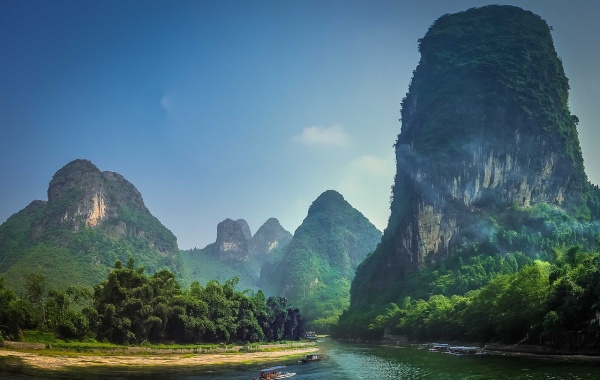
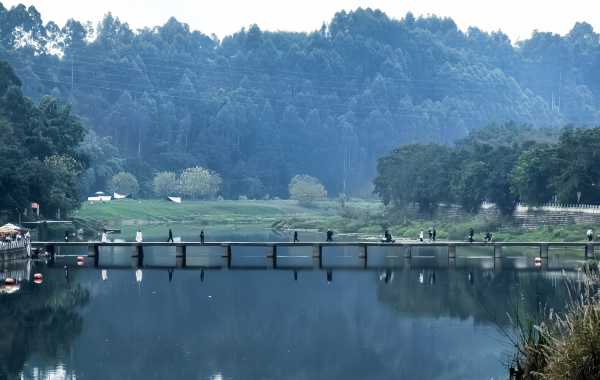
The Emei River originates at the eastern foot of Mount Emei;after winding its way for over a hundred li,it enters the territory of Leshan,where it seems to let time settle and slow down,thereby creating the leisurely tranquility that defines Suji.The river here is broad and gentle,reflecting the wooden residences lining its banks—structures of varying heights standing shoulder-to-shoulder in neat rows—as well as the majestic,ancient banyan trees that proudly overhang the water.Unlike the grandeur of a thundering waterfall,the water here possesses an ethereal elegance—a beauty that seems detached from the mundane world—yet it also embodies a serene composure that is fully at ease within it.The ultimate experience awaits during the summer months when the river flows gently:sit upon the stone piers spanning the river,allowing the cool water to wash over your ankles,or settle into one of the riverside teahouses to listen to the murmuring water while sipping tea—a perfect way to savor the unique,unhurried comfort(Anyi)of the Sichuan-Shu region.
Marks of Stone:The Century-Long Saga of Rugong Bridge
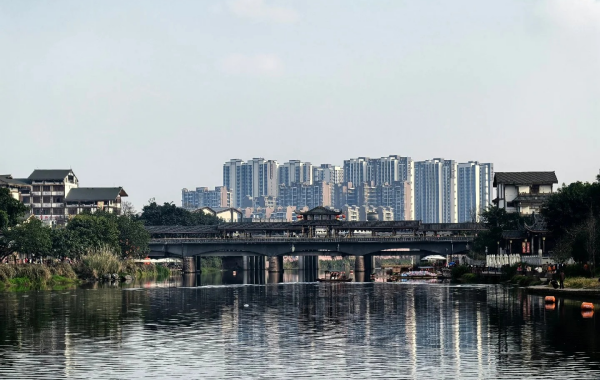
Built during the Qing Dynasty,Rugong Bridge stands as the spiritual landmark of this ancient town.The bridge spans approximately 100 meters in length and 4 meters in width;supported by 16 piers,it features 17 arches,lying across the Emei River like a long,graceful rainbow,silently connecting the two banks of the ancient town.The bridge features a unique"submersible"stone design—lacking high handrails or guardrails—so that whenever the rainy season arrives,the river waters often rise to flow right over the broad bridge deck,creating a spectacular and singular cultural spectacle known as"walking across the bridge through the water."
Photography Tip:
Dress in simple,solid-colored clothing and either stroll across the bridge or wade through the water;with the picturesque backdrop of the town's staggered,grey-tiled rooftops,you can capture stunning,vintage-style images that perfectly embody the unique"water town"charm of Southern Sichuan.For an added touch,incorporate some steaming-hot local delicacies fresh from the pot to create a superb atmospheric shot capturing the vibrant"smoke and fire"(renjian yanhuo)—the lively,down-to-earth spirit—of daily life.
Cultural Gastronomy:Living Intangible Cultural Heritage on the Tip of Your Tongue
For Suji,the most captivating cultural scenery is not to be found amidst carved beams and painted rafters,but rather at the steaming stoves and chopping blocks where the town's culinary traditions come to life.
The Birthplace of Qiaojiao Niurou(Beef Stew):
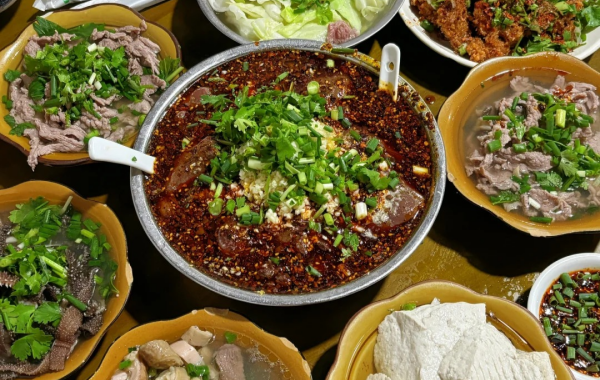
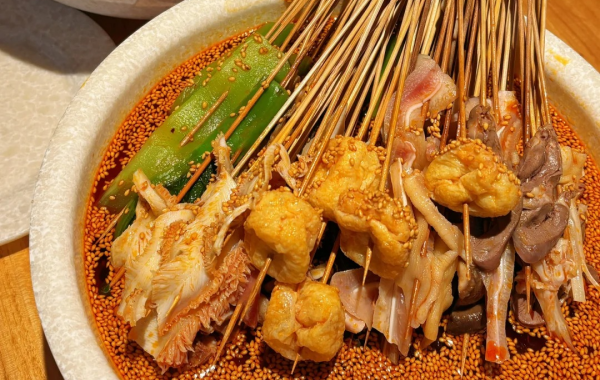
The Soul-Deep Flavor of Suji.Legend has it that during the Guangxu reign of the Qing Dynasty—or perhaps in the early years of the Republic of China era—a local butcher and a practitioner of Traditional Chinese Medicine(TCM)began taking the beef offal and internal organs that were typically discarded as waste.They simmered these ingredients in a broth infused with over twenty different aromatic spices and medicinal herbs,serving the hearty stew to the laborers at the river docks and the common people of the town.It earned its name—"Qiaojiao"(Crossed-Leg)Beef—because,due to a lack of tables and chairs in its early days,diners would often stand on one leg while resting the other foot on the crossbeam beneath the table,eating with their legs"crossed."Today,the ancient town has elevated this dish—which originated in the bustling streets and folk traditions—into a grand"All-Beef Banquet"featuring delicacies such as beef tongue,bone marrow,and marbled beef slices.The soup base also boasts medicinal properties,offering a flavor that is both fresh and rich.
Exploring the Gastronomic District:
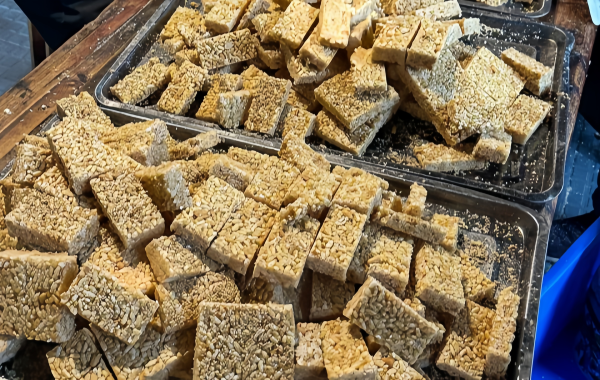
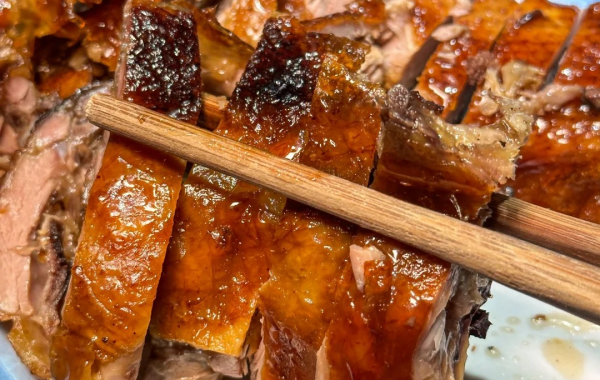
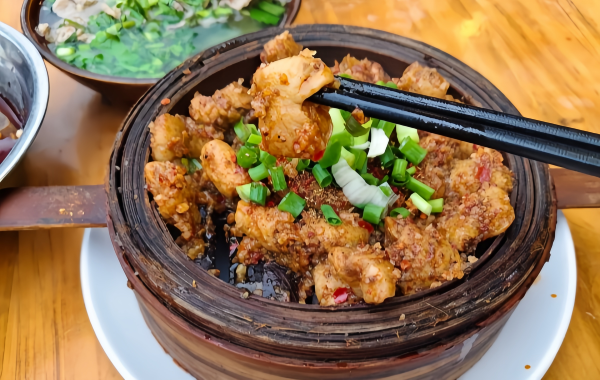
Centered around"Qiaojiao Beef"—a Provincial-level Intangible Cultural Heritage—this district gathers a host of renowned traditional snacks,including Sweet-Skin Duck,Bobo Chicken,Sesame Rice Crisps,and Brown Sugar Guokui.Together,they form a rich,unique,and diverse culinary tapestry.
Qiaojiao Beef Intangible Cultural Heritage Museum:
Located within a traditional courtyard(Siheyuan)adjacent to Yang Wharf,this museum offers free admission.Spanning an exhibition area ofapproximately 1,000 square meters,it traces the historical lineage of this century-old delicacy,revealing its origins,evolution,and enduring legacy through a comprehensive narrative display.
Featured Product Recommendations:
Sesame Rice Crisps:
Crafted from select local glutinous rice and enriched with fresh pork fat,these crisps are glossy and plump.They offer a delightful crunch that melts in the mouth,delivering a fragrant flavor that is rich yet never greasy—making them the quintessential souvenir to bring home from the ancient town.
Sweet-Skin Duck:
The skin is delightfully crispy and slightly sticky(forming fine strands when pulled),while the duck meat is aromatic,dry-roasted,and subtly sweet.The interplay between the maltose glaze and the savory braising spices creates a truly unique textural and flavor profile.
Photography&Culinary Quest Tips:
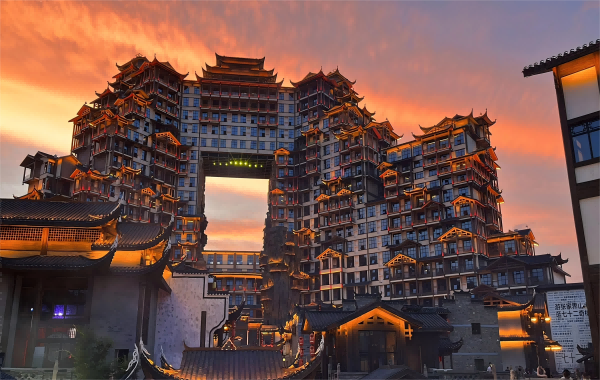
The best vantage point for a panoramic shot is from the newly constructed scenic covered bridge,offering a 360-degree view of the Emei River as it winds through the town,flanked by rows of traditional residences.
Ru Gong Bridge is the ideal spot for capturing profile shots of people,allowing you to utilize the reflections on the wet bridge surface and the bustling crowds to create a dynamic interplay between stillness and motion.
For the most visually striking photos of Qiaojiao Beef,try to capture the exact moment the meat slices are dipped into the bubbling hot pot;the rising steam creates a highly appetizing and aesthetic visual effect.
When dining,be sure to first enjoy a bowl of the fresh,clear soup base before dipping the meat slices into the chili powder condiment—this allows you to fully appreciate the complex,layered flavors characteristic of Sichuan cuisine.