
Exploring Suji Ancient Town in Leshan, Sichuan: A Timeless Journey Through Culture and Cuisine
A Glimpse into History: The Origin of Suji Ancient Town
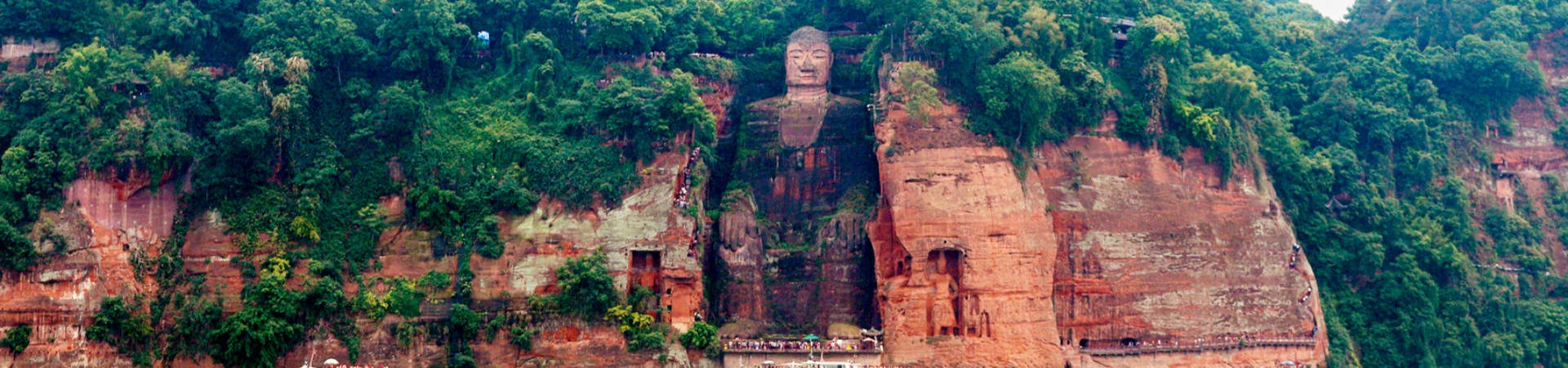
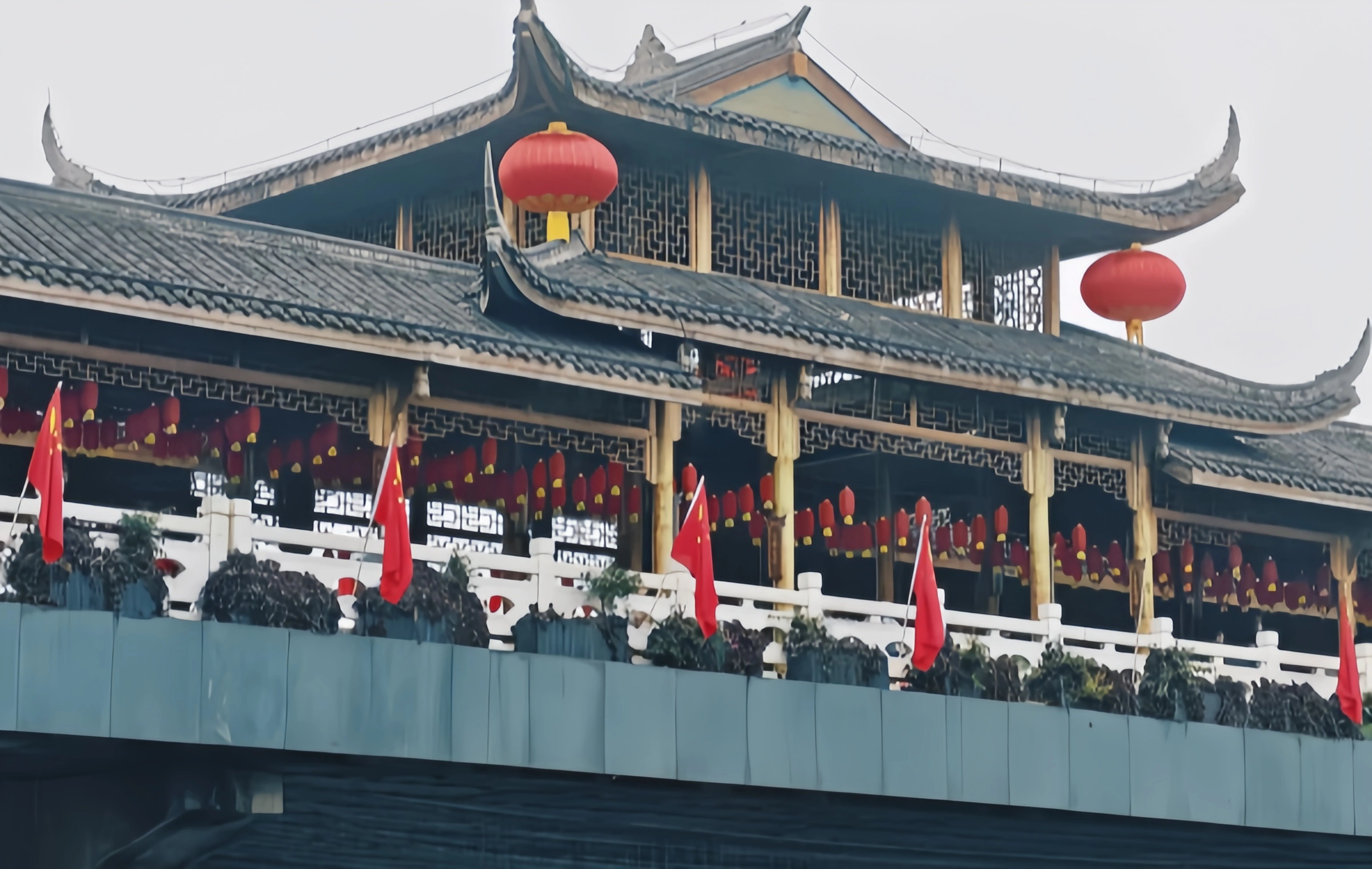
Nestled along the banks of the Emei River, Suji Ancient Town in Leshan, Sichuan, boasts a history spanning over 1,400 years since its establishment during the Sui Dynasty. Known as the "First Town for Qiao Jiao Beef," it lies at the foot of the renowned Leshan Giant Buddha, blending Buddhist spirituality with local folk traditions. The town’s name, "Suji," derives from its administrative role in ancient Yangwan Township, while its nickname reflects its culinary legacy. Today, Suji retains Ming and Qing-era architecture, with stone-paved streets, wooden corridor bridges, and centuries-old trees whispering tales of the past.
Must-Visit Landmarks: Where History Meets Scenery
1. Rugong Bridge
This iconic stone-arched bridge, spanning the Emei River, has been a vital crossing for over 300 years. Its 17 arches and weathered stones bear witness to countless travelers, from silk merchants to pilgrims. Stroll across during sunset to capture the golden hues reflecting off the water, or join locals playing Mahjong under the bridge’s shade—a scene immortalized in Sichuanese folklore.
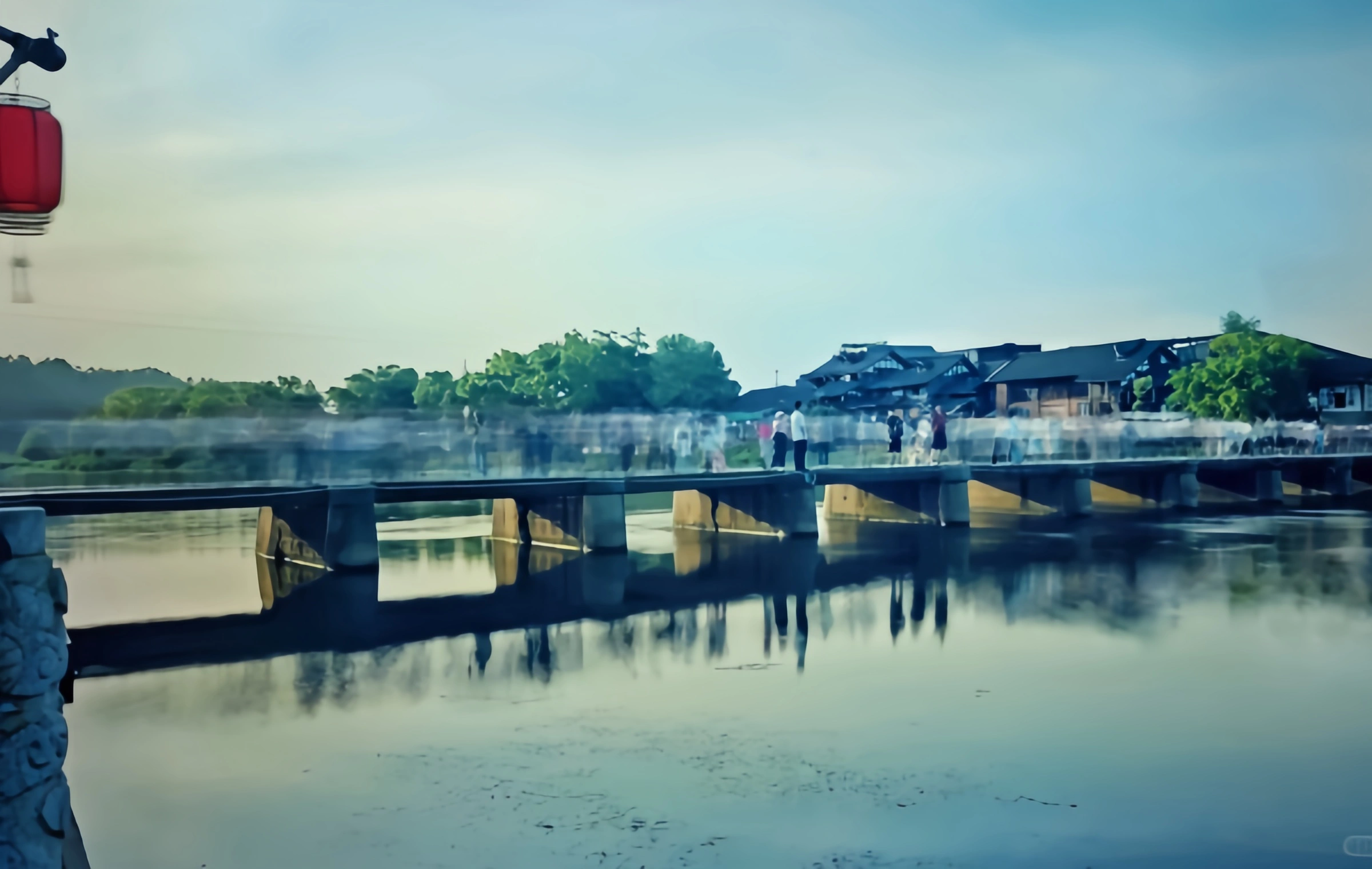
2. Ancient Water Wells and Temples
Explore hidden gems like the Qingquan Well, a centuries-old spring still providing fresh water, or the Lingyun Temple, a serene Buddhist site adorned with intricate carvings. These spots offer a tranquil escape from the bustling markets, embodying the town’s spiritual heritage.
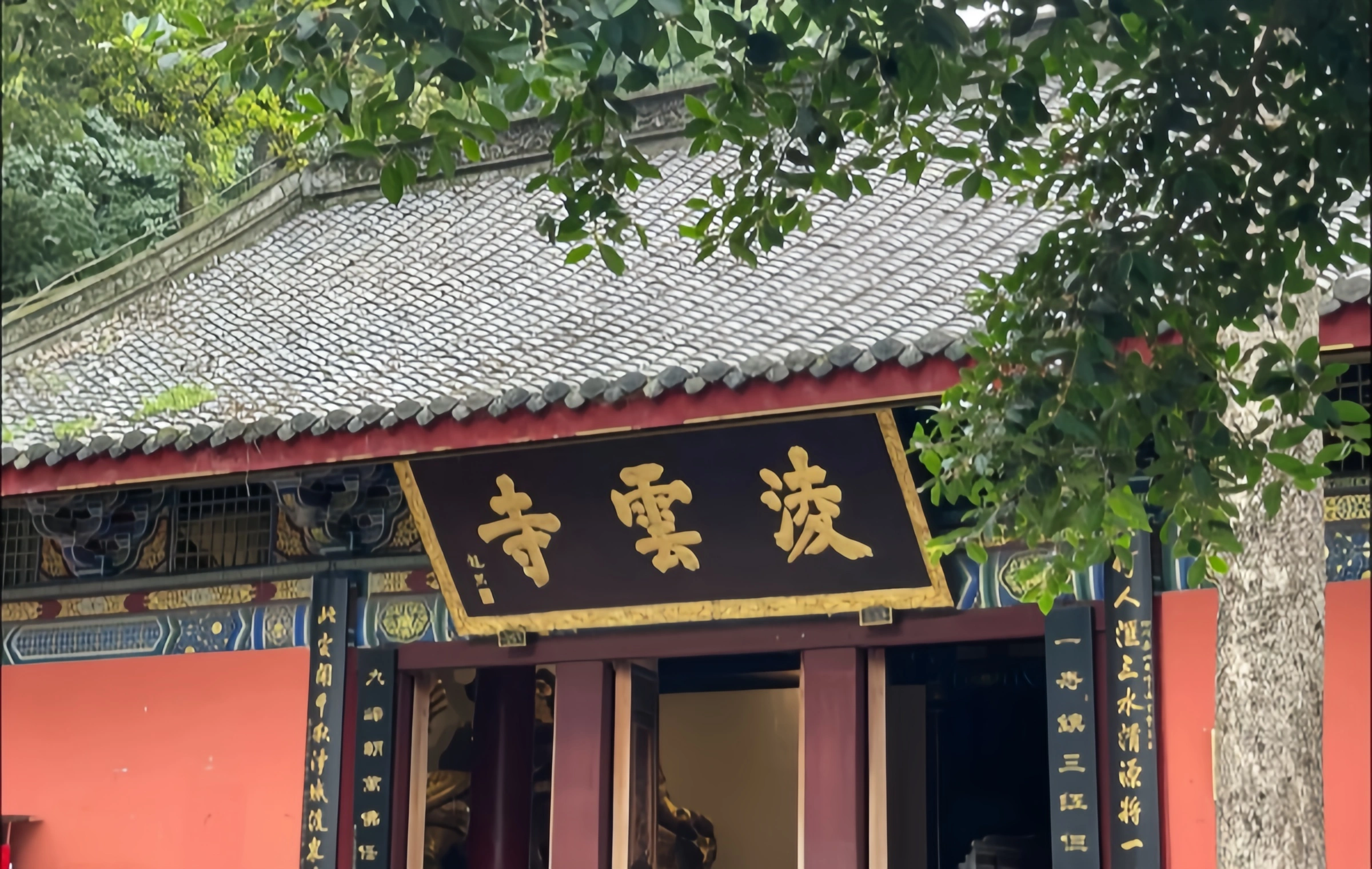
3. Modern Cultural Hubs
Suji seamlessly integrates tradition with modernity. The Leshan Olympic Sports Center, inspired by the "Mountain, Water, Jia, Zhou" concept, hosts cultural events and sports, while the new campus of Leshan Normal University injects youthful energy into the town.
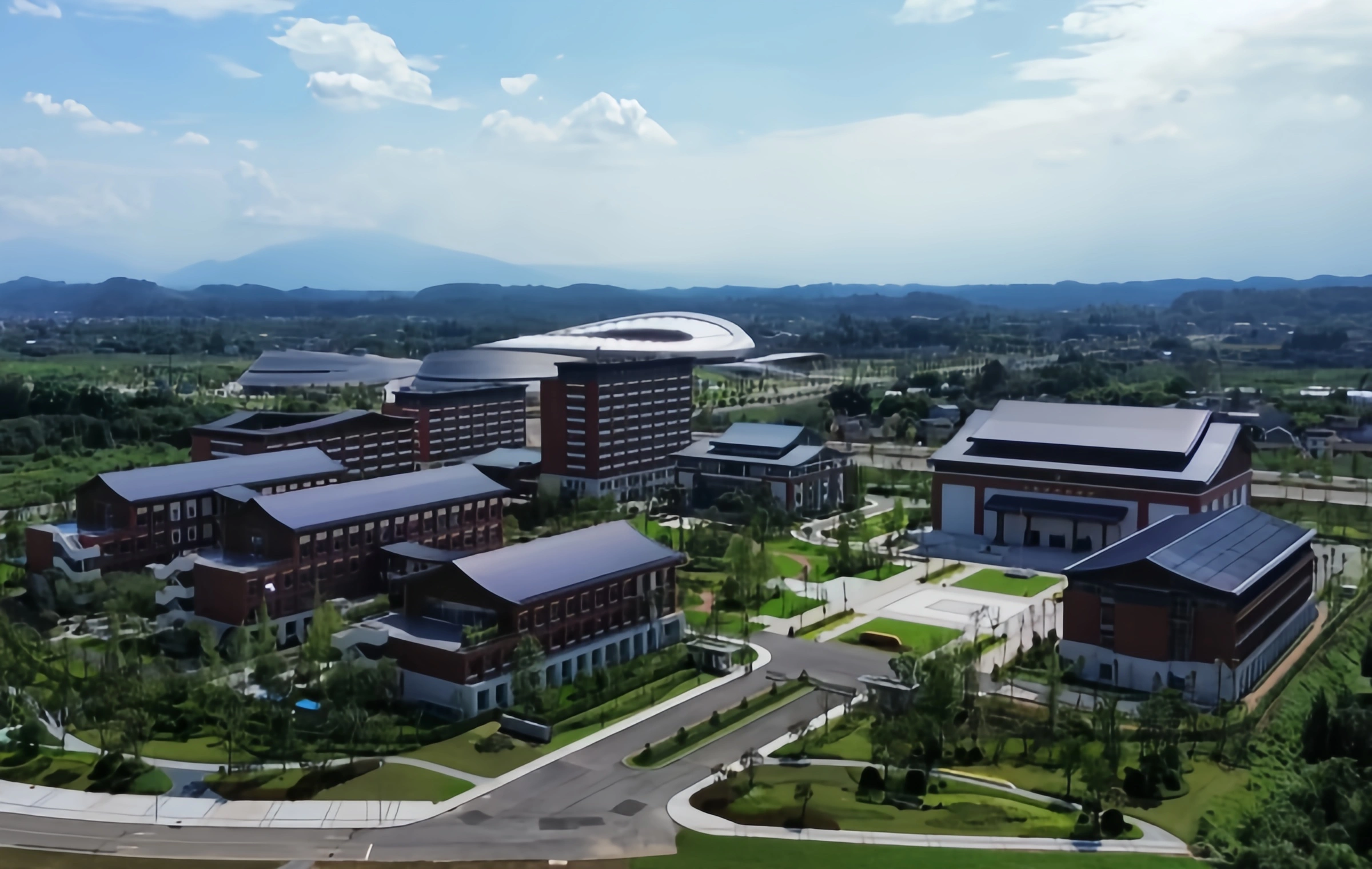
Culinary Delights: A Feast for the Senses
1. Suji Qiao Jiao Beef
A UNESCO-recognized Intangible Cultural Heritage, this dish originated when 19th-century butchers simmered beef offal in herbal broths to feed laborers. Today, diners savor tender beef slices dipped in chili powder, paired with a fragrant soup infused with Sichuan peppercorns and star anise. Recommended spots include Lao Qiao Jiao Restaurant near Rugong Bridge, where queues stretch for hours.
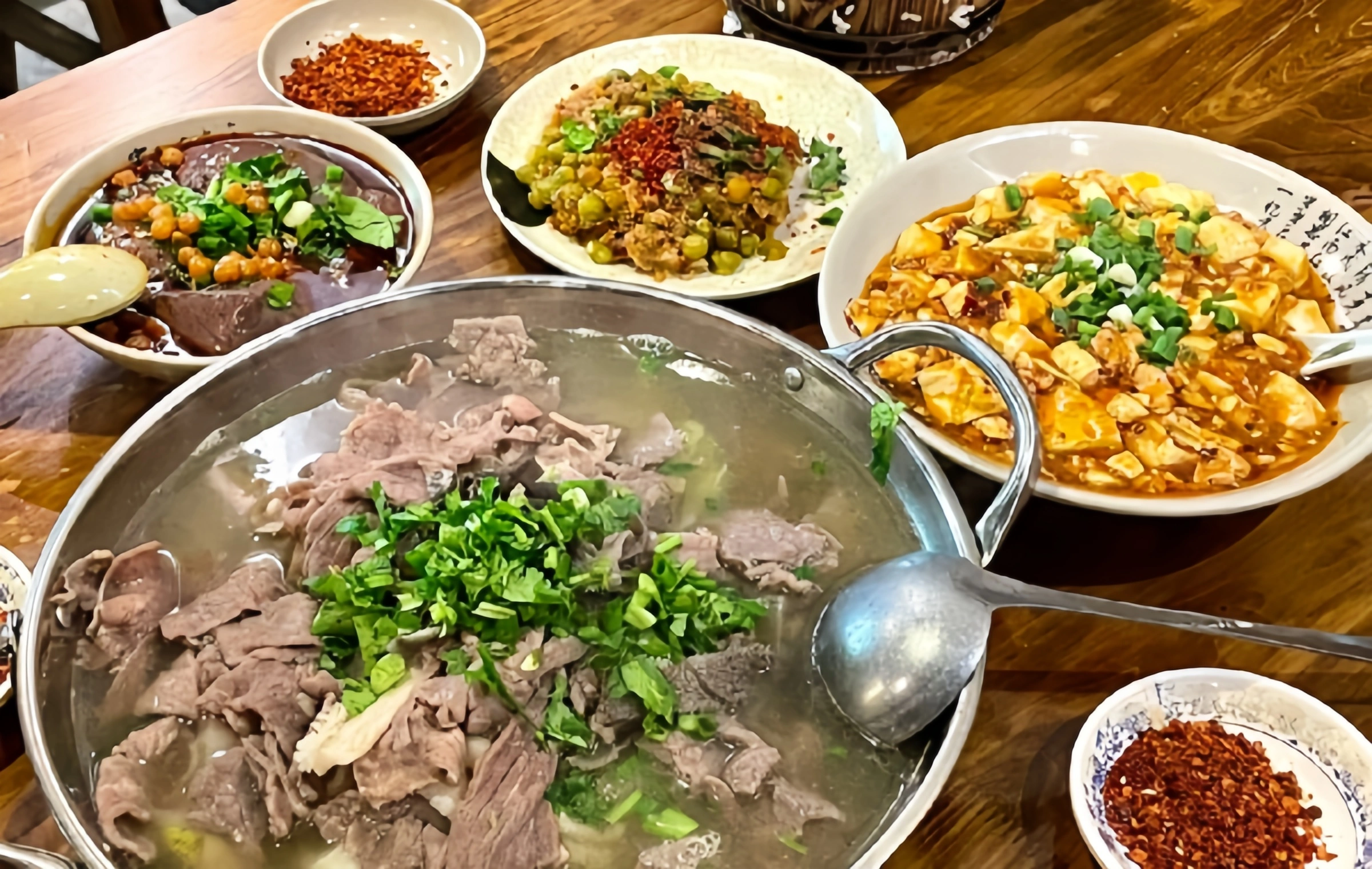
2. Sweet Skin Duck
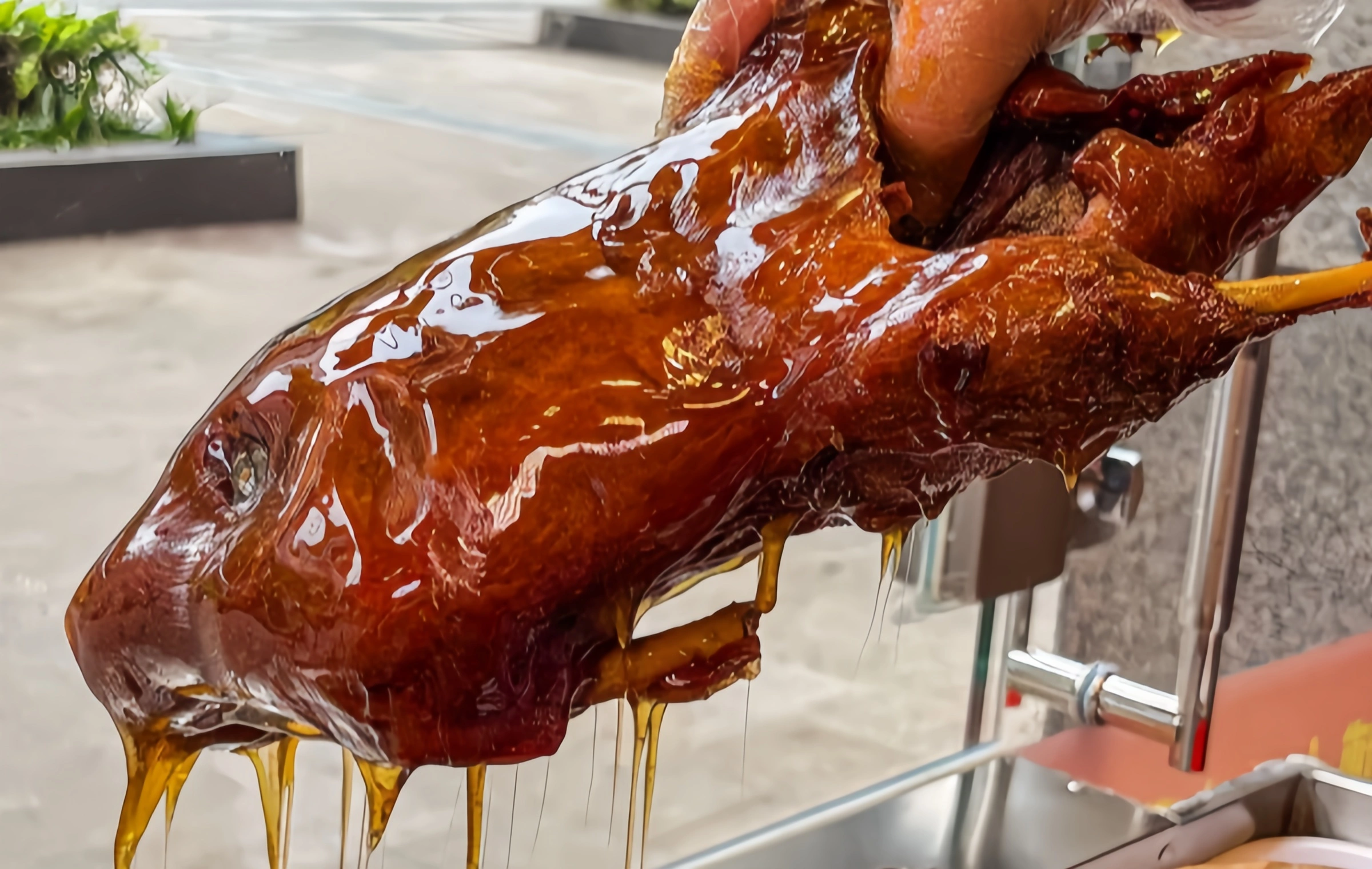
A local twist on Sichuan’s spicy reputation, this duck is marinated in honey, soy sauce, and Chinese five-spice, then roasted until crispy. The result? A caramelized crust with succulent meat beneath. Try Zhang’s Sweet Duck, a century-old stall praised for its "layered flavors that dance on the palate."
3. Xiba Tofu
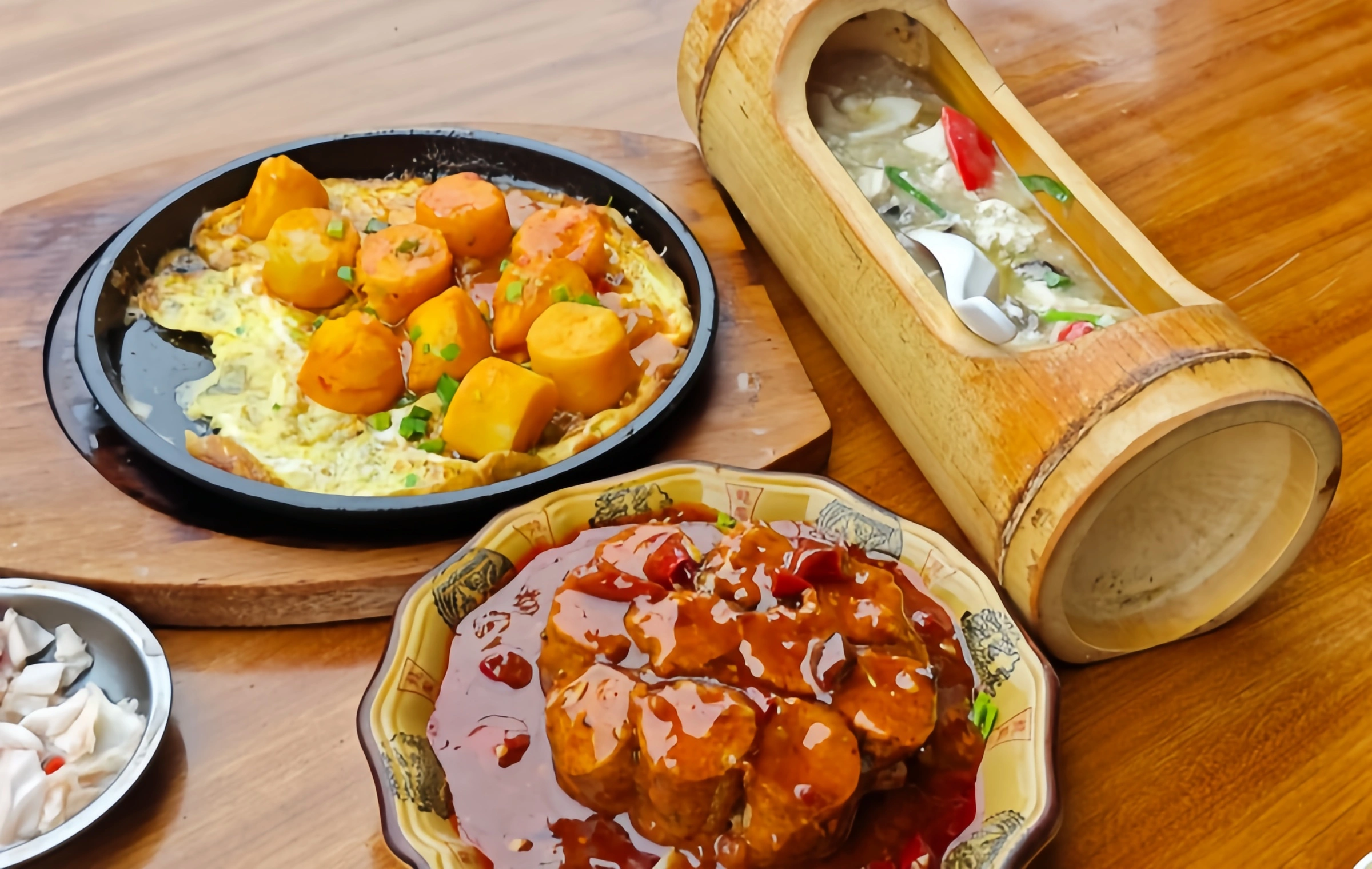
Crafted from spring water and locally grown soybeans, Xiba Tofu is renowned for its silky texture and versatility. Whether steamed, fried, or braised, it retains its shape while absorbing flavors. The "Tofu Banquet" at Xiba Tofu Village offers 30+ dishes, from Mapo Tofu to tofu desserts.
4. Street Snacks: A Carnival of Tastes
- Bobo Chicken: Skewered meats and vegetables drenched in chili-sesame sauce.
- Niuhua Tofu Pudding: Silken tofu topped with savory broth, peanuts, and pickles.
- Suji Oil Rice Flower Sugar: Crunchy puffed rice coated in maltose and sesame, a nostalgic treat sold by street vendors.
Authentic Experiences: Immersing in Local Life
1. Morning Market
Every few days, Rugong Bridge transforms into a vibrant marketplace. Wander through stalls selling fresh produce, handmade crafts, and traditional medicines. Join locals bargaining for bamboo baskets or sampling freshly pressed sugarcane juice.
2. Tea Culture by the River
Sit at a riverside teahouse with a pot of jasmine tea and a game of Mahjong. Listen to elders recount tales of the Silk Road, when Suji thrived as a trading post for "Jiazhou Silk," famed for its durability and luster.
3. Cultural Performances
Catch a Sichuan Opera show at the town’s theater, where performers don colorful masks and execute acrobatic stunts. The "Face-Changing" act, a UNESCO-listed art form, leaves audiences spellbound.
Practical Information for Travelers
- Location: Suji Ancient Town, Shizhong District, Leshan City, Sichuan Province.
- Opening Hours: 24/7 (shops and restaurants typically operate 8 AM–10 PM).
- Getting There: A 20-minute drive from Leshan City Center; buses and taxis are readily available.
- Tips: Wear comfortable shoes for cobblestone streets, and arrive early to avoid crowds at popular eateries.
Conclusion: Where Time Stands Still
Suji Ancient Town is more than a destination—it’s a living museum where history, cuisine, and community intertwine. Whether savoring Qiao Jiao Beef by the river, bargaining at a bustling market, or marveling at ancient architecture, visitors leave with a deeper appreciation for Sichuan’s cultural tapestry. Come for the flavors, stay for the stories.





Contact Us
What Our Clients Say?
Based on 10,000+ traveler reviews

Daniel Dorothea
Canada
Reviewed on April 29,2025
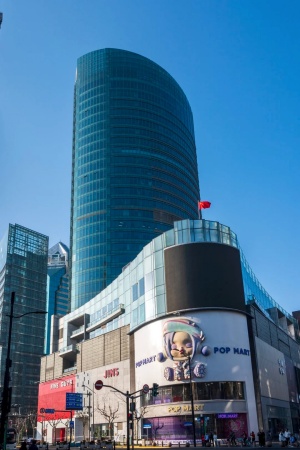
Shopping on Nanjing Road in Shanghai was just amazing! It's truly the "First Commercial Street of China", where tradition and modernity blend perfectly. You can find awesome souvenirs and experience the trendy vibes in cool stores. The neon lights at night are just spectacular, shining bright like Times Square in New York. The food here is incredible too. I had a feast for my taste buds. Shanghai, I'll definitely be back!
Destination(s):
Shanghai
Date of
Experience:
May 08,2024

Elvis Eva
Canada
Reviewed on June 20,2025
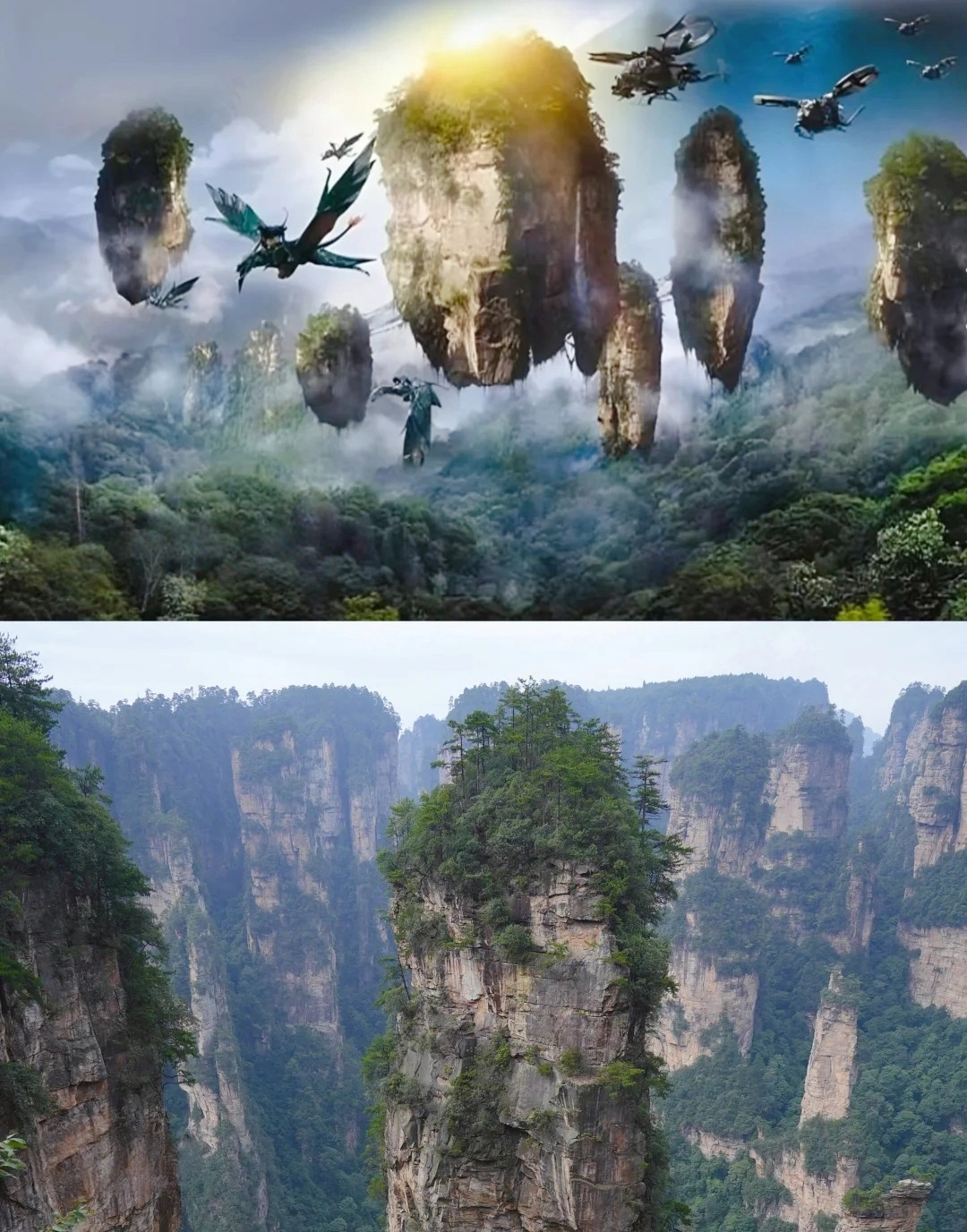
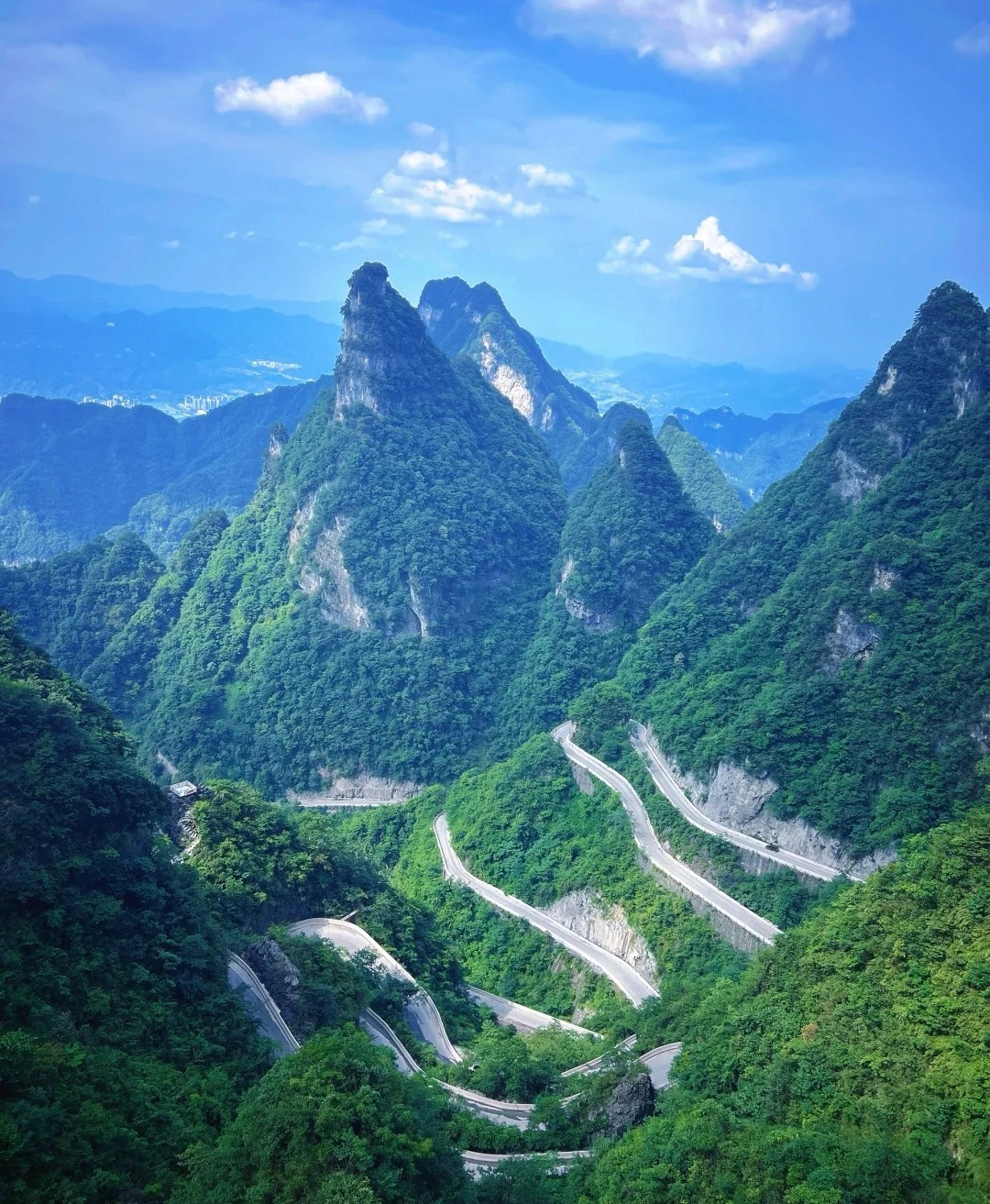
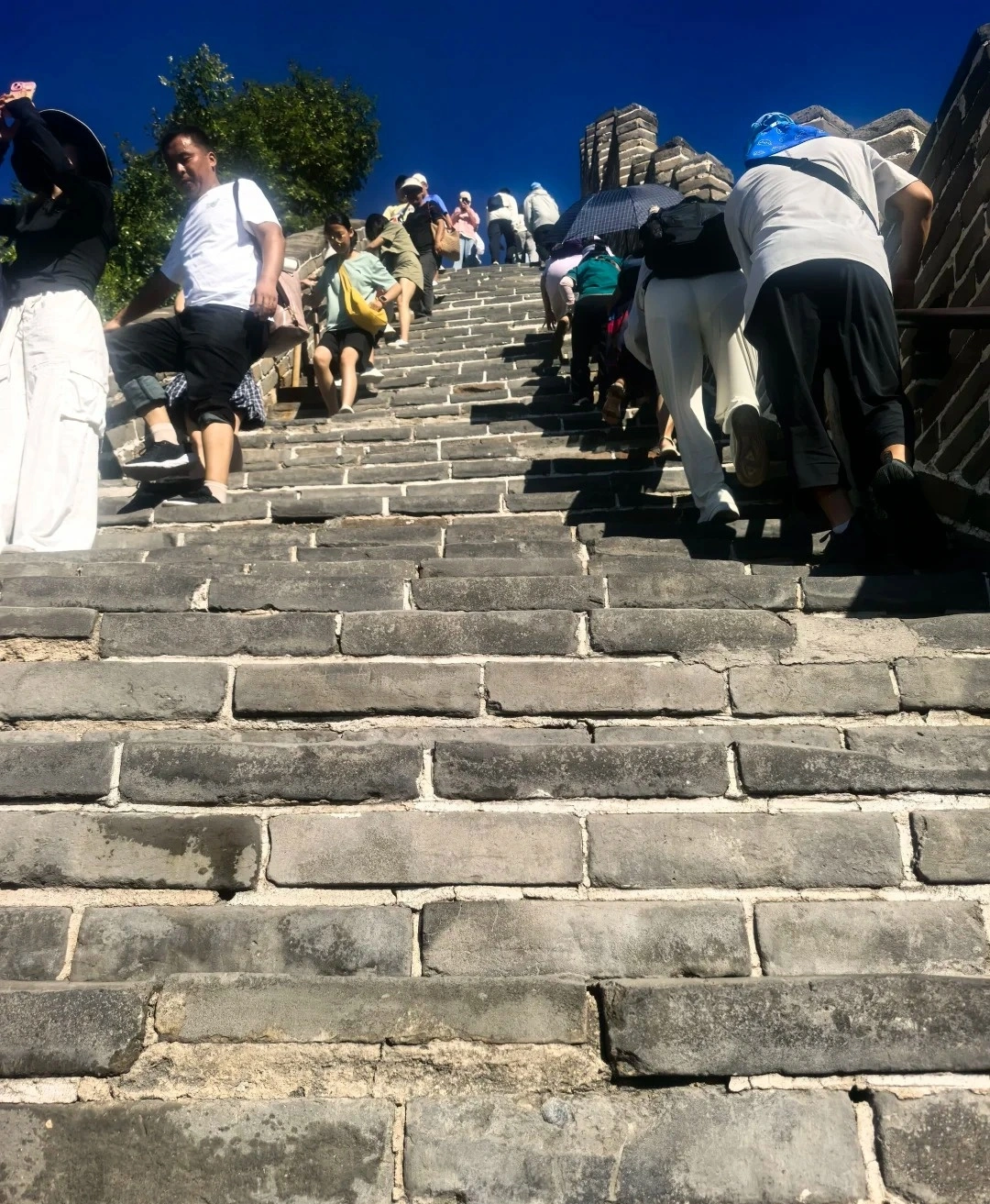
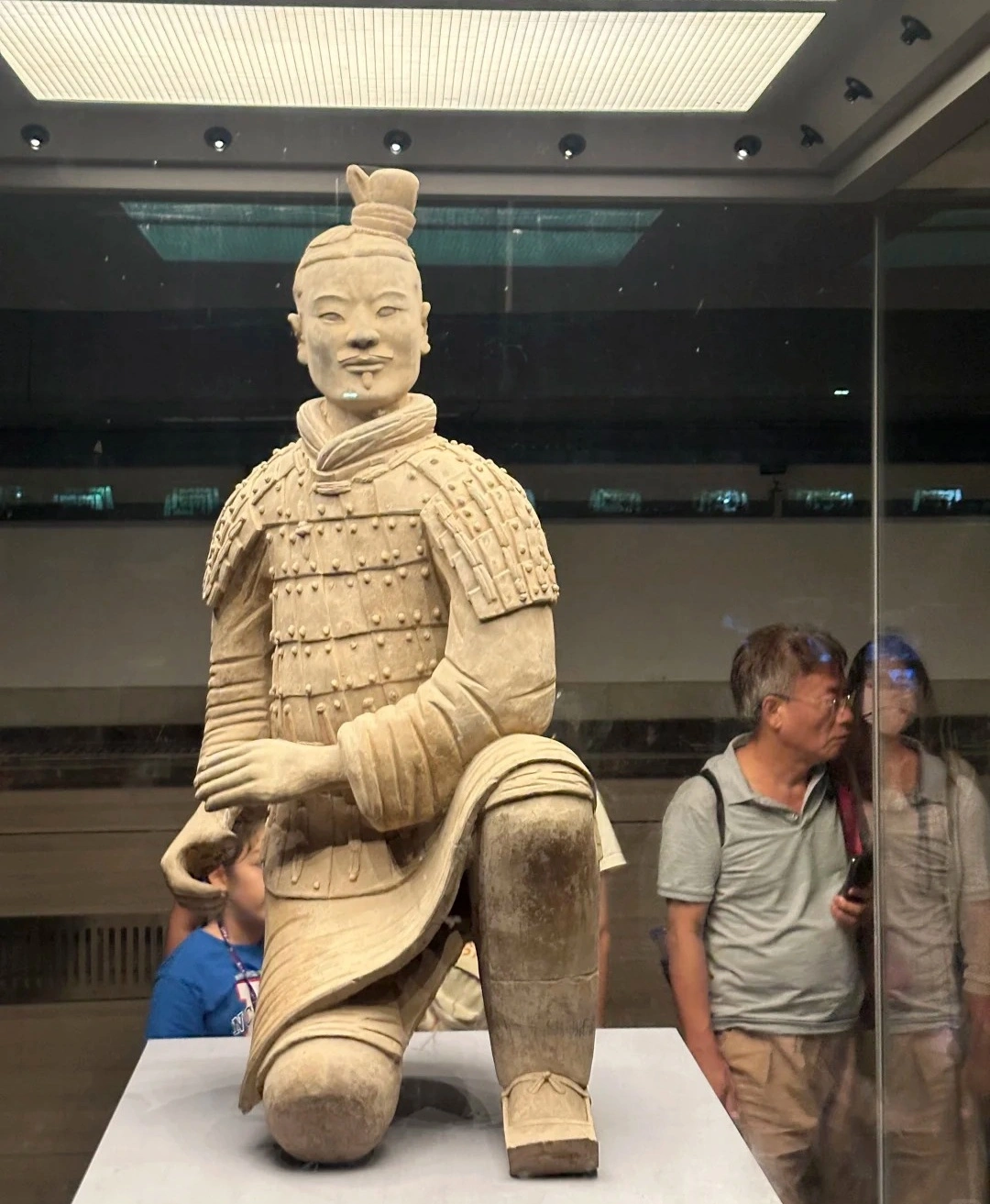
As a solo traveler from Canada, I was nervous about navigating China alone—but this 11-day tour was PERFECT! From hiking the Great Wall at sunrise (Day 3) to gasping at the Terracotta Army (Day 5), every day delivered ‘pinch-me’ moments. The real showstopper? Zhangjiajie’s Avatar Mountains (Day 7)! Our guide made the stone pillars come alive with stories.
Massive thanks for handling all logistics—bullet train tickets, entry passes, car! And the 4-star hotels surprised me.
Destination(s):
Beijing Xian Zhangjiajie Shanghai
Date of
Experience:
June 02,2025

Simon
America
Reviewed on May 29,2025
Our 2-day Zhangjiajie tour was beyond spectacular! As someone who’s visited Beijing and Shanghai for work, this trip revealed China’s wild, magical heart. Day 1 in Zhangjiajie National Forest Park felt like stepping onto Pandora—I’m a huge Avatar fan, and Yuanjiajie’s floating peaks left me breathless. The misty pillars and lush valleys like pure movie magic!
Then came Fenghuang Ancient Town, we eat dinner beside the thundering waterfall. It seems Unreal! The night views of stilt houses glowing over the river were straight from a fairy tale.
For fellow Avatar lovers and adventure seekers: Don’t miss this bucket-list experience! 10/10 would return.
A Well-Traveled Film Buff, May 2025
Destination(s):
Zhangjiajie
Date of
Experience:
May 08,2025