
Explore Western Sichuan: A Journey with Nature
Introduction: Western Sichuan – A Symphony of Nature and Culture
Western Sichuan, located in the western part of Sichuan Province and the core area of the Hengduan Mountains, encompasses the Aba and Garze Tibetan Autonomous Prefectures. Renowned for its five iconic landscapes—Jiuzhaigou Valley, Daocheng Yading, Siguniang Mountain, Hailuogou Glacier, and the "Red Buddhist Kingdom" of Serta Monastery—this region boasts a vertical ecological spectrum with elevations exceeding 4,000 meters. From subtropical rainforests to alpine meadows, glaciers, and hot springs, it merges breathtaking natural scenery with Tibetan and Qiang cultures, making it a global destination for outdoor enthusiasts, photographers, and spiritual seekers. This guide delves into the highlights, transportation, ticket information, and optimal visiting times for Western Sichuan's five premier attractions.
Jiuzhaigou Valley: A Fairy Tale World in Four Seasons
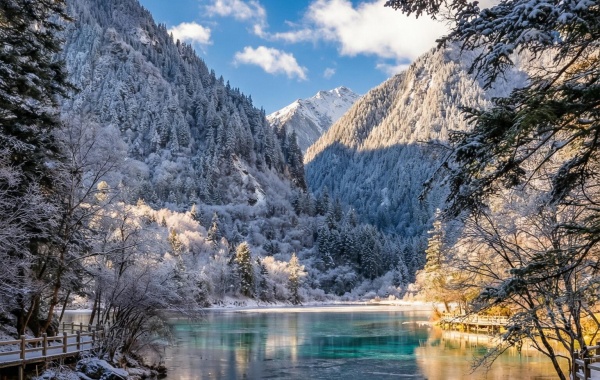
Highlights: The valley’s "Y-shaped" main沟 (gullies)—Rize, Zezhawo, and Shuzheng—showcase iconic sites like Arrow Bamboo Lake, Panda Lake, Five Flower Lake, and Pearl Shoal Falls. Calcified pools shimmer in gradients of blue and green under sunlight, while the Long Lake and Five-Color Pond in Zezhawo Gully contrast with alpine lakes and calcified pools. Shuzheng Gully’s Rhinoceros Lake, Shuzheng Falls, and Shuzheng Cluster Lakes create a surreal "water among trees" scene. With over 80% forest coverage, the area is home to rare wildlife like Tibetan macaques and golden snub-nosed monkeys. autumn brings layered foliage, winter offers frozen waterfalls, and summer features lush greenery and abundant waterfalls.
Transportation: Daily buses from Chengdu’s Xinnanmen Bus Station take ~8 hours. Self-driving via Chengwen Expressway and Provincial Road 301 covers ~420 km; be cautious of falling rocks. The park uses a "shuttle bus + walking" system; arrive by 7 AM to avoid crowds.
Tickets: Peak season (April 15–November 19): ¥146/person for entry; off-season (November 20–April 15): ¥120. Shuttle bus tickets cost ¥120 year-round. Book 7 days in advance via the official website; refunds incur a 4% fee.
Best Time: September–October for peak autumn colors; November–April for snowscapes (but bring crampons). Summer (June–August) offers vibrant greenery and full waterfalls.
Daocheng Yading: The Ultimate Romance of a Blue Planet
Highlights: The three sacred mountains—Chenrezig, Jampayang, and Shambhala—cradle the Milk Lake, Five-Color Lake, and Pearl Lake. Chonggu Monastery’s prayer flags and mountain reflections form a sacred tableau, while Chonggu Meadow blooms with alpine flowers in summer. Luorong Pasture, featured in The Soul of a New Generation, combines glacial relics with meadows.
Transportation: Fly from Chengdu Shuangliu Airport to Daocheng Yading Airport (1-hour flight), then drive ~2 hours to the site. Self-driving via G318 covers ~760 km; use a 4WD for mountain passes. Shuttle buses (¥120 round-trip) and electric carts (¥80) operate within the park; carry oxygen bottles for long hikes.
Tickets: Peak season (April 16–November 30): ¥146 entry + ¥120 shuttle; off-season (December 1–April 15): ¥120 entry + ¥120 shuttle. Re-entry requires a ¥60 shuttle ticket with a "person-scenery" photo.
Best Time: September–October for autumn foliage; June–August for meadow blooms (book accommodations early). November may close due to snow.
Siguniang Mountain: The Eastern Alps’ Three-Dimensional Landscape
Highlights: The "Three Gullies, Four Peaks" include Shuangqiao Gully’s snow peaks, Changping Gully’s primeval forests, and Haizi Gully’s alpine lakes. The 6,250-meter "Fourth Sister" peak, Sichuan’s second-highest, requires climbing permits. Changping Gully’s Kushutan and Muluozi Campsite suit light hikes, while Bajiaopeng Lake offers perfect reflections of the Fourth Sister.
Transportation: Buses from Chengdu’s Chadianzi Station to Xiaojin County, then transfer to Siguniang Town (~5 hours). Self-driving via Chengwen Expressway and Panda Avenue covers ~220 km; watch for rocks. Shuttle buses (¥70 for Shuangqiao, ¥20 for Changping) operate within the park; arrive by 8 AM for clear mountain views.
Tickets: Shuangqiao Gully: ¥80 (peak), ¥70 (off-peak); Changping: ¥70, Haizi: ¥60. Shuttle tickets: ¥70 (Shuangqiao), ¥20 (Changping). Climbing permits require advance application via the official website; fees vary by route.
Best Time: May–September for alpine flowers; October–December for autumn foliage; December–May for "golden sunrise" and cloud seas (but stay warm).
Hailuogou Glacier: Low-Altitude Glacial Wonders
Highlights: The No. 1 Glacier’s tongue extends into the forest, creating a "glacier-rainforest" paradox. The 1,100-meter-wide, 1,080-meter-high icefall roars during ice avalanches. Caohaizi Primeval Forest showcases vertical vegetation from subtropical to alpine zones. Gongga Hot Springs (42–48°C) offer snow-viewing soaks in winter.
Transportation: Daily buses from Chengdu’s Xinnanmen Station take ~6 hours. Self-driving via Yakang Expressway and G318 covers ~296 km. Shuttle buses (¥70 round-trip) and cable cars (¥150) access the glacier; cable cars may close in bad weather.
Tickets: ¥90 entry + ¥70 shuttle + ¥150 cable car. Winter (December–February): half-price entry (¥45), but cable cars may suspend.
Best Time: Late October–April for glacier-red foliage or snowscapes; June–August for full waterfalls (but crowded).
Serta Monastery: A Soul-Stirring Red Buddhist Kingdom
Highlights: Thousands of red wooden huts cascade down Larung Valley, forming a "Red Kingdom" visual marvel. The Golden Stupa of the Mandal Palace shimmers, while prayer wheels hum with chants. The Sky Burial Platform hosts daily rituals reflecting Tibetan Buddhist views on life and death. Dongga Monastery, the largest in Serta, features grand architecture and exquisite murals.
Transportation: Daily buses from Chengdu’s Chadianzi Station take ~8 hours. Self-driving via Wenma Expressway and G317 covers ~520 km; watch for rocks and ice. Shuttle buses (¥48 from county, ¥30 from Luoruo Town) require advance booking via the "Serta Jinma Grassland Tourism Center"; daily limits apply.
Tickets: Free entry to the monastery, but shuttle buses required. Sky Burial reservations (¥100 daily limit) and Dongga Monastery (¥30 cash) require advance planning.
Best Time: Year-round, but September–October offers ideal light for photography. Winter (December–February) requires warm clothing; summer (June–August) needs rain gear. Dawn and dusk provide optimal light for panoramic shots.
Conclusion: Western Sichuan – A Dialogue with Nature
Western Sichuan’s allure lies in its "one scene, one world" vertical landscapes, where glaciers, forests, meadows, and lakes coexist. From Jiuzhaigou’s fairy-tale waters to Yading’s sacred peaks, Siguniang’s majestic mountains, Hailuogou’s glacial-thermal wonders, and Serta’s spiritual red kingdom, each site invites deep exploration. Embrace the journey with nature to discover your true self.
Travel Tips:
- Acclimate to high altitudes with rhodiola; carry warm clothing for temperature swings.
- Use sunscreen and sunglasses for strong UV exposure.
- Drive 4WD vehicles or join reputable tours for complex routes.
- Respect Tibetan/Qiang cultures; avoid photographing religious ceremonies without permission.
Western Sichuan awaits—explore, connect with nature, and rediscover yourself.


Contact Us
What Our Clients Say?
Based on 10,000+ traveler reviews

Daniel Dorothea
Canada
Reviewed on April 29,2025
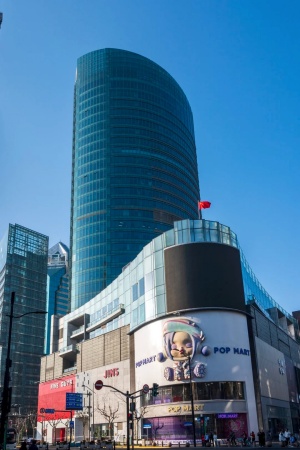
Shopping on Nanjing Road in Shanghai was just amazing! It's truly the "First Commercial Street of China", where tradition and modernity blend perfectly. You can find awesome souvenirs and experience the trendy vibes in cool stores. The neon lights at night are just spectacular, shining bright like Times Square in New York. The food here is incredible too. I had a feast for my taste buds. Shanghai, I'll definitely be back!
Destination(s):
Shanghai
Date of
Experience:
May 08,2024

Elvis Eva
Canada
Reviewed on June 20,2025
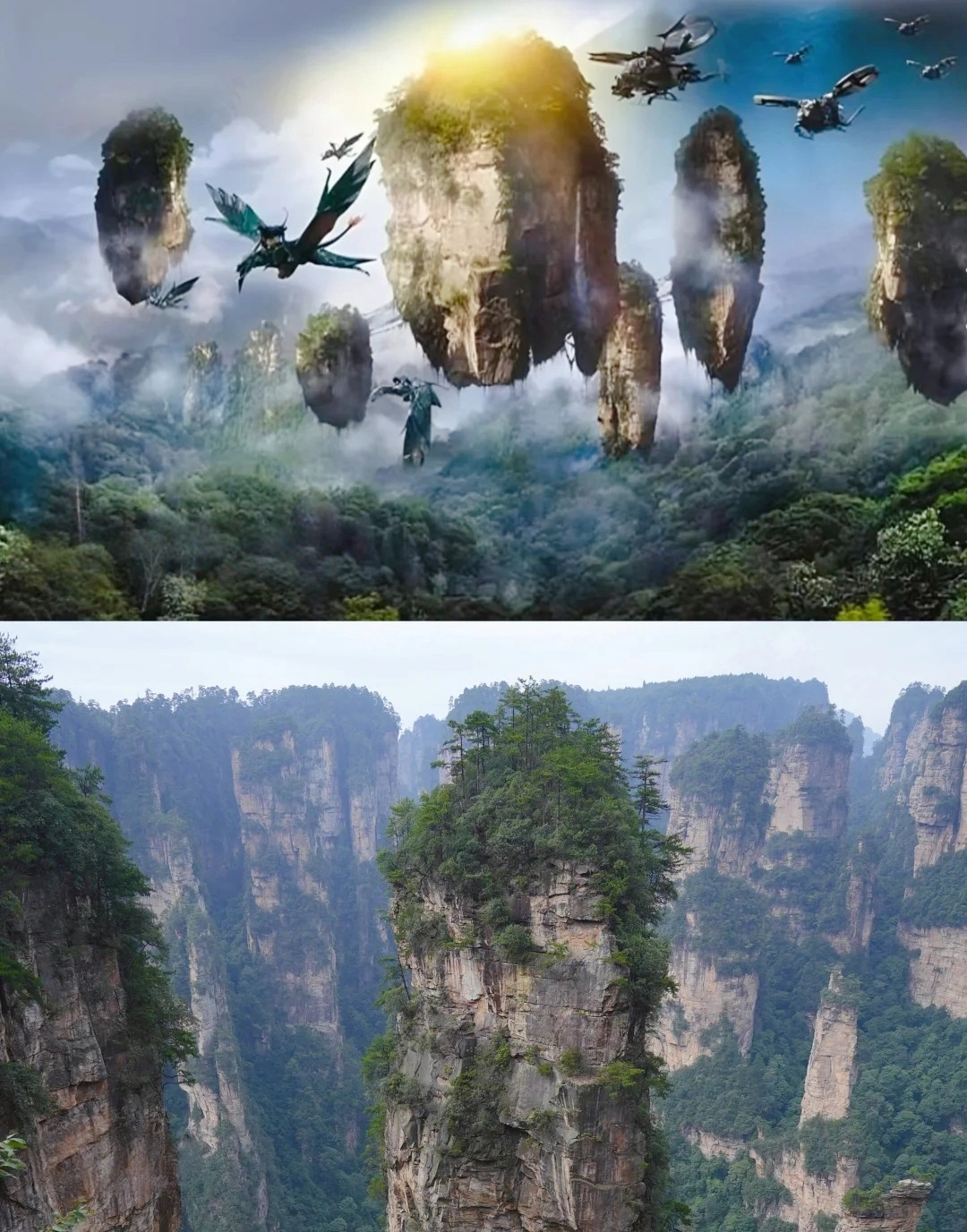
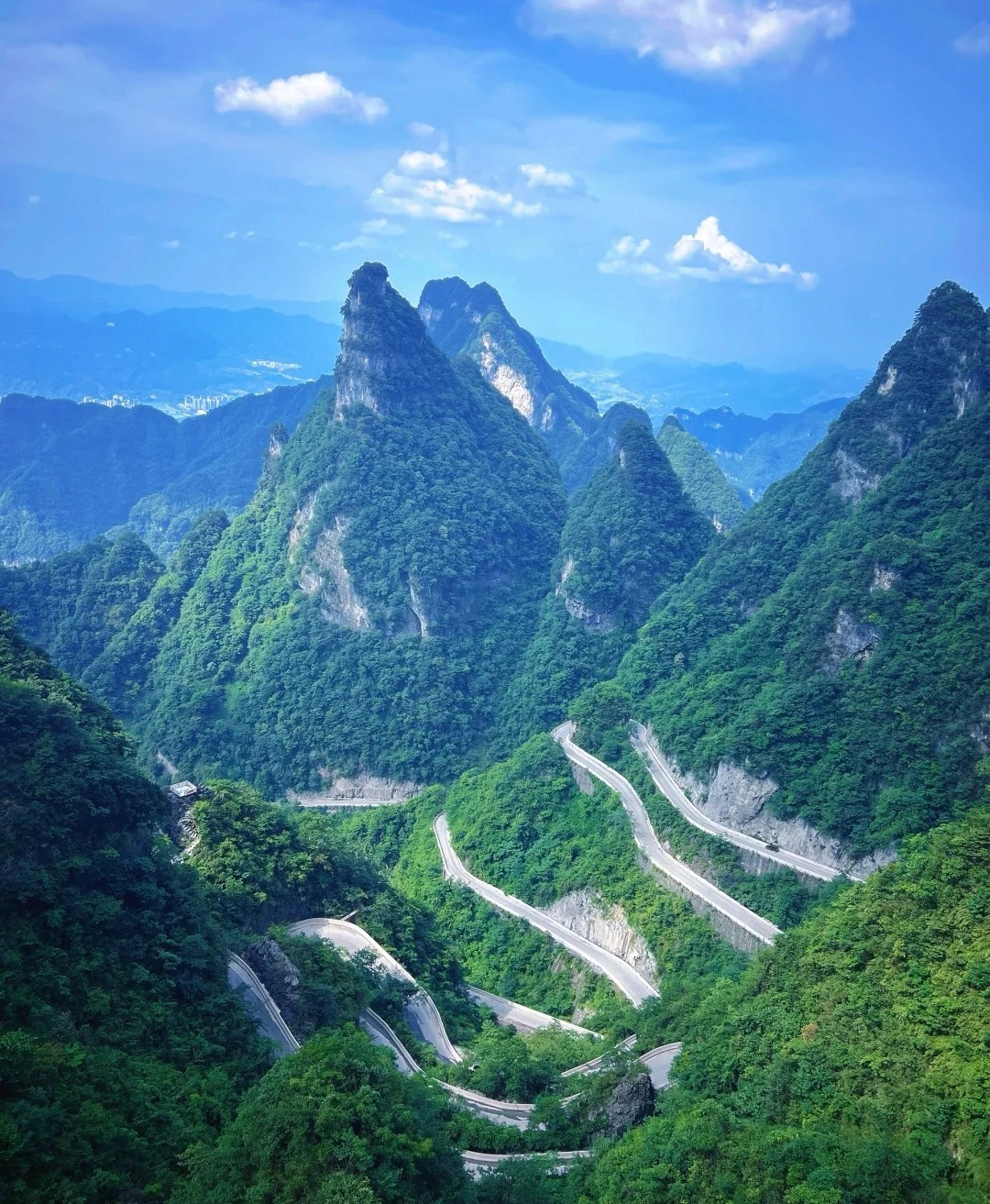
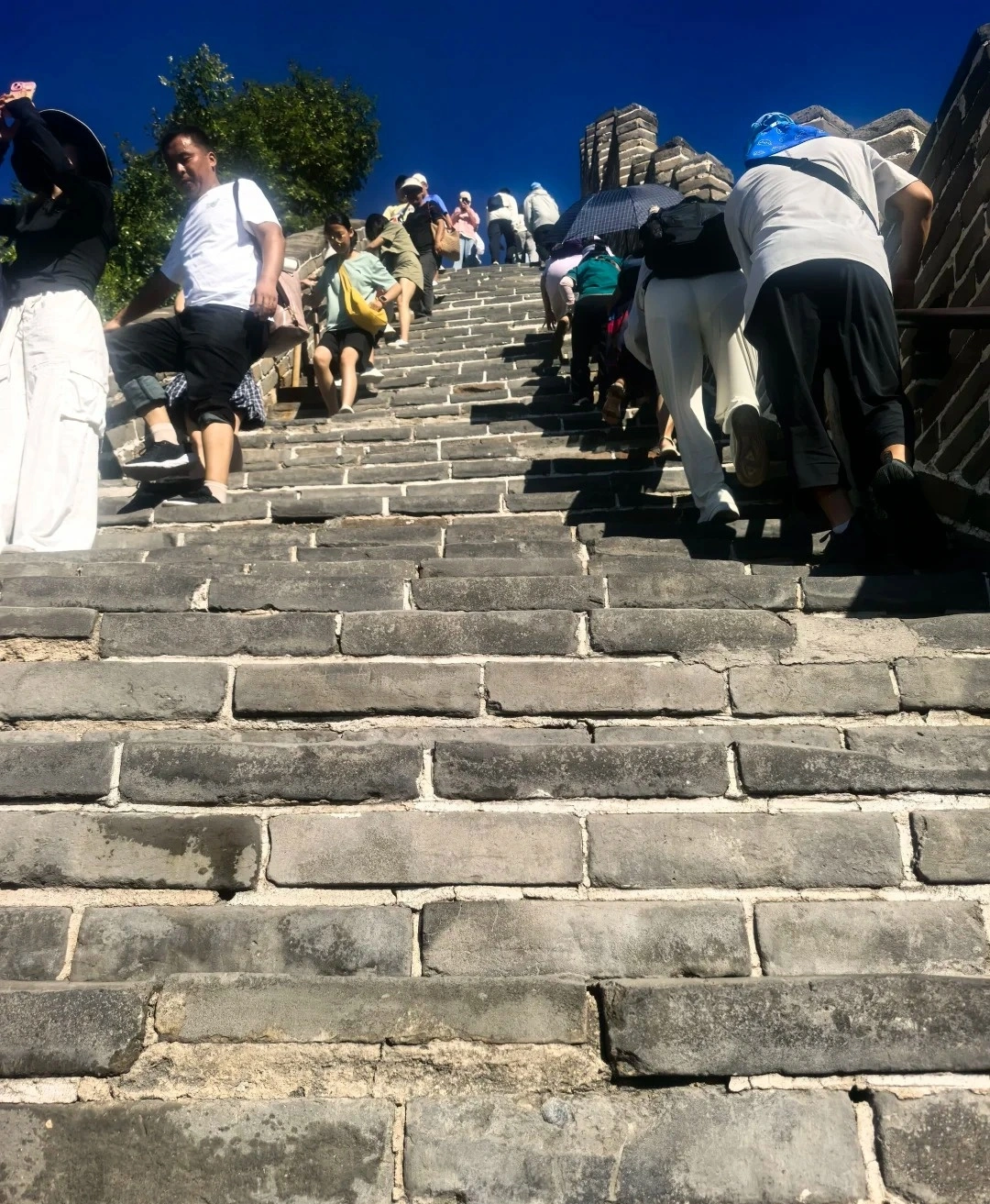
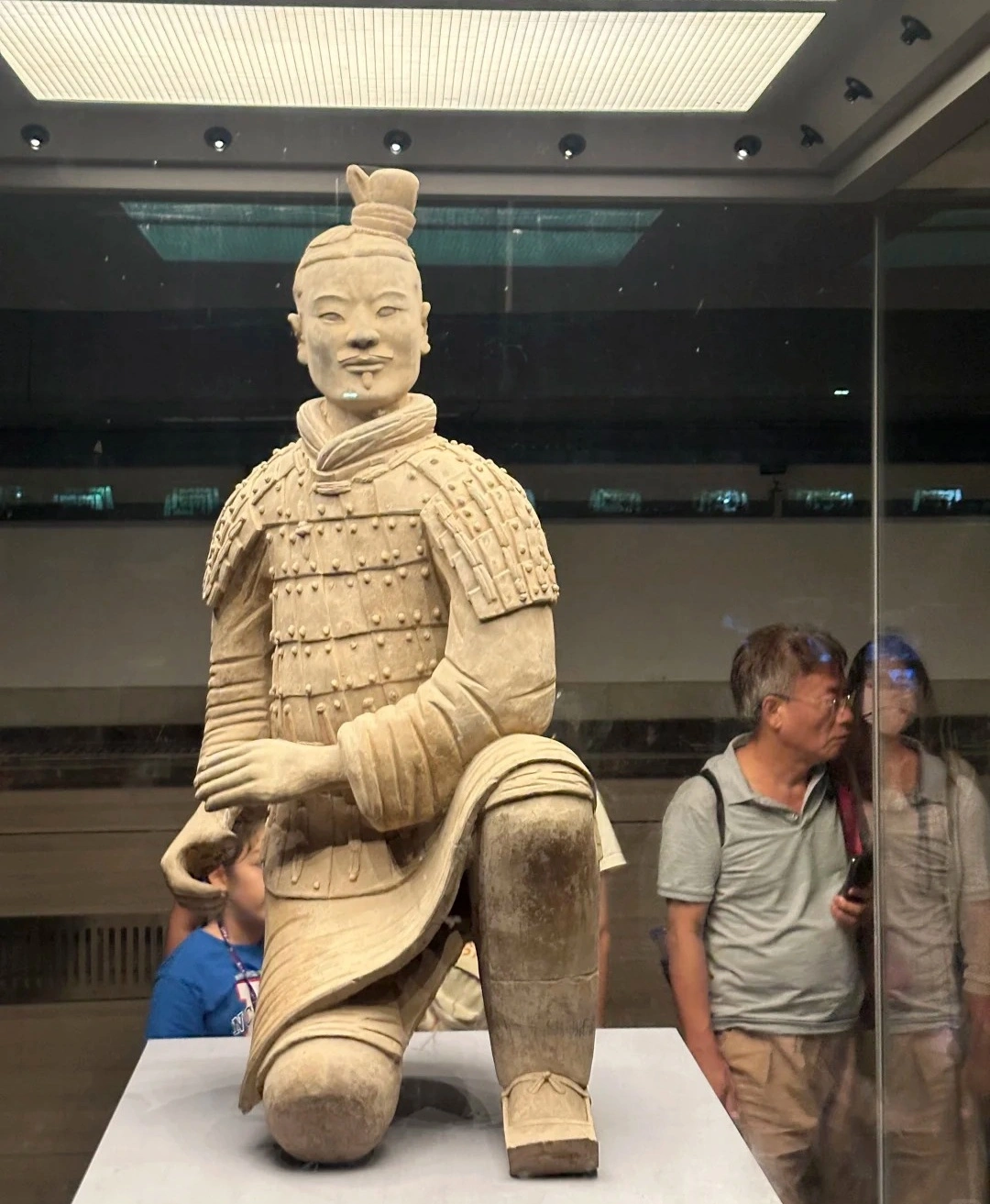
As a solo traveler from Canada, I was nervous about navigating China alone—but this 11-day tour was PERFECT! From hiking the Great Wall at sunrise (Day 3) to gasping at the Terracotta Army (Day 5), every day delivered ‘pinch-me’ moments. The real showstopper? Zhangjiajie’s Avatar Mountains (Day 7)! Our guide made the stone pillars come alive with stories.
Massive thanks for handling all logistics—bullet train tickets, entry passes, car! And the 4-star hotels surprised me.
Destination(s):
Beijing Xian Zhangjiajie Shanghai
Date of
Experience:
June 02,2025

Simon
America
Reviewed on May 29,2025
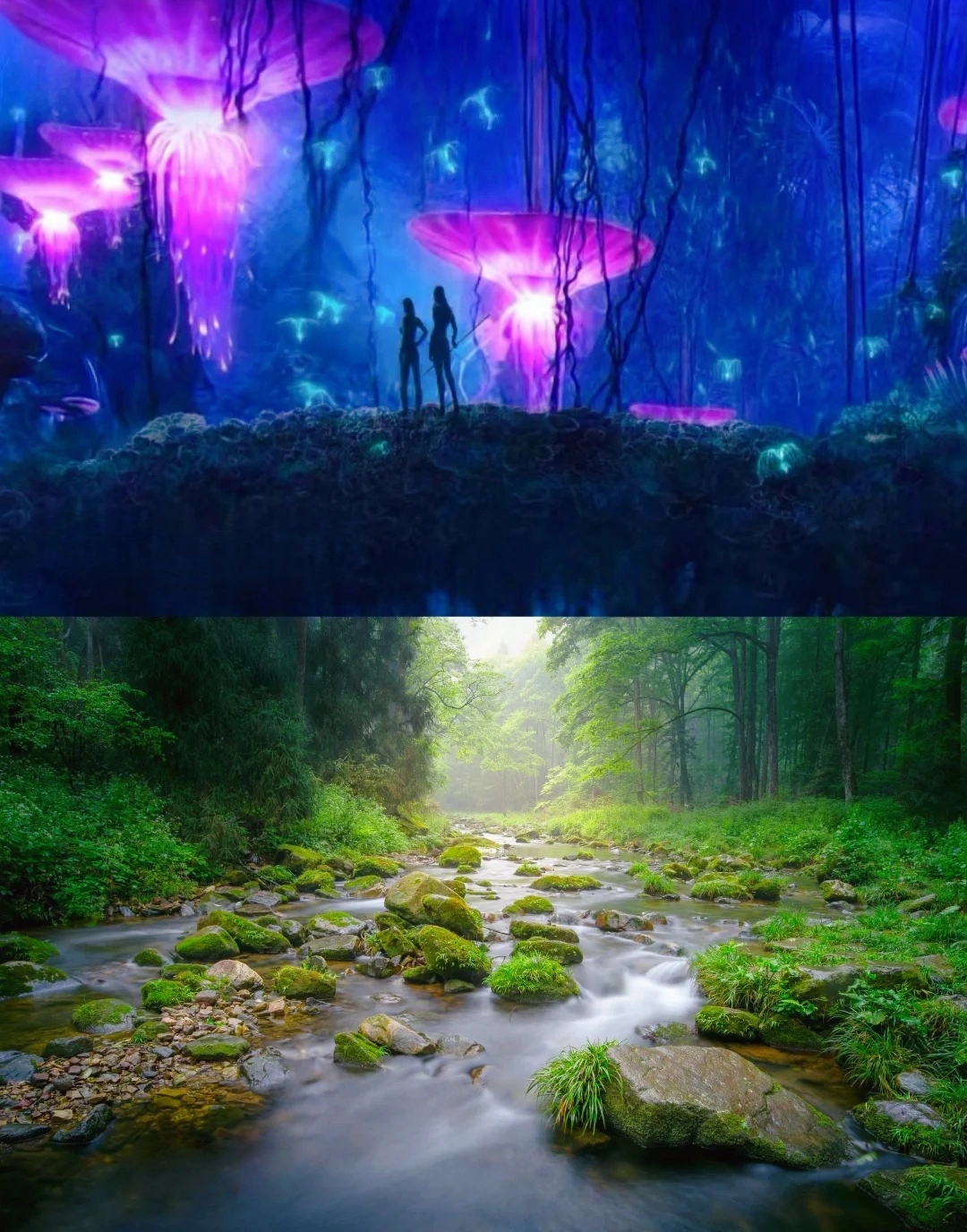
Our 2-day Zhangjiajie tour was beyond spectacular! As someone who’s visited Beijing and Shanghai for work, this trip revealed China’s wild, magical heart. Day 1 in Zhangjiajie National Forest Park felt like stepping onto Pandora—I’m a huge Avatar fan, and Yuanjiajie’s floating peaks left me breathless. The misty pillars and lush valleys like pure movie magic!
Then came Fenghuang Ancient Town, we eat dinner beside the thundering waterfall. It seems Unreal! The night views of stilt houses glowing over the river were straight from a fairy tale.
For fellow Avatar lovers and adventure seekers: Don’t miss this bucket-list experience! 10/10 would return.
A Well-Traveled Film Buff, May 2025
Destination(s):
Zhangjiajie
Date of
Experience:
May 08,2025