
Leshan Museum: Discover Ancient Treasures & Han Dynasty Secrets
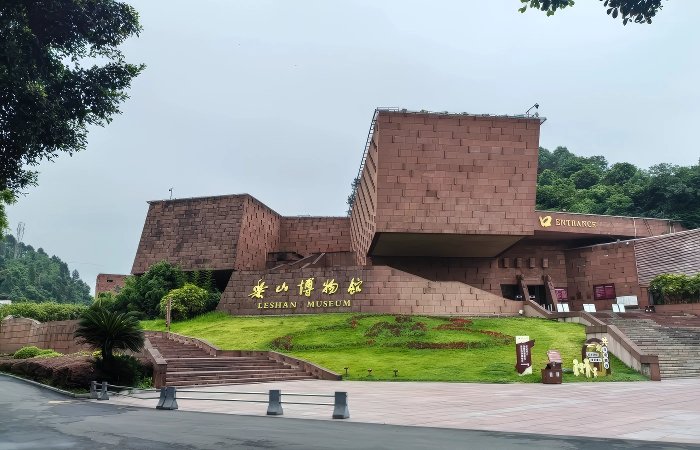
Leshan Museum stands as the cultural heartbeat of the city, offering a deep dive into the history surrounding the world-famous Leshan Giant Buddha. If you are planning a trip to Sichuan, this institution is not just a stopover; it is the key to understanding the region’s soul. You will find yourself face-to-face with relics that whisper stories of ancient craftsmanship and imperial power.
Located in the city’s central district, the museum bridges the gap between the Tang Dynasty’s artistic peak and modern-day curiosity. It houses over 30,000 cultural relics, ranging from pottery figurines to bronze weapons. For history buffs, the Leshan Giant Buddha context provided here is invaluable. You won’t just see a statue; you will understand the religious fervor that built it.
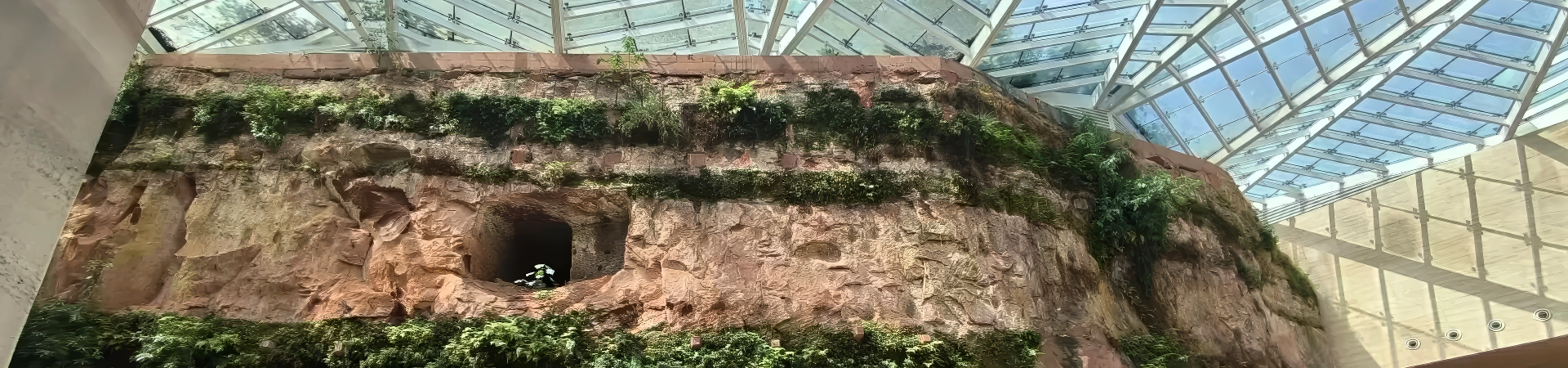
The building itself is a blend of traditional Sichuan architecture and modern exhibition design. It is air-conditioned, spacious, and designed to guide you chronologically through the dynasties. Whether you are a scholar or a casual tourist, the layout ensures you never feel lost. The staff are known for their helpfulness, often providing English translation pads upon request.
Unveiling the Han Dynasty's Artistic Legacy
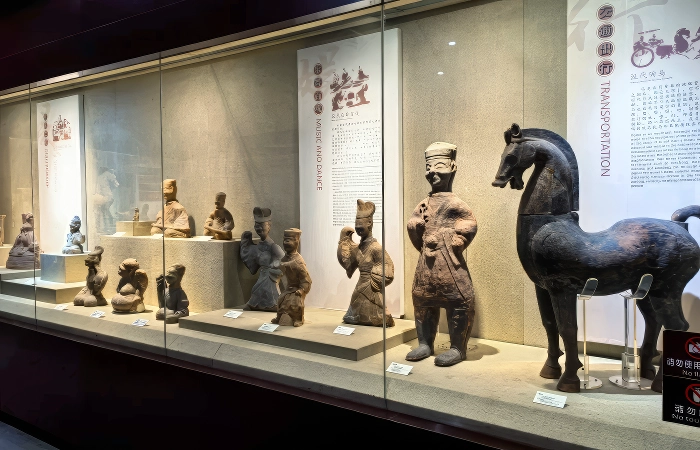
The highlight of any visit is undoubtedly the Han Dynasty section. As you walk through these halls, you step back 2,000 years. The museum shines in its collection of Han Dynasty artifacts, particularly the pottery ministers, generals, and musicians. These aren't just clay figures; they possess distinct facial expressions and intricate clothing details.
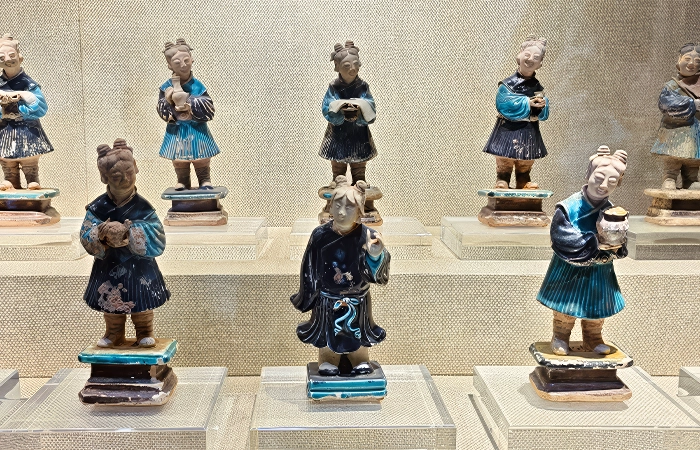
You will notice the "smile without laughter" expression typical of Eastern Han sculptures. It captures a serene, almost mystical quality that defines the era’s aesthetic. Many of these pieces were unearthed from local tombs in the Leshan area. They offer a tangible link to the daily lives and burial rites of the ancient Shu people.
Another star exhibit is the bronze horses and farming tools. These items reveal the agricultural roots of the region. You can almost imagine the bustling markets and ironworks of the ancient capital. Interactive screens nearby explain the smelting techniques used at the time, making history feel alive rather than static.
Buddhist Relics: Beyond the Giant Buddha
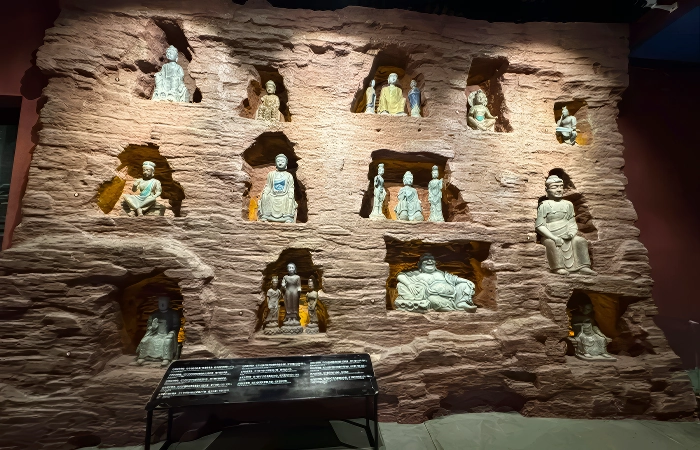
While the Giant Buddha draws the crowds, the museum’s indoor Buddhist collection is equally mesmerizing. The Buddhist sculptures here date from the Tang Dynasty to the Ming and Qing dynasties. You will see gilded bronzes, stone steles, and delicate jade carvings. Each piece reflects the evolution of Buddhist art in China.
One specific niche houses sutras written on palm leaves and birch bark. These fragile manuscripts show how scriptures traveled along the Silk Road. The lighting in this room is kept dim to preserve the ink, creating a solemn atmosphere. It invites quiet reflection, a stark contrast to the noise of the tourist crowds outside.
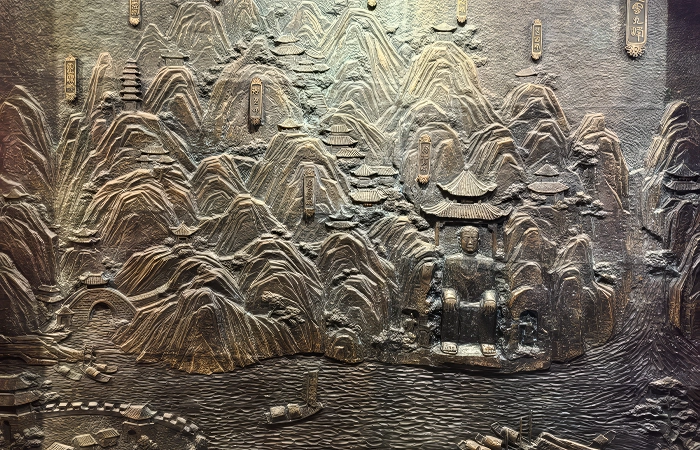
There is also a dedicated room for the "Maitreya" beliefs that fueled the carving of the Giant Buddha. Stone inscriptions explain how monks raised funds for the construction. You will learn about the "Nine-Story Tower" that once protected the Buddha’s face. This context transforms the outdoor sightseeing into a meaningful historical pilgrimage.
Visiting Leshan Museum: Practical Tips for Travelers
Getting to the museum is convenient, as it sits near the city center and the scenic area. You can easily combine a visit here with your trip to the Leshan Giant Buddha scenic spot. In fact, many visitors prefer coming here first to get historical context before seeing the statue itself.
The museum is open from 9:00 AM to 5:00 PM, with last entry at 4:30 PM. It is closed on Mondays, so plan your itinerary accordingly. Admission is free, but you need to reserve a ticket online or bring your passport for entry. Security checks are standard but move quickly.
Inside, there is a small café serving local tea and snacks. It’s a perfect spot to rest your feet after exploring the upper galleries. The gift shop offers high-quality replicas of Han Dynasty pottery, which make unique souvenirs. Avoid the street vendors outside; the museum shop guarantees authenticity.
Photography is allowed in most halls, but flash is strictly prohibited, especially near paintings and textiles. Tripods are not allowed to prevent blocking walkways. If you are traveling with children, look for the activity sheets available at the front desk. They turn the visit into a fun treasure hunt.
The Vibrant Culture of Modern Leshan
The museum doesn't ignore the present. The final section touches on the folk culture of the Minjiang River basin. You will see intricate paper-cutting art and shadow play puppets. These Sichuan history elements show how ancient traditions survive in modern Festivals.
There is also a digital hall showcasing the city’s transformation into a tourist hub. Large touch-screen maps allow you to explore the surrounding ancient towns like Suji and Qianwei. This area helps you plan the rest of your trip, highlighting lesser-known gems off the beaten path.
Leshan Museum is more than a repository of dusty objects. It is a living narrator of the region’s identity. From the stoic Han Dynasty guards to the serene Tang Buddhist statues, every artifact has a voice. By visiting, you aren't just looking at history; you are touching the foundation of Chinese heritage.
In summary, Leshan Museum is an essential stop for anyone visiting Sichuan. It provides the critical context for the Leshan Giant Buddha and showcases some of the finest Han Dynasty artifacts in the country. With free entry, excellent exhibits, and a visitor-friendly layout, it offers high value for your time. Don't miss the chance to connect with the ancient soul of the river city.
Contact Us
What Our Clients Say?
Based on 10,000+ traveler reviews

Daniel Dorothea
Canada
Reviewed on April 29,2025
Shopping on Nanjing Road in Shanghai was just amazing! It's truly the "First Commercial Street of China", where tradition and modernity blend perfectly. You can find awesome souvenirs and experience the trendy vibes in cool stores. The neon lights at night are just spectacular, shining bright like Times Square in New York. The food here is incredible too. I had a feast for my taste buds. Shanghai, I'll definitely be back!
Destination(s):
Shanghai
Date of
Experience:
May 08,2024


Elvis Eva
Canada
Reviewed on June 20,2025
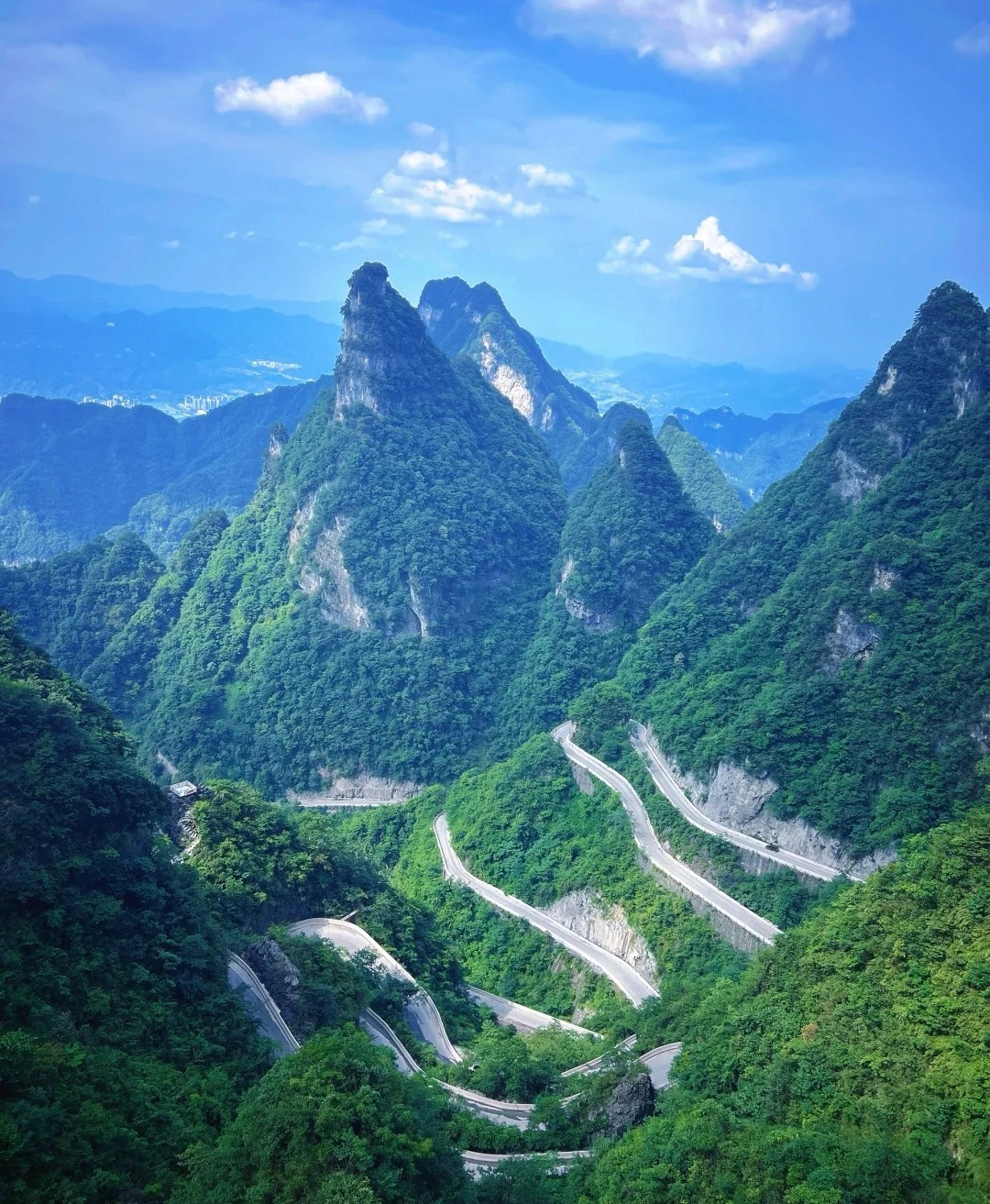
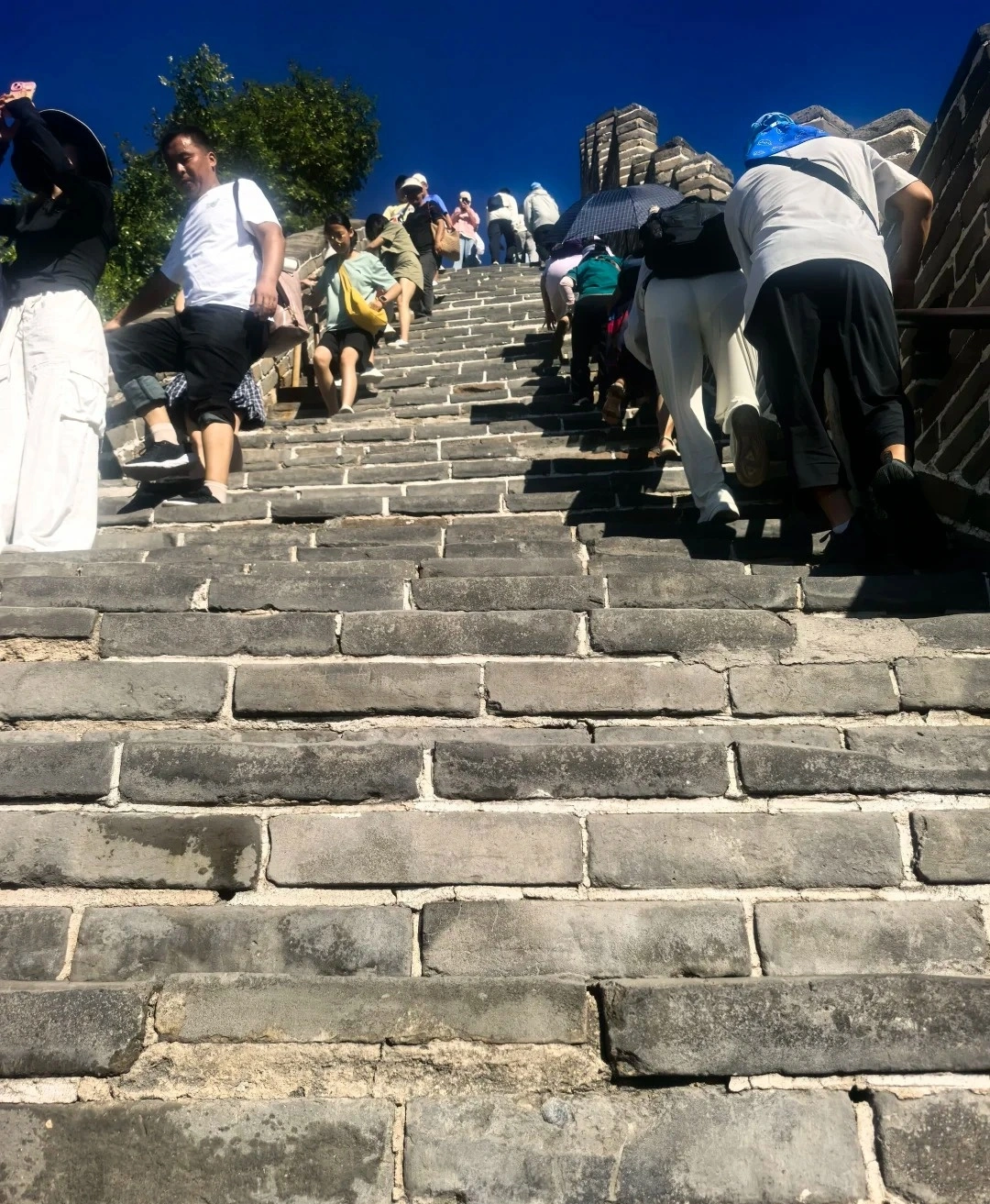
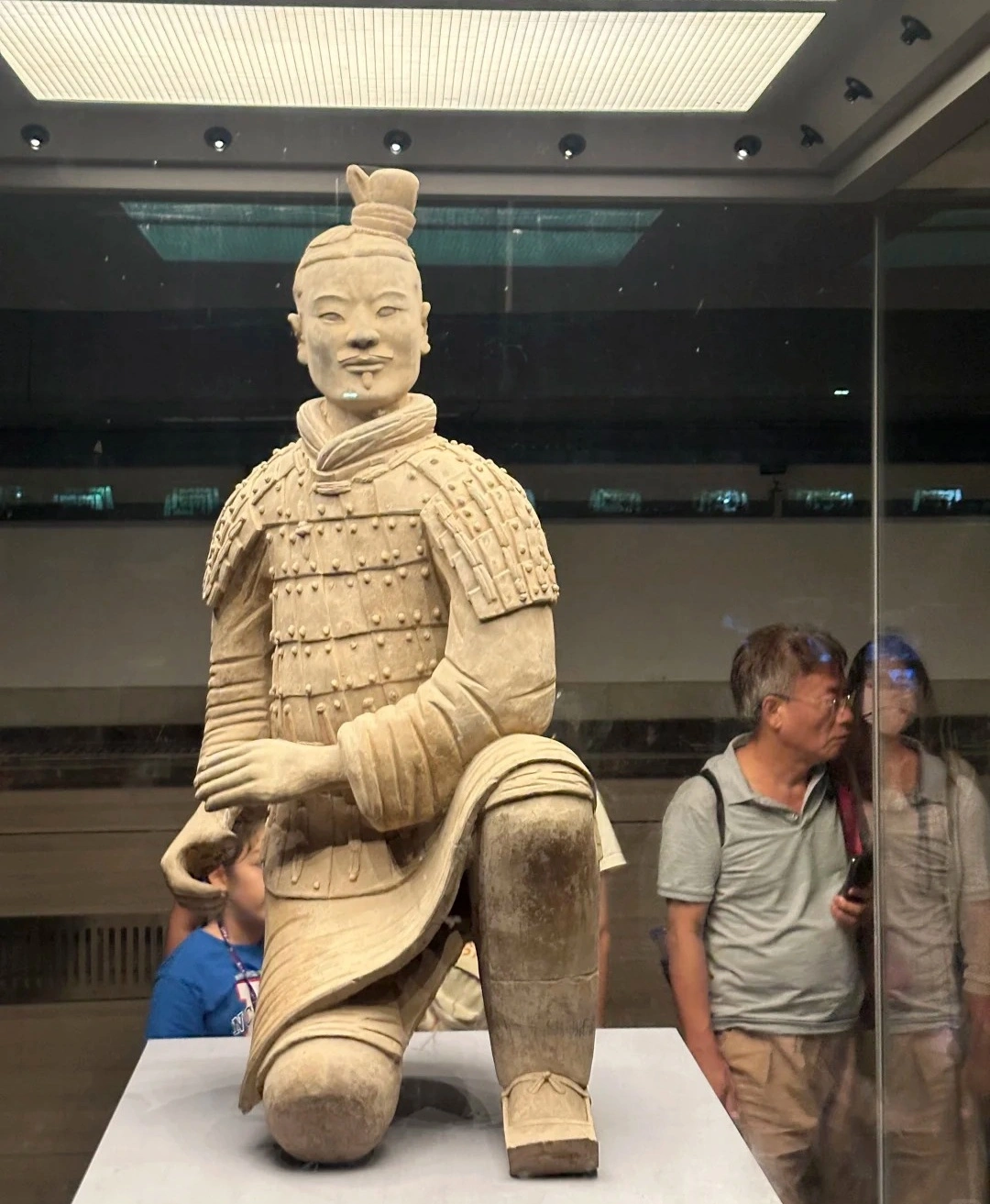
As a solo traveler from Canada, I was nervous about navigating China alone—but this 11-day tour was PERFECT! From hiking the Great Wall at sunrise (Day 3) to gasping at the Terracotta Army (Day 5), every day delivered ‘pinch-me’ moments. The real showstopper? Zhangjiajie’s Avatar Mountains (Day 7)! Our guide made the stone pillars come alive with stories.
Massive thanks for handling all logistics—bullet train tickets, entry passes, car! And the 4-star hotels surprised me.
Destination(s):
Beijing Xian Zhangjiajie Shanghai
Date of
Experience:
June 02,2025

Simon
America
Reviewed on May 29,2025
Our 2-day Zhangjiajie tour was beyond spectacular! As someone who’s visited Beijing and Shanghai for work, this trip revealed China’s wild, magical heart. Day 1 in Zhangjiajie National Forest Park felt like stepping onto Pandora—I’m a huge Avatar fan, and Yuanjiajie’s floating peaks left me breathless. The misty pillars and lush valleys like pure movie magic!
Then came Fenghuang Ancient Town, we eat dinner beside the thundering waterfall. It seems Unreal! The night views of stilt houses glowing over the river were straight from a fairy tale.
For fellow Avatar lovers and adventure seekers: Don’t miss this bucket-list experience! 10/10 would return.
A Well-Traveled Film Buff, May 2025
Destination(s):
Zhangjiajie
Date of
Experience:
May 08,2025