Nine-Bend Stream: A Thousand-Year Journey of Boat Songs Amidst Danxia Cliffs and Emerald Waters

Nine-Bend Stream: A Thousand-Year Journey of Boat Songs Amidst Danxia Cliffs and Emerald Waters

Overview: An Emerald Sash Linking the Thirty-Six Peaks of Wuyi

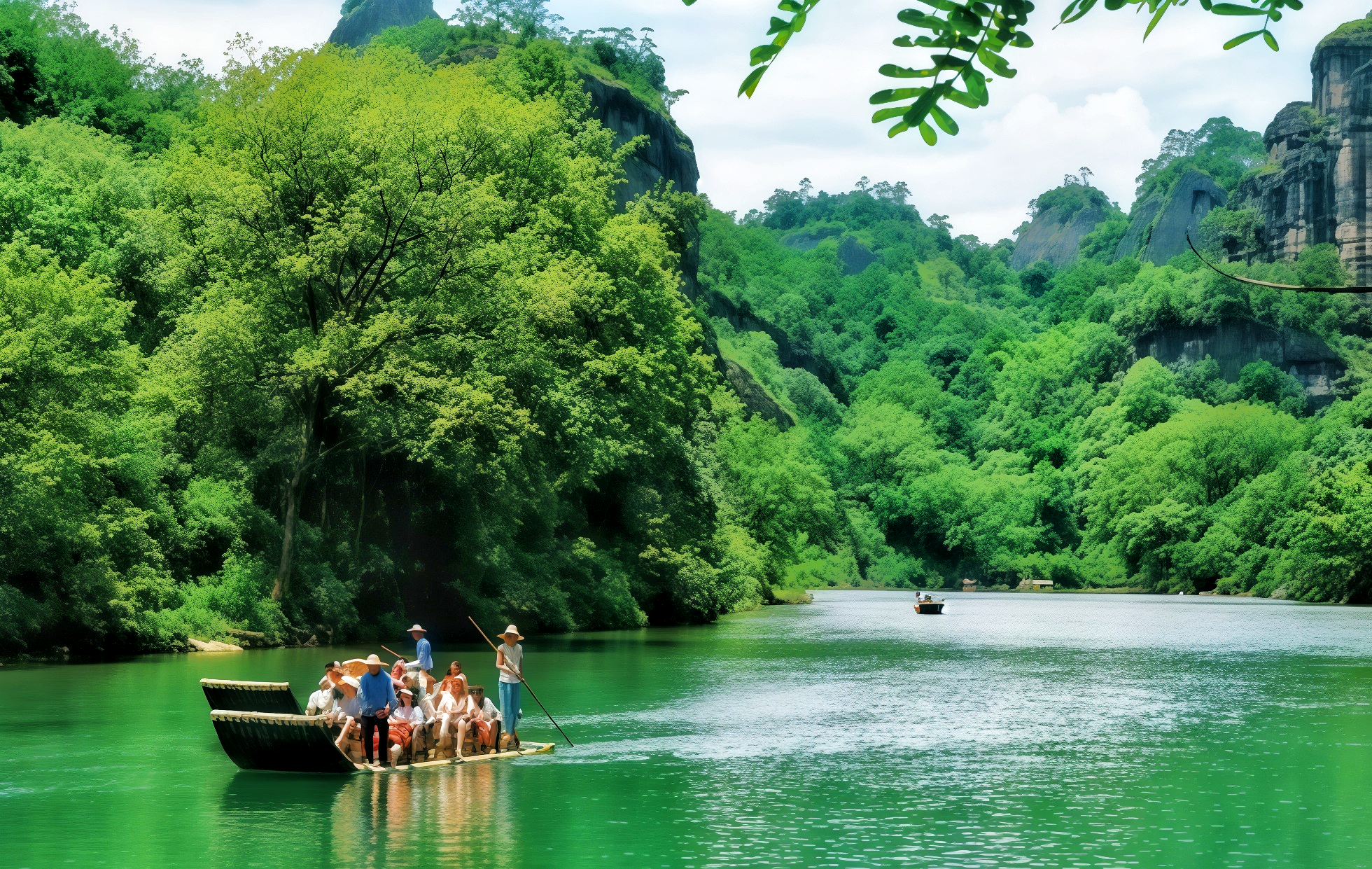
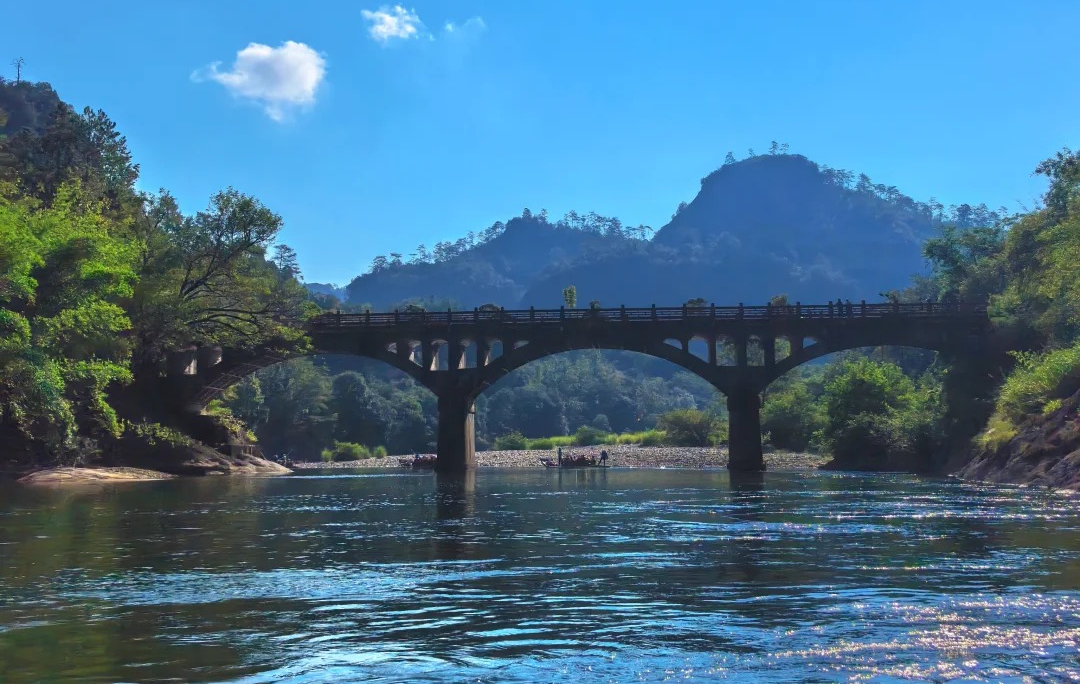
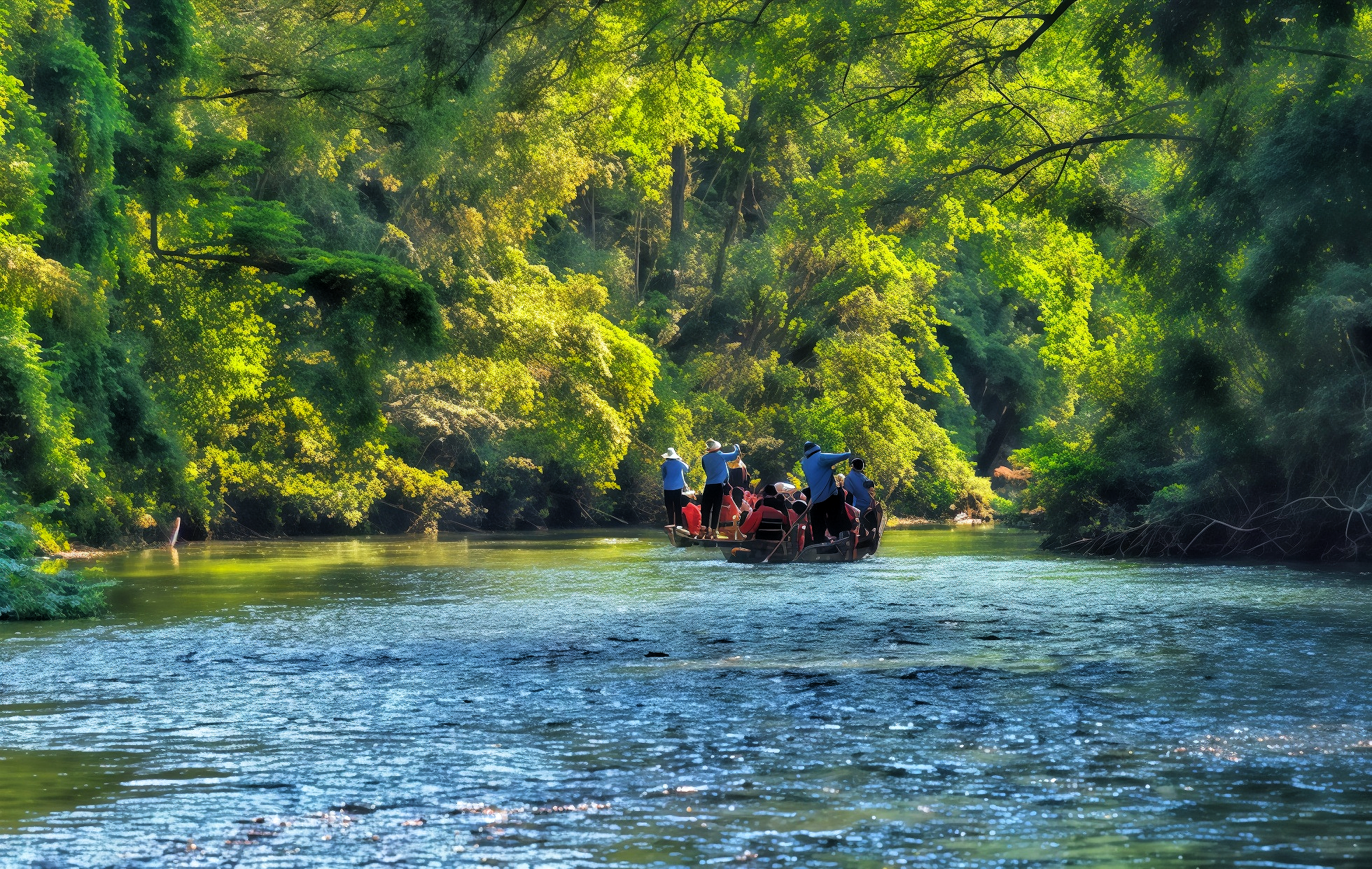
Winding through the very heart of the Wuyi Mountains, the Nine-Bend Stream (Jiuqu Xi) flows like a silken ribbon of emerald green, carrying within its currents the geological legends of eons and the cultural heritage of a millennium.

Core Highlights at a Glance

Identity Tags: "Soul of Wuyi" / Core Zone of a World Cultural and Natural Heritage Site / One of China's Most Beautiful Streams

Core Experiences: Nine-Bend Stream Bamboo Rafting, Tracing the Millennial Cliff Inscriptions of Zhu Xi, Pilgrimage to the Reflection of the Jade Maiden Peak

Suggested Visit Duration: Half a day to one full day; highly recommended to take the bamboo raft in the early morning to capture the most beautiful morning mist and mountain shadows.

Address: The section extending from Xingcun Town to Wuyi Palace, Wuyishan City, Nanping, Fujian Province.

  • Nine-Bend Stream: A Thousand-Year Journey of Boat Songs Amidst Danxia Cliffs and Emerald Waters-1
  • Nine-Bend Stream: A Thousand-Year Journey of Boat Songs Amidst Danxia Cliffs and Emerald Waters-2
  • Nine-Bend Stream: A Thousand-Year Journey of Boat Songs Amidst Danxia Cliffs and Emerald Waters-3
  • Nine-Bend Stream: A Thousand-Year Journey of Boat Songs Amidst Danxia Cliffs and Emerald Waters-4

Origins: One Stream, Nine Bends—Myths and Poetry

Furong Ancient Town Furong Ancient Town Furong Ancient Town

The Name of the Waters: Folding into Nine Bends, Winding Around the Peaks

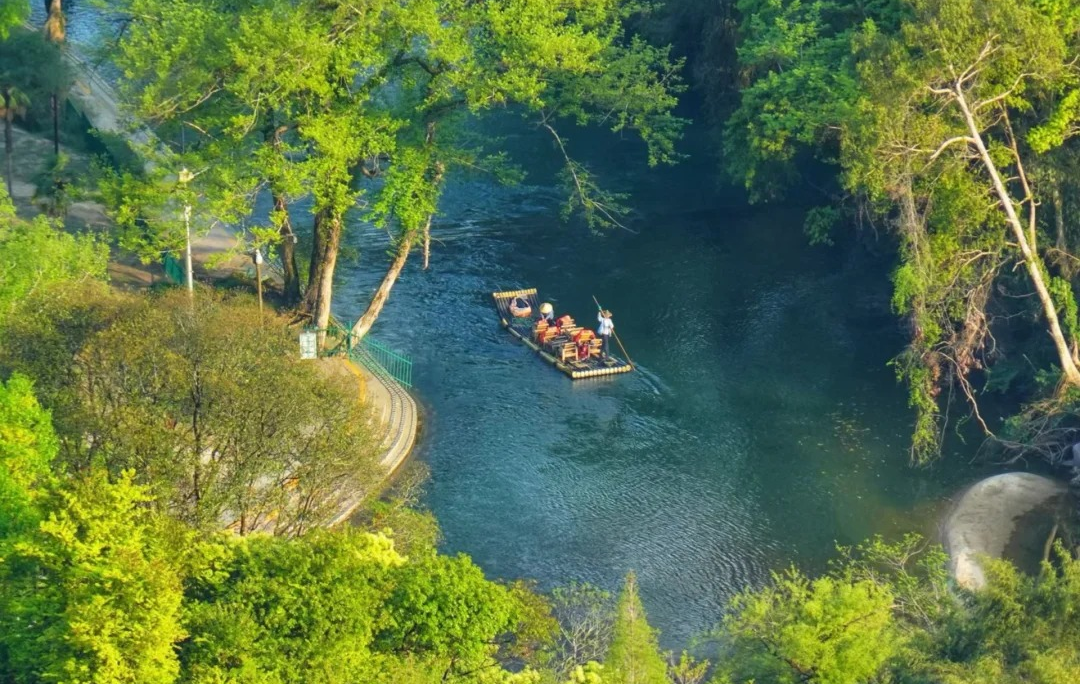
The name "Nine-Bend Stream" is at once simple and deeply poetic. Its waters are crystal-clear and limpid; after flowing through Xingcun Town and entering the Wuyi Mountain Scenic Area, the landscape dictates the stream's course—mountains embrace the water as it turns, and the water winds around the mountains. Each distinct bend presents a unique and ever-changing tableau, evoking the imagery of a classical landscape painting. Thus, this single continuous stream, folding into nine distinct curves, acquired its evocative name. The ancients once described its form with the lines, "A single stream threads through a multitude of mountains; clear and shallow, it winds through nine bends," vividly sketching the picturesque contours of the Nine-Bend Stream.

The Legend of Peng Zu—The Origin of the Name "Wuyi"

The birth of the Nine-Bend Stream is inextricably linked to the naming of Mount Wuyi. Legend has it that in ancient times, to tame the torrential floods plaguing the Wuyi Mountain region, Peng Zu commanded his sons—Peng Wu and Peng Yi—to lead the local people in carving through the mountains and digging a riverbed. Working day and night for 365 days, they finally chiseled out a winding river channel—characterized by nine major bends and eighteen minor turns—thereby quelling the water calamity. To commemorate the heroic deeds of the brothers Peng Wu and Peng Yi, the people named this mountain range "Mount Wuyi," while the river they had excavated became the now world-renowned Nine-Bend Stream.

Zhu Xi’s "Boatman’s Songs"—A Poem That Illuminates a Stream

The cultural soul of the Nine-Bend Stream was bestowed upon it by Zhu Xi, the great Neo-Confucian master of the Southern Song Dynasty. In 1184 AD, while touring the Nine-Bend Stream with friends, Zhu Xi was profoundly moved by the scenery along the way; inspired, he composed a cycle of poems titled Nine-Bend Boatman’s Songs (Jiǔqū Zhàogē)—a series of seven-character regulated verses. Structured to follow the sequence of a journey upstream, the complete work consists of ten interconnected poems that systematically depict the unique landscapes and scenic features of each section of the Nine-Bend Stream. It stands as the earliest surviving poetic masterpiece to offer a panoramic portrayal of the Wuyi region's topography. Zhu Xi had his verses carved into the rock faces lining the banks of the Nine-Bend Stream, where they became an integral part of the crimson cliffs and vermilion crags. Today, beneath Yinping Peak along the stream, the ruins of the Wuyi Jingshe (Wuyi Academy)—which he founded in those days—still remain, bearing witness to the academic brilliance of that era, known as the "Cavern of Principle in the South." These Boatman’s Songs even spread as far as the Korean Peninsula, becoming a cherished cultural symbol for the scholarly school of Yi Toegye; their enduring influence and poetic legacy continue to resonate throughout the entire East Asian cultural sphere. > In-Depth Exploration: Discovering the Charms of China's World Heritage Sites >> [Yangtze River Three Gorges] | [Yellow River Xiaolangdi]

Must-See Wonders: A Symphonic Poem of Nature and Humanity

Furong Ancient Town Furong Ancient Town Furong Ancient Town Furong Ancient Town Furong Ancient Town Furong Ancient Town

Nature's Masterpiece — A Peerless Blend of Danxia Landforms and Azure Waters

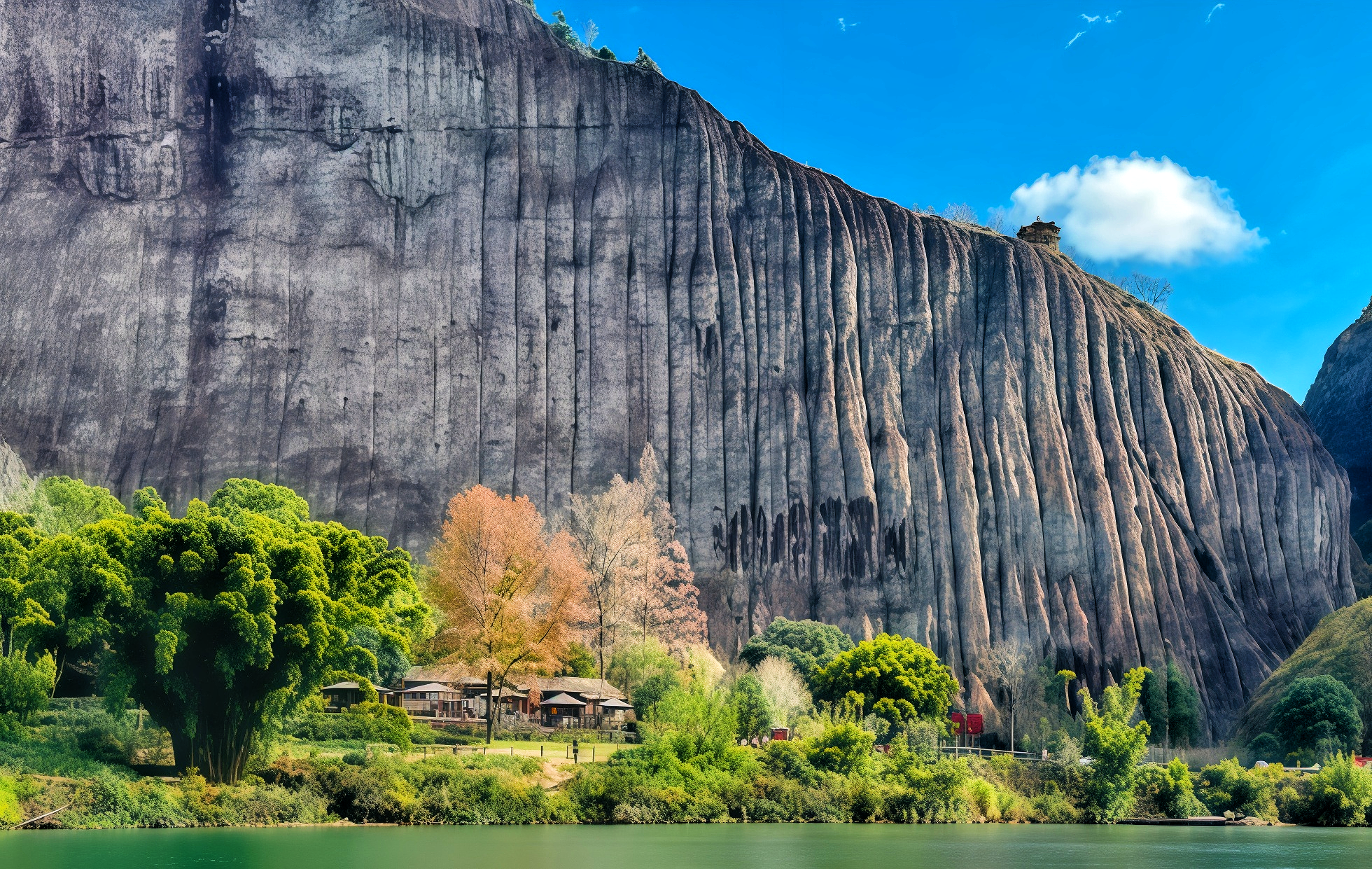
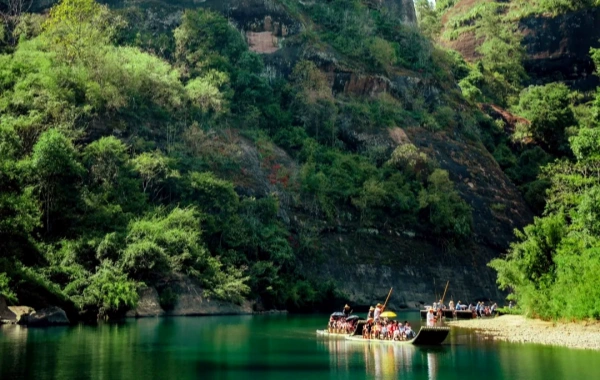
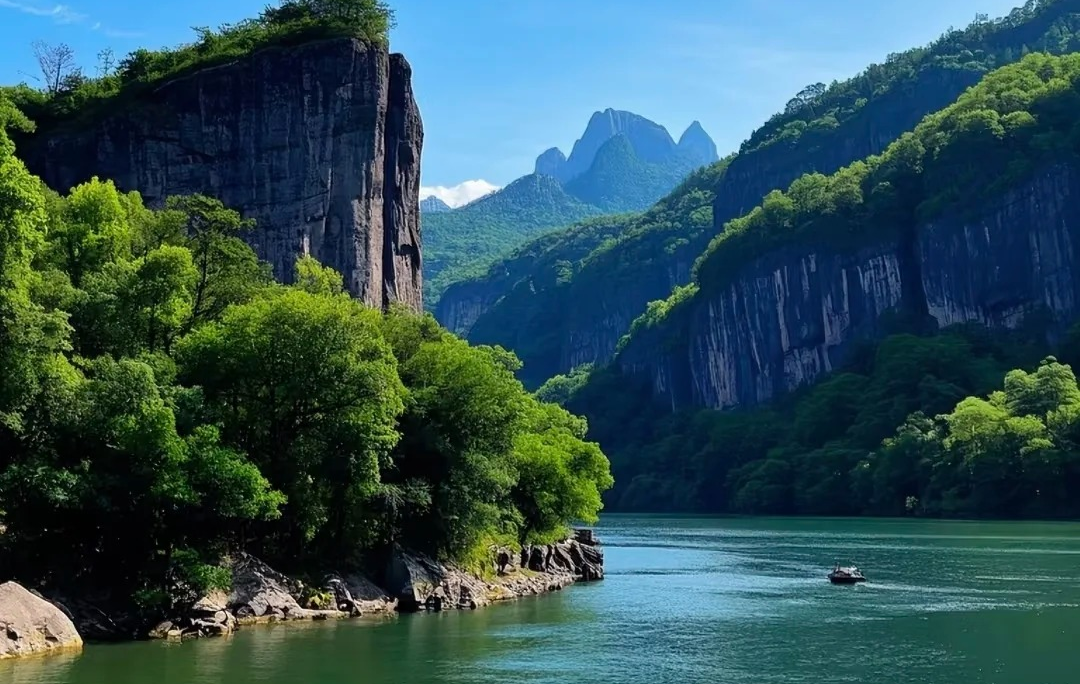
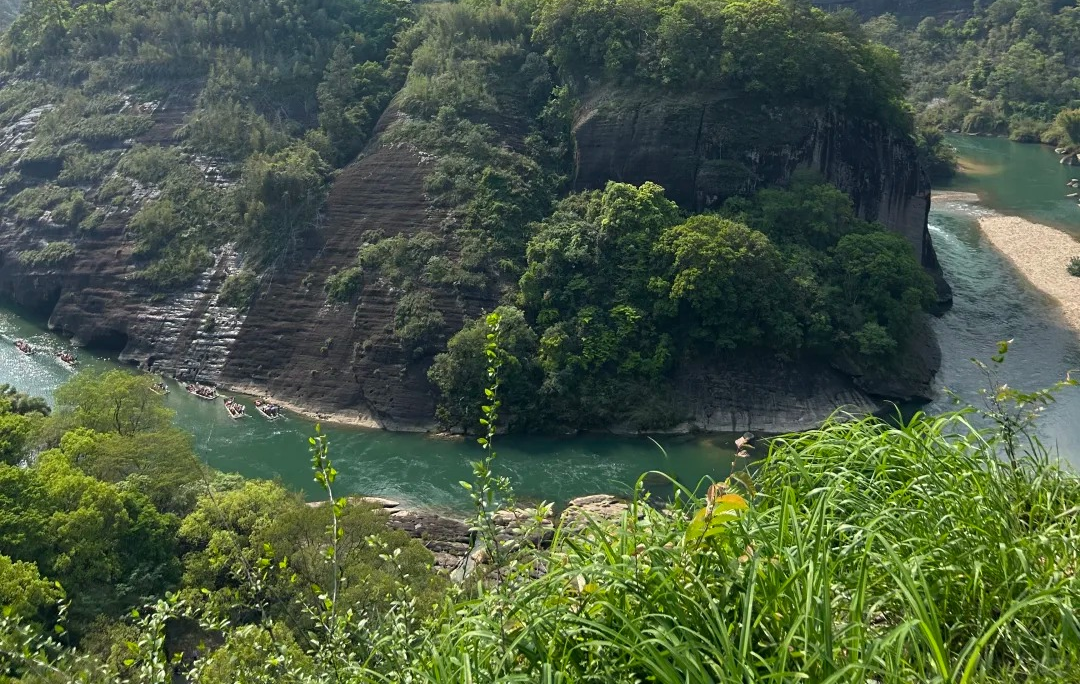
The natural scenery of the Nine-Bend Stream (Jiuqu Stream) offers a visual feast—a perfect fusion of Danxia landforms and crystal-clear, azure waters. Flanking both banks are classic examples of monocline Danxia topography: 36 extraordinary peaks—characterized by sloping summits, steep flanks, and gentle bases—stand tall, facing eastward. Each peak is cloaked in lush, emerald vegetation, creating a natural landscape of rare global significance.

The Spirit of the Waters: The Nine Bends—Each One a Unique Marvel

- The First Bend · Wuyi Palace: The terminus of the bamboo raft drift. The majestic Dawang Peak stands sentinel to the north of the stream, forming a delightful contrast with the adjacent ancient street, built in the style of the Song Dynasty. The stream here is broad and placid, its surface acting as a perfect mirror for the reflections above.

- The Second Bend · Jade Maiden Peak: This presents the most iconic image of the Nine-Bend Stream. The Jade Maiden Peak stands gracefully by the water's edge, its silhouette resembling a young maiden primping herself by the stream. In the early morning or late evening, when the sunlight strikes at an angle, the peak's reflection shimmers in the clear water—creating the legendary "Mirror-Image Maiden," a dream shot for photographers, and marking the prime vantage point for capturing reflections (particularly from the shoals at the Sixth Bend).

- The Third Bend · Hanging Coffin Gorge: The stream winds gently around sheer cliffs; looking up, one can spot ancient "hanging coffins"—dating back a millennium—tucked away within caves high up on the precipice. This spot marks the transition where the stream shifts from a broad, open expanse into a deep, secluded gorge; the water takes on a deeper hue, and the surrounding mountain terrain grows increasingly rugged.

- The Fourth Bend · Sleeping Dragon Pool: Nestled within the stream lies a deep, emerald-green pool. It is embraced on all sides by rock walls that resemble a folding screen, while the Golden Rooster Cave lies hidden along the mid-slope of Dazang Peak. According to ancient legend, a dragon slumbers in the depths of the pool, and a veil of mist perpetually hangs over its surface.

- The Fifth Bend · The Deep Mists: The water surface suddenly opens up into a broad expanse. Yinping Peak (Hidden Screen Peak) rises majestically like a colossal screen, and it is at the foot of this very peak that Zhu Xi's Wuyi Jingshe (Wuyi Study)—his renowned academy—was once situated. "Mountains rise high and mists run deep; for long hours, smoke-like rain shrouds the level woods"—this precisely captures the artistic mood of the Fifth Bend (Wuqu) as depicted in Zhu Xi’s Boatman’s Song.

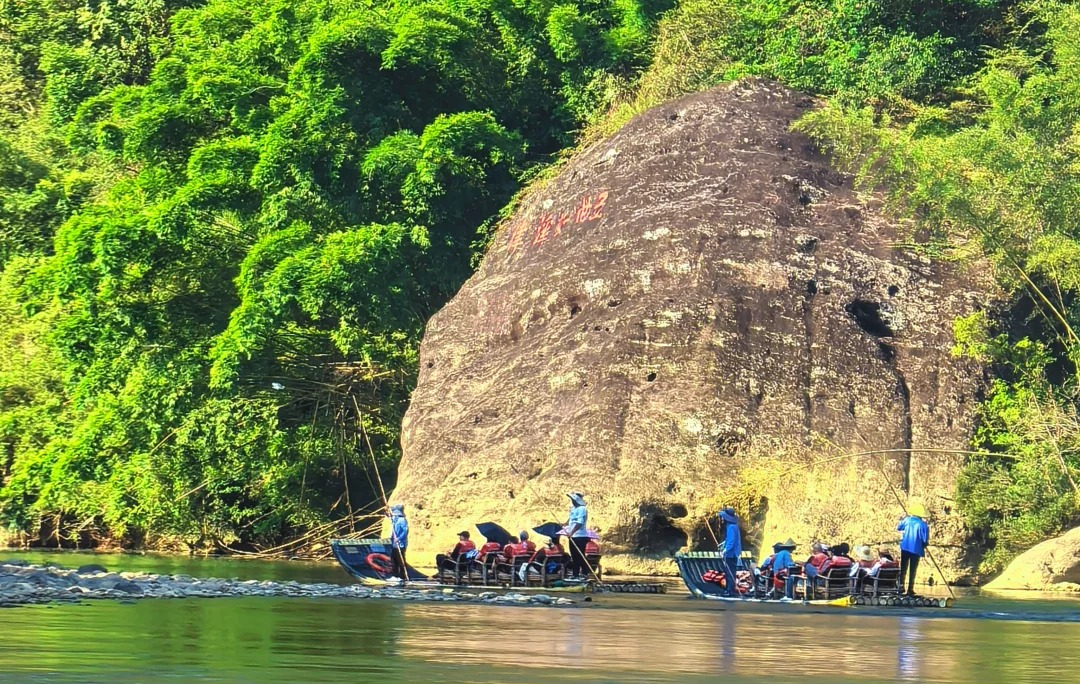
- The Sixth Bend (Liuqu) — The Sunning Cloth Rock: Located beneath Tianyou Peak, the Sixth Bend features the shortest curve of the entire Nine-Bend Stream. Here, a colossal rock face—appearing as if hewn by a knife or axe—comes into view along the stream bank: the Sunning Cloth Rock (Shaibuyan). Its surface is as smooth and flat as a piece of cloth laid out to dry, exuding a majestic and imposing presence.

- The Seventh Bend (Qiqu) — Rapids and Rushing Waters: The stream channel begins to narrow, and the current accelerates; this is the most dynamic section of the bamboo raft journey. Spray splashes high, the rafts rock gently, and the boatman’s skill with his bamboo pole is put to its greatest test here.

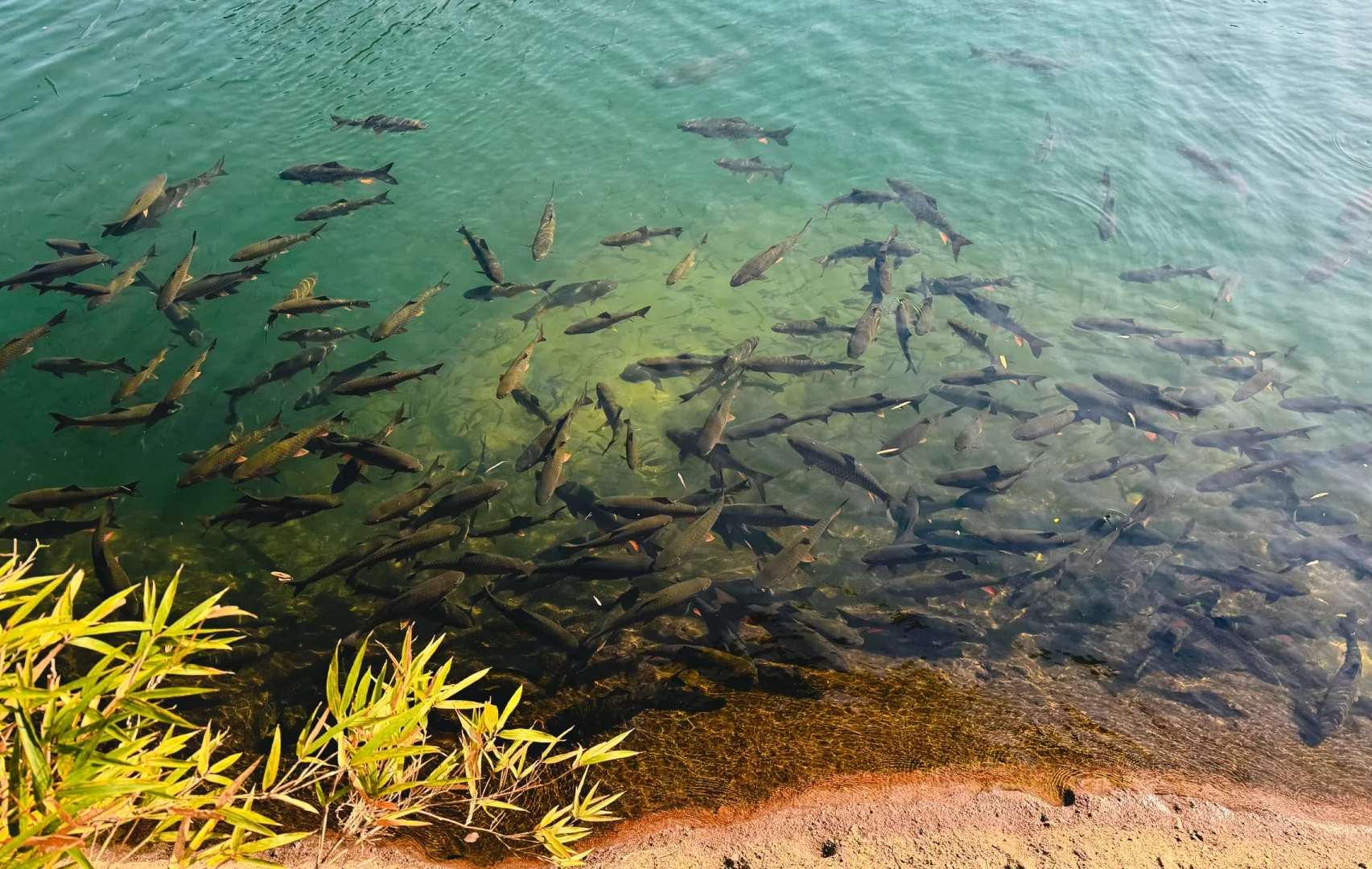
- The Eighth Bend (Baqu) — Wading in the Shallows: The stream bed widens, becoming shallow and strewn with rocks. Along both banks stand a multitude of bizarrely shaped stones—some resembling a mystical tortoise floating upon the waves, others appearing like an elephant’s trunk drawing water. This is the finest stretch of the river for feeding the fish and admiring the unique rock formations.

- The Ninth Bend (Jiuqu) — The Source at Xingcun: The starting point for the bamboo raft journey, where the stream spreads wide. The tea plantations lining both banks are lush and verdant; when the morning mist rolls in, the scene takes on the ethereal quality of a traditional ink-wash painting.

Craggy Wonders: Danxia Peaks and the Ninety-Nine Rocks

Along the banks of the Nine-Bend Stream (Jiuquxi) are scattered 36 unique Danxia peaks and 99 distinctively shaped red rock faces. Shaped over eons by weathering, erosion, and the carving action of the flowing water, these rocks have evolved into the landscape seen today—a panorama where every peak is unique and every rock formation is a singular marvel. As the bamboo raft glides forward, constantly shifting the viewer's perspective, a single mountain peak can reveal vastly different forms—this ever-changing visual dynamic is the defining characteristic of the Nine-Bend Stream’s scenery.

The Green Sanctuary: A "Breathing" Natural Classroom

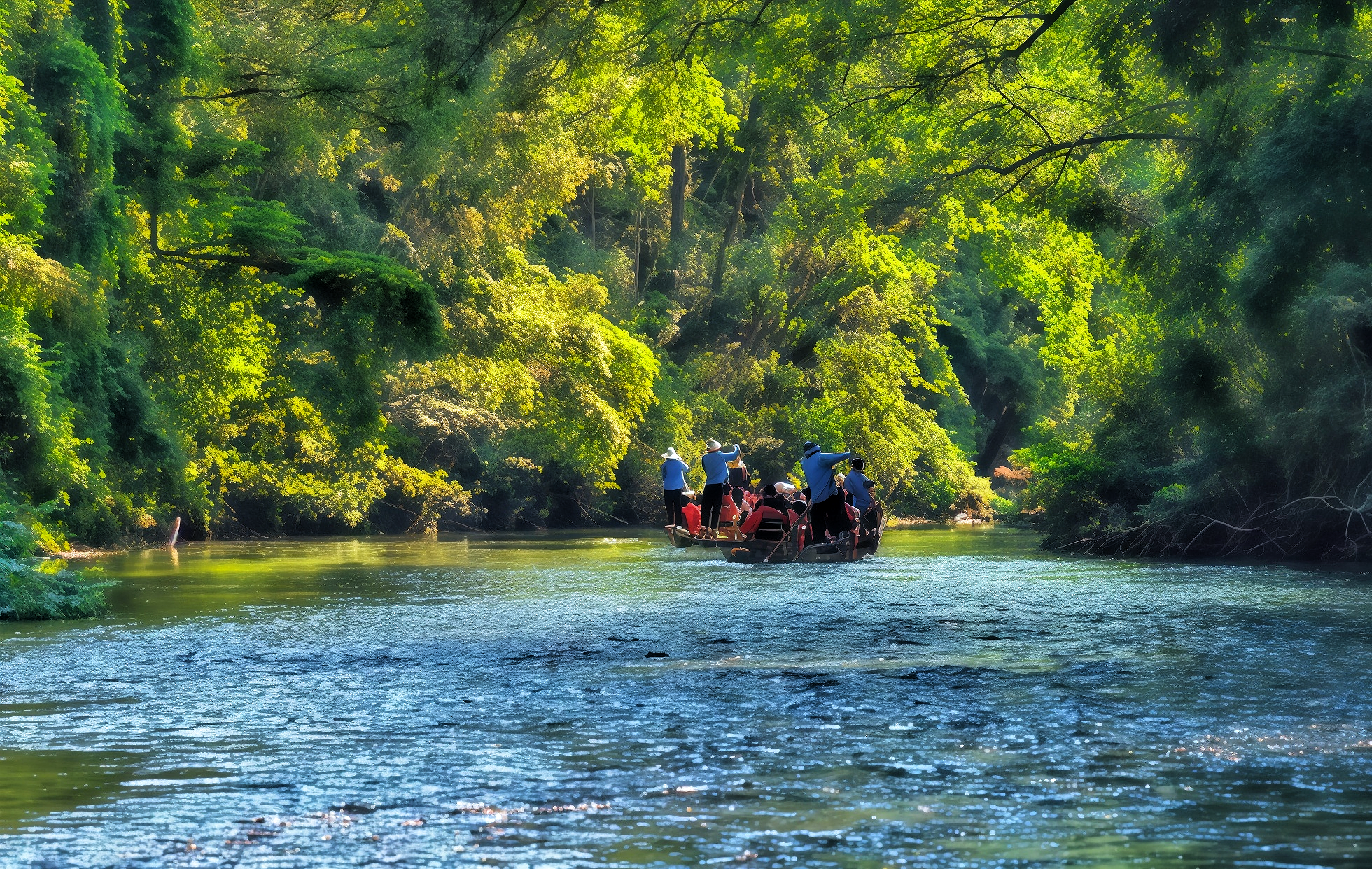
The banks of the Nine-Bend Stream are cloaked in dense vegetation, boasting a rich diversity of higher plant species that together form a complete ecosystem of mid-subtropical evergreen broad-leaved forest. As you drift along, ancient trees with canopies that blot out the sky line the banks; venerable trees—many over a century old—can be spotted at every turn. In the transition between spring and summer, wildflowers bloom in riotous profusion along the stream banks; come autumn and winter, the layered forests on both sides are ablaze with color, a vibrant tapestry of emerald greens interwoven with fiery reds. This is a paradise for birdwatchers, where rare species such as the Silver Pheasant and the Chinese Hwamei are frequently sighted amidst the riverside woodlands.

Humanistic Craftsmanship—A Millennial Scroll of Poetry Carved into the Crimson Cliffs

The cultural landscape of the Nine-Bend Stream serves as a chronicle of Chinese intellectual and artistic history, etched directly into the crimson rock faces.

Cliff Carvings: An Open-Air Gallery of Millennial Culture

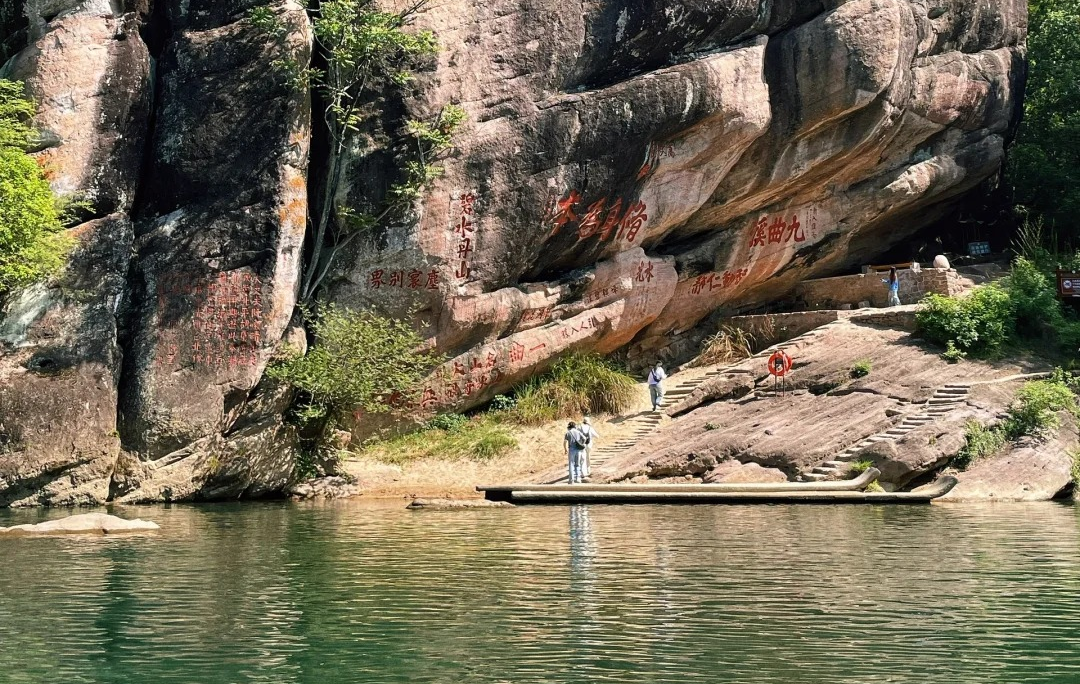
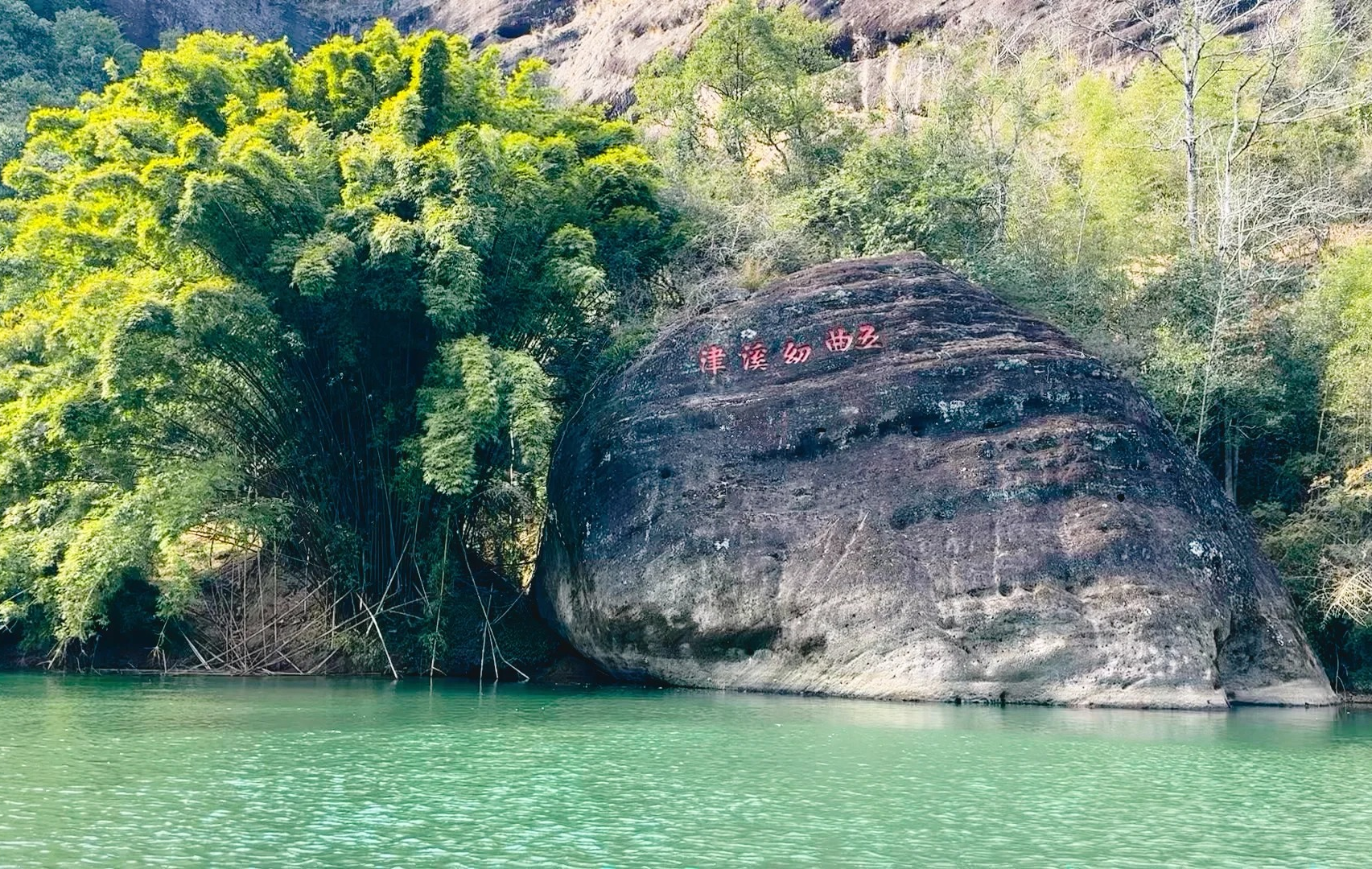
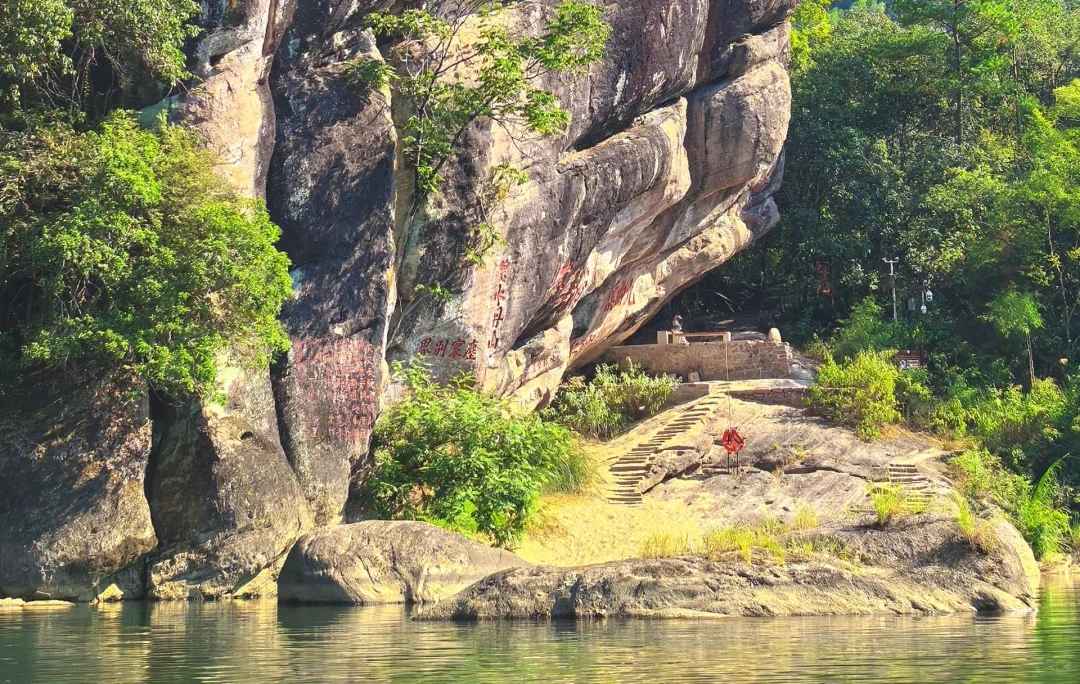
Most of the cliff carvings in the Wuyi Mountains are concentrated along the banks of the Nine-Bend Stream. As one glides along the water, gazing up at the mountains, these deeply incised and vividly painted inscriptions appear exquisitely beautiful; they not only adorn the picturesque scenery of the Nine-Bend Stream but also embody the rich, colorful, profound, and expansive intellectual content of traditional Chinese culture. From the Song Dynasty to the present day, generations of Neo-Confucian philosophers, literati, and statesmen have left behind a vast collection of inscriptions here. Among these, Zhu Xi’s Nine-Bend Stream Boat Song—carved into the cliff faces of each bend in 1188—stands as the most precious cultural relic of the Nine-Bend Stream. Furthermore, at the First Bend, an inscription remains from the Ming Dynasty general Qi Jiguang—a renowned hero in the resistance against Japanese pirates—marking his passage through the Wuyi Mountains; similarly, the Third, Fourth, Fifth, and Sixth Bends all feature calligraphy left by literati and scholars throughout the ages. As you drift along the stream, a mere glance upward allows you to engage in a silent dialogue across the centuries with the scholars of a thousand years ago.

Wuyi Jingshe: A Sanctuary of Neo-Confucianism Amidst the Mountains

Located beneath Yinping Peak at the Fifth Bend, the Wuyi Jingshe (Wuyi Hermitage) is an academy founded by Zhu Xi in 1183. With Yinping Peak rising majestically behind it and the clear waters of the Nine-Bend Stream flowing before it, the site is celebrated as the "Cavern of Principle South of the Dao." As you stroll through its grounds, you can almost still hear the resonant voices of students reciting their lessons from eight centuries ago. Accessible via a short walk after disembarking at the Fifth Bend, it stands as a quintessential example of the perfect harmony between human culture and the natural world.

Cliff-Hanging Boat Coffins: A Millennial Unsolved Mystery

High upon the sheer crimson cliffs of the Third and Fourth Bends of the Nine-Bend Stream, more than a dozen sites of "hanging coffins" still remain today—relics dating back over three thousand years. These boat-shaped coffins were placed within natural or man-made caves situated anywhere from tens to hundreds of meters above the water's surface. The precise methods by which ancient peoples managed to hoist these coffins—some weighing hundreds of kilograms—up to such dizzying heights remain an enduring and unsolved mystery within the field of archaeology. As you glide past on a bamboo raft, gazing upward at the silhouettes of caves etched into the sheer cliffs, you will encounter a sense of mystery spanning three millennia—a truly unforgettable and awe-inspiring moment of your journey.

Wuyi Palace: A Millennium of Worship

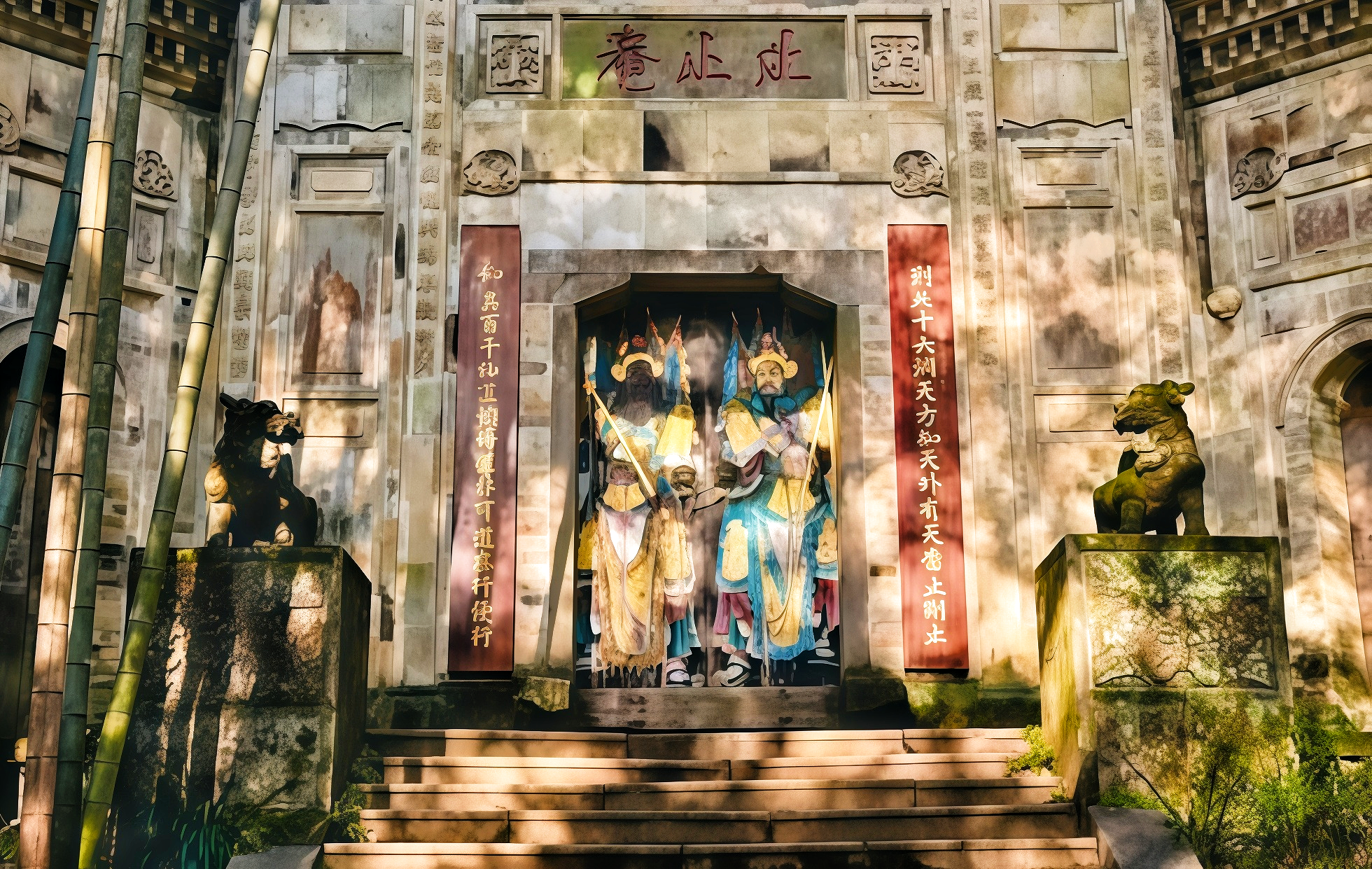
Wuyi Palace, the terminus of the bamboo rafting journey, is an ancient temple complex where people of old worshipped the Lords of Wuyi (Peng Wu and Peng Yi); it was originally constructed during the Tianbao era of the Tang Dynasty. Today, the area surrounding Wuyi Palace has been reconstructed as a "Song-style Ancient Street." The smoked goose and Zixifen (rice noodles) available at the street's entrance are local delicacies not to be missed. Resting here to sip tea and strolling leisurely along the ancient street makes for the most delightful conclusion to your Nine-Bend Stream adventure.

> Photography Tips:

   The Banks of the Second Bend: A classic vantage point for capturing the reflection of the Jade Maiden Peak (Yunu Feng). In the windless hours of early morning, the water's surface acts as a perfect mirror, creating a perfectly symmetrical reflection.

   The Sixth Bend (in front of Shaibu Yan): The stream widens significantly here, offering an ideal setting to frame a spectacular shot featuring both the bamboo raft and the towering cliff face.

   The Fourth Bend (Wolong Tan): Best suited for using a telephoto lens to capture close-up details of the "Golden Rooster Cave" and the hanging coffins perched high on the rock face.

   From the Front-Right of the Raft: This specific angle allows you to perfectly capture the most iconic "S-curve"—the quintessential shape of the "Nine Bends and Eighteen Turns." With a Telephoto Lens: If you have a telephoto lens, you can capture detailed close-ups of the stone inscriptions left by the renowned scholar Zhu Xi while still aboard the raft.

Core Experience: An Immersive Danxia Rafting Journey

Furong Ancient Town Furong Ancient Town Furong Ancient Town Furong Ancient Town Furong Ancient Town

Five Must-Do Activities to Unlock the Complete Nine-Bend Experience

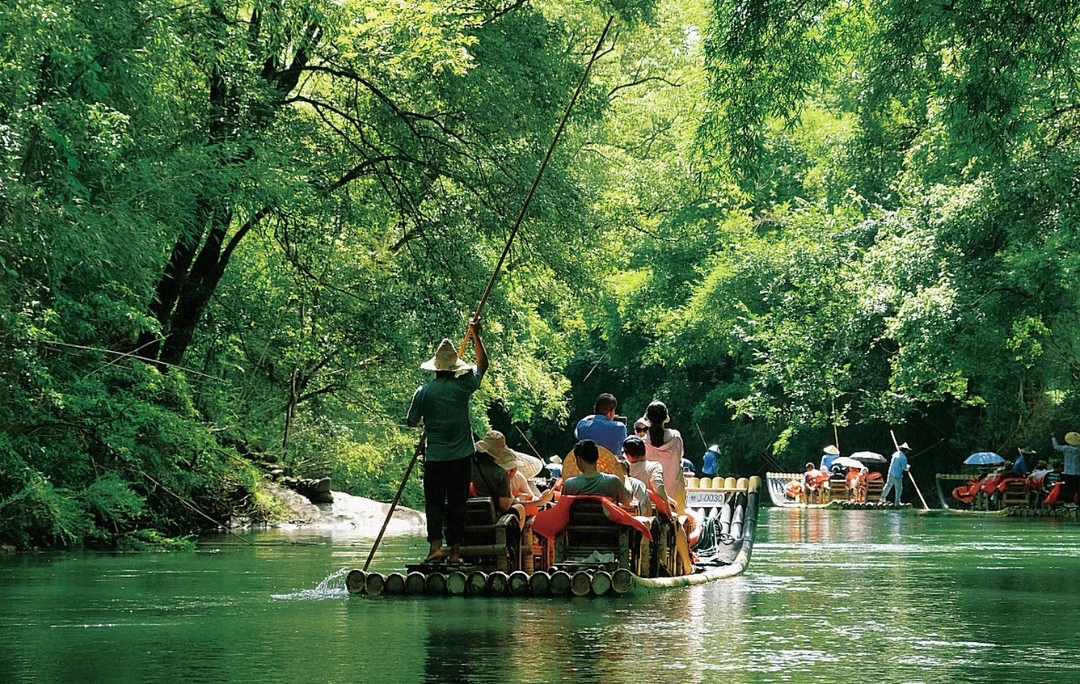
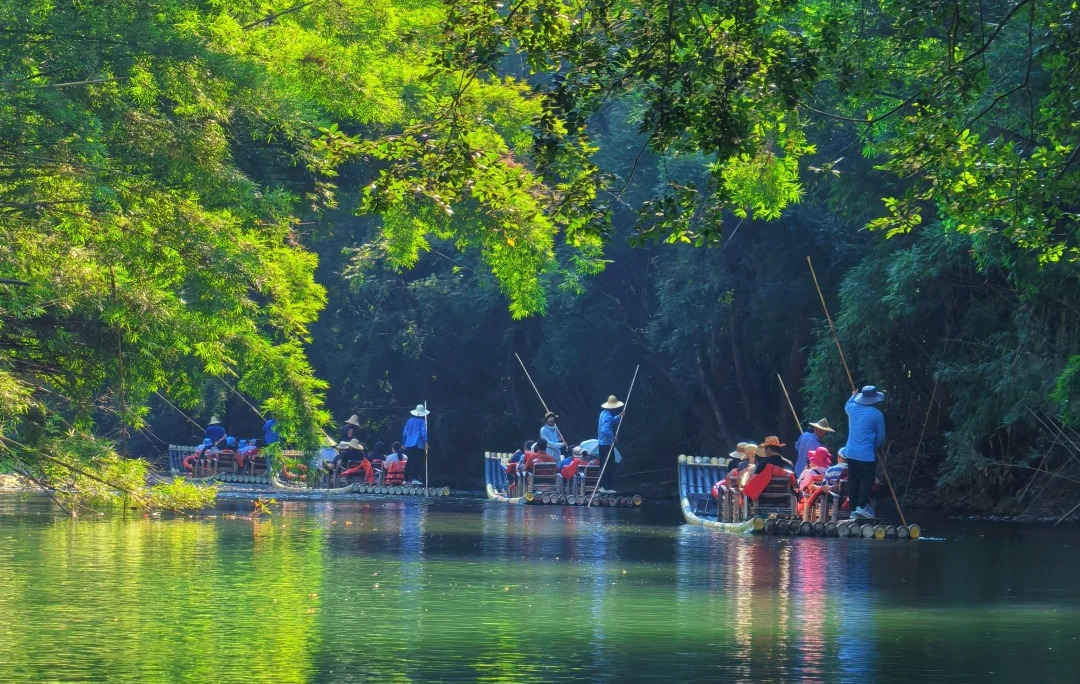
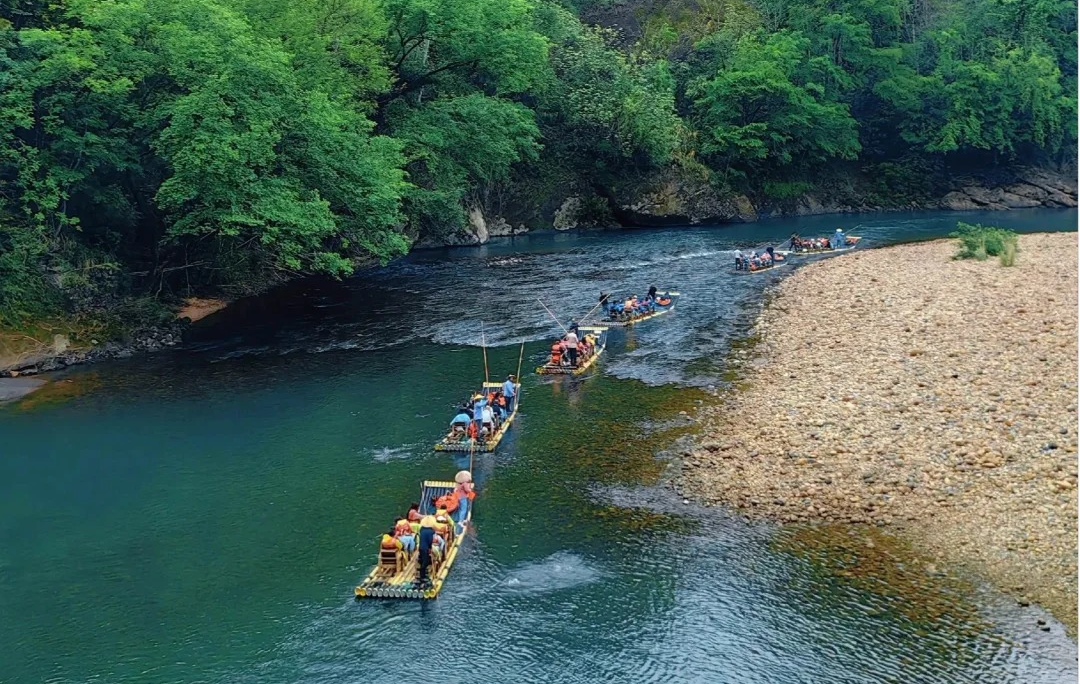
1. Take a Bamboo Raft Ride: Drifting Through a Living Landscape Painting

   Timing: We highly recommend the early morning departures between 7:00 AM and 8:00 AM; the stream, shrouded in swirling morning mist, transforms into a true fairyland on earth.

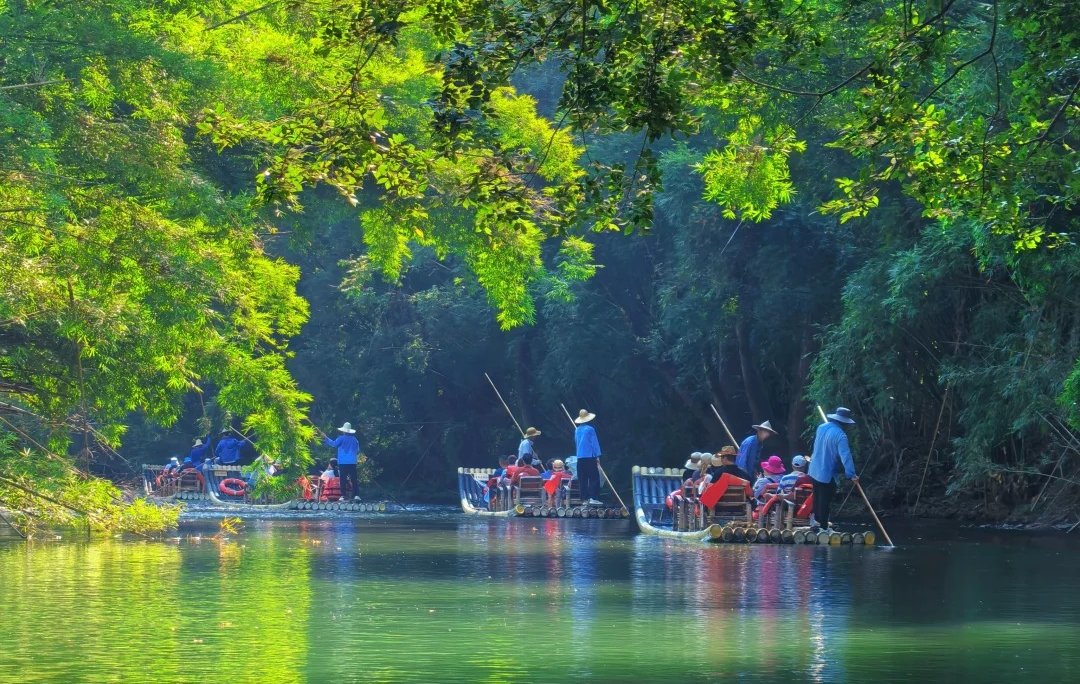
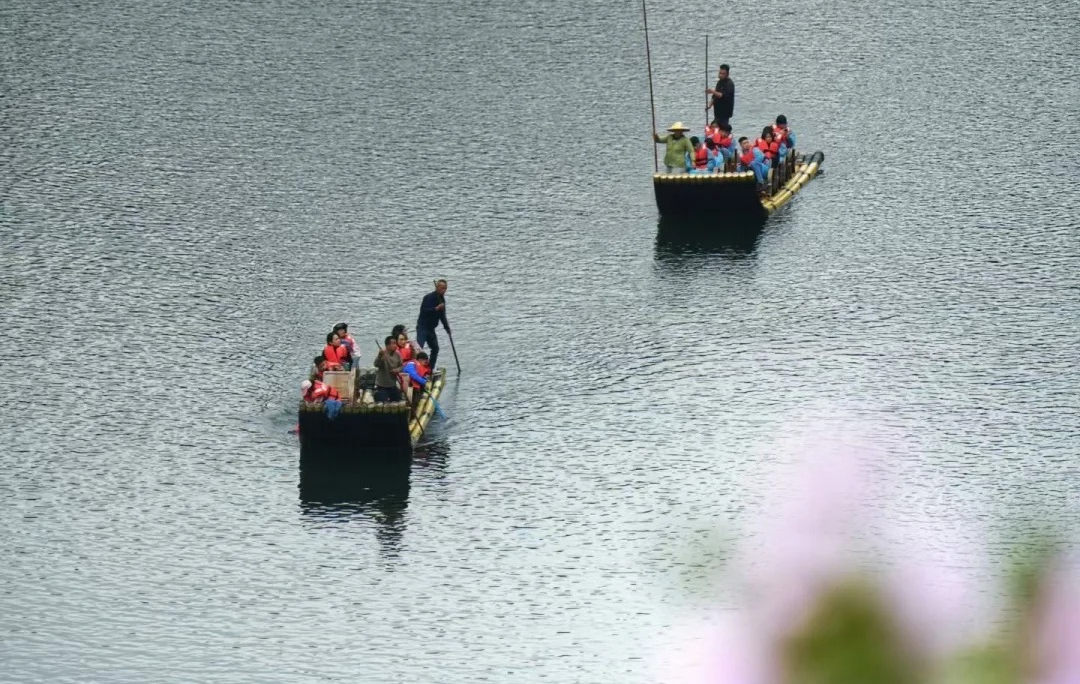
   Tickets: Bamboo raft tickets cost 130 RMB per person (rafts accommodate 6–8 passengers). Tickets must be reserved and purchased in advance via the official "Wuyishan Tourism" WeChat account; during peak season, it is advisable to book at least 7 days in advance.

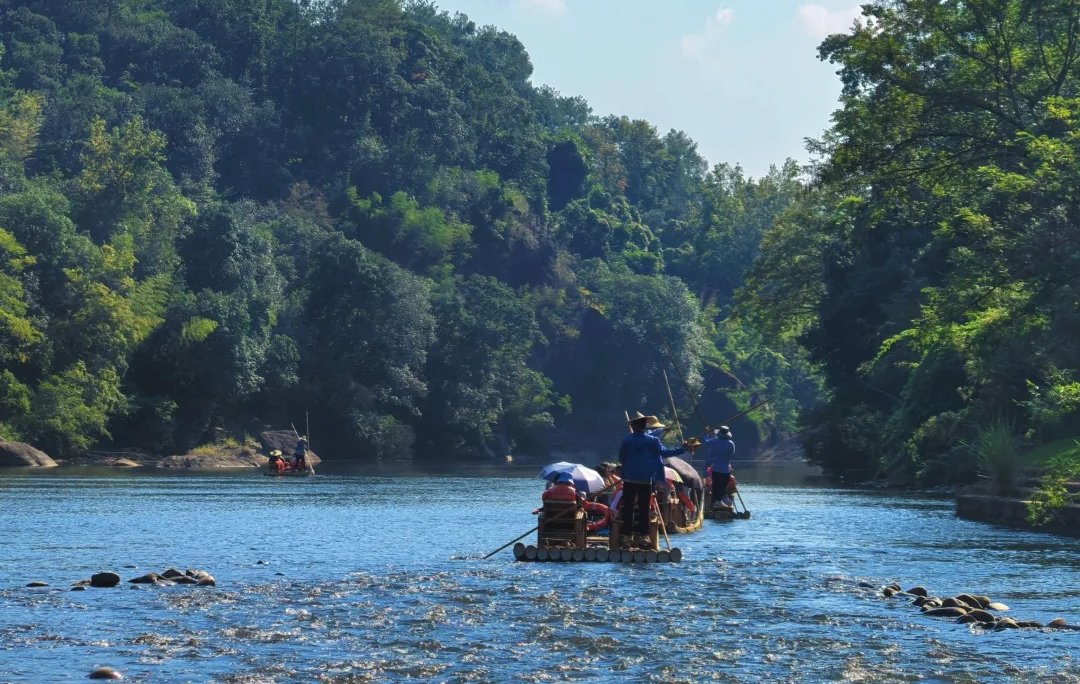
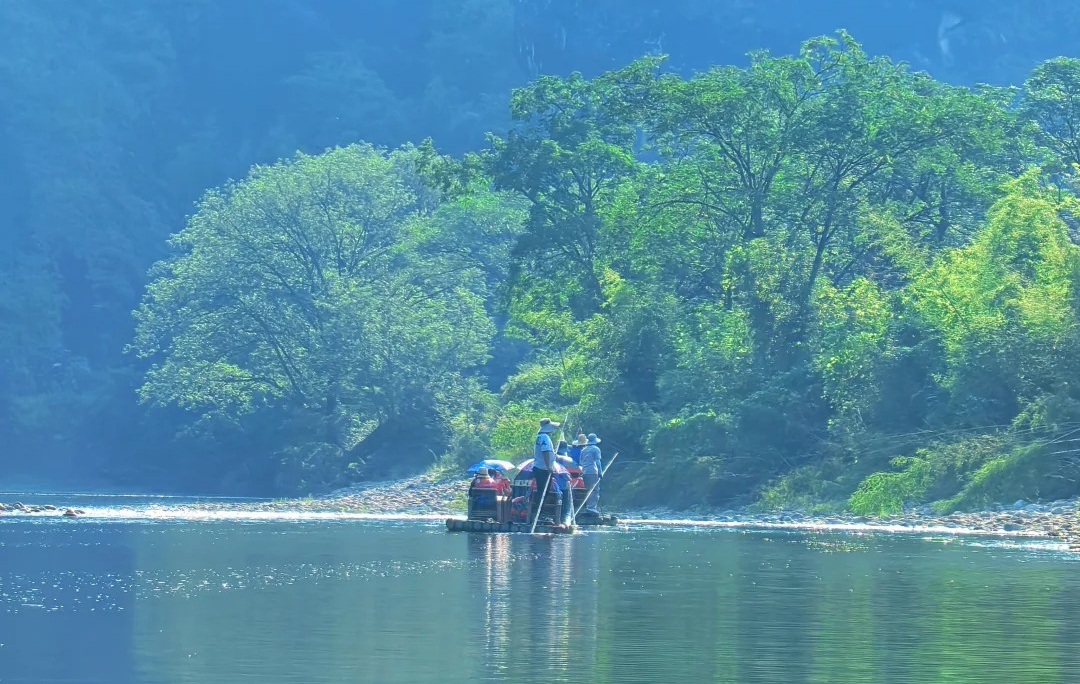
   The Experience: The full journey covers approximately 9.5 kilometers and takes about 1.5 hours to complete. Starting from the Xingcun Pier, the rafts drift downstream toward Wuyi Palace. As the boatman gently guides the craft with his bamboo pole, the rhythmic dipping of the pole creates a melodic sound—like the plucking of an ancient guqin zither—perfectly embodying the poetic notion of "drifting through a painting." It is recommended to prepare a tip of around 20 yuan for the raft guide; this often encourages them to provide more lively commentary along the route and offer assistance with taking photos at scenic spots. Wear non-slip sandals to make boarding and disembarking the bamboo raft easier. During the summer, be sure to protect yourself from the sun by bringing a sun hat and sun-protective clothing. Bring a bag of fish food—watching the stream fish leap out of the water to snatch up the food is a favorite activity among children.

2. Find the Perfect Reflection Spot to Capture the Maiden Peak

- Location: Along the banks of the Nine-Bend Stream (Jiuqu Stream), particularly at the shallows near the Sixth Bend.

- Best Time: Early morning or late evening on a sunny day. When the sunlight strikes at an angle, the peak's silhouette appears sharp and is reflected perfectly in the mirror-like waters of the stream.

- Attire: Wear light-colored clothing or an elegant long dress to create a visual contrast against the red Danxia cliffs, resulting in even more stunning photographs.

3. Explore Ancient Cliff Inscriptions and Commune with Zhu Xi and Qi Jiguang

- Method: While drifting along on the bamboo raft, look up at the cliff faces to spot the vermilion characters inscribed there.

- Key Highlights: The Song of the Nine Bends (Jiuqu Zhaoge) stone inscription near Hidden Screen Peak (Yinping Peak) at the Fifth Bend; Qi Jiguang’s inscription on the "Water-Glow Stone" at the First Bend; and Zhu Xi’s original calligraphy—"Little Nine Bends"—at the Fourth Bend.

- Extension: After the rafting trip concludes, you can walk back from Wuyi Palace to the Fifth Bend along the riverside trail to view these stone inscriptions up close.

4. Gaze Upon the Danxia Hanging Coffins and Experience a 3,000-Year-Old Wonder

- Location: High up on the sheer cliffs at the Third and Fourth Bends.

- Best Vantage Point: Near Great Hidden Peak (Dazang Peak). Look upward to catch a glimpse of the faint, boat-shaped coffins resting within the cliffside caves.

5. Savor a Bowl of Authentic Northern Fujian Cuisine

- At the Rafting Endpoint (Wuyi Palace) — Song-Dynasty Style Ancient Street: Must-try items include Wuyishan’s Langu Smoked Goose (the locally handmade, naturally smoked version is the most authentic), fresh fish caught from mountain springs, and Xiaomu Cakes (Filial Piety Cakes).

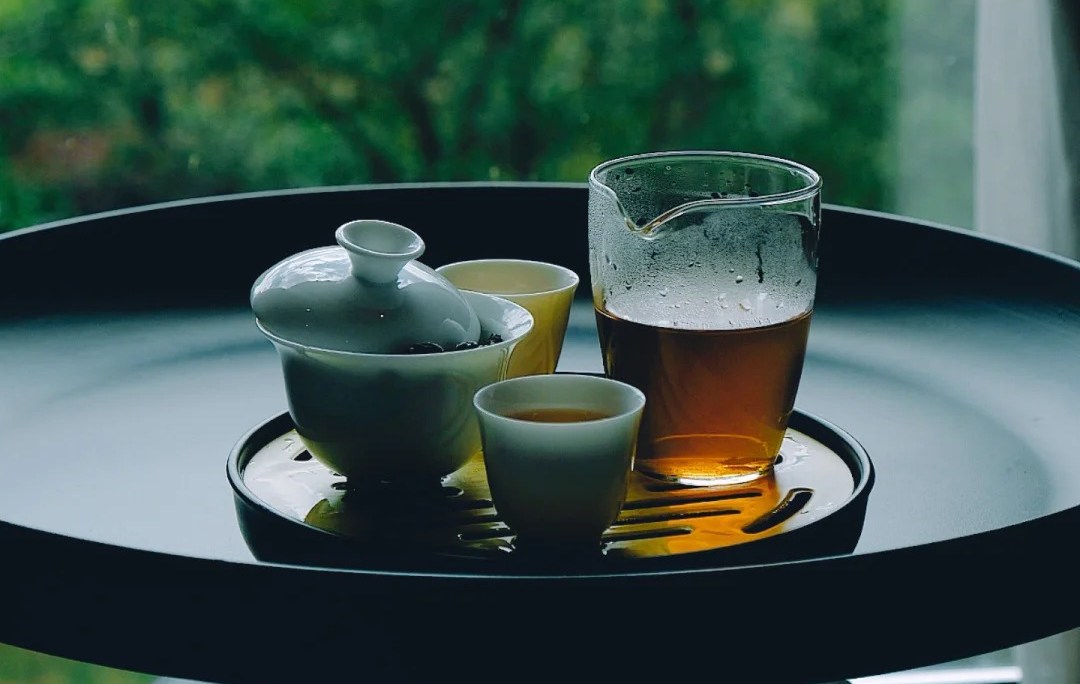
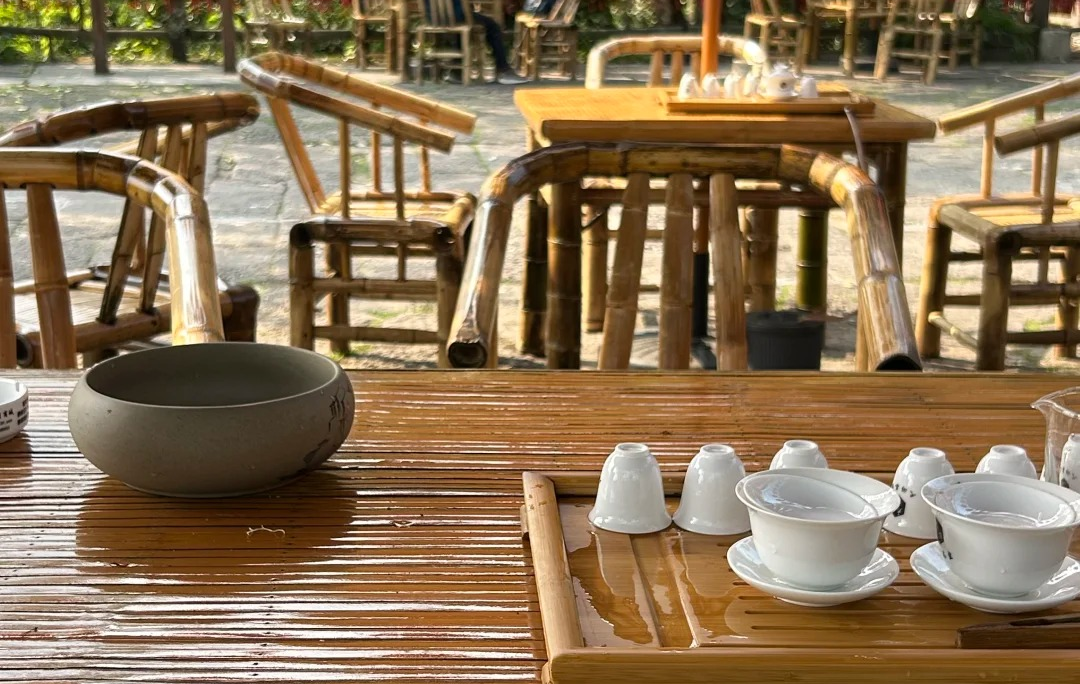
- At the Sangu Resort Area Food Street: Zixi Rice Noodles (chewy, smooth rice noodles characteristic of Northern Fujian), Qingming Cakes (Qingmingguo), and a variety of mountain bamboo shoots and wild vegetables. - Rock Tea Tasting: Wuyi Mountain is the birthplace of Chinese Oolong tea; renowned varietals such as Da Hong Pao, Rou Gui, and Shui Xian are all produced here. Visitors can experience the art of the tea ceremony at tea pavilions along the route or at teahouses within the Sangu Resort Area.

Suggested Itinerary

Half-Day "Bamboo Raft Highlights" Tour (Ideal for visitors with limited time):

Book a bamboo raft departure slot online in advance for the 7:30–8:30 AM window → Take a taxi or the scenic area shuttle bus directly to the Xingcun Pier → Embark on a bamboo raft excursion down the Nine-Bend Stream (1.5 hours; 130 RMB per person) → Admire key scenic spots from the raft, including the Jade Maiden Peak (Second Bend), the Hanging Coffins (Third Bend), Dazang Peak (Fourth Bend), and Yinping Peak (Fifth Bend) → Disembark at the rafting terminus, Wuyi Palace → Stroll through Wuyi Palace and the Song Dynasty-style Ancient Street, sampling local snacks such as smoked goose (40 minutes) → Take the scenic area shuttle bus or a public bus for your return journey. The entire core experience can be completed in approximately 3 hours.

One-Day "Immersive Cultural & Nature" Tour (Highly Recommended):

Depart from your accommodation at 7:00 AM → 7:30–8:00 AM: Board the very first bamboo raft at Xingcun Pier to enjoy the Nine-Bend Stream—a fairyland shrouded in morning mist—all to yourself (1.5 hours) → Arrive at Wuyi Palace for a brief rest → Walk back from Wuyi Palace to the Fifth Bend (Wuqu) along the scenic riverside trail (approx. 40 minutes), admiring stone carvings and Danxia peaks from various angles along the way → At the Fifth Bend, visit the ruins of Zhu Xi’s Wuyi Jingshe (Wuyi Study) to soak up the scholarly atmosphere of this Neo-Confucian holy site (30 minutes) → At noon, enjoy an authentic Northern Fujian lunch on the Song Dynasty-style Ancient Street (1 hour; recommended dishes: Langu Smoked Goose + Zixi Rice Noodles) → In the afternoon, head to Tianyou Peak; climb the 848 steps to reach the summit (approx. 1.5 hours) and gaze down upon a panoramic masterpiece of the Nine-Bend Stream winding below like a jade ribbon → Around 4:00 PM, proceed to the Da Hong Pao Scenic Area or the "Rock Bone & Floral Fragrance" Walking Trail to sample authentic Wuyi Rock Tea (1–2 hours) → Conclude the tour in the evening and return to your accommodation.

If you have ample time, consider adding the Impression Da Hong Pao live-action performance to your evening itinerary. Set against the natural backdrop of Dawang Peak, this production utilizes a 360-degree rotating stage and modern light-and-shadow artistry to deliver a stunning artistic portrayal of tea culture. We recommend purchasing tickets online at least one day in advance; for the best views, select seats in the middle section of rows 7 or 8.

IntoTravelChina Advantage: We can book the perfect accommodation to suit your needs, seamlessly coordinate all your activities, and provide detailed hiking maps and safety guidelines.

> Professional Guides: IntoTravelChina offers fully customized itineraries—including a dedicated private guide, transportation, and activity arrangements—to ensure a truly immersive and worry-free travel experience. >> [Inquire Now for a Customized Itinerary]

Comprehensive Travel Guide: Transportation, Accommodation, and Seasons

Furong Ancient Town Furong Ancient Town Furong Ancient Town

How to Get There: A Seamless Connection Guide

The starting point for the Nine-Bend Stream bamboo rafting tour is Xingcun Pier, while the endpoint is Wuyi Palace. Both locations are situated within the Wuyi Mountain Scenic Area, making transportation between them extremely convenient. - Arriving by High-Speed Rail: The preferred destination is Wuyishan North Station (located approximately 15 km from the scenic area; a taxi ride costs about 25 RMB, or you can take Bus Route 7 directly to the resort district). Alternatively, you can arrive at Nanping Station (located approximately 40 km from the scenic area); upon exiting the station, you can take the light rail or the K1 Express line to the Sangu Resort District (journey time: approx. 30–35 minutes).

- Arriving by Air: Wuyishan Airport is just a 15-minute drive from the scenic area. You can take Bus Route 6 or 7 to reach the Sangu Resort District or the scenic area entrance.

- Internal Transportation within the Scenic Area: The scenic area's sightseeing shuttle (tourist bus) serves as the primary mode of transport for touring. Once you have purchased a comprehensive scenic area pass, you can transfer freely between various attractions; buses depart every 15 minutes. To travel between the starting and ending points of the scenic area, you can take a public bus or a taxi to connect between the various entrances.

Ticketing Tips:

- Wuyishan Scenic Area currently offers a policy waiving the main entrance fee (please refer to official announcements at the time of your visit for the most up-to-date validity).

- The Nine-Bend Stream (Jiuquxi) Bamboo Raft Drift requires a separate fee; the ticket price is 130 RMB per person (inclusive of the entrance fee and the rafting fee). Each raft accommodates 6 to 8 passengers. It is mandatory to make a reservation in advance via the official WeChat account "Wuyishan Tourism." During peak seasons (holidays and summer vacation), it is highly recommended to secure your tickets at least 7 days in advance.

- Tickets for the scenic area sightseeing shuttle must be purchased separately or as part of a combined package ticket.


Rafting Operating Schedule and Pier Information:

- Departure Times from Xingcun Pier No. 1: 7:20, 8:30, 9:40, 10:30, 13:20.

- Departure Times from Xingcun Pier No. 3: 8:00, 9:50, 13:30.

- It is recommended to choose the earliest morning departure; the water is cool, the lighting is optimal, and you avoid both the scorching midday sun and the peak crowds.

Best Time to Visit

The Nine-Bend Stream offers scenic beauty in every season, but the best time to visit is during the high-water period of spring and summer (May–September), when the water volume is abundant and the scenery is at its most magnificent.

- Spring/Summer High-Water Period (May–September): The mountains are in their high-water phase; the stream is full, the current is lively, and the foliage on both banks is at its most lush—making this the prime season for photography and bamboo rafting. The "Plum Rain" season in May offers a unique, misty, and atmospheric charm, while June, July, and September see relatively fewer tourists, providing a more enjoyable experience.

- Crisp Autumn Season (October–November): Temperatures are comfortable, and the skies are at their clearest—creating the ideal weather window for both bamboo rafting and hiking. During this time, the Danxia rock cliffs display their richest colors under the warm autumn sun.

- Tranquil Winter Season (December–February): This period sees the fewest tourists, creating a quiet and peaceful atmosphere. On clear days, the panoramic views from high vantage points are excellent. However, the natural mountain scenery is relatively sparse, meaning the overall visual appeal is somewhat diminished. For bamboo rafting, it remains essential to dress warmly and protect yourself against the wind.

Accommodation Options

Wuyishan offers a wide range of accommodation choices—from resort hotels located right next to the scenic area entrance to boutique guesthouses nestled amidst tea plantations—catering to travelers with diverse budgets and preferences.

- Sangu Resort Area (The Most Convenient Choice)

Experience: This is the core tourist and resort hub of Wuyishan, bustling with hotels, guesthouses, restaurants, and tea houses. It is situated right next to the scenic area entrance, and a bus or taxi ride to the Xingcun Pier takes just 15–20 minutes. Options range from budget-friendly inns to high-end resort hotels, covering every category.

Suitable for: Most travelers—especially first-time visitors to Wuyishan—who are looking for convenient and quick access to the Nine-Bend Stream and the various scenic spots.

- Wuyigong / Lantang Village Area (A Distinctive Riverside Choice)

Experience: Located right along the banks of the Nine-Bend Stream and adjacent to Wuyigong, these accommodations offer views of Dawang Peak or the Chongyang Stream right from your window. This district features numerous design-oriented guesthouses and tea-themed inns, many of which have been converted from traditional Wuyi-style residences. Here, you can stroll along the creekside promenade or, early in the morning, gaze out from your hotel terrace at the majestic Dawang Peak shrouded in mist.

Ideal for: Travelers seeking a rich cultural atmosphere and wishing to stay amidst scenic landscapes; photography enthusiasts looking to capture sunrises and morning glow.

- Xingcun Town (The Premier Choice for Rafting Departures)

Experience: Situated near the starting point of the Nine-Bend Stream (Jiuquxi) bamboo rafting route, this location allows you to reach the pier first thing in the morning, thereby avoiding long lines and crowds. It offers a more authentic and rustic glimpse into rural life in Northern Fujian.

Ideal for: Travelers with a laid-back mindset—those who prefer not to rush from one attraction to the next and wish to immerse themselves deeply in the local lifestyle of Wuyishan.

- Nanyuanling Guesthouse Village (The Best Value Choice)

Experience: Located just a few minutes' drive from the scenic area's southern entrance, this village is home to a cluster of guesthouses operated by local residents. Prices are affordable, rooms are clean and tidy, and the hosts are eager to share authentic travel tips and tea-tasting experiences.

Ideal for: Budget-conscious travelers who prioritize convenient access to attractions.

IntoTravelChina Accommodation Booking Tips:

If you require assistance from a travel agency to book accommodation in the Wuyishan and Nine-Bend Stream regions, please let us know your budget range and travel season. We will curate a suitable accommodation and itinerary package tailored to your needs. >> [Click to contact an IntoTravelChina travel consultant]

Journey Extensions: A Loop Tour Connecting the Highlights of Greater Wuyi and Northern Fujian

Furong Ancient Town

The Nine-Bend Stream is by no means the end of your journey; rather, it serves as the perfect starting point for exploring the Wuyishan World Heritage Site and the broader landscapes of Fujian province.

- The Classic 3-Day Wuyishan Loop: Nine-Bend Stream Bamboo Rafting → Summiting Tianyou Peak for Panoramic Views → Strolling the "Rock-Bone & Floral Fragrance" Trail in the Dahongpao Scenic Area → Tracing the Footsteps of History at Wuyi Jingshe (Wuyi Hermitage) → Impression Dahongpao Live Performance → Xiamei Ancient Village (The Starting Point of the "Tea Road"). This itinerary offers a comprehensive Wuyishan experience, seamlessly blending spectacular natural scenery, rich tea culture, and the humanistic heritage of Neo-Confucianism. 

- Northern Fujian Highlights Combo Tour: This itinerary seamlessly links Wuyishan (a UNESCO World Dual Heritage Site) with Taining Dajin Lake (a water-based Danxia geological marvel), Shaowu Heping Ancient Town (preserving the legacy of the ancient Minyue Kingdom), and Shunchang Baoshan (home to Buddhist grottoes and stone carvings). Experience the diverse facets of Northern Fujian—from the thrill of the Nine-Bend Stream rafting to the scenic beauty of Danxia lakeshores and the timeless charm of thousand-year-old towns. 

Partner with IntoTravelChina to Embark on Your Exclusive "Nine-Bend Stream Boat Song" Journey

Furong Ancient Town

The story of the Nine-Bend Stream is woven from a geological saga spanning millions of years—featuring majestic Danxia landforms and crystal-clear waters—alongside the ancient legends of Peng Wu and Peng Yi taming the floods, and the cultural memories of a millennium immortalized in Zhu Xi's Nine-Bend Stream Boat Song. IntoTravelChina specializes in crafting in-depth, personalized, and hassle-free travel experiences across China. Our travel experts are here to provide you with:

- Tailored Itineraries: We design the perfect route based on your specific interests and available time, incorporating the Nine-Bend Stream rafting experience and surrounding attractions.

- One-Stop Service: We handle all the logistics—including bamboo raft reservations, unique accommodations, transportation transfers, local guides, and activity bookings.

- Exclusive Experiences: We arrange special access—such as the very first bamboo raft departure of the morning, an in-depth visit to Zhu Xi's Hermitage at the Fifth Bend, hands-on workshops on the intangible cultural heritage of Wuyi Rock Tea production, and guidance on the best times and spots for photography.

Let your journey to the Nine-Bend Stream be more than just a rafting trip; let it be an immersive dialogue between the stunning Danxia landscapes and a thousand years of cultural heritage.

> Start Planning Your Journey Now

> We invite you to contact our professional travel consultants. We will provide you with a personalized itinerary proposal and price quote within 24 hours. >> [Click to contact an IntoTravelChina travel consultant]

What Our Clients Say?

Based on 10,000+ traveler reviews

...
Daniel Dorothea
Canada
Reviewed on April 29,2025
Shopping on Nanjing Road in Shanghai was just amazing! It's truly the "First Commercial Street of China", where tradition and modernity blend perfectly. You can find awesome souvenirs and experience the trendy vibes in cool stores. The neon lights at night are just spectacular, shining bright like Times Square in New York. The food here is incredible too. I had a feast for my taste buds. Shanghai, I'll definitely be back!
Destination(s): Shanghai
Date of Experience: May 08,2024
...
...
Elvis Eva
Canada
Reviewed on June 20,2025
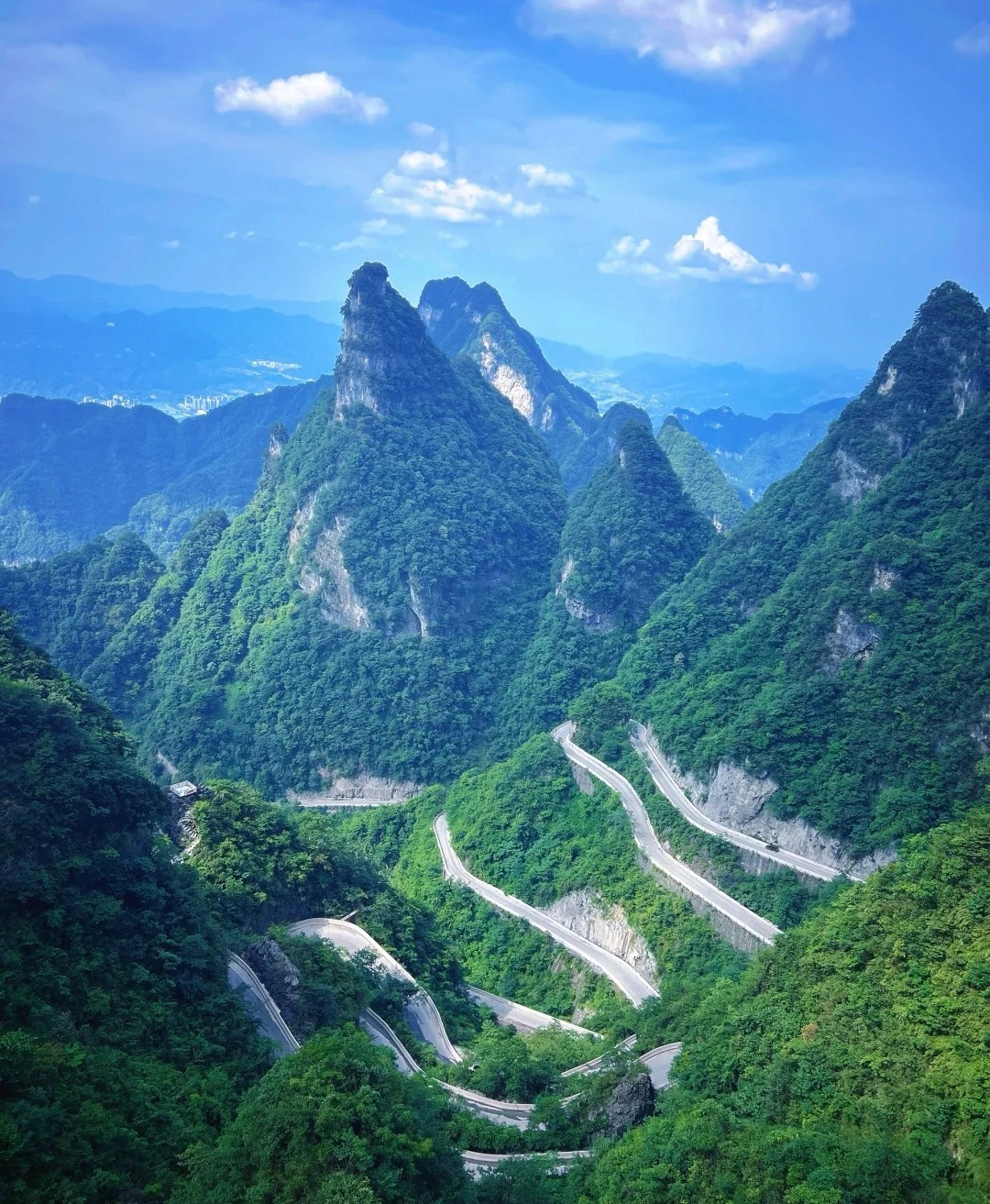
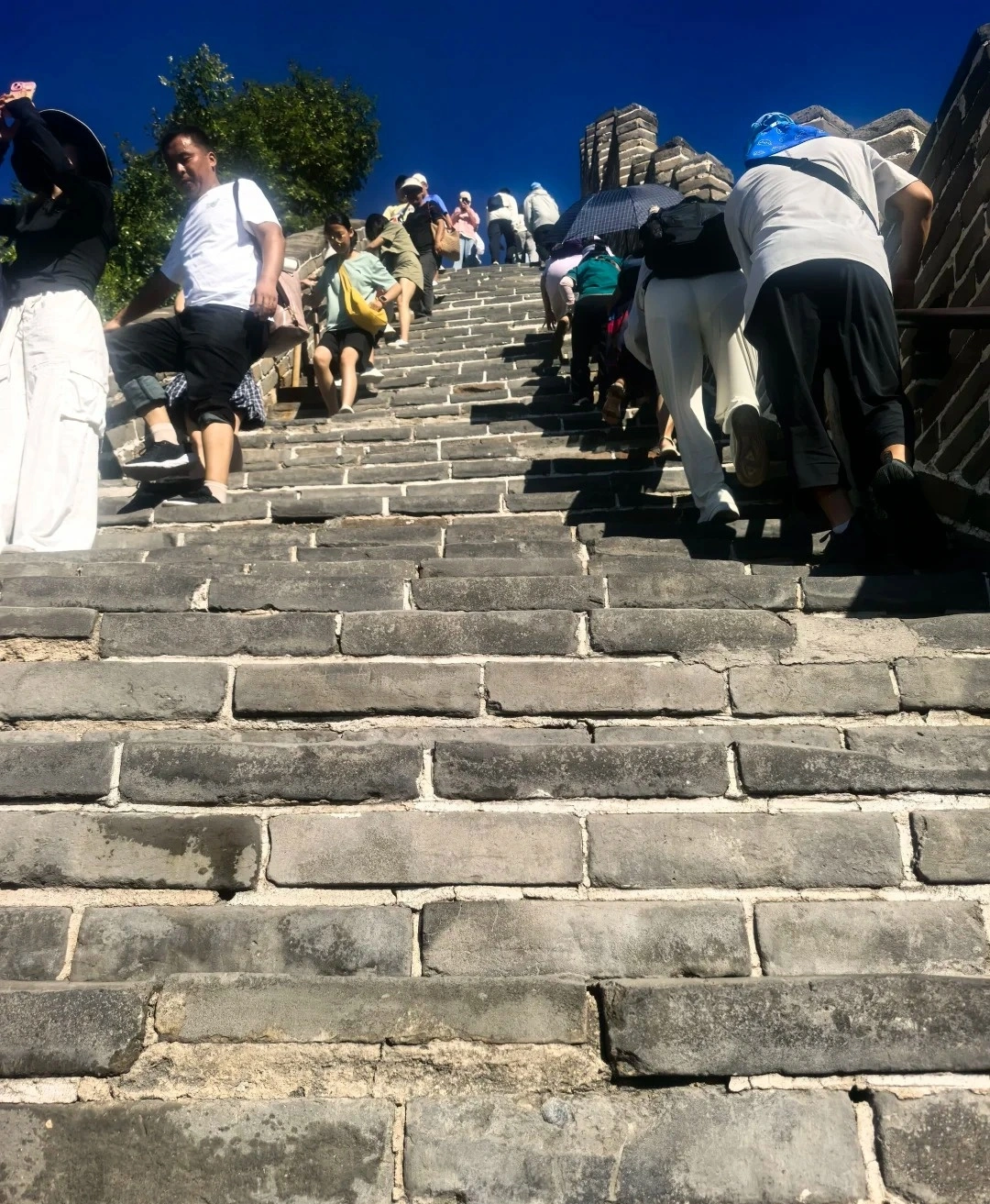
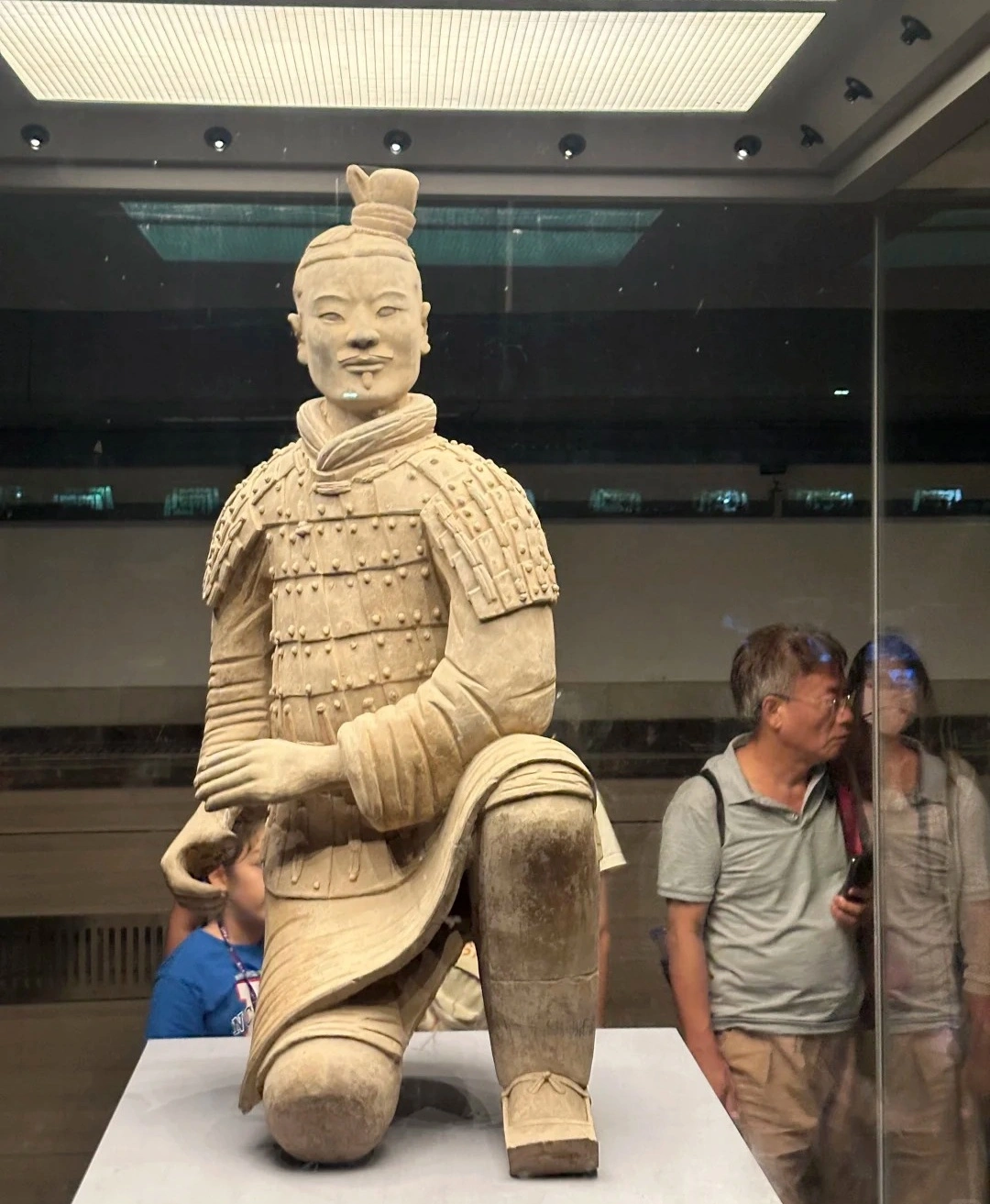
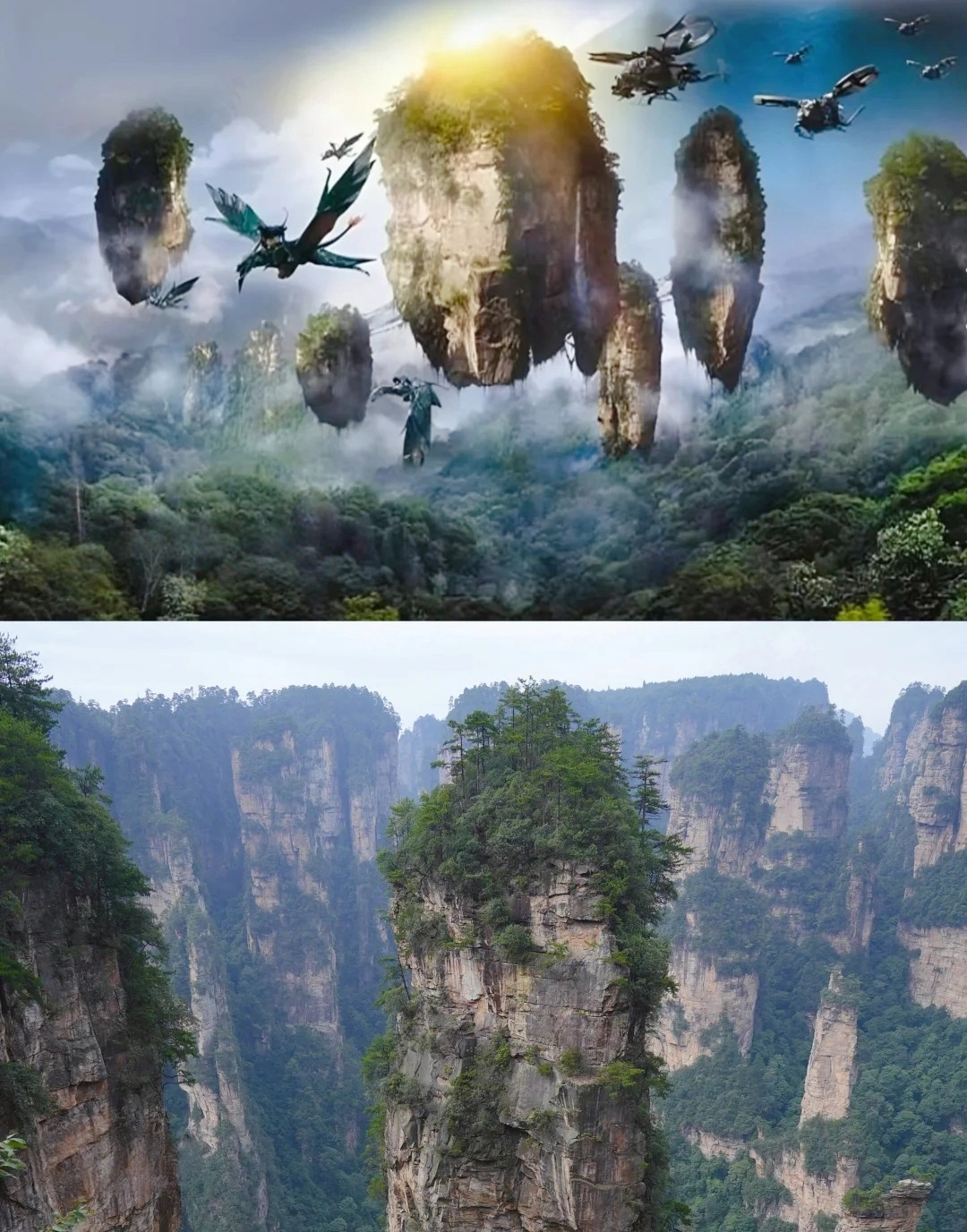
As a solo traveler from Canada, I was nervous about navigating China alone—but this 11-day tour was PERFECT! From hiking the Great Wall at sunrise (Day 3) to gasping at the Terracotta Army (Day 5), every day delivered ‘pinch-me’ moments. The real showstopper? Zhangjiajie’s Avatar Mountains (Day 7)! Our guide made the stone pillars come alive with stories. Massive thanks for handling all logistics—bullet train tickets, entry passes, car! And the 4-star hotels surprised me.
Destination(s): Beijing Xian Zhangjiajie Shanghai
Date of Experience: June 02,2025
... ... ...
...
Simon
America
Reviewed on May 29,2025
Our 2-day Zhangjiajie tour was beyond spectacular! As someone who’s visited Beijing and Shanghai for work, this trip revealed China’s wild, magical heart. Day 1 in Zhangjiajie National Forest Park felt like stepping onto Pandora—I’m a huge Avatar fan, and Yuanjiajie’s floating peaks left me breathless. The misty pillars and lush valleys like pure movie magic! Then came Fenghuang Ancient Town, we eat dinner beside the thundering waterfall. It seems Unreal! The night views of stilt houses glowing over the river were straight from a fairy tale. For fellow Avatar lovers and adventure seekers: Don’t miss this bucket-list experience! 10/10 would return. A Well-Traveled Film Buff, May 2025
Destination(s): Zhangjiajie
Date of Experience: May 08,2025
... ...

Ask a Question

Question Summary (100 characters)
Details (optional) (2,000 characters)
Name
Country
Phone
Email