Natural creation - a poetic picture of volcanic fields
The harmonious base is a serene oil painting jointly painted by volcanoes, wetlands and farmlands.
Volcanoes serve as screens and wetlands as eyes
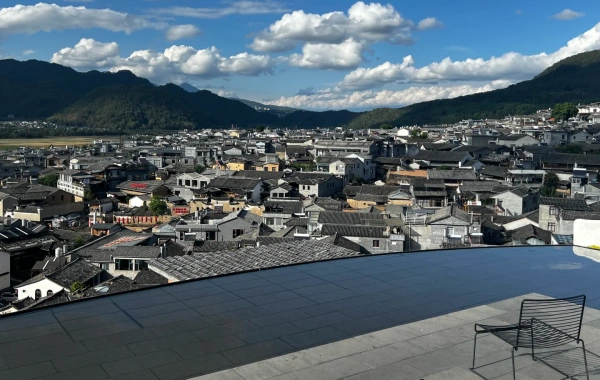
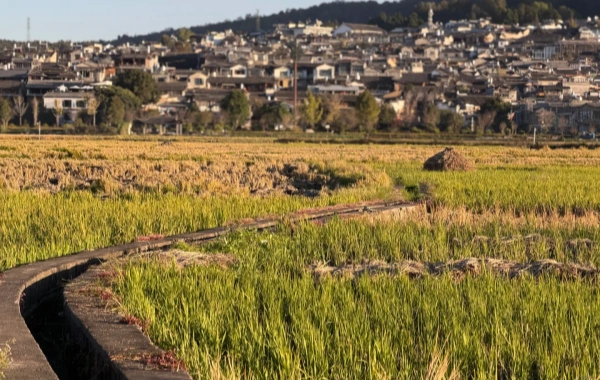
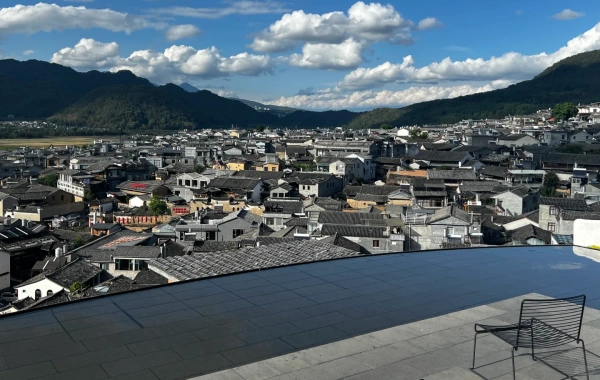
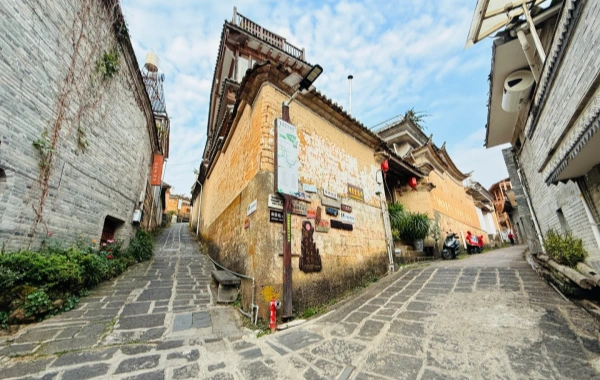
- Surrounded by volcanoes: The ancient town is located in a plain surrounded by a group of volcanoes. The outline of the dormant volcanoes in the distance is gentle, like a natural screen, guarding this land. This endows Heshun architecture with unique materials - volcanic stones that can be seen everywhere. This porous, dark grey stone is widely used for paving roads and building walls. After being polished by time, it presents a rough yet warm texture, which is the most authentic base color of the ancient town.
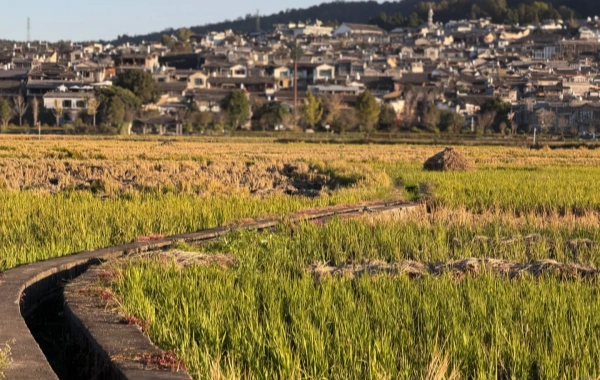
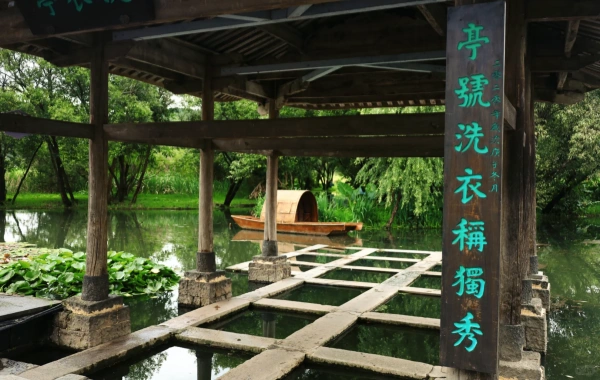
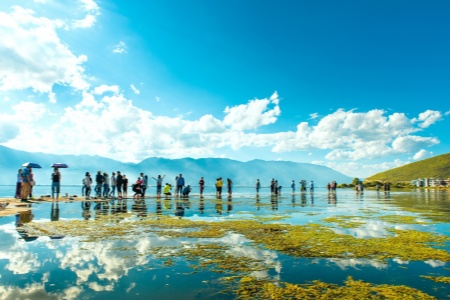
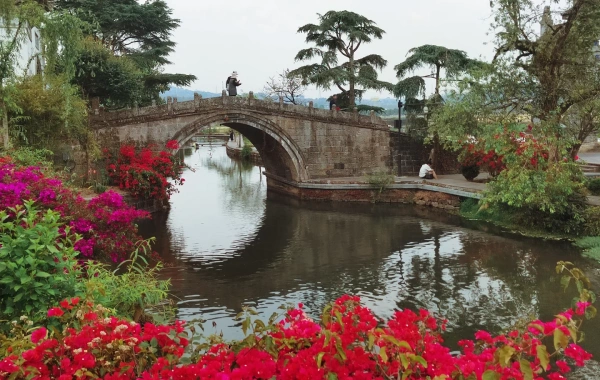
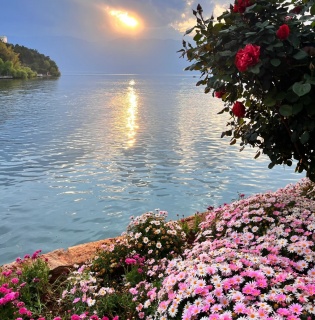
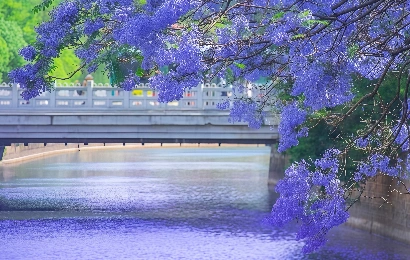
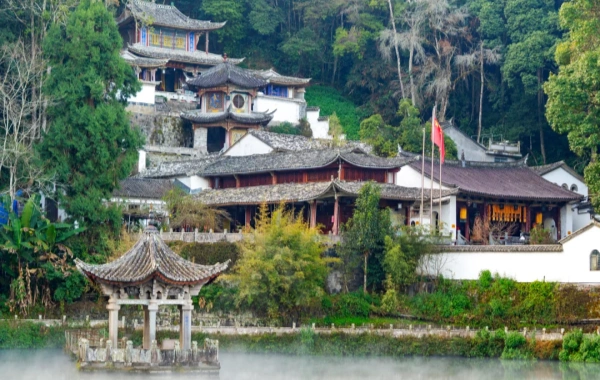
- Surrounded by wetlands: The town is surrounded by the expansive Xianhe Wetland in front of it. In summer, lotus flowers bloom gracefully, and in winter, migratory birds rest here. The meandering Daying River flows through, with ancient stone arch Bridges and unique laundry pavilions reflected on the water surface, forming a dynamic pastoral ink-wash painting. Taking a small boat to cruise in the wetland is an excellent way to experience the life philosophy of "harmony between man and nature" of Heshun.
The idyllic pastoral scene and the deep alleys
- Fields and paths: Unlike many ancient towns that are completely enveloped by commerce, Heshun has preserved vast areas of rape flower fields, rice waves and vegetable plots. Walking along the ridge of the field, watching egrets fly by and cattle and horses graze leisurely, it seems as if time has turned back.
The texture of the alleys: The ancient town is crisscrossed with alleys, all paved with volcanic stones. After hundreds of years of walking, the stone slabs have been ground smooth and warm. The alleys undulate along the terrain, leading to one deep courtyard after another or unexpected viewing platforms, offering endless joy of exploration.
Humanistic craftsmanship - A Blend of Chinese and Western architectural Poems
Every building here tells a story about "going out" and "bringing back".
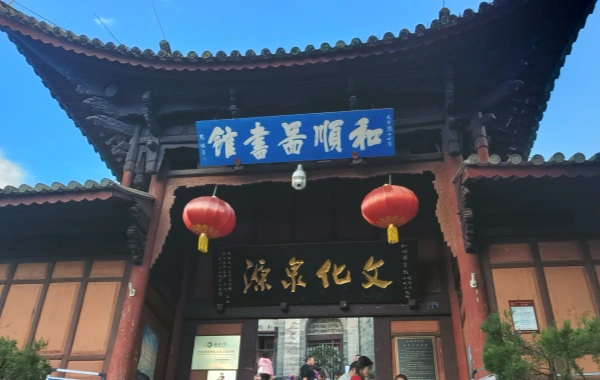
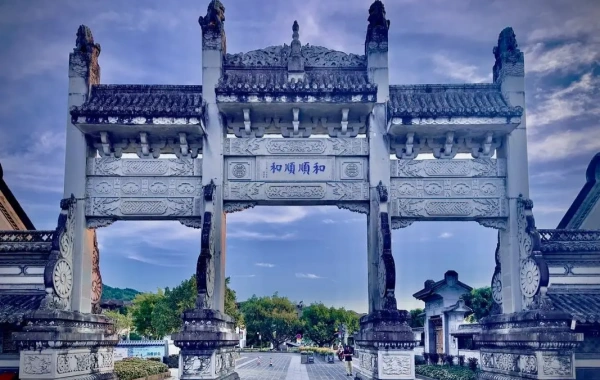
Heshun Library: Known as "the largest and oldest rural library in China", it is the soul of the ancient town. This elegant building that combines Chinese and Western styles houses over ten thousand books, many of which are rare ancient editions. It is not only a palace of knowledge, but also the most direct symbol of the "reverence for culture and education" spirit of the people of Heshun. Sitting in the old reading room inside the library, looking through the window lattice at the green trees in the courtyard, time seems to stand still.
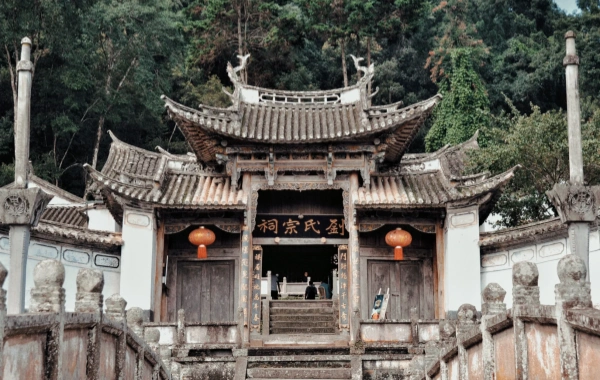
The eight ancestral halls: The ancestral halls of the eight surnames, Cun, Liu, Li, Yin, Jia, Zhang, Chuan and Yang, are the core of the bloodline culture of the overseas Chinese hometown of Heshun. These ancestral halls are exquisitely built and strictly regulated, ingeniously integrating the architectural style of ancestral halls in Central Plains with elements from the border areas and Southeast Asia. They are not only places for ancestral worship, but also strong bonds that maintain the emotional connection between overseas Chinese and their hometowns.
- Various types of residences: From the traditional "three courtyards and one screen wall" and "four courtyards and five courtyards" of the western Yunnan courtyard, to the curved towers and other former residences of overseas Chinese merchants that incorporate elements of Southeast Asian and South Asian arches, carved ironwork, and colored glass, the architecture itself is a history of cultural integration. Many old houses have now been converted into inns and tea houses. Staying in them allows you to savor every detail carefully.
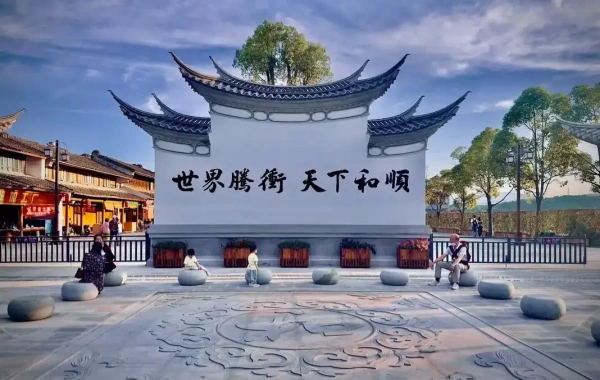
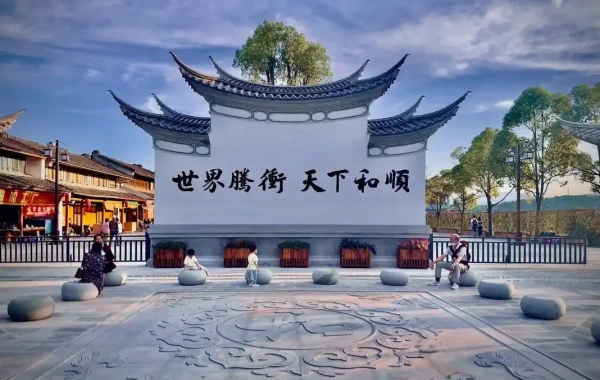
- Laundry booth and platform: The most life-filled humanistic landscape. Several laundry booths of various shapes and sizes built along the river not only provide shelter for women to wash their clothes from wind and rain but also serve as social venues, demonstrating the care of the men in the hometown of overseas Chinese for their wives and daughters. The platform at the entrance of the village was once a gathering place for horse caravans to set off and return, and also a place where wanderers bid farewell to and reunite with their families, bearing countless joys and sorrows.
Photography Secrets:
Xianhe Wetland and Yeya Lake are ideal spots for capturing the full view of the ancient town, its reflections and the morning mist, especially at sunrise.
The gatehouse of the library and the Windows of the reading room are great places to capture the details of human culture and architecture.
Each volcanic stone alley, especially in the early morning or after the rain, can capture street scenes with rich texture and contrast of light and shadow.
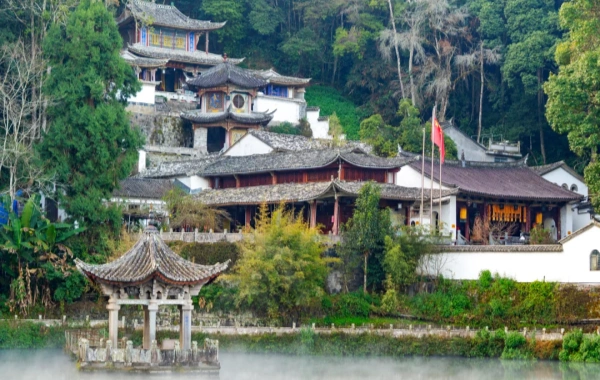
In front of the Yuanlong Pavilion, there is a pond where you can capture the classic scene of the ancient pavilion, the dragon pool and the distant volcano in the same frame.