Lijiang Ancient City: A Living Museum of Naxi Civilization

Lijiang Ancient City: A Living Museum of Naxi Civilization

Overview: A multicultural place never bound by the city wall
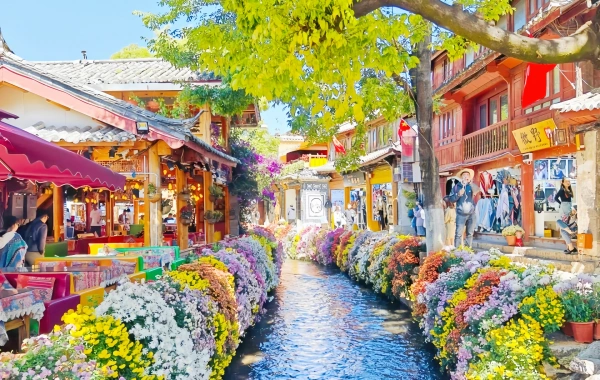
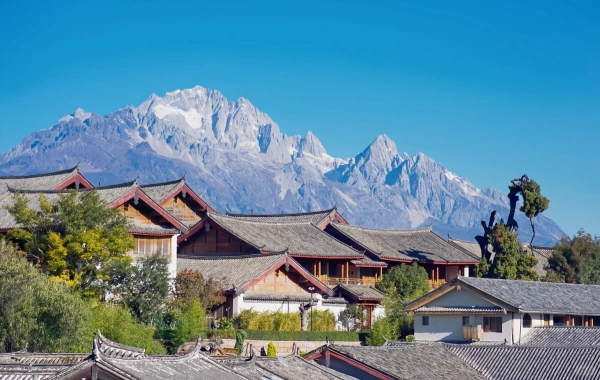
Lijiang Ancient City, an ancient city with a history of over 800 years, is nestled among three mountains and connected by a river. Its layout is free and flexible, seamlessly blending the architectural and cultural essence of multiple ethnic groups, including the Han, Naxi, Bai, and Tibetan peoples.

Key Highlights
Identity Tags: World Cultural Heritage / Ancient City without Walls / Highland "Venice of the East"
Core Experience: Sunbathing on Sifang Street, Strolling through the Ancient City Maze, and Gazing at the Snowy Mountain View
Recommended duration: 2-3 days. We strongly recommend staying at an inn within the ancient city to experience the serene rhythm of dawn and dusk, transitioning from the bustling city to peaceful tranquility.
Ancient City Address: Gucheng District, Lijiang City, Yunnan Province

  • Lijiang Ancient City: A Living Museum of Naxi Civilization-1
  • Lijiang Ancient City: A Living Museum of Naxi Civilization-2
  • Lijiang Ancient City: A Living Museum of Naxi Civilization-3
  • Lijiang Ancient City: A Living Museum of Naxi Civilization-4

Origin: Trade and Civilization Hub on the Ancient Tea-Horse Road

Furong Ancient Town

The Beginning of the City-The Vision of the Mu Clan
The formation and development of Lijiang Ancient City are inextricably linked to the governance of the Mu Clan chieftains. In the late Southern Song Dynasty, the Mu ancestors settled in the present-day ancient city and began its construction. When Kublai Khan, the founder of the Yuan Dynasty, launched his southern campaign against the Dali Kingdom, he established the "Chahan Zhang" administrative office here, marking the foundation of its administrative authority. During the Hongwu era of the Ming Dynasty, with the support of Zhu Yuanzhang, the Mu chieftains secured hereditary rule, reaching the zenith of their power.
The Mu chieftain's exceptional quality lies in their openness and inclusiveness. They actively absorbed Central Plains culture, integrated craftsmanship from Han, Tibetan, and Bai ethnic groups, while vigorously preserving and developing the indigenous Dongba culture of the Naxi people. This eclectic governance philosophy transformed Lijiang Ancient Town into an open city centered on commerce and cultural exchange, rather than a purely military fortress or isolated ethnic settlement. The absence of city walls stemmed not only from their ruling confidence (the character "mu" with a frame forming "kun" is considered taboo) but also symbolized their welcoming attitude toward foreign merchants and cultures.

Glorious Bloodline-The "Heart" of the Ancient Tea-Horse Road
The true legend of Lijiang lies in its glorious history as a key town on the "Ancient Tea-Horse Road". This ancient trade route, originating in the Tang and Song dynasties, primarily traded tea and horses, connecting Yunnan, Sichuan, and Xizang, and extending to South Asia.
Lijiang is located at a crucial node on the Yunnan-Tibet route. Pu'er tea, brown sugar, and bronze artifacts from Yunnan, along with furs, medicinal herbs, and musk from Xizang, converge, trade, and transshipped here. The Square Street within the ancient city was once an open-air marketplace bustling with merchants. The sounds of hooves, shouts, and haggling in different languages never cease day and night. Caravans from the south and north not only brought goods but also introduced Tibetan Buddhism, Han Chinese Confucian culture, as well as architectural and culinary traditions from various regions. It is this centuries-long flow of commerce and culture that has shaped the unique, diverse, and vibrant character of Lijiang Ancient City, making it a melting pot of civilizations built upon trade.

> In-depth understanding: Explore more historical trade and cultural channels of China>> [Dunhuang Museum]

A Must-See Spectacle: The Symphony of Architecture, Water Systems and Life

Furong Ancient Town Furong Ancient Town Furong Ancient Town Furong Ancient Town Furong Ancient Town

Urban Texture: A Symbiotic Map of Nature and Humanity
The grandeur of Lijiang Ancient Town lies in its masterful integration with the natural landscape. Backed by Xiangshan, Jinhongshan, and Shizishan, the city slopes gently from north to south. The crystal-clear Jade Spring water splits into three main streams at Yulong Bridge in the north—Xihé, Zhonghé, and Donghé—flowing through the city before branching into countless tributaries, creating a picturesque scene where "every household has a stream and every door is shaded by willows."
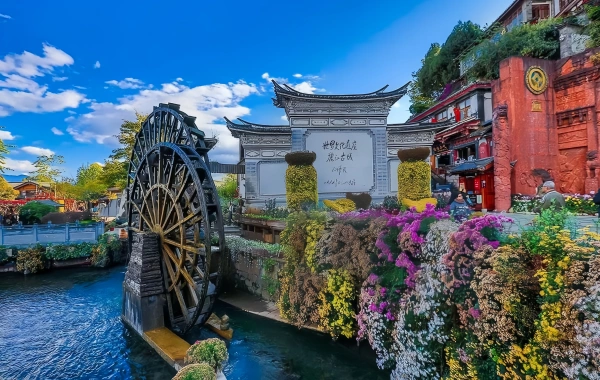
-Water Network: The ancient city's water system serves not only as the soul of its landscape but also as an ancient system for firefighting, sanitation, and climate regulation. Main streets run alongside rivers, while alleys border canals, with over 300 small stone bridges of various designs (such as the Dashi Bridge and Wanziqiao Bridge) spanning the waterways. In the early morning, residents still follow tradition by drinking "first water"; after 10 a.m., the water is channeled into the streets to wash the stone-paved surfaces—a centuries-old "street-washing" tradition (now optimized for water conservation).
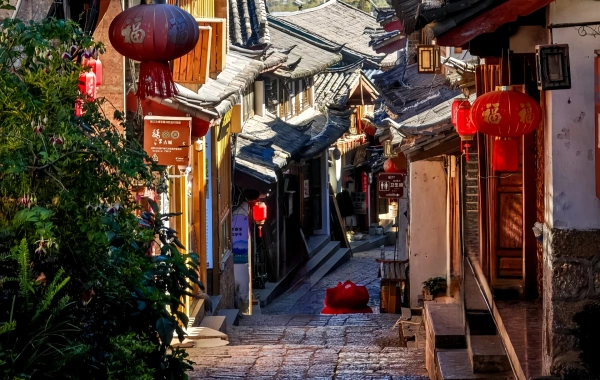
Street Layout: The ancient city centers around a square plaza, with five main streets (Xinhua Street, Wuyi Street, Qiyi Street, Guangyi Street, and Huangshan Section) radiating outward to form a spiderweb-like network of alleys. The roads are paved with red cobblestones (known as "Wuhua Stone"), which remain mud-free in the rainy season and dust-free in the dry season. After centuries of use by people and horses, they are as smooth as mirrors, exuding a warm luster. Strolling through them feels like entering a maze without a map, where every turn may bring unexpected surprises.

Architectural Code-Naxi Aesthetics of Three Halls and One Screen Wall
The residential buildings in the ancient city are the unique pattern formed by the Naxi people absorbing the essence of the architecture of Han, Bai and Tibetan, which is typical of "three houses and one wall" and "four sides and five courtyards".
-Architectural Features: The "Three Halls and One Screen Wall" design consists of a main hall with two side wings, encircled by a screen wall opposite it, forming an elegant courtyard. The buildings predominantly feature earth-and-wood structures, with their interlocking wooden frames providing exceptional earthquake resistance. Intricate wood carvings on gate towers, screen walls, and window panels—depicting seasonal motifs, antiquities, and flora—alongside courtyard patterns created by pebbles and tiles, all reflect the Naxi people's aesthetic sensibilities and reverence for nature. The rustic earth-brick exterior walls contrast with the natural wood beams and pillars, creating a warm and inviting atmosphere.
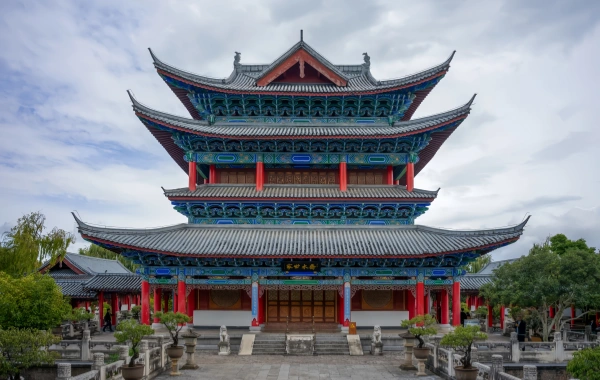
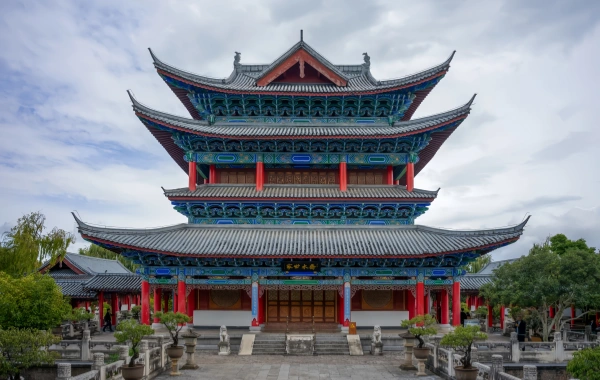
-Mu Mansion: "The Forbidden City to the north, the Mu Mansion to the south." This magnificent architectural complex in the southwest of the ancient city served as the administrative headquarters and residence of the Mu clan chieftains of Lijiang throughout history. Although partially destroyed during the late Qing Dynasty, the reconstructed Mu Mansion now harmonizes with the mountainous terrain, featuring a 369-meter-long central axis. Its majestic palaces and exquisite gardens blend imperial grandeur with the delicate elegance of Jiangnan-style landscapes, making it a "Lijiang Forbidden City" that reveals the rise and fall of the Mu family and the history of frontier governance.

Cultural Soul-Living Dongba Civilization
The ancient city is not only a museum of architecture, but also a living place of Naxi culture.
-Dongba Culture: The Naxi Dongba religion is an ancient polytheistic faith. Its priests, known as "Dongba," created tens of thousands of religious texts in Dongba script—a primitive pictographic writing style dubbed "living hieroglyphs." These texts document philosophy, astronomy, and medicine. Today, Dongba script remains visible in cultural courtyards within the ancient city and in the historic town of Shuhe.
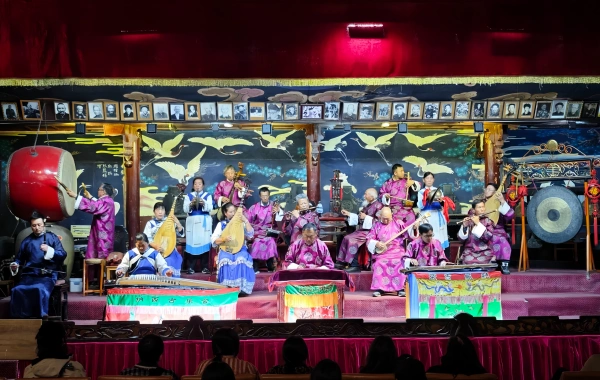
Naxi Ancient Music: This world-class cultural heritage blends Taoist cave scripture music, Confucian classical music, and Naxi folk melodies. The ensemble primarily consists of elderly musicians over seventy, using instruments like the Sugudu and curved-necked pipa that are centuries old. Performed nightly at venues such as the Dayan Naxi Ancient Music Festival, its ancient yet clear melodies are hailed as "living fossils of music."

Photography Tips:
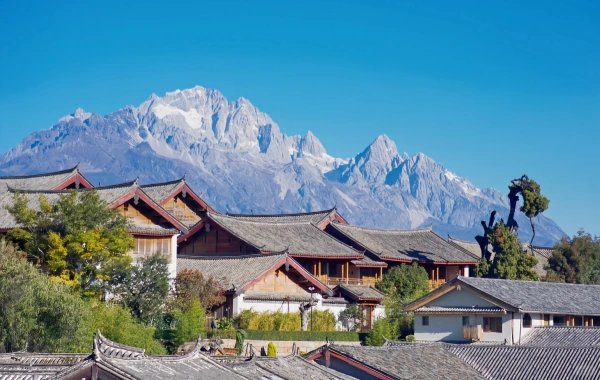
The best panoramic vantage point is the Wangu Tower on Lion Rock or the scenic cafes along the route, offering sweeping views of the ancient city's gray-tiled rooftops undulating like waves and the distant Jade Dragon Snow Mountain.
The golden hour for capturing the ancient city's serene essence is between 7 and 9 a.m., when the slanting sunlight bathes the scene in golden hues, wisps of cooking smoke curl up, and the cobblestone paths shimmer with sunlight.
The area of Dashiqiao is a classic location for photographing the small bridge and flowing water, the willow trees on both sides and the reflection of the houses.
The night view offers a chance to photograph the glittering reflections on the Bar Street, or to climb Lion Rock for a panoramic view of the ancient city under the starry sky.

Core Experience: Immersive Naxi Life Guide

Furong Ancient Town Furong Ancient Town Furong Ancient Town

Five Must-Do Things to Unlock the Complete Ancient City Tour
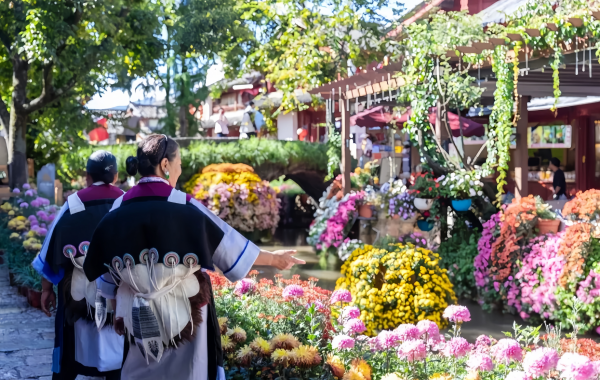
1. Daydreaming in the Sun at Sifang Street: Emulate locals by sitting on the stone steps of Sifang Street in the ancient city center for an afternoon, watching the comings and goings of people and clouds drifting by, savoring the leisure of time's slow flow.
2. Attend a Naxi Ancient Music Performance: Immerse yourself in the timeless melodies of elderly musicians playing with traditional instruments. This is not just a concert, but a cultural dialogue across centuries, where you can feel the weight of history and the profound impact of cultural heritage.
3. Find a charming inn to stay in: The essence of Lijiang Ancient Town lies in its thousands of distinctive inns. Choose one with a Naxi-style courtyard or a view of snow-capped mountains, and savor tea and read books in the lush, tree-lined courtyard, experiencing the true essence of Lijiang's slow life.
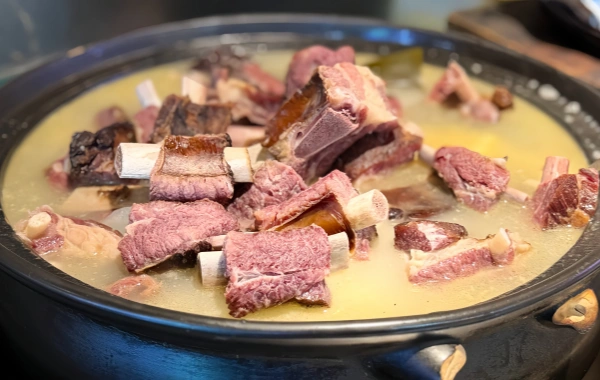
4. Experience the authentic flavors of fusion cuisine: Must-try dishes: Naxi grilled fish, chicken bean jelly, Lijiang rice cakes, braised pork ribs hot pot, and wild mushroom hot pot (available in summer).
-Snack Delights: Street-side braised tofu, rice sausage, along with Yunnan specialties like fresh flower cakes and Pu'er tea.
5. Explore an unnamed alley: Steer clear of the bustling main street and wander into a quiet lane. You might stumble upon a craftsman's workshop, an independent bookstore, or a cozy café, or simply witness the daily life of an ordinary Naxi family. This is the key to discovering the hidden beauty of the ancient city.

Tourist Route Suggestions
Lijiang Ancient Town is moderately sized yet rich in cultural significance, surrounded by numerous attractions. A 2-3 day itinerary is recommended.
"Core of the Ancient City" Quick Tour (For Time-pressed Visitors):
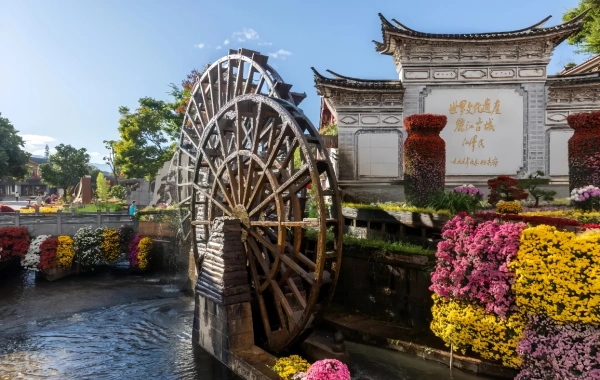
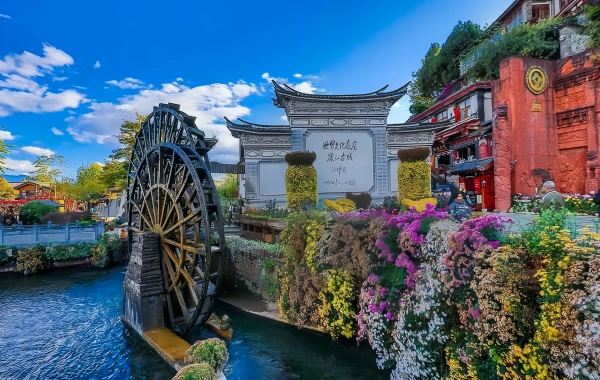
Morning: Enter the ancient city through the Waterwheel Gate → Walk along Dong Street to Sifang Street → Visit the Mu Mansion (about 2 hours).
At noon, choose a restaurant on Wuyi Street or Qiyi Street to enjoy a Naxi-style lunch.
Afternoon: Begin your journey from Sifang Street up Lion Mountain, where you'll visit the historic Wangu Tower for a panoramic view. After descending, stroll to the iconic Stone Bridge to admire its picturesque waterscapes, then explore the artisan shops along Wuyi Street.
In the evening, you can enjoy the vibrant night scene on Bar Street (Xinhua Street) or attend a Naxi traditional music performance.
IntoTravelChina advises: This itinerary is packed with highlights, so wear comfortable flat shoes for iconic landmarks.

2-3 day "deep cultural immersion" tour (highly recommended):
Day 1 (Historical and Cultural Exploration of the Ancient City):
Morning: Relax at the Ancient City Inn → Explore the 'Lijiang Forbidden City' Mu Mansion in depth to learn about the history of the local chieftains.
In the afternoon, we will stroll through Qiyi Street and Guangyi Street, exploring cultural landmarks like the former residences of Fang Guoyu and Gu Peter, before heading to the Guanmenkou area to pick up unique souvenirs.
Evening: Enjoy the Naxi Ancient Music or the grand song and dance performance "Lishui Jinsha".
Day 2 (Ancient City Life and Surroundings):
Morning: Wake up early to explore the deserted ancient streets and capture the sunrise. Then head to Heilongtan Park near the ancient city to admire the reflection of Yulong Snow Mountain in the lake (proof of ancient city maintenance fee is required).
Afternoon: Option A: Take a taxi to Shuhe Ancient Town (a quieter and more rustic tea-horse town, about a 15-minute drive). Option B: Visit Baisha Ancient Town to see its murals and experience the authentic Naxi villages.
Day 3 (Natural Sanctuary):
All day: Head to Yulong Snow Mountain, the closest snow-capped peak to the equator in the Northern Hemisphere, and take the giant cable car to 4,680 meters above sea level. Explore the Blue Moon Valley below, where the lake water is as blue as a dream. This itinerary is best enjoyed as a day trip or by chartering a vehicle.

IntoTravelChina Advantages: We craft personalized itineraries featuring boutique inn bookings, concert tickets, and all-inclusive transportation/ticket packages to Jade Dragon Snow Mountain, while recommending authentic cultural experiences to help you fully immerse in Lijiang.>> [Request a custom quote now] 

A Complete Guide to Travel: Transportation, Accommodation and Season

Furong Ancient Town Furong Ancient Town Furong Ancient Town

Getting There: A Seamless Guide
Lijiang is a transportation hub in northwestern Yunnan, with an airport and a high-speed railway station.
-Air travel: Lijiang Sanyi International Airport is about 30 kilometers from the ancient town. You can take the airport shuttle bus to the city center, then take a taxi to the ancient town entrance, or go directly by taxi.
High-speed Rail/Train: Lijiang Station serves as the terminus for high-speed trains, offering convenient access from both Kunming and Dali. After exiting the station, you can take a bus or taxi (approximately 20 minutes) to reach the Ancient Town.
-Self-drive: Navigate to "Lijiang Ancient Town". Do not enter the core area of the ancient town. Park in designated parking lots around the town, such as Bailong Square or Lion Mountain.

Best Time to Visit
Lijiang is suitable for all seasons, but each season has its own characteristics.
-Spring and Autumn Golden Season (March-May and September-November): The climate is most pleasant, with spring's warmth and blossoms, and autumn's crisp air, making it the ideal time for travel.
-Summer (June-August): The rainy season and peak travel period. The scenery is most lush, with frequent showers but mostly rain, offering views of snow-capped mountains shrouded in mist. Bring rain gear.
-Winter (December to February): The dry season features abundant sunshine, warm daytime temperatures, and chilly mornings and evenings. It's the ideal time to see snow-capped mountains in their entirety and enjoy the sun while avoiding the cold, with relatively fewer tourists.

Accommodation Options
-Inside the ancient city (preferred, immersive experience):
1. Characteristic boutique inns: The soul of Lijiang's lodging experience. Most converted from Naxi traditional dwellings, these inns feature exquisite courtyards, cozy communal areas, and personalized services, making them the heart of exploring the ancient town's cultural heritage.
2. Premium resort hotels: A select few international brand hotels are situated on the outskirts or within the ancient city, featuring luxurious amenities and globally standardized services.
-Outside the Ancient City (Economical and Convenient Option):
Modern hotels in the new district, located along Shangri-La Avenue and other areas, feature new facilities, diverse options, and relatively affordable prices, though they lack the charm of the ancient city.
 
IntoTravelChina Accommodation Booking Tips: During peak seasons (summer vacation, National Day, and Spring Festival), popular inns in ancient cities are highly sought-after. We recommend booking at least one month in advance. Through our booking service, you can receive personalized recommendations based on your preferences (e.g., quiet, scenic, or family-friendly) and enjoy additional services like ancient city maps and event reservations.>> [Click to contact IntoTravelChina travel consultants] 

Extended Journey: Dreaming Circumferential Tour of Greater Shangri-La

Lijiang serves as the perfect gateway to explore the Greater Shangri-La region, seamlessly connecting numerous world-class attractions.

7-Day Kunming-Lijiang-Dali-Chengdu Cultural Discovery Tour: Kunming (Dianchi Lake, Yunnan Ethnic Village) → Dali (Dali Ancient Town, Erhai Lake, Chongsheng Temple Three Pagodas) → Lijiang (Lijiang Ancient Town, Jade Dragon Snow Mountain) → Chengdu (Wuhou Temple, Dujiangyan Irrigation System, Kuanzhai Alley). This cross-provincial route connects the plateau lakes of Dianchi, the Bai ethnic culture of Dali, the Naxi heritage of Lijiang, and the Three Kingdoms legacy of Chengdu. From intangible cultural heritage to ancient hydraulic engineering, it offers a comprehensive experience of the cultural diversity and natural beauty of Southwest China.>> View Cultural Discovery Tour Itinerary
Lijiang-Shangri-La Chengdu 7-Day Tour: Lijiang (Shuhe Ancient Town, Baisha Ancient Town) → Shangri-La (Pudacuo National Park, Songzanlin Monastery) → Daocheng Yading (optional short-distance exploration of hidden gems) → Chengdu (Jinli, Du Fu Thatched Cottage). This itinerary blends "highland mysteries + cultural heritage" – from Lijiang's poetic serenity to Shangri-La's Tibetan spiritual traditions, then to Chengdu's vibrant urban life. Spanning diverse altitudes, it showcases Naxi, Tibetan, and Sichuan folk cultures, offering a dual experience of natural adventure and cultural immersion.>> Explore Plateau & City Fusion Tour

Join IntoTravelChina to start your Lijiang soft time

The story of Lijiang Ancient City is about an open mind without walls, the wisdom inheritance of an ancient nation, and a legendary trade on the Ancient Tea Horse Road. IntoTravelChina focuses on creating in-depth, personalized, and worry-free China cultural travel experiences. Our travel experts can provide you with:
-Customized itinerary: We'll design a perfect route for you, tailored to your interests and schedule, featuring Lijiang Ancient Town and its surrounding snow-capped mountains and historic villages.
-One-stop service: handle everything from unique inns and show tickets to transportation, local cultural guides, and event bookings.
Exclusive experiences: Customized programs including Dongba cultural immersion, Naxi ethnic group visits, guided snow mountain trekking, and private cuisine tasting.

Make your Lijiang journey more than just sightseeing—it becomes a soulful exploration where you converse with history, nature, and diverse cultures.

Start planning your trip now
Contact our professional travel consultants for personalized itineraries and quotes within 24 hours.>> [Click to contact IntoTravelChina travel consultants] 

Recommended Tours

Top 3 tours chosen by most customers to explore in the best way. Check the detailed itinerary, or tailor your own trip now with us.

Zhangjiajie Tour
4 Days Yunnan Spring Scenery Tour

4 Days  |  Kunmng - Dali

Zhangjiajie Tour
Yunnan Stone Forest & Terrace Tour

5 Days  |  Kunming-Jianshui-Yuanyang

Zhangjiajie Tour
Lijiang Shangrila Chongqing 8-Day Tour

What Our Clients Say?

Based on 10,000+ traveler reviews

...
Daniel Dorothea
Canada
Reviewed on April 29,2025
Shopping on Nanjing Road in Shanghai was just amazing! It's truly the "First Commercial Street of China", where tradition and modernity blend perfectly. You can find awesome souvenirs and experience the trendy vibes in cool stores. The neon lights at night are just spectacular, shining bright like Times Square in New York. The food here is incredible too. I had a feast for my taste buds. Shanghai, I'll definitely be back!
Destination(s): Shanghai
Date of Experience: May 08,2024
...
...
Elvis Eva
Canada
Reviewed on June 20,2025
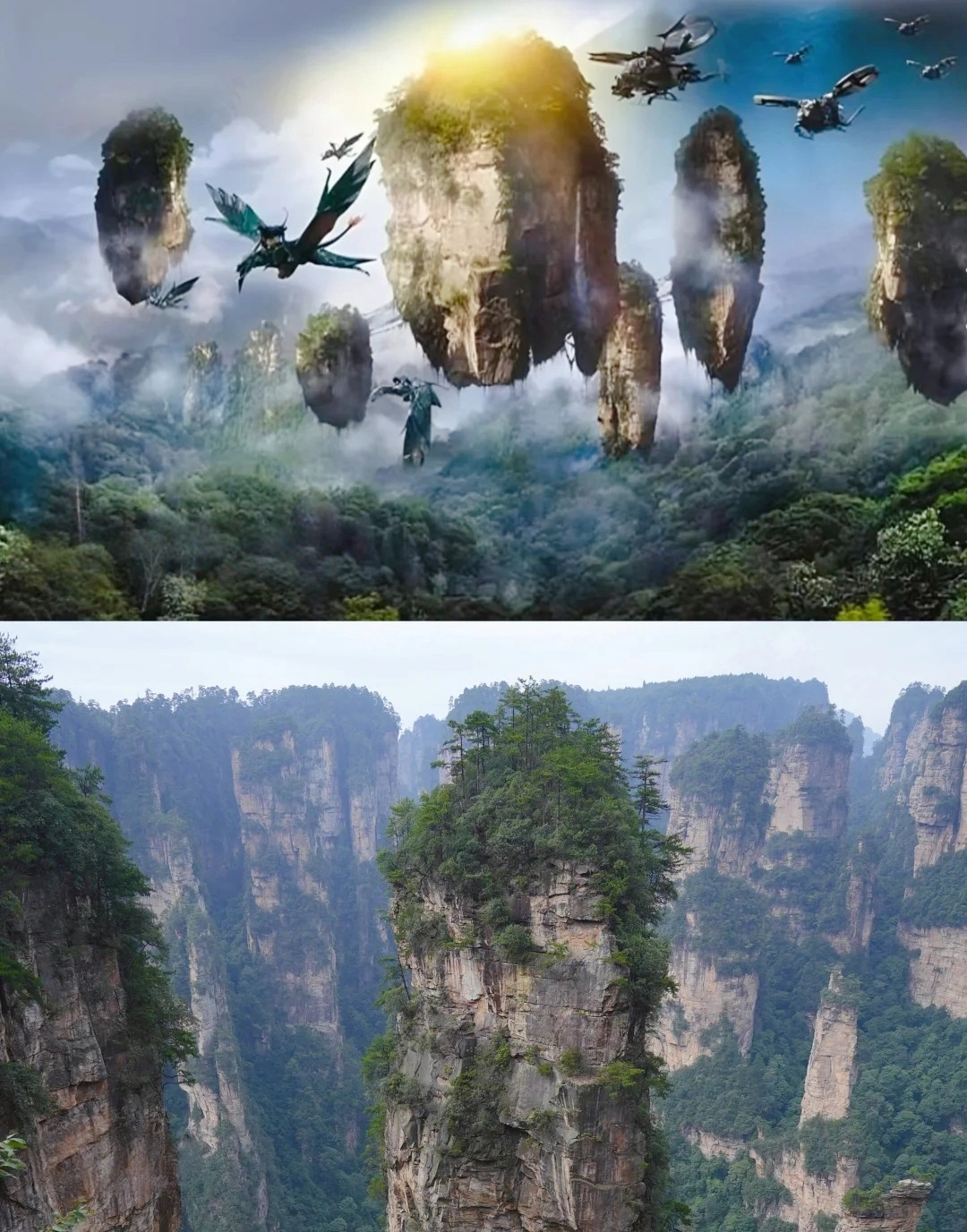
As a solo traveler from Canada, I was nervous about navigating China alone—but this 11-day tour was PERFECT! From hiking the Great Wall at sunrise (Day 3) to gasping at the Terracotta Army (Day 5), every day delivered ‘pinch-me’ moments. The real showstopper? Zhangjiajie’s Avatar Mountains (Day 7)! Our guide made the stone pillars come alive with stories. Massive thanks for handling all logistics—bullet train tickets, entry passes, car! And the 4-star hotels surprised me.
Destination(s): Beijing Xian Zhangjiajie Shanghai
Date of Experience: June 02,2025
... ... ...
...
Simon
America
Reviewed on May 29,2025
Our 2-day Zhangjiajie tour was beyond spectacular! As someone who’s visited Beijing and Shanghai for work, this trip revealed China’s wild, magical heart. Day 1 in Zhangjiajie National Forest Park felt like stepping onto Pandora—I’m a huge Avatar fan, and Yuanjiajie’s floating peaks left me breathless. The misty pillars and lush valleys like pure movie magic! Then came Fenghuang Ancient Town, we eat dinner beside the thundering waterfall. It seems Unreal! The night views of stilt houses glowing over the river were straight from a fairy tale. For fellow Avatar lovers and adventure seekers: Don’t miss this bucket-list experience! 10/10 would return. A Well-Traveled Film Buff, May 2025
Destination(s): Zhangjiajie
Date of Experience: May 08,2025
... ...

Q & A

Asked by Walker Smith from USA | October 23,2025 14:35
The weather of Lijiang
I heard the weather in Lijiang is unpredictable. What kind of clothes should I pack before going there? Do I need to bring sunscreen?
Answered by intotravelchina | October 23,2025 15:16
Lijiang's weather is truly child-like, with a significant temperature swing between morning and evening. In the summer, you'll need a thin down jacket or windbreaker (especially in the snowy mountains), and you might want to wear short sleeves at noon. In spring and autumn, layering is recommended; a T-shirt, sweatshirt, and jacket are the most practical. During the rainy season (June-August), remember to bring a folding umbrella or raincoat; the cobblestone streets in the ancient city can be slippery when walking with an umbrella. Sun protection is crucial! UV rays are extremely strong, so it's recommended to wear SPF 50+ sunscreen and reapply every two hours. Sunglasses, a sun hat, and a magic bandana are essential. Physical sunscreen is even more reliable. I didn't wear a hat last time I went, and the tip of my nose was peeling! Also, Lijiang is very dry, so don't forget to bring a moisturizing face mask, lip balm, and hand cream. Ladies, you can also bring a small spray bottle for constant hydration.
Asked by Joan Carl from UK | October 21,2025 17:57
Lijiang Three-Day Tour
We only have three days in Lijiang, and we don't want to rush through the sights. Could you recommend a classic itinerary that includes both natural scenery and cultural experiences?
Answered by intotravelchina | October 21,2025 18:04
Three days is plenty of time! On the first day, explore Lijiang Old Town in the morning (Mufu Mansion and Oil-Paper Umbrella Alley are recommended), and in the afternoon, visit Black Dragon Pool to photograph the snow-capped mountains. On the second day, get up early to visit Jade Dragon Snow Mountain (with the cable car and Blue Moon Valley), and return to Shuhe Ancient Town for tea in the evening. On the third day, rent an electric scooter to Baisha Ancient Town, and spend the afternoon relaxing in a cafe at the foot of the snow-capped mountains. This way, you can enjoy both nature and culture. Remember to wear comfortable shoes!

Ask a Question

Question Summary (100 characters)
Details (optional) (2,000 characters)
Name
Country
Email