Natural Painting-The Ancient Town of Tuo River
The soul of Fenghuang is tied to the clear Tuo River. It meanders from west to east through the ancient city, dividing it into two parts, yet connecting them closely through bridges, rockeries, and ferries.
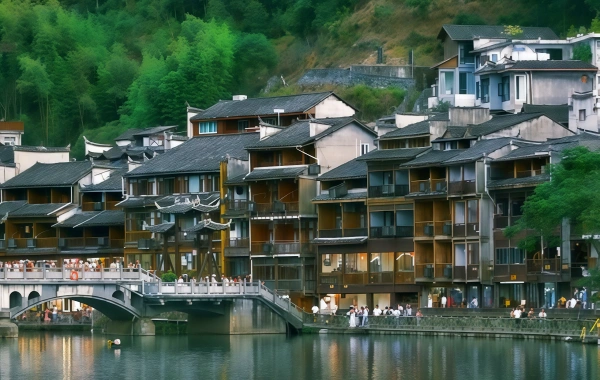
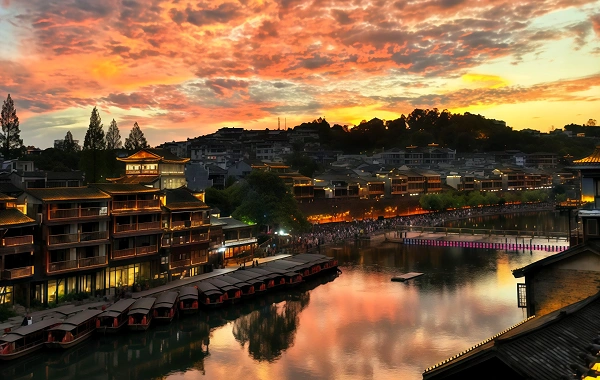
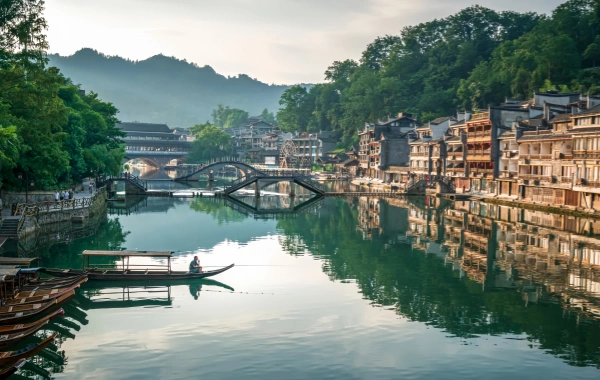
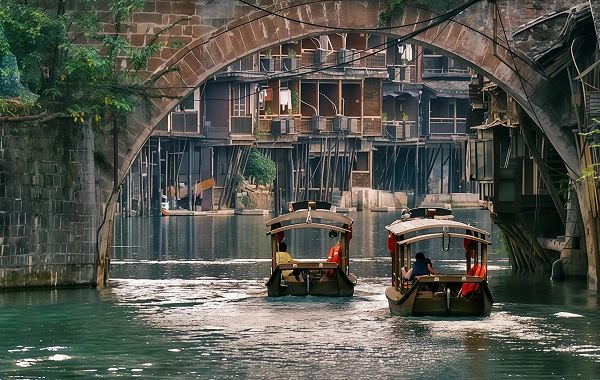
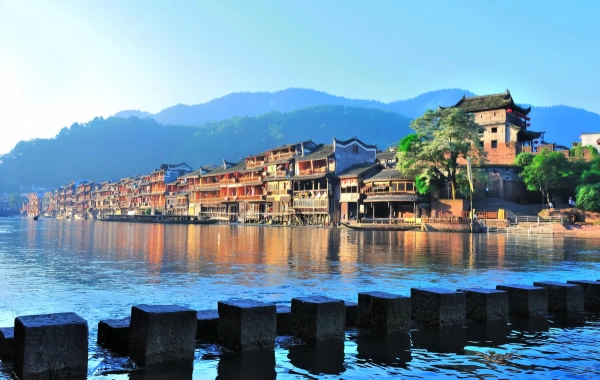
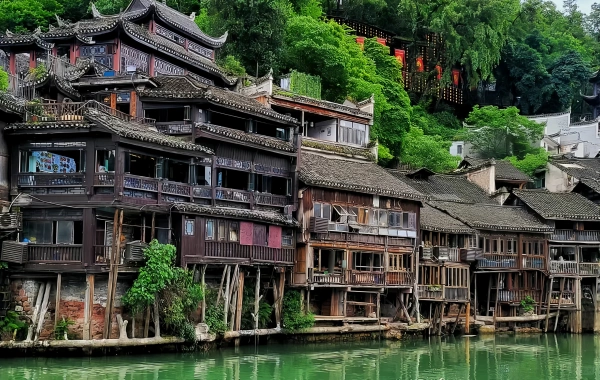
-The Tengjiang Scenic Belt: At dawn, a veil of mist shrouds the river, with the reflections of stilted houses swaying in the shimmering waves. By dusk, the golden sunset paints the sky and river, while fishing boats sing their evening songs. The best way to explore is by drifting downstream in a small boat from Beimen Wharf to Hongqiao. Amid the boatmen's chants, you'll admire the weathered ancient city walls, the upturned eaves of Wanshou Palace, Huang Yongyu's "Duo Cui Lou" (Cradle of Verdant), and the endless rows of riverside stilt houses, truly experiencing the poetic imagery of "a boat gliding on the river, a person wandering in a painting."
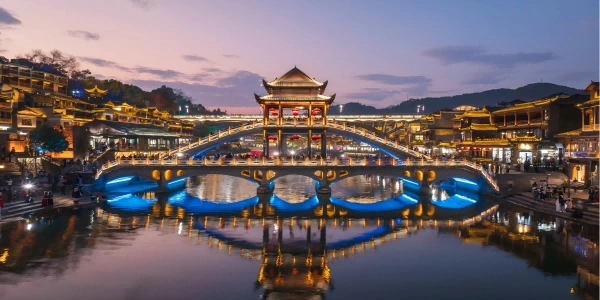
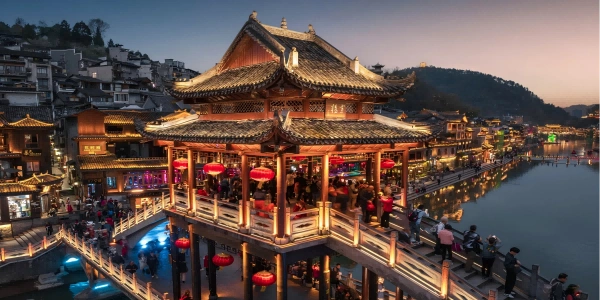
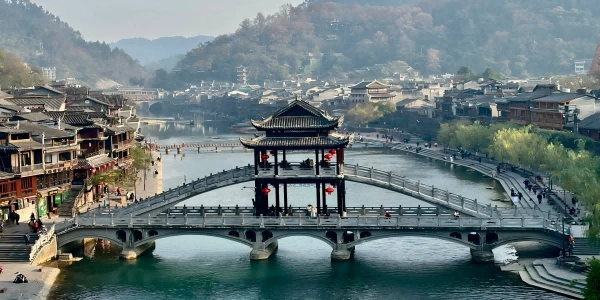
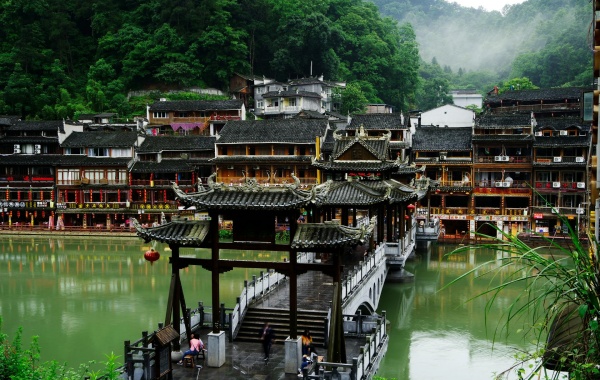
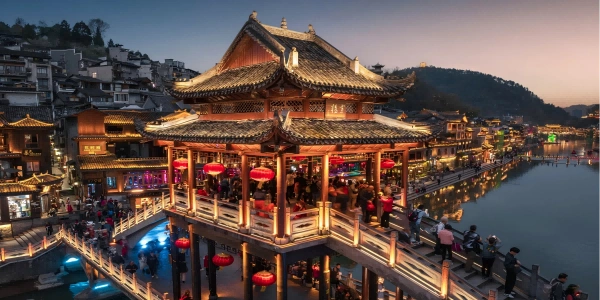
-Rainbow Bridge Wind and Rain Pavilion: This Ming Dynasty-era covered bridge spans the Tuo River, standing as the iconic landmark and heart of the ancient city. More than just a passage, it serves as a multifunctional hub for markets, leisure, and scenic views. Ascend to the second-floor tea lounge, where panoramic vistas of the river and the ancient city unfold before your eyes—a perfect spot for photography or simply soaking up the moment.
Architectural Code-Dialogue between Stilt House and Ancient Twon Wall
The ancient city is the crystallization of the Han culture and the architectural wisdom of the Miao and Tujia.
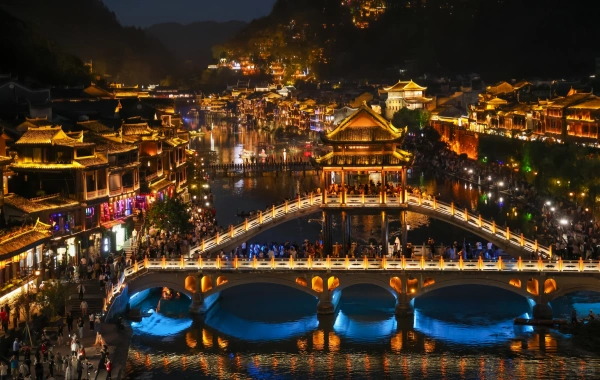
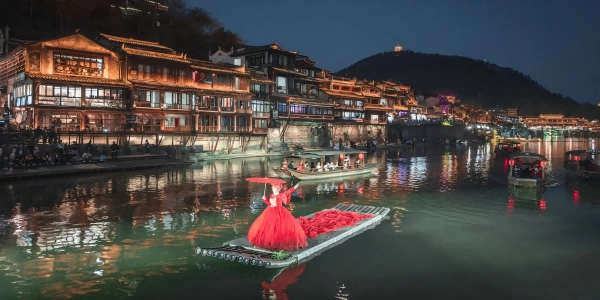
-Hanging-footed buildings: Primarily located along both banks of the Tuo River, especially between the East Gate and North Gate. These wooden structures, suspended mid-air, feature wooden pillars supporting their front sections on the riverbank while their rear sections cling to the mountainside, showcasing distinct mountainous characteristics. They not only conserve land but also serve as flood and moisture barriers. As night falls, the red lanterns hanging from the pavilions gradually light up, their reflections in the river creating the most iconic and enchanting night view of Fenghuang.
-Ancient City Walls and Tower: Primarily preserved from the East Gate to the North Gate. Constructed with purple-red sandstone, the walls stand sturdy and imposing. The East Gate Tower (Shengheng Gate) is the best-preserved, featuring a double-eaved hip-and-gable roof that radiates grandeur. Strolling along the walls, one side offers views of the meandering Tuo River and scattered houses, while the other side reveals the ancient city's crisscrossing streets, evoking a profound sense of history.
-Shen Congwen's Former Residence: Located on Ying Street in the ancient city, this traditional southern courtyard house features carved wooden windows, blue bricks, and black tiles, exuding a delicate elegance. Here, visitors can trace Shen Congwen's life journey and experience the roots of the literary master's deep connection with rural life.
Folklore Soul-Colorful Miao Customs
Phoenix is a living window to experience the minority culture in Xiangxi.
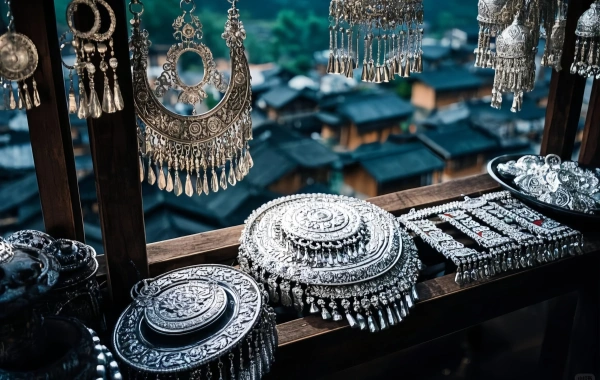
-Miao Ethnic Costume and Silver Jewelry: Miao women's festive attire dazzles with vibrant colors, particularly their silver ornaments. The complete set of headwear, necklaces, and bracelets can weigh up to 5-10 kilograms, jingling as they move—a vivid reflection of their wealth-centric aesthetic and the belief in' treasuring money as adornment.' The ancient city boasts numerous silver workshops where visitors can witness the exquisite craftsmanship of hand-forging up close.
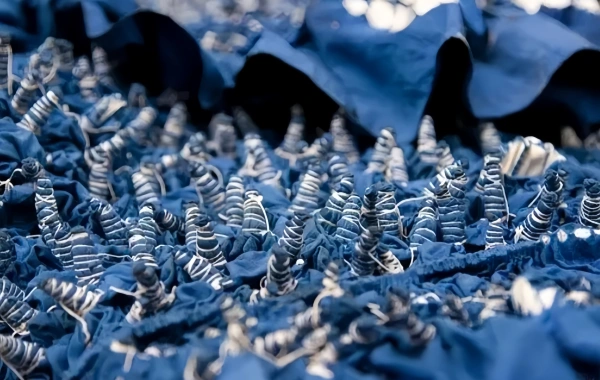
-Folk crafts: The ancient city's old streets are lined with shops crafting ginger candy, tie-dye, and batik. The spicy sweetness of ginger candy fills the air, while blue-and-white tie-dye fabrics flutter in the breeze, all embodying the vibrant essence of Phoenix.
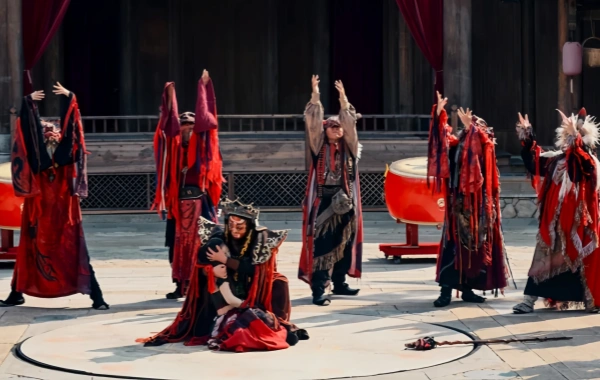
-Nuo Opera and Corpse-Driving Legends: The enigmatic Wu-Nuo culture of Western Hunan still endures here. Though authentic Nuo performances are rare, museums and cultural exhibitions still offer glimpses of this ancient belief, adding a touch of mystique to the ancient city.
> Photography Tips:
The best vantage point for panoramic shots is on Nanhua Bridge or the hillside at its head, across the ancient city, offering a classic frame that captures the ancient city, Tuo River, and Rainbow Bridge together.
The early morning hours between 6 and 8 AM are the perfect time to capture the Tuo River's morning mist, the sight of laundry women, and the tranquil ancient town, with its soft lighting and vibrant atmosphere.
The North Gate Rock and Rainbow Bridge are classic spots for capturing reflections of the Tuo River boat ride and stilt houses, especially at sunset.
A must-see night scene features stilted houses and their reflections in the water. Use a tripod for long exposures to create a mirror-like surface.