Nature's Masterpiece—The Eternal Symphony of Snow-Capped Peaks, Lakes, and Forests
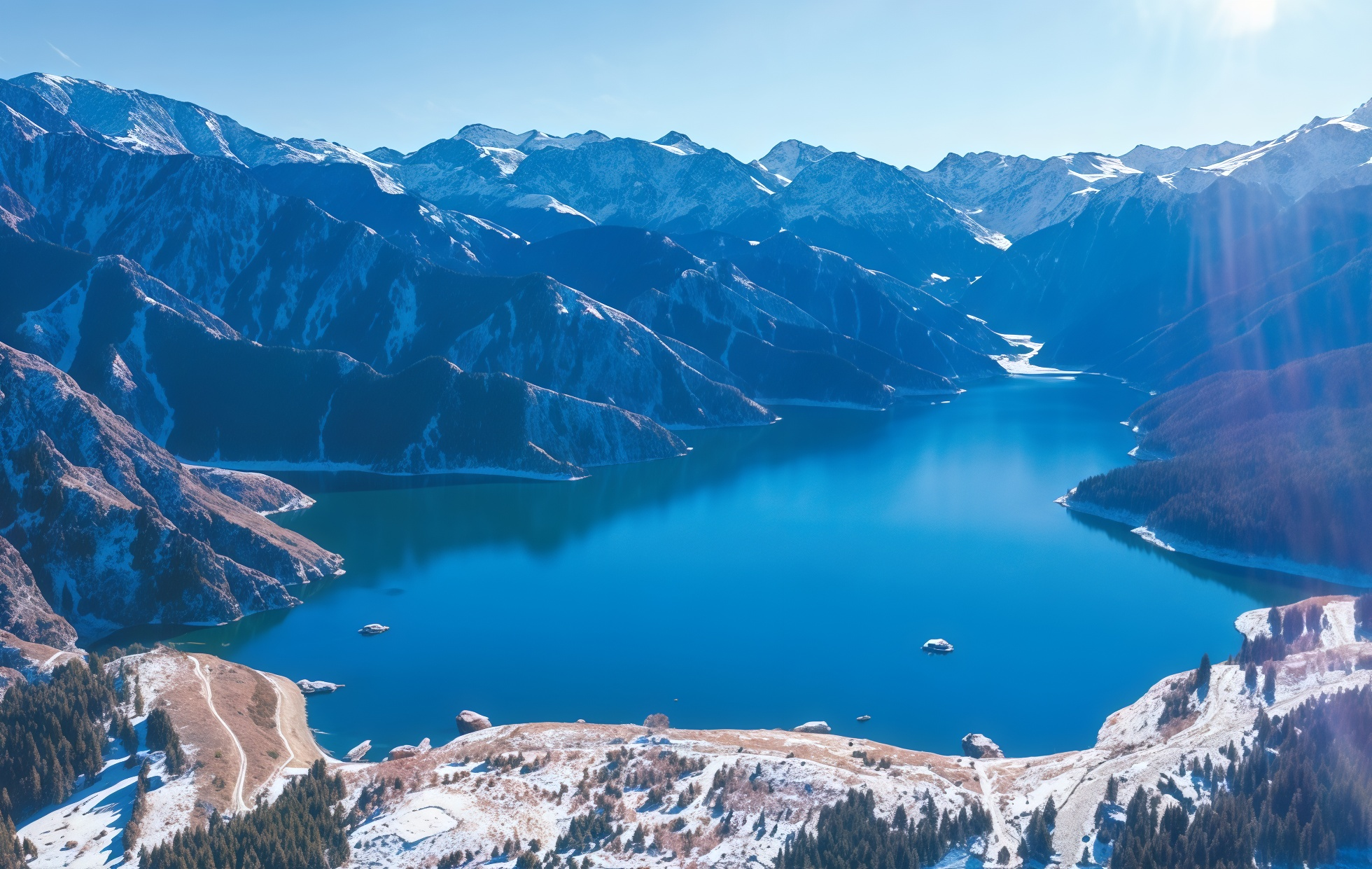
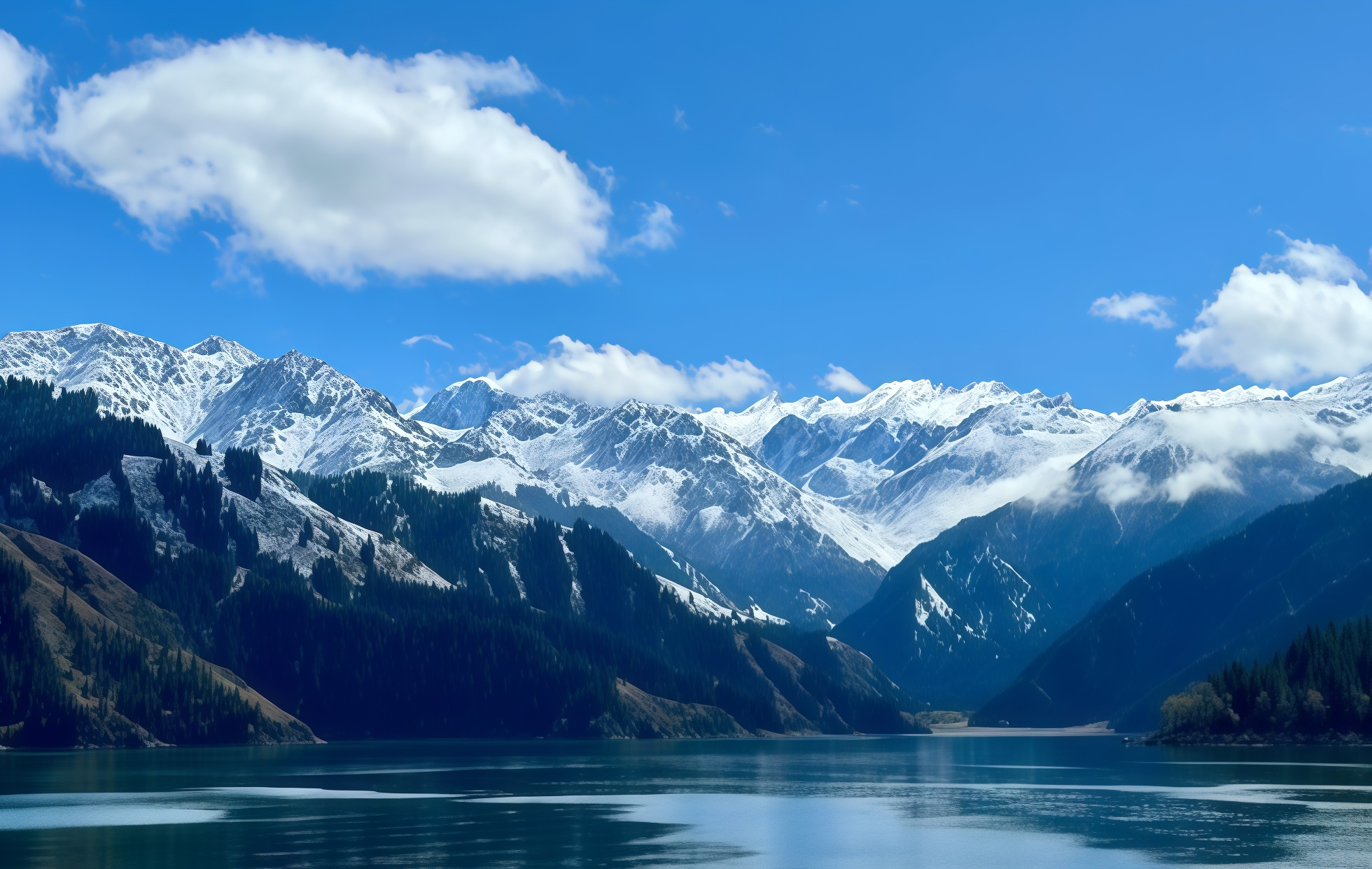
The natural landscape of the Tianshan Heavenly Lake offers a visual feast—a grand spectacle of snow-capped mountains, shimmering waters, and lush forests. Tianchi Main Lake: The Jade Pool Wonderland of the Queen Mother of the West
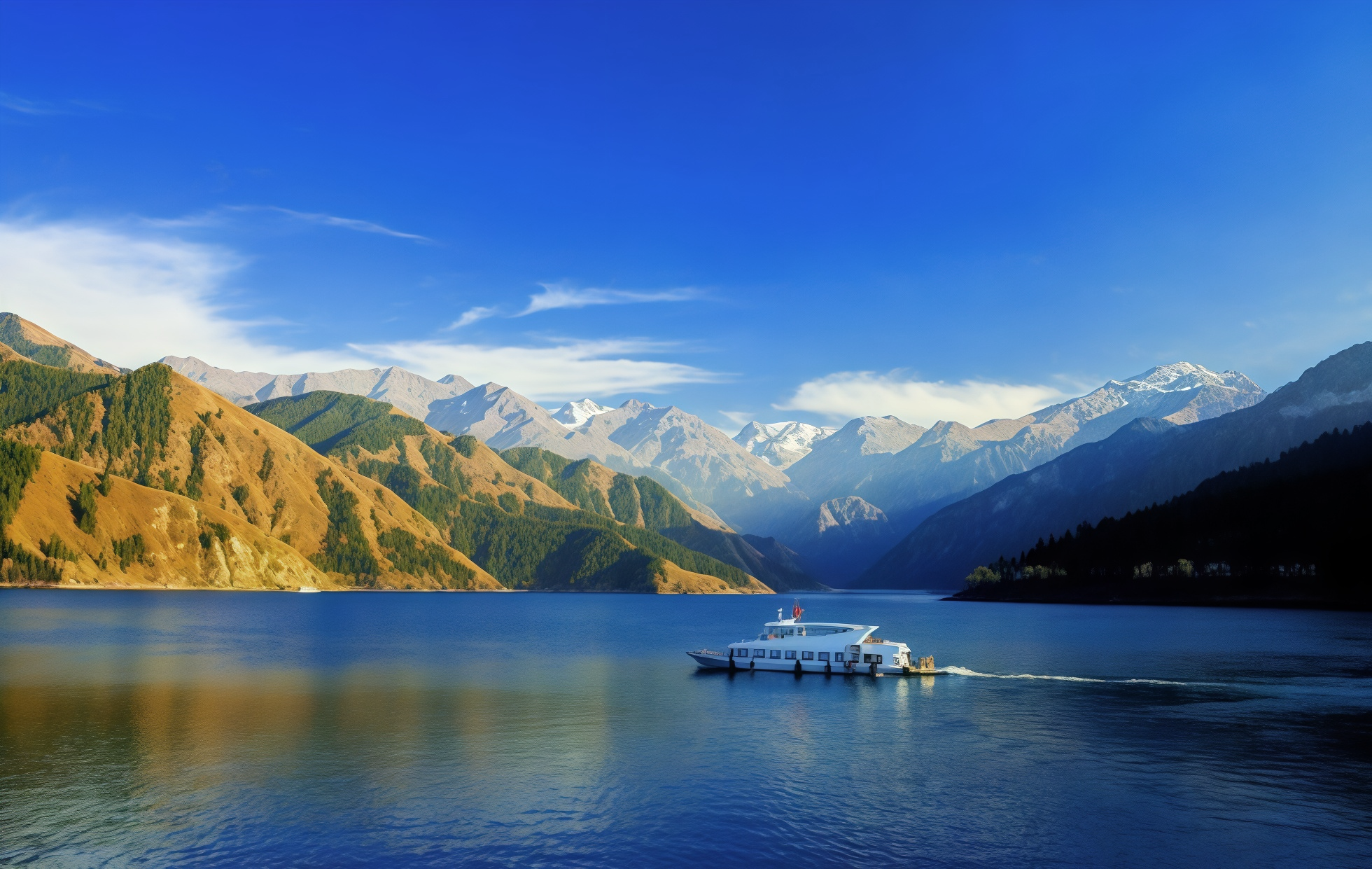
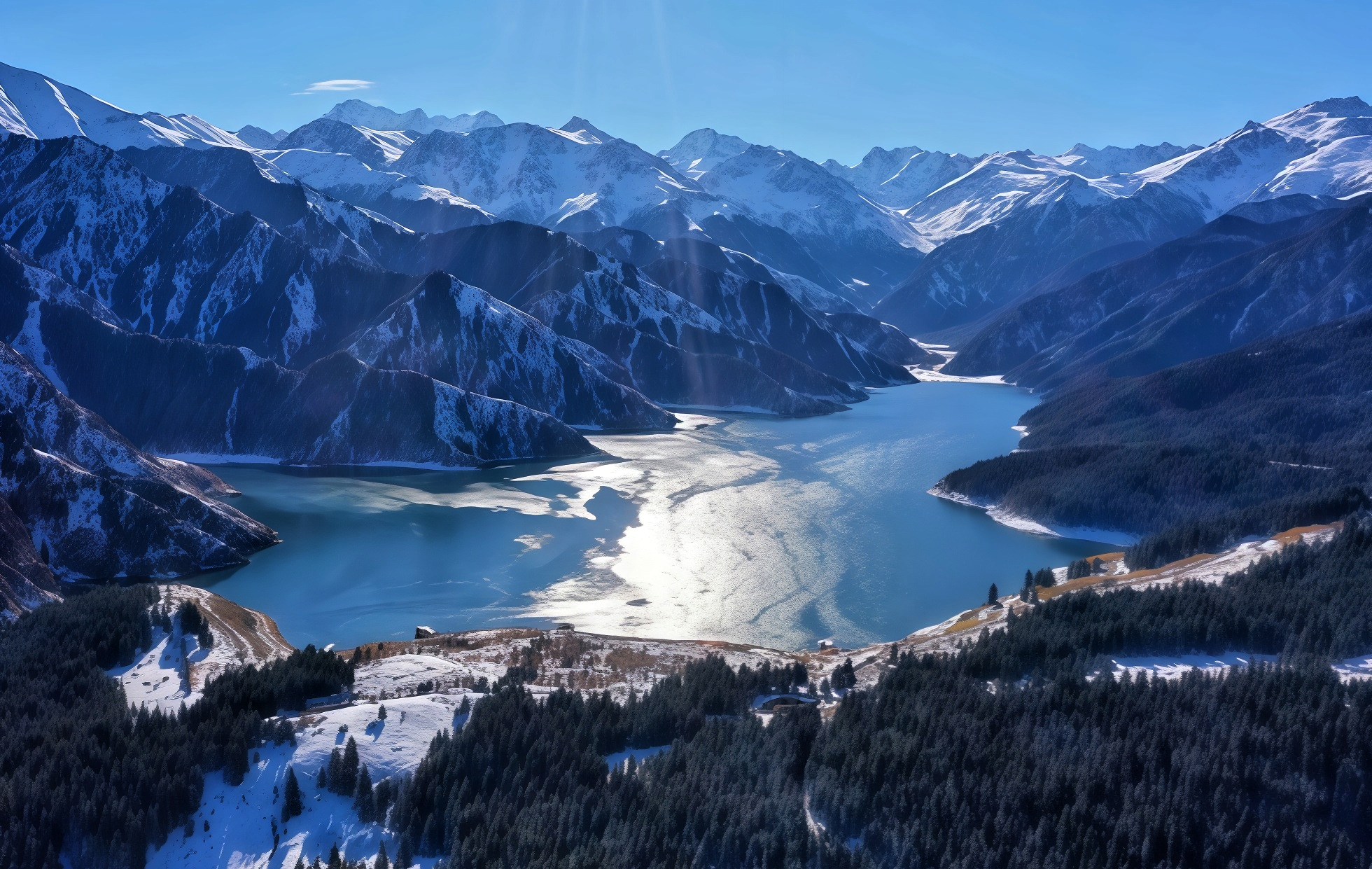
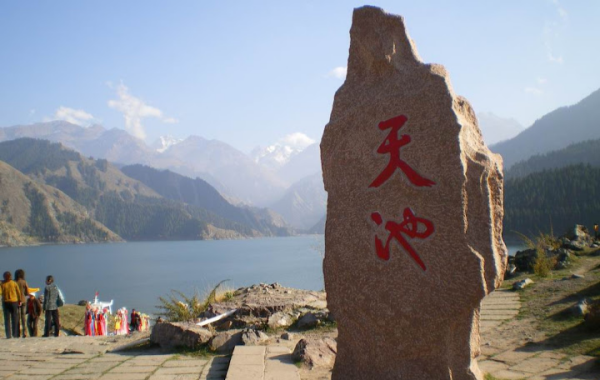
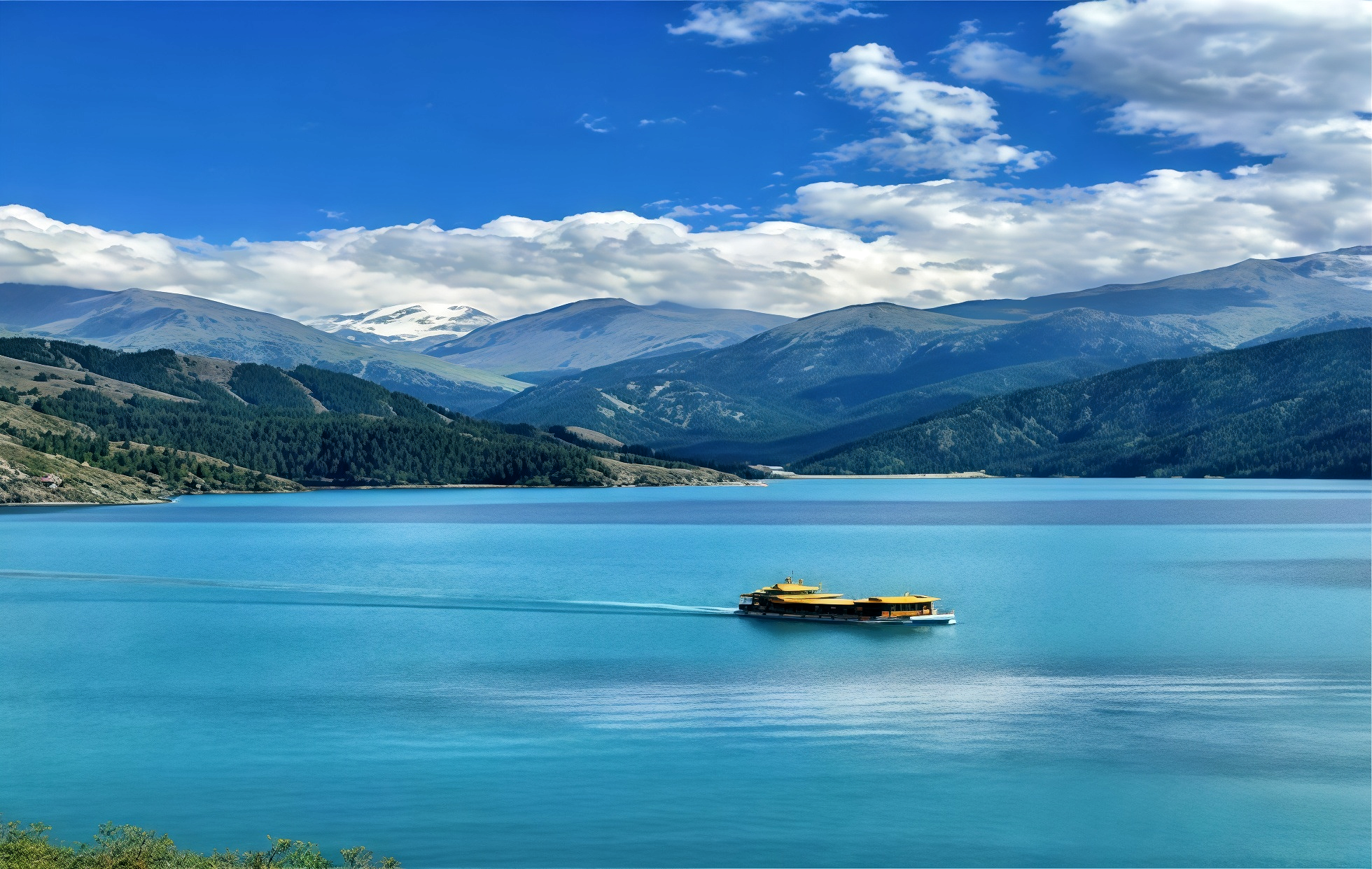
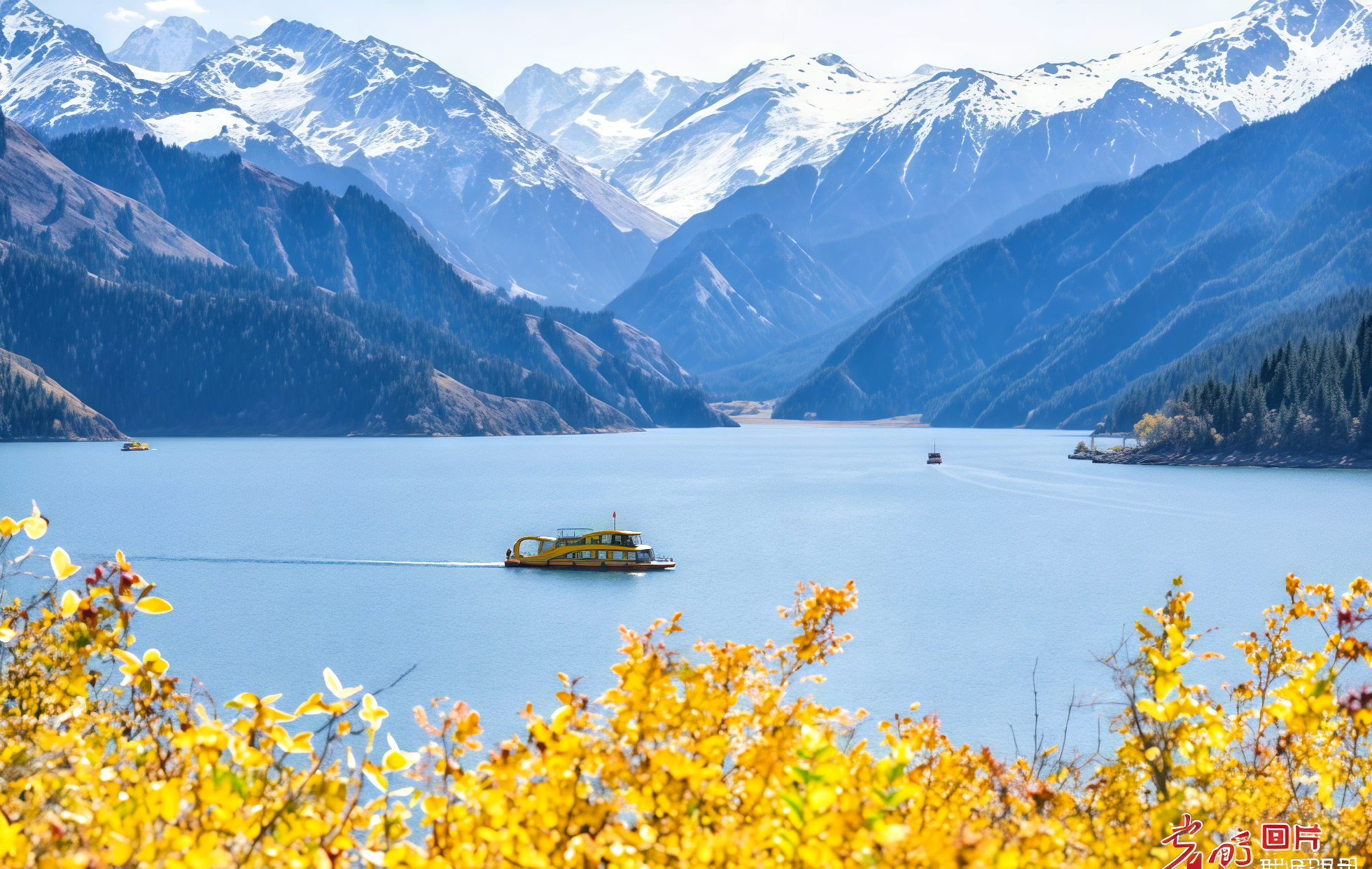
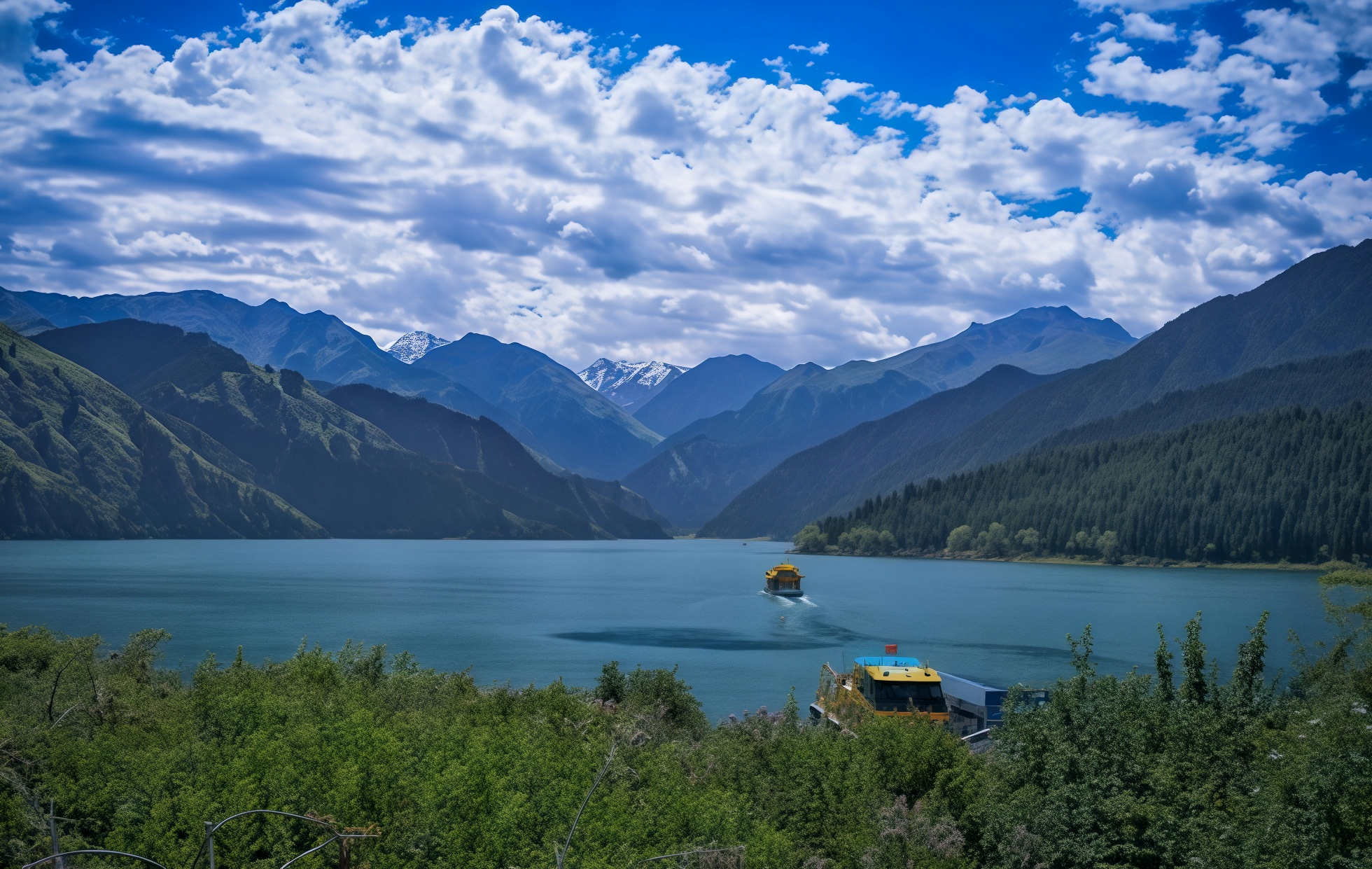
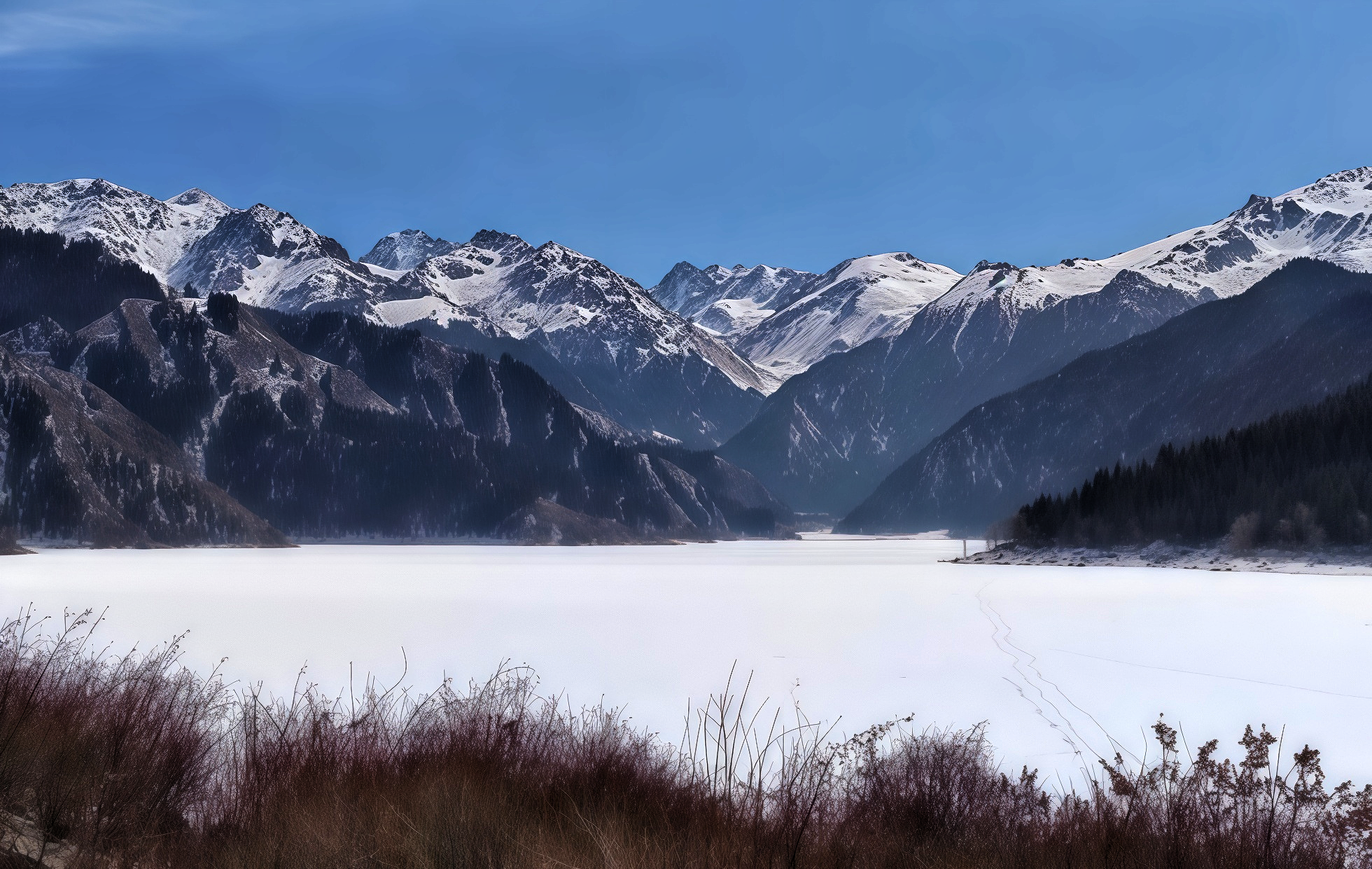
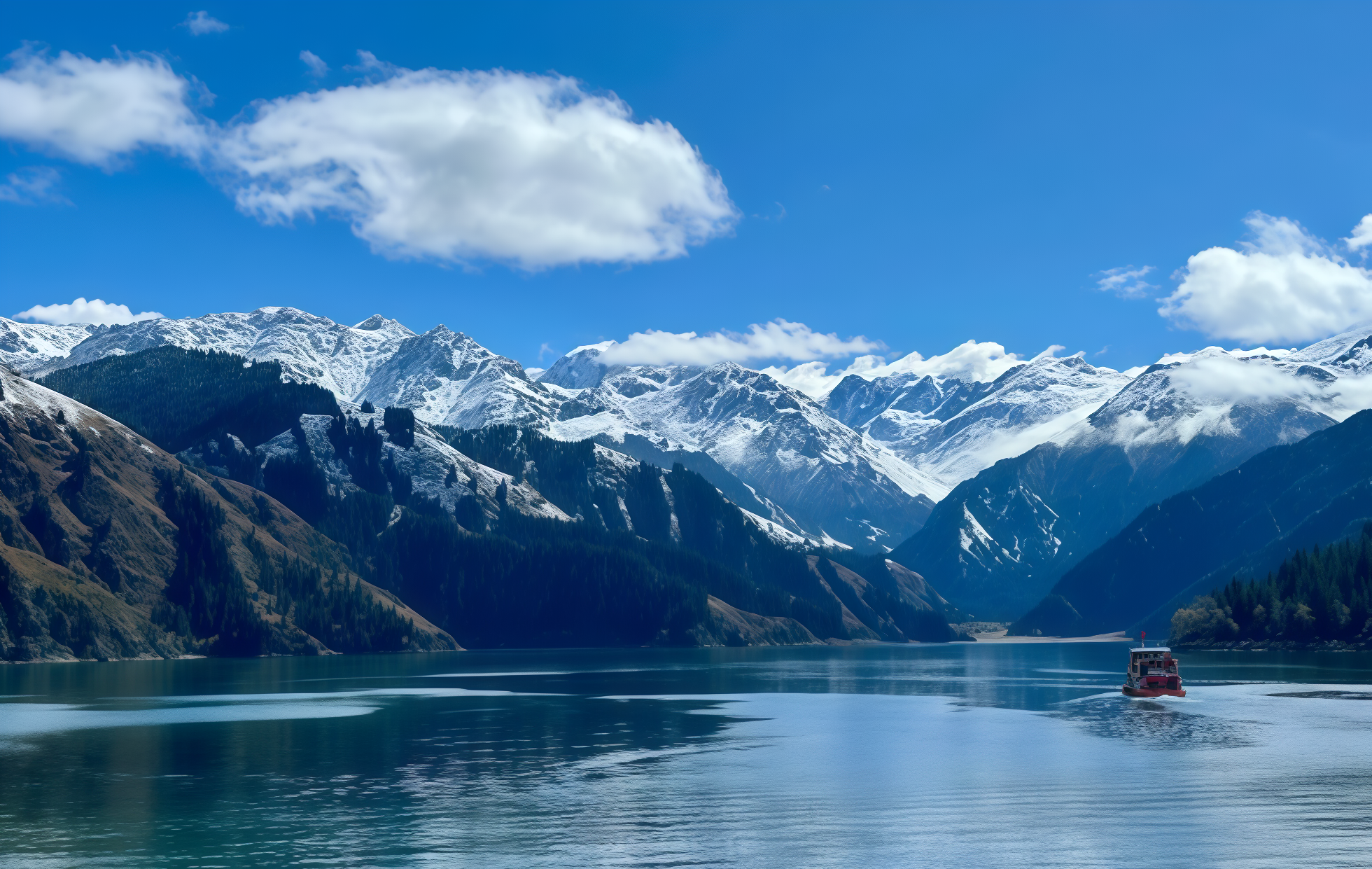
The surface of Tianchi Lake is crescent-shaped, its waters crystal-clear and azure blue, reaching a maximum depth of 105 meters. Standing on the lakeshore and gazing out, one sees the lake waters reflecting the perpetually snow-capped Bogda Peak; the snow-capped mountains, spruce forests, azure skies, and emerald waters combine to form a breathtakingly beautiful tableau. The color of the lake waters shifts with the changing seasons and lighting conditions:
- Summer (June–August): The lake waters take on a deep blue-green hue, appearing as translucent as jade.
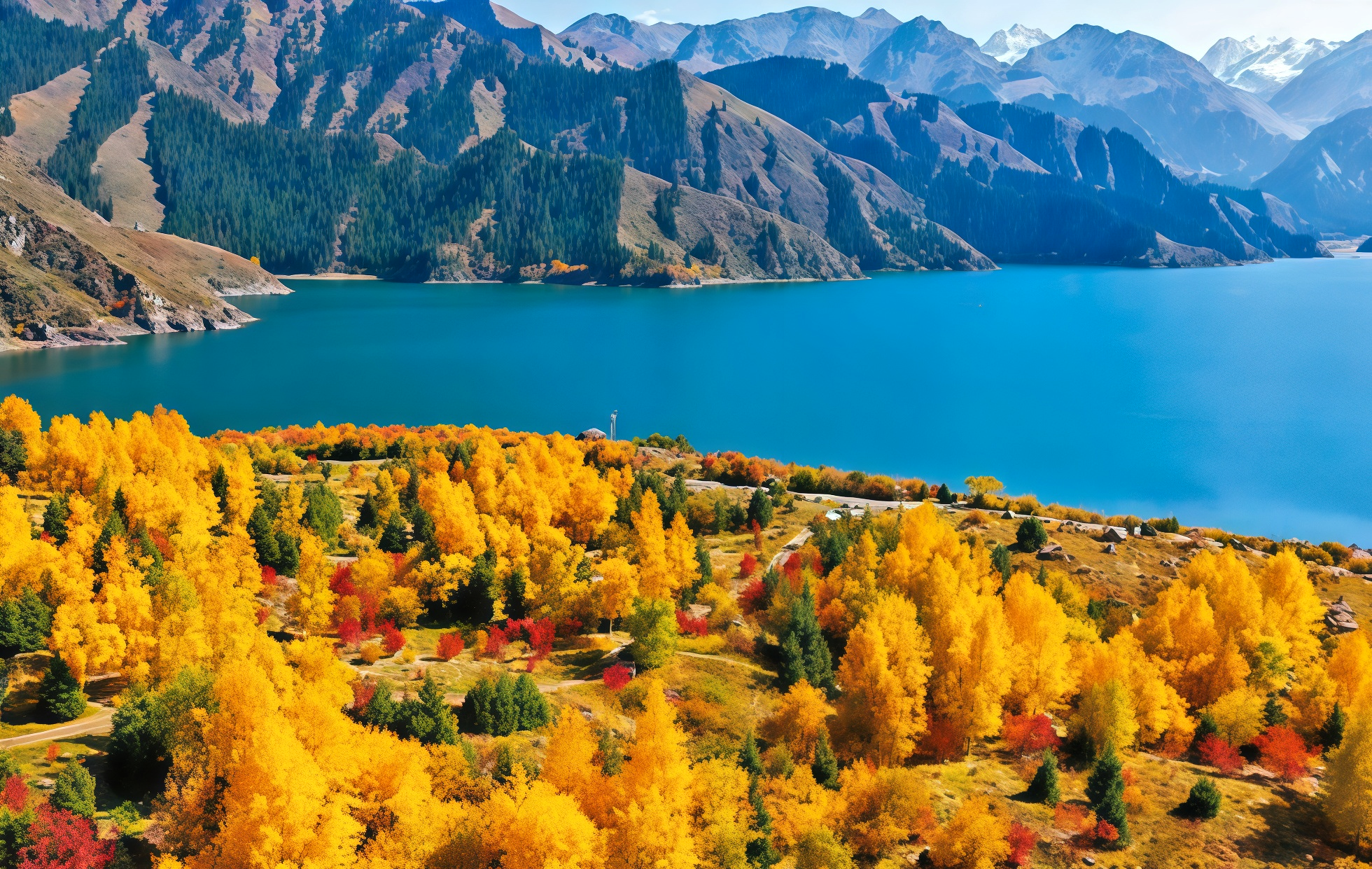
- autumn (September–October): The surrounding forests turn a golden yellow, making the lake waters appear even more vividly azure—a season of the most striking color contrasts.
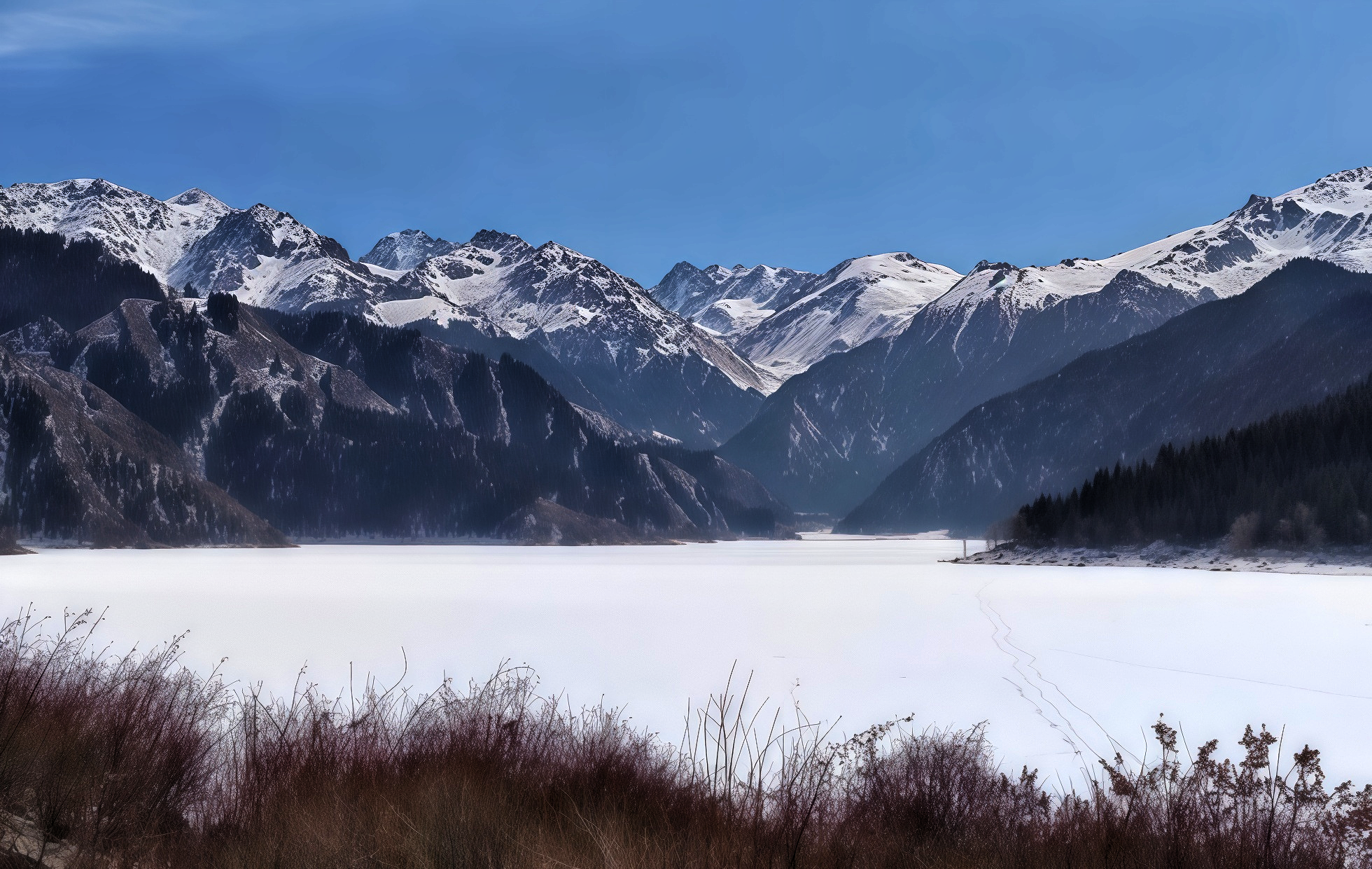
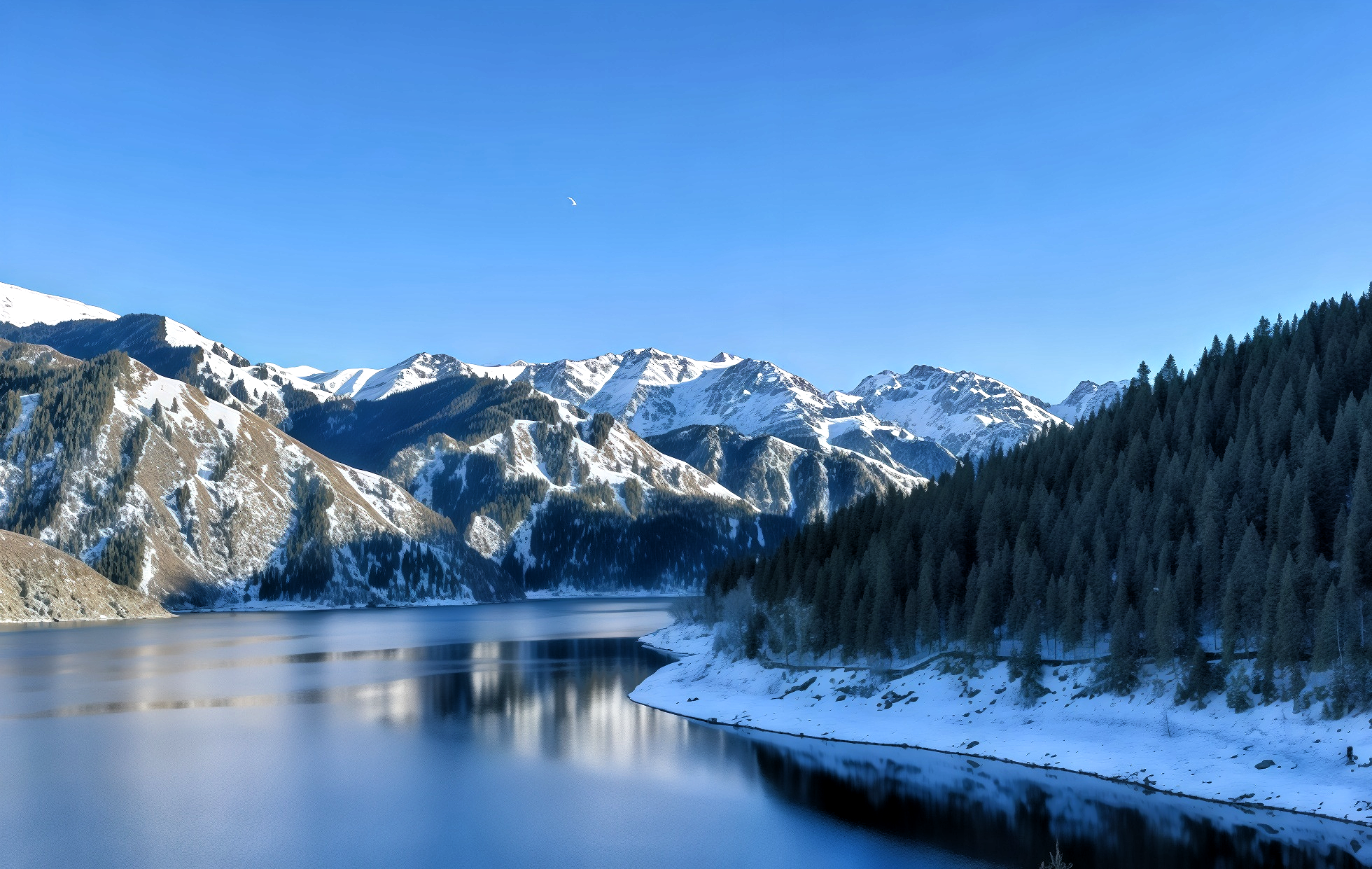
- Winter (November–April): The lake surface freezes over like a mirror, blanketed in white snow—a scene of profound tranquility and sanctity.
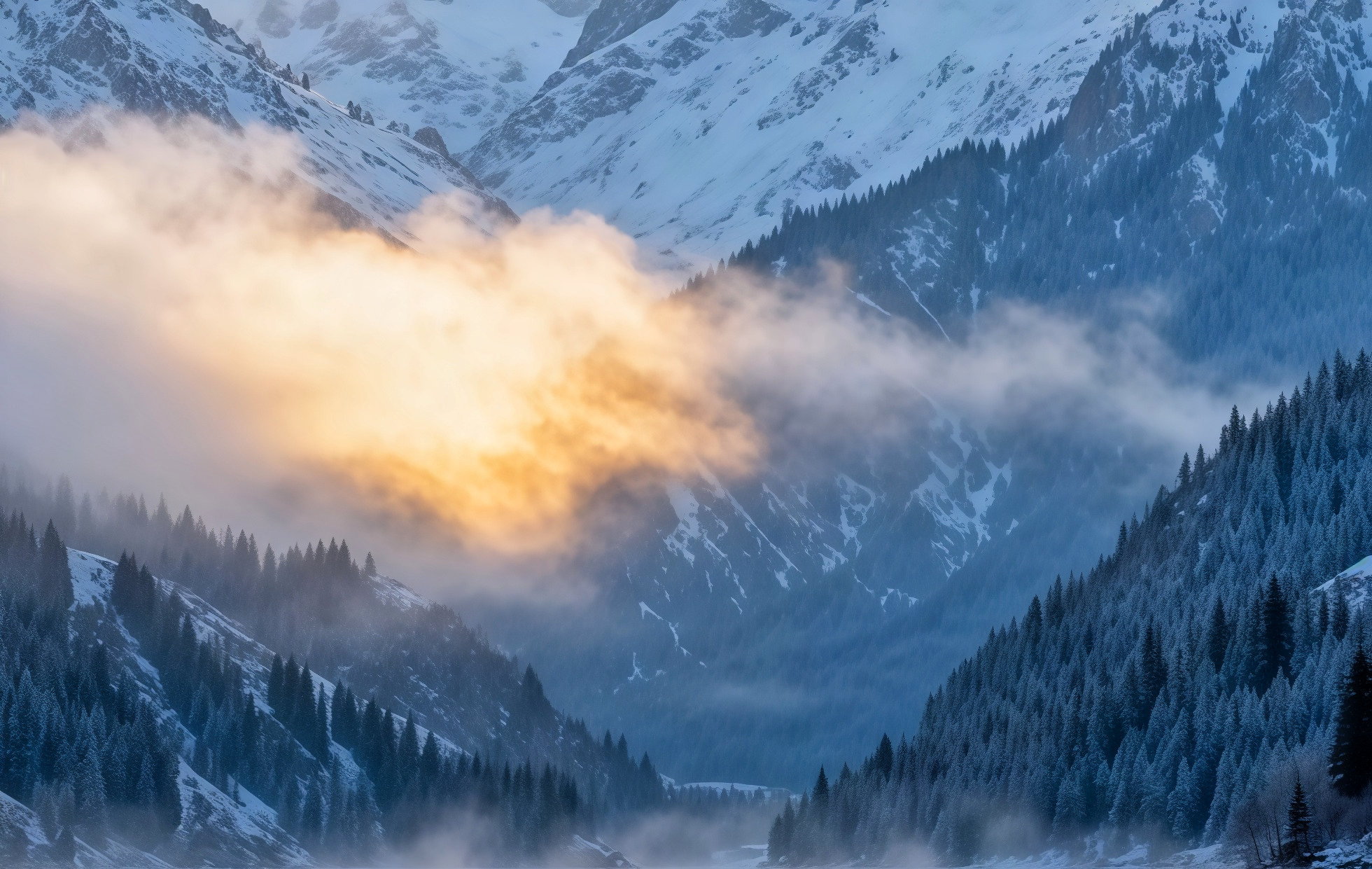
- Daily Transformations: In the early morning, a thin mist often swirls over the lake, creating a dreamlike, ethereal atmosphere; in the afternoon, under direct sunlight, the waters appear a pristine, washed-out blue; and in the evening, as the setting sun illuminates the snow-capped peaks, gold and blue intertwine to create a truly spectacular vista.
Bogda Peak: The Eternal Sentinel of the Tianshan Range
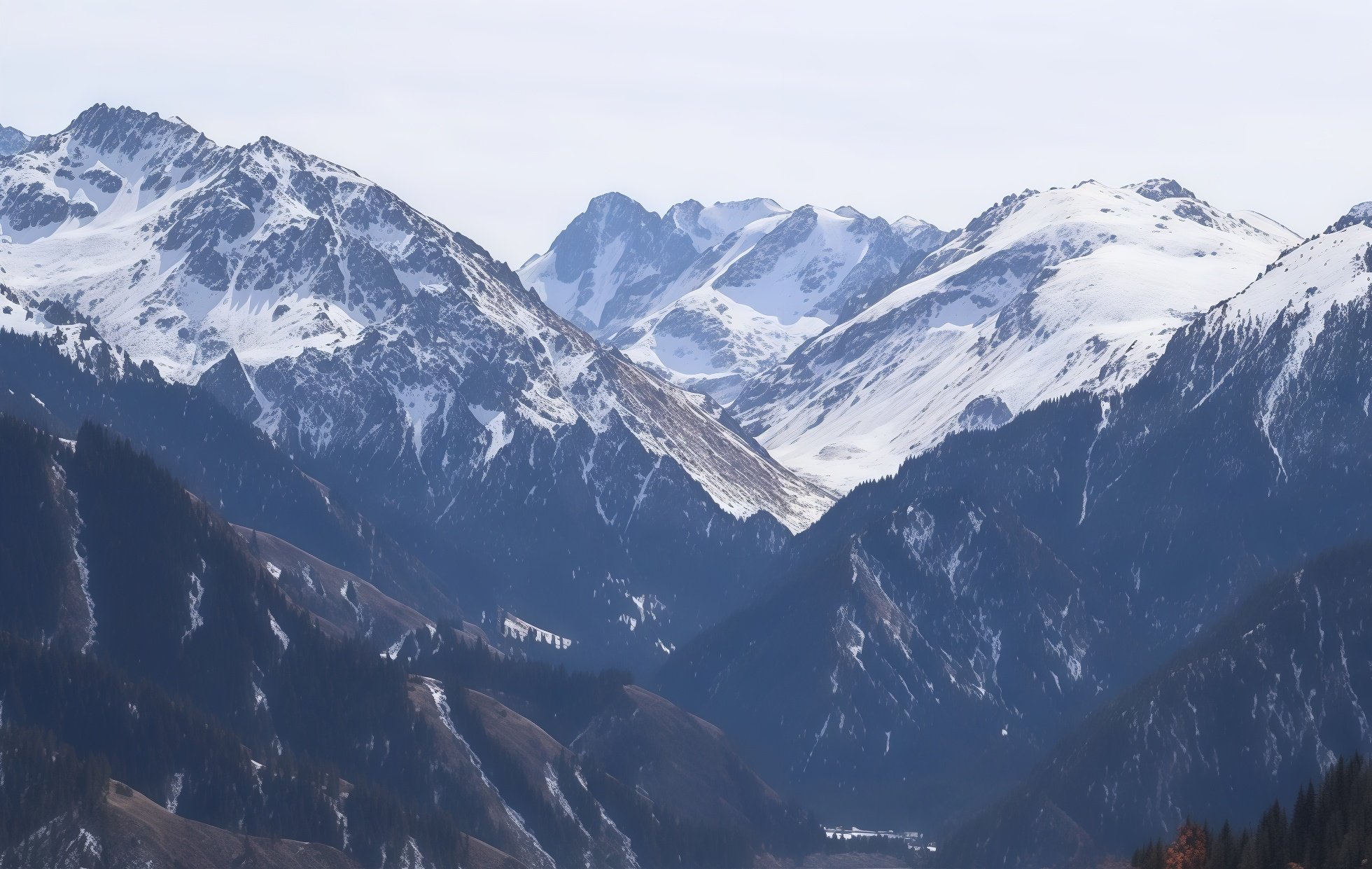
Standing at an elevation of 5,445 meters, Bogda Peak is the highest summit in the eastern section of the Tianshan Mountains, perpetually clad in a mantle of snow and ice. Gazing up at Bogda Peak from the shores of Tianchi Lake, the snow-capped mountain appears to be within arm's reach, exuding an air of majestic grandeur. Bogda Peak serves not only as a challenging objective for mountaineering enthusiasts but also as a sacred mountain deeply revered by the local people. The glaciers and accumulated snow at the summit constitute the primary source of water for Tianchi Lake, having silently guarded this "Jade Pool" wonderland for millennia.
Mayashan (Horse-Tooth Mountain): The Ultimate Vantage Point for Overlooking Tianchi
Located to the southwest of Tianchi, Mayashan stands at an elevation of 3,056 meters. The mountain is composed of granite, featuring a forest of rocky pinnacles that resemble—and are thus named after—horses' teeth. Ascending to the summit of Mayashan via cable car offers a panoramic view of Tianchi: the lake lies nestled among the mountains like a crescent moon, while Bogda Peak towers majestically in the background, flanked by a lush, verdant sea of spruce forests. This location is also considered the premier vantage point for capturing panoramic photographs of Tianchi Lake.
The Eastern and Western "Small Heavenly Lakes": A Poetic Blend of waterfalls and Emerald Pools
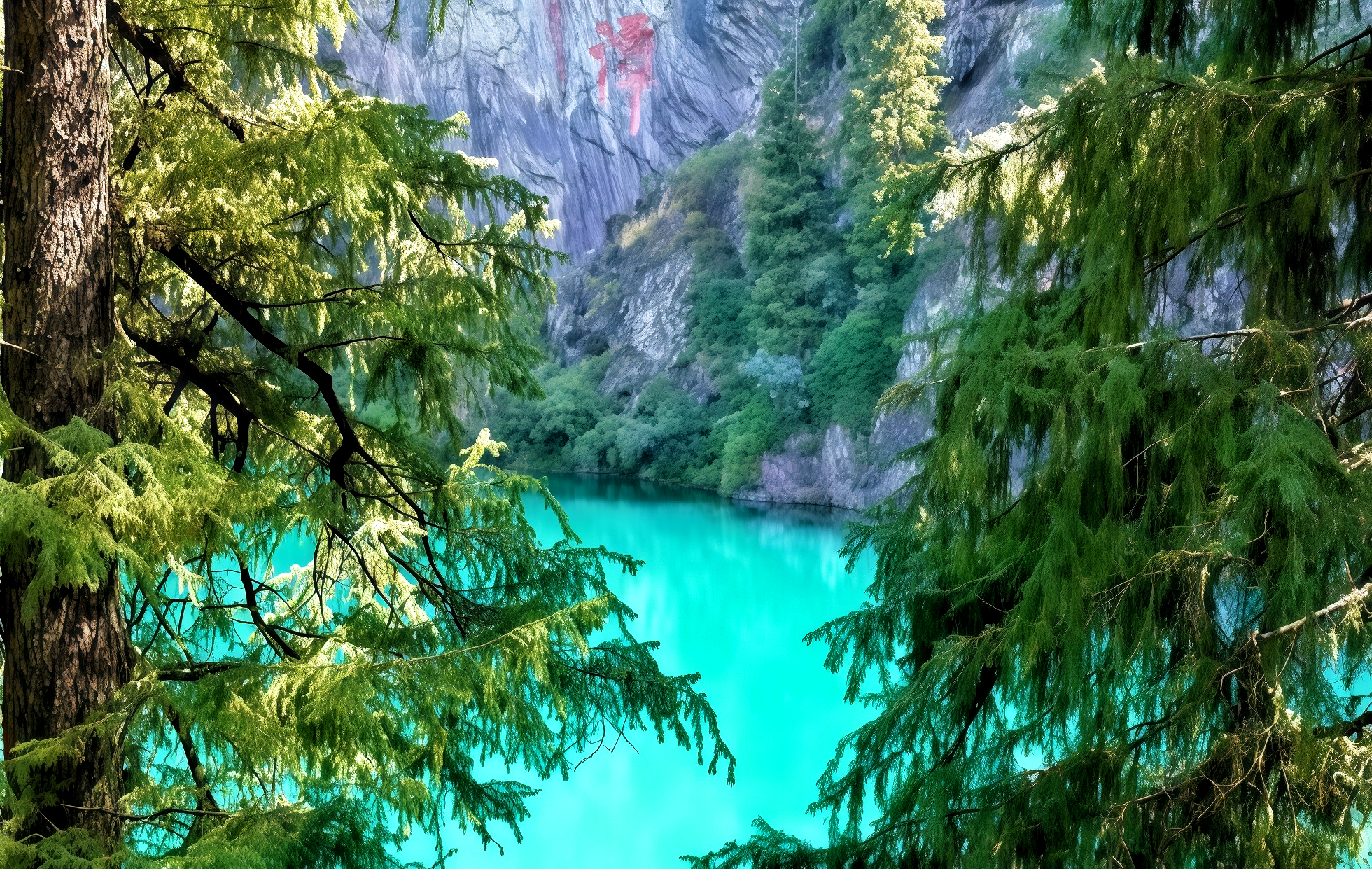
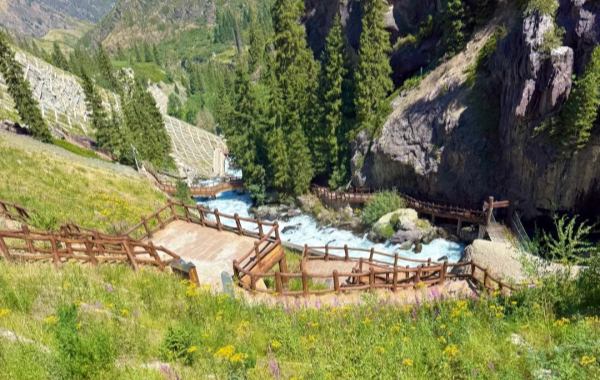
- Eastern Small Heavenly Lake (Feilong Pool): Situated to the east of the main Heavenly Lake, its waters cascade down a precipice over 10 meters high, forming the Feilong Pool Waterfall—a roaring, majestic spectacle. The deep pool beneath the falls is a profound shade of emerald green; legend has it that this is the Western Queen Mother's foot-washing basin.
- Western Small Heavenly Lake (Yunü Pool): Located to the west of the main Heavenly Lake, its waters are as tranquil and mirror-like as glass, reflecting the surrounding snow-capped mountains and forests. Legend claims this to be the Western Queen Mother's dressing mirror.
The "Sea-Stabilizing Needle": The Thousand-Year Legend of the Ancient Elm
On the shores of the Heavenly Lake stands an ancient elm tree. According to legend, it is the "Sea-Stabilizing Needle" cast down by the Western Queen Mother to suppress a demonic dragon lurking within the lake. This ancient elm is the highest-altitude elm tree in the Heavenly Lake region; it remains lush and vibrant to this day, standing as one of the most iconic natural landmarks of the area.
The Tianshan Spruce Forests: A "Breathing" Green Barrier
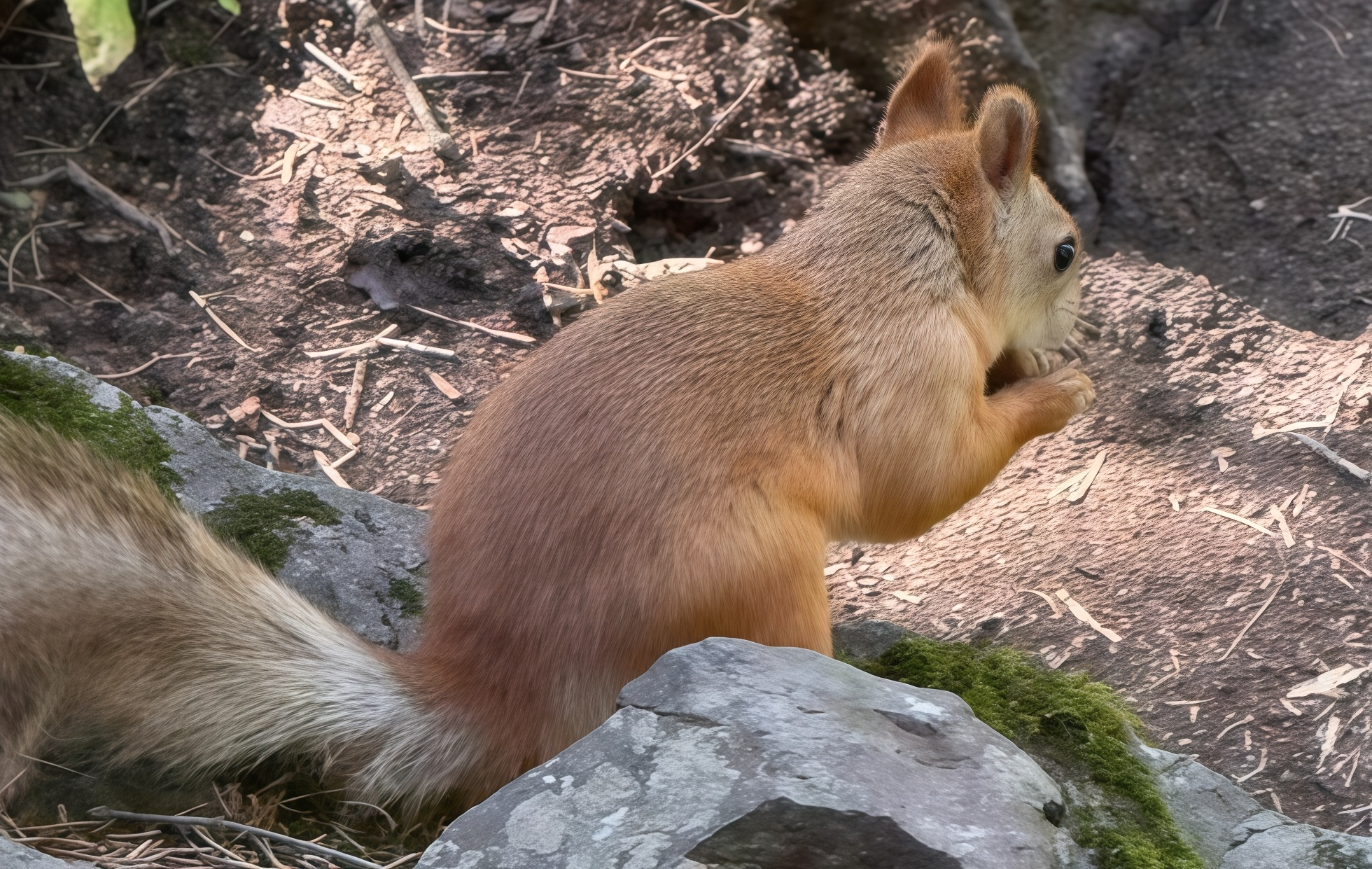
Surrounding the Heavenly Lake lie vast expanses of Tianshan spruce forests, featuring trees that reach heights of 30 to 40 meters and boast lifespans of several centuries. The spruce forest acts as a verdant barrier, safeguarding the pristine purity of the Heavenly Lake. Strolling through the woods—breathing in air rich in negative oxygen ions and occasionally encountering wildlife such as squirrels and red deer—offers an ideal setting for a rejuvenating "forest bath."
> Photography Tips:
> - The shores of the Heavenly Lake offer excellent opportunities to capture reflections of the snow-capped mountains; the best time is between 9:00 AM and 11:00 AM, when the lake surface is calm and the lighting is soft.
> - From the summit of Mayashan Mountain, you can capture panoramic views of the Heavenly Lake and the majestic Bogda Peak; an afternoon visit is recommended for the best lighting conditions.
> - For the Feilong Pool Waterfall, try using a slow shutter speed to transform the rushing water into a soft, ethereal mist-like effect.
> - Drone flight is permitted (subject to scenic area regulations), allowing you to capture epic, "God's-eye-view" perspectives.
Human Ingenuity and Spirit—A Sanctuary of Mythology, Faith, and Architecture
The beauty of Tianchi (Heavenly Lake) lies not merely in its scenery, but even more so in the layers of mythology and faith that have accumulated here over the centuries.
The Ancestral Temple of the Queen Mother of the West: A Spiritual Landmark of the Sacred Jade Pool
Located on the eastern shore of Tianchi, the Ancestral Temple of the Queen Mother of the West was originally built during the Yuan Dynasty. Having undergone numerous renovations over the years, it stands today as one of the oldest surviving Taoist temples in Xinjiang. Built into the mountainside and overlooking Tianchi, the temple exudes a magnificent and imposing aura. The temple houses a shrine dedicated to the Queen Mother of the West and remains a vibrant center of worship; grand temple fairs are held annually on the third day of the third lunar month (the Queen Mother's birthday) and the eighteenth day of the seventh lunar month (the day of her enlightenment). Ascending to the Ancestral Temple allows visitors to both offer prayers for blessings and enjoy a panoramic view of Tianchi, experiencing the harmonious blend of mythology and nature.
Fushou Temple: An Ancient Taoist Sanctuary Beneath Mount Bogda
Situated on the northern shore of Tianchi, Fushou Temple was established during the Qing Dynasty and currently serves as the headquarters of the Xinjiang Taoist Association. The temple enshrines various Taoist deities—including the Three Pure Ones and the Three Star Gods of Fortune, Prosperity, and Longevity—and features architecture characterized by its rustic charm and elegant simplicity. Standing before the temple is an ancient elm tree, said to have been planted by a Taoist priest during the Qing Dynasty; to this day, it remains lush and verdant.
The Taoist Cultural Festival: A Living Tradition
Every year on the third day of the third lunar month, Tianchi hosts the Queen Mother of the West Cultural Temple Fair. During this event, Taoist devotees gather in large numbers to participate in prayer ceremonies, Taoist musical performances, martial arts demonstrations, and other activities, offering visitors a unique opportunity to immerse themselves in a living Taoist culture.
Kazakh Cultural Flair: Nomadic Traditions of the Grasslands
Fukang City—the administrative area encompassing Tianchi—is home to one of the region's significant Kazakh communities. Within the scenic area, Kazakh herdsmen can often be seen with their horses, ready to welcome guests; visitors can enjoy a leisurely horseback ride along the lakeshore, experiencing the authentic atmosphere of the grasslands. During festive occasions, visitors may also have the chance to witness traditional Kazakh cultural events, such as Aken singing (improvised musical storytelling), horse racing, and Buzkashi (goat-grabbing) competitions.