Nature's Masterpiece: A Miracle of Life in the Desert
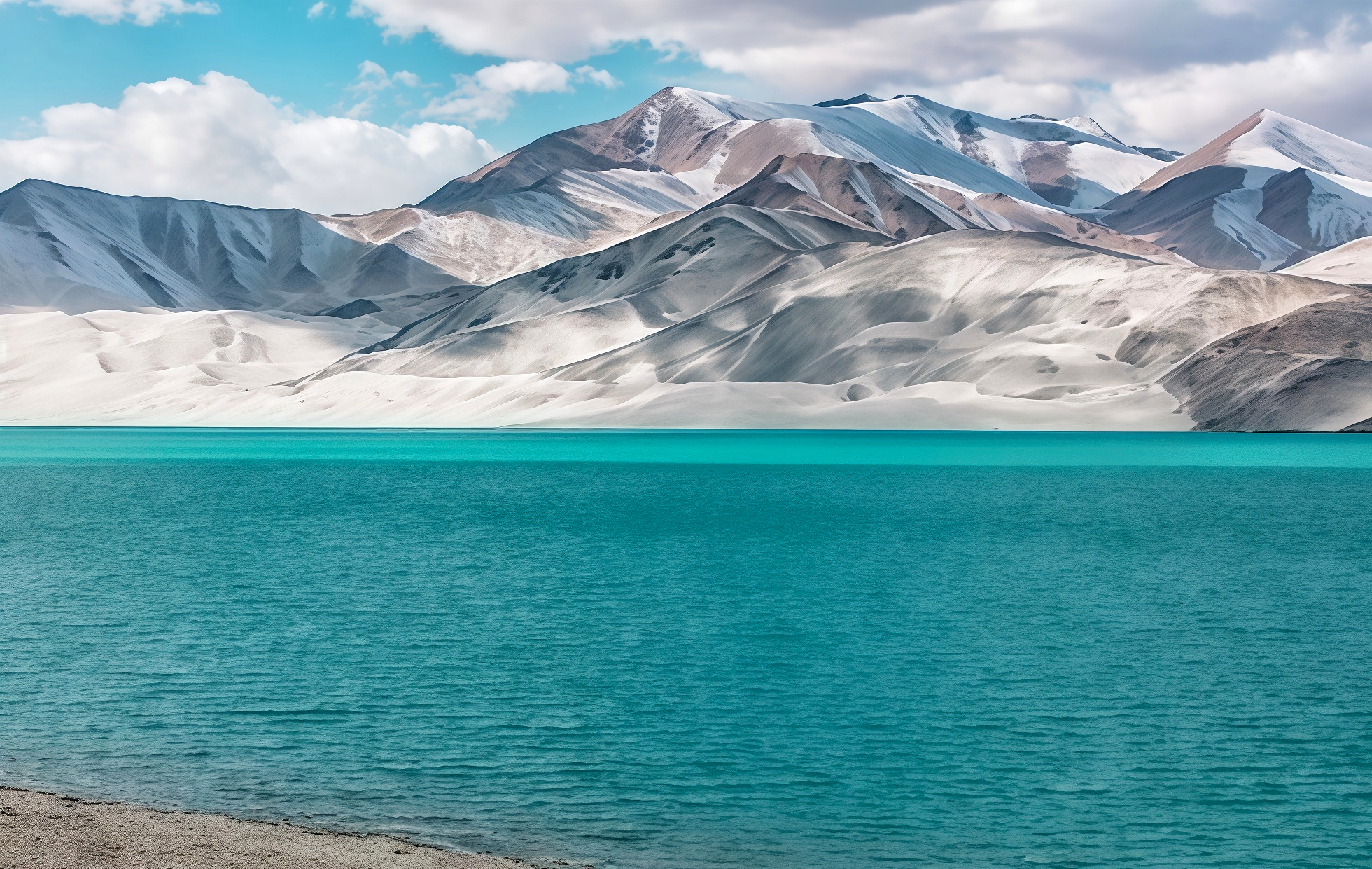
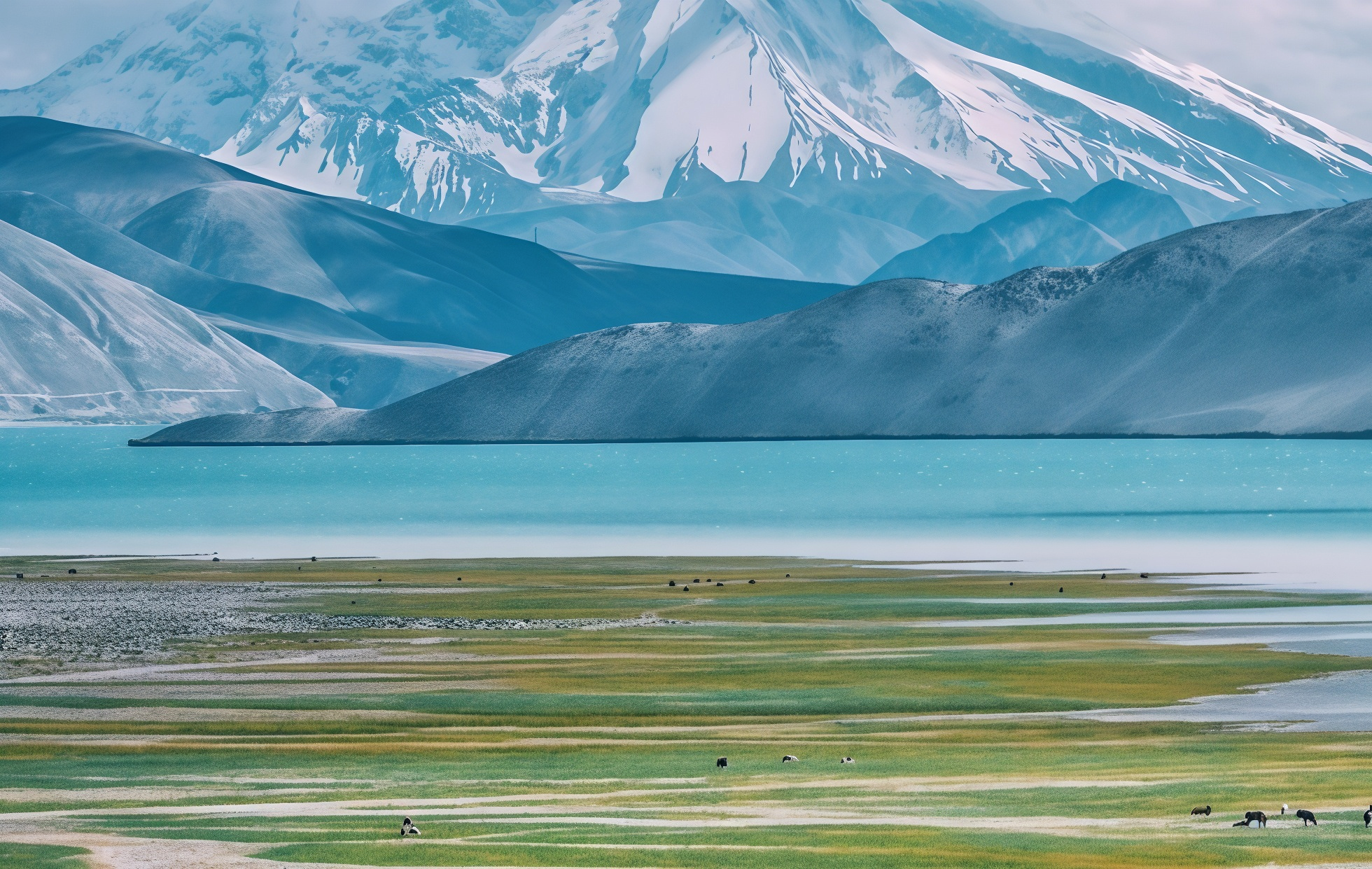
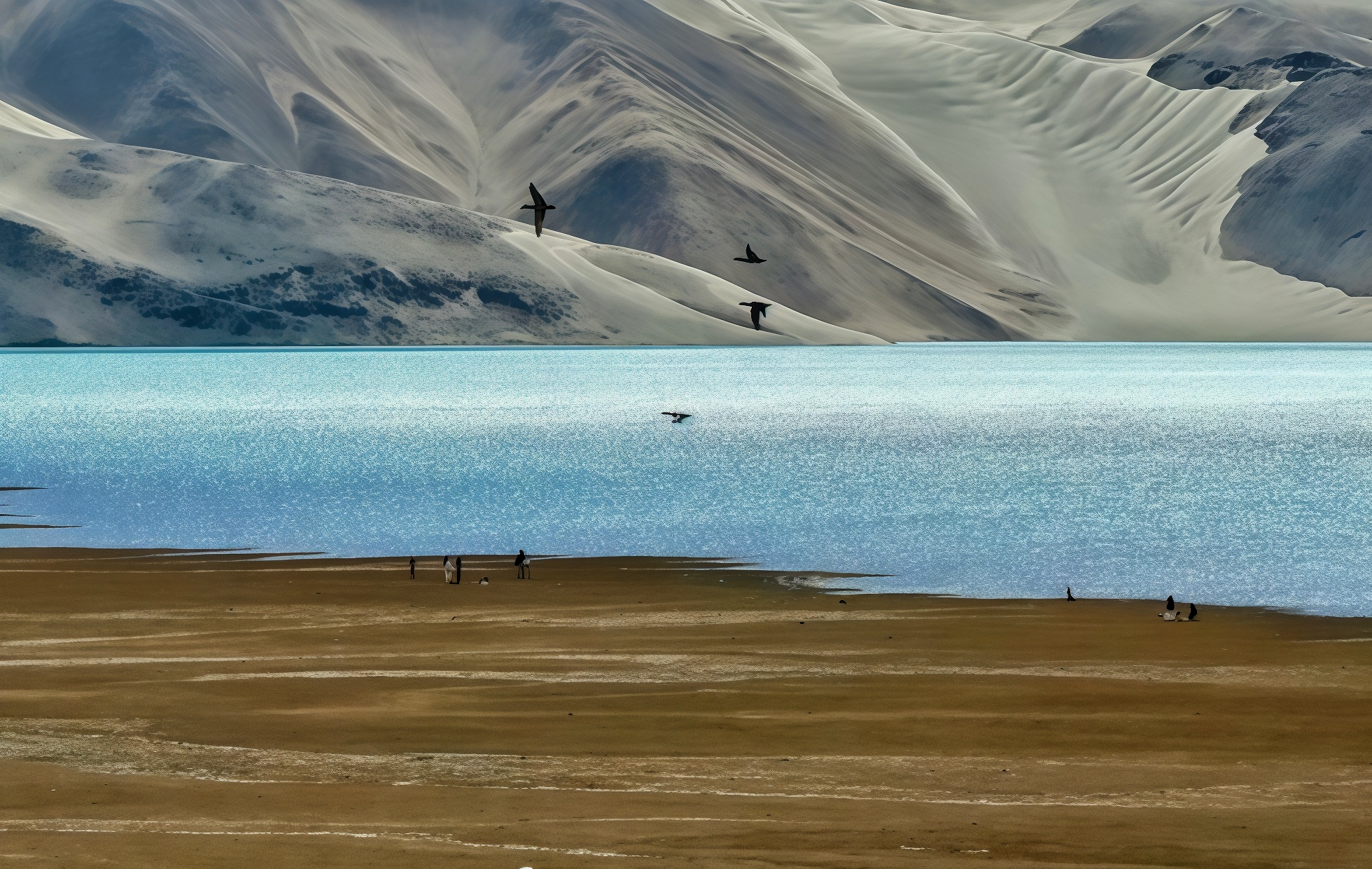
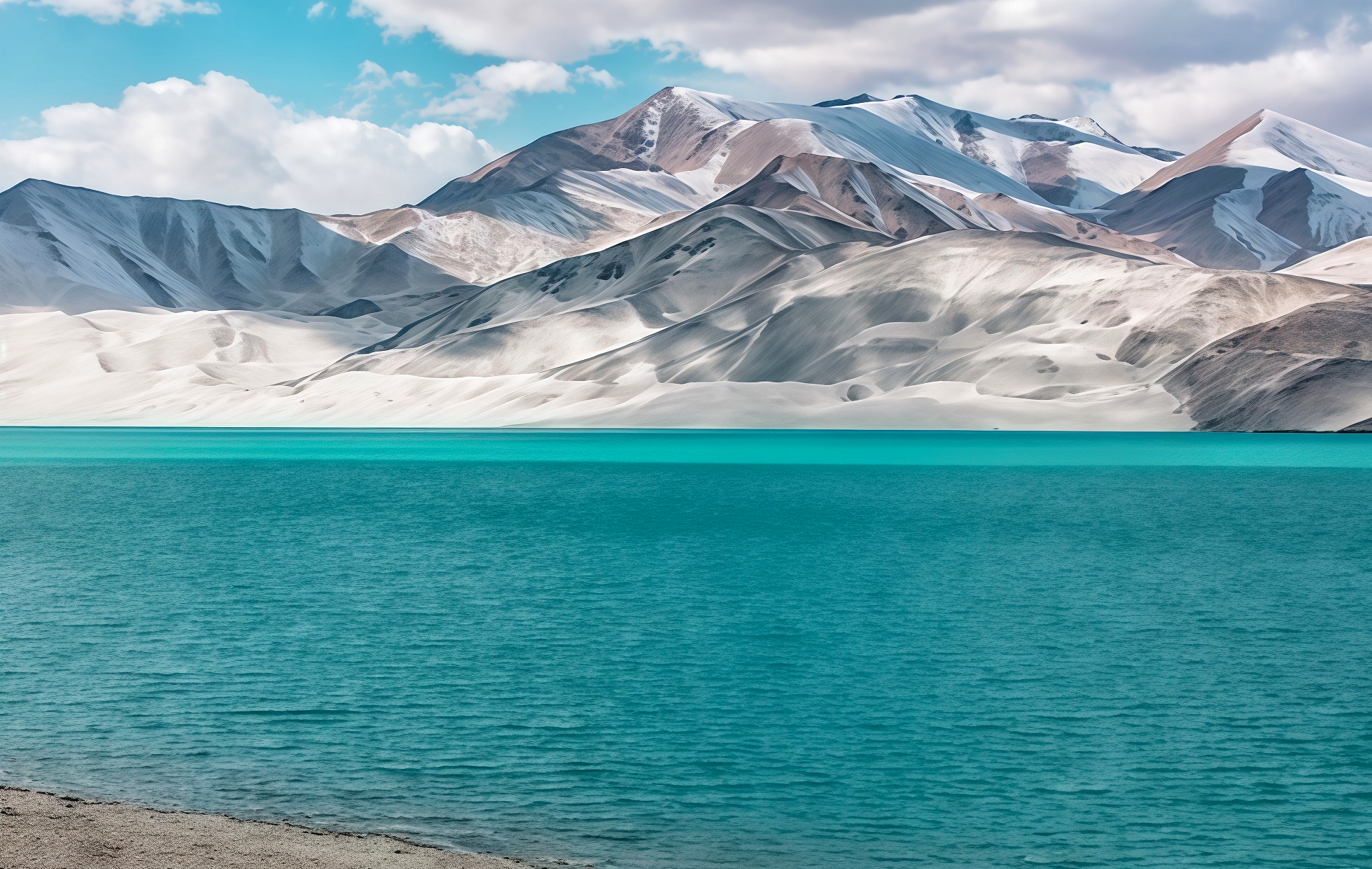
The natural landscape of Baisha Lake represents an eternal dialogue between sand, water, and life.
The Desert Oasis: The Serene Beauty of Baisha Lake
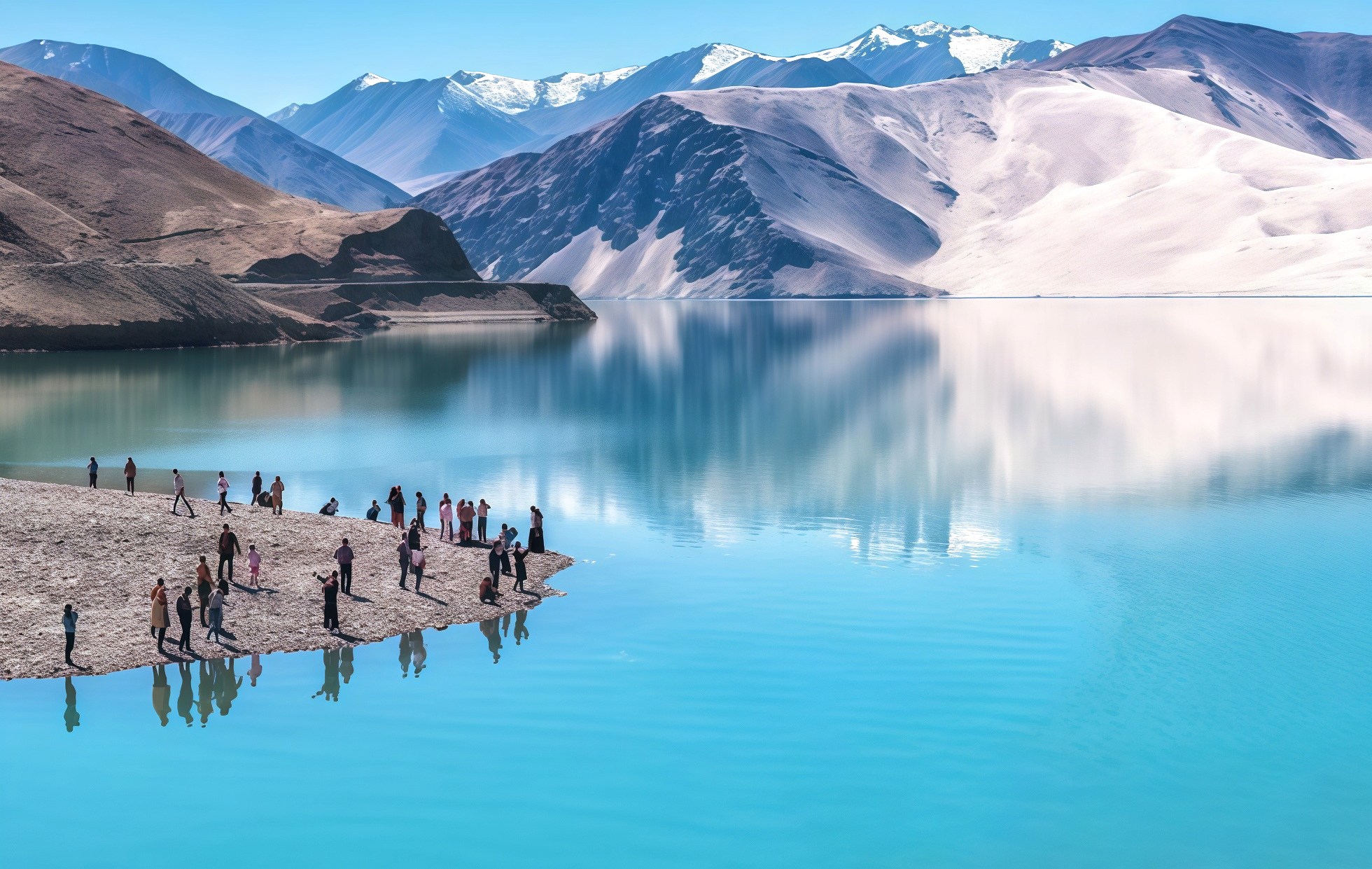
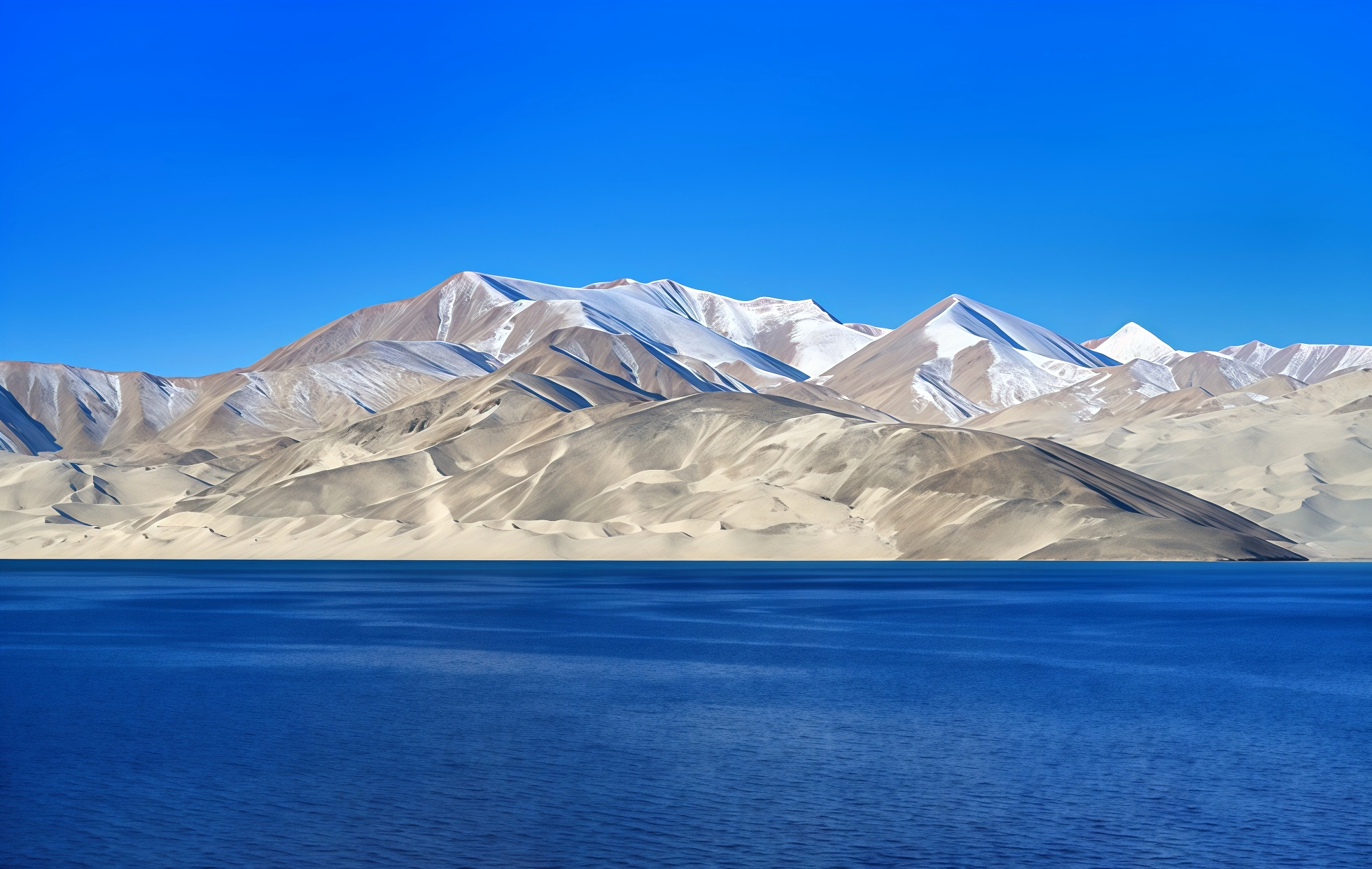
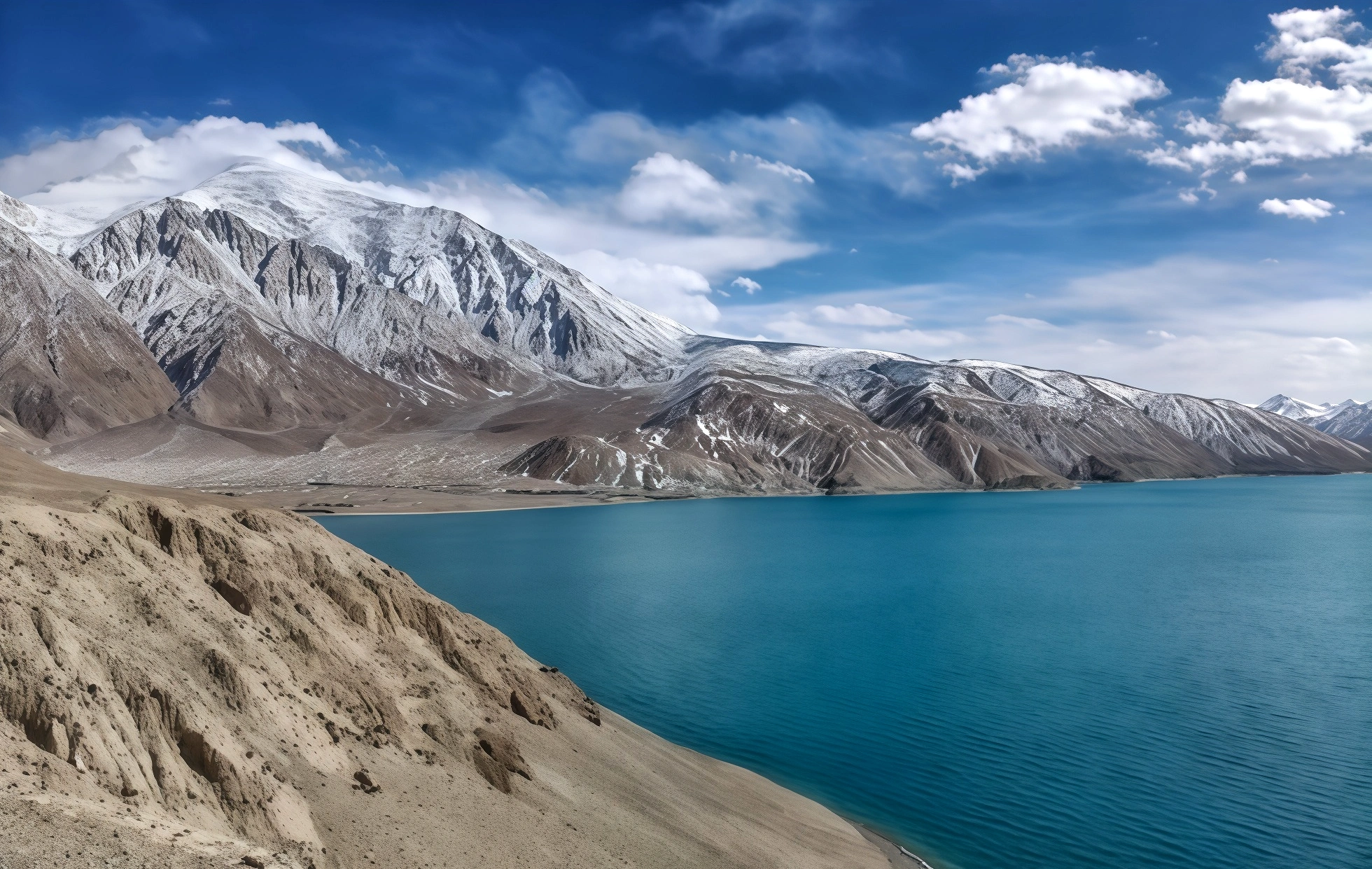
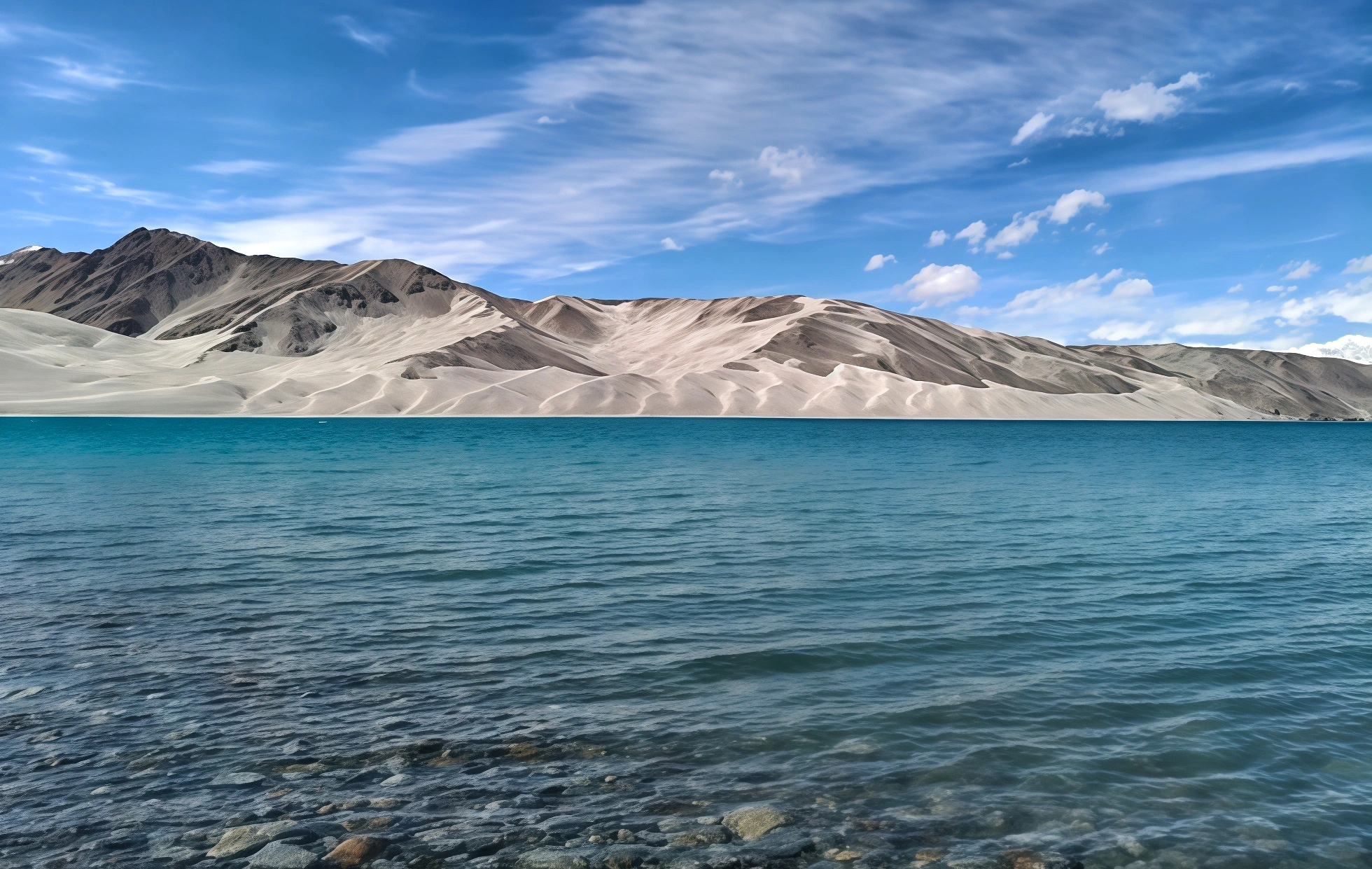
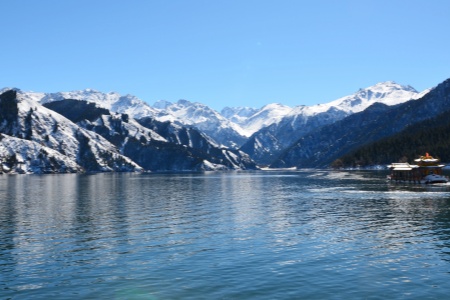
Baisha Lake stands as the most captivating presence within this vast desert landscape. Situated at an elevation of approximately 650 meters, the lake covers a surface area of 0.5 square kilometers. Stretching about 800 meters from north to south and 600 meters from east to west, it resembles a pea pod—concave on its eastern side and bulging on its western side. Most astonishingly, despite being situated deep within the desert with neither an inlet nor an outlet, the lake's water levels remain constant throughout the changing seasons; for this reason, locals revere it as the "Sacred Spring of the Desert."
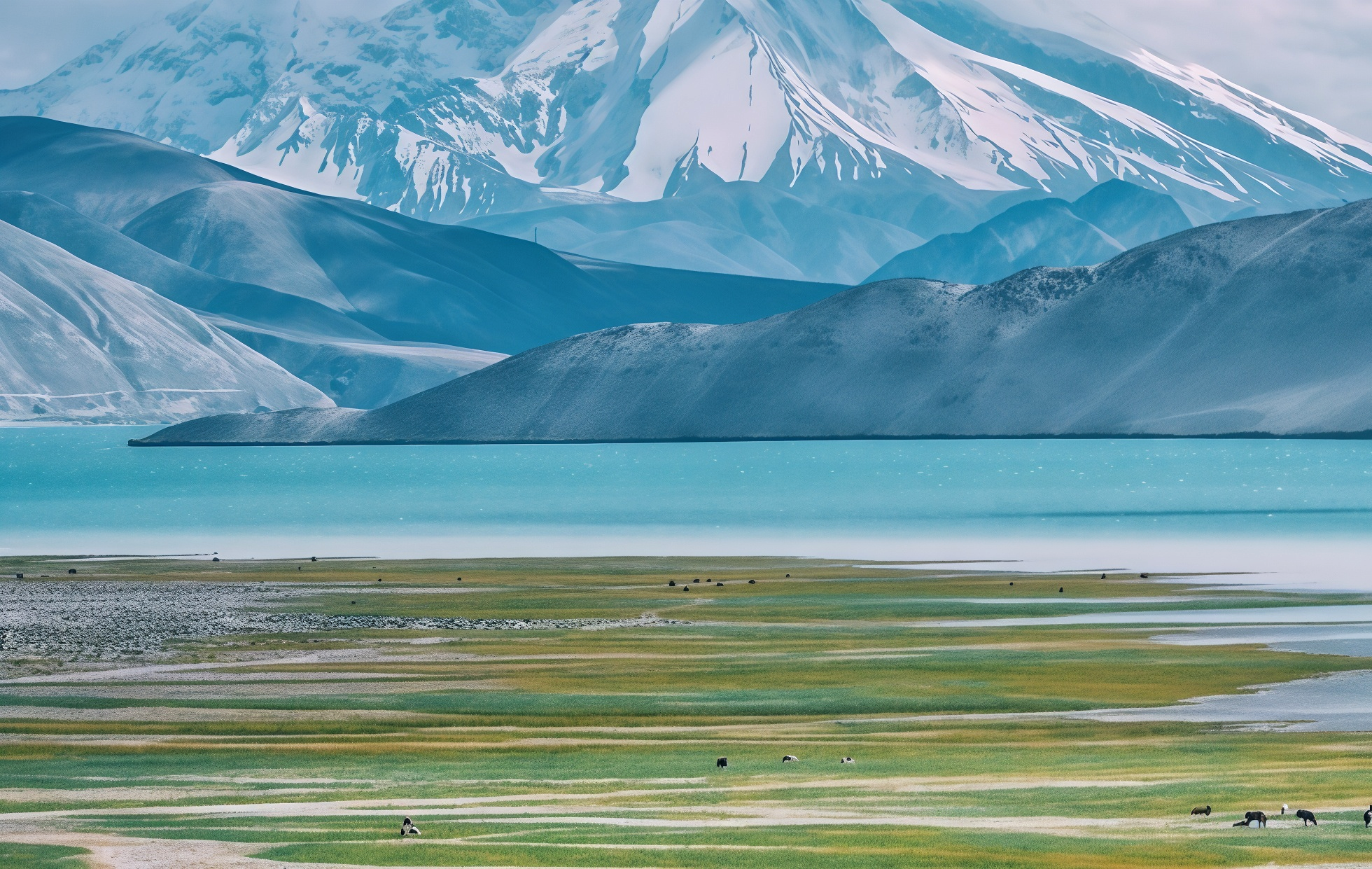
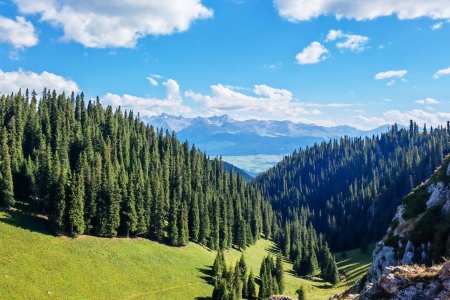
The lake's center, shores, and surrounding perimeter host a remarkably diverse array of vegetation, presenting striking ecological contrasts. The waters and immediate periphery are densely packed with aquatic plants—such as reeds and sweet flag—towering between 1 and 4 meters in height. Within a 50-meter radius of the lake, a lush, tall forest belt thrives, featuring a mixed growth of silver poplars, aspens, and white birches. Beyond this 50-meter zone, atop the surrounding sand dunes, a different flora takes root, including Irtysh poplars, hawthorn trees, aspens, and spirea bushes. This dramatic ecological distribution transforms White Sand Lake into a natural laboratory for the study of desert ecosystems.
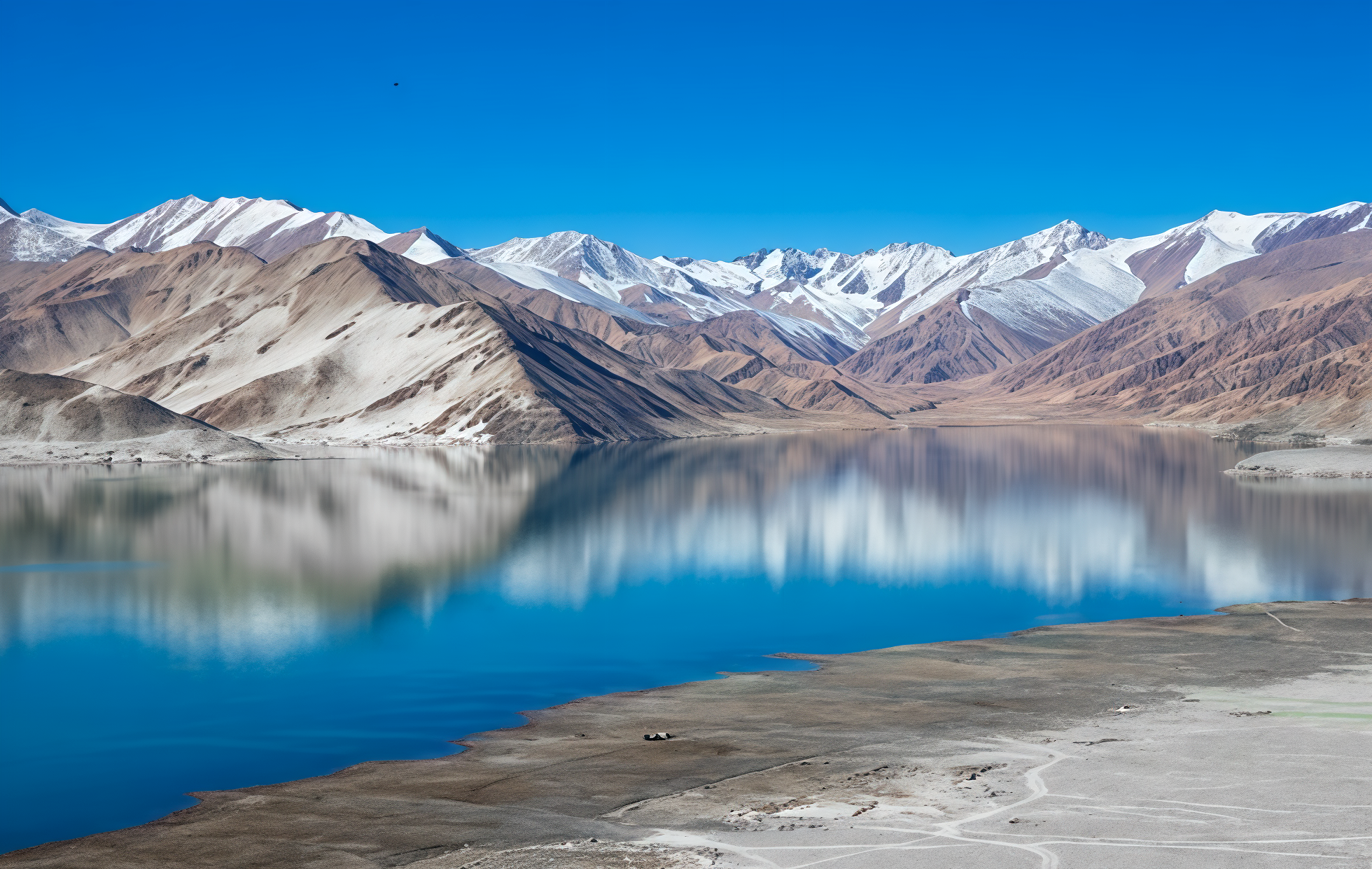
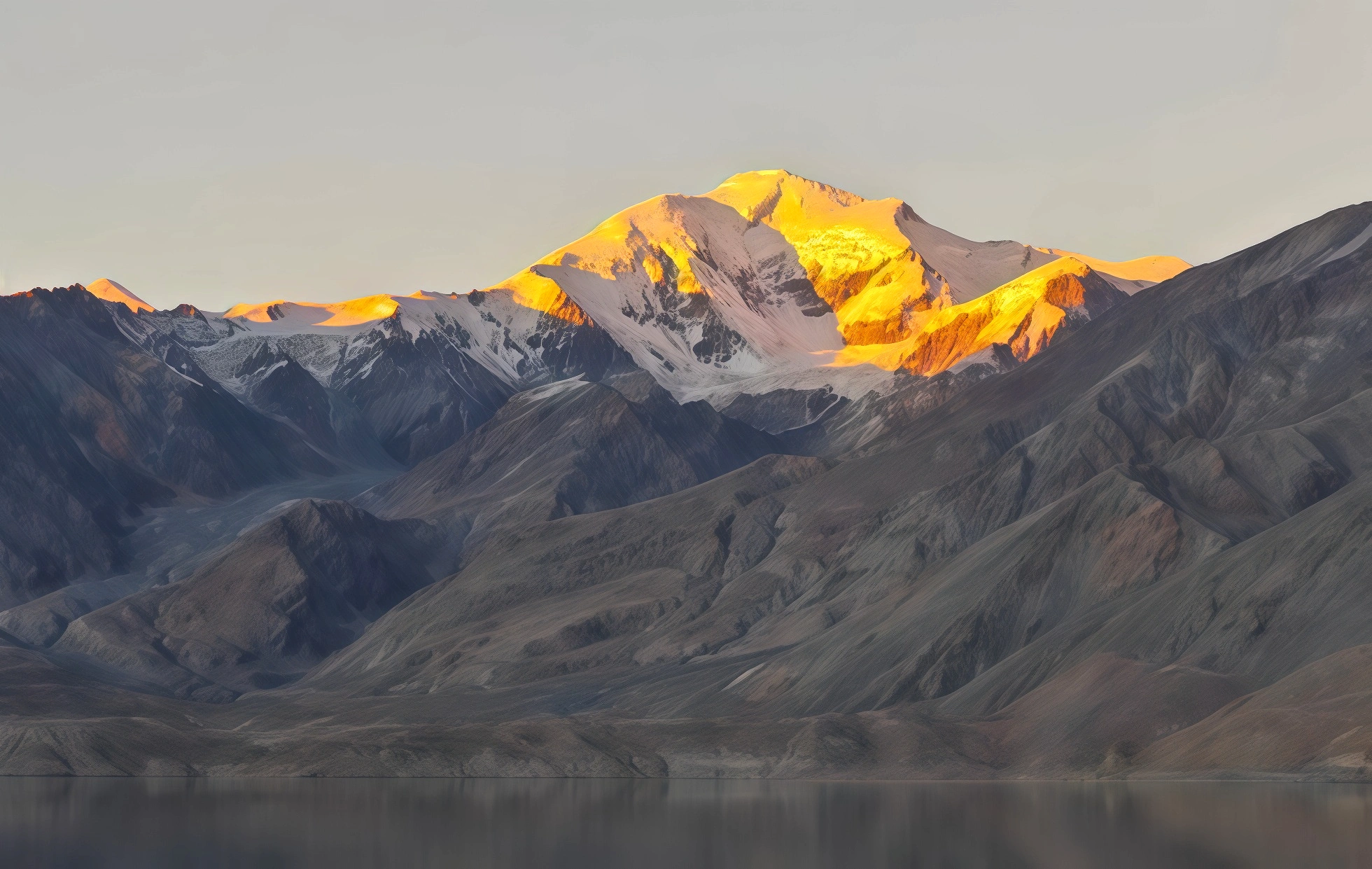
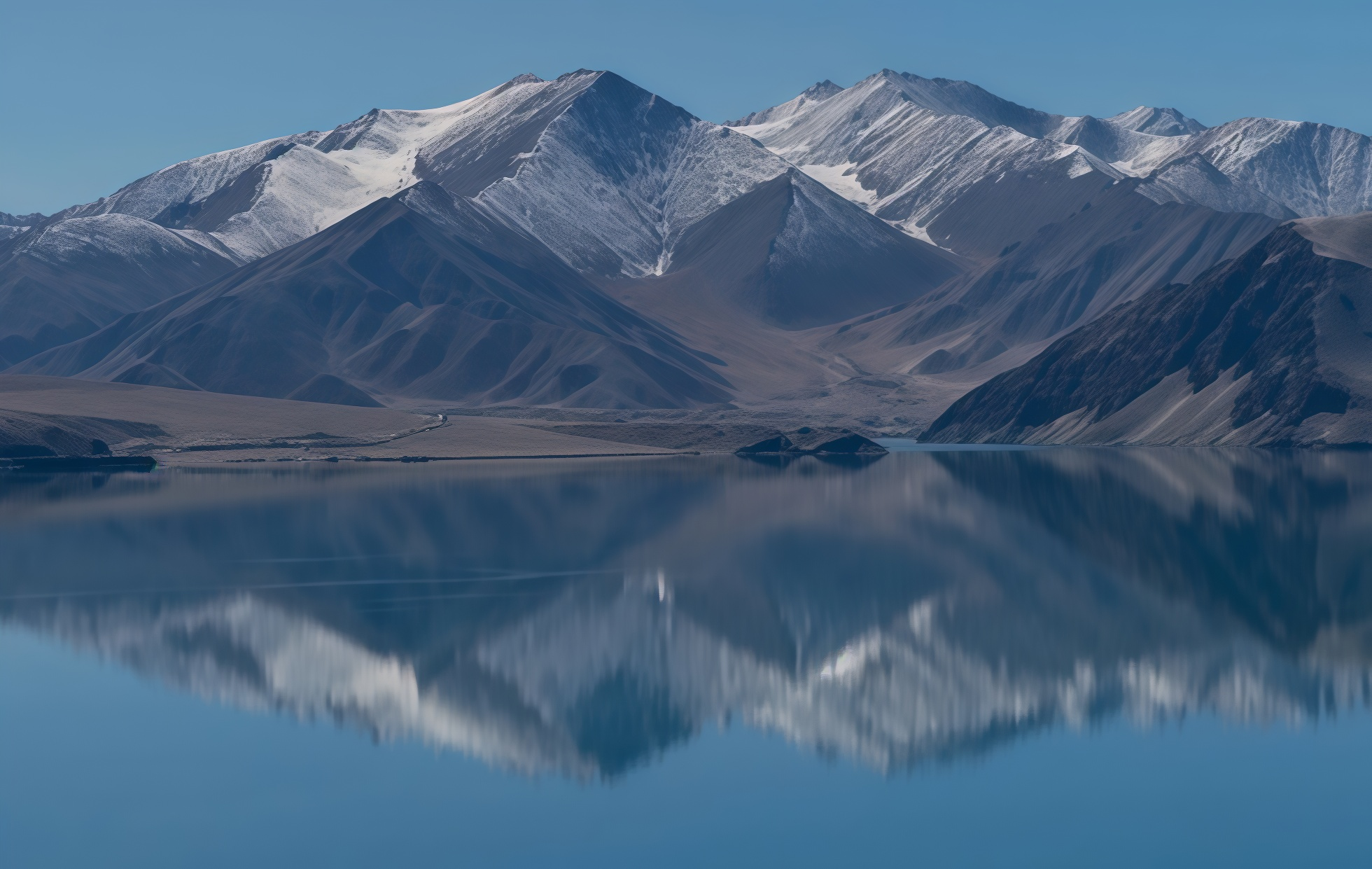
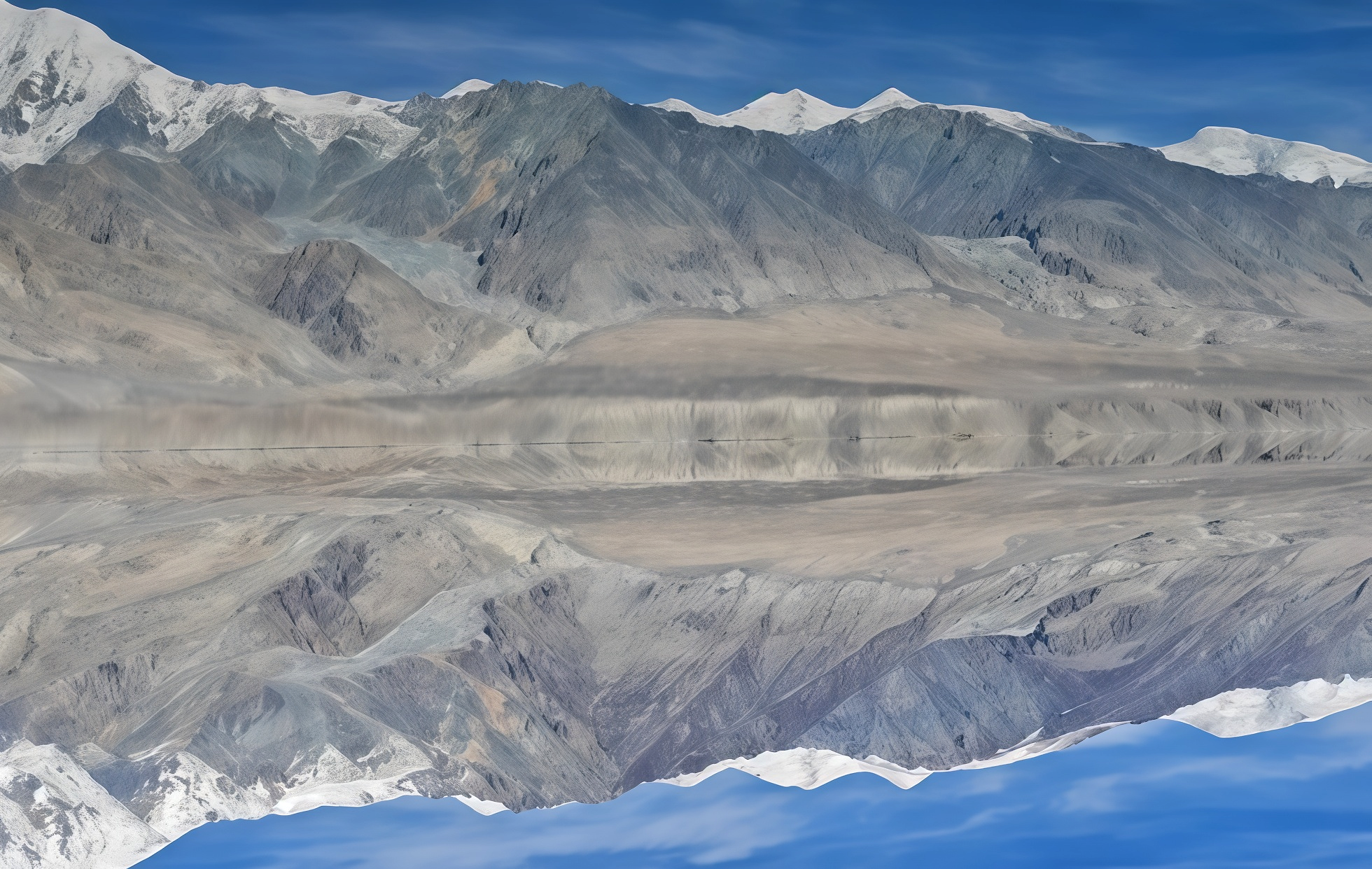
> Photography Tip: The best times for photography are early morning or late evening, when the lake's surface is as calm as a mirror, perfectly reflecting the blue sky, white clouds, and the White Sand Mountain. It is recommended to use a polarizing filter to minimize glare and reflections on the water's surface.
Singing Sand Mountain: A Dune Symphony of Heavenly Sounds
Adjacent to White Sand Lake lies another natural marvel: Singing Sand Mountain (Mingshashan). Located approximately 95 kilometers from the town of Habahe, this formation rises to a relative height of about 25 meters. Composed of six distinct sand ridges, it stretches roughly 2 kilometers in length and varies in width from 100 to 200 meters. During the midday hours of summer, the temperature of the sand's surface can soar to between 40 and 60 degrees Celsius.
The true magic of Singing Sand Mountain lies in the "singing sand" phenomenon: when the wind sweeps across the dunes, or when visitors slide down their slopes, the friction between the sand grains produces a distinct sound—a melody so ethereal it is likened to "heavenly music." It is this unique acoustic quality that earned the site the name "Singing Sand Mountain." Visitors wishing to ascend the dunes may choose to climb via the windward slopes or along the crests of the ridges; these specific sections feature gentler gradients and more compacted sand, making the climb significantly less strenuous. Lying quietly atop the summit, one can gaze westward to admire the pastoral scenery of the East Kazakhstan Region, or listen intently to the "singing sands"—the melodic sound of the wind sweeping across the grains. When sand-sliding, no special equipment is required; one can simply slide down the dunes unassisted.
Eye Mountain: The "Guardian of the Homeland" Watching Over the Border
Eye Mountain is situated atop a towering sand dune to the east of the 1st Company, 185th Regiment, located approximately 35 kilometers from the regimental headquarters. Growing on the mountain are several drought- and cold-resistant creeping pines; their twisted branches reach toward the ground, bearing a striking resemblance to a pair of eyes—the eyes of border guards keeping watch. Legend has it that during the era of tense Sino-Soviet relations, these vigilant eyes were wide open; today, with the easing of relations between China and Kazakhstan, one of the "eyes" has gradually filled in as the creeping pines have grown larger—a phenomenon people affectionately dub "keeping one eye open and one eye closed." Nestled at the foot of Eye Mountain lies the 1st Company of the 185th Regiment—a patriotic education base renowned as the "First Company of the Northwest."
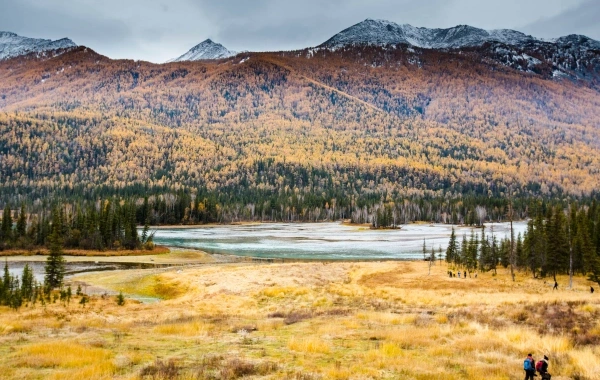
The Red Leaf Forest and the Irtysh River Outlet: Scattered throughout the scenic area are other natural wonders, such as the "Desert Flames" (the Red Leaf Forest), the "First Birch Forest of the Northwest," and the outlet where the Irtysh River flows out of the country. These sites echo the beauty of White Sand Lake, collectively forming a stunning scenic corridor that stretches from north to south, connecting a series of distinct landmarks.
Human Ingenuity: "Red" Memories Along the Border
Every inch of this land is etched with the loyalty and dedication of the soldier-farmers who pioneered this frontier.
The First Company of the Northwest Border: An Immovable Boundary Marker
The "First Company of the Northwest" is an agricultural unit under the 185th Regiment of the 10th Division, Xinjiang Production and Construction Corps (XPCC), stationed at the westernmost edge of the motherland. For half of every year, this remote outpost is cut off by heavy snowfall reaching depths of 70 to 80 centimeters; moreover, it is recognized as one of the world's four major mosquito-infested zones—a category it shares with regions such as the Amazon River Basin in South America.
In the early 1960s, amidst heightened tensions along the Sino-Soviet border, five soldier-farmers arrived at this desolate location and established the foundation upon which the 1st Company was subsequently built. For decades, they have stood guard day in and day out at the very forefront of a 320-kilometer border line. Amidst a harsh natural environment, they "farm for politics" and "graze for politics"—carrying out agricultural and pastoral duties with a political mission—thereby forging an indestructible, living boundary marker along the frontier. Today, visitors can step into the "First Company of the Northwest Frontier" to tour the Regimental History Exhibition Hall and the History of Reclamation Hall, gaining a firsthand sense of those heroic and arduous years.
Monument to Flood Control and Border Defense & The Site Where Shen Guishou First Raised the National Flag
Scattered throughout the Baisha Lake Scenic Area are various "Red" cultural and historical sites, including the 185th Regiment’s Memorial Hall for Flood Control and Border Defense, the corresponding Monument, the historic site where Shen Guishou first raised the national flag, the former residences of reclamation soldiers, the Karasugangou Ruins, and the "North of the Northwest" landmark. These sites chronicle the moving stories of generations of Corps members who took root in the frontier, engaging in both land reclamation and border defense; they serve as vivid educational materials for patriotic instruction.
The Northwest's "First Militia Couple Sentry Post": Along the border line stands a militia couple who have steadfastly manned their post for decades. Day after day, they have guarded the nation's frontier, earning the title of the "Northwest's First Militia Couple Sentry Post." Their story stands as the most vivid embodiment of the "Corps Spirit."
> Photography Tips:
> - Best Panoramic Vantage Point: The observation deck on the southern shore of Baisha Lake allows you to capture Baisha Lake, Baisha Mountain, and the reflections of the distant mountains all in a single frame.
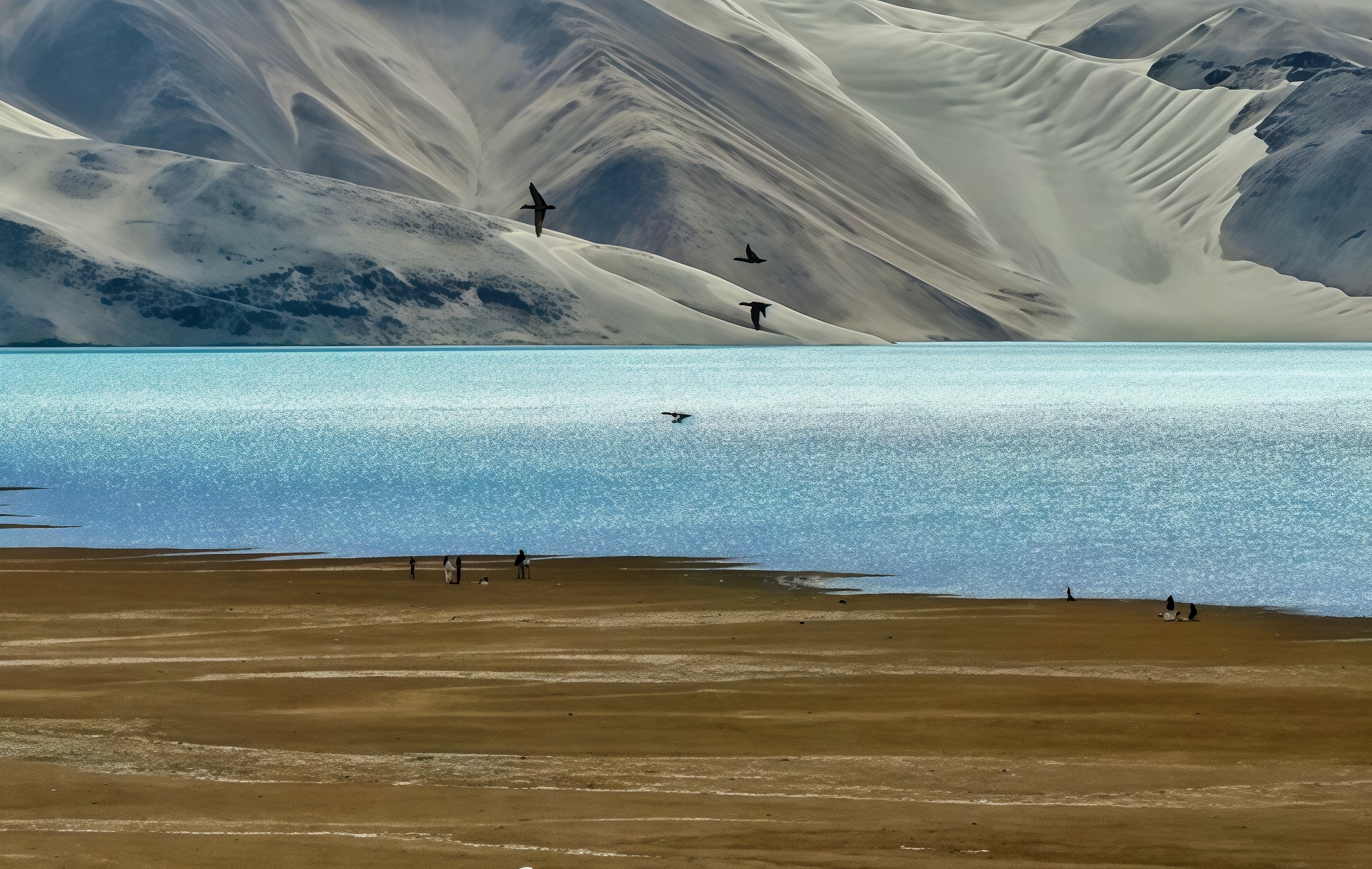
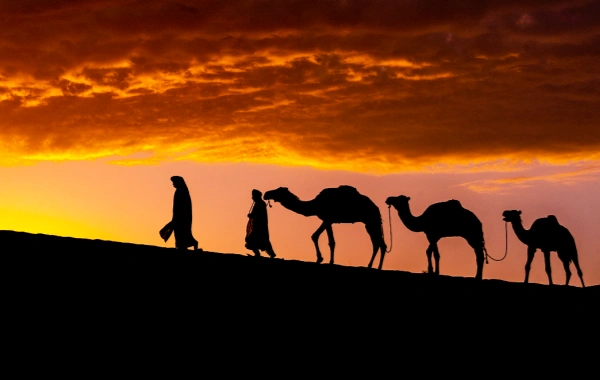
> - Photography Suggestions for Mingsha Mountain (Singing Sand Mountain): In the late afternoon or early evening, the interplay of light and shadow on the dunes is at its most dramatic, making it the ideal time to capture human silhouettes against the landscape.
> - Drones: Drone flight is permitted within the scenic area; however, you must register your flight in advance and strictly observe the "no-fly zone" regulations applicable to border control areas.