Nature's Masterpiece — An Eternal Scroll of Lake and Mountain Scenery
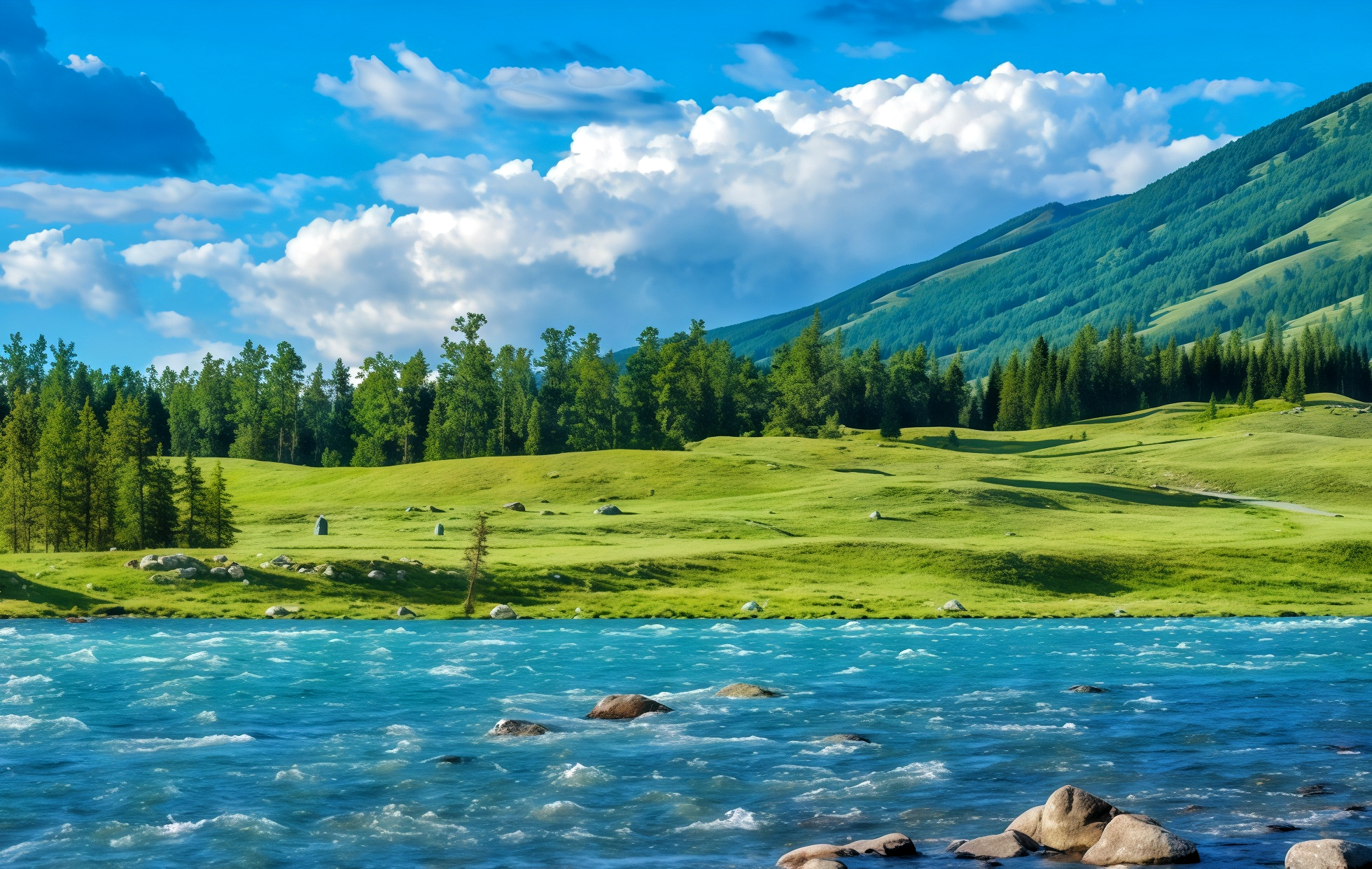
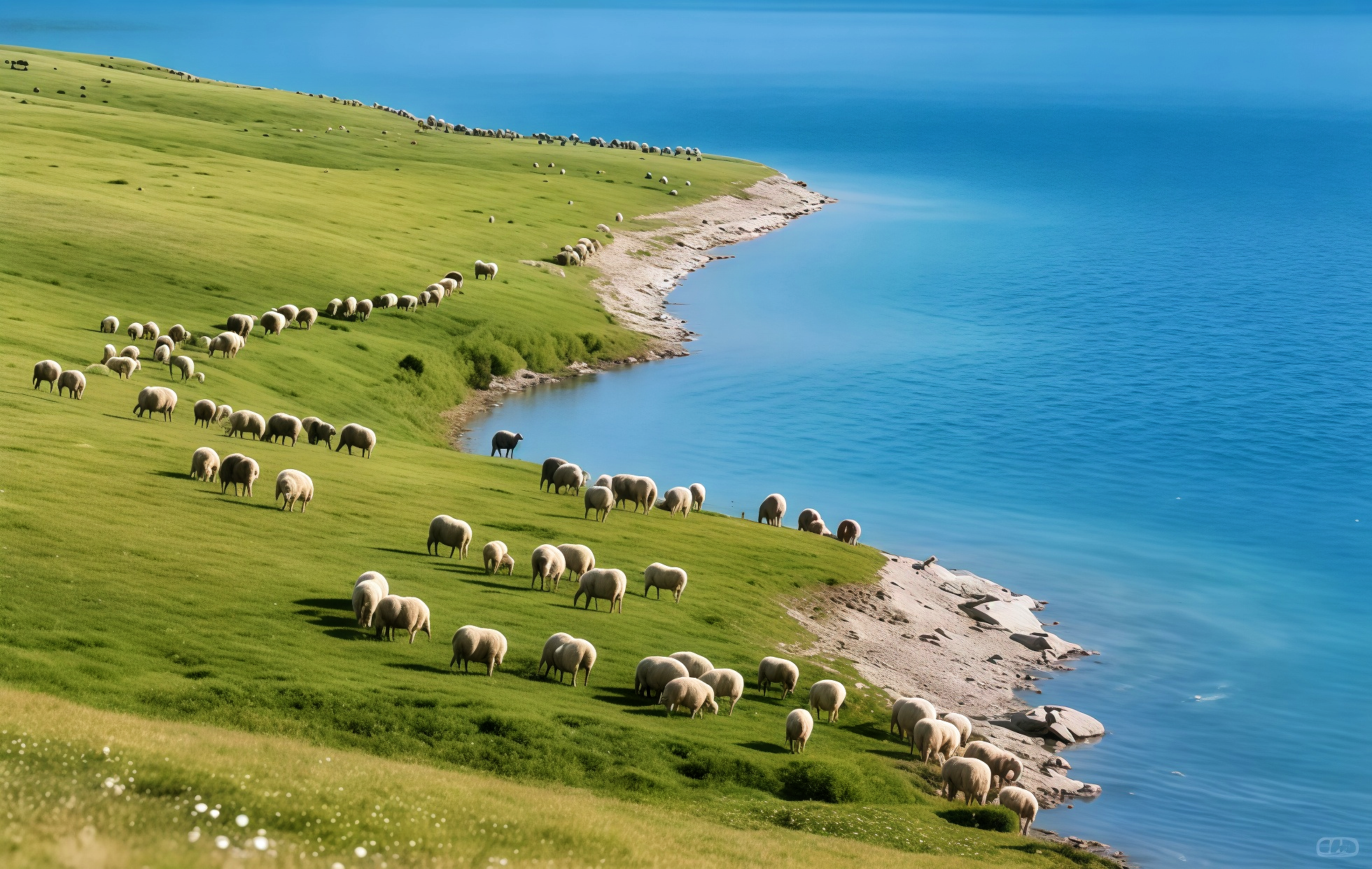
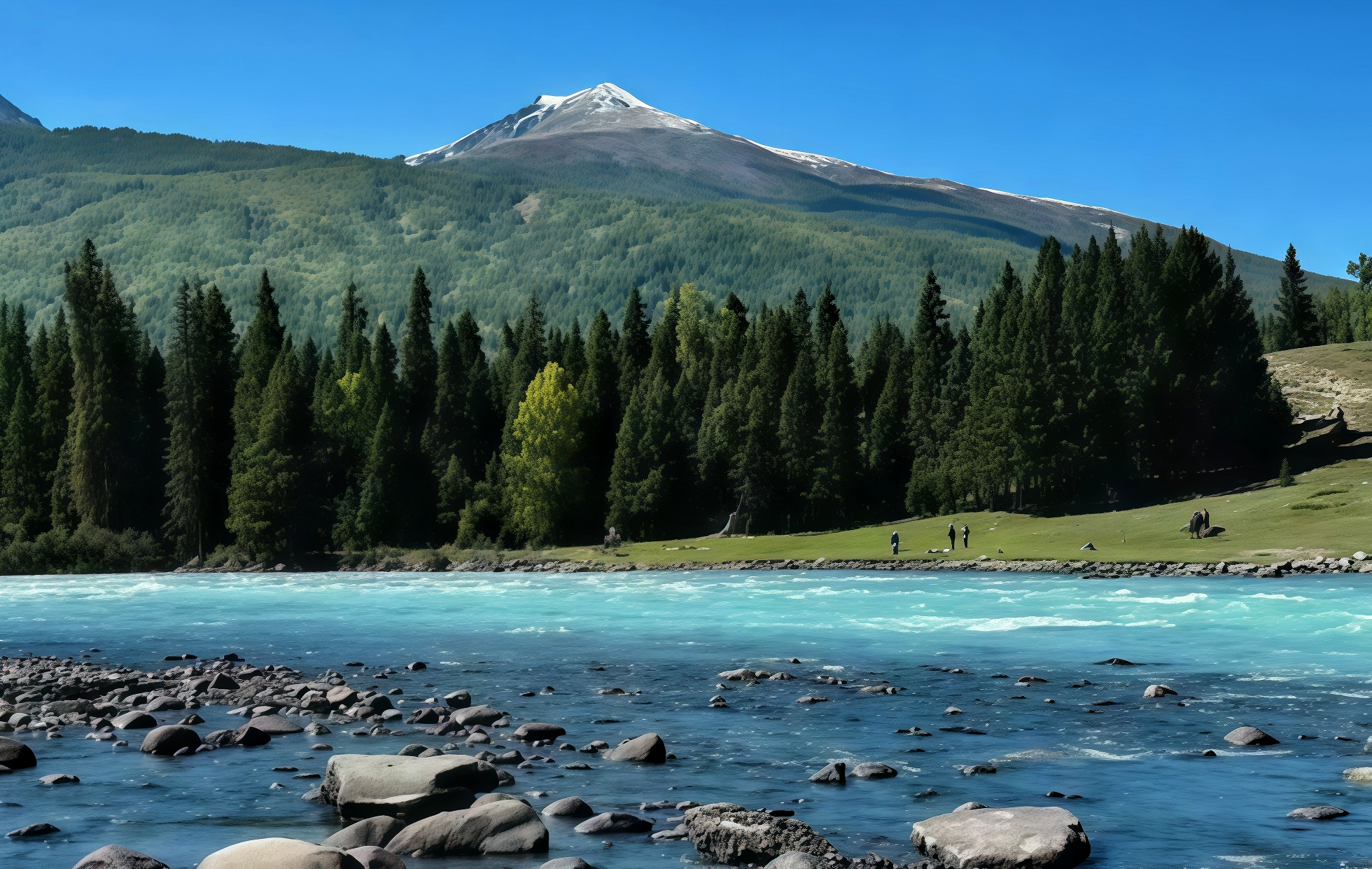
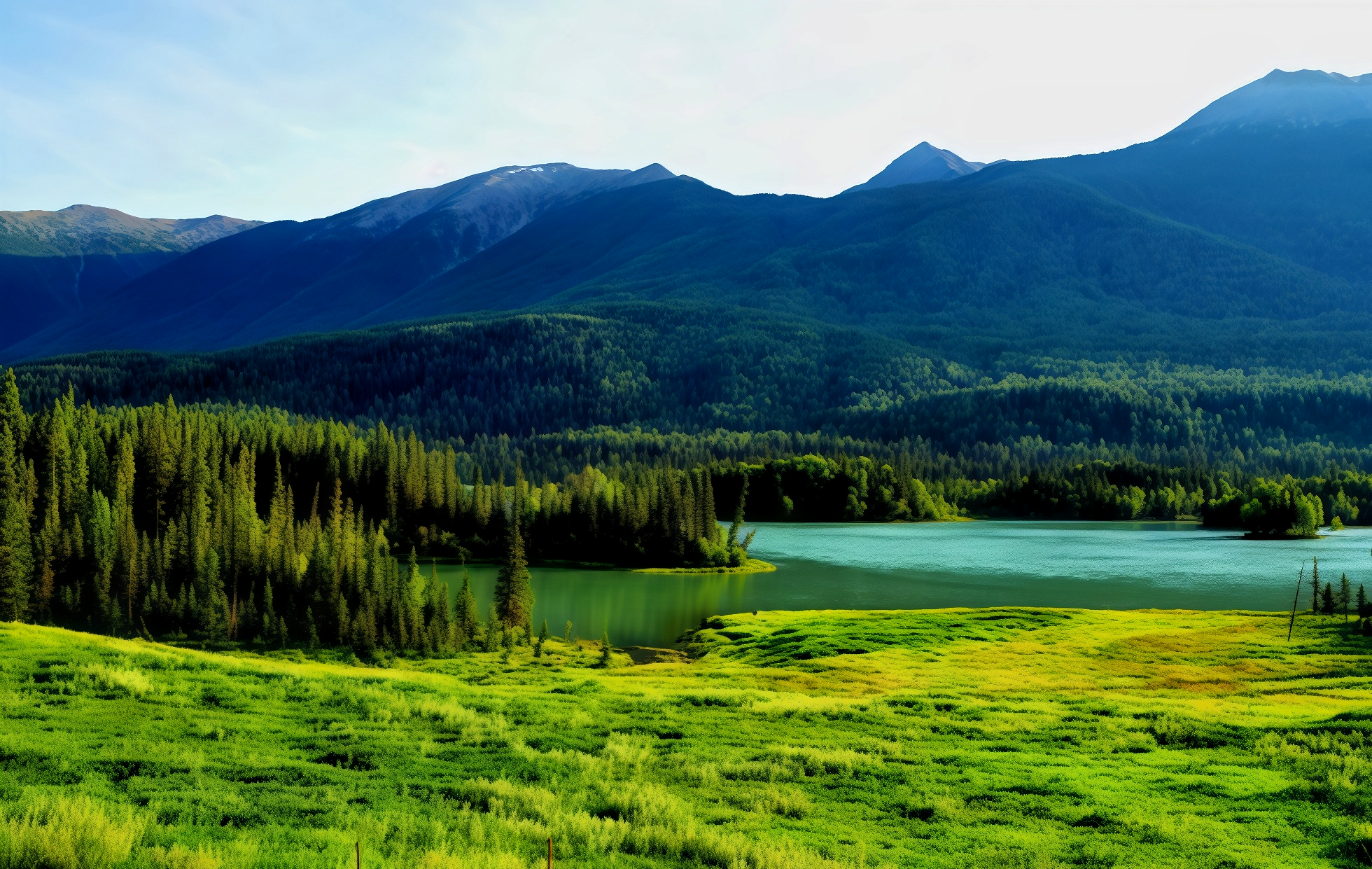
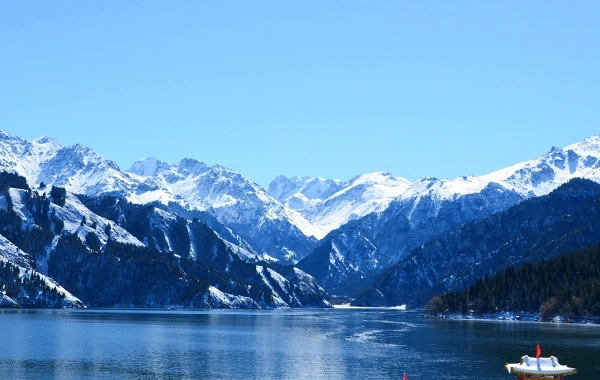
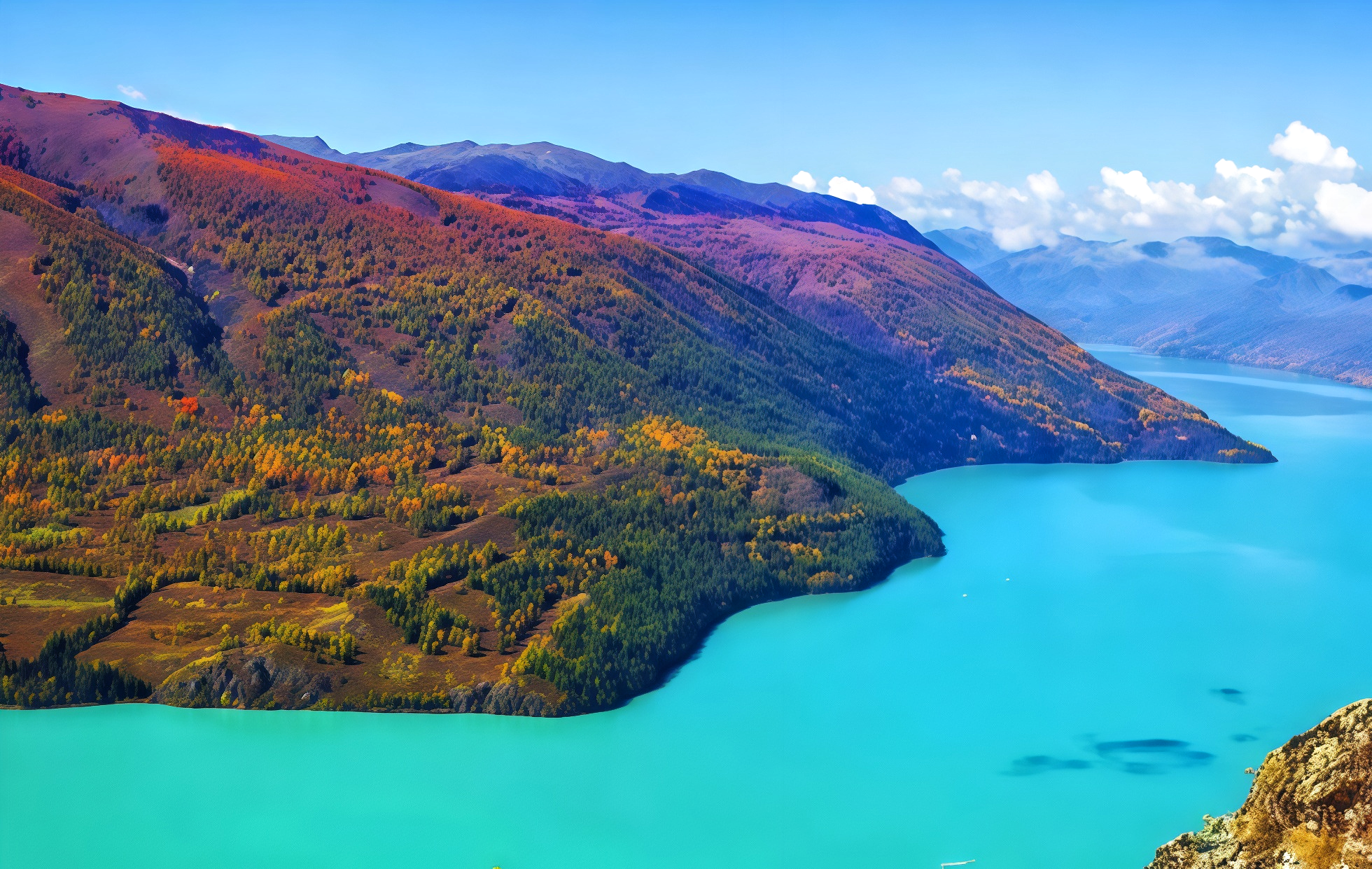
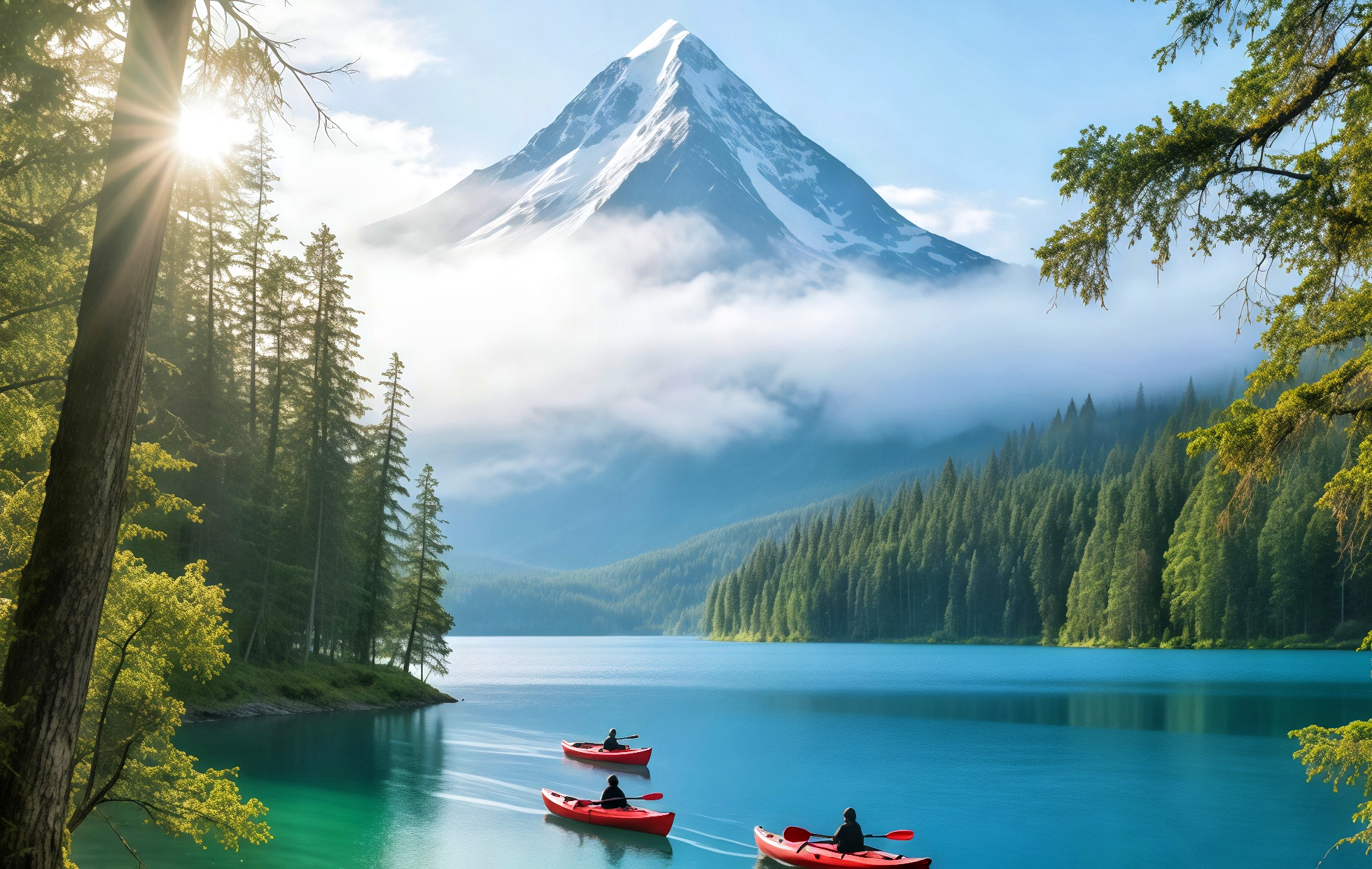
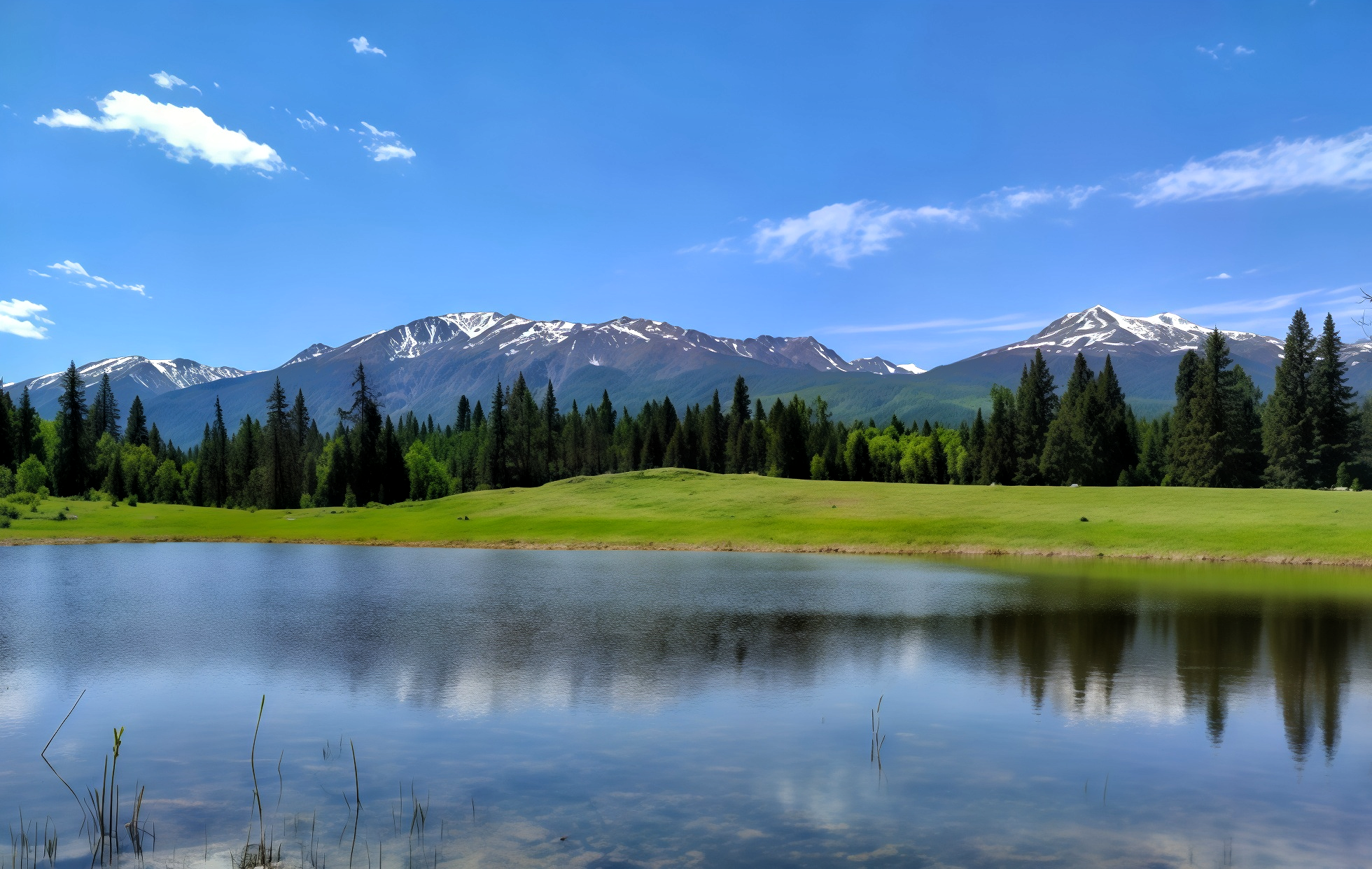
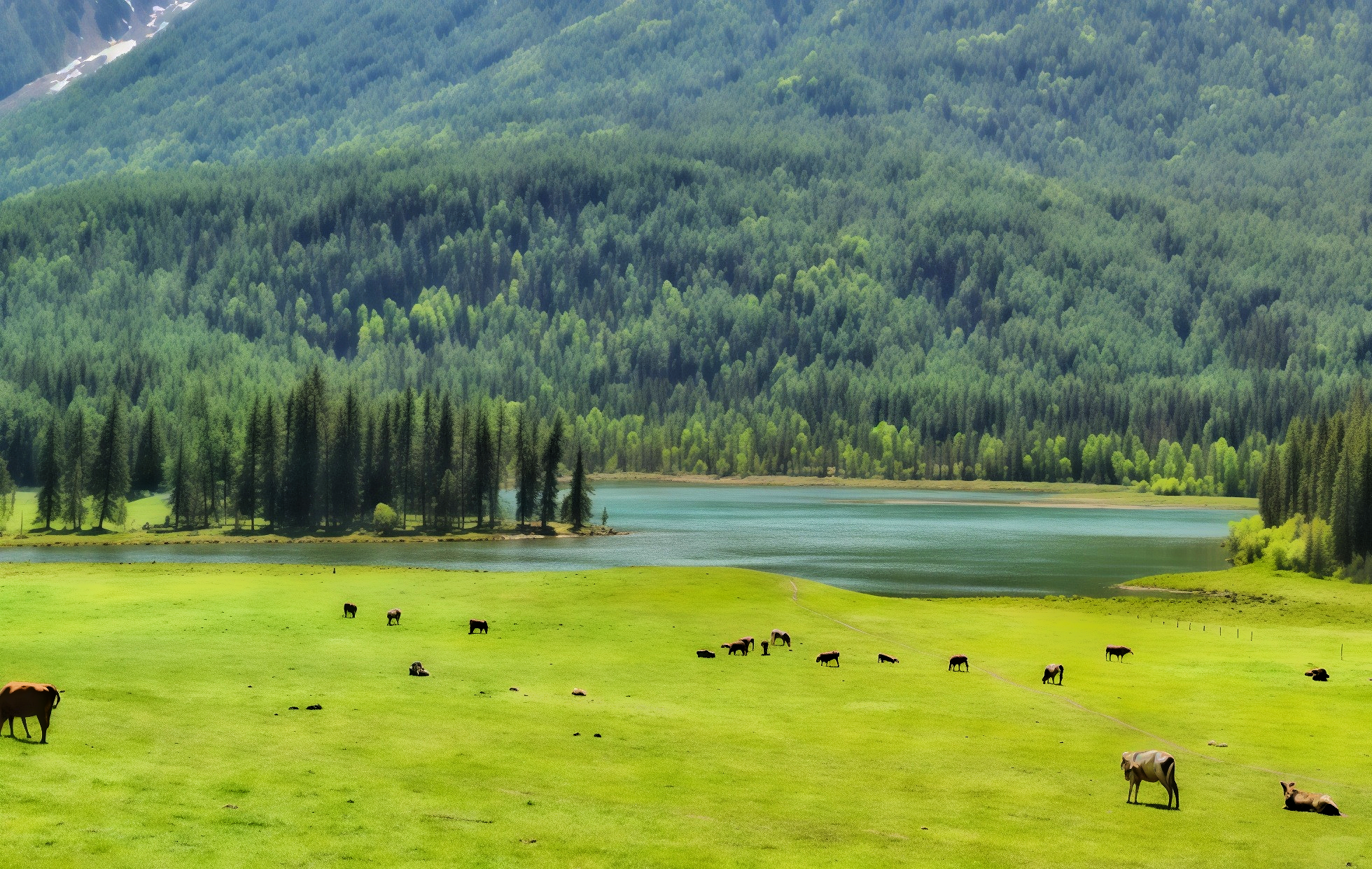
The natural landscape of Kanas is an eternal dialogue between water, mountains, and the interplay of light and shadow.
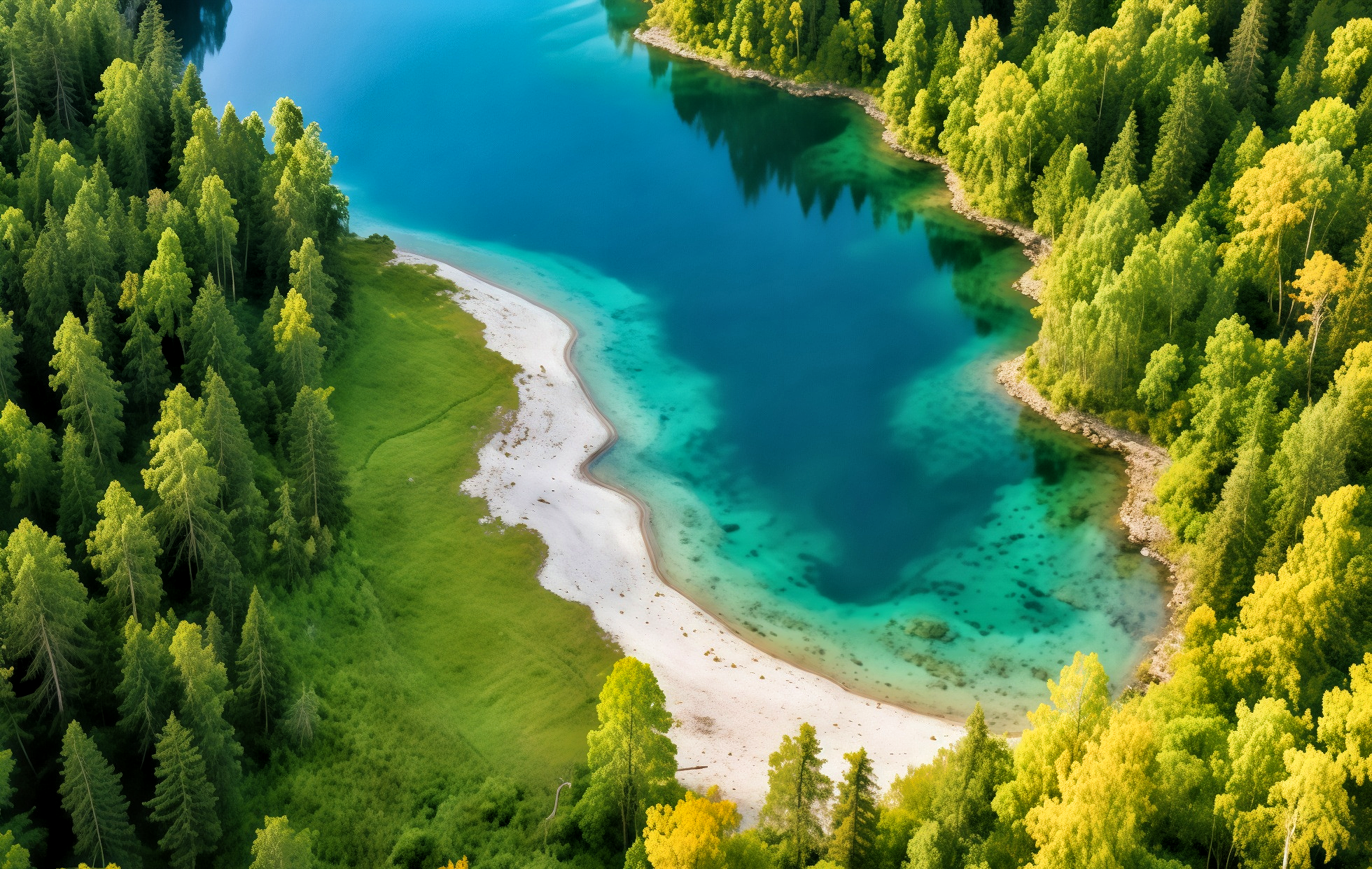
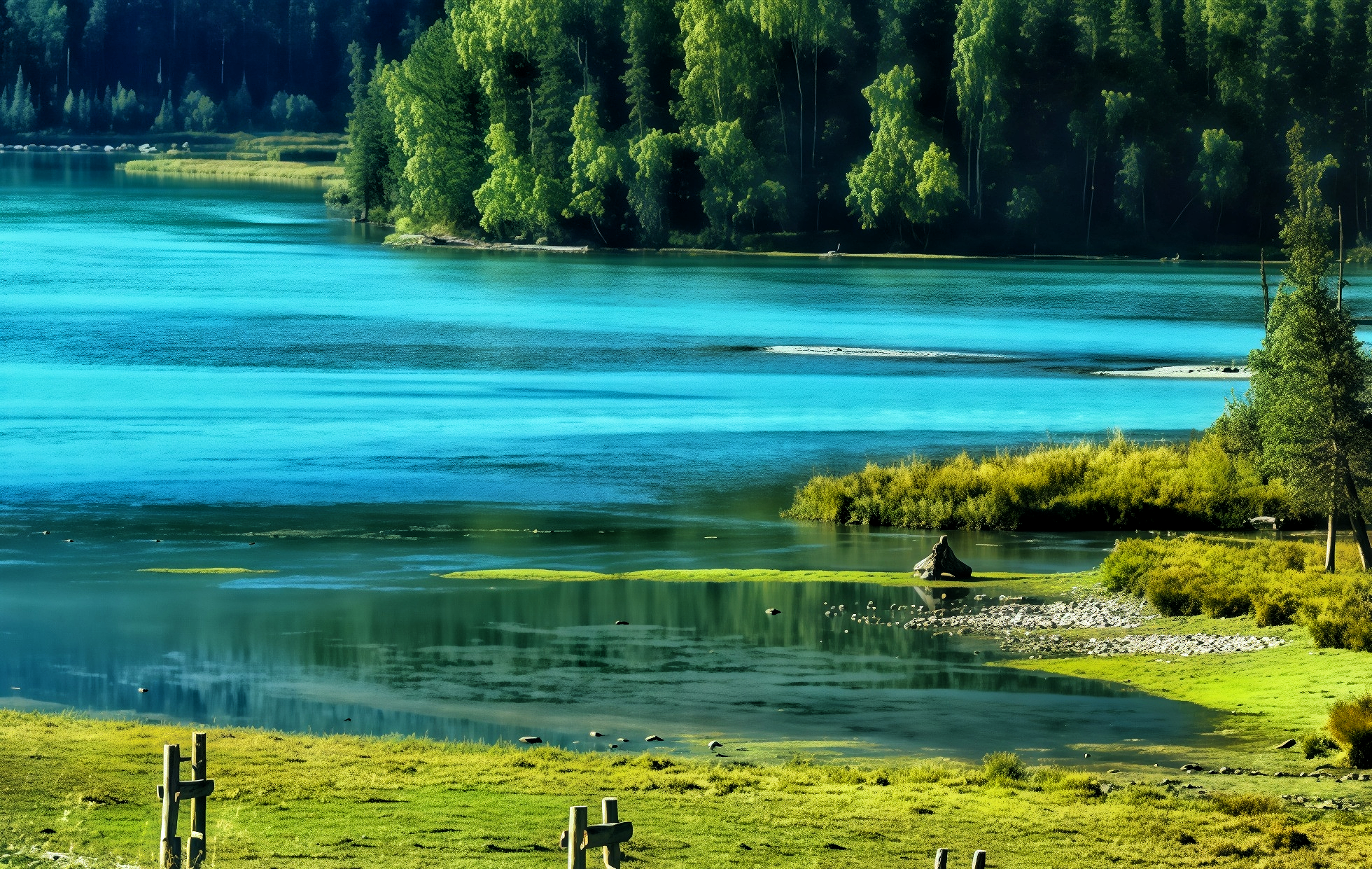
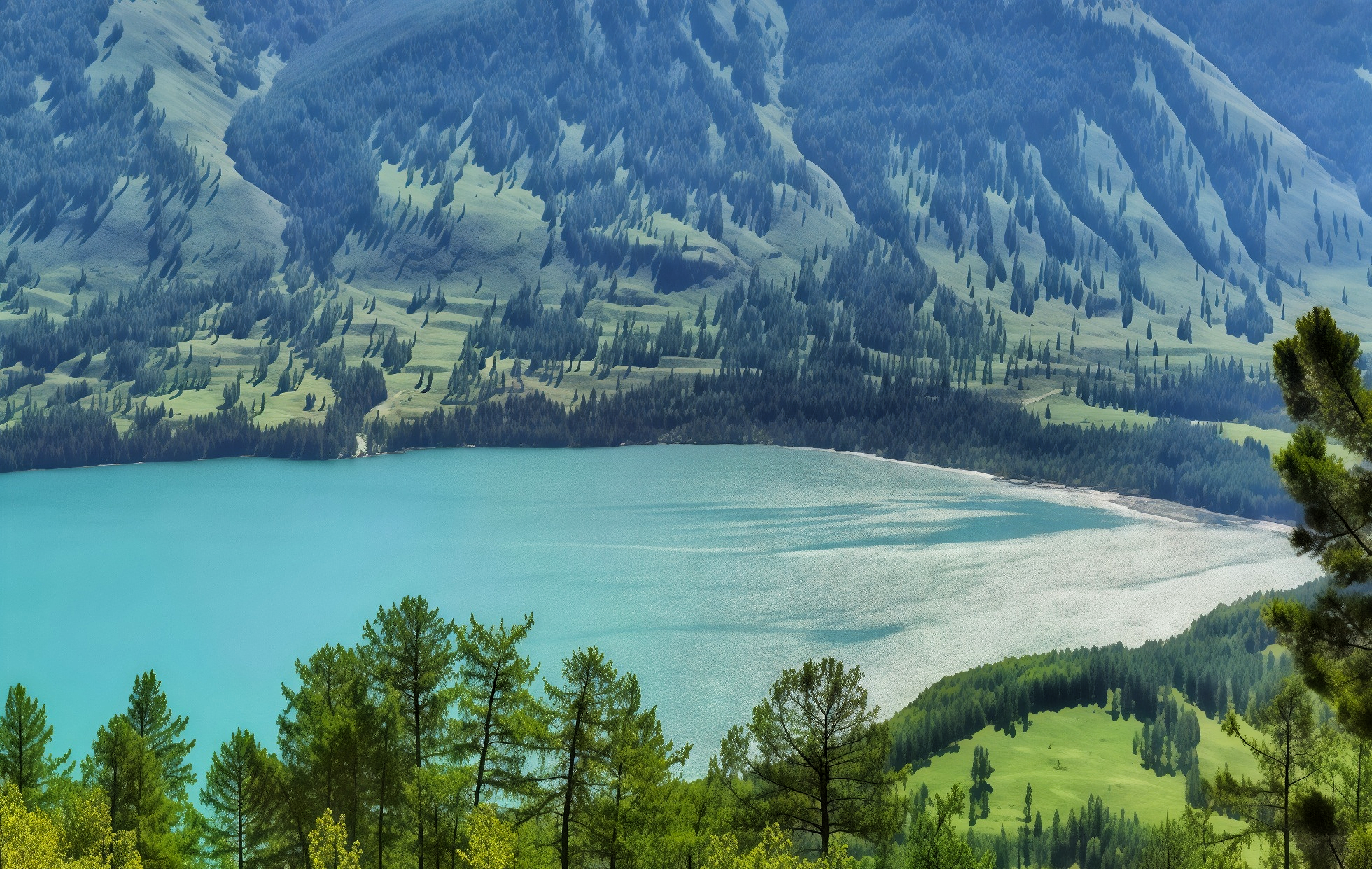
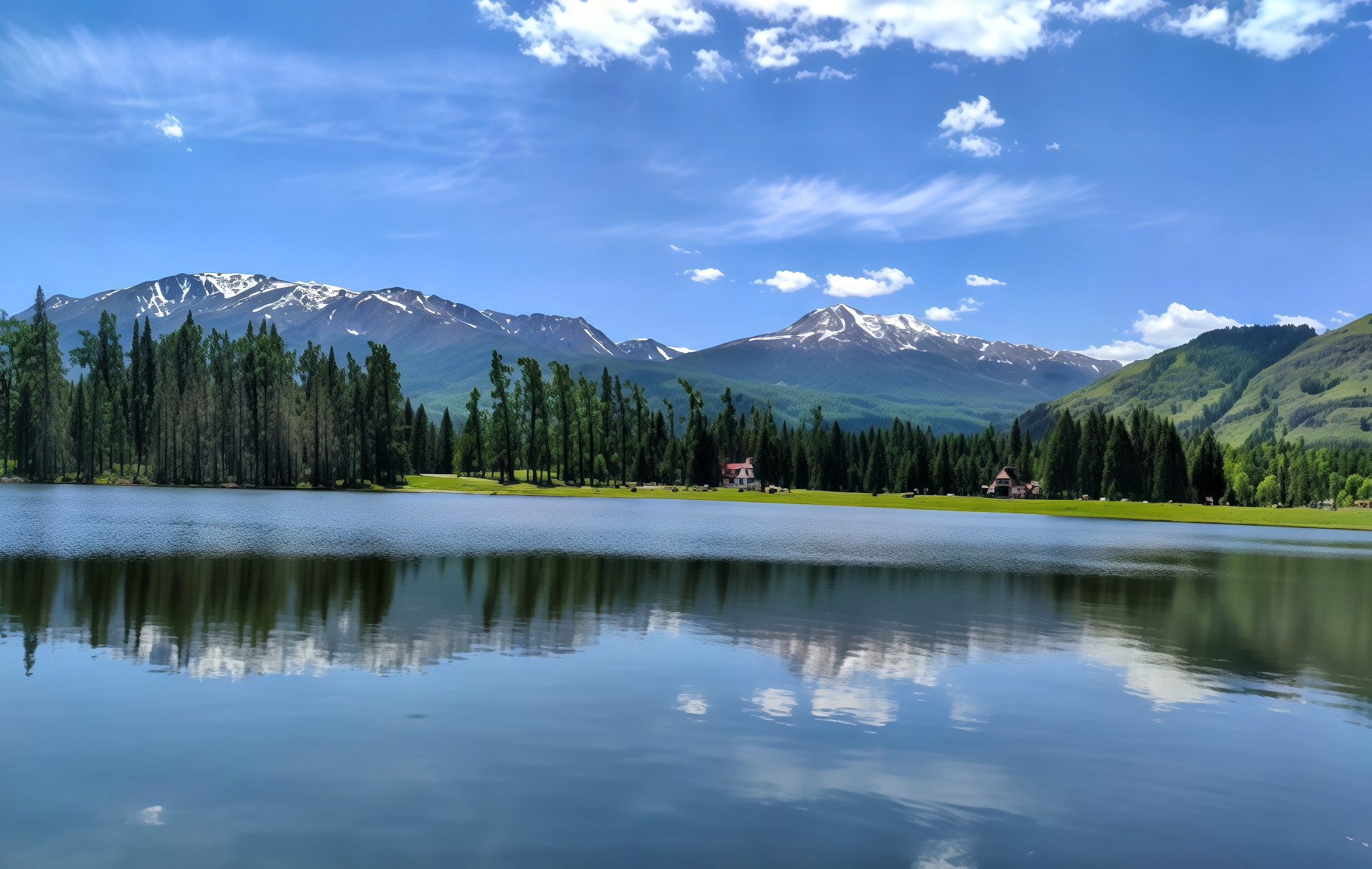
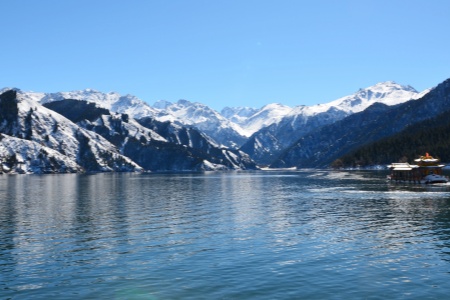
Kanas Lake: The "Breathing," Color-Shifting Emerald
The most magical aspect of Kanas Lake lies in the unpredictable shifts of its water color, which change with the seasons and the weather:
- Early Summer (May–June): As ice and snow melt, the upstream currents carry large quantities of minerals and sediment into the lake, causing the water to appear milky-white or grayish-white.
- Mid-Summer (July–August): The water transforms into a clear blue-green hue, shimmering with the translucent clarity of an emerald.
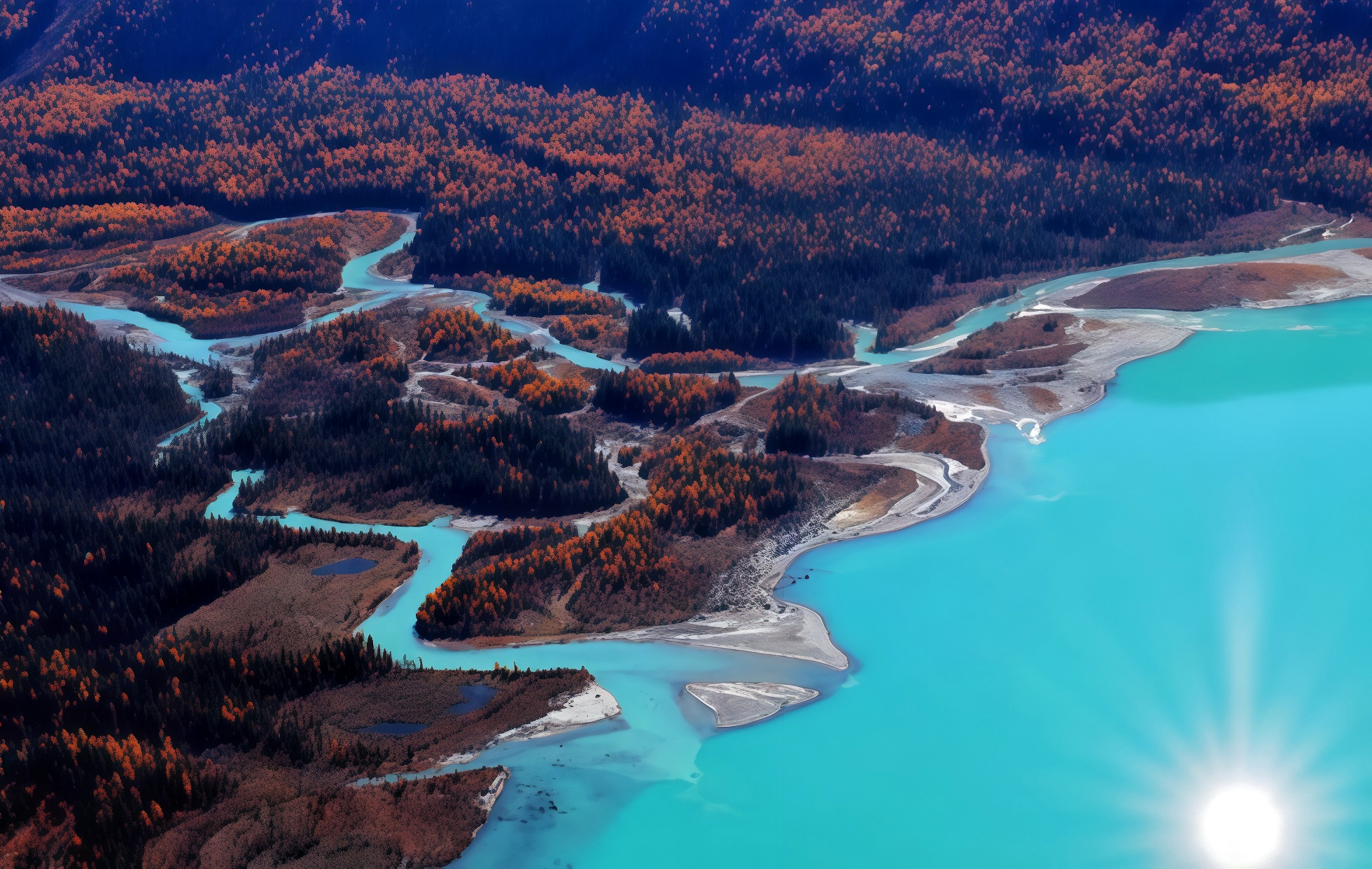
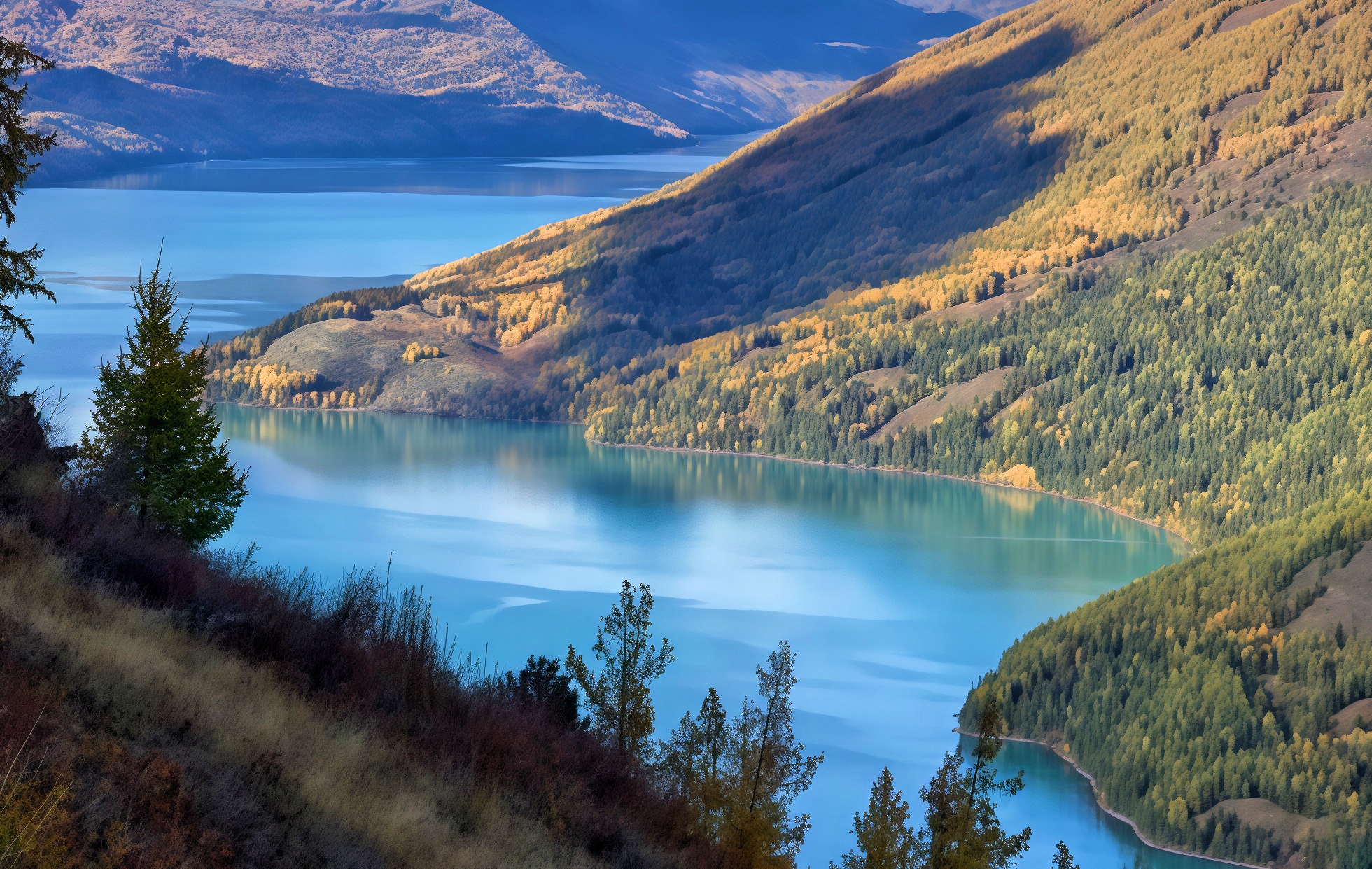
- Autumn (September–October): Set against the backdrop of golden-hued forests, the lake takes on a deep blue-green tone, displaying its richest and most layered palette of colors.
- Winter (November–April): The lake surface freezes over and becomes blanketed in white snow, creating a scene of serene, picturesque beauty.
- Daily Transformations: On a clear afternoon, as sunlight strikes the water at an angle, the lake glows a brilliant azure; during overcast or rainy weather, it shifts to a deep, inky green. Most astonishing of all, the lake sometimes displays several different colors within a single day—as if it were a living, breathing emerald.
Fish-Viewing Pavilion: The Prime Vantage Point for "Lake Monster" Legends
Perched atop the peak of Mount Harakate at an elevation of 2,030 meters, the Fish-Viewing Pavilion offers an unparalleled vantage point for a panoramic view of Kanas Lake. After ascending the 1,068 steps to the summit, the full splendor of the lake and mountains unfolds before your eyes: the lake winds like a crescent moon through the surrounding peaks, its waters a jade-like azure. This site is also the legendary observation post for sightings of the elusive "Lake Monster"—as you stand on the pavilion, gazing down into the unfathomable depths below, you just might be the next person to catch a glimpse of the mystery. Best Time to Reach the Summit: Early morning offers views of the sunrise and morning mist, while the afternoon provides the best lighting for capturing the shifting colors of the lake.
The Enchanted Three Bays: A Poetic Dance of Mist and Light
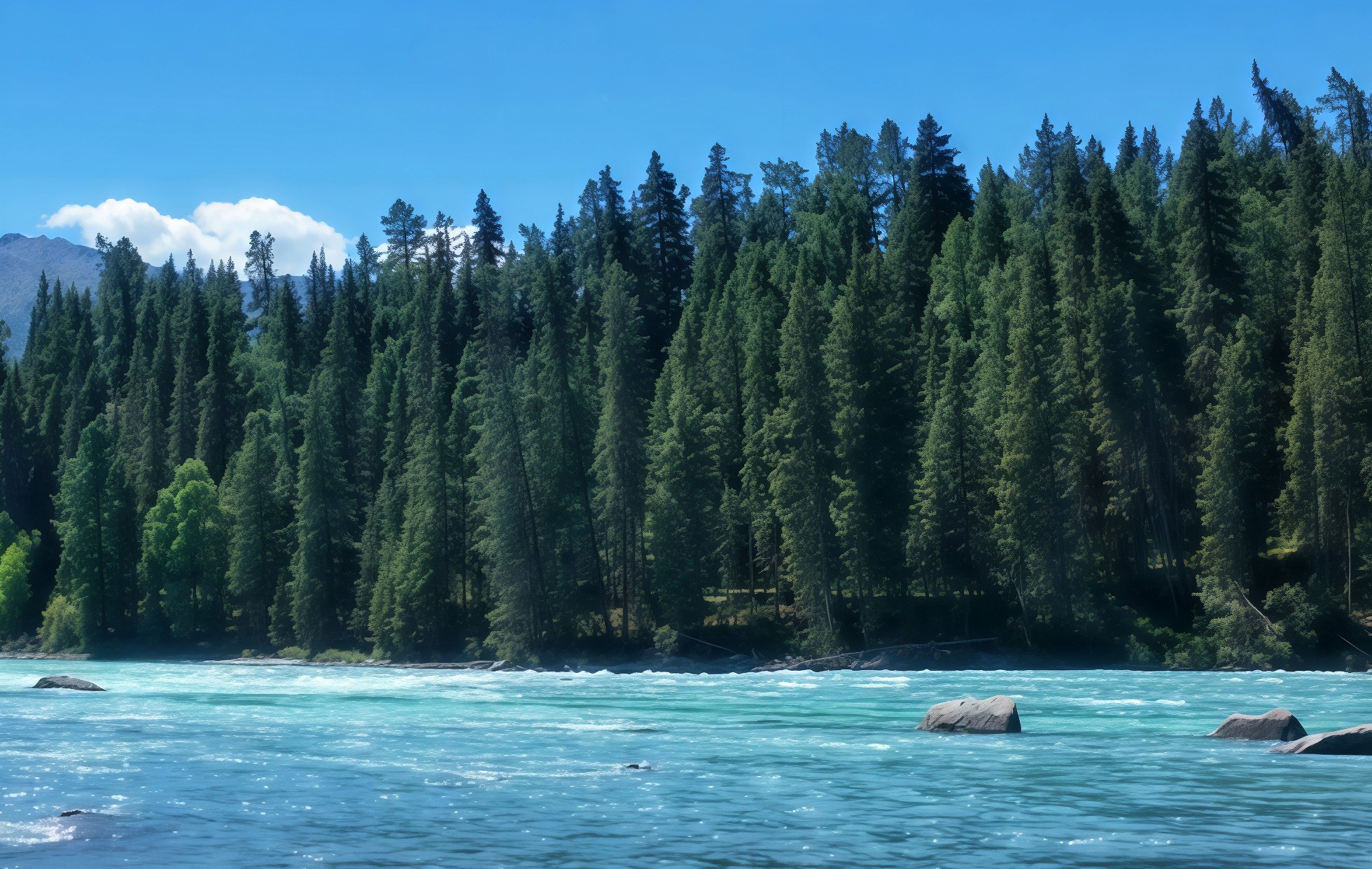
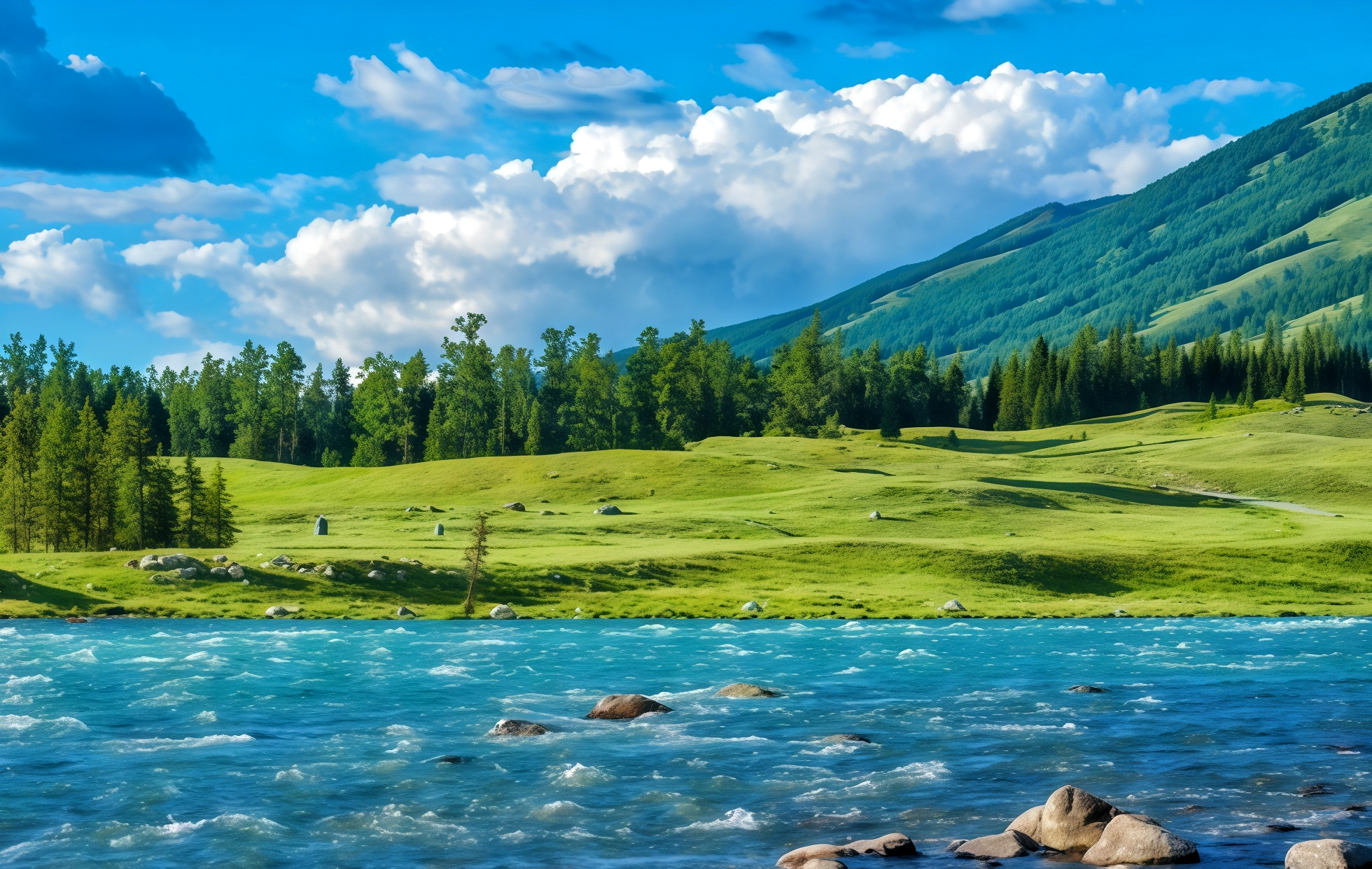
Located downstream from Lake Kanas, the trio of Moon Bay, Sleeping Dragon Bay, and Immortal Bay represents the very essence of the Kanas region:
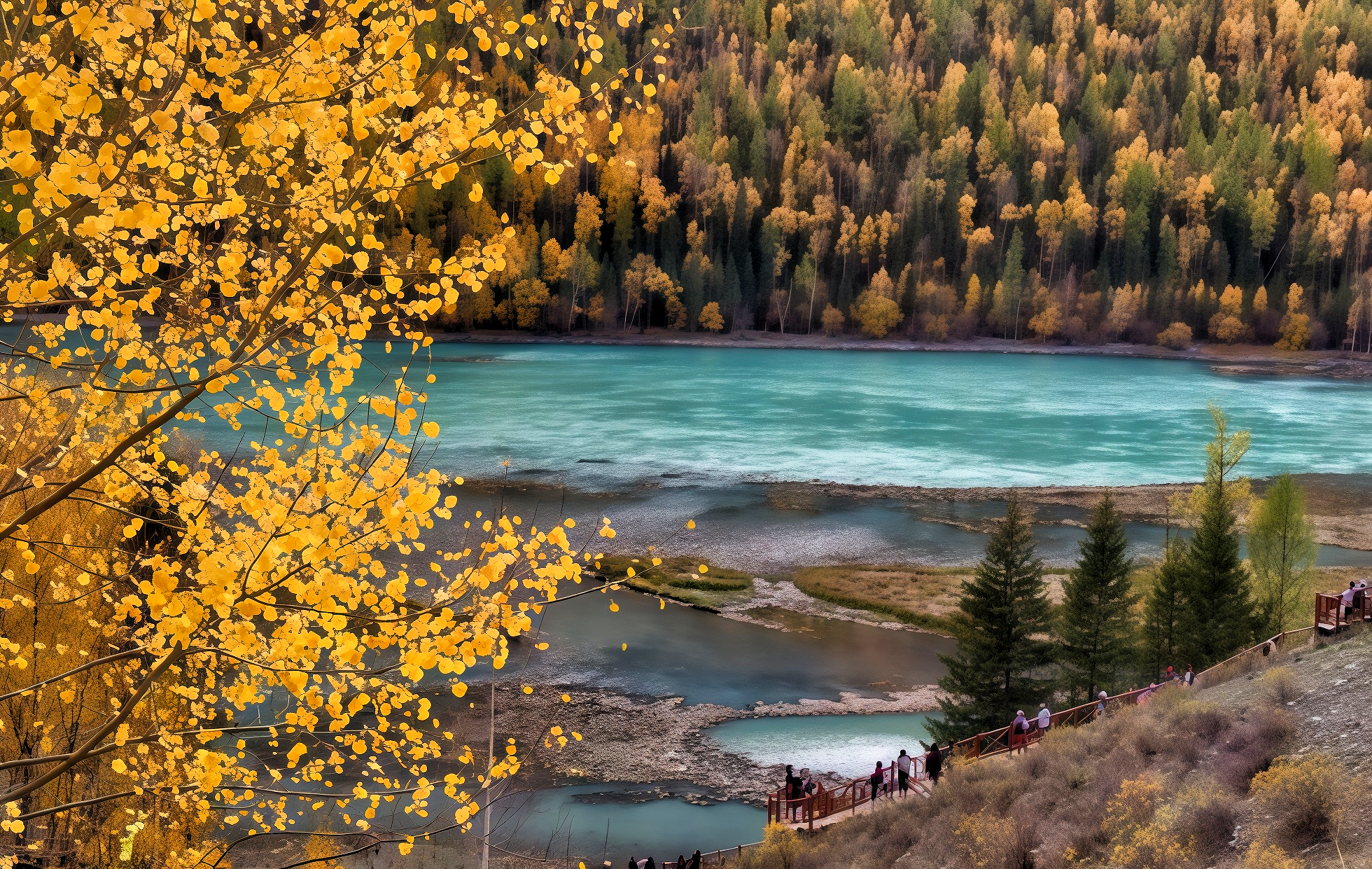
- Moon Bay: Named for the two crescent shapes formed by the riverbed, this spot features jade-green waters flanked by lush, verdant forests. In autumn, the foliage bursts into a riot of color, making it one of the most photogenic attractions in Kanas.
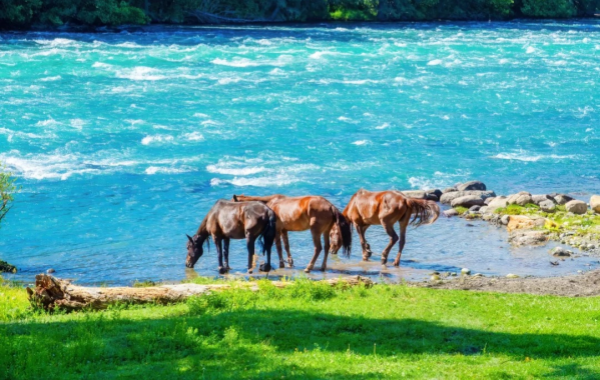
- Sleeping Dragon Bay: Named for the sandbar in the middle of the river that resembles a reclining dragon. The water is crystal clear—transparent to the very bottom—reflecting the blue skies, white clouds, and golden forests above.
- Immortal Bay: The most tranquil of the three bays, it is frequently shrouded in morning mist—a truly dreamlike and ethereal sight. The best time to witness this morning mist is between 6:00 AM and 8:00 AM; it is a coveted spot and a must-visit destination for photographers.
Birch Groves and Taiga Forests: Breathing "Forest Oxygen Chambers"
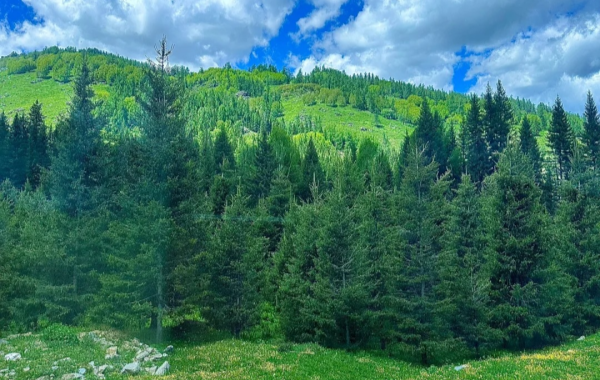
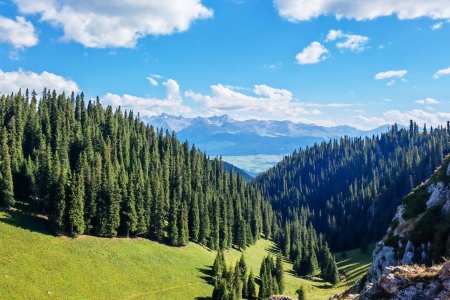
Kanas boasts China's most intact Taiga forest ecosystem, dominated by species such as larch, spruce, and fir, and brilliantly illuminated in autumn by groves of golden birch trees. Hiking through these woods—breathing in the pure air and occasionally encountering wildlife such as red deer, squirrels, and snow hares—offers a perfect opportunity for a rejuvenating "forest bath." Autumn (specifically mid-to-late September) is the most beautiful season for the birch groves; the interplay between the golden foliage and the azure lake waters creates a scene of unparalleled natural beauty.
> Photography Tips:
> - The Fish-Viewing Pavilion offers panoramic views of the entire lake; it is recommended to visit in the morning or late afternoon when the lighting is soft.
> - The best time to photograph the morning mist at the Three Bays is between 6:00 AM and 8:00 AM; be sure to arrive early and bring a tripod.
> - In autumn, the striking contrast between the golden birch trees and the azure lake waters creates the perfect opportunity to capture truly spectacular, magazine-quality photographs.
Human Ingenuity—The Tuva People and Their Homeland
The beauty of Kanas lies not merely in its scenery, but even more so in the Tuva people who have inhabited this land for generations, and in their unique culture.
Tuva Villages: The Last Tribes of the Forest
Kanas Village, Hemu Village, and Baihaba Village constitute the primary settlements of the Tuva people. A branch of the Mongol ethnic group, the Tuva people lead a nomadic lifestyle and practice a blend of Shamanism and Tibetan Buddhism; they possess a distinctive language, style of dress, and musical tradition:
- Wooden Cabins: The traditional dwellings of the Tuva people are constructed entirely from logs—without the use of a single iron nail. Their distinctive conical roofs are designed to withstand heavy snowfall while exuding a rustic, aesthetic charm.
- Su'er: A traditional Tuva musical instrument crafted from reeds. Its tone is hauntingly desolate and resonant, and it has been designated a National-Level Intangible Cultural Heritage.
- Chu'wur: A wind instrument fashioned from pine wood, hailed as a "living fossil" among Chinese flutes.
- Oboo Festival and Spring Festival: These are the most significant holidays for the Tuva people. During these celebrations, events such as horse racing, archery, and wrestling are held, offering visitors a unique opportunity to participate in the festivities.
Hemu Village: The Gods' Private Sanctuary
Located approximately 50 kilometers from Kanas Lake, Hemu Village is the largest settlement of the Tuva people and is celebrated as one of "China's Most Beautiful Villages." In the early morning, mist swirls and drifts among the wooden cabins and birch groves, creating a scene straight out of a fairyland. From the Hemu Observation Deck situated at the village entrance, visitors can enjoy a panoramic view of the entire village and the Hemu River; in autumn, the landscape transforms into a sea of golden hues—a true paradise for photographers.
Baihaba Village: The "First Village of the Northwest"
Situated directly along the China-Kazakhstan border, Baihaba Village holds the distinction of being China's northwesternmost village. Even more tranquil than Hemu, it serves as an exceptional location for photographing starry skies and morning mists. A special border pass is required for entry into the village.