Nature's creation - water as the veins and Bridges as the backbone
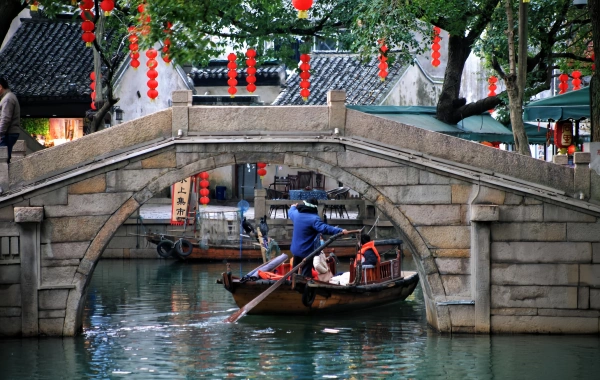
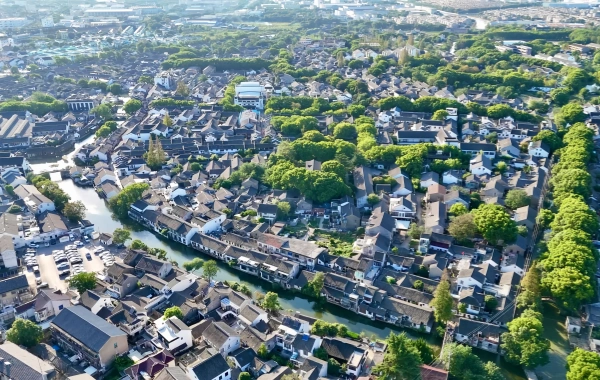
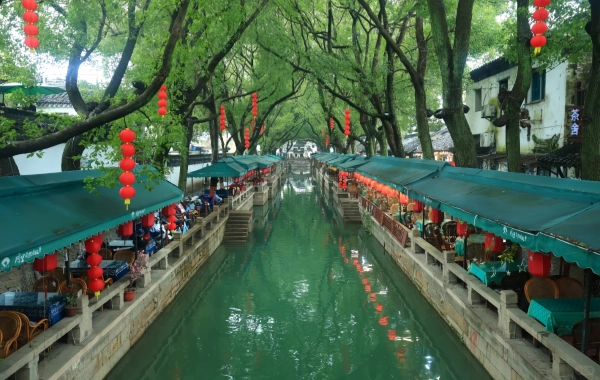
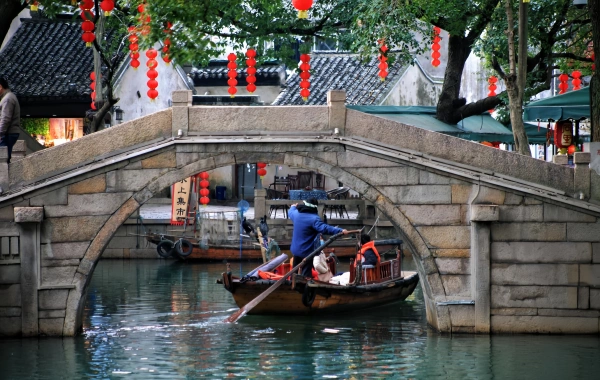
The soul of Tongli is tied to the crisscrossing clear waters and the ancient Bridges of various shapes, jointly painting a dynamic picture of a water town.
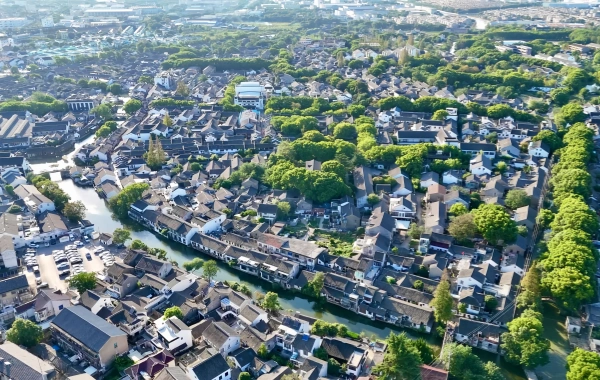
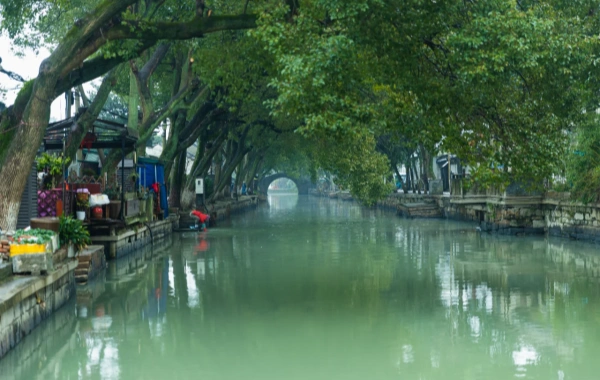
Net-like waterways: The chessboard and lifeblood of ancient towns
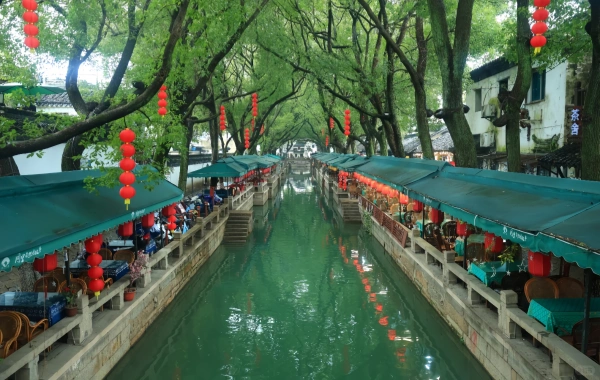
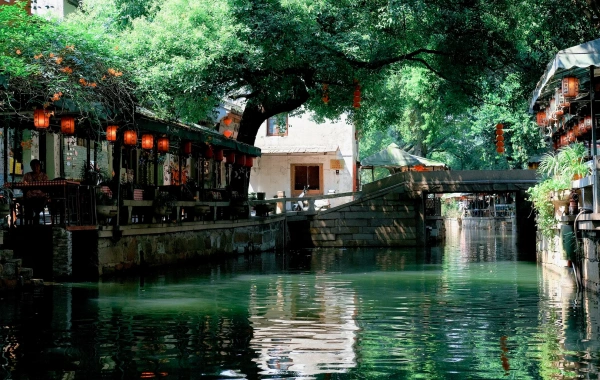
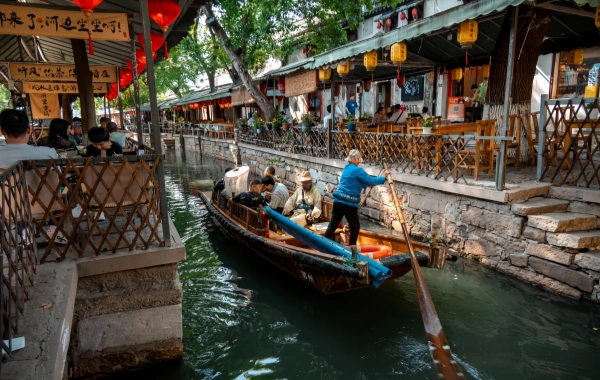
Fifteen rivers, like a web, divide the ancient town into seven islands. The width of the waterways is mostly between 3 and 5 meters, with white walls and black tiles on both banks, and green willows swaying in the water. Taking a hand-cranked gondola is the best way to decode the spatial code of this "Oriental Venice". As the boat sails through the water, watching the life scenes on both banks gradually unfold, one can truly understand the meaning of the two characters "water town".
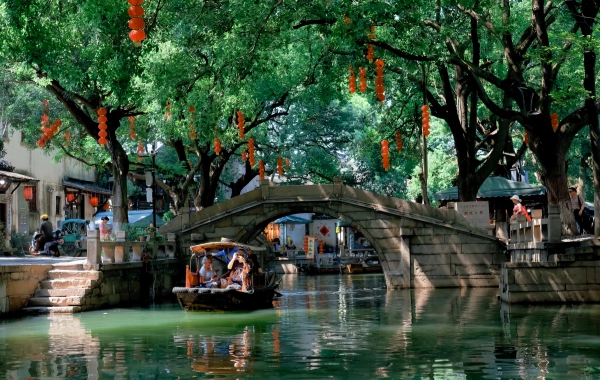
The Three Bridges (Taiping Bridge, Jili Bridge, and Changqing Bridge) : Walk across the Three Bridges and pray for three blessings
Located in the center of the ancient town, it stands in a triangular shape of "pin" and is a spiritual landmark of Tongli. There is an ancient custom of "crossing three Bridges" in the local area: crossing three Bridges during a wedding symbolizes harmony between husband and wife. The elderly walk across the three Bridges on their birthday, praying for good health and a long life. When a baby is one month old, it walks across the three Bridges, hoping for intelligence and safety. Walking along the river in sequence across three small and charming stone Bridges is not only a blessing ceremony but also the best way to enjoy the scenery of the water alley.
Photography tip: In the early morning or at dusk, use soft light to capture the reflections of the bridge and the water. Standing on the Jili Bridge, you can see the other two Bridges at the same time, making it a classic spot for shooting "bridge views".
Luoxingzhou: The Penglai Immortal Island floating in the middle of the lake
It is a small island located in Tongli Lake and can be reached by boat. The island integrates Buddhist temples, Taoist palaces and garden landscapes. The lush trees are like green jade in a lake. Standing on the island and looking into the distance, the lake sparkles and the entire ancient town comes into view. It is an ideal place to experience the expansive water scenery and the Zen-like atmosphere of Tongli.
Ming and Qing Streets and Nan Yuan Tea House: The Flowing charm of the market
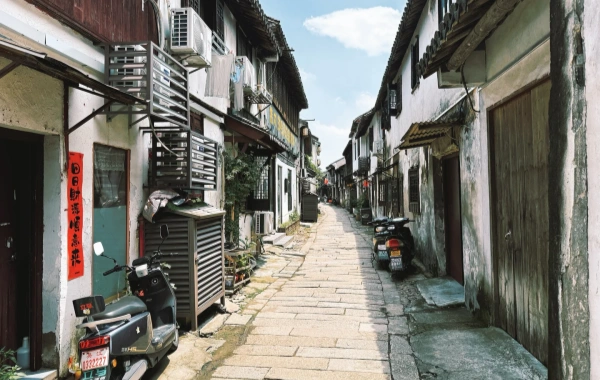
- Ming and Qing Streets: The main commercial street of the ancient town, with shops lining both sides of the stone-paved roads, selling local specialties such as lotus seed cakes and sock pastries, exuding a strong sense of daily life.
Nan Yuan Tea House: It was first built in the late Qing Dynasty. Scholars of the Nan Society such as Chen Qubing and Liu Yazhi once enjoyed tea and discussed Taoism here. Even today, one can still enjoy a cup of fragrant tea by the window here, listen to a piece of Suzhou Pingtan, and experience the slow pace of life in the water town.
Humanistic Craftsmanship - The Aesthetic of Gentry Life with Parallel Residences and Gardens
The deep mansions and exquisite gardens here jointly interpret the life ideal of the ancient Jiangnan gentry: "When prosperous, help the world; when poor, cultivate oneself."
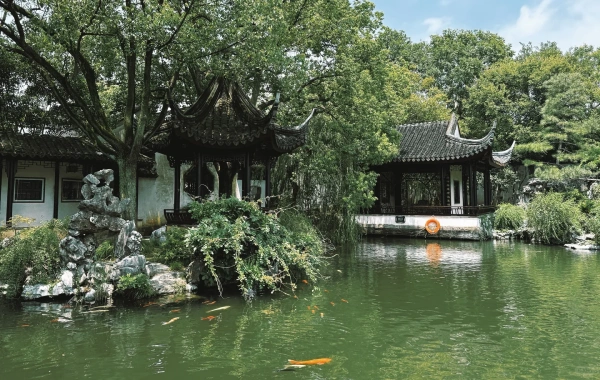
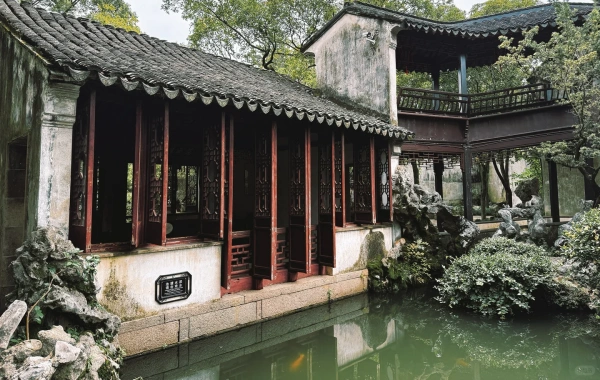
Tuisi Garden (World Heritage Site) : The pinnacle of waterside architecture
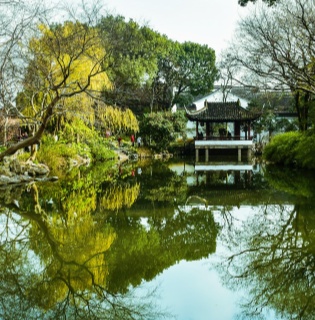
The soul core of Tongli: The entire garden covers only 98 mu of land, yet it is exquisitely designed and divided into the west residence and the east garden. The residential section is well-organized and rigorous, embodying the ritual system. The garden section is centered around water, with pavilions, terraces, corridors, boats, Bridges and pavilions all built close to the water, as if emerging from it. The main buildings, such as "Tuisi Thatched Cottage", "Naohong Yige" (stone boat), and "Mianyun Pavilion", are elegantly named, with a winding layout and ever-changing views as one walks. They apply the philosophy of "concealment" and "exposure", "restraint" and "release" to the extreme.
Chongben Hall and Jiayin Hall: A Silent Epic of Sculpture Art
Chongben Hall: Renowned for its rich wood carvings, the gate tower, long Windows and beams are all engraved with stories from operas such as "The Western Chamber" and "Dream of the Red Chamber", as well as auspicious patterns. It can be called a "museum of wedding customs in the south of the Yangtze River".
Jiayin Hall: The beam head of the main building, "Shamao Hall", is made of OARS wood resembling the cap wings of a Ming Dynasty official hat, carrying profound implications. Its brick-carved gatehouse is exquisitely crafted, especially the "Dark Eight Immortals" brick carvings, which are exquisitely made and carry auspicious meanings.
Gengle Hall: A model of reclusive life in the Ming Dynasty
It was built by Zhu Xiang, a scholar of the Ming Dynasty, with a front residence and a back garden. The style is simple and natural. The garden features ancient pines, lotus ponds and curved Bridges, presenting a pastoral and wild charm. It reflects the owner's attitude of not seeking fame and fortune and taking pleasure in farming and reading. It is a representative of "people's seclusion" that echoes the official seclusion culture of Tuisi Garden.
Pearl Tower Garden: The materialization of a Love Legend
A love story derived from the classic ballad "Pearl Tower". The garden complex is grand in scale, with pavilions, terraces, towers, rockeries and ponds exquisitely arranged. It recreates the scenes from traditional operas one by one, allowing visitors to immerse themselves in a classical love story of a talented scholar and a beautiful woman during their tour.
Songshi Wuyuan: The Artistic Palace of stone slab paintings
An art garden themed on the collection and display of "Songping Stone" SLATE paintings. These naturally formed stone slabs have patterns that resemble Chinese landscape paintings, presenting a myriad of postures. They complement the pines, bamboo and stones in the garden, adding a unique artistic atmosphere to the ancient town.
Photography Secrets:
The "Nao Hong Yi Ge" stone boat in Tuisi Garden is a signature photo spot, and you can take pictures with its reflection in the water.
The Sanqiao area is suitable for shooting the interaction between people and the environment, capturing the folk moments of "walking on Sanqiao".
The Luoxingzhou Pier offers a unique perspective for capturing the outline of the ancient town and its reflection on the lake surface.
In the early morning at the Nan Yuan Tea House, the mist and the morning light interweave, making it an ideal scene for creating a humanistic documentary.