Zhaohua Ancient City:From Millennia-Old Jiameng to a Living Ancient City of the Three Kingdoms Era

Zhaohua Ancient City:From Millennia-Old Jiameng to a Living Ancient City of the Three Kingdoms Era

Overview:A Living Museum of History
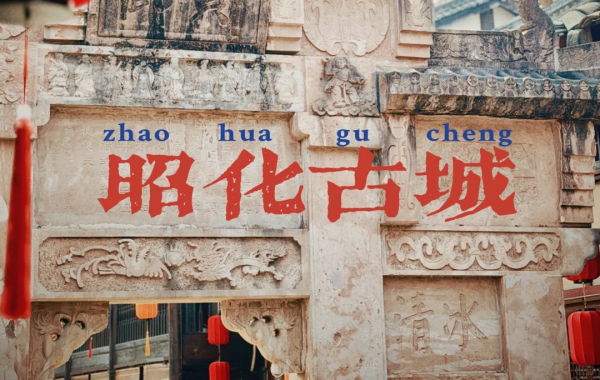
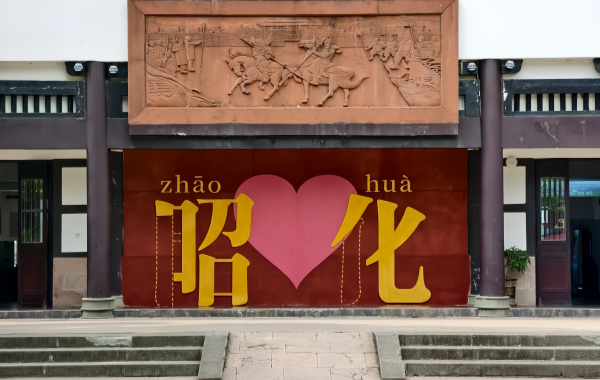
Zhaohua Ancient City in Guangyuan,Sichuan,sits at the confluence of three rivers.It is China's best‑preserved ancient city from the Three Kingdoms period,with over 4,000 years of history and 2,300 years as a county seat.Known as the“First County of Bashu,”it offers a glimpse into the legendary Three Kingdoms era.

Key Highlights at a Glance
Defining Tags:Best‑Preserved Three Kingdoms City/“First County of Bashu”/Living History
Core Experiences:Strolling the ancient city,joining a Three Kingdoms‑themed night tour,hiking the ancient Shu Roads,trying hands‑on intangible cultural heritage activities
Recommended Duration:1 day(overnight recommended for the night experience)
Location:Zhaohua Town,Zhaohua District,Guangyuan City,Sichuan Province

  • Zhaohua Ancient City:From Millennia-Old Jiameng to a Living Ancient City of the Three Kingdoms Era-1
  • Zhaohua Ancient City:From Millennia-Old Jiameng to a Living Ancient City of the Three Kingdoms Era-2
  • Zhaohua Ancient City:From Millennia-Old Jiameng to a Living Ancient City of the Three Kingdoms Era-3
  • Zhaohua Ancient City:From Millennia-Old Jiameng to a Living Ancient City of the Three Kingdoms Era-4

Origins:A Land of Imperial Ascent and Millennia of Warfare

Furong Ancient Town

The Rise of Shu Han—The Legendary Beginning at Jiameng
The history of Zhaohua is a magnificent epic,inextricably intertwined with the broader narrative of Chinese civilization.Known in antiquity as Jiameng,the city was established as Jiameng County in 316 BC following the Qin Dynasty's conquest of the Bashu region.As one of the earliest administrative counties formally established in the Bashu area,it earned the prestigious title of the"First County of Bashu."In 211 AD,Liu Bei garrisoned his forces at Jiameng;by"cultivating benevolence and virtue to win the hearts of the people,"he utilized this location as a strategic base to launch his westward campaign,ultimately capturing Chengdu and laying the foundational groundwork for the future Shu Han Dynasty.It is often said that"the rise of Shu Han began at Jiameng"—a humble ancient city that bore witness to the very inception of the"Three Kingdoms"geopolitical landscape.After Liu Bei proclaimed himself Emperor,he renamed Jiameng to Hanshou—a name chosen to signify"the eternal longevity of the Han dynasty."During the later period of the Shu Han kingdom,this site served as the primary base for Zhuge Liang's Northern Expeditions,as well as the administrative seat for the Chancellors'offices of both Fei Yi and Jiang Wei.Consequently,the ancient city earned the moniker"The Second Capital of Shu."

A Strategic Imperative:The Turbulent Years of the"Throat of Shu"
Due to its strategic positioning—"controlling the Qin-Long region to the north and commanding the Ba-Shu region to the south"—Zhaohua has historically served as a vital land and water transportation hub for travelers heading north to Chang'an or south to Chengdu.It is aptly known as the"Throat of All Shu"and the"Key to Northern Sichuan."The widely celebrated episode from Romance of the Three Kingdoms—"Zhang Fei Fights Ma Chao by Lamplight"—is said to have taken place at Zhansheng Dam,just outside the ancient city's West Gate.Other legendary tales,such as"Huo Jun Defends the City"and"Jiang Wei Besieged at Niutou Mountain,"have also been passed down through generations within this very locale.In the fifth year of the Kaibao era of the Northern Song Dynasty(972 AD),Emperor Taizu of Song(Zhao Kuangyin)personally bestowed the name"Zhaohua"upon the city,a name signifying"illuminating imperial virtue and cultivating the hearts of the people."This name has remained in use to this day.Later,following a rerouting of the Sichuan-Shaanxi Highway,the ancient city fell into a period of quiet obscurity.Yet,precisely because of this isolation,its urban layout and intricate network of streets—originally reconstructed during the Ming Dynasty—were preserved in their entirety,thereby laying the groundwork for the city's subsequent renaissance.

>In-Depth Exploration:Discover More of China's Millennia-Old Cities >> [Bing'an Ancient Town]

Must-See Wonders:The Fusion of City and Pass,and the"Mountain-and-Water Taiji"

Furong Ancient Town Furong Ancient Town Furong Ancient Town Furong Ancient Town

Nature's Masterpiece:The"Mountain-and-Water Taiji"Embraced by Three Rivers
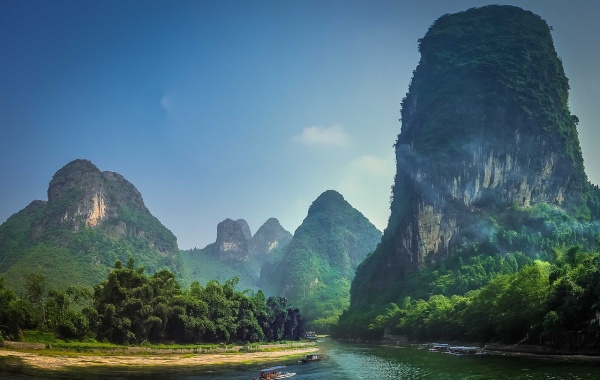
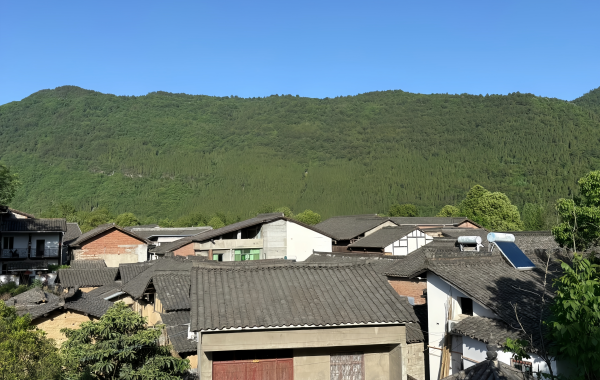
The natural endowments of Zhaohua Ancient City can truly be described as a divine masterpiece of creation.Where the Jialing and Bailong Rivers converge,nature has sculpted a sweeping,reverse"S"-shaped curve with a diameter of approximately five kilometers.Together with the flanking peaks—Mount Yi and Mount Bijia—this formation constitutes a natural spectacle renowned as the"World's Foremost Mountain-and-Water Taiji."The ancient city sits precisely at the"Yang eye"(the white dot)of this natural Taiji diagram;surrounded by mountains on all sides and embraced by water on three,it is a place of exquisite scenic beauty and profound spiritual resonance—a perfect testament to the wisdom of the ancients in selecting their settlements.
Ascending for a View of the Taiji:Climbing Niutou Mountain to reach Tianxiong Pass—located just outside the ancient city—offers the ultimate vantage point for witnessing the spectacular"Mountain-and-Water Taiji"phenomenon.From this elevated perch,one can gaze out across a panoramic canvas where the river flows like a silken ribbon and the verdant hills rise like a majestic screen;the entire landscape unfolds before your eyes like a magnificent painting,uplifting the spirit and refreshing the mind.An early-morning ascent is highly recommended;when the mists swirl and linger,the scene takes on an ethereal quality,feeling truly like a realm of immortals.

The Breath of the Ancient Shu Road:Zhaohua Ancient City serves as a pivotal junction where the ancient Jinniu Road—a historic thoroughfare—cuts through from north to south.Venturing westward from the ancient city gates,the 32-kilometer Zhaohua section of the Jinniu Road weaves together a tapestry of ancient trails,city walls,passes,river crossings,and postal stations—representing the very essence of the surviving Shu Road heritage.Along the route,towering ancient cypresses reach toward the heavens while winding paths paved with blue flagstones stretch into the distance.Travelers encounter a wealth of Shu Road relics,including the Ming Dynasty stone-slab bridge(Songning Bridge),the ruins of Tianxiong Pass,and the Dachaoyi Postal Station.The vibrant greenery of the ancient cypresses intertwines with the solid,weathered texture of the flagstones,creating a secret passage through time that leads back a thousand years.

Humanistic Ingenuity:The"Three Kingdoms"Code Encapsulated in the City Walls and Alleys
Here,every blue brick and every inch of flagstone pavement holds within it a thousand years of stories and wisdom.

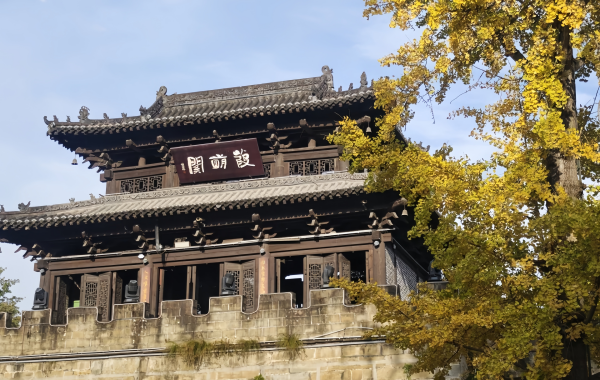
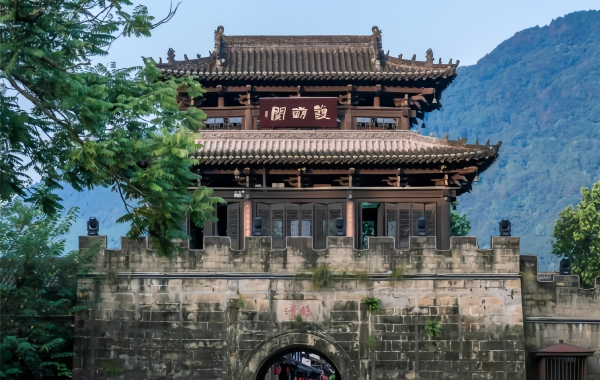
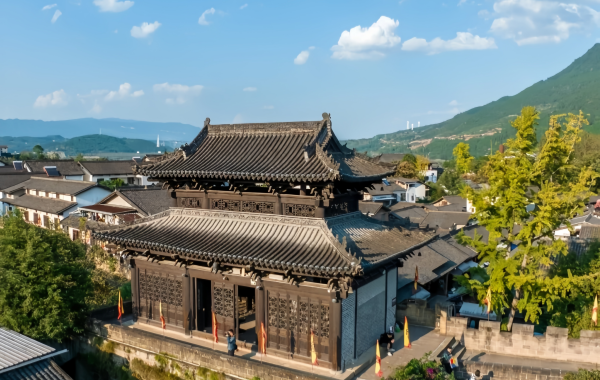
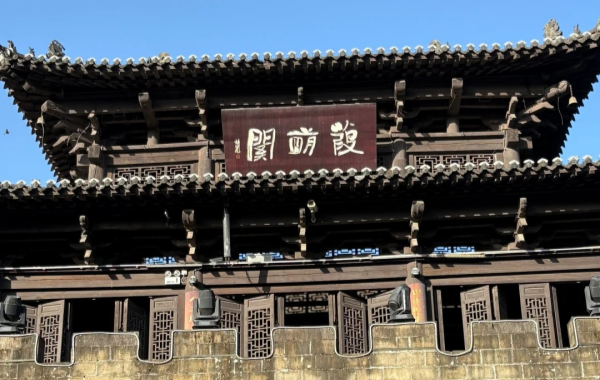
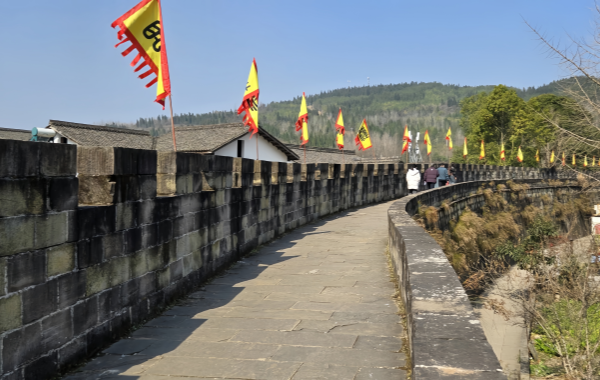
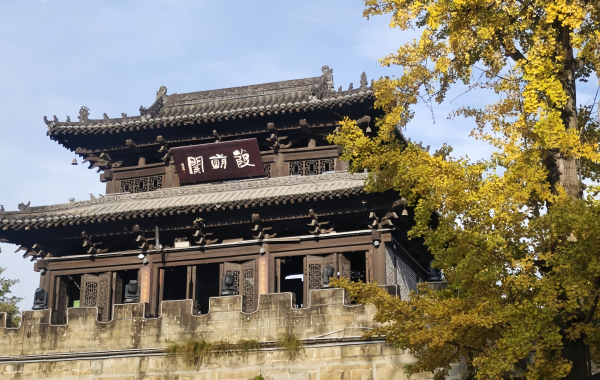
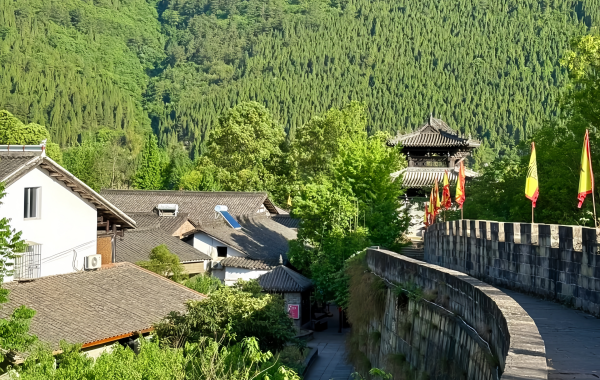
Jiameng Pass—The Nation's Only"Integrated City-and-Pass"Structure:Zhaohua Ancient City stands as the only well-preserved ancient stronghold in China where the city itself functions simultaneously as a defensive pass.The West Gate—known as"Linqing Gate"—serves as both the primary entrance to the ancient city and the site of the historically renowned Jiameng Pass.This creates a rare phenomenon where"one city serves as a pass,"a unique architectural and strategic feature found nowhere else in the country.Just outside the gate lies Zhanzhengba—the very battlefield where,according to legend,the famous duel between Zhang Fei and Ma Chao took place under the flickering light of lanterns.The East Gate("Zhanfeng Gate")and the North Gate("Gongji Gate")—along with Linqing Gate—are all designated provincial-level cultural heritage sites.The layout of these three gates conceals a subtle strategic logic:in ancient times,each gate served a specific ceremonial or practical purpose—the East Gate welcomed wedding processions,the West Gate received official dignitaries,and the North Gate facilitated commerce.

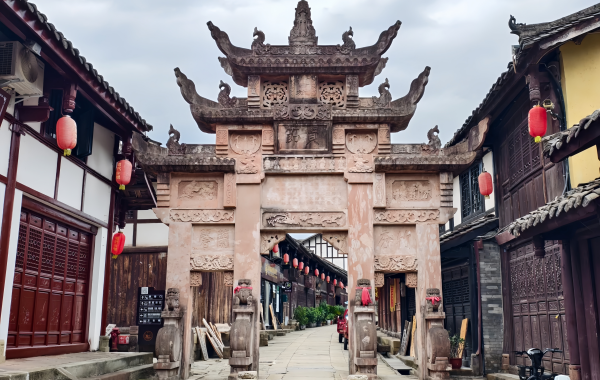
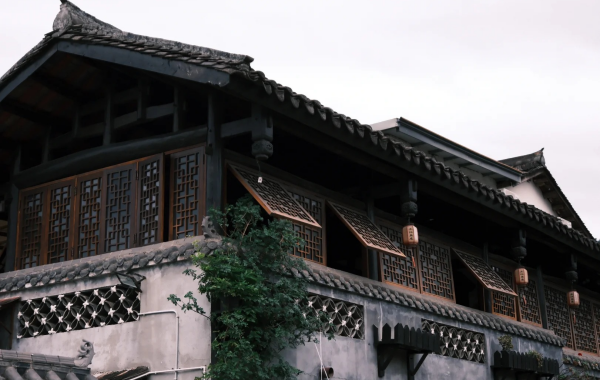
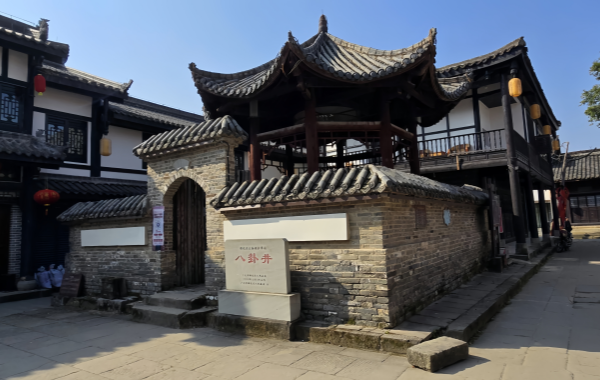
Military Wisdom in the"Nine Streets and Eighteen Alleys":The street and alley layout of the ancient city has preserved its complete Ming Dynasty character.Organized in a pattern of"three horizontal thoroughfares and two vertical thoroughfares,interconnected by T-junctions,"the streets feature a distinctive"gable-roof"style paving:the blue flagstones are laid higher in the center and slope downward toward the sides.This design not only ensures efficient drainage but also enhances the rustic,antique charm of the city.Even more ingenious is the layout of the streets and alleys,all intersecting in a"T"shape;"roads crisscross and connect,yet city gates never directly face one another"—a design everywhere concealing the clever ingenuity of ancient military defense strategies.Strolling through this maze,one feels as if stepping into an open-air museum of ancient urban fortifications.

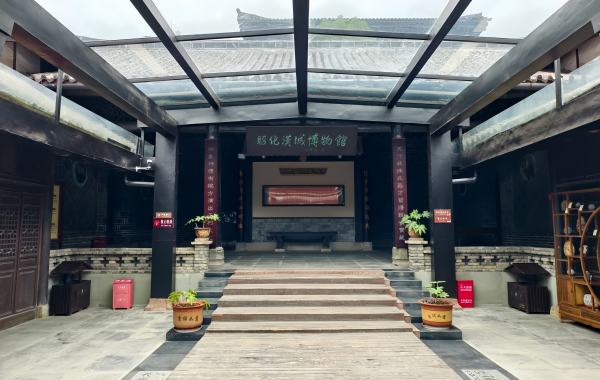
A Cluster of Historical Sites—A Three-Dimensional Chronicle of a Millennium:Within the ancient city,24 sets of traditional,self-contained courtyard residences still stand today.Lining the old streets is a host of provincial and municipal cultural heritage sites,including the County Yamen,the Confucian Temple,the Examination Hall,and the Longmen Academy.

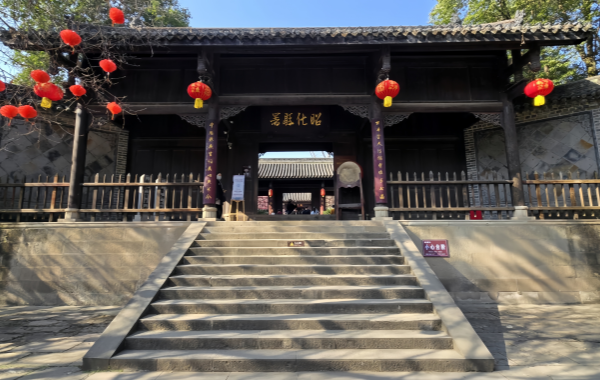
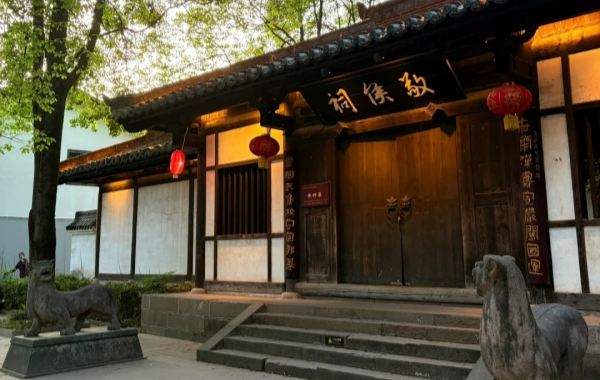
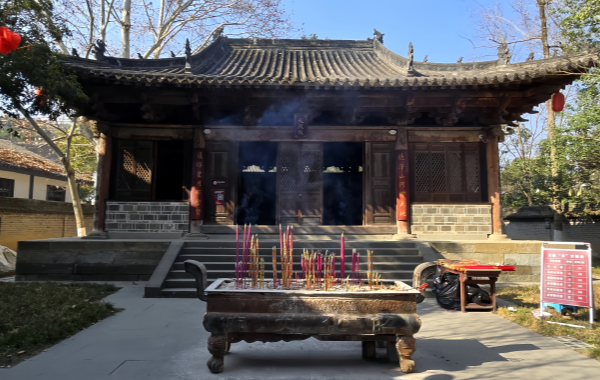
Zhaohua County Yamen:Situated at the highest point of the ancient city,this complex was originally built during the Tang Dynasty and reconstructed during the Ming and Qing dynasties.Inside the main hall,the hanging plaque inscribed with"A Bright Mirror Suspended High"and the three-foot-high magistrate's desk vividly recreate the solemn majesty of an ancient government office.

Zhaohua Examination Hall:The largest county-level civil service examination venue in Northern Sichuan,this site features 322 examination cells that faithfully recreate the authentic scene of the ancient imperial examinations—where candidates lived,ate,and attended to all their bodily needs within a single,confined space.

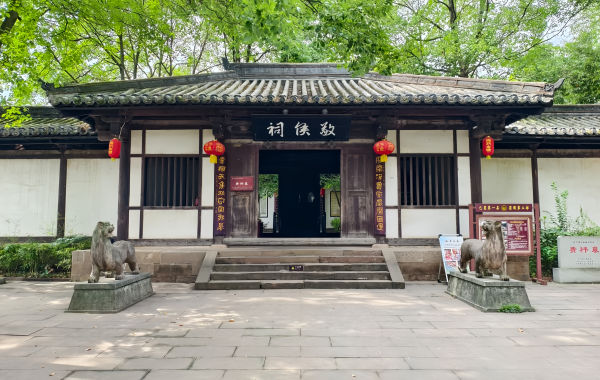
Jinghou Shrine:A memorial temple dedicated to Fei Yi,a Grand General of the Shu Han Kingdom.Housed within the shrine,Fei Yi's tomb serves as a repository for the enduring lament of posterity:"Had Fei Yi not perished,the Shu Han Kingdom would never have fallen."

Jiandaoba Garden of Monarch and Ministers:Located on the former military training ground where Liu Bei once drilled his troops,this site features a collection of statues of 11 renowned ministers of the Shu Han Kingdom,standing amidst a lush bamboo grove.Figures such as Zhang Fei,Ma Chao,Fei Yi,and Jiang Wei exude a commanding heroism,making visitors feel as though they have stepped back into that legendary era—an era defined by the emergence of heroes.

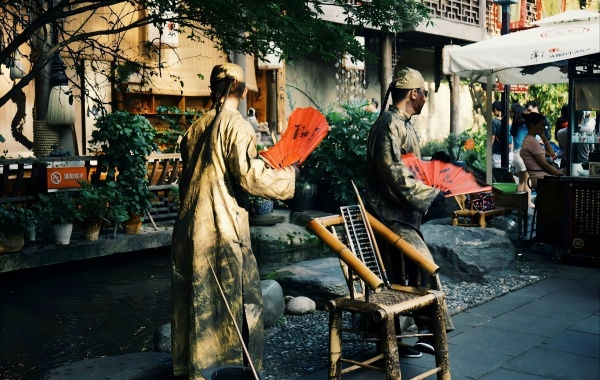
Living Heritage—Intangible Cultural Heritage Awakens the City's Heartbeat:Within the ancient city,the national-level Intangible Cultural Heritage known as"Shejian Tiyang Opera"is hailed as a"living fossil"of the Nuo opera tradition of the Han people."Northern Sichuan Leipeng Storytelling"features a single performer assuming multiple roles and shifting through various vocal tones to narrate tales of the Three Kingdoms era within the city's teahouses.Other intangible heritage crafts—such as the Chen Family's Painted Sculptures and the Xue Family's Sugar Painting—are scattered throughout the streets and alleys,allowing visitors to personally experience these living cultural memories as they wander through the ever-changing scenery.Photography Tips:
The best vantage point for panoramic shots is at Tianxiong Pass on Niutou Mountain,offering a sweeping view of the magnificent tableau known as the"World's Foremost Landscape Taiji."
The Linqing Gate Tower is ideal for capturing the weathered,historic atmosphere of the ancient city gate and the Zhansheng Dam;after nightfall,the glow of red lanterns against the ancient bricks creates highly photogenic scenes.
The deep,linear compositions of the T-shaped alleys within the ancient city are perfect for capturing the rustic charm of the bluestone paths and the Ming and Qing-era residences.
Drone flight is restricted to a maximum altitude of 120 meters;flights should be conducted away from densely populated areas to capture a"God's-eye view"of the confluence of the three rivers.

Core Experiences:An Immersive Guide to Life in the Three Kingdoms Era

Furong Ancient Town Furong Ancient Town Furong Ancient Town Furong Ancient Town

Five Must-Do Activities to Unlock the Complete Ancient City of the Three Kingdoms Experience

1.Ascend a Thousand-Year-Old Pass Fortress

Climb the Linqing Gate(Jiameng Pass)Tower—the only ancient pass in China built as a city—and gaze out over the panoramic confluence of the three rivers.Beneath your feet lies the Zhansheng Dam,the very site where Zhang Fei and Ma Chao once fought a legendary battle by lantern light;in your ears,you can almost hear the echoes of clashing steel and thundering hooves from a thousand years ago.

2.Attend an Immersive Night Banquet:Jiameng Chunqiu(Springs and Autumns of Jiameng)

Key Insight:Zhaohua by night reveals its true identity as the"Second Capital of the Kingdom of Shu."

The Experience:The grand immersive interactive drama Jiameng Chunqiu is performed every Saturday evening at the Zhaohua West Market.Presented in a fluid,promenade-style format without a fixed main stage,the performance allows visitors to walk and watch simultaneously,freely wandering through authentic courtyard settings as the plot unfolds—literally"traveling back in time"to Jiameng Pass a millennium ago.The production recreates the historic spectacle of"a thousand people bowing in greeting by day,and a hundred thousand lanterns glowing by night,"standing as the most iconic nocturnal cultural experience in the Ancient City of Zhaohua.

3.Stroll Through the Ancient Streets of the Three Kingdoms

Follow the thousand-year-old bluestone paths and wind your way through the T-shaped ancient alleys,gaining a firsthand appreciation for the military defensive wisdom of the ancients.Along the way,visit key attractions such as the County Yamen,the Confucian Temple,the Imperial Examination Hall,and the Shrine of Marquis Jing;be sure to stop at the"Monarch and Ministers Garden"at Jiandao Dam to take souvenir photos with the statues of the eleven renowned officials of the Shu Han Kingdom.As night falls,the ancient city becomes a dazzling spectacle of lights,and the bluestone streets—bathed in the glow of red lanterns—take on a unique,time-traveling allure.

4.Savor a Feast of Authentic Northern Sichuan Flavors

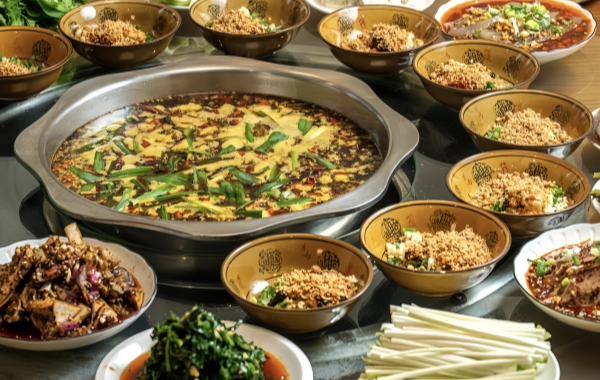
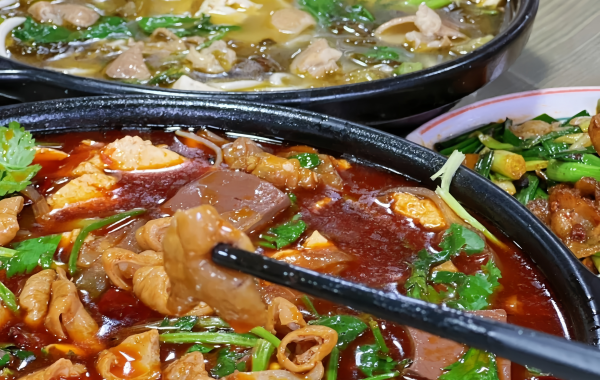
Must-Try Dishes:Zhaohua Hot Pot Fish(fresh fish from the Jialing River paired with a spicy-numbing broth—Li Laosan Fishing Village is highly recommended);Zhaohua Braised Pork Intestines(delicious whether braised in red sauce,dry-fried,or served cold;rich and succulent without being greasy,aromatic and delightfully tender);and the Jianmen Tofu Banquet(featuring the"Pregnant Tofu"as its most distinctive specialty).

Snack Hunting:Taishou Fried Dough Twists,Muchui Pastries,"Empress"Steamed Cold Noodles,and Walnut Cakes—these treats are scattered throughout the ancient city's streets and alleys,exuding a vibrant,down-to-earth atmosphere.

5.Hike the Thousand-Year-Old Ancient Shu Road

Departing from Zhaohua Ancient City,embark on a hiking journey along the ancient Jinniu Road.The route passes through Tianxiong Pass,Dachao Post Station,and Songning Bridge before reaching Jianmen Pass.Spanning 27 kilometers in total,the path is flanked by thousand-year-old cypress trees,and the bluestone paving bears deep hoof prints left by countless travelers of the past.You can plan a one-to-two-day itinerary to experience the ancient postal relay system—characterized by a"post station every five li and a pavilion every ten li"—making this an immersive experience that outdoor enthusiasts and history buffs simply cannot miss.

Suggested Itinerary

One-Day"Traces of the Three Kingdoms"Highlights Tour(Suitable for Most Visitors):
8:30 AM:Arrive at the Ancient City.Enter through the West Gate(known as"Linqing Gate"),then ascend the city tower to enjoy a panoramic view of the Zhanzhengba area and the confluence of the three rivers(30 minutes)→Tour the Junchen Garden at Jiandaoba to admire statues of renowned officials from the Shu Han Kingdom(20 minutes)→Visit the Jinghou Shrine to learn about the life of Fei Yi and the legend that"as long as Fei Yi lived,the Shu Han Kingdom would not fall"(30 minutes)→Explore the Zhaohua County Yamen(Magistrate's Office)to experience the solemn grandeur of an ancient administrative seat(20 minutes)→Around 12:00 PM(Noon):Savor authentic local delicacies—such as Zhaohua Hot Pot Fish or Braised Pork Intestines—within the Ancient City(1 hour).1:30 PM:Visit the Confucian Temple and the Examination Hall to experience the culture of the ancient Imperial Examination system(40 minutes)→Stroll through the"Nine Streets and Eighteen Alleys"of the Ancient City,explore historic Ming and Qing Dynasty residences such as the Gu Family Courtyard,and discover the military defensive wisdom embedded in the city's T-shaped alleyways(1 hour)→Amidst the streets and alleys,experience Intangible Cultural Heritage crafts such as the Chen Family's Painted Sculptures and Northern Sichuan Pingshu(storytelling)(40 minutes)→In the late afternoon,ascend Tianxiong Pass on Niutou Mountain to overlook the spectacular"Mountain-and-Water Taiji"landscape and capture photos of the sunset(1.5 hours)→Return to the Ancient City for dinner;enjoy an evening stroll through the old streets,and—if performances are scheduled—attend the immersive theatrical production Jiameng Chunqiu before departing.

IntoTravelChina Tip:This itinerary covers the core attractions of Zhaohua Ancient City.If you wish to experience hiking the Ancient Shu Road all the way to Jianmen Pass,we recommend allocating an additional 1–2 days.

Two-Day"Ancient City+Shu Road"In-Depth Tour(Highly Recommended):
Day 1:Arrive at Zhaohua Ancient City in the afternoon and check in(we recommend unique guesthouses within the city walls,such as the Gu Family Courtyard or Jiameng Inn)→Take a leisurely stroll through the"Nine Streets and Eighteen Alleys,"visiting key historical sites including the County Magistrate's Office,the Confucian Temple,the Examination Hall,and the Shrine of Marquis Jing→Savor local delicacies—such as Zhaohua Hot Pot Fish and Braised Pork Intestines—along the Ancient City's old streets→In the evening,attend the immersive theatrical production Jiameng Chunqiu to experience the magnificent,thousand-year-old spectacle of"Ten Thousand Bright Lamps at Night."
Day 2:Rise early in the morning to enjoy the tranquil morning light and the misty atmosphere over the Three Rivers before the crowds arrive→Depart after breakfast to embark on a hiking journey along the Ancient Shu Road from Zhaohua to Jianmen Pass(27 km;approx.8–9 hours).The route passes through Tianxiong Pass,Dachao Post Station,Songning Bridge,and Gaomiao Post Station,winding through towering ancient cypresses and along historic bluestone paths→Upon reaching Jianmen Pass,explore this legendary"Most Impregnable Pass Under Heaven"→In the afternoon,depart for home,carrying with you the rich memories and echoes of your journey.

IntoTravelChina Advantage:We can book the perfect accommodation to suit your preferences,seamlessly coordinate all activities,and provide you with detailed hiking maps and safety guidelines.

Expert Guides:IntoTravelChina offers fully customized itineraries—complete with a dedicated private guide,transportation,and activity arrangements—ensuring a deeply immersive and entirely worry-free travel experience.>> [Consult for Customization Now]

Comprehensive Travel Guide:Transport,Accommodation,and Seasons

Furong Ancient Town Furong Ancient Town Furong Ancient Town Furong Ancient Town Furong Ancient Town

How to Get There:A Seamless Connection Guide
Zhaohua Ancient City is located in Guangyuan City and can be conveniently reached via various modes of transport,including high-speed rail and expressways.

Traveling from across the country:We recommend taking the high-speed train to Guangyuan Station.Travel Tip:From Guangyuan Railway Station,you can take the Route 13 Tourist Special Line bus directly to the scenic area's East Gate(fare:6 RMB);alternatively,take a shuttle bus directly from Nanhe Bus Station(fare:approx.9 RMB;40-minute direct trip).

Traveling from Guangyuan City Center:We recommend driving yourself or taking a taxi;the journey takes approximately 30–40 minutes.Travel Tip:Navigate to"Zhaohua Ancient City Visitor Center."You can take the G5 Jingkun Expressway to the Zhaohua Exit,then drive 12 kilometers along National Highway 108 directly to the site.

Traveling from nearby attractions:We recommend chartering a vehicle or driving yourself.Journey Times:Jianmenguan(approx.40 mins)/Cuiyun Corridor(approx.50 mins)/Guangyuan City Center(approx.30 mins).Travel Tip:This option is ideal for combining a visit to Zhaohua with other highlights of the Shu Road scenic route.

Important Return Travel Reminder:The interior of the Ancient City features an open-street layout,allowing for free entry and exit throughout the day.Ticket collection for historical sites and attractions typically stops at 17:30(18:00 during the summer season).If you need to return to Guangyuan City Center,please pay attention to the schedule for the last departure of the Route 13 Tourist Special Line bus.If you miss the last bus,you can choose to take a taxi or book a ride-hailing service in advance.

Best Time to Visit
Zhaohua Ancient City is a delightful destination in any season,with each offering its own unique charm;however,spring and autumn are the most pleasant times to visit.

Spring&Autumn:The Golden Seasons(March–May;September–November):The climate is mild,and the scenery is at its absolute best.In spring,the areas surrounding the Ancient City burst into bloom with cherry blossoms and vast fields of rapeseed flowers;in autumn,the forests along the ancient Shu Road turn vibrant shades of red and gold.These are the prime seasons for sightseeing and hiking.

Summer:The Cooling Season(June–August):Surrounded by water on three sides,the Ancient City offers a cooler atmosphere than the bustling metropolis,making it an ideal destination for family trips during the summer holidays.During the peak season in July and August,opening hours are extended,with the park remaining open until 23:00.Visitors should take precautions against sunburn and mosquitoes.Winter Tranquility Season(Dec–Feb):With few visitors,the ancient town's serenity and sense of weathered history become even more palpable;under the warm winter sun,the blue-stone paved streets exude a uniquely laid-back charm.Accommodation offers excellent value for money during this period.

Accommodation Options

Inside the Scenic Area(Recommended Choice):
1.Gu Family Courtyard/Zhanlin Cottage:
Experience:These boutique guesthouses are converted from ancient Ming and Qing dynasty residences or century-old Northern Sichuan homesteads.Featuring deep courtyards and lush greenery,staying here offers an immersive experience of the architectural aesthetics and cultural heritage of Northern Sichuan folk dwellings.
Ideal for:Travelers seeking an immersive cultural experience and those who appreciate a quiet,elegant atmosphere.
2.Jiameng Inn/Jiameng Posthouse:
Experience:Located in the heart of the ancient town,these properties combine the rustic charm of the Shu Road era with convenient access to local sights.Some sections are converted from authentic Qing dynasty post stations,offering a truly antique ambiance.
Ideal for:Most travelers who prioritize convenient sightseeing while still valuing a cultural accommodation experience.

Accommodation Outside the Scenic Area(Flexible&Budget-Friendly Options):
1.Hotels in Guangyuan City Center:A wide range of options is available,ranging from budget-friendly inns to five-star hotels(e.g.,Guangyuan Tiancheng,Wanda Realm,Hampton by Hilton,etc.).These are ideal for travelers planning to visit city-center attractions—such as Huangze Temple or Thousand-Buddha Cliff—or those with higher standards for accommodation amenities.The commute to and from the ancient town takes approximately 30–40 minutes daily.
2.Jianmenguan Hot Spring Hotels:Such as Tianci Hot Spring Resort and Jianmenguan International Hot Spring Hotel.These are perfect for soothing tired muscles after hiking the Shu Road trails,offering a relaxing combination of outdoor adventure and hot spring therapy.

IntoTravelChina Accommodation Booking Tips:
We highly recommend planning your itinerary and booking your accommodation at least 1–2 weeks in advance—especially during public holidays and the cherry blossom season(March–April)—as high-quality guesthouses within the ancient town are in high demand.By booking through us,you gain access to real-time room availability and can bundle your accommodation,attraction tickets,and transportation into a single plan.This often results in package discounts and ensures a seamless,hassle-free travel experience.Simply let us know your budget and specific requirements,and we will match you with the perfect"Home on the Shu Road"for your stay.>>[Click to contact IntoTravelChina Travel Consultant]

Journey Extensions:A Historical Loop Connecting the Highlights of the Shu Roads

Furong Ancient Town

Zhaohua Ancient City is by no means the end of your journey;rather,it serves as the perfect starting point for exploring the magnificent Ancient Shu Roads and the rich history and culture of Northern Sichuan.

Classic 3-Day Shu Road Loop:Guangyuan(Zhaohua Ancient City)→Niutoushan/Tianxiongguan(Scenic Taiji Landscape Viewpoint)→Ancient Shu Road Trekking(Dachaoyi Post Station/Songning Bridge)→Jianmenguan Pass(The"Most Formidable Pass Under Heaven")→Cuiyun Corridor(Millennium-Old Cypress Forest).This classic journey along the Shu Roads seamlessly blends historical monuments,natural wonders,and immersive hiking experiences.

Northern Sichuan Cultural Tour:Link Zhaohua Ancient City with other key sites—such as Guangyuan's Huangze Temple(the birthplace of Empress Wu Zetian),Qianfo Cliff(Sichuan's largest collection of cliffside stone carvings),and Mingyue Gorge(site of ancient plank roads)—to experience the diverse facets of Sichuan,ranging from ancient Three Kingdoms-era cities to the splendor of the High Tang Dynasty.

Partner with IntoTravelChina to Embark on Your Exclusive"Three Kingdoms Time-Travel"Journey

Furong Ancient Town Furong Ancient Town

The story of Zhaohua Ancient City is one of millennium-old legends,the passing down of wisdom,and a living,breathing culture.IntoTravelChina specializes in crafting in-depth,personalized,and hassle-free travel experiences across China.Our travel experts are here to provide you with:

Tailor-Made Itineraries:We design the perfect route—incorporating Zhaohua Ancient City and surrounding Shu Road attractions—based on your specific interests and available time.

One-Stop Service:We handle all the details,including entrance tickets,unique boutique accommodations,transportation transfers,local guides,and activity bookings.

Exclusive Experiences:We arrange unique opportunities such as the immersive Jiameng Chunqiu theatrical performance,guided treks along the Ancient Shu Roads,in-depth workshops on intangible cultural heritage crafts,expert guidance on the best times for photography,and more.

Let your visit to Zhaohua Ancient City be more than just sightseeing;let it be a transformative experience—a cultural rebirth that transports you back through a thousand years of the Three Kingdoms era.

Start Planning Your Journey Now
We invite you to contact our professional travel consultants;we will provide you with a personalized itinerary proposal and price quote within 24 hours.
>>[Click to contact IntoTravelChina Travel Consultant]

What Our Clients Say?

Based on 10,000+ traveler reviews

...
Daniel Dorothea
Canada
Reviewed on April 29,2025
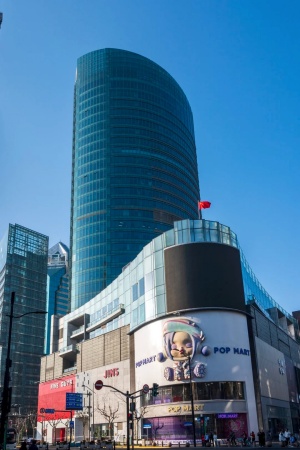
Shopping on Nanjing Road in Shanghai was just amazing! It's truly the "First Commercial Street of China", where tradition and modernity blend perfectly. You can find awesome souvenirs and experience the trendy vibes in cool stores. The neon lights at night are just spectacular, shining bright like Times Square in New York. The food here is incredible too. I had a feast for my taste buds. Shanghai, I'll definitely be back!
Destination(s): Shanghai
Date of Experience: May 08,2024
...
...
Elvis Eva
Canada
Reviewed on June 20,2025
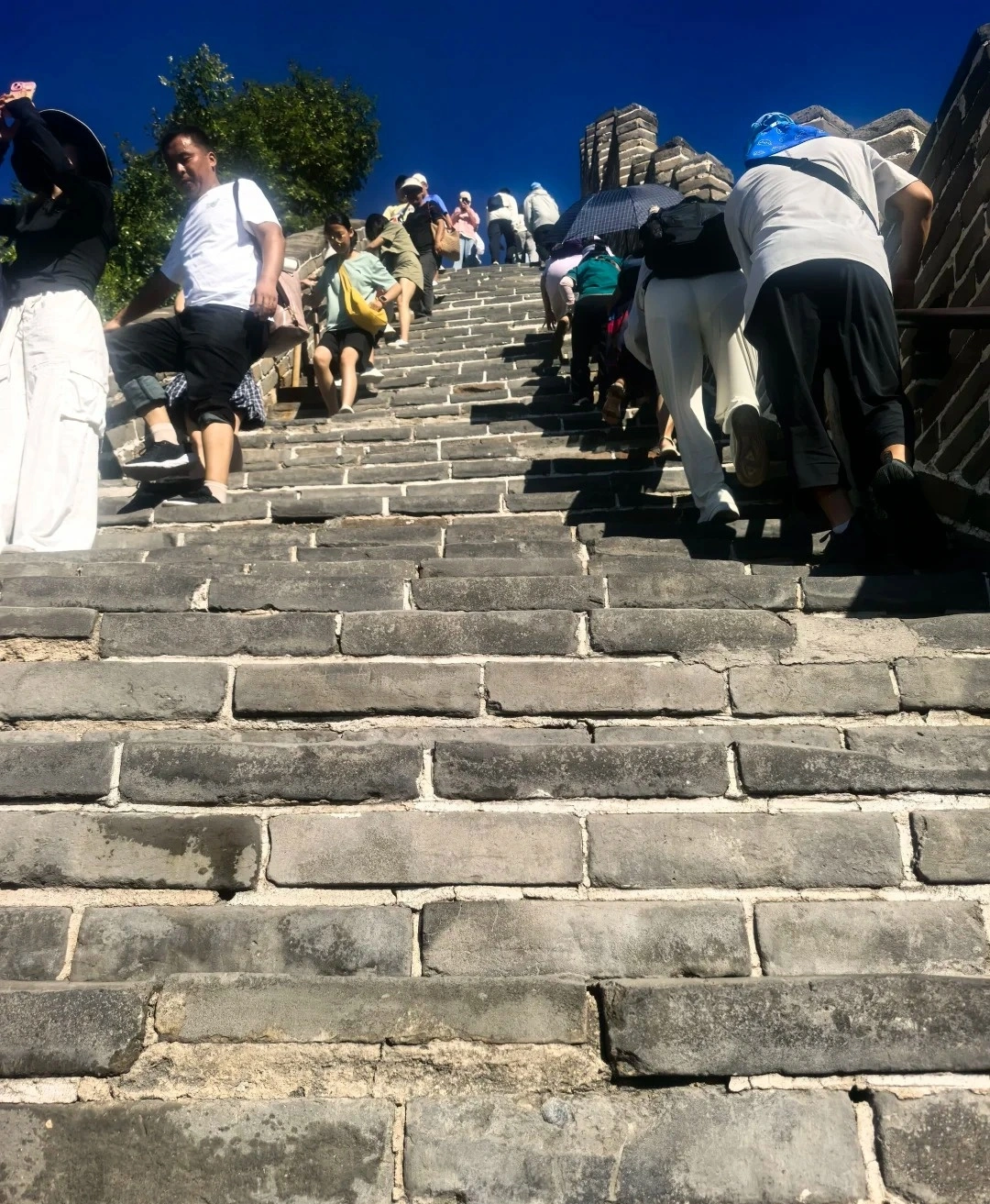
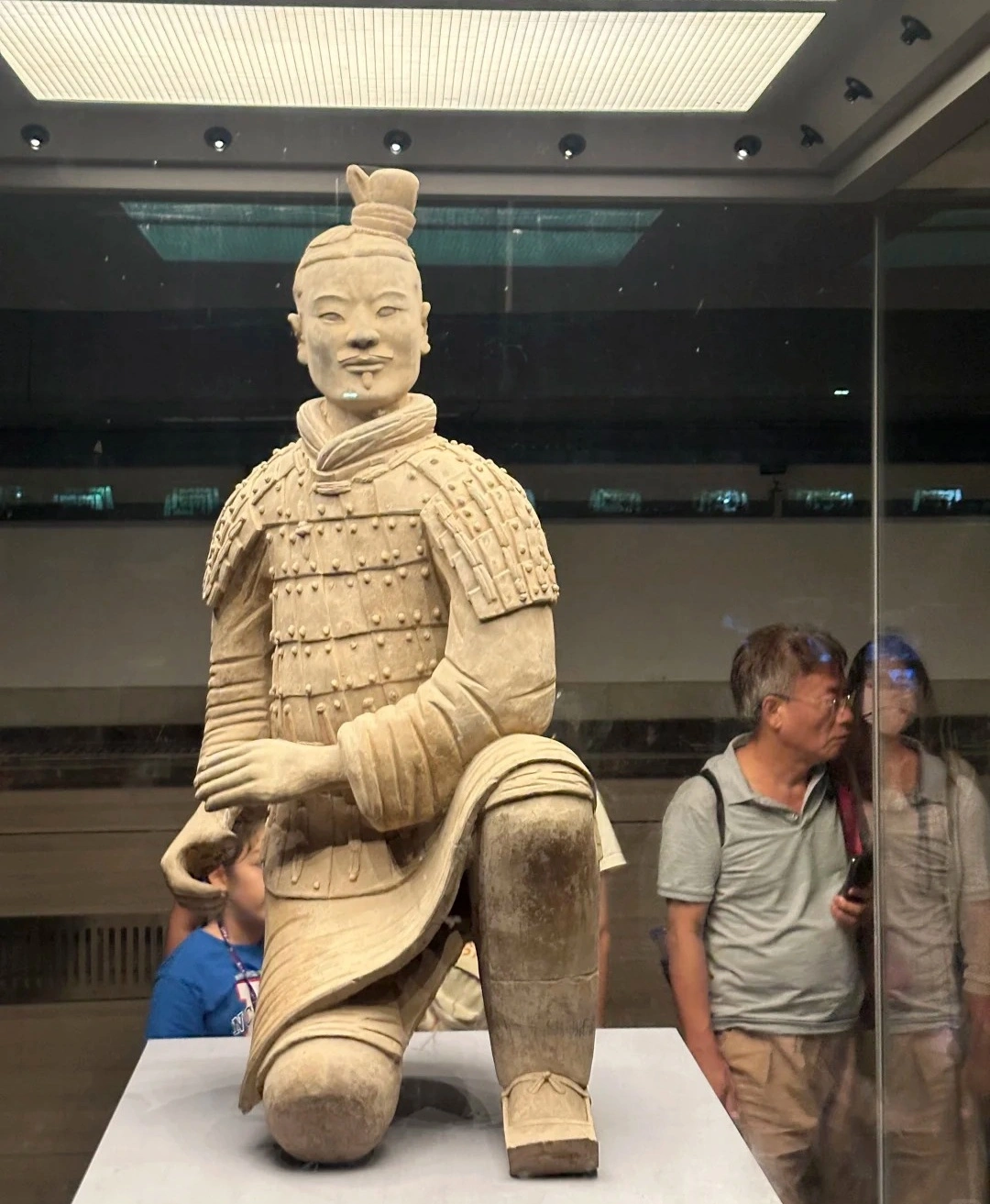
As a solo traveler from Canada, I was nervous about navigating China alone—but this 11-day tour was PERFECT! From hiking the Great Wall at sunrise (Day 3) to gasping at the Terracotta Army (Day 5), every day delivered ‘pinch-me’ moments. The real showstopper? Zhangjiajie’s Avatar Mountains (Day 7)! Our guide made the stone pillars come alive with stories. Massive thanks for handling all logistics—bullet train tickets, entry passes, car! And the 4-star hotels surprised me.
Destination(s): Beijing Xian Zhangjiajie Shanghai
Date of Experience: June 02,2025
... ... ...
...
Simon
America
Reviewed on May 29,2025
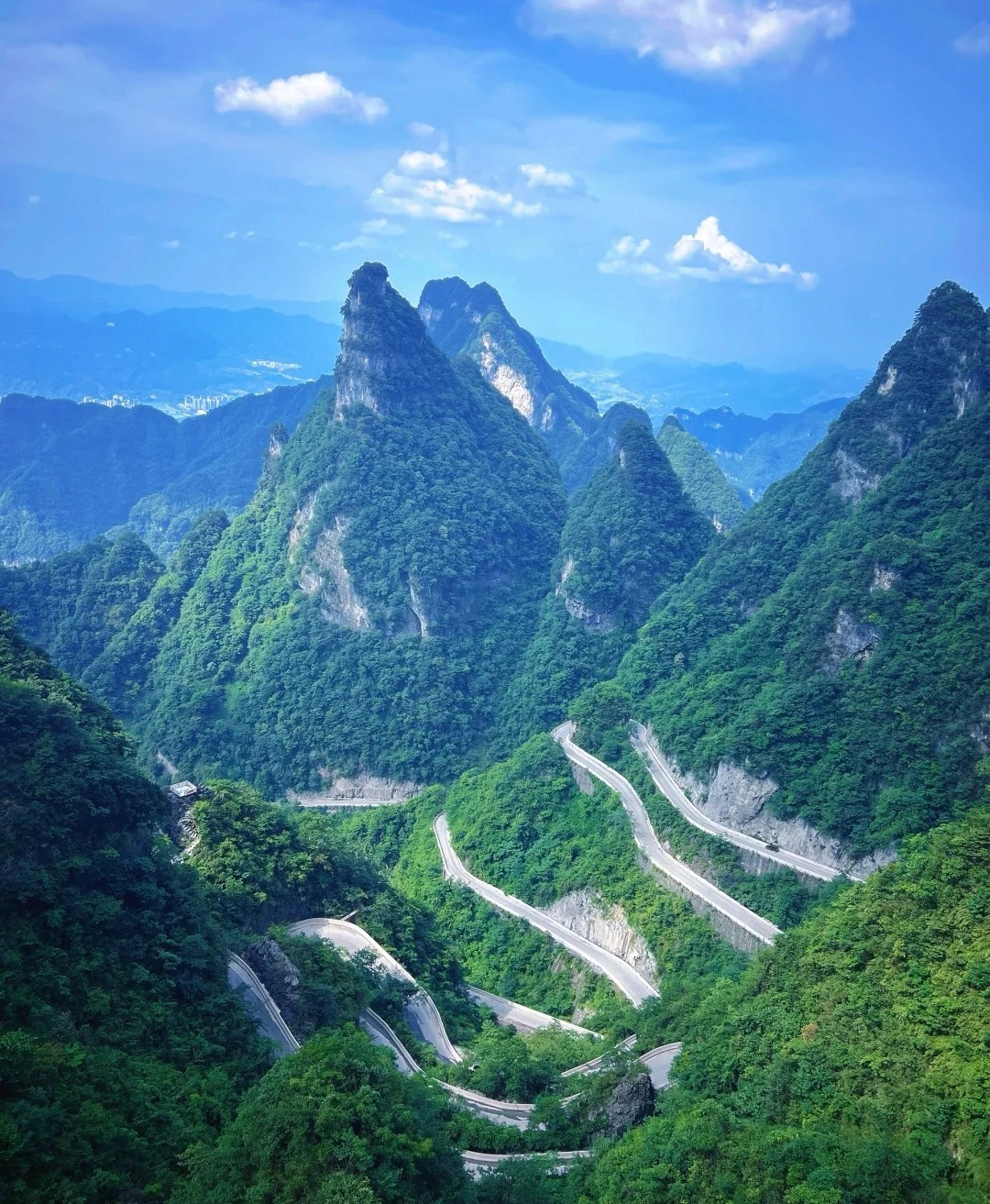
Our 2-day Zhangjiajie tour was beyond spectacular! As someone who’s visited Beijing and Shanghai for work, this trip revealed China’s wild, magical heart. Day 1 in Zhangjiajie National Forest Park felt like stepping onto Pandora—I’m a huge Avatar fan, and Yuanjiajie’s floating peaks left me breathless. The misty pillars and lush valleys like pure movie magic! Then came Fenghuang Ancient Town, we eat dinner beside the thundering waterfall. It seems Unreal! The night views of stilt houses glowing over the river were straight from a fairy tale. For fellow Avatar lovers and adventure seekers: Don’t miss this bucket-list experience! 10/10 would return. A Well-Traveled Film Buff, May 2025
Destination(s): Zhangjiajie
Date of Experience: May 08,2025
... ...

Ask a Question

Question Summary (100 characters)
Details (optional) (2,000 characters)
Name
Country
Phone
Email