Humanistic Craftsmanship—Faith and Color Flowing from the Fingertips
At the heart of Regong's cultural landscape lies "Art"—a comprehensive aesthetic practice that permeates every aspect of faith, daily life, and architecture.
Regong Art: The Pinnacle of Tibetan Buddhist Aesthetics
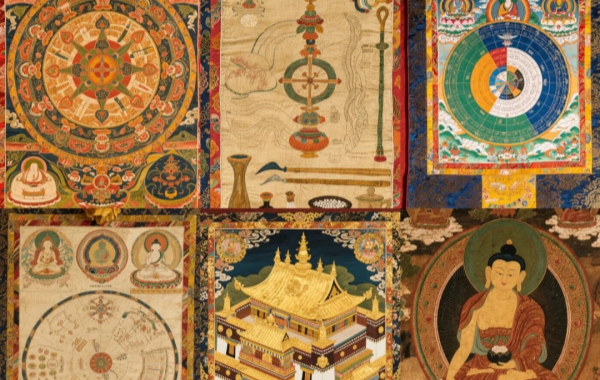
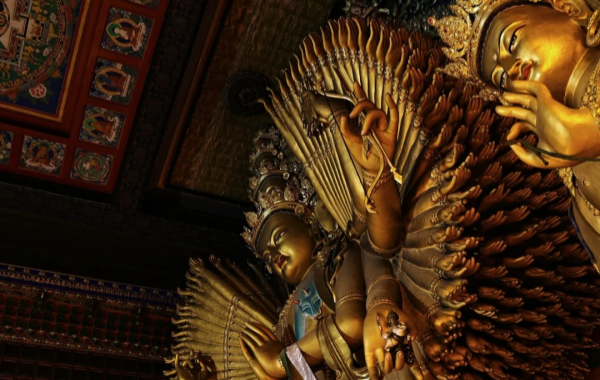
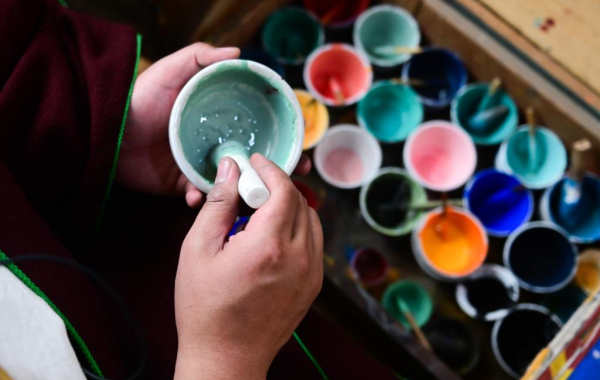
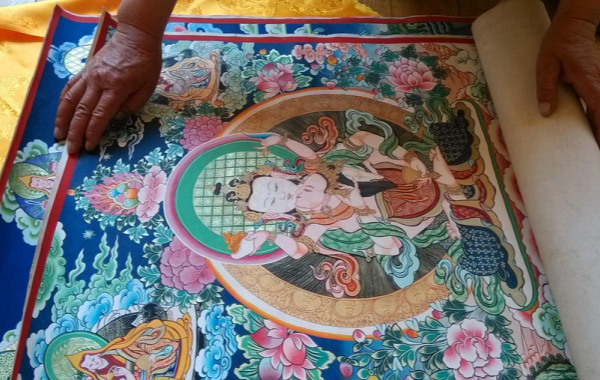
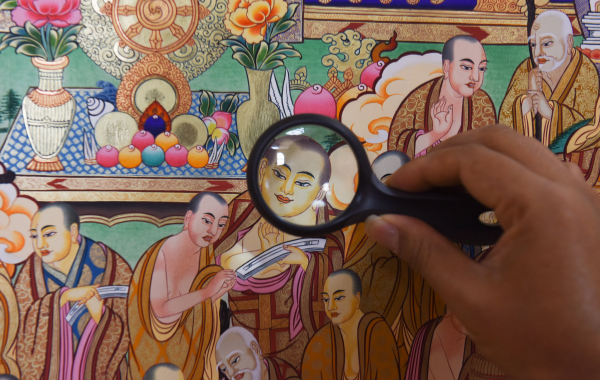
Regong Art encompasses a diverse array of visual art forms, including Thangka painting, murals, Dui Xiu (appliqué embroidery), sculpture, architectural polychromy, sand mandalas, and butter sculptures. It draws primarily upon Jataka tales (stories of the Buddha's previous lives) from Tibetan Buddhism, historical figures, and mythological legends, while simultaneously infusing them with the vibrant spirit of everyday secular life. The most representative manifestation of this tradition is the Thangka—a painted scroll on cloth, typically framed with colorful silk brocade—which, due to its portability and ease of display, has served as a vital medium for the dissemination of Tibetan Buddhism.
- Artistic Characteristics: Regong Thangka is renowned for its exquisite use of gold lines, creating a visually opulent and majestic effect. Its dyeing techniques are unique, producing colors that are vivid yet harmonious. Evolving over centuries, Regong art has developed a diverse range of styles, spanning from the rustic and grand to the intricate and magnificent; since the 19th century, the extensive use of gold has become a hallmark, endowing the artworks with a dazzling, resplendent brilliance.
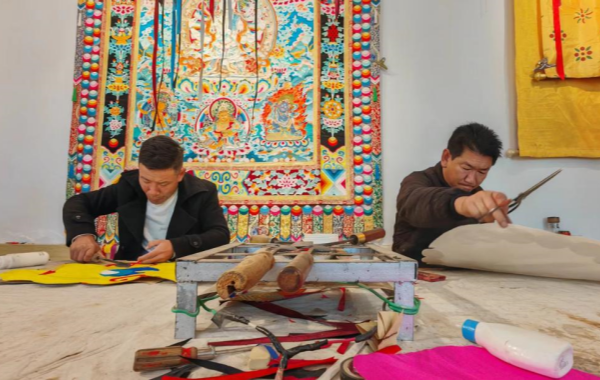
- Living Heritage: In the villages of Wutun and Nianduhu, the adage "every family has a painter, every household creates Thangkas" is not mere rhetoric, but a tangible reality of daily life. Nine out of ten men possess the skills to wield both brush and carving knife; it is through this "grassroots" mode of transmission that Regong art continues to thrive and endure.
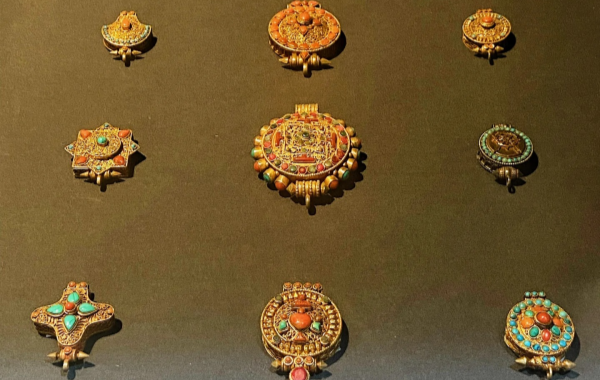
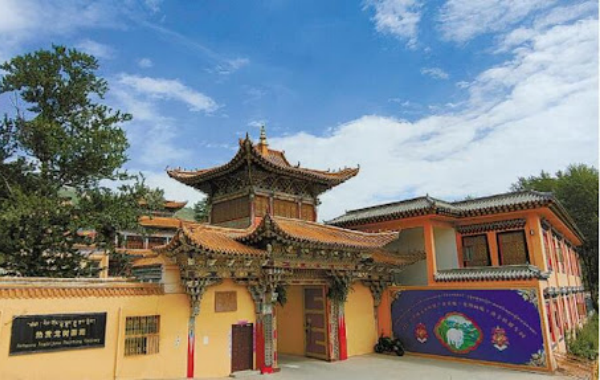
- Visitor Recommendations: The Regong Art Museum serves as the ideal starting point for gaining a comprehensive understanding of Regong art. The museum houses a curated collection of masterpieces—including Thangkas, murals, appliqué embroidery (Dui Xiu), and sculptures—all characterized by their vivid colors and meticulous craftsmanship.
Longwu Monastery: The Spiritual Center of the Gelug School in Southern Qinghai
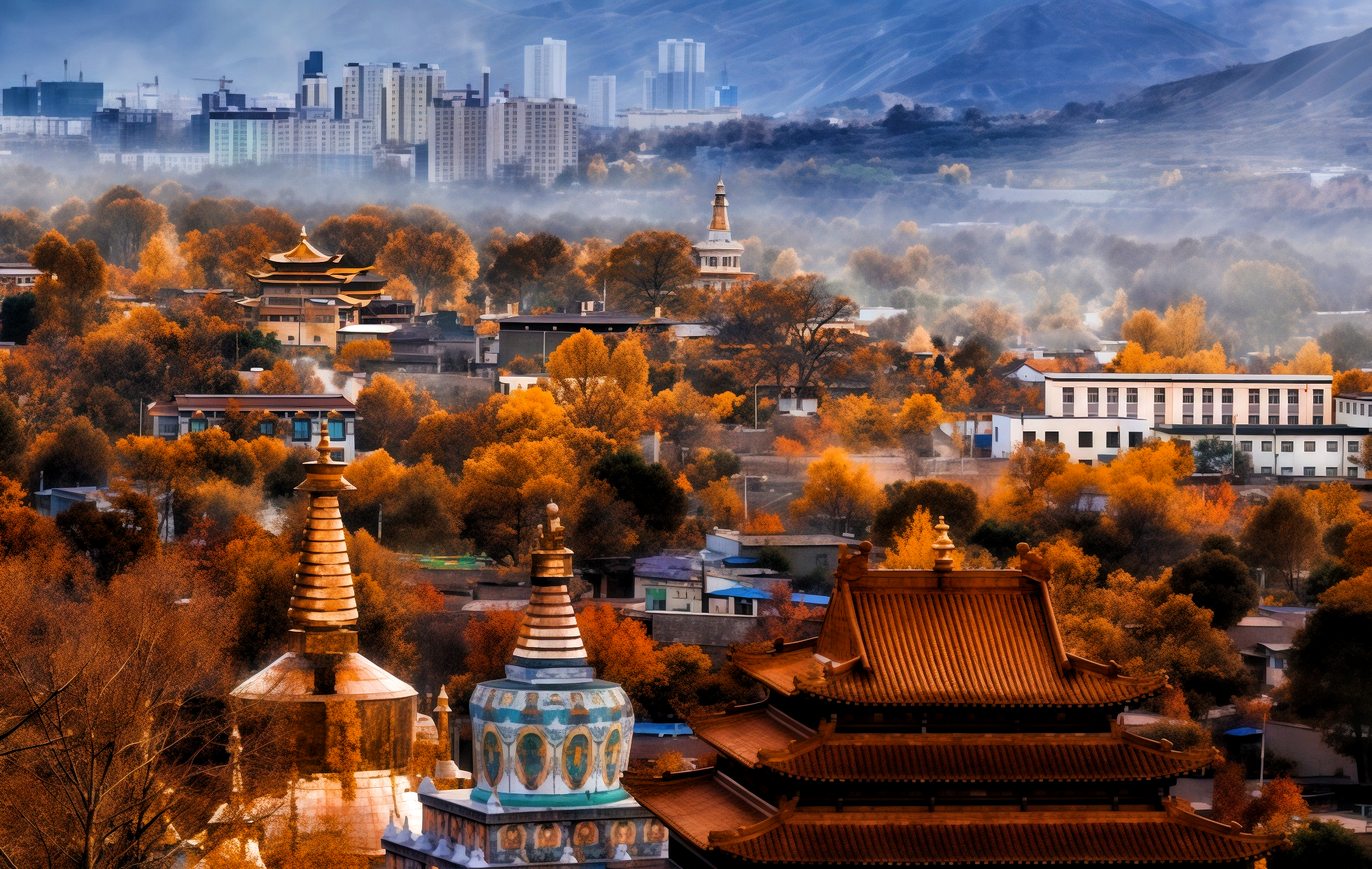
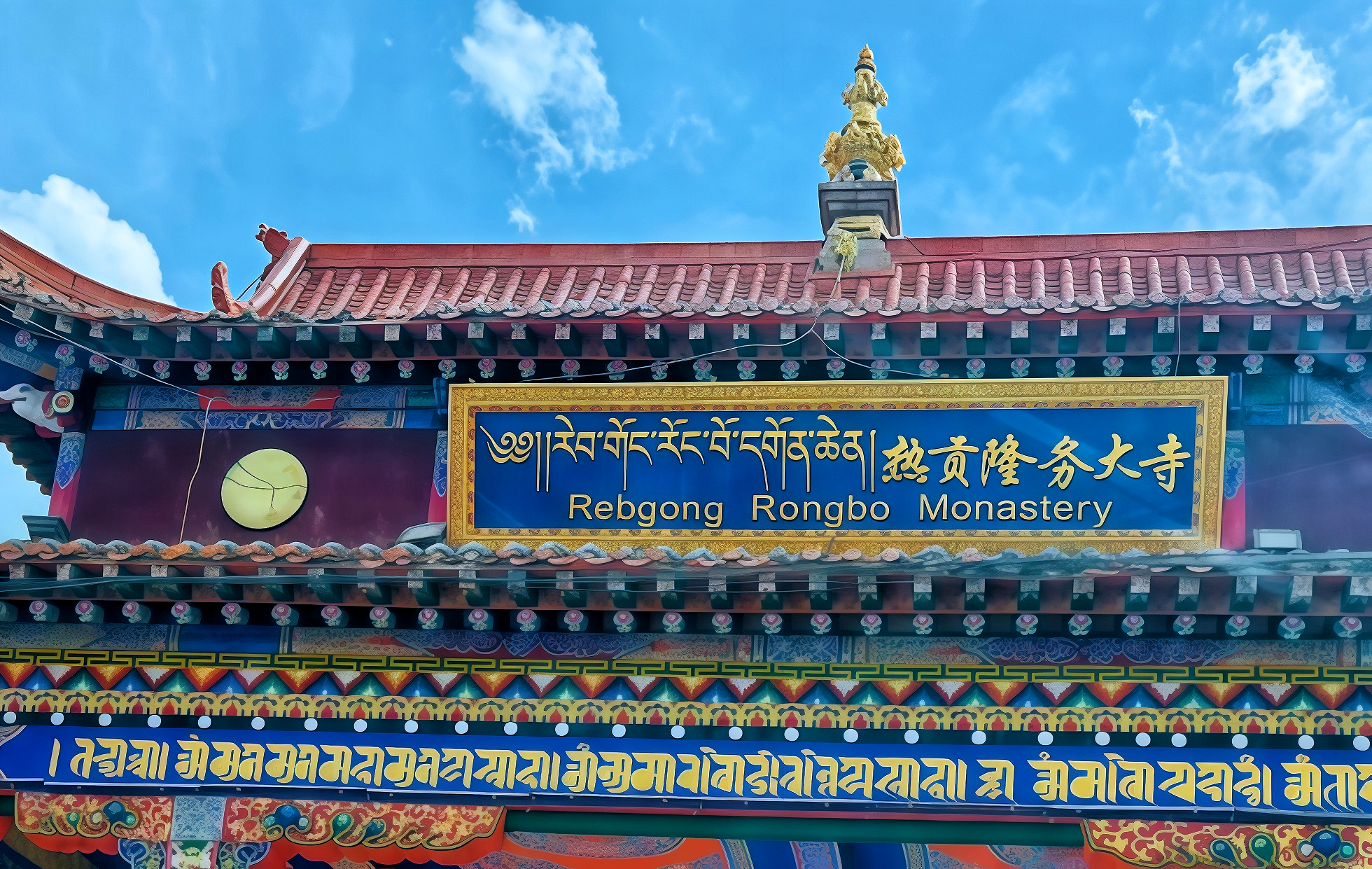
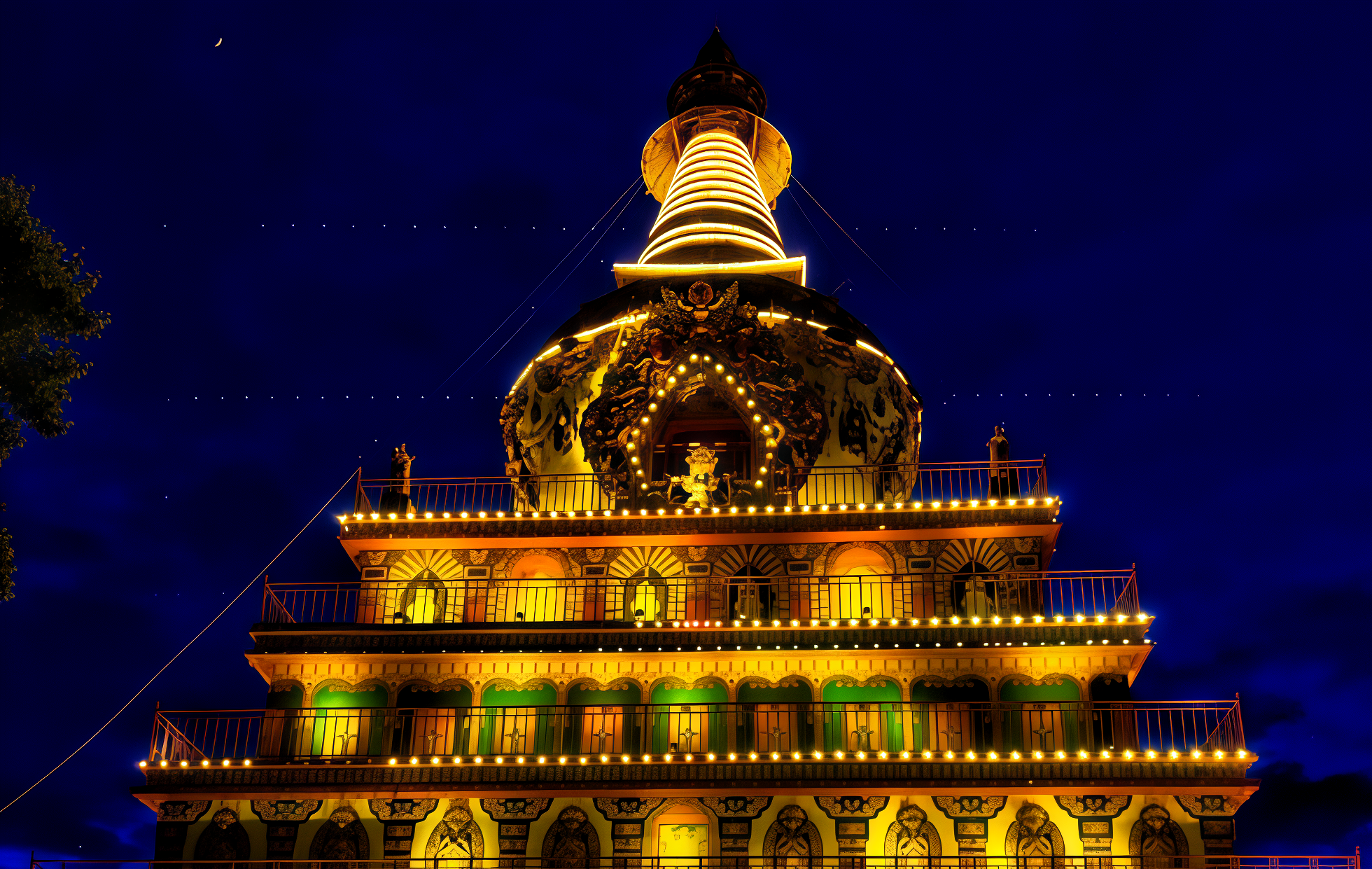
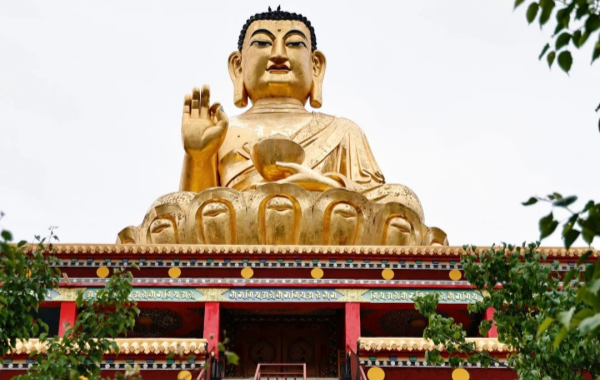
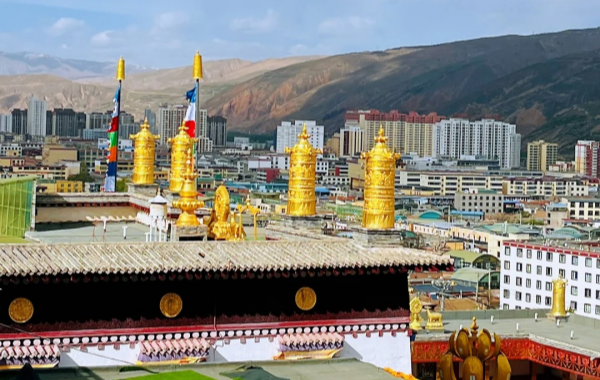
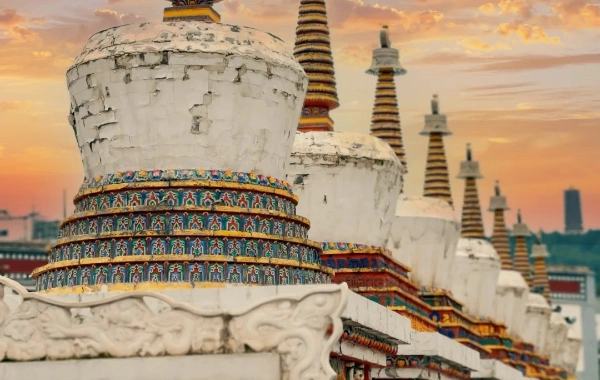
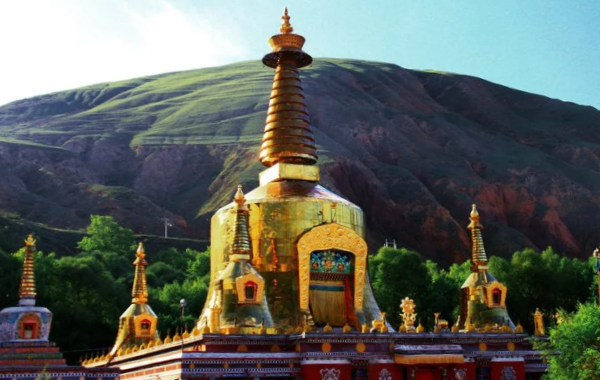
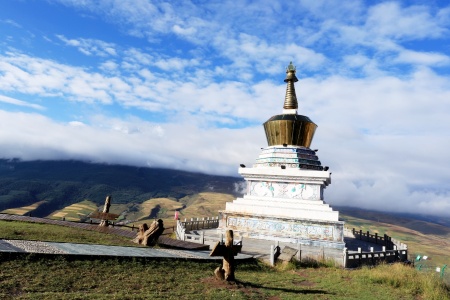
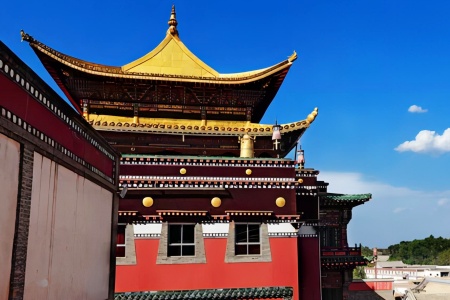
Longwu Monastery—known in Tibetan by its full name, Longwu Deqin Qiongkeer Lin (meaning "The Isle of the Great Wheel of Joy at Longwu")—was originally established in 1301. It stands as one of the oldest Tibetan Buddhist monasteries in Qinghai Province and remains the largest Gelug school monastery in the southern Qinghai region. The entire complex spans an area of 380 mu (approximately 25 hectares) and comprises three major colleges: the College of Exoteric Buddhism, the College of Esoteric Buddhism, and the College of the Kalachakra (Shilun). Longwu Monastery is far more than just a religious sanctuary; it is a magnificent architectural complex that seamlessly integrates architecture, sculpture, and painting—indeed, it is the very birthplace of Regong art.
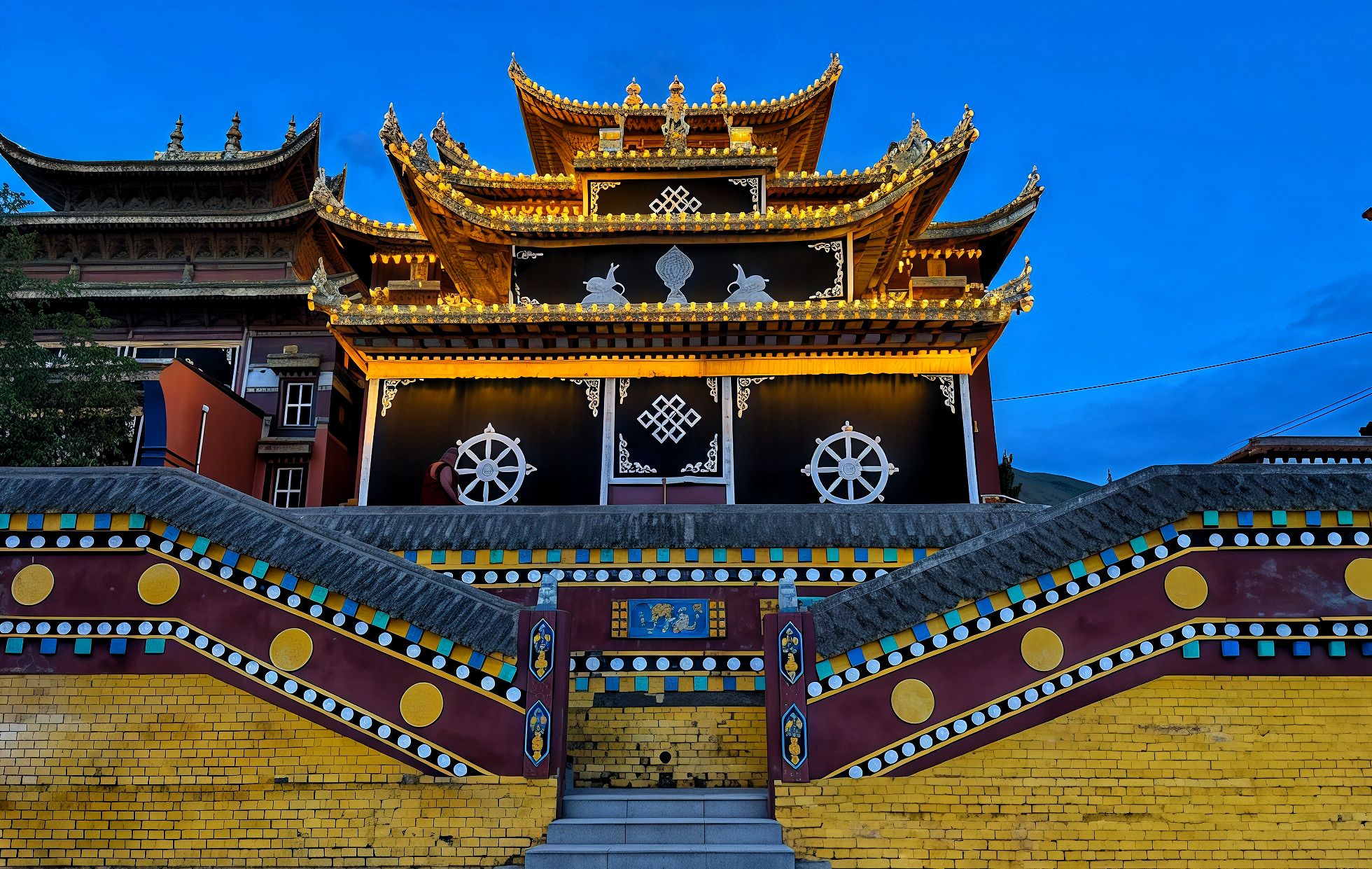
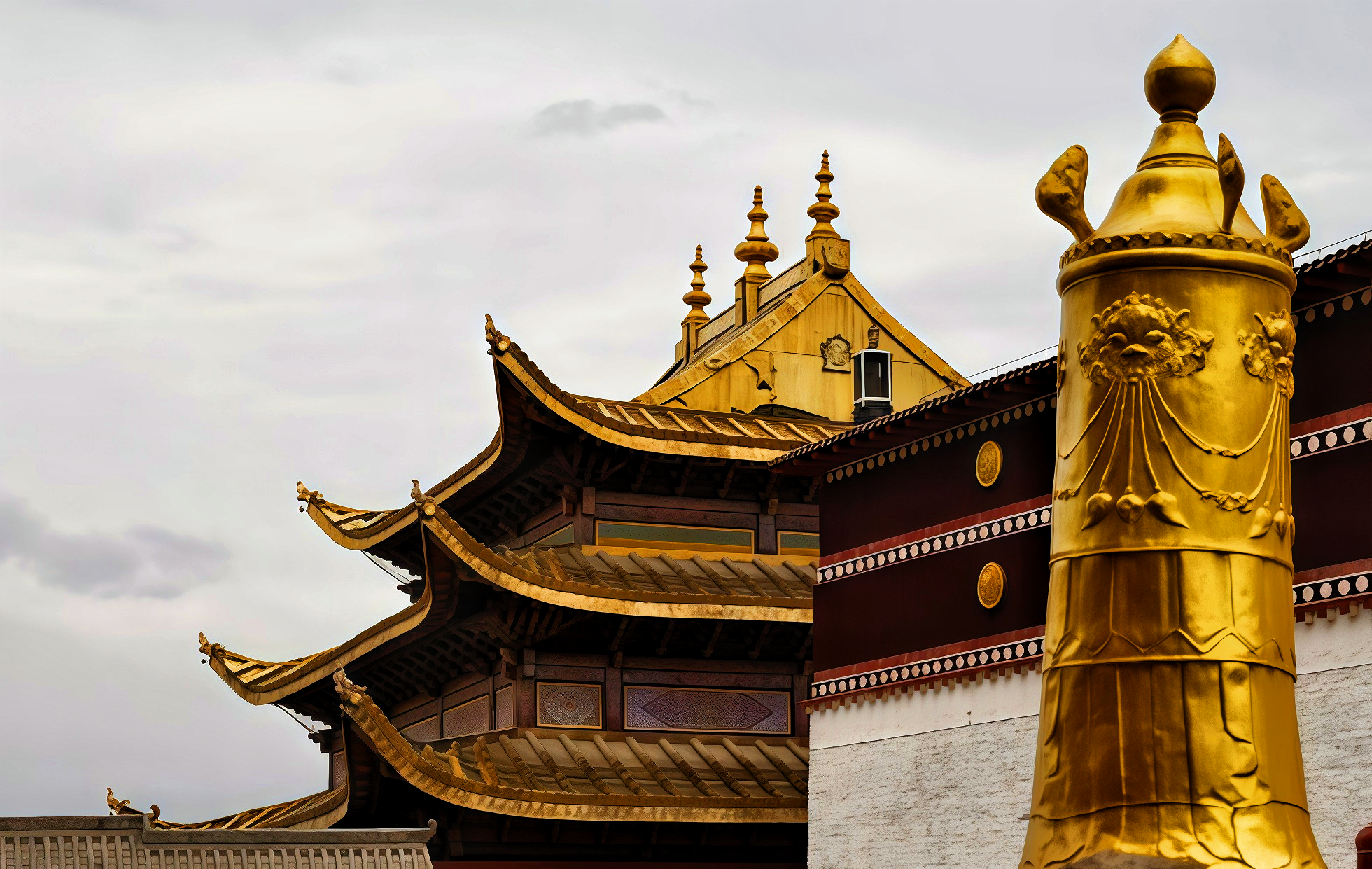
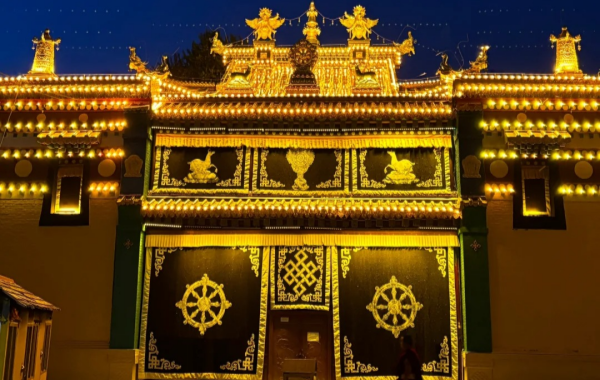
- Architectural Beauty: The monastery's halls and temples are grand in scale, with gilded finials atop the roofs shimmering brilliantly beneath the high-altitude sunlight. The assembly halls (Jingtang) feature an architectural style that harmoniously blends traditional Tibetan bracket-and-beam structures with the distinct craftsmanship traditions of the Hezhou region, resulting in a design that is both solemn in form and lavish in ornamentation. In the fifth year of the Tianqi reign (1625) of the Ming Dynasty, the Ming Emperor bestowed a plaque inscribed with the characters "Sacred Realm of the Western Regions," which was subsequently hung above the entrance to the Sutra Hall.
- Monastic Complex: The affiliated monasteries of Longwu Temple include Upper Wutun Temple, Lower Wutun Temple, Niandu'hu Temple, and Guomari Temple. All five sites are designated as Major Historical and Cultural Sites Protected at the National Level, collectively forming the most spectacular complex of Tibetan Buddhist monasteries within the Longwu River basin. Among them, Lower Wutun Temple boasts a history spanning over 600 years; it houses numerous halls and enshrines a vast collection of masterpieces of Regong art.
Art Villages: A Realm of Artisans—"One Village, One Specialty"
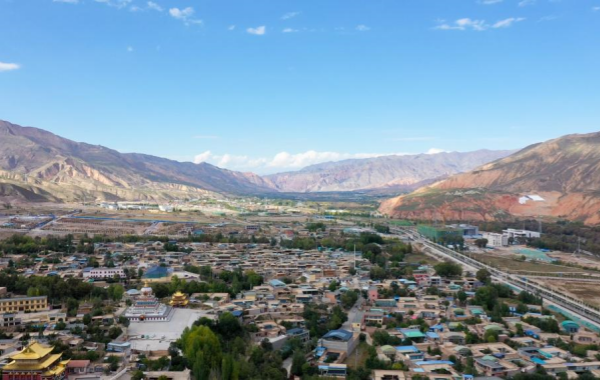
Distributed along the banks of the Longwu River, the villages of Wutun, Niandu'hu, Gashari, and Guomari constitute the core creative community of Regong art. They have established a distinctive pattern of "One Village, One Specialty": Wutun Village focuses primarily on Thangka painting, while also engaging in sculpture and Dui Xiu (appliqué embroidery); Niandu'hu Village specializes in Dui Xiu, alongside sculpture, Thangka painting, and murals; and Gashari and Guomari Villages concentrate mainly on the creation of Thangkas and murals.
- Wutun Village: Hailed as the core zone of the "Hometown of Chinese Thangka Art," the majority of households in this village are engaged in the production of Regong art. One need only push open the door of any farmhouse to catch a glimpse of artists deeply immersed in the meticulous work of sketching and outlining. The village's Upper and Lower Wutun Temples house extensive collections of Regong art masterpieces.
- Niandu'hu Village: The central hub for the preservation and transmission of the intangible cultural heritage of Dui Xiu (appliqué embroidery), where approximately 70% of the villagers have mastered this traditional craft. Dui Xiu is a unique technique that combines embroidery with appliqué; it is characterized by its vibrant colors and strong three-dimensional effect.
Longwu Ancient City and Guomari Ancient Fort
Longwu Ancient City serves as the core district of a National-Level Famous Historical and Cultural City. Situated to the east of Longwu Temple, it ranks among the best-preserved ancient urban areas in Qinghai Province. During the Qianlong reign of the Qing Dynasty, the Living Buddha of Longwu Temple allocated land and invited merchants from the Hui, Han, and Salar ethnic groups to establish businesses there, a process that gradually gave rise to Longwu Old Street—a bustling thoroughfare where merchants and traders congregated. Strolling through the old streets, the bluestone-paved paths feel both rustic and profound; within the shops, the languages of various ethnic groups interweave, vividly illustrating the "unity in diversity" that characterizes the culture of Regong.
The Guomari Ancient Fort is another historical site not to be missed. Designated a Major Historical and Cultural Site Protected at the National Level in 2013, this ancient fortress is situated in Guomari Village, Nianduohu Township. Nestled between mountains and water, it retains its original architectural layout and structural integrity to this day.
> Photography Tips:
The best vantage point for a panoramic view of Longwu Monastery is Regong Bridge, offering a sweeping vista that encompasses both the monastery's golden roofs and the entire Longwu River Valley.
For close-up details of the Thangka painting process, it is best to shoot inside art academies or workshops; be sure to utilize natural light to avoid glare and reflections.
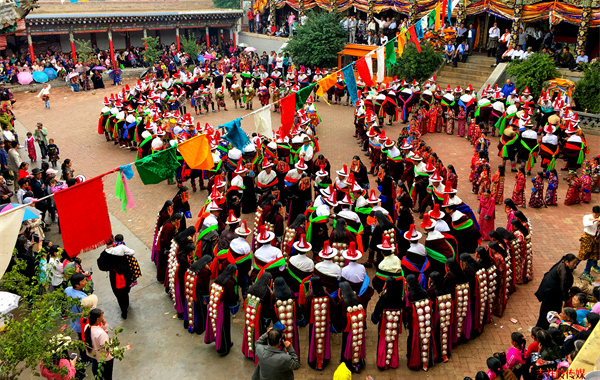
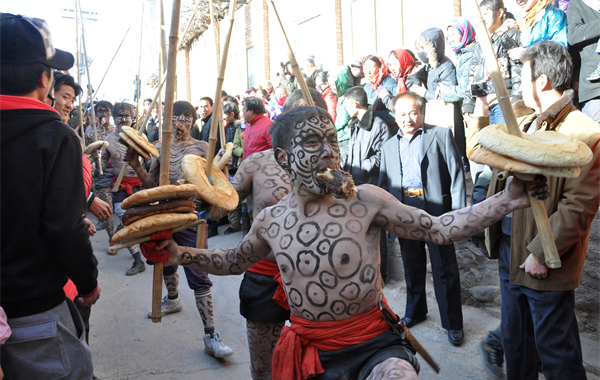
During the "June Festival" (Liuyuehui), the dance formations and crowds clad in festive attire make for excellent subjects for cultural photography; a medium-to-long telephoto lens is recommended to capture the nuances of people's facial expressions.
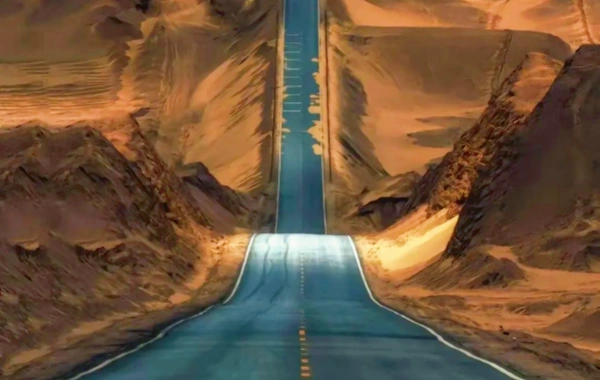
The Danxia landforms at Shuangpengxi are best photographed during the hour following sunrise or the hour preceding sunset, when the ochre-red rock faces reveal their distinct layers under the soft, oblique light.
Nature's Masterpiece: The Grace and Grandeur of the Longwu River Valley
The natural beauty of Regong stems from the life-giving nourishment of the Longwu River and the bountiful blessings of the Qinghai-Tibet Plateau.
The Longwu River: The Mother River of the Golden Valley
The Longwu River is a primary tributary of the Yellow River. Known in Tibetan as "Longwu Gechu," its name translates to "the river formed by the convergence of nine streams." Originating in the Ruoqia Mountain range of Zeku County—at an elevation of nearly 4,000 meters—the river carves its way from south to north through the Longwu Gorge. After flowing for a total distance of 144.3 kilometers, it eventually merges with the Yellow River. It is this very river—and the alluvial plains it has sculpted—that has nurtured a brilliant agrarian civilization and the renowned culture of Regong. As you drive along the banks of the Longwu River, the valley opens up to reveal expansive farmlands and scattered villages; whether the fields are a vibrant green with sprouting highland barley in spring, or a sea of golden wheat in autumn, the scenery offers a unique charm in every season.
The Geographic Tapestry of the Rebkong Valley
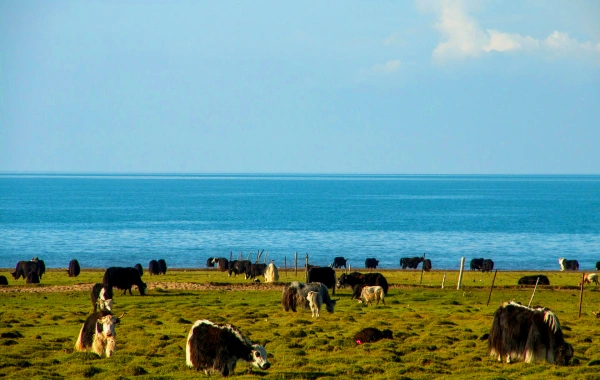
Tongren is situated within the transitional zone between the Qinghai-Tibet Plateau and the Loess Plateau. Its terrain is characterized by undulating mountains interspersed with river valleys; the topography slopes from high in the south to low in the north, ranging from a maximum elevation of 4,767 meters to a minimum of 2,160 meters—a relative elevation difference of 2,607 meters. From the vantage point of the Rebkong Bridge, a panoramic view unfolds: river valleys and plains, low-lying hills and ravines, mid-to-high mountain peaks, and alpine pastures appear in succession, resembling a three-dimensional geographic masterpiece. The towering peaks of Mount Xiaqiong and Mount Amidehelong stretch across the landscape from north to south; amidst swirling mists and clouds, azure lakes shimmer and sparkle, serving as a natural sanctuary for wildlife.
The Danxia Landforms of Shuangpengxi
Located in Shuangpengxi Village, the Danxia landforms represent the crowning jewel of Rebkong’s natural scenery. Shaped by hundreds of millions of years of wind erosion and water sculpting, the peculiar rock formations include a mountain peak that bears a striking resemblance to a giant camel—complete with a distinct nose and eyes, appearing remarkably lifelike. Under the intense sunlight of the plateau, the ochre-red rock faces take on a rich, textured quality akin to an oil painting; set against the backdrop of a blue sky, emerald waters, and the golden hues of the river valley, this site is a hidden paradise for photography enthusiasts.