Yong'an Temple: A Yuan Dynasty Gem of Buddhist Art and Architecture in Datong


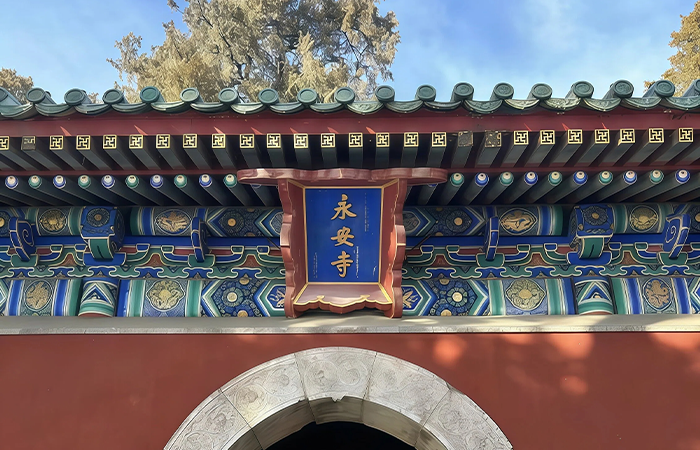
The Name 'Yong'an' — A Military Governor‘s Quest for Transcendence
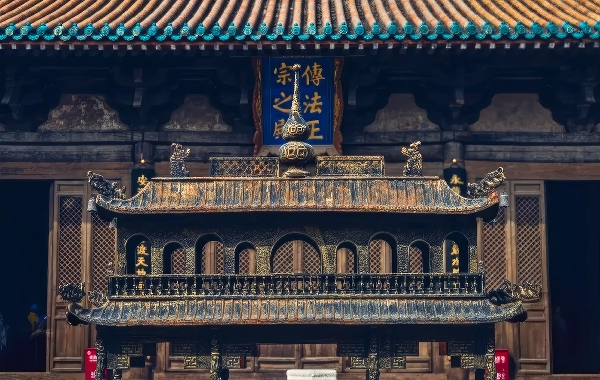
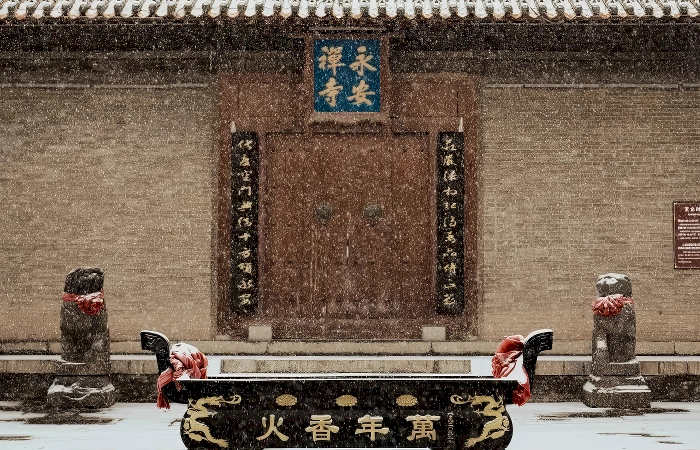
The temple’s name Yong’an (Eternal Peace) was bestowed by Gao Ding, a local military governor of the Yuan Dynasty who financed its reconstruction in 1315. According to historical records, Gao Ding sought not only to restore a sacred site but also to express his personal yearning for spiritual liberation beyond his worldly rank. The name has endured for over seven centuries, symbolizing the timeless human aspiration for harmony between the earthly and the divine.
A Phoenix Rising from Fire — From Jin Destruction to Yuan Rebirth
Originally built during the Jin Dynasty (1115–1234), Yong‘an Temple fell victim to a devastating fire. Its reconstruction in 1315 (the Yanyou era of the Yuan Dynasty) marked a new chapter. The rebuilding was carried out under the patronage of Gao Ding, who ensured that the temple not only regained its former glory but also incorporated architectural innovations of the Yuan period — most notably the “reduced-column” timber frame technique, which allowed for more spacious interior layouts.
> Dive Deeper: Explore more Yuan Dynasty architectural wonders in Shanxi >>[Datong Ancient City]
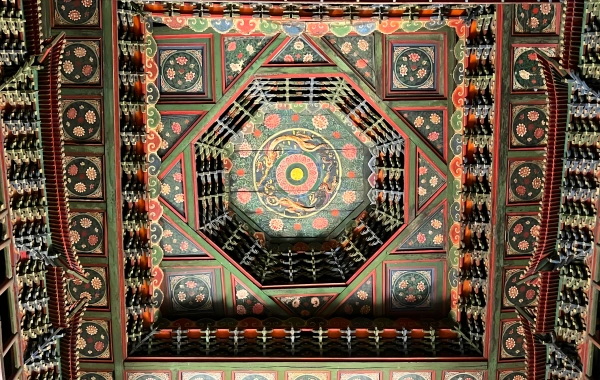
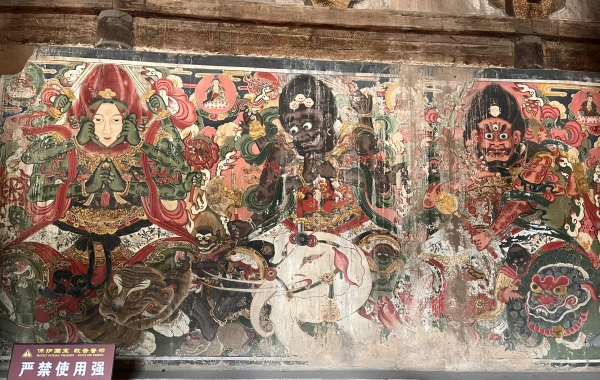
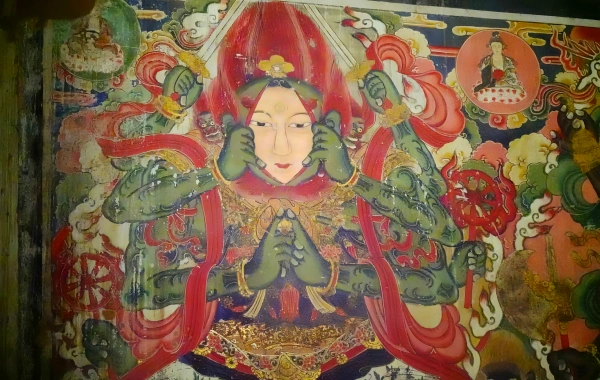
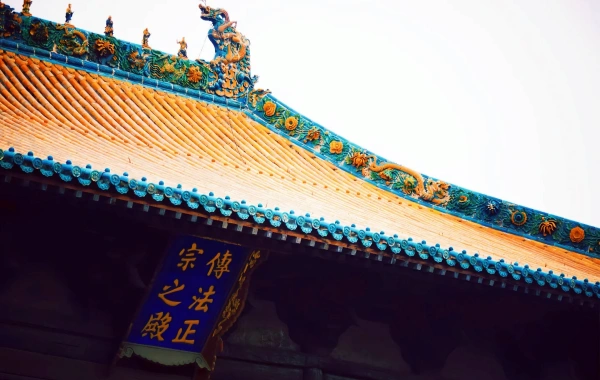
Nature's Handiwork — The Main Hall (Chuanfa Zhengzong Hall)
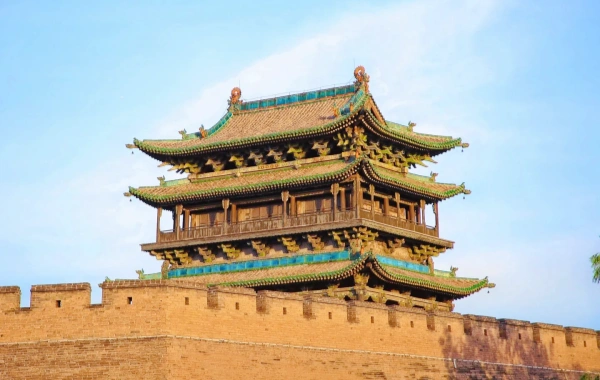
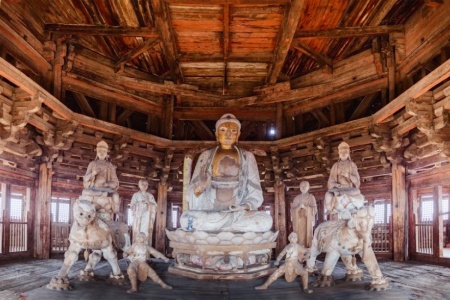
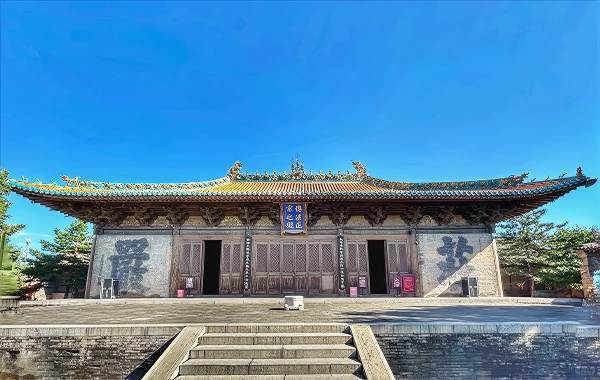
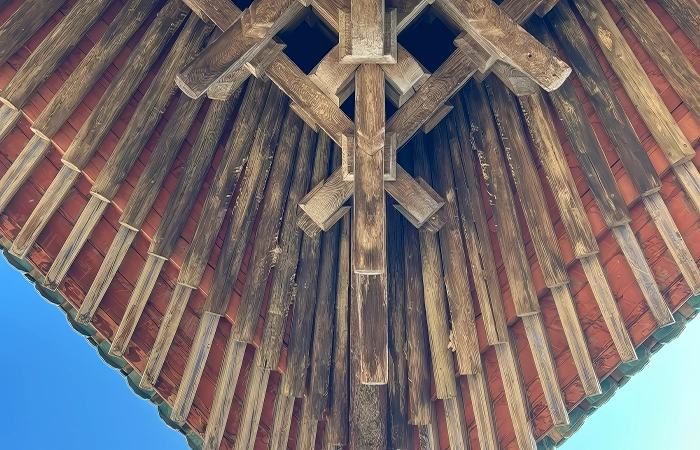
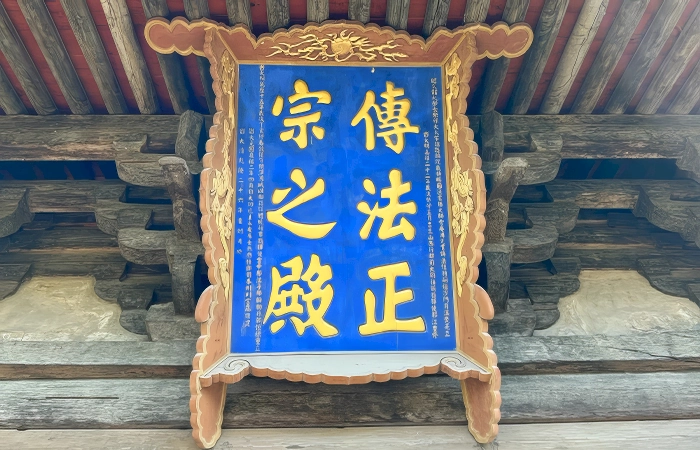
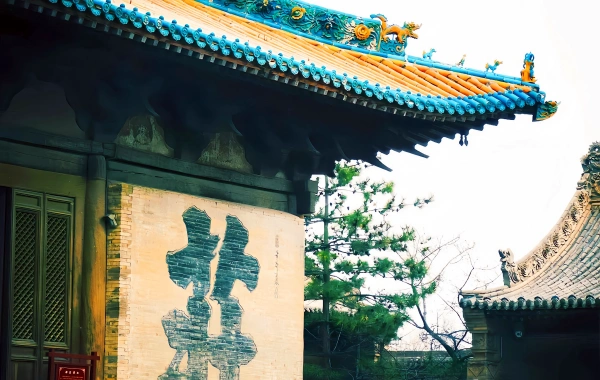
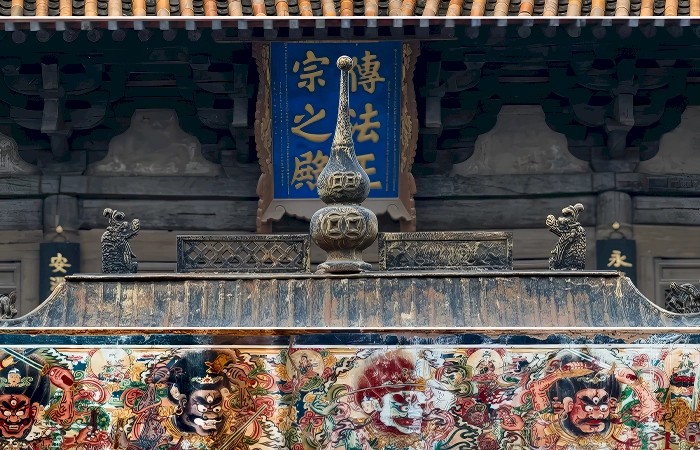
The heart of Yong’an Temple is the Chuanfa Zhengzong Hall (Hall of Transmitting the Dharma and Orthodox Lineage), built in 1315. This Yuan Dynasty hall features a rare “reduced-column” timber frame structure, exposed beam frameworks, and a yellow glazed-tile roof — a color reserved for imperial temples. Inside, visitors can admire intricate ceiling coffers, including octagonal and hexagonal caissons adorned with dragon motifs, showcasing the zenith of Yuan carpentry.
The Water-Land Murals — A National Intangible Cultural Heritage
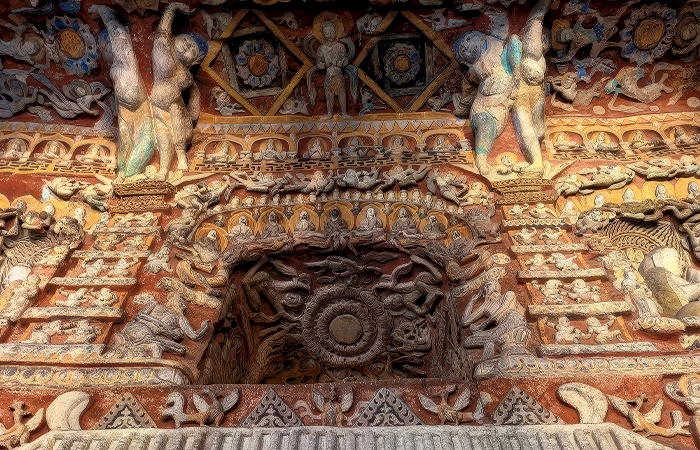
Spanning over 180 square meters, the Ming Dynasty water-land murals inside the main hall are a true masterpiece. They depict more than 882 figures from Buddhist, Taoist, and Confucian traditions, including celestial beings, hellish realms, and scenes of human life. The vibrant hues and meticulous brushwork have earned these frescoes recognition as a national-level intangible cultural heritage. Each figure tells a story of cosmic order, spiritual hierarchy, and moral retribution.
Glazed Ornamentation — Imperial Grandeur on the Mountain Gate
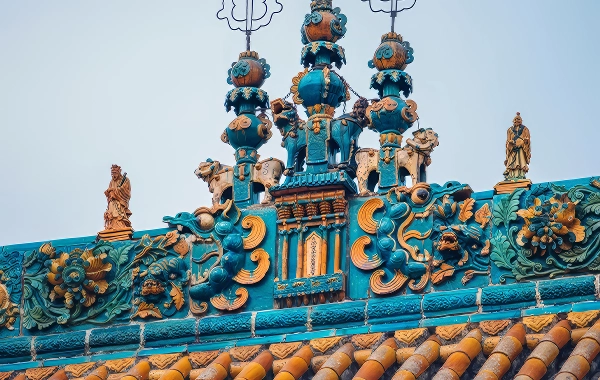
The mountain gate is a five-bay structure with a “double dragon playing with a pearl” glass wall heart on its exterior walls, symbolizing imperial grandeur. The yellow-glazed roof tiles further signify the temple‘s royal status, drawing comparisons to Beijing’s Yong‘an Temple. This glazed artistry is a rare survival from the Yuan-Ming transition.
Human Ingenuity — Calligraphy and Auxiliary Halls
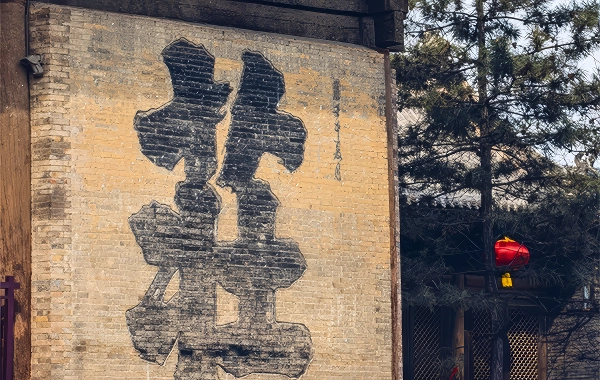
On the rear wall of the main hall hangs a Qing Dynasty inscription: “Tiger Roars, Dragon Sings.” This powerful calligraphy echoes the direct, provocative teaching style of the Linji School of Zen Buddhism. The auxiliary east and west wings house halls dedicated to Guanyin (Bodhisattva of Mercy), Kasyapa (Buddha’s disciple), Bodhidharma (founder of Zen Buddhism), and various regional deities — each space offering a quieter, more intimate encounter with Buddhist devotion.
> Photography Tips:
> The best lighting for photographing the murals is in the early morning (soft, diffused light) or using artificial light allowed by the temple.
> For exterior shots of the yellow-glazed roof and mountain gate, aim for the golden hour before sunset.
> A wide-angle lens is essential for capturing the full scale of the main hall‘s exposed beam frameworks and caisson ceilings.
> Always respect signs prohibiting flash photography inside the main hall to protect the ancient pigments.
Five Must-Do Activities to Unlock the Complete Yong'an Temple Experience
1. Decipher the Water-Land Murals
- How to Experience: The murals are not merely decorative — they are a visual scripture. Take your time to identify the three realms (celestial, human, and hellish) and spot key figures such as the Four Heavenly Kings, the Ten Yama Kings, and the Arhats. Local guides can help you decode the iconography. Challenge yourself to find the single figure that combines Buddhist, Taoist, and Confucian attributes — a symbol of China‘s syncretic religious culture.
- The Secret: The murals are organized in horizontal registers. Start from the top (celestial beings), then move to the middle (human world), and finally the bottom (hell scenes). Look for the “Judge of the Dead” holding a brush — his expression changes depending on the angle of light.
2. Marvel at the 'Reduced-Column' Timber Frame
- The Experience: Stand in the center of the Chuanfa Zhengzong Hall and look up. The exposed beam framework, devoid of unnecessary columns, creates a vast, unobstructed space — a feat of Yuan engineering. Compare this with the more column-dense layouts of Jin and Song halls elsewhere in Shanxi. The “reduced-column” technique (jianzhu zaoliang) allowed for larger Buddhist assemblies and ritual processions inside the hall.
3. Contemplate the 'Tiger Roars, Dragon Sings' Calligraphy
- The Experience: This Qing Dynasty inscription, located on the rear wall of the main hall, is a direct reference to the Linji School's famous “shouting and striking” teaching methods. Sit on the wooden bench opposite the calligraphy for a few minutes and meditate on its bold, unrestrained strokes. It’s a rare opportunity to connect Zen philosophy with visual art.
4. Explore the Auxiliary Halls for Regional Deities
- The Experience: Unlike many purely Buddhist temples, Yong‘an Temple also houses local Chinese deities in its east and west wings. This reflects the grassroots religious life of northern China, where Buddhist, Taoist, and folk beliefs coexisted. Don't miss the hall of Bodhidharma — the founder of Zen — whose fierce expression is a masterpiece of Ming sculpture.
5. Attend a Lantern Festival Prayer (Seasonal)
- The Experience: If you visit during the Lantern Festival (15th day of the first lunar month), the temple holds a special prayer ceremony. Locals light lanterns in the courtyard and chant sutras for peace and prosperity. It's a living cultural tradition that brings the ancient walls to life.
Suggested Itineraries
Half-Day 'Mural & Architecture Highlights' Tour (Ideal for those on a tight schedule):
8:30 AM: Arrive at Yong'an Temple → Enter through the Mountain Gate, admire the glazed roof and “double dragon” ornamentation (15 min) → Proceed to the Main Hall (Chuanfa Zhengzong Hall) to study the exposed timber framework and ceiling caissons (30 min) → Focus on the water-land murals — use a guide sheet to identify key figures (45 min) → Visit the rear wall to see the “Tiger Roars, Dragon Sings” calligraphy (10 min) → Quick walk through the auxiliary halls (20 min) → Depart by noon.
IntoTravelChina Tip: This itinerary is fast-paced; we recommend hiring a guide at the entrance (¥100–150) to ensure you don't miss the most important mural details.
Full-Day 'Culture & Syncretism' In-Depth Tour (Highly Recommended):
Morning: Arrive at Yong'an Temple. Begin with the Main Hall: spend at least one hour examining the murals with a detailed iconography guide. Then move to the auxiliary halls to explore the regional deities.
Noon: Enjoy a local lunch in Hunyuan County — try Hunyuan-style lamb soup and buckwheat noodles (soba).
Afternoon: Choose Option A (For History Enthusiasts): Visit the Yungang Grottoes (UNESCO, 30 min drive) to compare Yuan Buddhist art with 5th-century Northern Wei cave temples. Choose Option B (For Nature & Culture): Climb Hengshan Mountain (UNESCO, 15 min drive), home to the famous Hanging Temple, and enjoy panoramic views of the Shanxi plateau.
Evening: Return to Datong Old Town for dinner and a stroll along the ancient city wall.
IntoTravelChina Advantage: We can arrange a private car for the day (Datong — Hunyuan — Yungang — Datong), a bilingual guide specialized in Buddhist art, and skip-the-line tickets for Hengshan Mountain. >> [Consult for Customization Now]
How to Get There: A Seamless Connection Guide
Yong‘an Temple is located in Hunyuan County, about 70 km south of Datong city center.
From Datong Old Town (self-drive): Take the G55 Erguang Expressway to the Hunyuan Exit. After exiting, follow the tourist signs for about 10 minutes. The entire journey takes approximately 1 hour. Parking is available near the temple gate.
From Datong Bus Station (public transit): Take a direct bus to Hunyuan County (40 minutes, frequent departures). Upon arrival at the Hunyuan bus station, you can either walk (15 minutes) or take a local taxi (5 minutes, about ¥10) to the temple.
From Datong Railway Station / Airport: We recommend taking a taxi or ride-hailing service (e.g., Didi) directly to Yong’an Temple. The fare from the city center is approximately ¥120–150. Travel Tip: If you are coming from the Yungang Grottoes, the temple is about a 45-minute drive southwest.
Local Access: E-bikes and shared bicycles are available for rent near the temple — a fun way to explore the surrounding Hunyuan Ancient Town.
Important Return Travel Reminder: The temple‘s opening hours are typically 8:00 AM – 5:30 PM (April–October) and 8:30 AM – 5:00 PM (November–March). Last entry is 30 minutes before closing. Buses from Hunyuan back to Datong run until about 6:00 PM; after that, taxis are available but may cost ¥150–200. We recommend booking a round-trip ride-hailing service in advance if you plan to stay late.
Ticket Information
Admission: Adult tickets cost ¥20; children (under 1.2m) and seniors (over 65) pay ¥10. Advance booking is not strictly required on weekdays, but during national holidays (May Day, National Day, Spring Festival), we strongly recommend booking online via official WeChat mini-programs or through IntoTravelChina to avoid long queues.
Guided Tours: Available for ¥100–200 per group (English and Chinese). A knowledgeable guide will unlock the hidden stories behind the murals and the “reduced-column” structure. Travel Tip: The best guides are often retired local historians — request one through the temple‘s information desk.
Free Access: The temple courtyards and exterior grounds (including the mountain gate facade) are open to the public without tickets. Only the main hall and auxiliary halls require an entry ticket.
Best Time to Visit
Yong’an Temple offers a different beauty each season, though the optimal windows are spring (April–June) and autumn (September–October).
Spring (April–June): Mild weather (15–25°C), blooming flowers in the temple courtyard, and fewer crowds. The soft spring light enhances the murals‘ colors. Ideal for photography.
Autumn (September–October): Clear skies, crisp air, and the golden hues of gingko trees in the temple grounds. The Hunyuan Cultural Festival often takes place in early October, featuring local opera and temple fairs.
Summer (July–August): Hot (up to 32°C) and occasionally rainy. However, the interior of the main hall remains cool and shaded. Be prepared for crowds during school holidays.
Winter (November–March): Cold (as low as -15°C) but extremely quiet. If you don’t mind bundling up, you‘ll have the murals almost to yourself. The yellow-glazed roof against a clear blue sky or fresh snow makes for stunning photos.
What to Pack & Cultural Etiquette
Clothing: Wear comfortable walking shoes. The temple grounds involve some uneven stone paths. In spring and autumn, a light jacket is sufficient; in winter, bring thermal layers, a hat, and gloves. Sunscreen is recommended in summer.
Cultural Etiquette: Remove your shoes before entering the main hall (shoe racks are provided at the entrance). Do not touch the murals or caisson carvings. Flash photography is strictly prohibited inside the hall. Silence or soft voices are appreciated.
Local Customs: During the Lantern Festival (15th day of the first lunar month), locals light oil lamps in the courtyard. Visitors are welcome to observe respectfully, but avoid stepping over the lamps.
Accommodation Options
Within Hunyuan County (Recommended):
1. Hunyuan Hotel (Three-star standard): A simple but clean hotel located 10 minutes‘ walk from the temple. Rooms start at ¥180/night. Best for budget travelers.
2. Shanxi Guesthouse (Characteristic Inn): A renovated courtyard-style inn with traditional brick carvings and local cuisine. Rates: ¥300–500/night. Offers a more authentic experience.
In Datong Old Town (More Choices):
1. International Chain Hotels (e.g., Holiday Inn, Crowne Plaza): Starting from ¥500/night. Ideal for travelers who prefer Western amenities and consistent service.
2. Boutique Inns near the Ancient City Wall: Prices range from ¥400–800/night. Many offer rooftop terraces with views of the wall.
IntoTravelChina Accommodation Booking Tip: We recommend booking at least two weeks in advance during the National Day Golden Week (Oct 1–7) and Spring Festival. Through us, you can bundle your temple ticket, guided tour, and hotel for a package discount. Let us know your budget — we‘ll find your perfect “home on the Loess Plateau.”
>> [Consult for Customization Now]
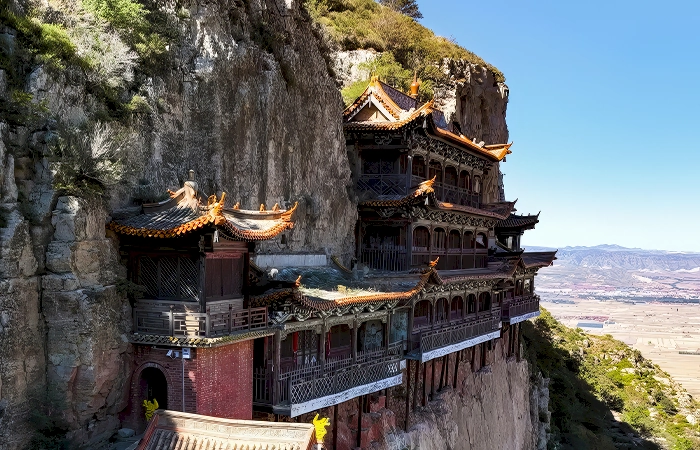
Yong'an Temple is not an isolated stop — it's the perfect gateway to explore the wonders of Datong and northern Shanxi.
Classic 2-Day Datong Heritage Loop: Day 1: Yong‘an Temple (morning) → Hengshan Mountain & Hanging Temple (afternoon) → Night in Hunyuan or Datong. Day 2: Yungang Grottoes (morning) → Huayan Temple (afternoon) → Datong Ancient City Wall (evening). This route combines Buddhist art, Daoist sacred mountains, and UNESCO wonders. >> [Consult for Customization Now]
Northern Shanxi Panorama Tour (4–5 days): Extend to Wutai Mountain (one of China’s four Buddhist sacred mountains), Yingxian Wooden Pagoda (oldest wooden pagoda in the world), and Pingyao Ancient City (UNESCO). Experience the full spectrum of Shanxi‘s ancient architecture, cave temples, and merchant culture. >> [Consult for Customization Now]
The story of Yong’an Temple is one of resilience, artistic synthesis, and spiritual depth. IntoTravelChina specializes in crafting in-depth, personalized, and hassle-free travel experiences across China.
Our travel experts can assist you by:
Tailoring Your Itinerary: Designing the perfect route — including Yong‘an Temple, Yungang Grottoes, and Hengshan Mountain — based on your specific interests and available time.
Providing One-Stop Service: Handling all arrangements, including skip-the-line tickets, unique accommodations, transportation transfers, local guides, and even calligraphy or mural-copying workshops.
Exclusive Experiences: We arrange expert-led mural interpretation sessions, after-hours photography access (upon request), and visits to nearby Hunyuan Ancient Town that most tourists miss.
Transform your visit to Yong’an Temple from a simple sightseeing trip into a truly immersive journey through northern China‘s Buddhist and architectural heritage.
> Start Planning Your Journey Now
> We invite you to contact our professional travel consultants; we will provide you with a personalized itinerary proposal and price quote within 24 hours. >> [Consult for Customization Now]
Based on 10,000+ traveler reviews