
Witnessing Justice in Ancient Splendor: A Day at Pingyao’s Magistrate’s Court
The morning sun casts a warm glow over Pingyao’s imposing Yamen (县衙), a 14th-century complex of gray-brick halls and courtyards that once served as the seat of local governance. As I approach the grand entrance, flanked by stone lions and guarded by red-lanterned gates, the sound of gongs and the murmur of crowds signal an event about to unfold: a reenactment of a traditional “Shengtang” (升堂断案)—a magistrate’s court session. Stepping inside, I am transported to an era where justice was administered with ritual, drama, and moral authority.
I. The Yamen: A Fortress of Law and Order
The Yamen’s architecture speaks volumes about its purpose. Beyond the main gate lies a spacious courtyard, its flagstones worn smooth by centuries of footsteps. To the left stands the “Kui Star Pavilion” (魁星楼), dedicated to the god of literature, symbolizing the link between education and governance. To the right, the “Prison Cells” (牢狱) offer a stark contrast—dark, cramped chambers where criminals once awaited judgment.
At the heart of the complex rises the “Hall of Great Harmony” (大堂), a vast wooden hall with a soaring ceiling and a raised platform for the magistrate. Behind the dais, a massive tablet bears the inscription “Mingjing Tianxia” (明镜天下, “A Bright Mirror for the Realm”), a reminder that justice must be impartial. Today, this hall will come alive with a performance blending history, theater, and legal tradition.
II. The Ritual Begins: Summoning the Court
As the clock strikes ten, a deafening gong echoes through the courtyard. The crowd hushes as bailiffs in blue robes and black hats march in, chanting, “Wu—Shengtang!” (呜—升堂!, “Ooh—Court is in session!”). The magistrate, dressed in a scarlet robe embroidered with cranes (symbols of official rank), emerges from a side door and ascends the dais with measured steps.
To his left stands the “Clerk of Records” (书吏), poised with brush and inkstone. To his right, the “Constable” (衙役) holds a wooden tablet inscribed with the law. The magistrate strikes a ceremonial gavel on a bronze block, and the room falls silent. “Bring forth the plaintiff and defendant!” he declares in classical Chinese, his voice echoing through the hall.
III. The Case Unfolds: A Dispute Over Land
Two “actors” step forward: a trembling farmer in a patched cotton jacket and a slick merchant in silk robes. The farmer accuses the merchant of seizing his ancestral farmland through forged documents. The merchant, smirking, counters that the land was rightfully sold to settle a debt.
The magistrate listens intently, occasionally consulting the “Great Ming Code” (大明律), a thick tome displayed on a stand. He questions witnesses—a neighbor and a local elder—whose testimonies clash. The crowd leans in, some murmuring opinions. Suddenly, the magistrate orders the merchant to produce the original contract. When the merchant hesitates, the constable steps forward, brandishing a wooden cuff.
IV. Judgment Rendered: Morality Triumphs
After a dramatic pause, the magistrate rises. “The law is clear,” he intones. “Fraudulent deeds shall be punished by forty strokes of the bamboo and return of the land.” The merchant pales as bailiffs seize his arms. The farmer, weeping with relief, kneels to thank the magistrate, who waves him off with a stern, “This is your right.”
The reenactment concludes with a ritualistic flourish: the magistrate strikes the gavel again, declaring, “Xiaotang!” (退堂!, “Court is adjourned!”). The crowd erupts in applause, many snapping photos of the “punished” merchant being led away (playfully, of course).
V. Reflections: Justice Through Time
As I exit the Yamen, the performance’s lessons linger. The Shengtang was more than theater—it was a public lesson in Confucian ethics, emphasizing honesty, filial piety, and social harmony. The magistrate’s role was not just to enforce laws but to uphold moral order, blending legal rigor with compassion.
In a corner of the courtyard, an exhibit displays real artifacts from Pingyao’s judicial past: iron shackles, bamboo rods for punishment, and letters of appeal written by peasants. One note, dated 1890, reads: “Your Honor, the flood took our crops. We beg for mercy in tax collection.” Such documents humanize the system, revealing a bureaucracy that, however flawed, sought to balance authority and empathy.
VI. Epilogue: The Echoes of Law
Walking back through Pingyao’s maze of alleys, I pass a modern courthouse—a glass-and-steel structure contrasting sharply with the Yamen’s ancient stones. Yet the spirit of justice remains unchanged. The Shengtang reenactment, far from being a mere tourist attraction, is a bridge between past and present, reminding us that law is not just about rules but about the pursuit of fairness.
In Pingyao, where every brick tells a story, the Yamen stands as a testament to a civilization’s enduring quest for order. To witness a Shengtang is to glimpse the soul of ancient China—a place where justice was not just administered but performed, celebrated, and remembered.




Contact Us
What Our Clients Say?
Based on 10,000+ traveler reviews

Daniel Dorothea
Canada
Reviewed on April 29,2025
Shopping on Nanjing Road in Shanghai was just amazing! It's truly the "First Commercial Street of China", where tradition and modernity blend perfectly. You can find awesome souvenirs and experience the trendy vibes in cool stores. The neon lights at night are just spectacular, shining bright like Times Square in New York. The food here is incredible too. I had a feast for my taste buds. Shanghai, I'll definitely be back!
Destination(s):
Shanghai
Date of
Experience:
May 08,2024


Elvis Eva
Canada
Reviewed on June 20,2025
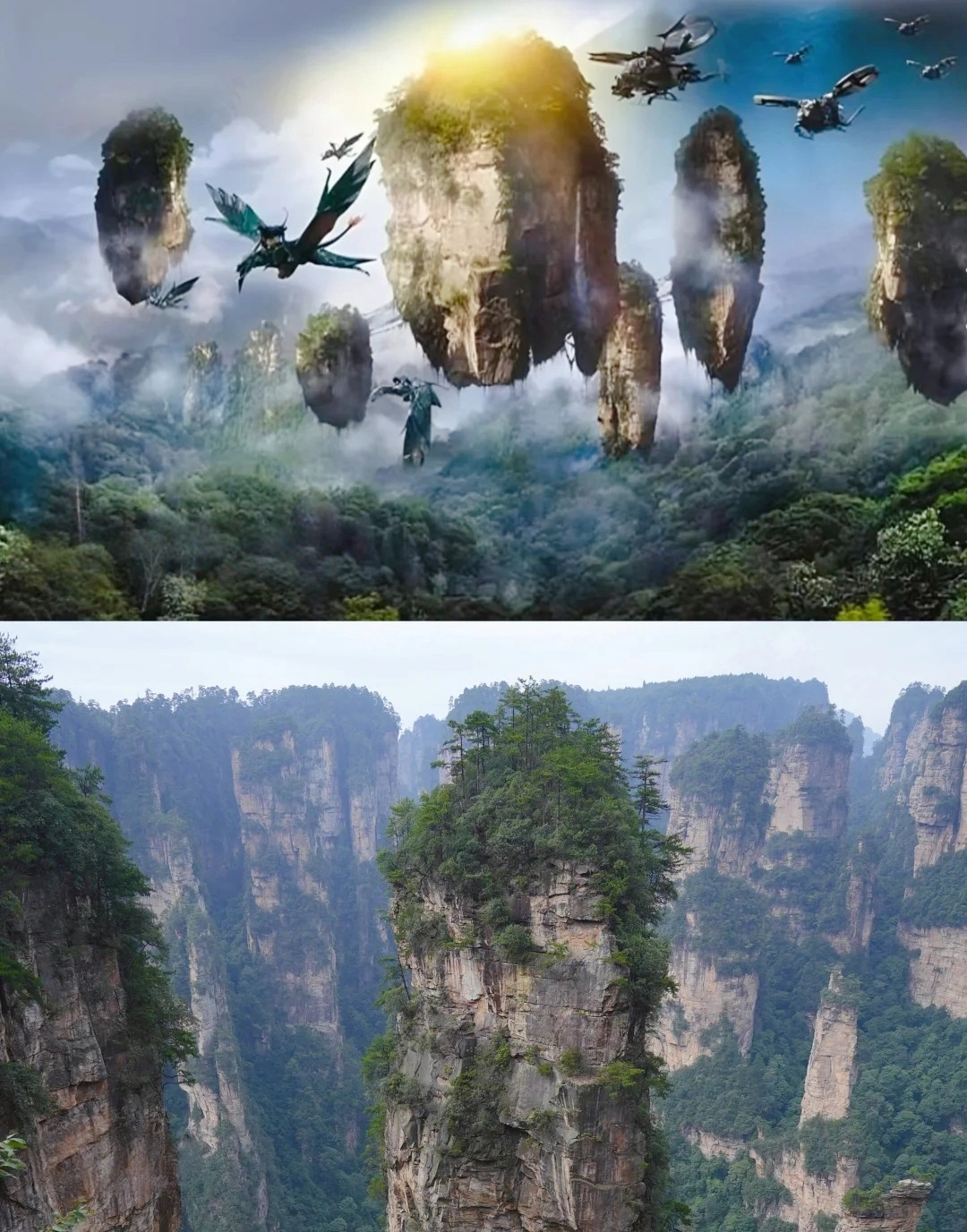
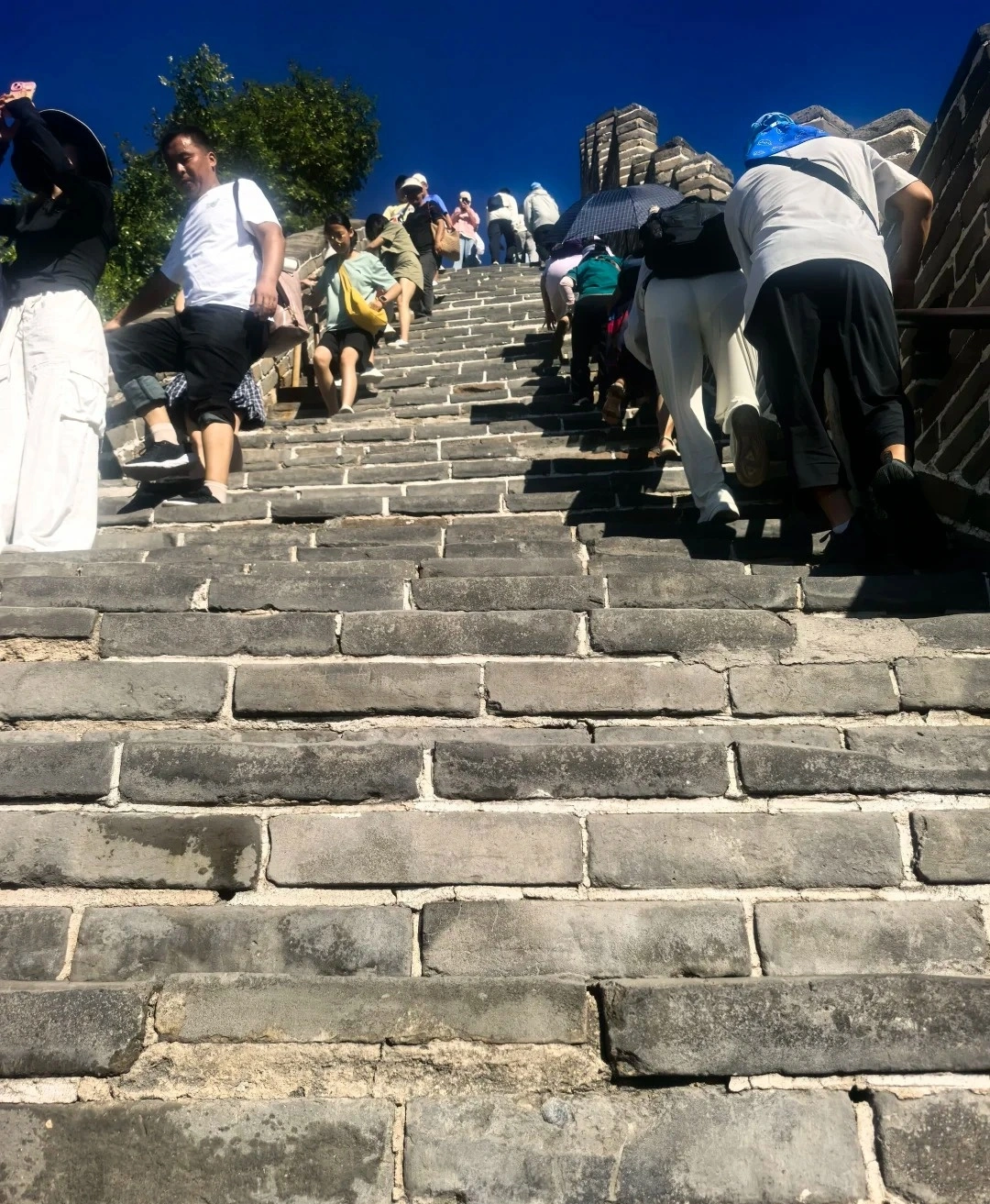
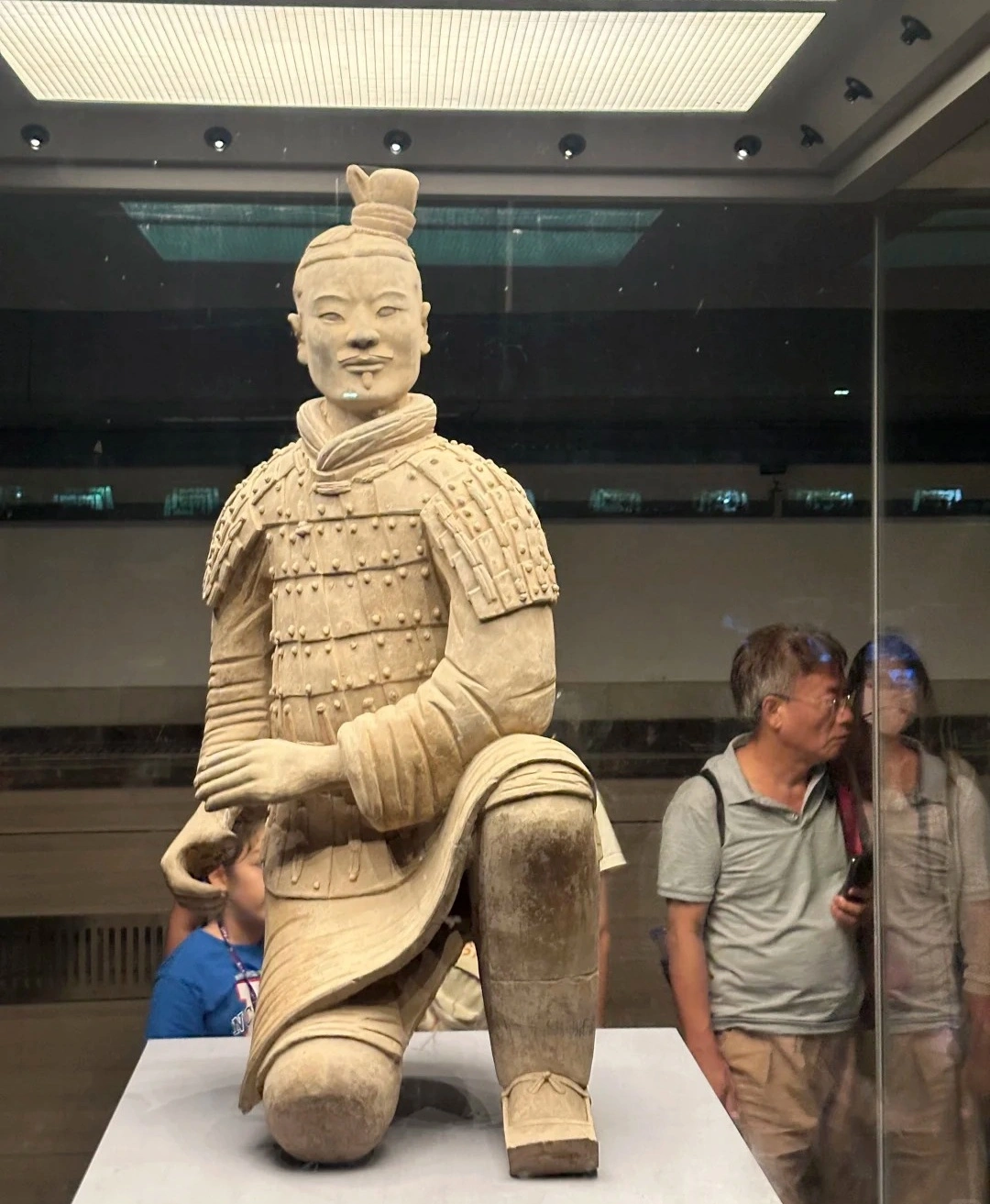
As a solo traveler from Canada, I was nervous about navigating China alone—but this 11-day tour was PERFECT! From hiking the Great Wall at sunrise (Day 3) to gasping at the Terracotta Army (Day 5), every day delivered ‘pinch-me’ moments. The real showstopper? Zhangjiajie’s Avatar Mountains (Day 7)! Our guide made the stone pillars come alive with stories.
Massive thanks for handling all logistics—bullet train tickets, entry passes, car! And the 4-star hotels surprised me.
Destination(s):
Beijing Xian Zhangjiajie Shanghai
Date of
Experience:
June 02,2025

Simon
America
Reviewed on May 29,2025
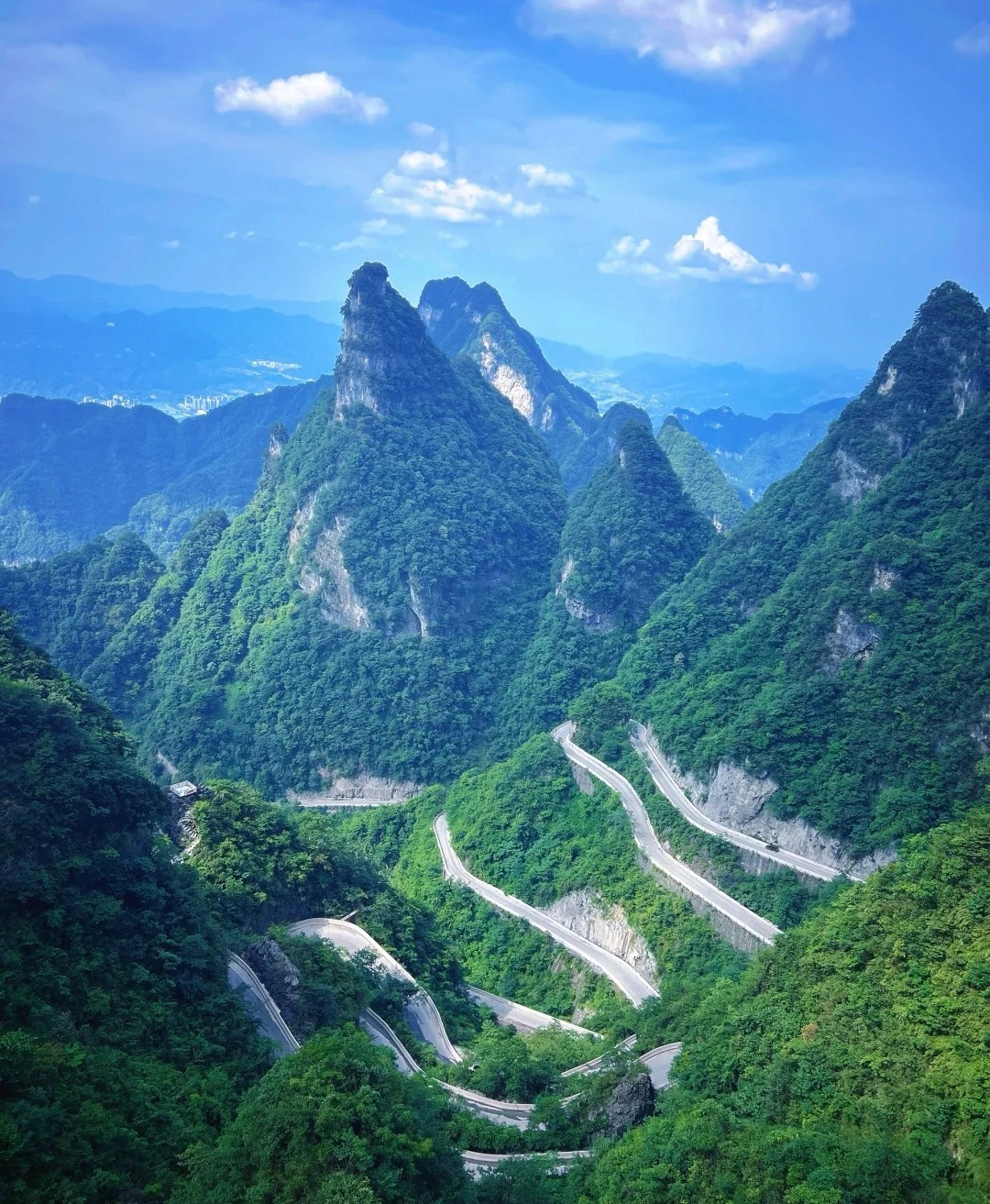
Our 2-day Zhangjiajie tour was beyond spectacular! As someone who’s visited Beijing and Shanghai for work, this trip revealed China’s wild, magical heart. Day 1 in Zhangjiajie National Forest Park felt like stepping onto Pandora—I’m a huge Avatar fan, and Yuanjiajie’s floating peaks left me breathless. The misty pillars and lush valleys like pure movie magic!
Then came Fenghuang Ancient Town, we eat dinner beside the thundering waterfall. It seems Unreal! The night views of stilt houses glowing over the river were straight from a fairy tale.
For fellow Avatar lovers and adventure seekers: Don’t miss this bucket-list experience! 10/10 would return.
A Well-Traveled Film Buff, May 2025
Destination(s):
Zhangjiajie
Date of
Experience:
May 08,2025