
A Culinary Journey Through Pingyao: Savoring the Flavors of Ancient China
Nestled behind its imposing grey-brick city walls, Pingyao—a UNESCO World Heritage Site in Shanxi Province—is not only a living museum of Ming-Qing architecture but also a treasure trove of time-honored culinary traditions. With a history spanning over 2,700 years, the city’s cuisine reflects the pragmatism of northern Chinese merchants and the richness of Shanxi’s agricultural heritage. From hearty noodles to preserved meats, every dish tells a story of survival, innovation, and cultural exchange. This article explores my gastronomic adventures in Pingyao, where each bite was a step back in time.
I. The Essence of Pingyao Cuisine: A Blend of History and Geography
1. Historical Roots
Pingyao’s strategic location on the Silk Road made it a bustling hub for trade and cultural exchange. Merchants traveling between Beijing and Xi’an brought spices, techniques, and ingredients that shaped local flavors. Meanwhile, the region’s harsh winters and arid climate influenced dishes that were both nourishing and long-lasting—think preserved meats, pickled vegetables, and wheat-based staples.
2. Key Characteristics
Pingyao cuisine is defined by:
- Bold Flavors: Vinegar, garlic, and chili play starring roles.
- Preservation Techniques: Smoking, fermenting, and drying to withstand long winters.
- Wheat-Centric: Noodles, steamed buns, and dumplings dominate due to Shanxi’s wheat cultivation.
II. Must-Try Dishes: From Street Food to Feast
1. Pingyao Beef (平遥牛肉, Píngyáo Niúròu)
The Dish: Marinated in a secret blend of Shanxi aged vinegar, soy sauce, and spices, then slow-cooked and air-dried, Pingyao beef is tender, slightly sweet, and deeply savory.
My Experience: At “Lao Cheng Heng Beef Shop”, a century-old establishment, I sampled thin slices of beef served with garlic paste and steamed buns. The meat’s melt-in-the-mouth texture contrasted beautifully with the pungent garlic.
Cultural Insight: Legend says Pingyao beef was a favorite of Qing Dynasty emperors. Its preservation method allowed merchants to carry it on long caravan journeys.
2. Knife-Cut Noodles (刀削面, Dāo Xiāo Miàn)
The Dish: Hand-cut wheat noodles tossed in a broth of lamb or pork bones, garnished with cilantro, garlic, and chili oil.
My Experience: At “Yi Pin Xiao Mian”, a no-frills eatery, I watched a chef skillfully slice noodles directly into a boiling pot from a block of dough. The result? Chewy, irregular strands that soaked up the rich, umami broth.
Cultural Insight: The art of knife-cut noodles dates to the Tang Dynasty. In Pingyao, it symbolizes resourcefulness—using minimal tools to create perfection.
3. Shanxi Vinegar (山西老陈醋, Shānxī Lǎo Chén Cù)
The Dish: A dark, mellow vinegar aged for years in clay jars, used liberally in dressings, dipping sauces, and even desserts.
My Experience: At the “Ninghua Vinegar Culture Museum”, I tasted vinegar infused with jujube dates and honey. The complexity—sweet, tart, and woody—was astonishing.
Cultural Insight: Shanxi vinegar is nicknamed “liquid gold.” During the Ming Dynasty, it was traded as currency along the Silk Road.
4. Wotou (窝头, Wōtóu)
The Dish: Steamed cornmeal buns shaped like hollow cones, originally a peasant food.
My Experience: At a morning market, I bought freshly steamed wotou from a vendor. Dipped in soy milk or paired with pickled vegetables, its earthy flavor was surprisingly comforting.
Cultural Insight: Wotou symbolizes humility. During famines, it sustained Pingyao’s poor, earning the nickname “food of the people.”
5. Oil tea (油茶, Yóu Chá)
The Dish: A savory porridge made from roasted wheat flour, sesame seeds, peanuts, and lard, served piping hot.
My Experience: At a teahouse near the South Gate, I sipped oil tea from a clay bowl. Its nutty, buttery richness warmed me from the inside out.
Cultural Insight: Merchants carried oil tea powder on journeys, mixing it with hot water for a quick, energizing meal.
III. Dining Experiences: From Markets to Heritage Restaurants
1. Ming-Qing Street Night Market
As dusk falls, the cobblestone street transforms into a food paradise. Stalls sell:
- Fried Dough Twists (麻花, Máhuā): Crispy, golden spirals dusted with sugar.
- Sour and Spicy Noodles (酸辣粉, Suānlà Fěn): Glass noodles in a tangy broth with pickled mustard greens.
- Grilled Lamb Skewers (羊肉串, Yángròu Chuàn): Marinated in cumin and chili, a nod to Pingyao’s nomadic influences.
Tip: Bargain politely! A skewer costs 3–5 RMB.
2. Heritage Restaurants
For a sit-down meal, visit:
- “Tian Yuan Lou”: A 300-year-old courtyard restaurant specializing in Pingyao beef and knife-cut noodles.
- “De Xing Yuan”: Known for its oil tea and wotou platters.
Etiquette: Share dishes family-style, and don’t leave chopsticks upright in rice (a funeral ritual).
IV. Beyond the Plate: Food as Cultural Heritage
Pingyao’s cuisine is inseparable from its identity. During the Qing Dynasty, wealthy merchants hosted lavish banquets to display their status, while commoners relied on hearty, preservable foods. Today, restaurants like “Tian Yuan Lou” recreate historic menus, offering dishes once served to emperors.
Local Quote:
“Food here isn’t just sustenance—it’s our history on a plate.” — Ms. Li, a fourth-generation noodle maker.
V. Practical Guide for Foodies
- Best Time to Eat:
- Breakfast: 7–9 AM (try wotou and oil tea at morning markets).
- Lunch/Dinner: 11 AM–2 PM or 5–8 PM (avoid peak hours to skip queues).
- Budget:
- Street food: 5–20 RMB per dish.
- Heritage restaurants: 40–100 RMB per person.
- Must-Buy Souvenirs:
- Bottles of Shanxi aged vinegar.
- Packaged Pingyao beef (vacuum-sealed for travel).
- Dietary Tips:
- Vegetarians: Opt for knife-cut noodles in vegetable broth or sour and spicy tofu.
- Spice lovers: Ask for extra chili oil (làjiāo yóu).
Conclusion: A Feast for the Senses and Soul
Pingyao’s cuisine is a dialogue between past and present, where every dish carries the weight of history and the warmth of human connection. Whether you’re savoring Pingyao beef in a centuries-old courtyard or slurping knife-cut noodles under a lantern-lit archway, the flavors linger long after the meal ends.
“To eat in Pingyao is to taste time itself—bitter, sweet, and always unforgettable.”
Final Tip: Bring an empty stomach and an open heart. The real magic of Pingyao’s food lies not just in its taste, but in the stories it tells.


Contact Us
What Our Clients Say?
Based on 10,000+ traveler reviews

Daniel Dorothea
Canada
Reviewed on April 29,2025
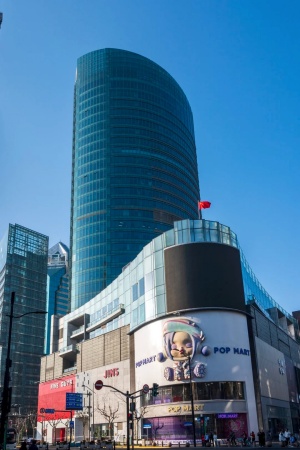
Shopping on Nanjing Road in Shanghai was just amazing! It's truly the "First Commercial Street of China", where tradition and modernity blend perfectly. You can find awesome souvenirs and experience the trendy vibes in cool stores. The neon lights at night are just spectacular, shining bright like Times Square in New York. The food here is incredible too. I had a feast for my taste buds. Shanghai, I'll definitely be back!
Destination(s):
Shanghai
Date of
Experience:
May 08,2024

Elvis Eva
Canada
Reviewed on June 20,2025
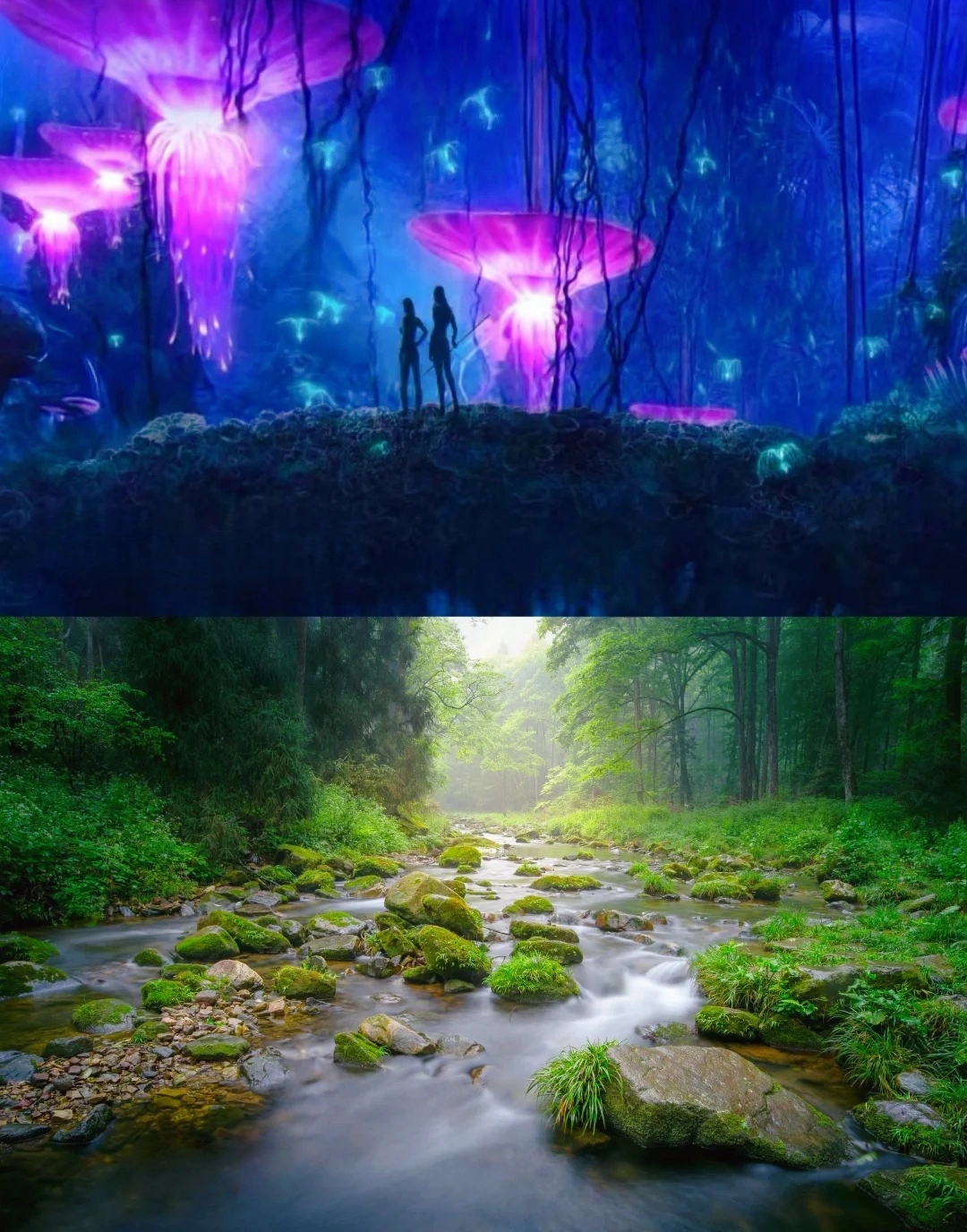
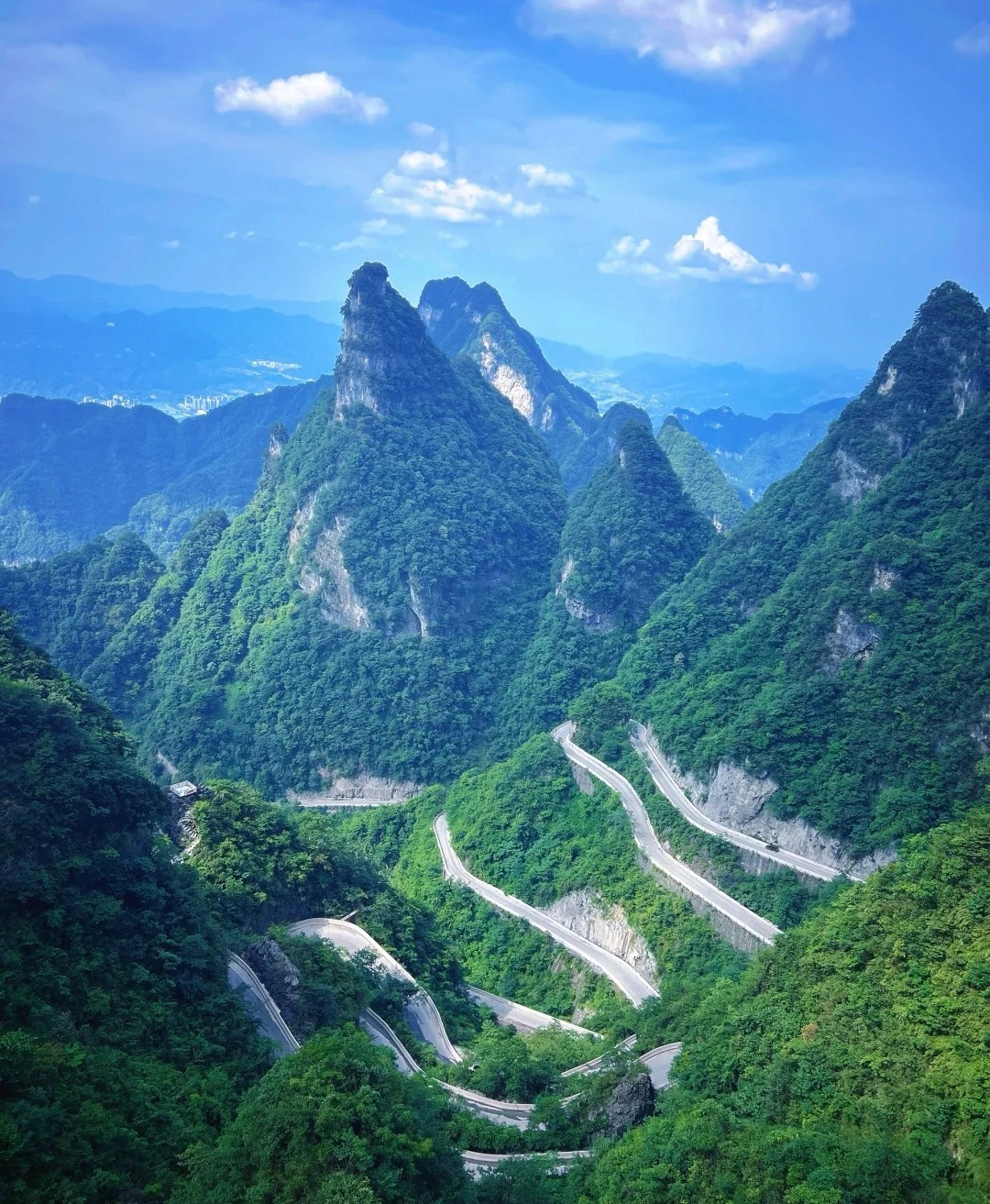
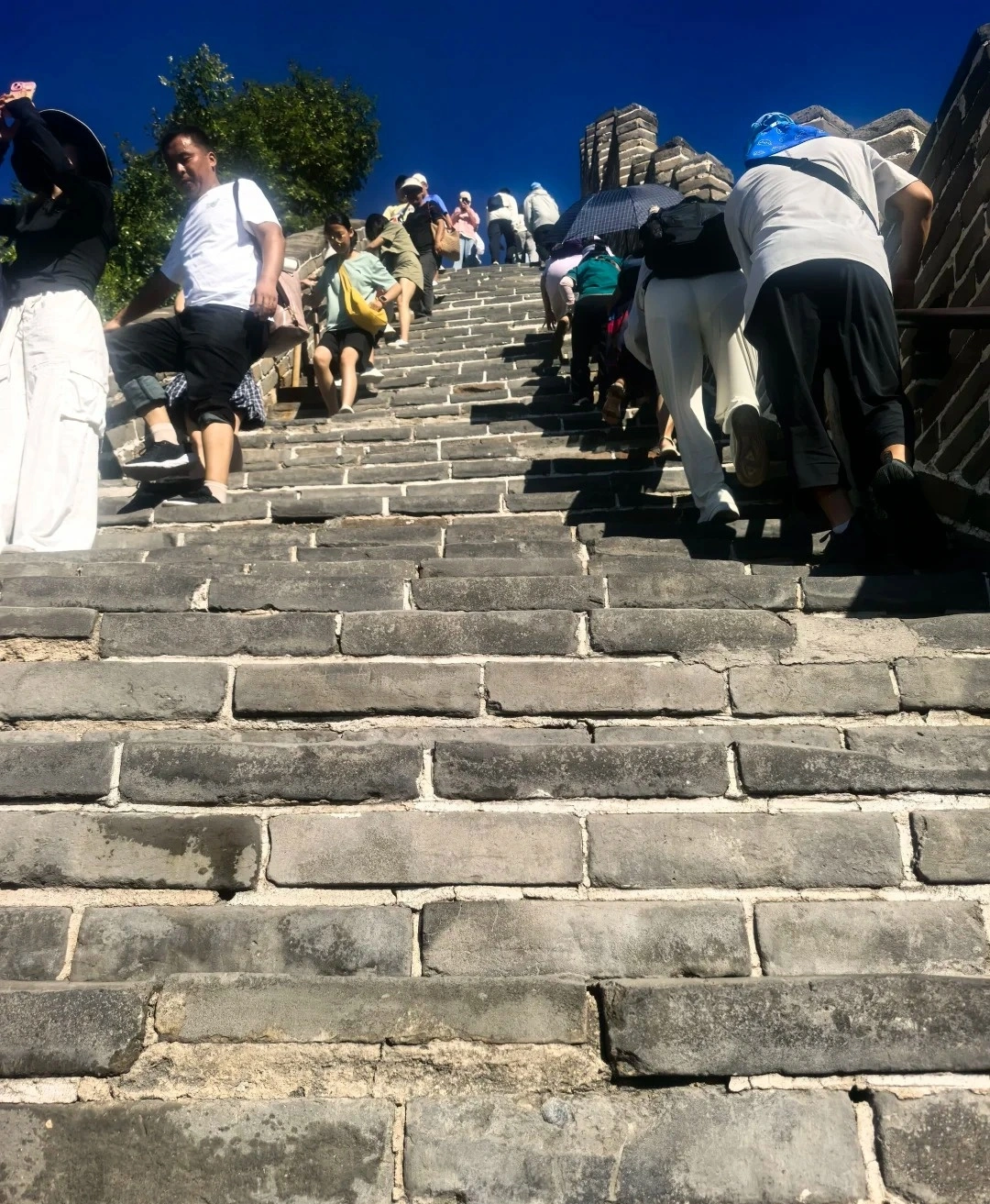
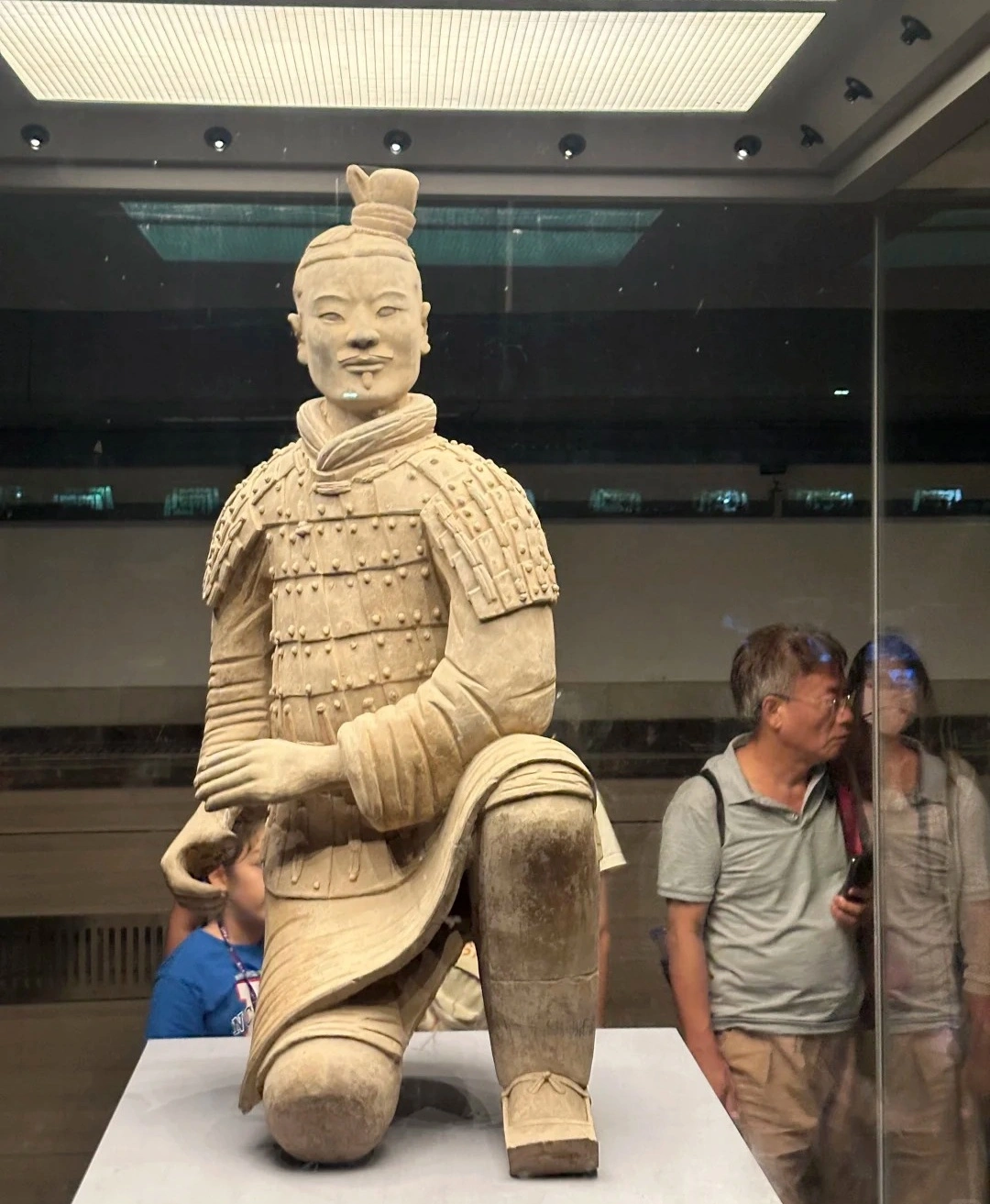
As a solo traveler from Canada, I was nervous about navigating China alone—but this 11-day tour was PERFECT! From hiking the Great Wall at sunrise (Day 3) to gasping at the Terracotta Army (Day 5), every day delivered ‘pinch-me’ moments. The real showstopper? Zhangjiajie’s Avatar Mountains (Day 7)! Our guide made the stone pillars come alive with stories.
Massive thanks for handling all logistics—bullet train tickets, entry passes, car! And the 4-star hotels surprised me.
Destination(s):
Beijing Xian Zhangjiajie Shanghai
Date of
Experience:
June 02,2025

Simon
America
Reviewed on May 29,2025
Our 2-day Zhangjiajie tour was beyond spectacular! As someone who’s visited Beijing and Shanghai for work, this trip revealed China’s wild, magical heart. Day 1 in Zhangjiajie National Forest Park felt like stepping onto Pandora—I’m a huge Avatar fan, and Yuanjiajie’s floating peaks left me breathless. The misty pillars and lush valleys like pure movie magic!
Then came Fenghuang Ancient Town, we eat dinner beside the thundering waterfall. It seems Unreal! The night views of stilt houses glowing over the river were straight from a fairy tale.
For fellow Avatar lovers and adventure seekers: Don’t miss this bucket-list experience! 10/10 would return.
A Well-Traveled Film Buff, May 2025
Destination(s):
Zhangjiajie
Date of
Experience:
May 08,2025