Natural Creation - Miniature Bonsai of Chinese Landforms
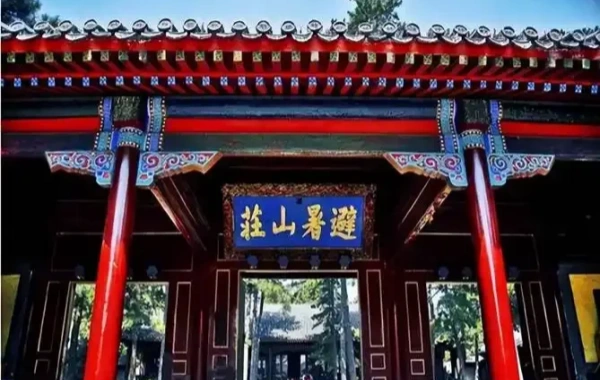
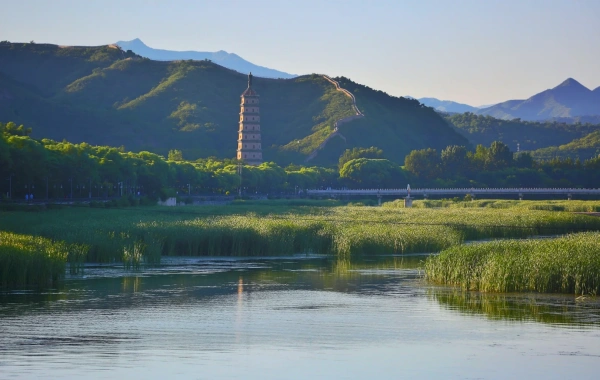
The Garden area of the Mountain Resort perfectly recreates the diverse landforms of the Chinese mainland, from the water towns in the southeast to the plateaus in the northwest. It is divided into three major parts: the lake area, the plain area and the mountain area.
The Elegant Lake District: A Dreamland of the Jiangnan region that shifts the heavens and the earth
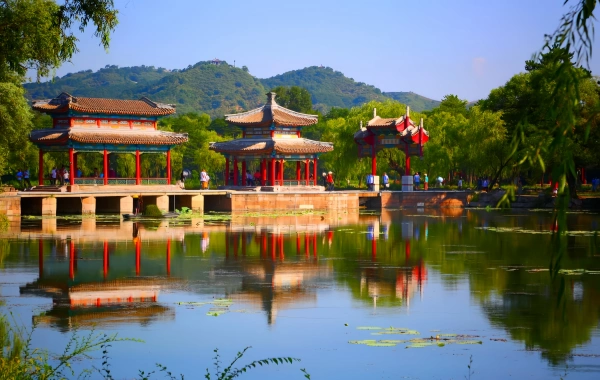
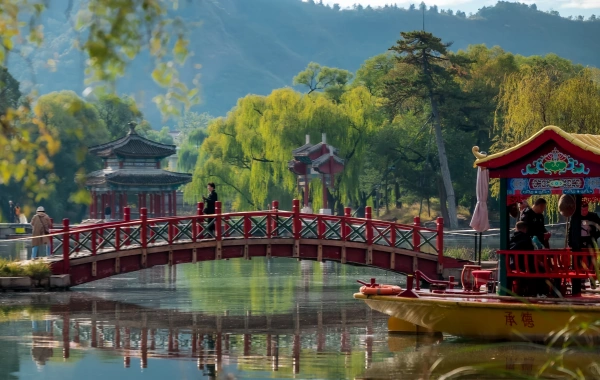
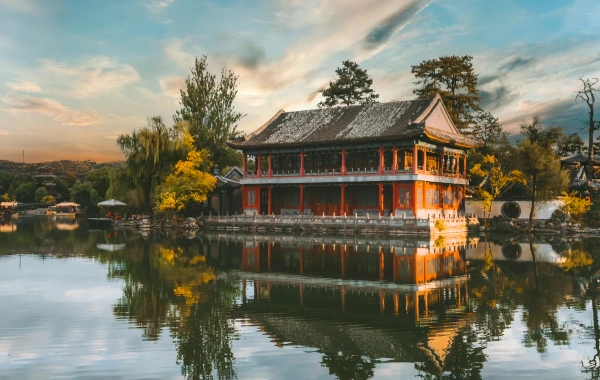
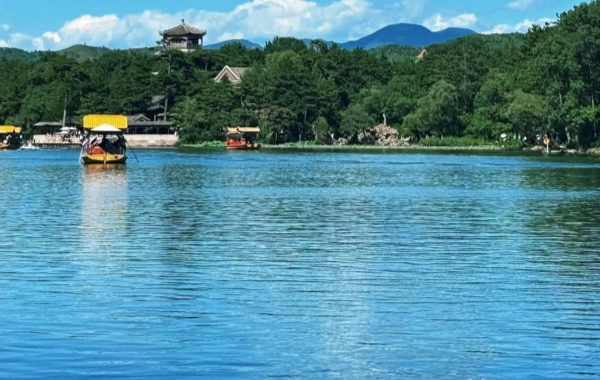
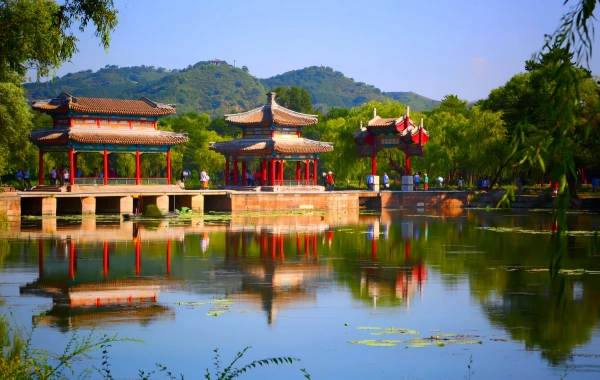
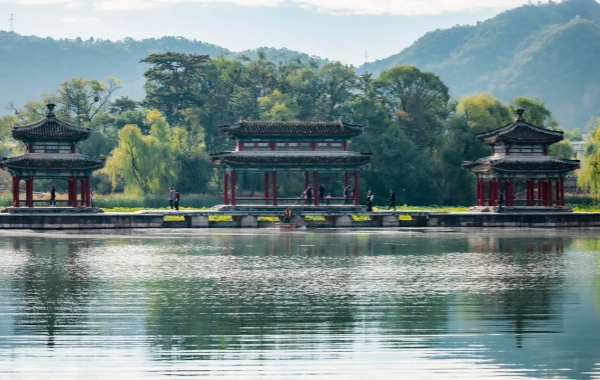
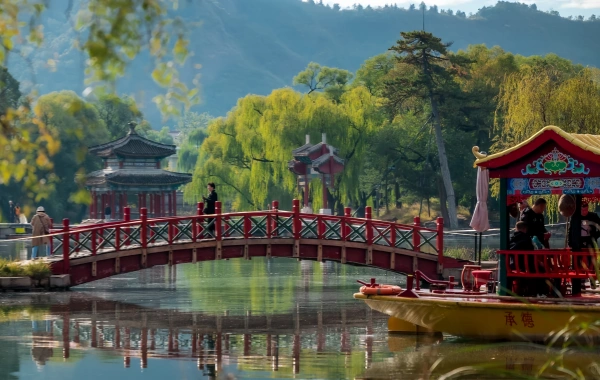
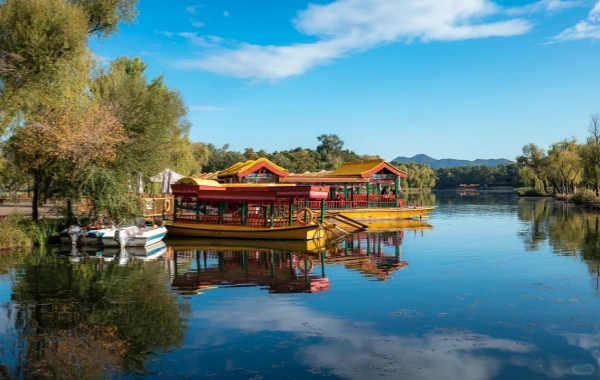
The lake area is the essence of the mountain villa. Multiple lakes are ingeniously divided by continents, islands, Bridges and embankments, creating a Jiangnan atmosphere where the scenery changes with every step.
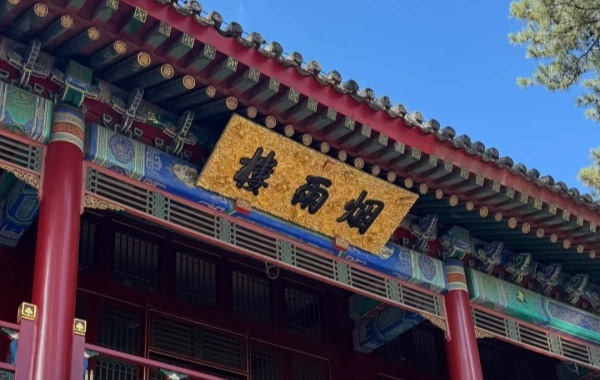
- Yanyu Tower: Built in imitation of the Yanyu Tower on South Lake in Jiaxing, Zhejiang Province, it is located on Qinglian Island. Every summer and autumn when the mist and rain are hazy, climbing the tower and looking into the distance, the lake and mountain scenery are like a Chinese ink-wash painting, which is one of the most poetic scenic spots in the mountain villa.
Jinshan Island: Built in imitation of the scenery of Jinshan in Zhenjiang, Jiangsu Province, it is surrounded by lakes on three sides and faces a stream on the other. The God Pavilion stands tall, making it the highest point and visual center of the lake area, exuding a strong sense of the elegance of the Jiangnan region.
- Rehe Spring: Located in the northeastern corner of the lake area, it is a famous hot spring source and the origin of the name "Rehe". Even in the severe winter, the spring water here flows ceaselessly and the mist rises, which is truly a wonder.
The vast plain area: The northern frontier scenery of grasslands and forests
To the north of the lake area, the terrain suddenly opens up. Here, the green grass is lush and the elk swim freely, recreating the vast and desolate scene of the Mongolian grassland.
- Ten Thousand Trees Garden: Ancient trees tower into the sky, and the meadow is vast. In the past, yurts were built there. It was an important place for the emperor to hold wild banquets and receive Mongolian nobles.
- Test Horse Dai: A vast grassland that was once the place where the emperor selected fine steeds and held horse races. Even now, strolling along it, one can still sense the heroic atmosphere of the past.
The magnificent mountain area: A natural barrier that occupies four-fifths of the entire park
To the northwest of the mountain villa lies a continuous range of mountains, covering approximately four fifths of the entire garden. Here, gullies crisscross and the pine trees rustle like a sea. Originally, more than forty groups of buildings were scattered among them. Climbing to the pavilions such as "Snow on Nanshan Mountain", "Four-Faced Cloud Mountain" and "Sunset on Qingchui Peak", one can not only overlook the entire mountain villa but also enjoy the magnificent scenery of Qingchui Peak, a landmark of Chengde.
Humanistic craftsmanship: The simple and elegant heart of an emperor
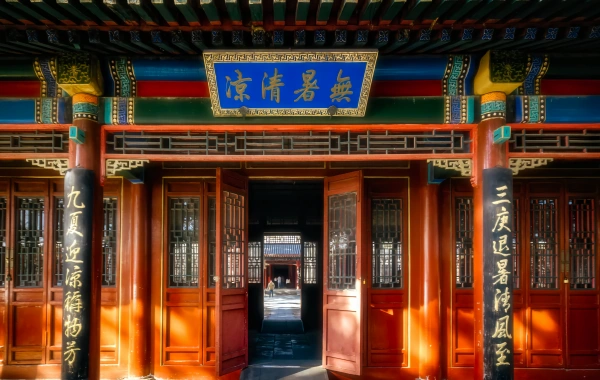
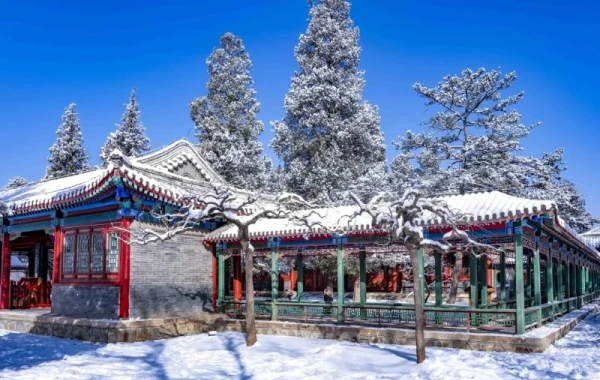
In sharp contrast to the resplendent and magnificent Forbidden City, the palace architecture of the Mountain Resort is based on the principle of "simplicity and elegance", featuring blue bricks, grey tiles and the natural color of raw wood, highlighting Emperor Kangxi's governance philosophy of "indifference to fame and fortune, respect and sincerity".
Palace area: A ceremonial space for the front court and the back sleeping quarters
The palace area was located in the south of the mountain villa and served as the emperor's place for handling state affairs and daily living.
- Danbo Jingcheng Hall: The main hall in the palace area, commonly known as the "Nanmu Hall". The entire main hall is constructed with precious golden-threaded nanmu wood without any painted decorations. In the faint fragrance of nanmu wood, countless important court assemblies and grand ceremonies have been held.
The Yanbo Zhi Shuang Hall: The first of the Thirty-six scenic spots of Emperor Kangxi's reign, it was the emperor's bedroom. Here, "surrounded by beautiful mountains and ten miles of flat lakes", the environment is extremely peaceful and secluded. Emperor Xianfeng passed away here.
Songhe Studio: A place built by Emperor Qianlong for his mother, Empress Dowager, to rest and recuperate, with the meaning of "pine and crane prolonging life". Inside the courtyard, green pines and white cranes complemented each other beautifully, brimming with filial piety.
The Eight Outer Temples: Architectural monuments of ethnic integration
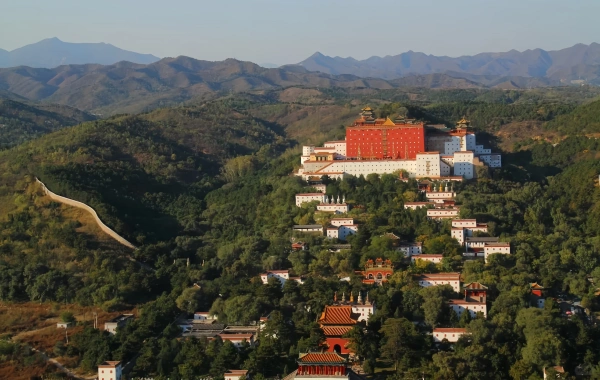
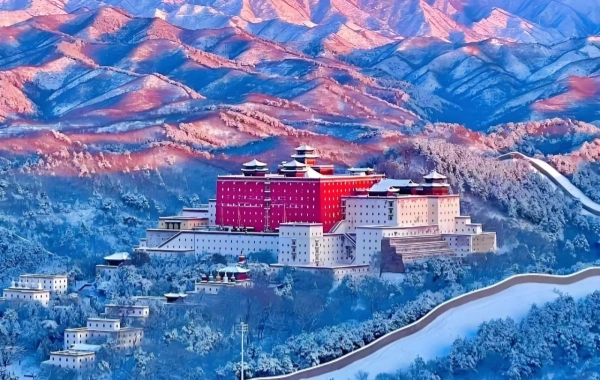
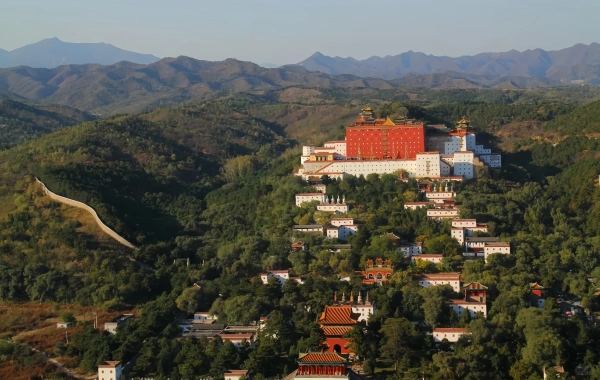
The twelve magnificent temples (collectively known as the "Eight Outer Temples") surrounding the eastern and northern foothills of the mountain resort are an inseparable part of the mountain resort. The Putuo Zongcheng Temple: Built in imitation of the Potala Palace in Xizang, it is grand in scale and imposing in appearance, commonly known as the "Little Potala Palace". It was built to celebrate the 60th birthday of Emperor Qianlong and the 80th birthday of Empress Dowager Chongqing, and witnessed historical events such as the eastward return of the Torghut tribe.
The Temple of Longevity and Happiness in Sumeru: Built in the style of the Tashilhunpo Monastery in Xigaze, Xizang, it was specially constructed to welcome the Sixth Panchen Lama to celebrate the birthday of Emperor Qianlong. The Han-style glazed roof and the Tibetan-style red platform and white walls complement each other beautifully.
Photography Secrets:
The Yanyu Tower and Jinshan Pavilion in the lake area are excellent spots for photographing the water scenery of Jiangnan. They are often shrouded in mist in the early morning or after rain, creating a fairy-like atmosphere.
The "Nanshan Snow Accumulation" Pavilion in the mountainous area is a classic vantage point for capturing the panoramic view of the mountain villa and the urban area of Chengde and the Eight outer Temples. It is especially suitable for shooting the "Hammer Peak Sunset" at sunset.
The red platform and white walls of the Putuo Zongcheng Temple in the Outer Eight Temples create a strong visual impact and make it a great place to take photos of Tibetan-style architectural masterpieces.
The buildings in the palace area are solemn and elegant. By using light and shadow to capture the nanmu columns and dougong brackets of the Danbo Jingcheng Hall, its ancient and simple beauty can be highlighted.