The Summer Palace: A century-old Splendor Journey from the Imperial Garden to the People's Park

The Summer Palace: A century-old Splendor Journey from the Imperial Garden to the People's Park

Overview: A landscape painting that embodies the essence of Chinese classical garden art
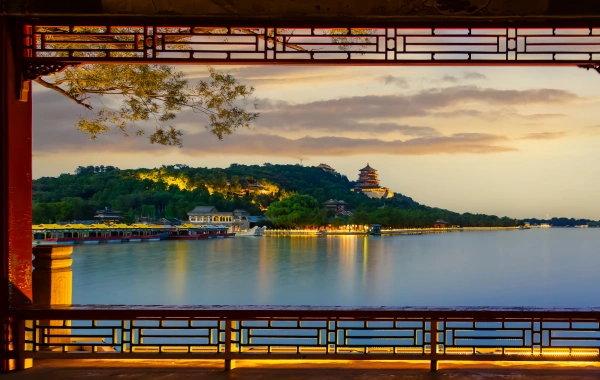
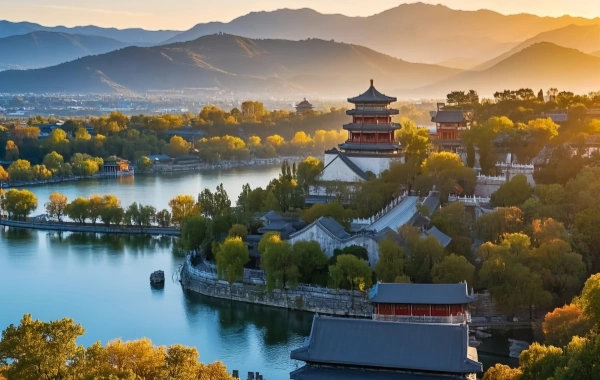
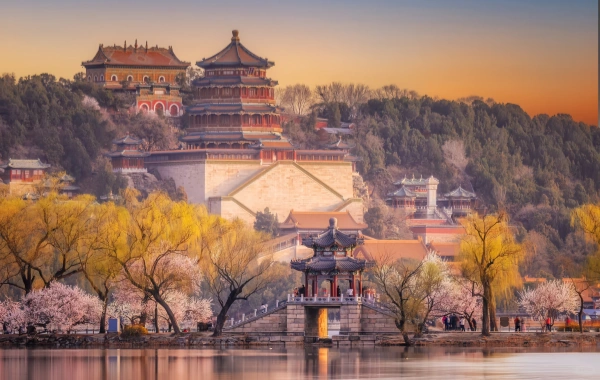
The Summer Palace is a royal garden covering an area of approximately 290 hectares. It is not only a World Cultural Heritage Site, but also a three-dimensional poem painted with Kunming Lake as the paper, Wanshou Mountain as the inkstone and pavilions and terraces as the ink.

A quick overview of key highlights
Identity tags: Royal Garden Museum/World Cultural Heritage/The Essence of the "Three Hills and Five Gardens"/The Culmination of Chinese Classical Gardens
Core experiences: Boating on Kunming Lake, seeking stories through the painted corridor, climbing to the Buddha Incense Pavilion, and appreciating the Fun Garden
Suggested tour: The core can be visited in 1 day. For in-depth enthusiasts, it is recommended to arrange more than 1 day for detailed appreciation
Address: No. 19, Gongmen Road, Xinjian, Haidian District, Beijing

  • The Summer Palace: A century-old Splendor Journey from the Imperial Garden to the People's Park-1
  • The Summer Palace: A century-old Splendor Journey from the Imperial Garden to the People's Park-2
  • The Summer Palace: A century-old Splendor Journey from the Imperial Garden to the People's Park-3
  • The Summer Palace: A century-old Splendor Journey from the Imperial Garden to the People's Park-4

Origin: A garden and the twilight years of an empire

Furong Ancient Town

The Source of Clear Ripples - Emperor Qianlong's ideal of mountains and waters
The name "Summer Palace" implies "nurturing and harmony", but the history of its predecessor, "Qingyi Garden", can be traced back to the Qianlong period. In 1750, Emperor Qianlong built the Qingyi Garden on the basis of Weng Mountain (now Wanshou Mountain) and West Lake (now Kunming Lake) to celebrate the 60th birthday of his mother, Empress Dowager Chongqing, and also to effectively control the water system in the western part of the capital. The project lasted for fifteen years, integrating the beauty of Jiangnan gardens with the vastness of northern mountains and rivers. Taking the West Lake in Hangzhou as a model, it created a classical fairyland layout of "one pool and three Hills", becoming the brilliant final work of the "Three Hills and Five Gardens" imperial garden area.

The Transformation of the Century - From Imperial Gardens to Public Heritage
The modern history of the Summer Palace is an epic of vicissitudes closely intertwined with modern and contemporary Chinese history:
- Peak and Calamity (1750-1860) : Qingyi Garden represents the pinnacle of garden art in the Qing Dynasty. However, in 1860, the Anglo-French Allied Forces invaded Beijing and looted the "Three Hills and Five Gardens", including the Qingyi Garden, completely. Most of the precious cultural relics and exquisite buildings were reduced to ashes.
Reconstruction and Renaming (1886-1908) : Empress Dowager Cixi of the late Qing Dynasty misappropriated naval funds to rebuild the ruins of the Qingyi Garden and, taking the meaning of "nurturing harmony", renamed it "The Summer Palace" as her place for recuperation in her later years. Although its scale is not as large as before, it has basically established the current pattern.
- Openness and Rebirth (1914 to Present) : After the fall of the Qing Dynasty, the Summer Palace was opened to the public for the first time as a royal garden with ticketing in 1914. In 1928, it officially became a national park. In 1961, it became one of the first batch of key national cultural relics protection units. In 1998, it was inscribed on the World Heritage List as a "World Cultural Heritage", completing a great transformation from royal private property to a common heritage of all mankind.

> In-depth Understanding: Explore More Chinese Imperial Gardens and Cultural Heritage >> [Chengde Mountain Resort and Surrounding Temples]

Must-see Wonder: A symphonic poem of natural landscapes and humanistic craftsmanship

Furong Ancient Town Furong Ancient Town Furong Ancient Town Furong Ancient Town Furong Ancient Town Furong Ancient Town Furong Ancient Town

Natural creation - The ideal model of learning from nature
The framework and soul of the Summer Palace lie in its ingeniously crafted yet naturally formed landscape layout.

Kunming Lake: The bright eyes and Breath of the garden
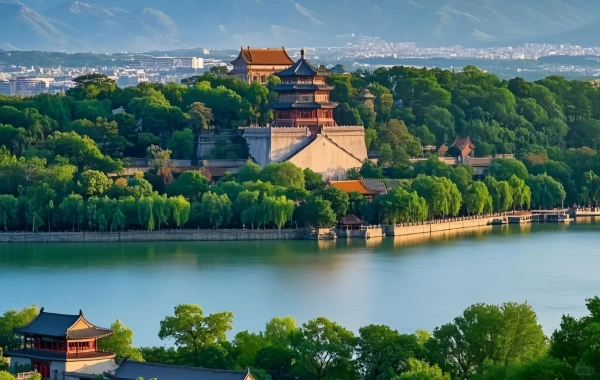
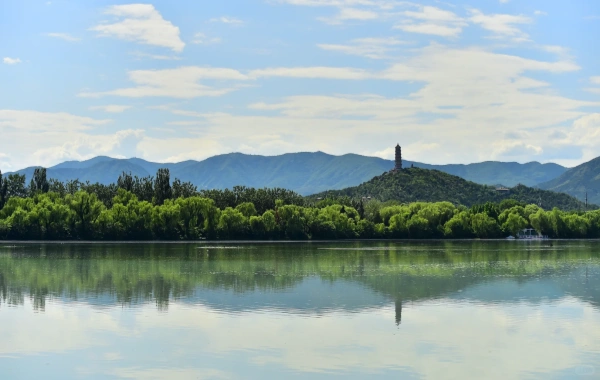
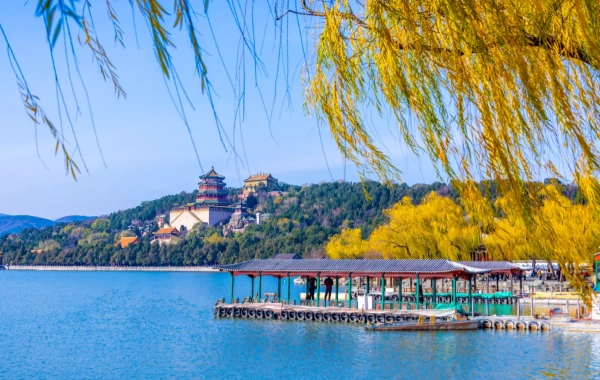
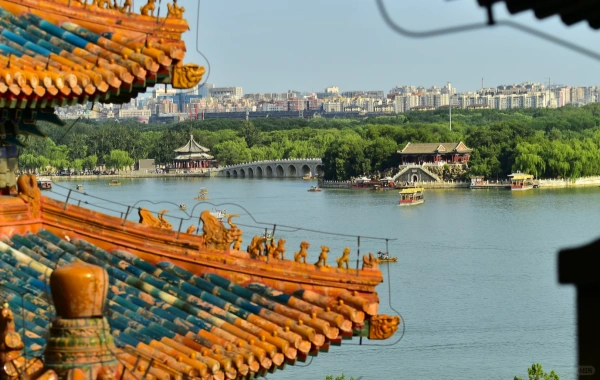
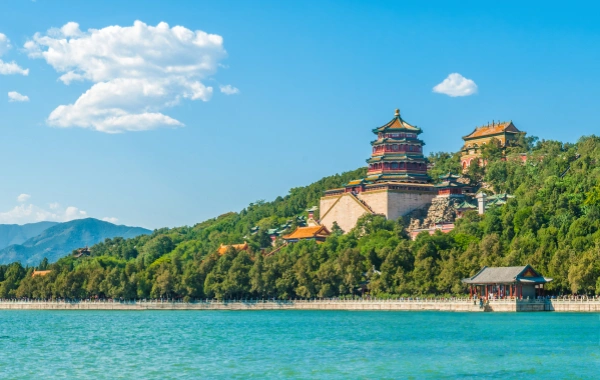
Kunming Lake, covering an area of 220 hectares, is not only the landscape center but also the "air conditioner" and "water source" of the entire park. It was built in imitation of West Lake in Hangzhou, with three immortal islands, namely Nanhu Island, Zao Jian Hall and Zhi Jing Pavilion, dotting the lake, symbolizing the three sacred mountains of Penglai, Fangzhang and Yingzhou on the sea. Boating on the lake, looking westward at the reflection of the Jade Spring Mountain Pagoda, the view is endless, which reflects the ultimate application of the "borrowing scenery" technique in Chinese garden art.

Wanshou Mountain: A solid foundation for the scroll painting
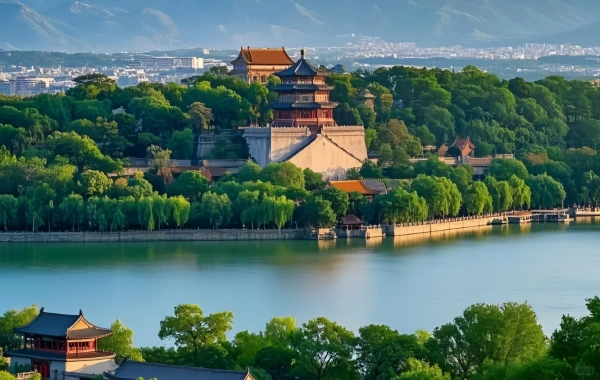
As the highest point and backdrop of the entire park, the architectural complex in front of Wanshou Mountain is resplendent and magnificent, while the back mountain is quiet and profound. The proportion of the mountain and the lake surface has been carefully calculated to form a perfect compositional balance. Climbing up the ridge, one can overlook the panoramic view of the lake and mountains, and experience the imperial atmosphere of "the splendid mountains and rivers are captured in one palm".

West Embankment Six Bridges: The finishing touch of exquisite beauty
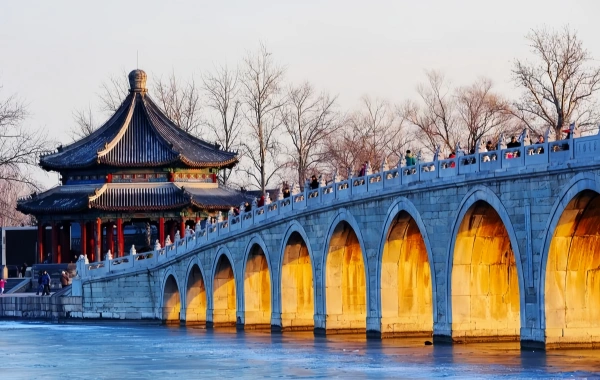
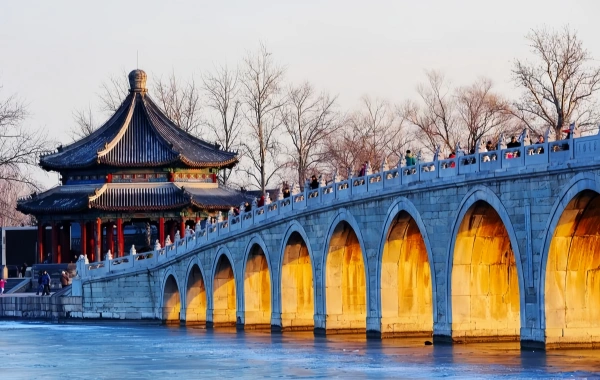
The West Causeway, modeled after the Su Causeway in West Lake, Hangzhou, divides the lake surface of Kunming into layers. There are six bridge pavilions of different shapes built on the embankment. Among them, the Jade Belt Bridge has a high and thin arch, resembling a jade belt, and is the most beautiful. In spring, peach blossoms are in full bloom and willows are green. Strolling along the embankment, it feels as if one is walking in a watercolor painting of Jiangnan.

Plant Timing: A Flowing Gallery with Different Seasons
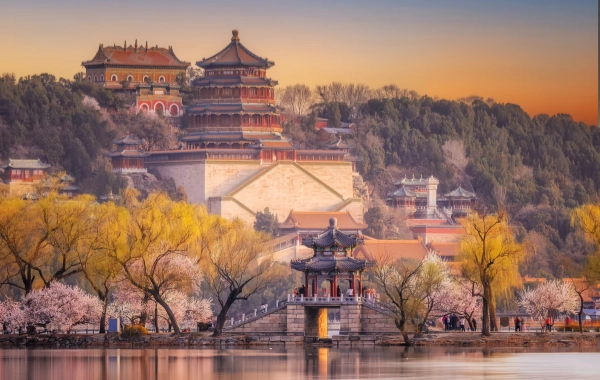
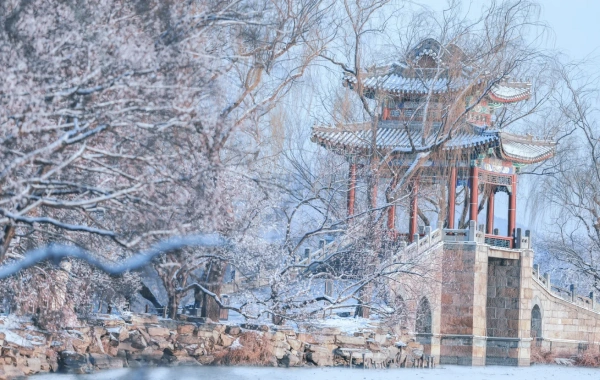
The configuration of garden plants is extremely meticulous. In spring, peach blossoms on Xiti Mountain and magnolias in Leshou Hall bloom in turn. In summer, the lotus flowers on Kunming Lake reflect the sun, and the Houxi River is shaded by greenery. In autumn, the ginkgo trees on the back mountain turn golden, and the forest is ablaze with color. In winter, snow falls on the long corridor, and the lake surface freezes over, creating a unique scene of a desolate and cold forest.

Humanistic craftsmanship - The fusion of imperial dignity and the elegance of life
Every group of buildings and every decoration here carries political implications and the aesthetics of life.

The architectural complex of the Buddha Incense Pavilion and the Paiyun Hall: the pinnacle of the ritual system
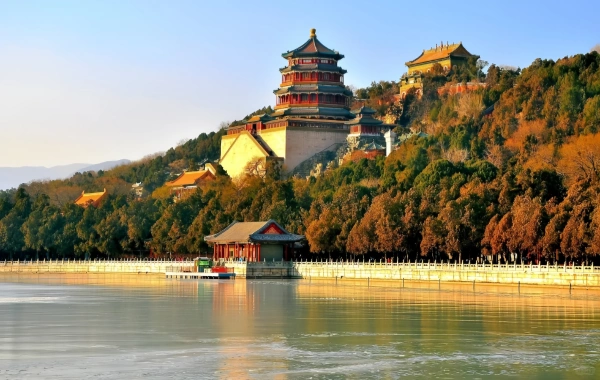
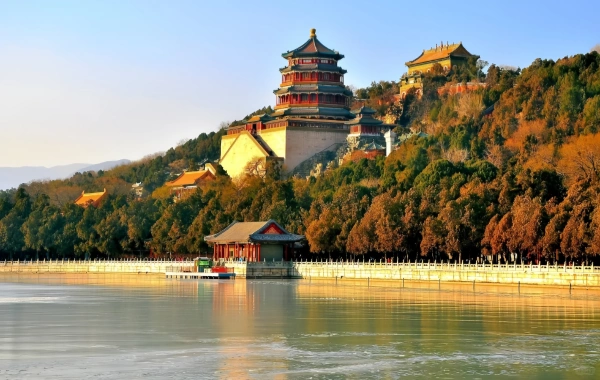
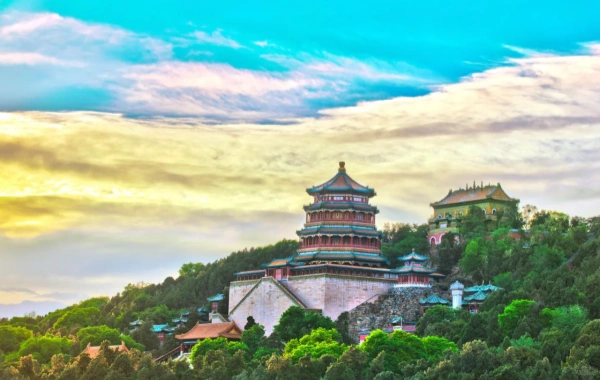
It is located in the center of the front mountain of Wanshou Mountain and is the symbol and visual center of the Summer Palace. The Paiyun Hall was the place where Empress Dowager Cixi held her 10,000th birthday celebration and received homage. Its scale was second only to the Hall of Supreme Harmony in the Forbidden City. Behind it stands the Buddha Incense Pavilion, which is octagonal and four-story, towering majestically. Inside, it enshrines the Guiding Buddha. It is not only a religious site but also the highest point of the landscape that governs the entire garden, symbolizing the combination of imperial and divine power.

Corridor: The world's longest painted gallery
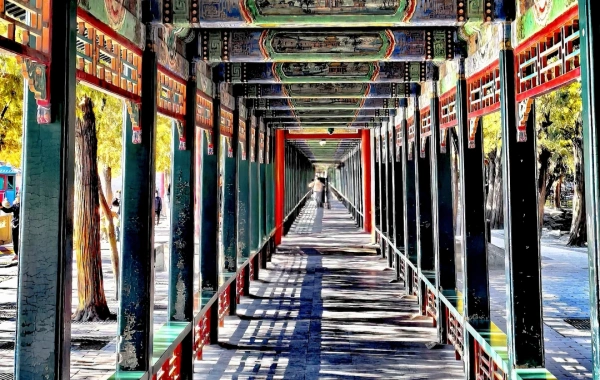
It starts from the Yaoyue Gate in the east and ends at the Shizhang Pavilion in the west, with a total length of 728 meters and 273 bays. The corridor beams are adorned with over 14,000 Suzhou-style colored paintings, covering landscapes, flowers and birds, historical stories, and scenes from classical novels such as "Journey to the West" and "Dream of the Red Chamber". It is an open-air art museum. Walking through it, every step reveals a new scene, and the painting changes with each step.

Stone Boat (Qingyan Boat) : A unique architectural philosophy
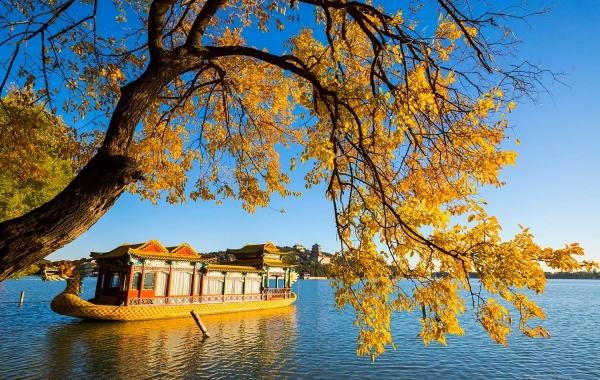
Located on the northwest shore of Kunming Lake, it is a Western-style boat-shaped building carved with huge stones. Derived from the ancient adage "Water can carry a boat, but it can also capsize it", it implies "the land will remain stable and the waves will not be disturbed". The hull adopts a Western style, but the Chinese-style pavilions on the top reflect cultural integration, making it a unique scenic spot in the garden.

Funny Garden: A delicate world within a garden of gardens
Located at the eastern foot of Wanshou Mountain, it was built in imitation of Jichang Garden in Wuxi and is a typical style of Jiangnan gardens. Centered around a pool, it is surrounded by pavilions, terraces, towers, terraces, corridors and Bridges. The layout is exquisite, with each step presenting a new scene and forming a complete system. It is hailed as the "Garden within a Garden" of the Summer Palace, reflecting the pursuit of scholarly elegance in imperial gardens.

Suzhou Street: A Reenactment of the Customs of the Palace Market
It is located on both banks of the Houxi River and is built in the style of a water town market in the south of the Yangtze River. There were numerous shops, including teahouses, taverns, pastry shops, antique stores, etc. During the Qing Dynasty, eunuchs and palace maids played the role of merchants, allowing emperors and empresses to experience the pleasures of the common people. Now that it has been restored and reopened, one can experience the unique court commercial culture.

Photography Secrets:
The best vantage point for a panoramic view of the Buddha Incense Pavilion is on the east embankment of Kunming Lake (near Zhichun Pavilion), where you can capture the building and its reflections in the water.
The interior of the corridor uses depth composition to capture the light and shadow of the painted decorations and the colonnades.
The Jade Belt Bridge on the West Embankment is suitable for taking silhouettes or reflections in the early morning or at dusk.
In the Humorous Garden, the use of framed views (doors and Windows) for shooting small works exudes a strong sense of Chinese aesthetic charm.

Core Experience: An immersive guide to Royal garden life

Furong Ancient Town Furong Ancient Town Furong Ancient Town Furong Ancient Town

Five Must-do Things to Unlock a Complete Tour of the Summer Palace
Take a pleasure boat and cruise on Kunming Lake
- Perspective: Looking back at Wanshou Mountain from the center of the lake is the best Angle to enjoy the panoramic view of the garden, and it best allows one to appreciate its garden-making realm of "though made by man, it seems to have been created by nature".
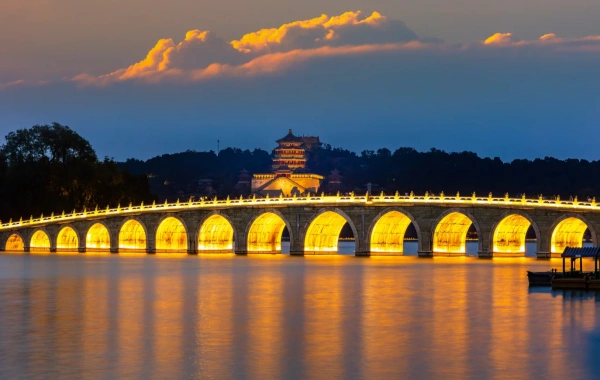
Route: Depart from Paiyun Hall Pier or Nanhu Island Pier to enjoy the scenery of the Seventeen-Arch Bridge and the West Causeway up close.
2. Walk through the long corridor and search for the painted stories
The core: Slow down your pace, carefully examine the colorful paintings on the beams and lintels of the corridor, and search for classic stories such as "Three Visits to the Thatched Cottage" and "The Mother-in-law's Inscriptions", or the vivid details of flowers, birds, fish and insects.
- Interaction: You can get to know some classic stories in advance and visit with a "treasure hunt" mindset, which will greatly enhance the fun.
3. Climb the Buddha Incense Pavilion once and overlook the magnificent mountains and rivers
- Experience: Climb the steps to the top floor of the Incense Buddha Pavilion and enjoy a 360-degree panoramic view of Kunming Lake, the Six Bridges over the West Embankment, and the distant Jade Spring Mountain and West Mountain. Feel the grandeur of the imperial garden.
4. Visit a garden within a garden and experience its elegance and tranquility
The first choice is the Humorous Garden. Avoid the crowds along the main axis and experience the refinement and tranquility of a Jiangnan garden in the midst of small Bridges, flowing water and winding paths.
Secondly: Visit Yulan Hall (the bedroom of Emperor Guangxu) or Yongshou Studio (the residence of Li Lianying) to learn about the history of the late Qing court.
5. Have a meal at the Tingli Pavilion or the imperial dining room
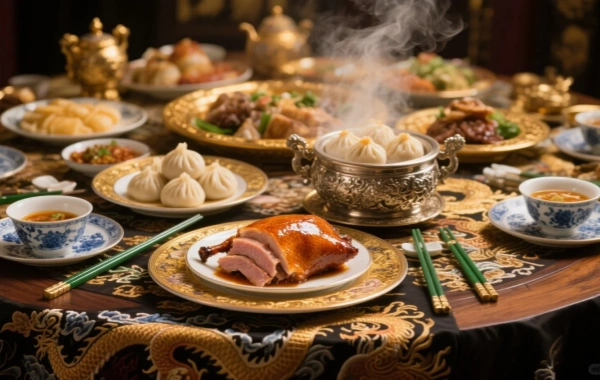
- Experience: Tingli Restaurant is a renowned imperial cuisine restaurant where you can taste imitation cuisine. Even without a proper meal, sipping a cup of green tea at a tea house in the garden and enjoying the beautiful scenery of the lake and mountains is an excellent way to rest.

Suggested tour route
One-day "Classic Central Axis" Highlights Tour (Suitable for most first-time visitors)
In the morning (enter the park through the East Palace Gate or the newly-built Palace Gate) → Visit the Renshou Hall (political activity area) → Step into the Kunming Lake, walk north along the east embankment to enjoy the lake and mountain scenery, and overlook the South Lake Island and the Seventeen-arch Bridge in the distance → Enter the Yulan Hall, Yiyun Hall and Leshou Hall (living and residential area) → Focus on visiting the long corridor, stroll westward and admire the painted decorations → Arrive at the Pai Yun Hall and climb the Fo Xiang Pavilion (core) 1 hour) → Descend the mountain from the Fragrant Buddha Pavilion and take A boat tour on the lake near the Stone boat (about 20 minutes) or have lunch at the Tingli Pavilion → In the afternoon, there are two options: A. Head to the back mountain Suzhou Street to experience the water town and market life, and then stroll back along the Houxi River. B. Head to the Fun Garden to savor its exquisite beauty → Exit the garden through the North Palace Gate or the East Palace Gate.
IntoTravelChina Tips: This itinerary is rather tight, so please allocate your physical strength reasonably. The core experience is to climb the Incense Buddha Pavilion and take a boat tour. It is recommended to set aside sufficient time.

Two-day "In-depth Appreciation" Cultural Tour (Strongly recommended for garden and history enthusiasts)
Day 1: Focus on the core area of Qianshan Qianhu. In the morning, we will take a detailed tour of the Renshou Hall, the Grand Stage of Dehe Garden, the Yulan Hall, the Leshou Hall and other political and life architectural complexes to learn about the history of the late Qing Dynasty. In the afternoon, we will focus on enjoying the corridor paintings, climb the Incense Buddha Pavilion, and take a boat from the Stone Boat Pier to have a deep tour of Kunming Lake. We will also go up to Nanhu Island to closely observe the Seventeen-Arch Bridge.
Day 2: Explore the Back Mountain, Back Lake and the West District. Enter through the North Palace Gate in the morning, tour Suzhou Street, and then stroll along the Houxi River (Houhu), experiencing the serene mountain forest charm that is quite different from that of the front mountain. In the afternoon, head to the Fun Garden and then stroll along the West embankment. Enjoy the peach and willow or reed scenery in spring, summer and autumn. If you have time, you can visit the Gengzhi Tu Scenic Area to learn about the imperial agricultural culture of the Qing Dynasty.
IntoTravelChina Advantages: We can book the most suitable accommodation for you, arrange the connection of all activities, and provide detailed hiking route maps and safety guidelines.

Professional Guide: IntoTravelChina can offer you a private customized itinerary, including a dedicated tour guide, transportation and activity arrangements, allowing you to enjoy a deep and worry-free trip. >> [Consult for Customization Now]

Travel Guide: Transportation, Accommodation and Seasons

Furong Ancient Town Furong Ancient Town

How to Get There: A Seamless Connection Guide
The Summer Palace is located in the northwest suburbs of Beijing, with a subway network covering it and very convenient transportation.
Starting from the urban area of Beijing, it is recommended to take the subway. Travel tips: Take Subway Line 4 to Beigongmen Station (Exit D, and you will reach the North Gate of the Summer Palace), or go to Xiyuan Station (Exit C2, and walk for about 10 minutes to Donggongmen). This is the most convenient way to avoid traffic jams.
For departures from various railway stations/airports in Beijing, it is recommended to transfer by subway. You can transfer to Line 4 via the subway network.
- Self-driving, journey time: About 40 minutes to 1 hour from the city center. Travel tip: Navigate to the "Summer Palace Parking Lot", but parking Spaces are extremely tight during holidays. It is strongly recommended to use public transportation.
Important Note: The Summer Palace is vast and has multiple palace gates (such as the East Gate, the North Gate, the Newly Built Gate, and the South Ruyi Gate, etc.). Please plan the entrance and exit gates of the park according to your tour route to avoid taking a detour.

Best visiting time
The Summer Palace offers different scenery throughout the four seasons, but the climate and landscape in spring and autumn provide the best overall experience.
- Spring and autumn golden seasons (April - May, September - October) : The climate is mild. In spring, there are all kinds of flowers (peach, magnolia, crabapple), and in autumn, there are colorful leaves (ginkgo). The sky is high and the air is refreshing. It is the golden season for sightseeing and photography.
- Summer lush season (June - August) : Shady green trees and blooming lotus flowers. However, the weather is hot, there are many tourists, and thunderstorms are likely to occur in the afternoon. It is more comfortable to visit in the early morning or evening.
- Winter quiet season (November - March of the following year) : There are few tourists. If you encounter a snowy scene, the royal gardens covered in white will have a unique charm and be a paradise for photography enthusiasts. However, due to the cold weather, the lake surface froze and some cruise projects were closed.

Accommodation options
- Haidian District (First choice, convenient proximity) :
Hotels around the Summer Palace: The park is within walking distance, making it convenient to enter the park in the early morning to enjoy tranquility or take a walk in the evening.
Suitable for: Tourists who wish to maximize their visiting time and value convenience.
2. Hotels in Zhongguancun/Xiyuan Business District: Just one or two subway stops away, with a wide range of choices, from high-end to economy types, and well-developed dining and shopping facilities.
Suitable for: Most tourists, balancing convenience and cost-effectiveness.
- Other urban districts of Beijing (flexible options)
- Experience: An extremely wide range of choices. As long as it is close to the area along Metro Line 4 (such as Xidan, Xuanwumen, Beijing South Railway Station, etc.), you can quickly reach the Summer Palace.
Suitable for: Tourists who plan to visit multiple scenic spots in the urban area of Beijing and hope to focus on a fixed hotel.

IntoTravelChina Accommodation Booking Suggestions
We strongly recommend planning your trip and booking accommodation at least 2 to 4 weeks in advance, especially during peak tourist seasons (May Day, National Day, summer vacation and red leaf season). By booking through us, you can not only get real-time room availability, but also plan accommodation and transportation in a package. You often get combined discounts and ensure a seamless journey. Tell us your budget and requirements, and we will match the most suitable accommodation for your "Jinghua Tour". [Click to contact IntoTravelChina Travel Consultant]

Extended Journey: A loop that connects the essence of Beijing's royal culture

Furong Ancient Town

The Summer Palace is the perfect starting point for exploring the "Three Hills and Five Gardens" imperial garden area of Beijing and the historical and cultural heritage of the Ming and Qing dynasties.
A One-day Quick Tour from Royal Charm to the Hustle and bustle of the City: The Summer Palace (Imperial Garden) → The Temple of Heaven Park (Altar for Worshiping Heaven) → Shichahai Hutong District (Old Beijing Life). This route is a compression of time and space, allowing you to complete a rapid journey from the "peak of Imperial Garden Art" to the "Sacred Place for Dialogue between Heaven and Man" and then to the "Ancient capital's bloodline and daily life" within one day, efficiently experiencing the grandeur of Beijing as the imperial capital and the warmth of its ordinary lanes and alleys. Explore a 1-day classic Beijing tour route

Join hands with IntoTravelChina and embark on your exclusive journey to the splendor of royal gardens

Furong Ancient Town

The story of the Summer Palace concerns the ideals of the empire, the peak of art, the scars of history and the rebirth of civilization. IntoTravelChina is dedicated to creating in-depth, personalized and worry-free travel experiences in China. Our travel experts can help you
- Tailor-made itinerary: Based on your interests (architecture, history, photography, garden art) and time, design a perfect route that includes the Summer Palace and other cultural heritages in Beijing.
One-stop service: Handle ticket sales, special accommodation, transportation connections, dedicated cultural guides and event reservations.
Exclusive Experience: Arrange expert guided Tours to interpret garden landscaping techniques, special lectures in non-public areas (subject to policy), and best light and shadow photography guidance, etc.

Let your visit to the Summer Palace be more than just a cursory glance, but a profound cultural immersion that deeply interprets Chinese classical aesthetics and historical changes.
Start planning your journey right away
Welcome to contact our professional travel consultants. We will provide you with a customized itinerary plan and quotation within 24 hours. [Click to contact IntoTravelChina Travel Consultant]

Recommended Tours

Top 3 tours chosen by most customers to explore in the best way. Check the detailed itinerary, or tailor your own trip now with us.

Zhangjiajie Tour
10-Day Shenzhen-Zhangjiajie-Xi'an-Beijing Tour

10 Days  |  Shenzhen-Zhangjiajie-Xi'an-Beijing

Zhangjiajie Tour
6 Days Shenzhen & Beijing In-depth Tour

6 Days  |  Shenzhen - Beijing

Zhangjiajie Tour
Universal Studios Beijing & Beijing Classic Tour

6 Days  |  Beijing

What Our Clients Say?

Based on 10,000+ traveler reviews

...
Daniel Dorothea
Canada
Reviewed on April 29,2025
Shopping on Nanjing Road in Shanghai was just amazing! It's truly the "First Commercial Street of China", where tradition and modernity blend perfectly. You can find awesome souvenirs and experience the trendy vibes in cool stores. The neon lights at night are just spectacular, shining bright like Times Square in New York. The food here is incredible too. I had a feast for my taste buds. Shanghai, I'll definitely be back!
Destination(s): Shanghai
Date of Experience: May 08,2024
...
...
Elvis Eva
Canada
Reviewed on June 20,2025
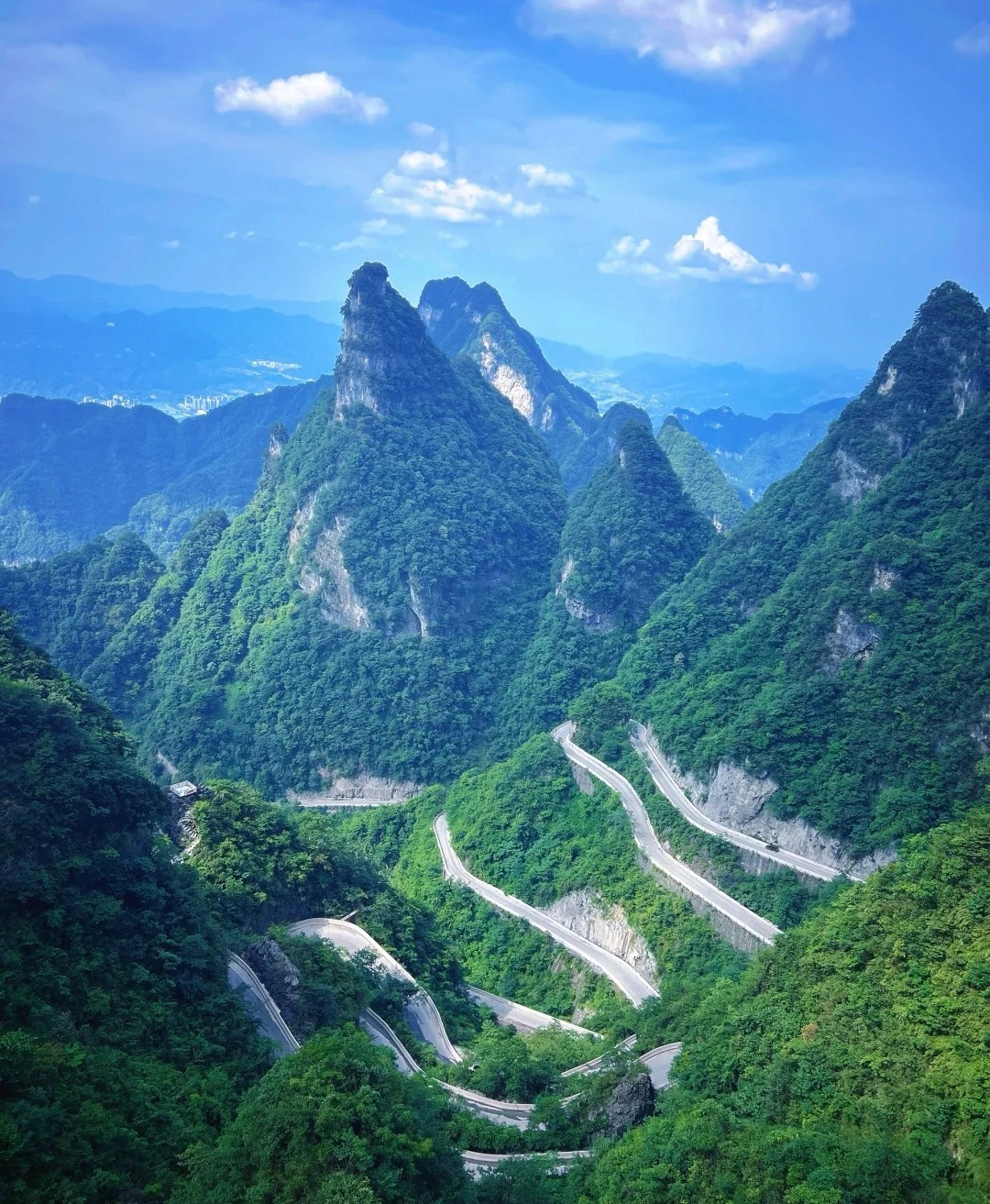
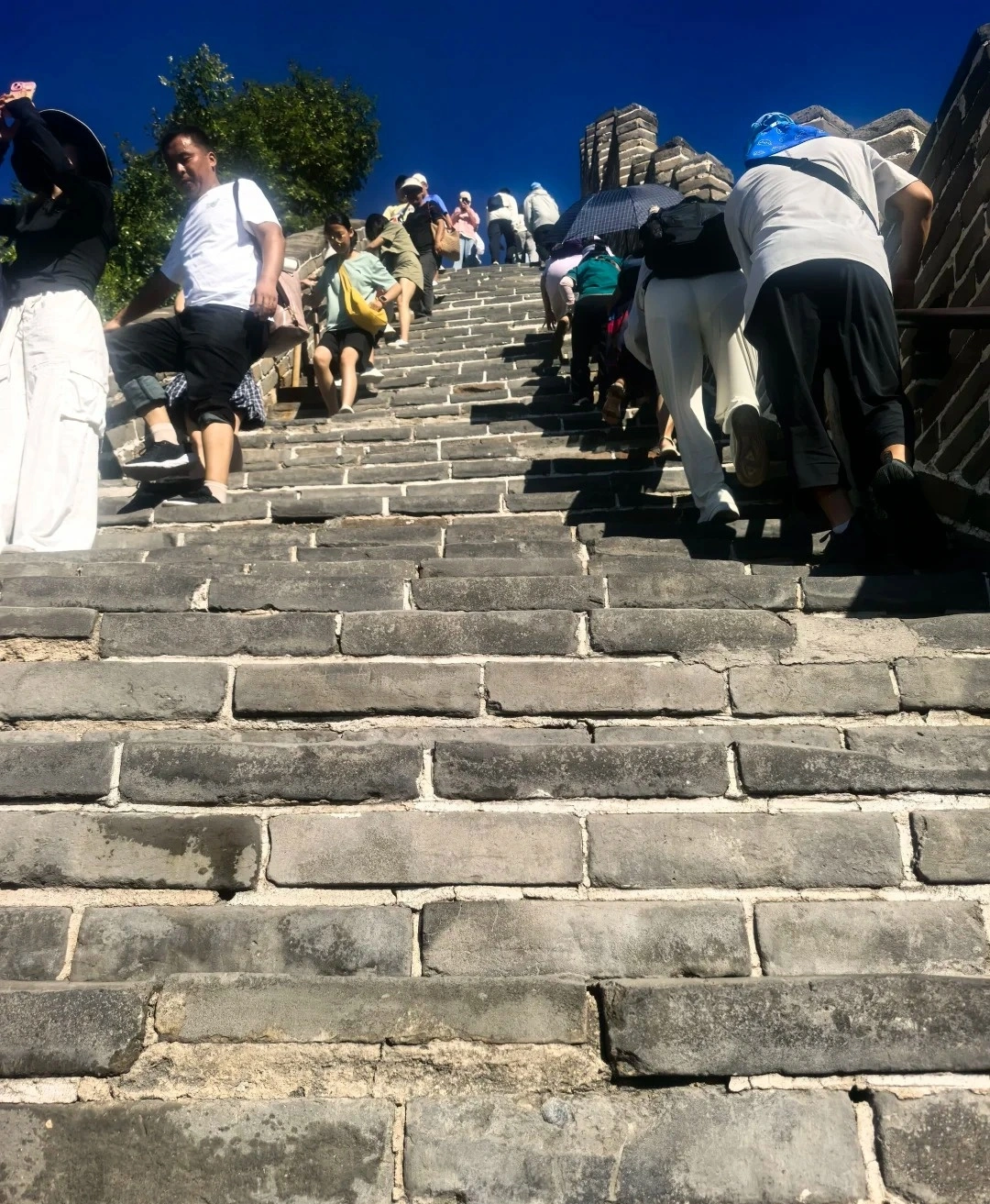
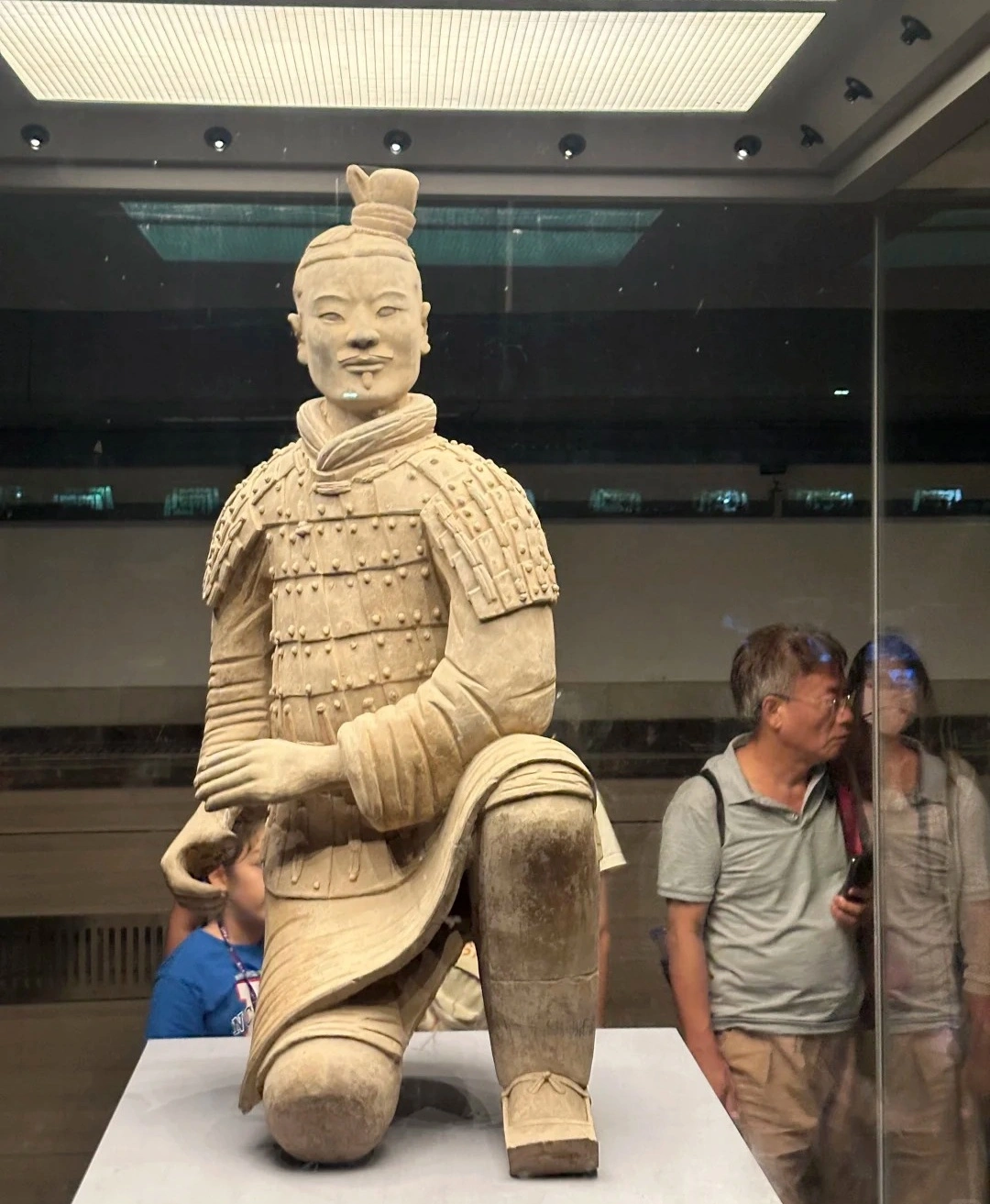
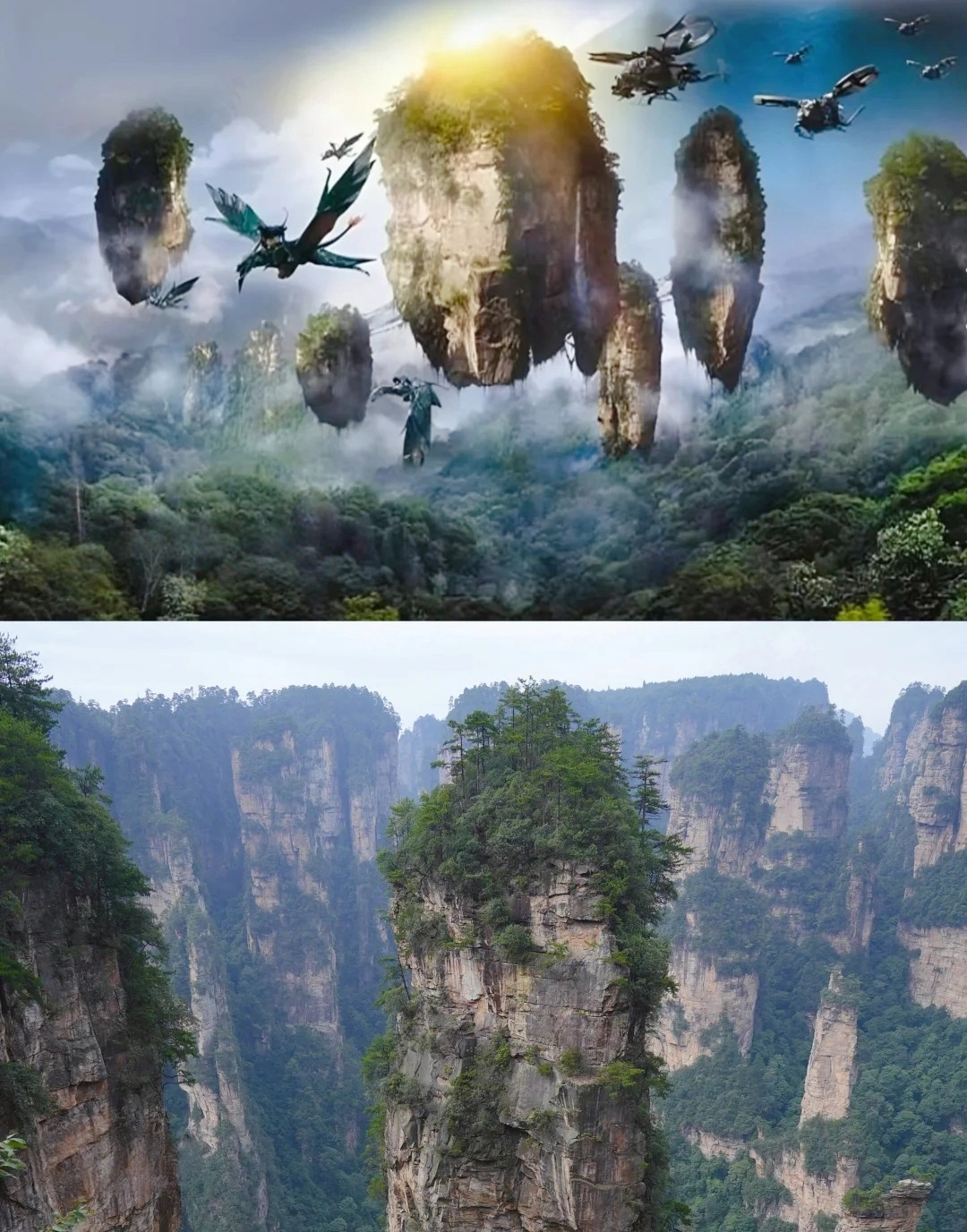
As a solo traveler from Canada, I was nervous about navigating China alone—but this 11-day tour was PERFECT! From hiking the Great Wall at sunrise (Day 3) to gasping at the Terracotta Army (Day 5), every day delivered ‘pinch-me’ moments. The real showstopper? Zhangjiajie’s Avatar Mountains (Day 7)! Our guide made the stone pillars come alive with stories. Massive thanks for handling all logistics—bullet train tickets, entry passes, car! And the 4-star hotels surprised me.
Destination(s): Beijing Xian Zhangjiajie Shanghai
Date of Experience: June 02,2025
... ... ...
...
Simon
America
Reviewed on May 29,2025
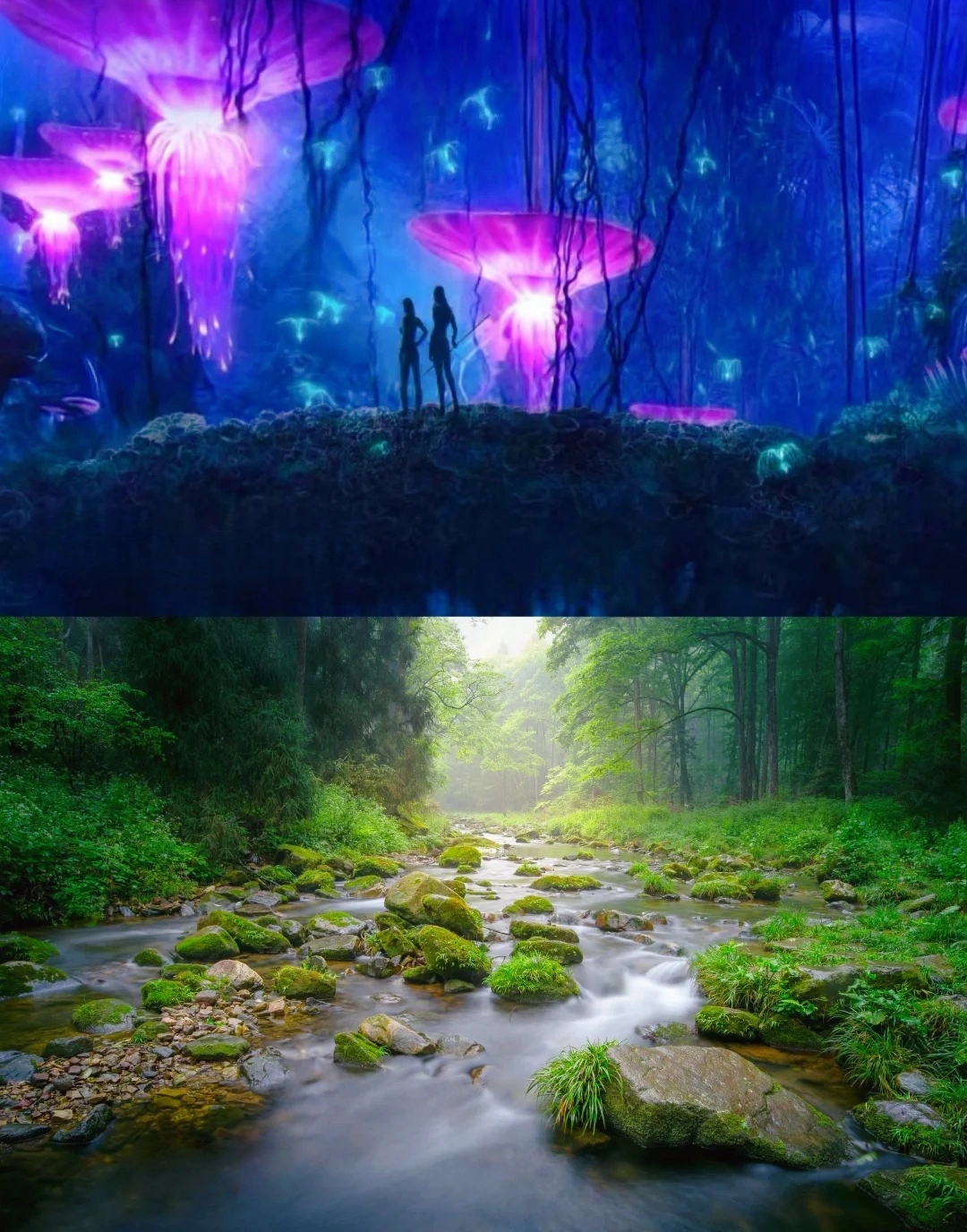
Our 2-day Zhangjiajie tour was beyond spectacular! As someone who’s visited Beijing and Shanghai for work, this trip revealed China’s wild, magical heart. Day 1 in Zhangjiajie National Forest Park felt like stepping onto Pandora—I’m a huge Avatar fan, and Yuanjiajie’s floating peaks left me breathless. The misty pillars and lush valleys like pure movie magic! Then came Fenghuang Ancient Town, we eat dinner beside the thundering waterfall. It seems Unreal! The night views of stilt houses glowing over the river were straight from a fairy tale. For fellow Avatar lovers and adventure seekers: Don’t miss this bucket-list experience! 10/10 would return. A Well-Traveled Film Buff, May 2025
Destination(s): Zhangjiajie
Date of Experience: May 08,2025
... ...

Ask a Question

Question Summary (100 characters)
Details (optional) (2,000 characters)
Name
Country
Email