Architectural wonders - The epic of a dynasty written in wood and stone
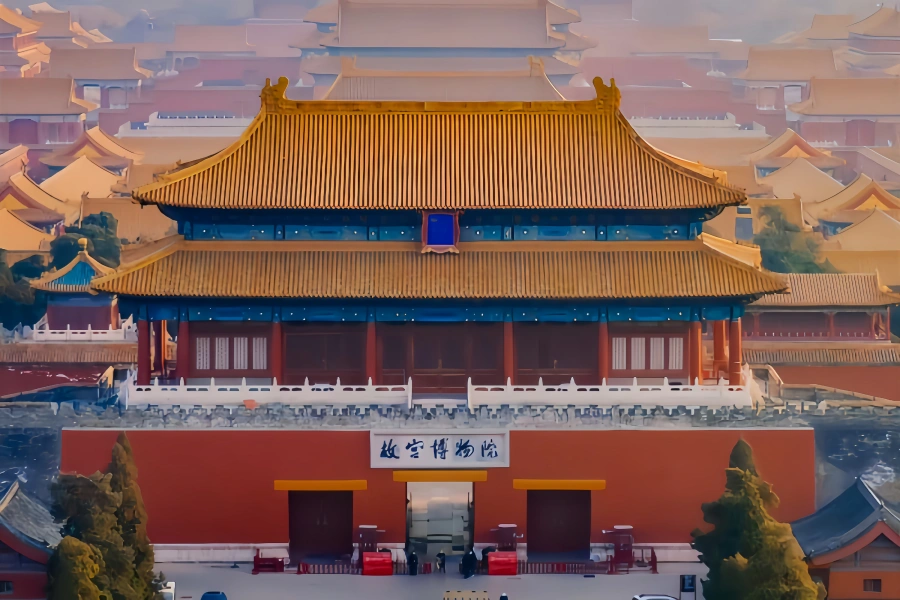
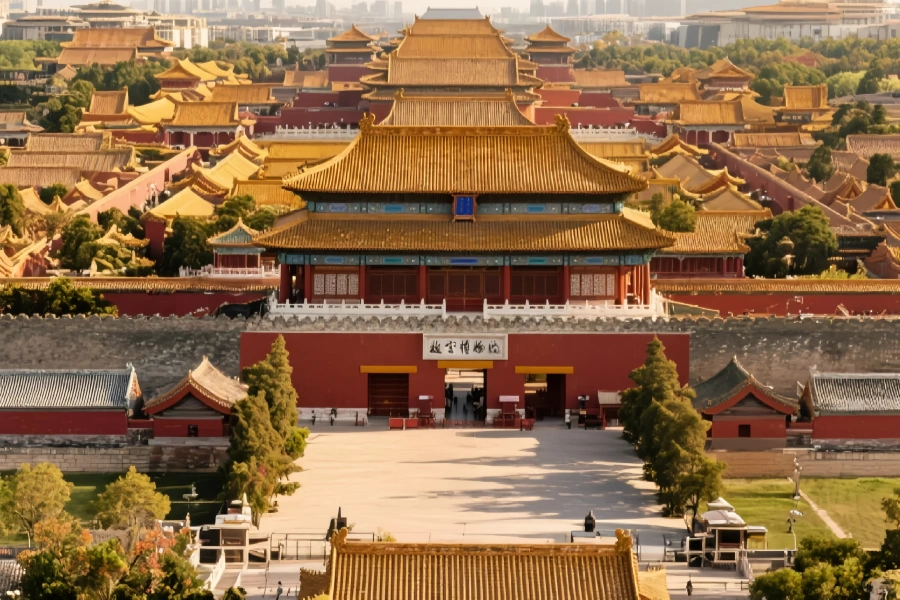
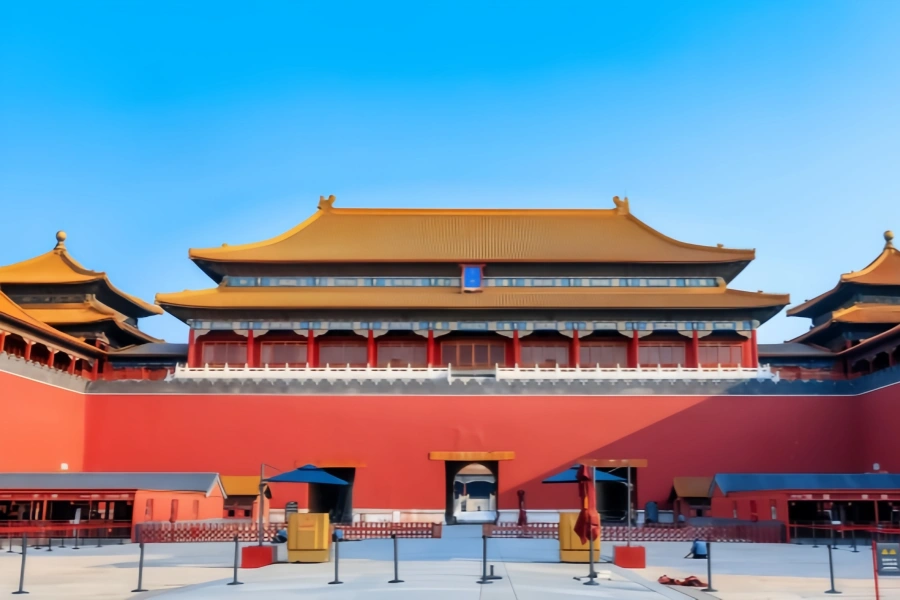
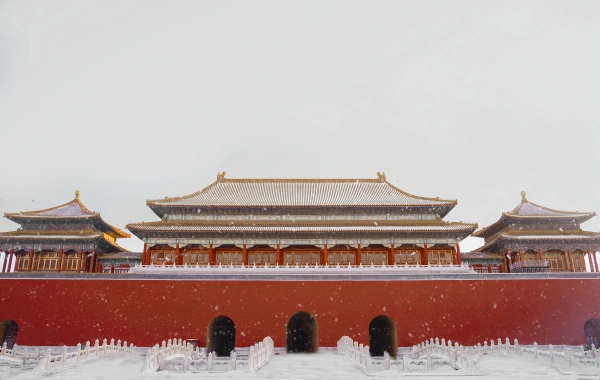
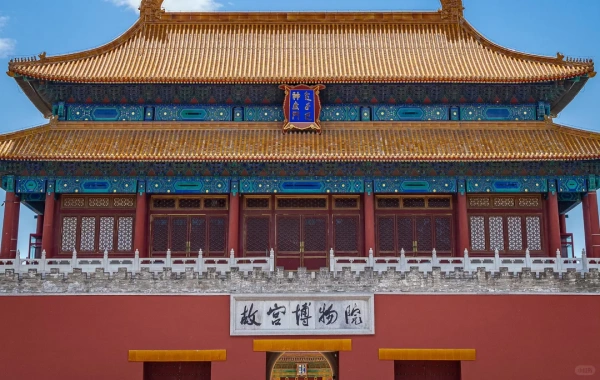
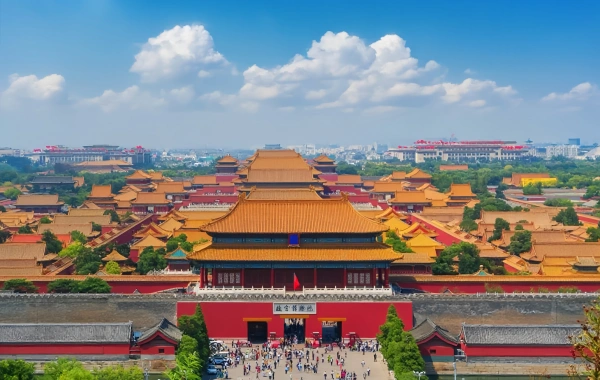
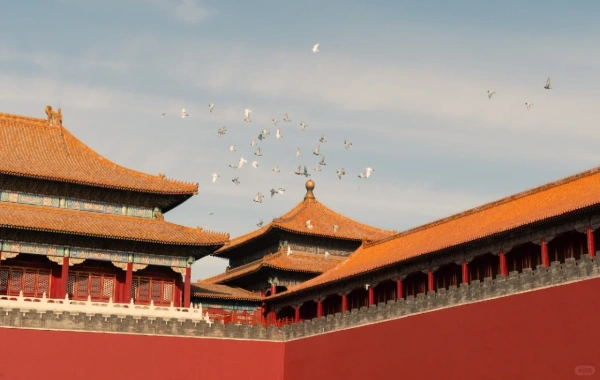
The architecture of the Forbidden City itself is a three-dimensional history book. Its layout, form and color all reflect the supreme imperial power and profound philosophical thoughts.
The regal air of the Central Axis: The soul vein of the Forbidden City
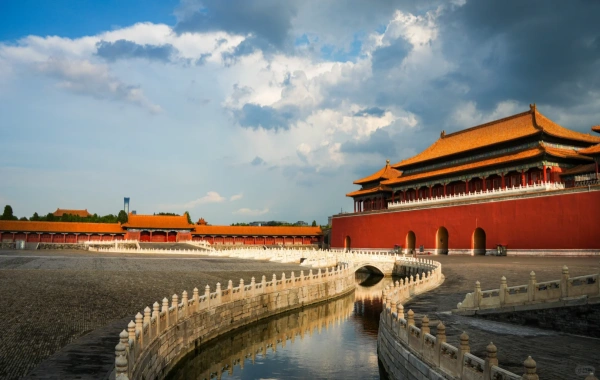
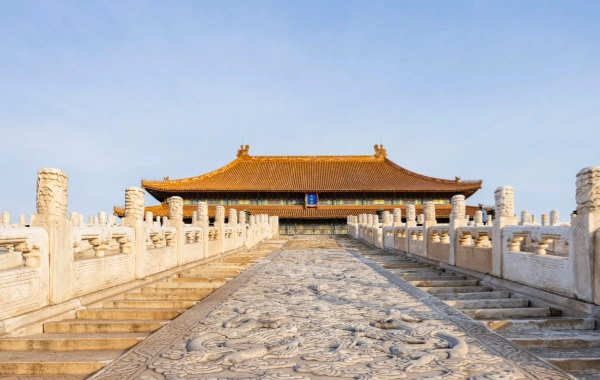
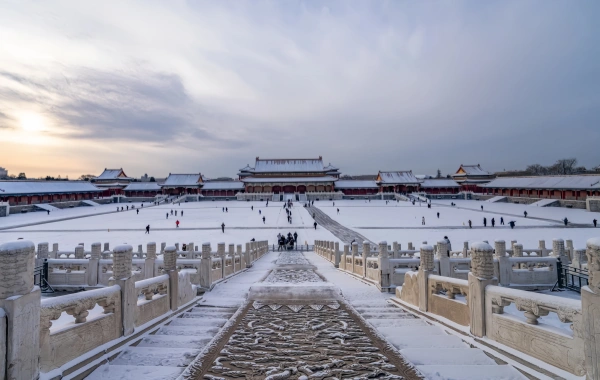
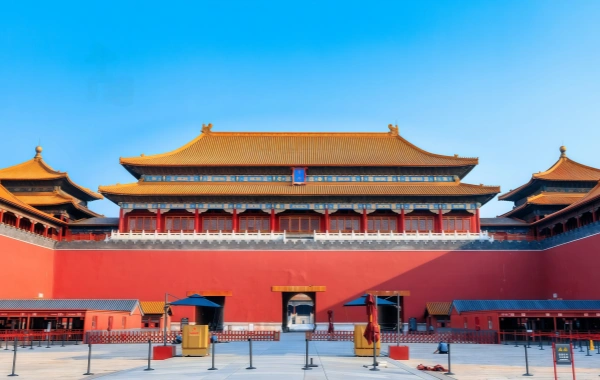
The Hall of Supreme Harmony, commonly known as the "Golden Throne Hall", is the highest-ranking building in the Forbidden City. It was not only the venue where the emperor held the most grand ceremonies such as enthronement, wedding and sending generals to battle, but also the peak of the architectural art of the entire Forbidden City. The wide square in front of the hall, the three-tiered white marble Sumeru pedestal base, the double-eaved veranda hall roof, and the 72 huge nanmu pillars standing inside the hall all create a breathtaking sense of majesty and sublimity. The best time to enjoy the view is when the morning sun first shines, and the gilded roofs and the blue sky complement each other, presenting a magnificent scene.
The Ganqing Palace and the Jiaotai Hall: As the core of the last three palaces, the Ganqing Palace was the imperial bedroom of the emperors from the Ming Dynasty to the early Qing Dynasty and also the place where daily government affairs were handled. The Jiaotai Hall houses twenty-five precious seals symbolizing imperial power. The architectural scale here is more livable than that of the outer court, but the decoration is still magnificent, reflecting the ritual layout of "court in the front and sleeping in the back".
The Imperial Garden: Located at the northern end of the Forbidden City, it is a delicate royal garden. In the garden, ancient cypresses tower into the sky, strange rocks are lined up, and pavilions and terraces are arranged in an orderly and staggered manner. Among them, the "Qianqiu Pavilion" and the "Wanchun Pavilion" have unique designs and are excellent places for rest and photography. Every blade of grass and every tree here has witnessed the leisure and loneliness of the concubines in the harem.
The craftsmanship and symbols in the details: The ubiquitous cultural code
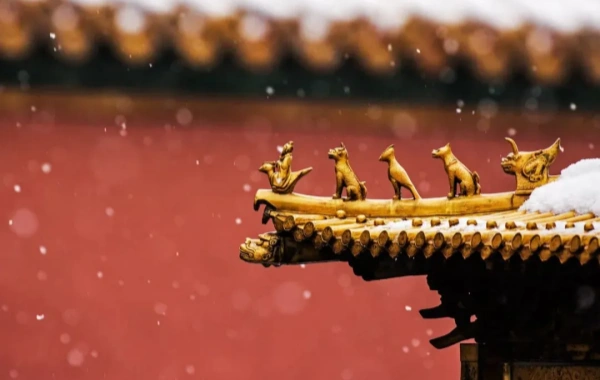
The ten crouching beasts on the roof ridge of the Hall of Supreme Harmony are the most numerous among all the buildings in the Forbidden City. They are, in order: dragon, phoenix, lion, celestial horse, seahorse, suan ni, xiyu, xiezhi, bullfighting, and xingshi. They are not only decorations but also auspicious symbols that ward off evil spirits and fire, as well as distinct signs of the building's grade.
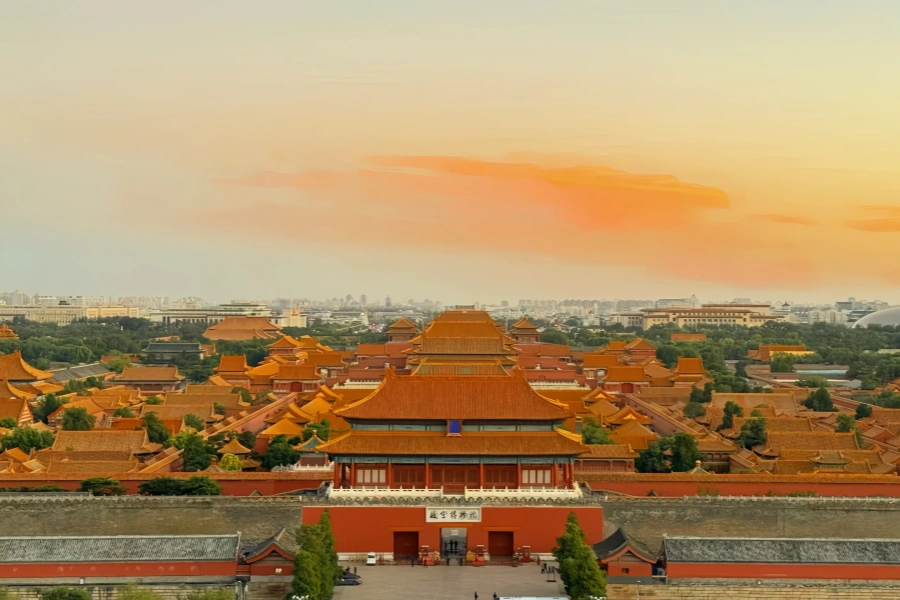
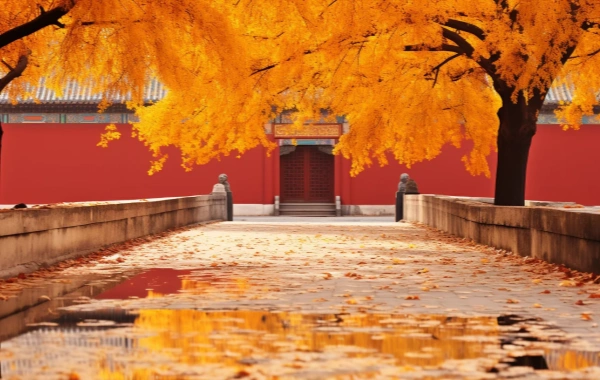
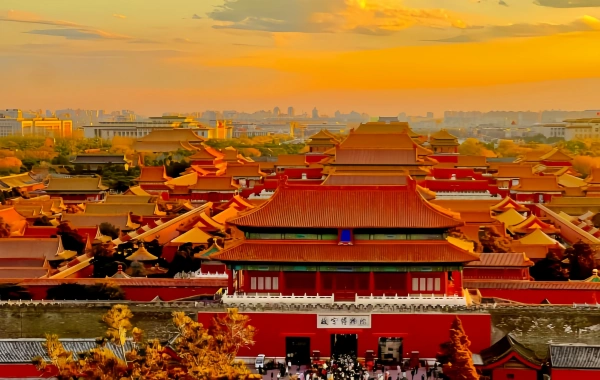
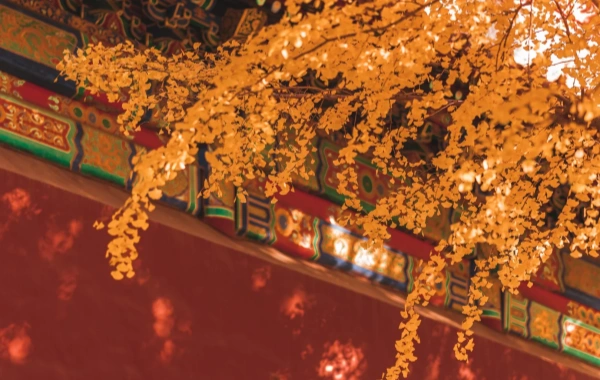
- Red walls, yellow tiles and gilded copper vats: The main colors of the Forbidden City - the vermilion palace walls and bright yellow glazed tiles create a strong visual impact under the sunlight, symbolizing nobility and power. The gilded copper vats (also known as "door seas") scattered everywhere, which were once used for water storage and fire prevention, have scratches on their surfaces, which are silent witnesses to the turbulent history of modern times.
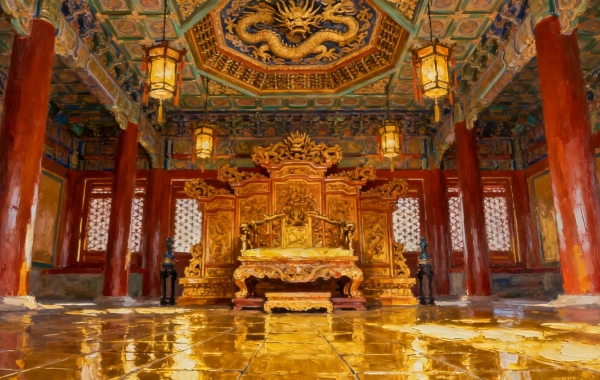
- Golden Brick floor and coiled dragon ceiling: The "golden bricks" laid in the main palaces are not made of gold, but square bricks from the imperial kilns of Suzhou, which are hard and fine in texture and make a sound when struck. The coiled dragon ceiling in the Hall of Supreme Harmony features a central hanging Xuanyuan mirror facing the throne below. It is said to have the mysterious power to identify the true emperor.
Cultural relics and treasures - The essence of the Chinese nation slumbering within the palace walls
The over 1.8 million cultural relics in the collection of the Palace Museum span five thousand years of Chinese civilization, and each one carries the value of history, art and technology.
The Ceramics Hall: It showcases exquisite ceramics from the Neolithic Age to the Qing Dynasty. Among them, the Ming Chenghua Doucai chicken Jar Cup and various glazed large vases (" porcelain mother ") from the Qing Qianlong period are regarded as national treasures among national treasures, demonstrating the pinnacle of Chinese porcelain-making techniques.
- Calligraphy and Painting Gallery: Regularly rotates and exhibits rare calligraphy and painting works from the Jin, Tang, Song and Yuan Dynasties onwards. Famous works such as Wang Xizhi's copy of the "Lanting Xu", Zhang Zeduan's "Along the River During the Qingming Festival", and Emperor Huizong of the Song Dynasty's "Listening to the Zither" have all briefly met the world here.
- Treasure Hall: Located in the Ningshou Palace area, it is one of the most popular venues for visitors. Here, the gold, silver, jade, jade and other rare treasures collected by the imperial court are displayed in a concentrated manner. The Jinou Yonggu Cup was the special wine cup for the emperor's New Year's Day opening ceremony. The Yu the Great's Flood Control Painting on Yushan is one of the largest jade carvings in the world. The process of its transportation, design and carving itself is a huge project.
The Clock and Watch Hall: Located in the Fengxian Hall, it displays a wide variety of exquisite mechanical clocks and watches collected by the Qing Dynasty's imperial court. Most of them were presented as tributes from countries such as the United Kingdom, France, and Switzerland, or were manufactured in Guangzhou and Suzhou. When these clocks strike the time, they are often accompanied by dolls, music, water flow and other complex and ingenious elements, which are truly breathtaking.
> Visiting Guide:
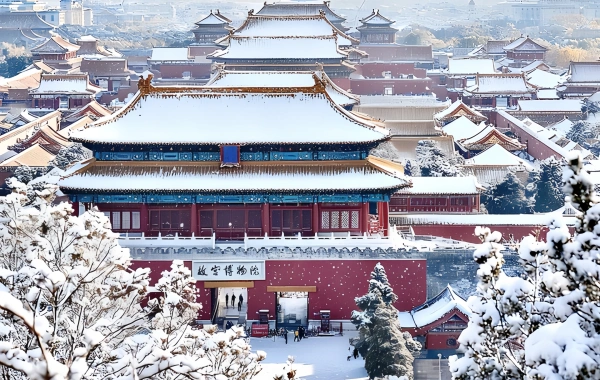
The best spot for taking panoramic photos of the central axis is the Wanchun Pavilion in Jingshan Park, where you can overlook the entire view of the golden tiles and red walls of the Forbidden City.
When shooting architectural details, it is recommended to use the slanting light in the morning or afternoon to highlight the three-dimensional effect of the dougong brackets and painted decorations.
Tickets for the Treasure House and the Watch House need to be purchased separately, but they are definitely worth the money. It is recommended to arrange them first.
The Forbidden City has completely banned commercial drones from flying.