The Charm of Nature - The Changing scenes of the Imperial Garden through the four seasons
Although the buildings are no longer there, the vast landscape base of the Old Summer Palace still provides a stunning stage for the changing of the four seasons.
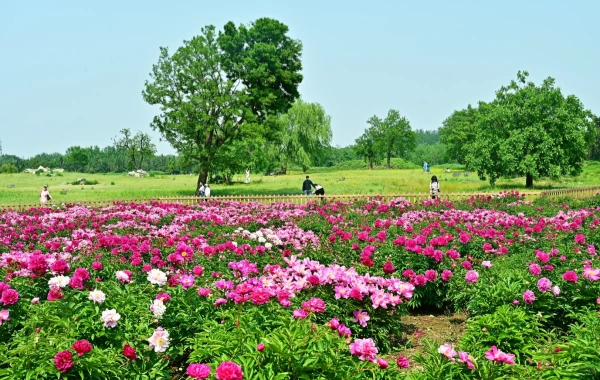
Spring flowers and National beauty: Every April and May, peonies are in full bloom in the garden. Among them, Lou Yue Kai Yun (also known as Peony Terrace) was the place where the three generations of emperors Kangxi, Yongzheng and Qianlong enjoyed peonies together in the past, carrying the beautiful stories of the prosperous era. A stroll in spring, where the national beauty and the fragrance of nature interweave with historical anecdotes, creates a unique charm.
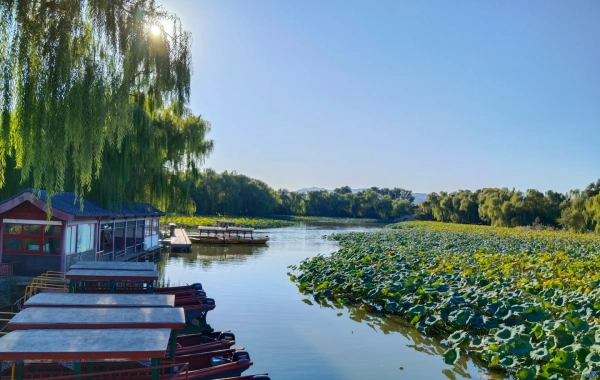
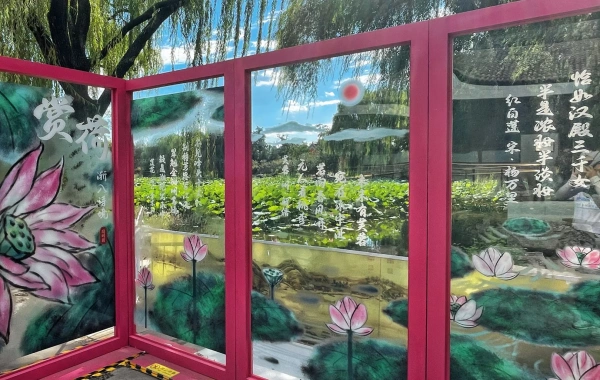
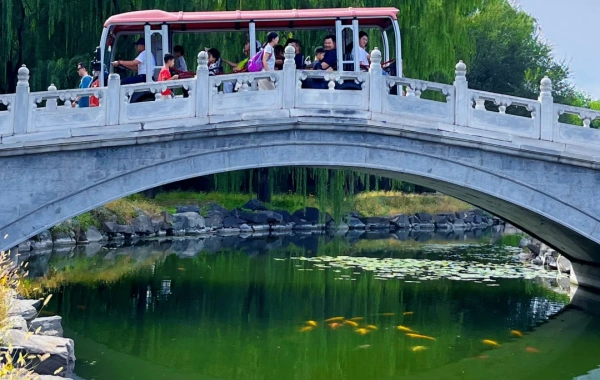
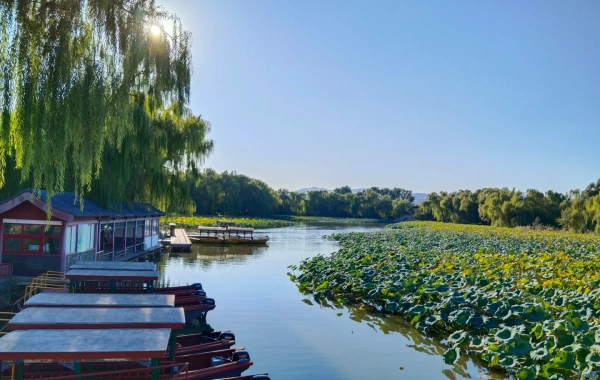
The summer lotus breeze and the beautiful scenery of lakes and mountains: Summer is the most vibrant time of the Old Summer Palace. The vast Fuhai Lake is rippling with clear blue waves, and the lotus flowers in the surrounding waters such as "Quyuan Fenghe" stand gracefully. The annual Lotus Festival is a grand event in the capital. Cruising through it, one can imagine the scene of the royal family enjoying the cool by boating in the past.
The Golden Autumn Splendor and the Secret Flower Sea: Autumn is the season with the richest colors in the Old Summer Palace. The Ginkgo Avenue in the east turns into a golden corridor in late October and is a popular photography spot. To the west lies a "secret autumn paradise" - the Western Flower Sea, where over ten thousand square meters of zinnias, cosmos and other flowers are in full bloom, as splendid as an oil painting. The white wax at Pingxiangshe and the maple leaves at Lion Grove Garden jointly compose a symphony of autumn.
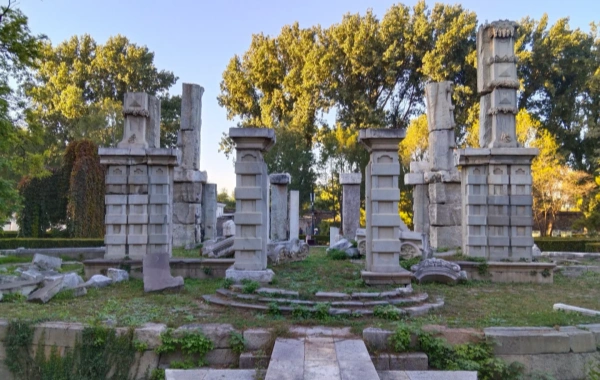
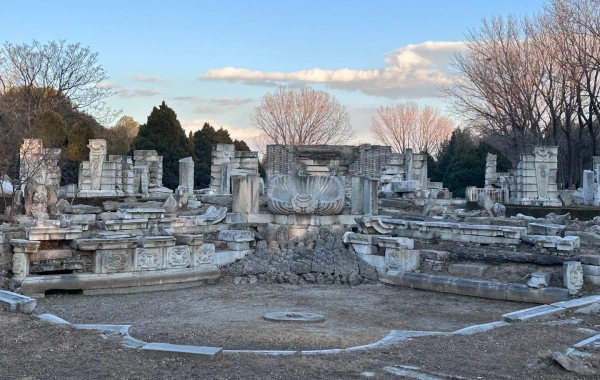
In winter, there are few tourists. The white marble pillars of the Western-style building ruins are covered with snow, outlining the desolate outline of history in the silence. At this time, the Old Summer Palace is most capable of evoking contemplations about time and the rise and fall of dynasties.
The Sorrow of Humanity - The Frozen History within Reach
Today, the core charm of the Old Summer Palace lies in those historical sites that bear immense pain and rebirth.
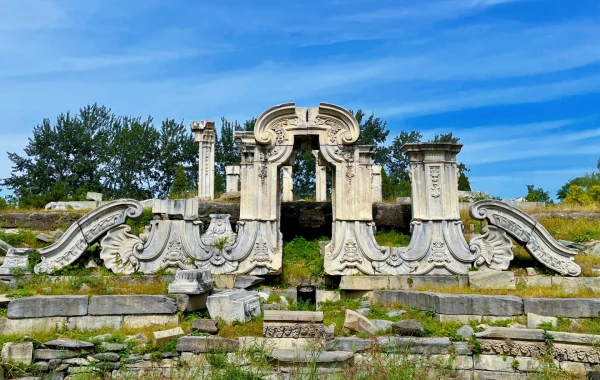
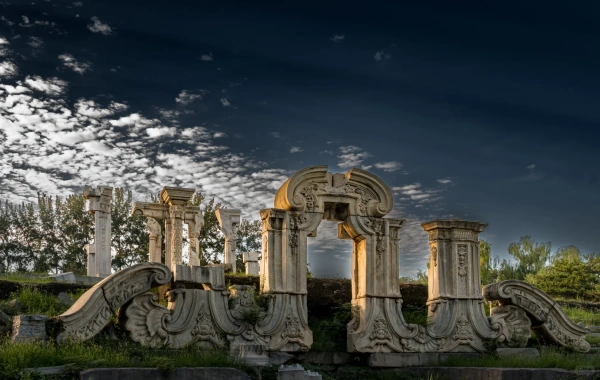
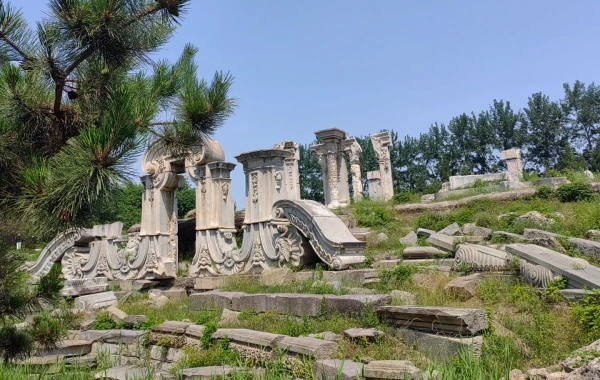
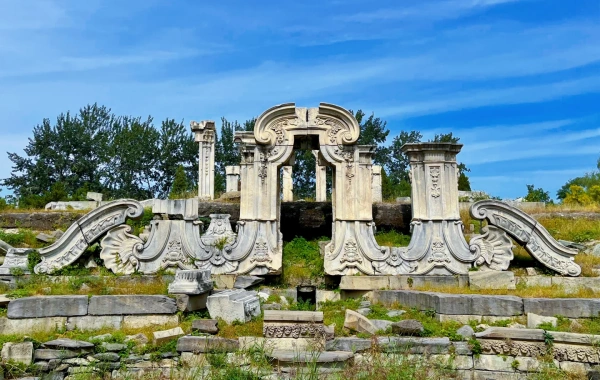
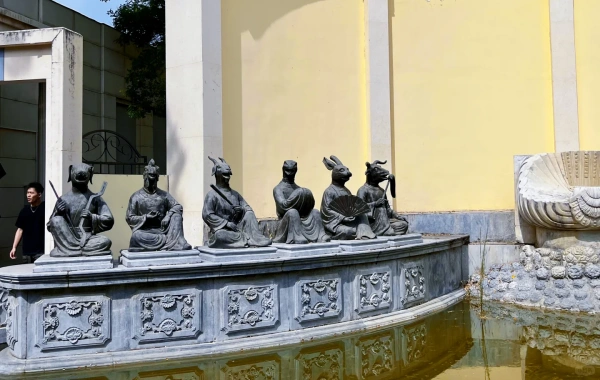
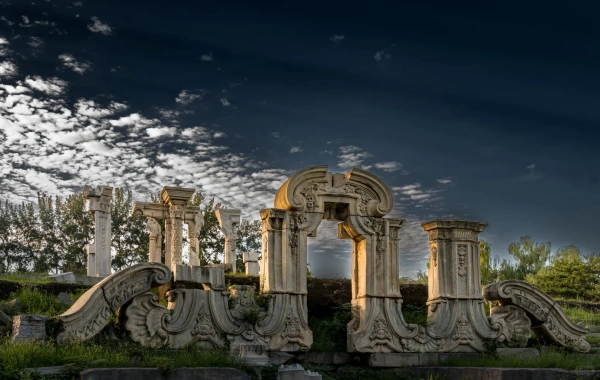
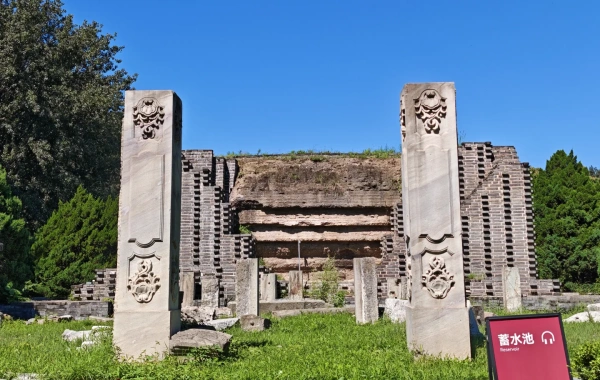
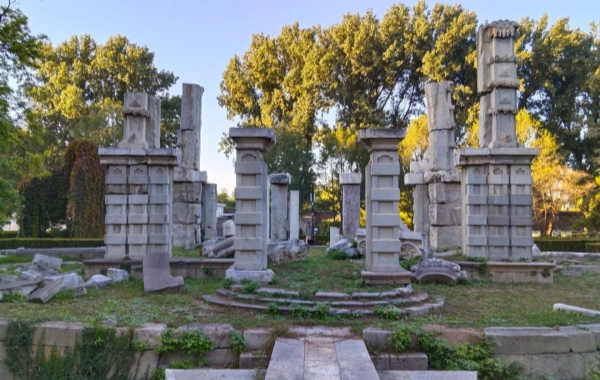
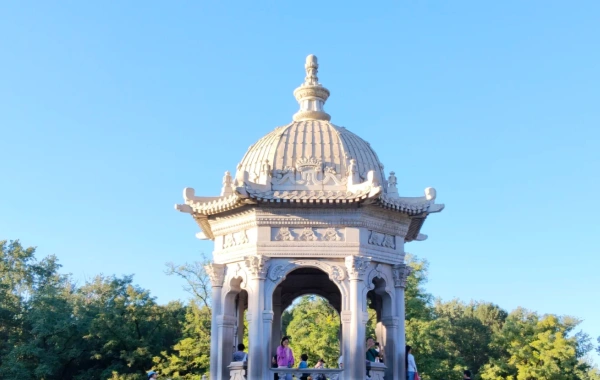
The ruins of the Western-style buildings (Grand Waterworks, Haiyantang) : This is the most well-known symbol of the Old Summer Palace. Although only ruins remain, the Baroque-style marble arches, water-viewing platforms and the remains of the grand water fountain still allow people to imagine the magnificent scene of the "water fountain" spraying all at once. This place was once the site of the water clock with the heads of the twelve Chinese zodiac animals. Each broken stone tells of both humiliation and glory.
The Exhibition Hall of the Old Summer Palace and the Panoramic Sand Table: Located within the Western-style Buildings Scenic Area, the exhibition hall systematically tells the history of the Old Summer Palace through cultural relics and historical materials. The adjacent Shengshi Panoramic Model Exhibition Hall features a huge sand table. Through lighting and voice, it vividly recreates the grand scale and exquisite layout of the "Garden of Gardens" in the past, making it the best "preview lesson" before your visit.
The Zhengjue Temple and the Yuanmingyuan Museum: The Zhengjue Temple, which survived the fire in 1860 due to its remote location, is the only ancient wooden structure complex among the three Yuanmingyuan Gardens that has been preserved to this day. Nowadays, the Yuanmingyuan Museum has been established here, with the most important feature being the permanent exhibition "A Century of Dreams Fulfilled - The Return of the Yuanmingyuan Horse Head Bronze Statue". The bronze horse head statue that returned in 2020 is one of the twelve animal heads of the Chinese zodiac that were lost from the Haiyantang of the Western-style building. Its exquisite craftsmanship and the tortuous journey back home are vivid footnotes to the ups and downs of the nation's fate.
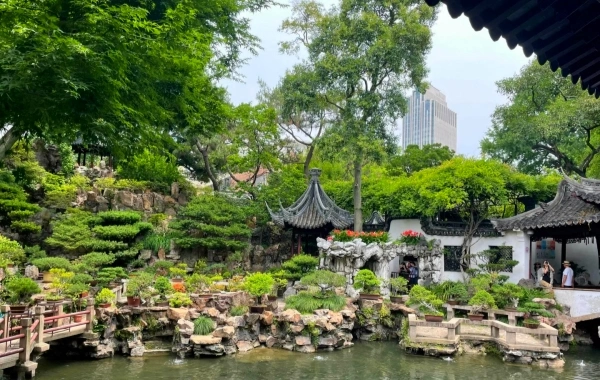
The numerous stone Bridges, pavilion bases, Taihu stones and other relics scattered around Qichun Garden and Fuhai Lake, such as the Jianbi Pavilion and the Shichuan Bridge, although no longer in their original state, blend in with nature and create a unique atmosphere of mourning among the overgrown grass and weeds.
Photography Tips:
When shooting the ruins of Western-style buildings, it is recommended to use the side light in the early morning or evening to highlight the texture of the stone and the sense of vicissitude. The dilapidated arch can be composed together with the vibrant trees, creating a dialogue between history and life.
The Ginkgo Avenue in autumn is best photographed on a sunny day. The golden leaves contrast sharply with the blue sky, and the effect is even better when people walk through it in dark clothes.
By taking advantage of the vast water surface of Fuhai Lake, one can capture the reflections in the water, whether it be a broken bridge, trees or the setting sun, all of which can yield scenes with profound artistic conception.
When visiting the panoramic sand table, you can use a macro lens to capture the exquisite details of the model.