Nature's Masterpiece—A"Breathing"Tropical Rainforest Kingdom
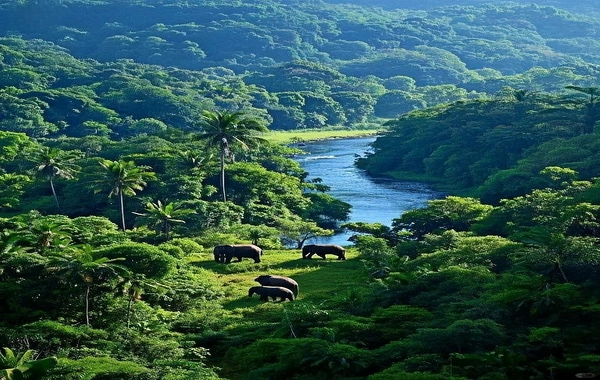
The natural landscape of the Wild Elephant Valley is an eternal symphony of rainforests,valleys,and wildlife.
The Tropical Rainforest:A Green Treasure Trove with 96%Forest Coverage
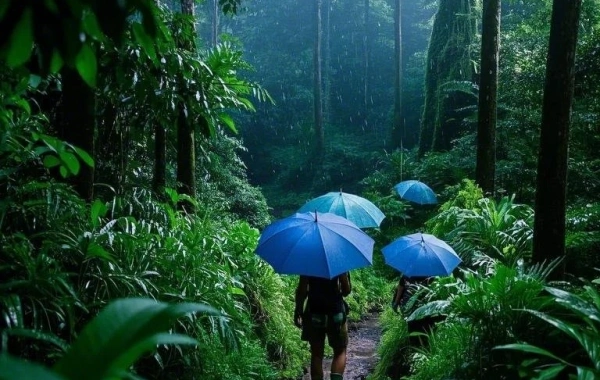
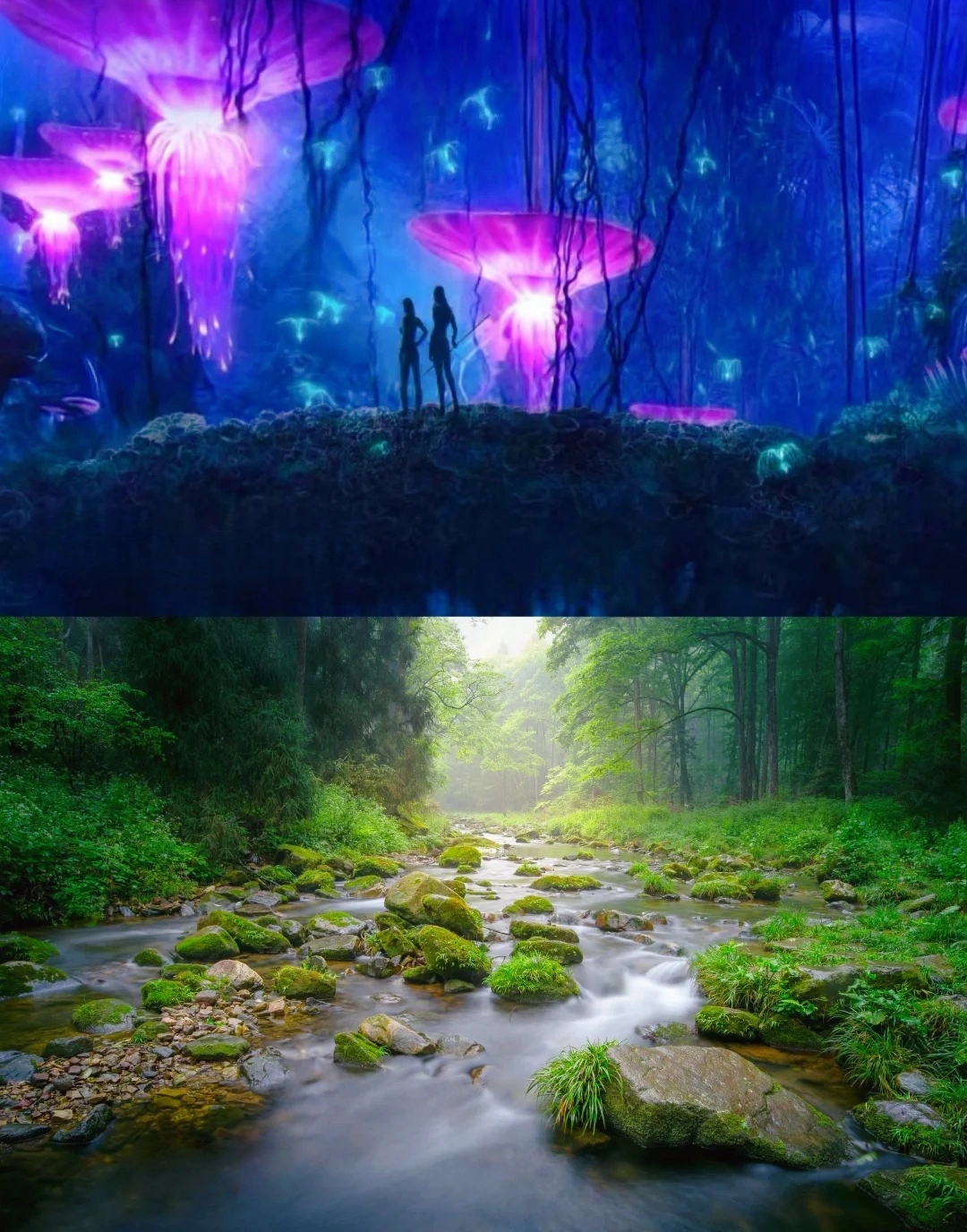
The Wild Elephant Valley is situated within a terrain characterized by low mountains,gentle hills,and broad valleys.Ranging in elevation from 747 to 1,055 meters,the area is crisscrossed by streams and ravines,and is blanketed by dense forest canopy.Based on elevation,the forest types within the reserve are classified into tropical seasonal rainforests,monsoon evergreen broad-leaved forests,and yellow bamboo forests,boasting an impressive forest coverage rate of 96%.This place encapsulates the myriad wonders of the tropical rainforest—towering ancient trees blot out the sky,while vines and creepers intertwine and cling to their trunks.Rainforest marvels such as buttress roots,strangler figs,and cauliflory(flowers blooming directly from old stems)are visible at every turn.As you stroll through this lush landscape,your ears are serenaded by a symphony of birdsong and babbling streams,while you breathe in fresh air rich in negative oxygen ions.
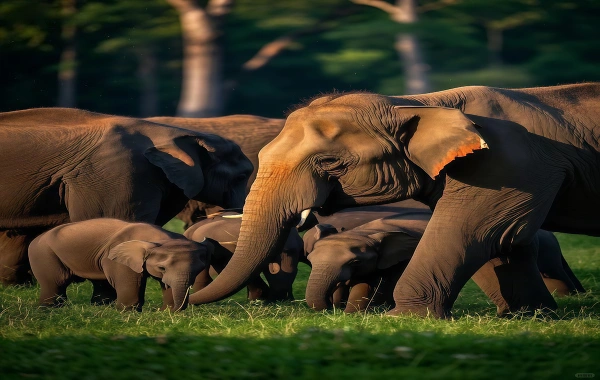
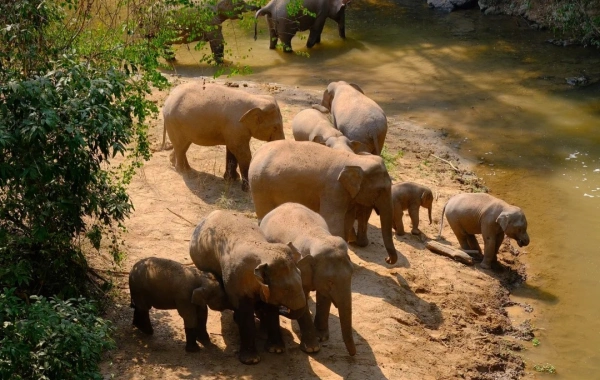
A Kingdom of Wildlife:Home to Over 300 Asian Elephants
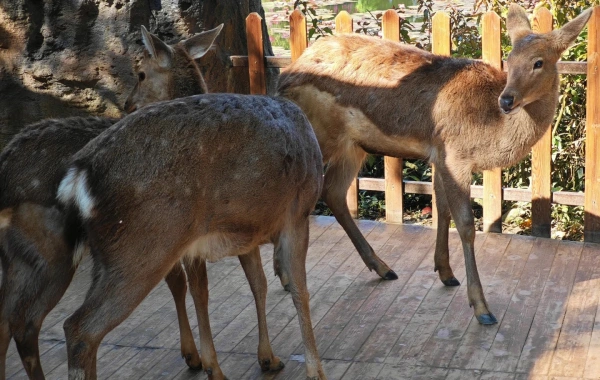
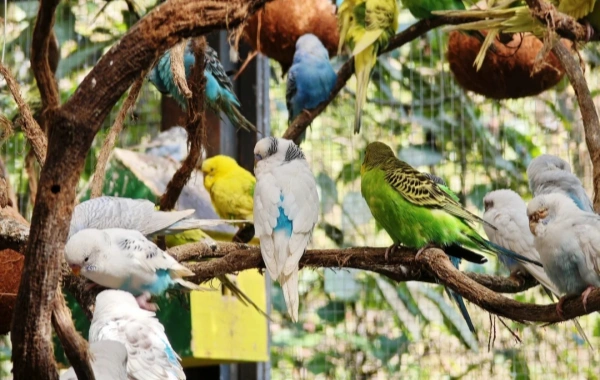
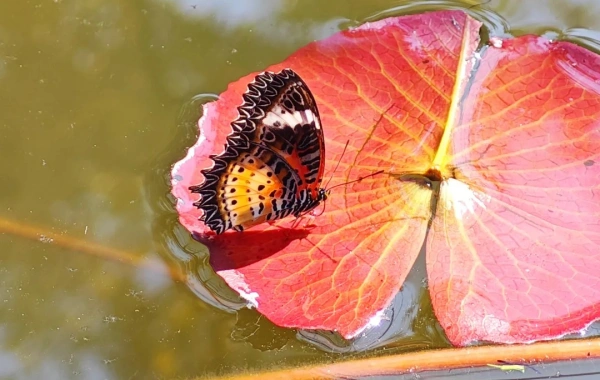
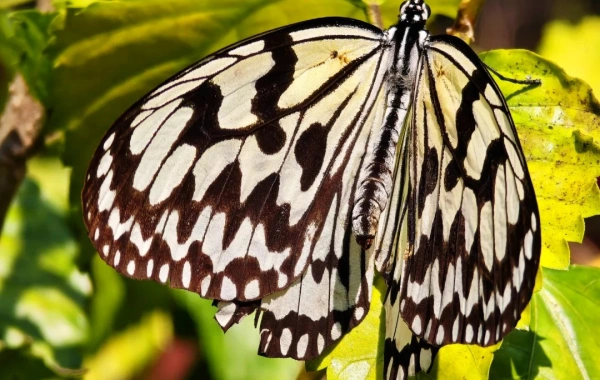
Beyond its resident Asian elephants,Wild Elephant Valley is also home to a host of protected species—including wild buffalo,monitor lizards,pythons,green peafowl,hornbills,pig-tailed macaques,rhesus macaques,black bears,pangolins,and large civets—as well as a vast array of butterflies,birds,and amphibians.The Butterfly Garden focuses primarily on tropical and subtropical species—such as swallowtails,ringlets,milkweed butterflies,brush-footed butterflies,and whites—and currently breeds 48 distinct varieties,producing over 300,000 butterflies annually through artificial propagation.The peak season for butterflies occurs between April and May;if you wear bright-colored clothing and stand near the flowerbeds,the butterflies will often fly right up to you,making for incredibly high-quality photo opportunities.
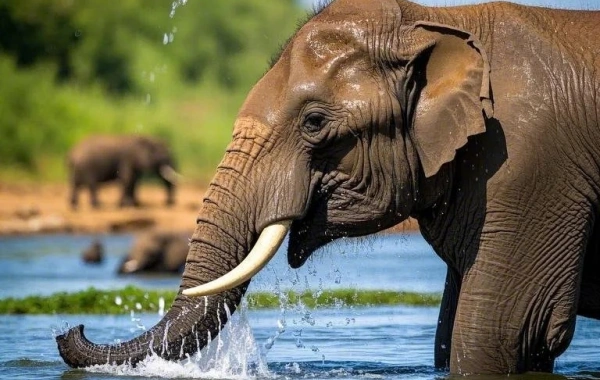
>Photography Tips:The rainforest backdrop at the bends of the Elephant Viewing Walkway,the sight of elephants bathing at the riverside observation deck after 2:00 PM,and waiting for elephants to pass by while sipping coffee at the"Tree-top Café"are all prime locations for photography.A telephoto lens is an essential piece of equipment for capturing images of wild elephants.
Human Ingenuity:A Trio of Observation,Rescue,and Education
The cultural and man-made features of Wild Elephant Valley embody the scientific rigor and humanistic care dedicated to the conservation of Asian elephants.
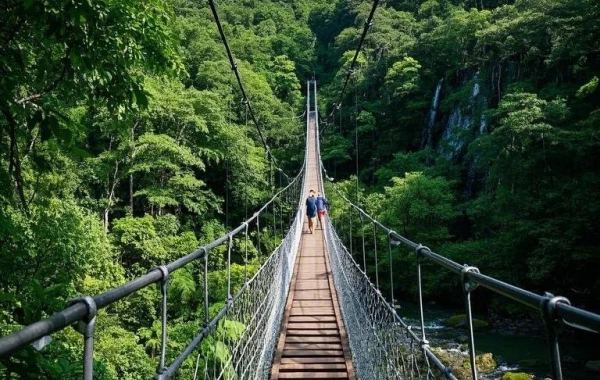
The High-Altitude Elephant Viewing Walkway:"Elephants Walk on the Ground,Humans Stroll in the Sky"
On February 5,2016,the high-altitude patrol and elephant-viewing walkway at the Xishuangbanna Wild Elephant Valley Scenic Area was officially opened to the public.This wooden walkway,spanning approximately 2.5 kilometers in length,is elevated above the rainforest canopy,bringing to life the eco-tourism philosophy:"Elephants walk on the ground,while humans stroll in the sky."The entire length of the walkway allows visitors to safely observe wild Asian elephants from high above the tropical rainforest—a design that ensures minimal disturbance to the elephants'natural behaviors while simultaneously allowing visitors to experience the awe-inspiring majesty of these gentle giants up close.The best times for observation are between 8:00 AM and 10:00 AM,and again between 4:00 PM and 6:00 PM,when wild elephants are frequently seen foraging in the area.
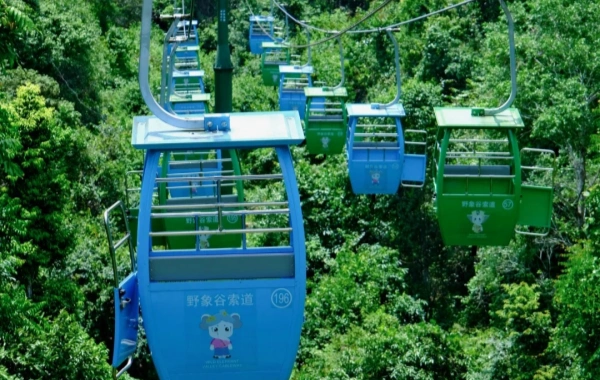
Tropical Rainforest Sightseeing Cableway:An Aerial Journey Over the Rainforest
The scenic area's cableway spans approximately 2,063 meters in length,with a one-way ride taking 35 minutes.A ride on the cableway offers panoramic views of the tropical rainforest landscape,allowing visitors to gaze out at the distinct layers of ecological communities and look down upon the dense,vine-entwined jungle canopy.With a bit of luck,you may even spot wild elephants foraging or frolicking directly beneath the cableway.
Asian Elephant Museum:An Encyclopedia of Asian Elephant Science and Education
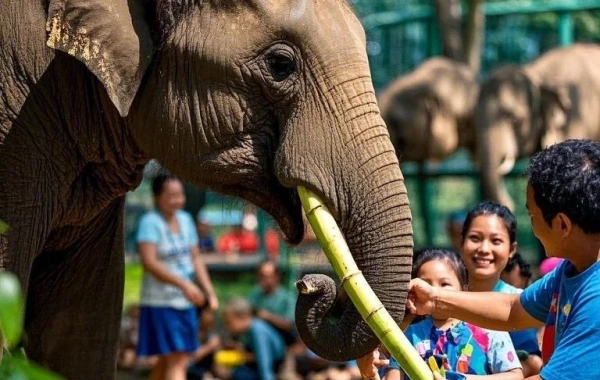
The Asian Elephant Museum was established in 2008 and underwent significant upgrades and renovations in 2023.Covering an area ofapproximately 800 square meters,the museum is divided into four exhibition halls:the Preface Hall,Listening to Elephant Sounds,Protecting Elephant Growth,and the Multimedia Hall.Centered on the theme of scientific education regarding Asian elephants,the museum offers a comprehensive and systematic presentation—viewed through the lenses of species evolution and biodiversity—of the elephants'origins,evolutionary history,physiology,ecology,and behavior.It also highlights the achievements made in the rescue and captive breeding of Asian elephants.Visitors can examine elephant skeletal structures via 3D projection,listen to"elephant language interpreters"decipher the meanings behind their calls,and even experience the world from an"elephant's-eye view,"making for a highly educational and engaging experience.
Asian Elephant Rescue and Breeding Center:Guardians of Life
The Xishuangbanna Asian Elephant Rescue and Breeding Center is a key construction project implemented in Yunnan Province as part of the National Forestry Administration's"Six Major Projects"and its initiative to save 15 endangered species.It stands as the only scientific research base in China dedicated primarily to the rescue and breeding research of Asian elephants.
The center is home to a moving story of guardianship:Yan Hanlu,a man of the Blang ethnic group,returned to his hometown after retiring from military service in 1997 and dedicated himself to the cause of wild Asian elephant conservation.For 25 years,he has stood his silent vigil deep within the primeval jungle.As the leader of the Asian Elephant Observation and Protection Team,his daily routine—along with that of his team members—involves tracking the movements of wild Asian elephants across 1.5 million mu(approx.1,000 sq km)of primeval forest in the Xishuangbanna region.They issue various safety alerts and conduct data observations,covering a hiking distance of over 10 kilometers every single day.Thanks to their meticulous care,the population of Asian elephants within the Wild Elephant Valley Scenic Area in Xishuangbanna has shown a trend of steady annual growth,expanding from an initial count of just over 100 individuals to more than 300 today.
Among these dedicated professionals is Bao Mingwei,a senior veterinarian who joined the Wild Elephant Valley team in 2000.He led his colleagues in establishing a comprehensive database for Asian elephants,performing venous blood sampling and laboratory analyses on the elephants housed at the rescue center—efforts that helped bridge significant gaps in domestic research regarding Asian elephants.In 2015,he successfully rescued"Yangniu,"a calf suffering from an umbilical cord infection;today,Yangniu has grown into a healthy adult.In May 2024,"Abao"—an Asian elephant that had been taken in for rescue and rehabilitation—was successfully released back into the wild.This marked the first time in my country that a rescued and rehabilitated Asian elephant was successfully returned to its natural habitat.