
Dajiu Lake National Wetland Park
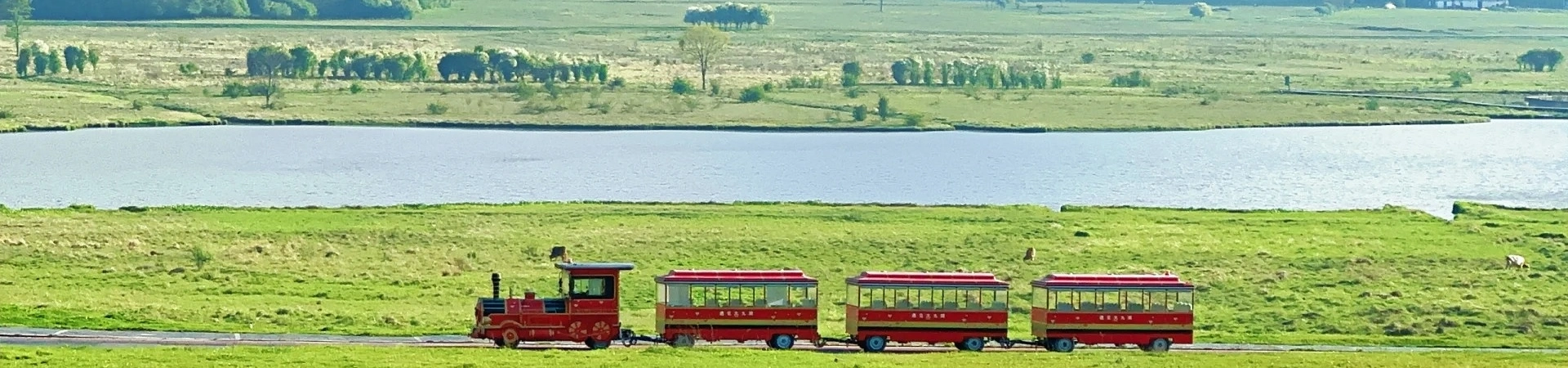
Dajiuhu National Wetland Park, located in Shennongjia Forest District, Hubei Province, is China’s highest-altitude national wetland park (1,700 meters). Covering 2,400 hectares, it comprises nine chain-like lakes (Dajiuhu to Jiujiuhu) forming a rare subalpine wetland ecosystem. Designated a UNESCO Biosphere Reserve in 2016 and a Ramsar Wetland in 2023, the park protects 850 vascular plant species, 180 bird species, and 37 mammal species, including critically endangered Chinese water deer. Its peat bogs, dating back 10,000 years, serve as a "living fossil" for studying climate change.
Historical Overview
- Formation (Late Pleistocene): Glacial meltwater carved the basin, creating Asia’s largest high-mountain marshland.
- Protection (1990s): Established as a provincial nature reserve after excessive peat harvesting threatened ecosystems.
- UNESCO Recognition (2016): Acknowledged for its role in East Asian migratory bird flyways and carbon sequestration.
- 2025 Conservation: Implemented smart monitoring systems to track water quality and species populations.
Structural Layout
The park’s landscape includes three zones:
- Core Wetland Area: Nine interconnected lakes with floating islands, peat bogs, and submerged forests.
- Buffer Zone: Subalpine meadows and coniferous forests surrounding the lakes.
- Transition Zone: Tujia ethnic villages and eco-tourism facilities.
Key ecological features:
- Peat Layers: Up to 8 meters thick, storing 2.5 million tons of carbon.
- Hydrology: Fed by 12 mountain streams and seasonal snowmelt.
Major Attractions
- No. 1 Lake Observatory: Boardwalk with panoramic views of the nine-lake chain and autumn maple forests.
- Morning Mist Over Lakes: Daily 6–8 AM phenomenon where fog blankets the wetland (best viewed from No. 3 Lake).
- Rare Plant Conservation Zone: Protected species like the Shennongjia saxifrage and Dajiuhu orchid.
- Wetland Eco-Museum: Interactive exhibits on peat formation and migratory bird routes.
- Photography Blind: Hideout for capturing white-naped cranes and Chinese mergansers.
- Hiking Trails: 5-km elevated wooden path through reed marshes and willow swamps.
Suggested Itineraries
-
Classic Half-Day Route:
Entrance → Wetland Eco-Museum → No. 1 Lake Observatory → Hiking Trail → Exit
Highlights: Core wetland views and ecological education. -
Full-Day Exploration Route:
Entrance → No. 3 Lake Morning Mist → Rare Plant Zone → Photography Blind → Hiking Trail → Tujia Village → Exit
Highlights: Wildlife photography and cultural immersion. -
Two-Day Eco-Adventure:
Day 1: Arrive in Muyu → Wetland Eco-Museum → No. 1 Lake Sunset → Night stay in eco-lodge.
Day 2: Early hike to No. 3 Lake → Birdwatching Tour → Peat Core Exhibition → Exit
Highlights: Stargazing and in-depth ecological studies.
Ticket Purchase
- Entrance Fees (2025):
- Peak Season (Apr–Oct): ¥120 (adults), ¥60 (students/seniors).
- Off-Season (Nov–Mar): ¥90 (adults), ¥45 (students/seniors).
- Free entry: Hubei residents (Dec 1–Feb 28, excluding holidays).
- Online Booking: Available via WeChat mini-program “Dajiu Lake National Wetland Park” (up to 7 days in advance).
- On-Site Tickets: Limited availability; queues average 20 minutes during weekends.
Transportation
- From Shennongjia Airport: 40-minute taxi ride (¥150).
- From Muyu Town: Shuttle bus departs hourly (¥30, 30 minutes).
- Self-Drive: Wuhan → Dajiuhu via G42 Expressway (5.5 hours).
Best Time & Tips
- Optimal Seasons: September–October (red maple season), May–June (wildflower blooms).
- Winter Special (2024–2025): Free entry for photographers (registration required).
- Essentials:
- Waterproof boots (trails can be muddy).
- Binoculars (cranes active morning/late afternoon).
- Warm clothing (temperatures drop 10°C after sunset).
- Prohibited Items: Drones, fishing gear, and loud music.
- Eco-Tip: Join the “Wetland Guardian” program by reporting invasive species sightings.


Contact Us
What Our Clients Say?
Based on 10,000+ traveler reviews

Daniel Dorothea
Canada
Reviewed on April 29,2025
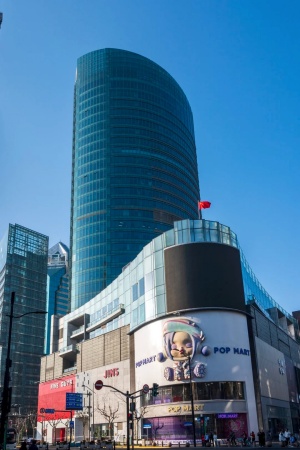
Shopping on Nanjing Road in Shanghai was just amazing! It's truly the "First Commercial Street of China", where tradition and modernity blend perfectly. You can find awesome souvenirs and experience the trendy vibes in cool stores. The neon lights at night are just spectacular, shining bright like Times Square in New York. The food here is incredible too. I had a feast for my taste buds. Shanghai, I'll definitely be back!
Destination(s):
Shanghai
Date of
Experience:
May 08,2024

Elvis Eva
Canada
Reviewed on June 20,2025
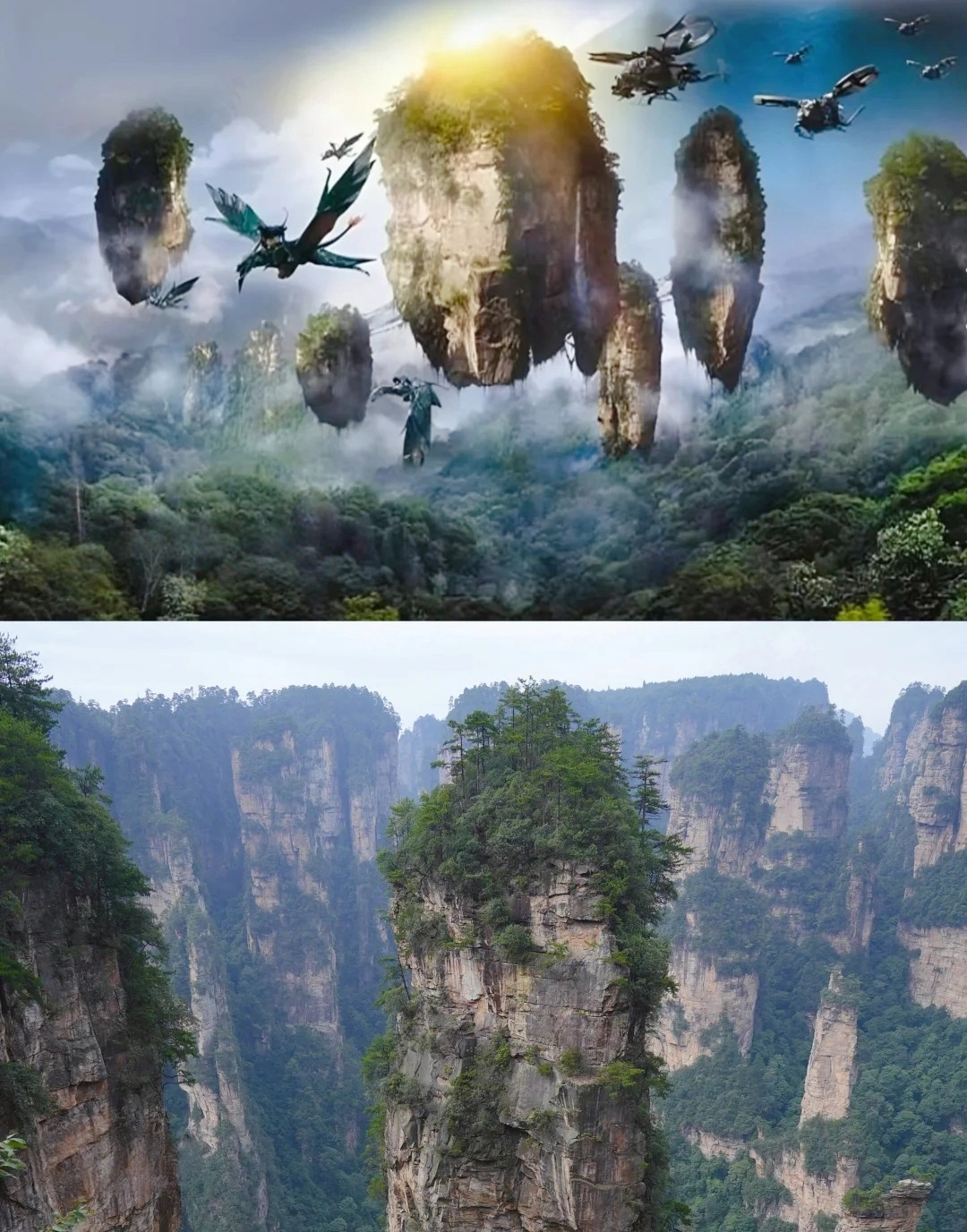
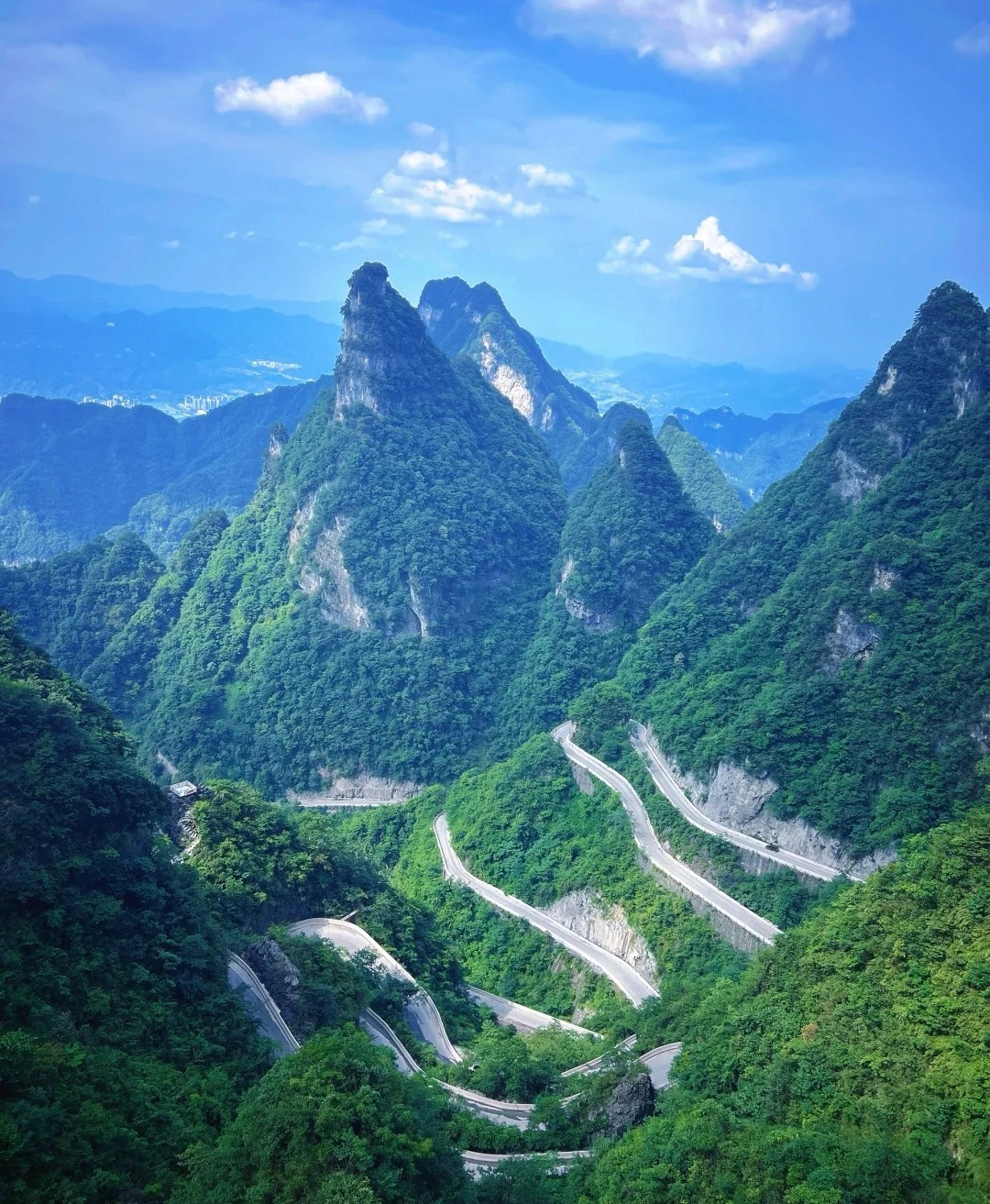
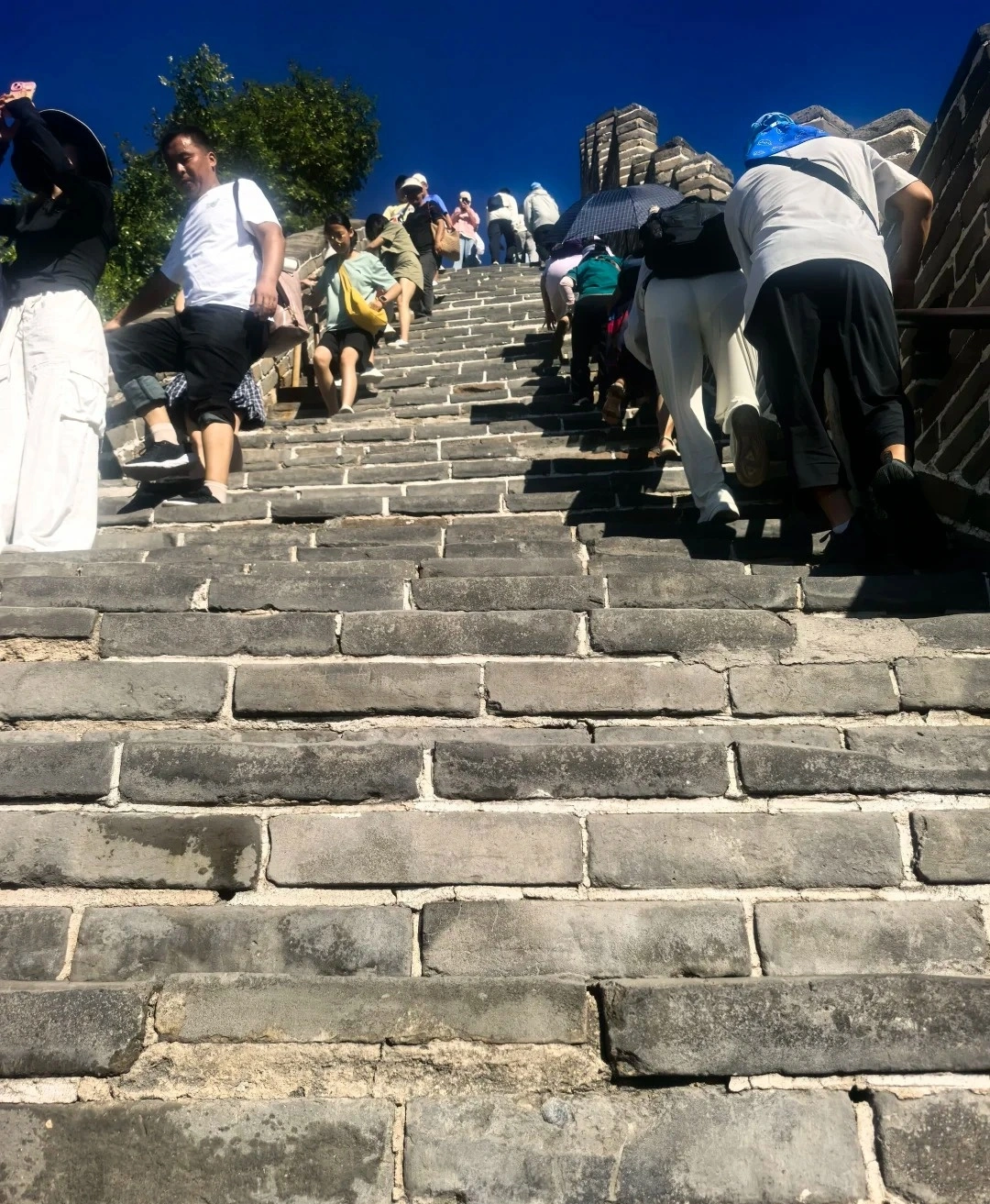
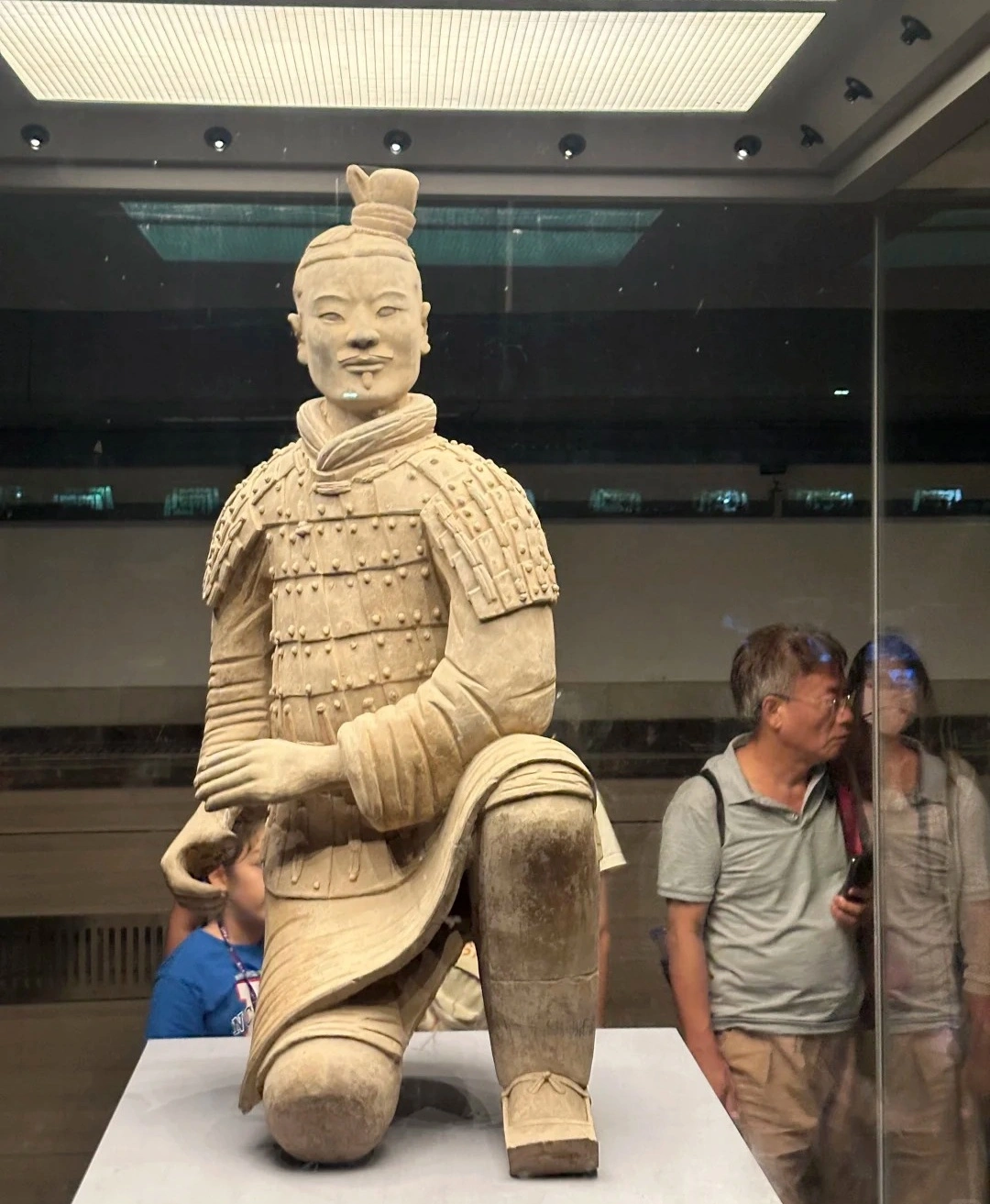
As a solo traveler from Canada, I was nervous about navigating China alone—but this 11-day tour was PERFECT! From hiking the Great Wall at sunrise (Day 3) to gasping at the Terracotta Army (Day 5), every day delivered ‘pinch-me’ moments. The real showstopper? Zhangjiajie’s Avatar Mountains (Day 7)! Our guide made the stone pillars come alive with stories.
Massive thanks for handling all logistics—bullet train tickets, entry passes, car! And the 4-star hotels surprised me.
Destination(s):
Beijing Xian Zhangjiajie Shanghai
Date of
Experience:
June 02,2025

Simon
America
Reviewed on May 29,2025
Our 2-day Zhangjiajie tour was beyond spectacular! As someone who’s visited Beijing and Shanghai for work, this trip revealed China’s wild, magical heart. Day 1 in Zhangjiajie National Forest Park felt like stepping onto Pandora—I’m a huge Avatar fan, and Yuanjiajie’s floating peaks left me breathless. The misty pillars and lush valleys like pure movie magic!
Then came Fenghuang Ancient Town, we eat dinner beside the thundering waterfall. It seems Unreal! The night views of stilt houses glowing over the river were straight from a fairy tale.
For fellow Avatar lovers and adventure seekers: Don’t miss this bucket-list experience! 10/10 would return.
A Well-Traveled Film Buff, May 2025
Destination(s):
Zhangjiajie
Date of
Experience:
May 08,2025