Nature's creation - water for streets, Bridges for gates, and alleys for veins
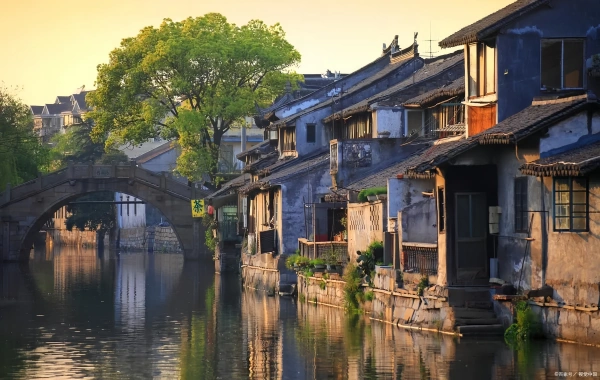
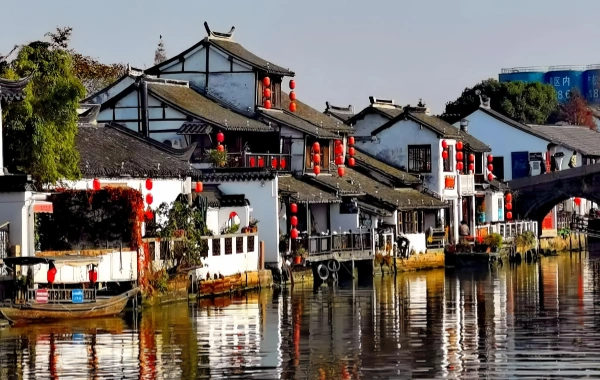
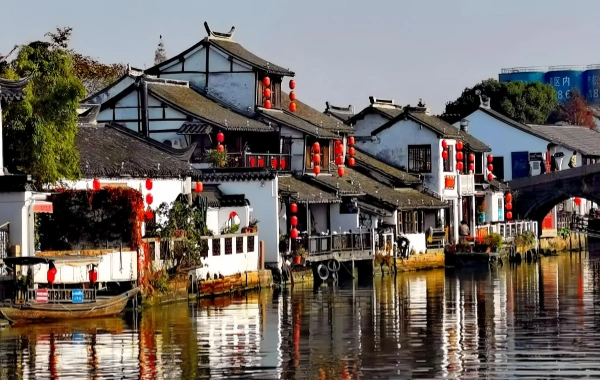
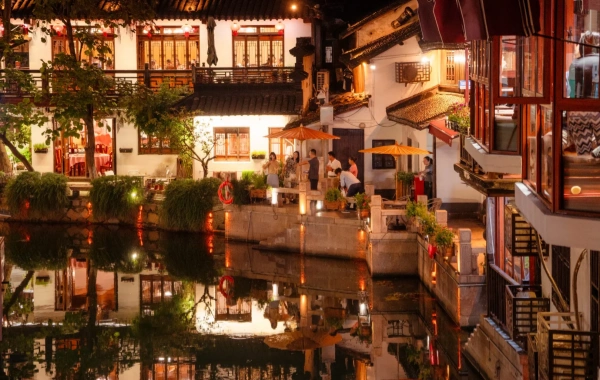
The soul of Zhujiajiao lies in the flowing clear water, the ancient bridge connecting the two banks and the winding and deep alleys.
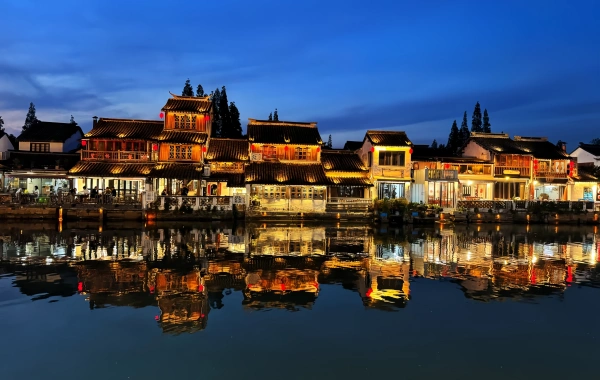
Cao Gang River and Jing Ting Port: The flowing golden Trade Route
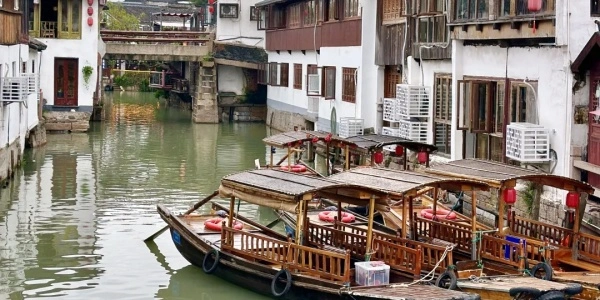
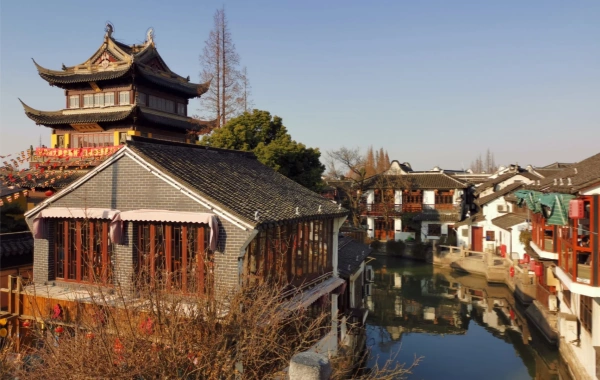
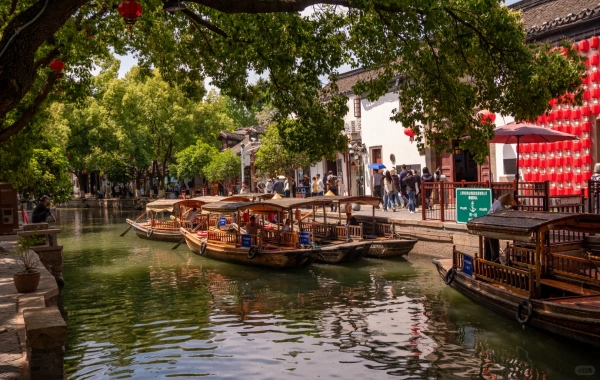
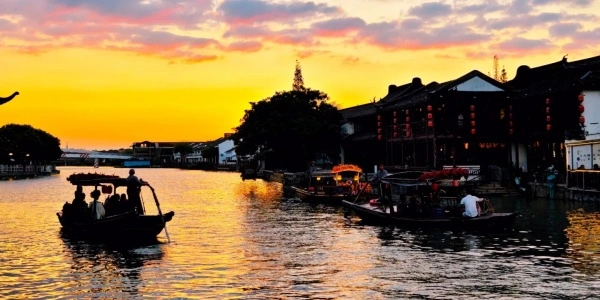
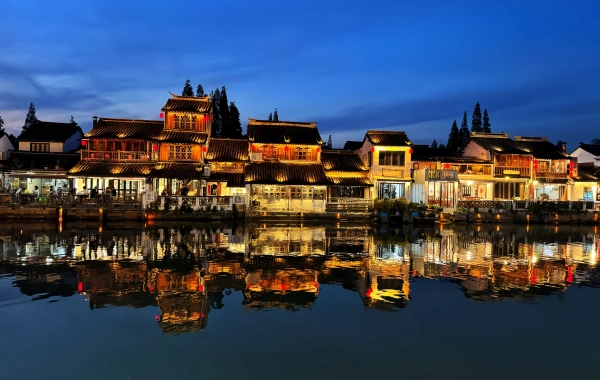
This is the "main artery" of the ancient town. In the past, ships fully loaded with goods would dock and trade here. Today, cruise ships are bustling about, reflecting the white walls and black tiles on both banks. Taking a boat ride is the best way for both merchants in the past and tourists today to understand the layout of the ancient town. The river not only brings wealth but also shapes a unique lifestyle where "everyone lives by the river".
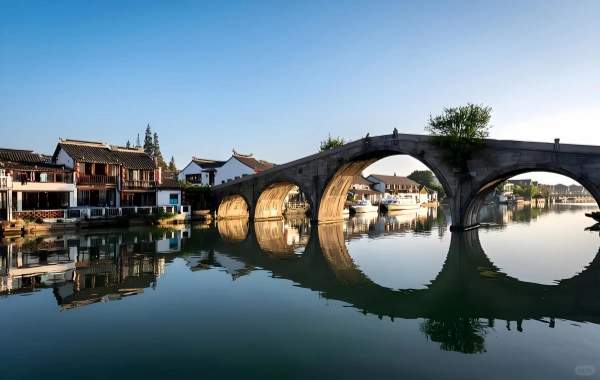
Fangsheng Bridge: The Majesty and compassion of the first stone arch bridge in Shanghai
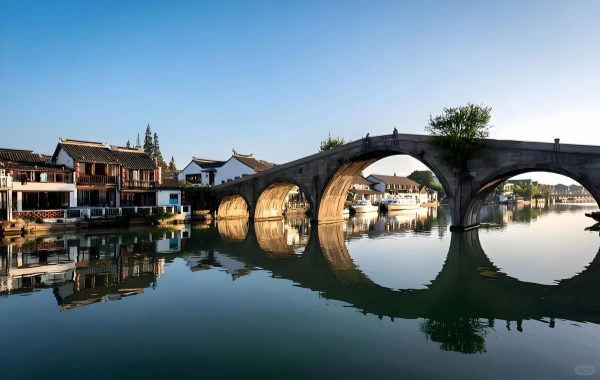
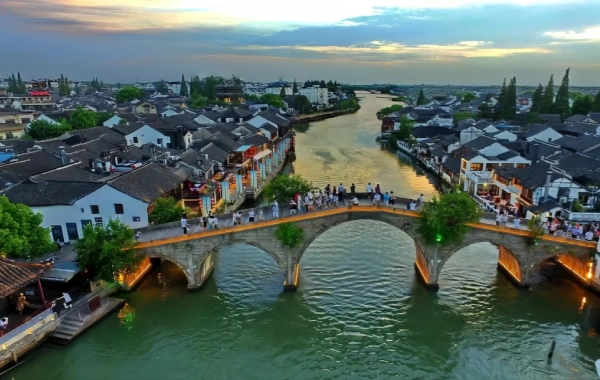
As the largest and longest five-arch stone bridge in the Shanghai area, Fangsheng Bridge is not only a geographical landmark but also a spiritual landmark. It was built in the Ming Dynasty, shaped like a rainbow lying on the water, with a magnificent and imposing appearance. Standing on the top of the bridge, one can see the densely populated North Street to the east and the shimmering Dianshan Lake to the west. The entire view of the ancient town comes into full view. The name of the bridge originated from the "Release Pavilion" beside it. In the past, Buddhist believers would buy fish and turtles here and release them, endowing it with the connotation of charity and peace. Photography Tip: Dusk is the golden time to capture the Release Bridge. The afterglow of the setting sun adorns the stone bridge in a golden coat, and boats shuttle on the water surface. The scene is full of dynamism and the flavor of life.
North Street: "One Line Sky" Market Corridor
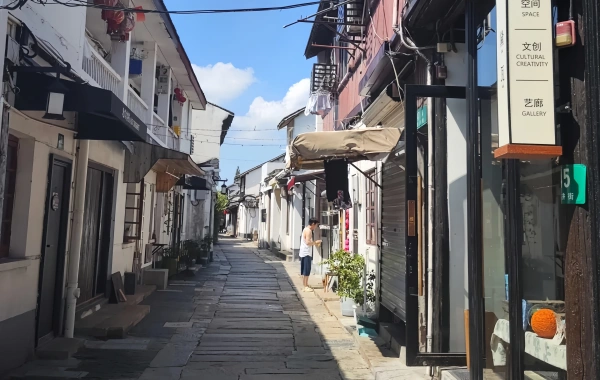
It is known as "the No. 1 Street of the Ming and Qing Dynasties in Shanghai". The street is only three meters wide and the narrowest part is just two meters. Shops stand on both sides and the eaves almost touch each other, creating a spectacular "one-line sky". Here, there are no overly elaborate ancients. Instead, there is a vivid and lively present: the aroma of zongzi, hooves, and pickles wafts towards you, and the sounds of vendors' hawking, bargaining, and laughter never cease. It is the core area to experience the bustling atmosphere of Zhujiajiao.
Secluded Ancient Lane: The entrance to the Time tunnel
Unlike the bustling main streets, those alleys as narrow as "one-person lanes" (such as Xijia Lane and Caishen Lane) are quiet and profound, leading to the homes of ordinary people or some little-known exquisite courtyard. Walking through it, one can hear their own footsteps and see the mottled moss in the corner. In an instant, one transforms from a tourist to a seeker.
Humanistic craftsmanship - The elegance and faith accumulated from wealth
The gardens, temples and commercial houses here are the keys to interpreting the taste and spiritual world of the Confucian merchants in Zhujiajiao.
Kezhi Garden: One garden, Two dreams
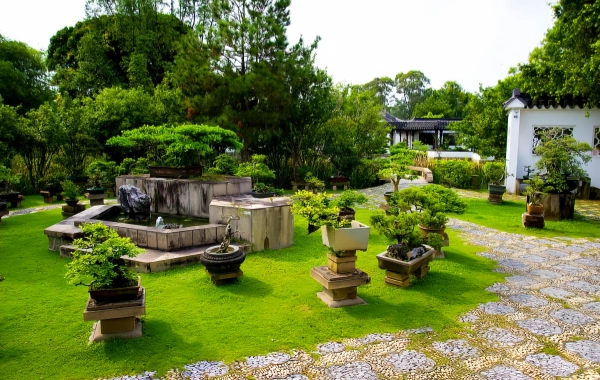
The largest private garden in the ancient town has a name that implies "while studying, one should not forget to cultivate and plant." The front hall and the back garden, a blend of Chinese and Western styles. The first half features solemn halls and corridors of steles, showcasing the "official career dreams" of traditional scholars. The latter part is an open garden, featuring rockeries, a stage, a moon-viewing tower, and even a Western-style "crystal palace" and vast farmlands, embodying the owner's "pastoral dream". This contradiction and unity precisely reflect the complex mentality of the gentry in the Jiangnan region in modern times.
Yuanjin Chan Temple and Chenghuang Temple: The faith center of the water town
Yuanjin Chan Temple: Founded in the Yuan Dynasty, it is renowned for its collection of famous calligraphy and paintings. Built along the river, it is small and exquisite, and is known as one of the "Twelve Scenic Spots of Tsinghua Pavilion". Standing on the Tsinghua Pavilion and looking into the distance, the scenery of the Cao Gang River comes into full view. It is a rare peaceful and Zen-like place in the ancient town.
- City God Temple: It features a unique "courtyard" (stage) with upturned eaves and exquisite carvings. Here, the local City God is enshrined. During festivals, there are still incense offerings and performances. It serves as a window to observe folk beliefs and community activities.
The Qing Dynasty Post Office and Wang Chang Memorial Hall: Correspondence and Echoes of History
- The Qing Dynasty Post Office: The site of the earliest existing postal institution in East China. The green doors and Windows and the Qing Dynasty mailbox display historic postal relics inside. You can send a postcard with a scenic stamp of Zhujiajiao here, adding a nostalgic sense of ceremony to your journey.
- Wang Chang Memorial Hall: The former residence of Wang Chang, a scholar and Vice Minister of Punishments of the Qing Dynasty. This scholar, one of the "Seven Sages of Wu", is an outstanding representative of the cultural heritage of Zhujiajiao. The museum introduces his life and academic achievements, adding a rich scholarly atmosphere to the ancient town.
Handalong Sauce Garden and Tongtianhe Traditional Chinese Medicine Store: The "Taste" and "Conscience" of Time-honored Brands
These century-old stores are themselves living attractions. The huge sauce jars in Handalong Sauce Garden exude a rich and mellow aroma. The ancient medicine cabinets and the promise of "authentic medicinal materials" in Tongtianhe Traditional Chinese Medicine Store make people feel as if they have traveled back to a commercial era that valued credibility and prioritized quality.
Photography Secrets:
The best vantage point for a panoramic view of the Fangsheng Bridge is by the river on the west bank of the bridge, where you can capture the perfect framework formed by the bridge opening and the cruise ships.
The "one-line sky" feeling on North Street should be photographed from the middle section of the street, and be sure to avoid the peak hours of the crowd.
The Qinghua Pavilion of Yuanjin Chan Temple is a classic high point for capturing the sunset over the Caogang River and the buildings on both banks.
In the early morning, the Cao Gang River is shrouded in a thin mist and wisps of smoke from cooking fires, making it an ideal time to create a large-scale ink-wash painting with an artistic conception.