
Jinshan Temple
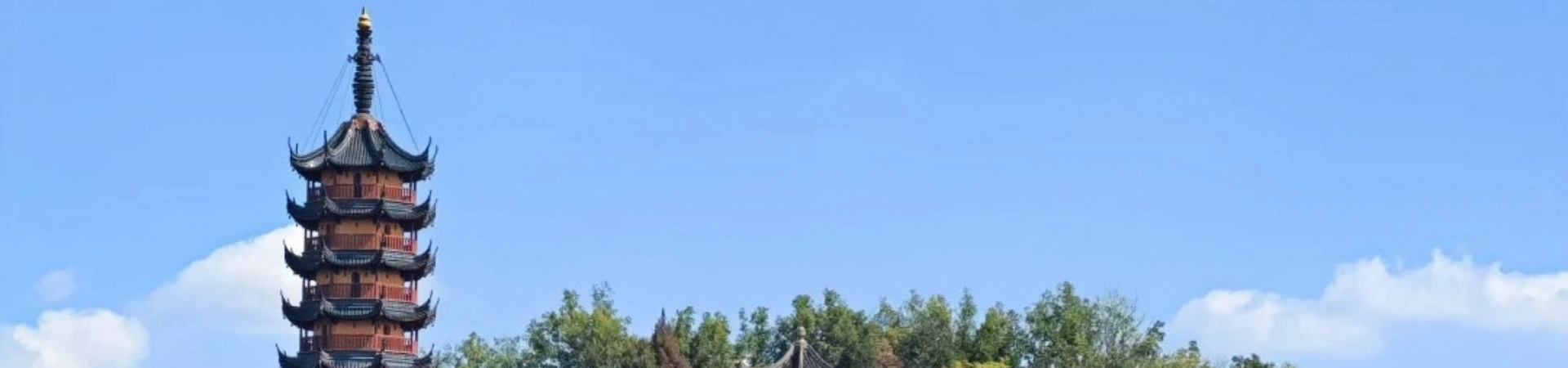
Jinshan Temple, located on Jinshan Island in Zhenjiang City, Jiangsu Province, is a 5A-rated national scenic area and one of China’s "Four Great Buddhist Temples." Founded during the Eastern Jin Dynasty (317–420 CE), it spans 520 meters in circumference and 44 meters in height, blending seamlessly with its mountainous setting. Renowned for its "temple-wrapped-mountain" architecture, the complex features over 40 halls, pavilions, and caves, including the iconic Zhongling Spring—one of China’s "Four Famous Springs." Designated a national cultural relic protection unit in 2011, it offers a unique fusion of Buddhist culture, historical legends, and natural beauty.
Historical Overview
- Eastern Jin Origins (4th–5th centuries): Established as Zeshin Temple, serving as a pivotal Buddhist center along the Yangtze River.
- Tang Dynasty Expansion (7th–10th centuries): Emperor Xuanzong renamed it "Jinshan Temple" and expanded its scale, solidifying its status as a Buddhist圣地 (sacred site).
- Qing Dynasty Renaming (17th century): Emperor Kangxi rechristened it "Jiangtian Temple" and inscribed the "Jiangtian Chan Temple" plaque, still displayed today.
- Modern Restoration (20th–21st centuries): Rebuilt after wartime damage, with the Water-Land Dharma Assembly (a Buddhist ritual) revived in 2006 and listed as a national intangible cultural heritage.
Structural Layout
The temple follows a "mountain-temple integration" design:
- Main Temple Zone:
- Heavenly King Hall: Entrance hall housing Maitreya Buddha and Four Heavenly Kings.
- Main Hall (Daxiong Baodian): Central hall featuring three gilded Buddha statues and a 1,000-kg bronze bell.
- Guanyin Pavilion: Houses the "Four Treasures of Jinshan"—a jade belt, Zhou Dynasty tripod, bronze drum, and ancient map.
- Cultural Relic Zone:
- Fahai Cave: Legendary site where monk Fahai subdued a white snake (inspired by The Legend of the White Snake).
- Zhongling Spring: A 1,400-year-old spring ranked "China’s First Spring" for its tea-brewing quality.
- Cishou Tower: A 36-meter-tall stone tower offering panoramic views of the Yangtze River.
- Ritual Space:
- Water-Land Dharma Assembly Hall: Site of biannual Buddhist rituals attracting global pilgrims.
Key structures:
- Seven Peaks Pavilion: Marks the spot where poet Su Shi ("Dongpo") composed Water Melody.
- Miao Gao Tai: A terrace where General Liang Hongyu once rallied troops during the Southern Song Dynasty.
Major Attractions
- Jiangtian Temple: Explore the Main Hall’s 8-meter-tall Sakyamuni statue and the Guanyin Pavilion’s cultural relics.
- Zhongling Spring: Taste spring water and learn about its role in Tang Dynasty Tea Culture.
- Fahai Cave: Discover the legend of Fahai and the White Snake through stone carvings.
- Cishou Tower: Climb for 360-degree views of the Yangtze River and Jinshan’s red-walled temples.
- Water-Land Dharma Assembly: Witness monks chanting sutras and releasing lanterns during the ritual (held May–June & Oct–Nov).
Suggested Itineraries
-
Classic Route (2–3 hours):
Entrance → Heavenly King Hall → Main Hall → Zhongling Spring → Guanyin Pavilion → Exit
Highlights: Core Buddhist halls and the famed spring. -
Extended Route (4–5 hours):
Entrance → Fahai Cave → Cishou Tower → Seven Peaks Pavilion → Miao Gao Tai → Water-Land Dharma Assembly Hall → Exit
Highlights: Legends, panoramic views, and cultural rituals. -
Comprehensive Route (Full Day):
Entrance → Heavenly King Hall → Main Hall → Zhongling Spring → Fahai Cave → Cishou Tower → Seven Peaks Pavilion → Miao Gao Tai → Water-Land Dharma Assembly Hall → Guanyin Pavilion → Exit
Highlights: In-depth exploration of architecture, legends, and rituals.
Ticket Purchase
- Entrance Fees (2025):
- Peak Season (April–October): ¥65 (adults), ¥32.5 (students/seniors).
- Off-Season (November–March): ¥50 (adults), ¥25 (students/seniors).
- Free: Children under 1.2m, disabled visitors, and seniors over 70.
- Online Booking: Available via Ctrip or WeChat mini-program “Jinshan Scenic Area” (up to 7 days in advance).
- Combined Tickets: Includes Jinshan Temple and nearby attractions (e.g., Beigu Mountain) for ¥100–150.
Transportation
From Zhenjiang City:
- By Bus: Routes 2, 8, 34, or 115 to Jinshan Park Stop (20 minutes from downtown).
- By Taxi: Direct ride (15 minutes, ¥20 from Zhenjiang Railway Station).
From Shanghai/Nanjing:
- By High-Speed Rail: Shanghai Hongqiao/Nanjing South → Zhenjiang East Station → Taxi to temple (30 minutes).
- By Car: G42 Expressway → Zhenjiang Exit → Jinshan Road (1.5 hours from Nanjing).
Local Shuttle:
- "Scenic Area Tram" connects all zones (¥10/day pass).
Best Time & Tips
- Optimal Seasons: April–May (spring blossoms), October–November (autumn foliage).
- Avoid: 10:00 AM–2:00 PM (tour group crowds).
- Essentials:
- Sturdy shoes for steep, cobblestone paths.
- Bottle to refill at Zhongling Spring.
- Respect Buddhist customs (e.g., no flash photography in halls).
- Prohibited Items: Drones, outside food for ritual areas.
- Photography Tips:
- Golden Hour: Capture the temple’s red walls against the Yangtze River at sunrise.
- Macro Mode: Detail shots of spring water droplets or incense smoke.




Contact Us
What Our Clients Say?
Based on 10,000+ traveler reviews

Daniel Dorothea
Canada
Reviewed on April 29,2025
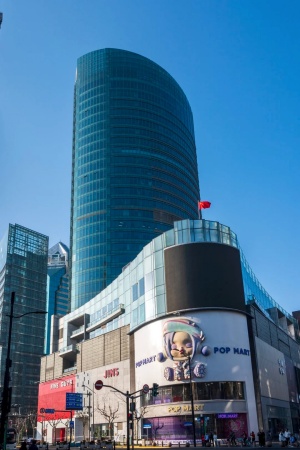
Shopping on Nanjing Road in Shanghai was just amazing! It's truly the "First Commercial Street of China", where tradition and modernity blend perfectly. You can find awesome souvenirs and experience the trendy vibes in cool stores. The neon lights at night are just spectacular, shining bright like Times Square in New York. The food here is incredible too. I had a feast for my taste buds. Shanghai, I'll definitely be back!
Destination(s):
Shanghai
Date of
Experience:
May 08,2024

Elvis Eva
Canada
Reviewed on June 20,2025
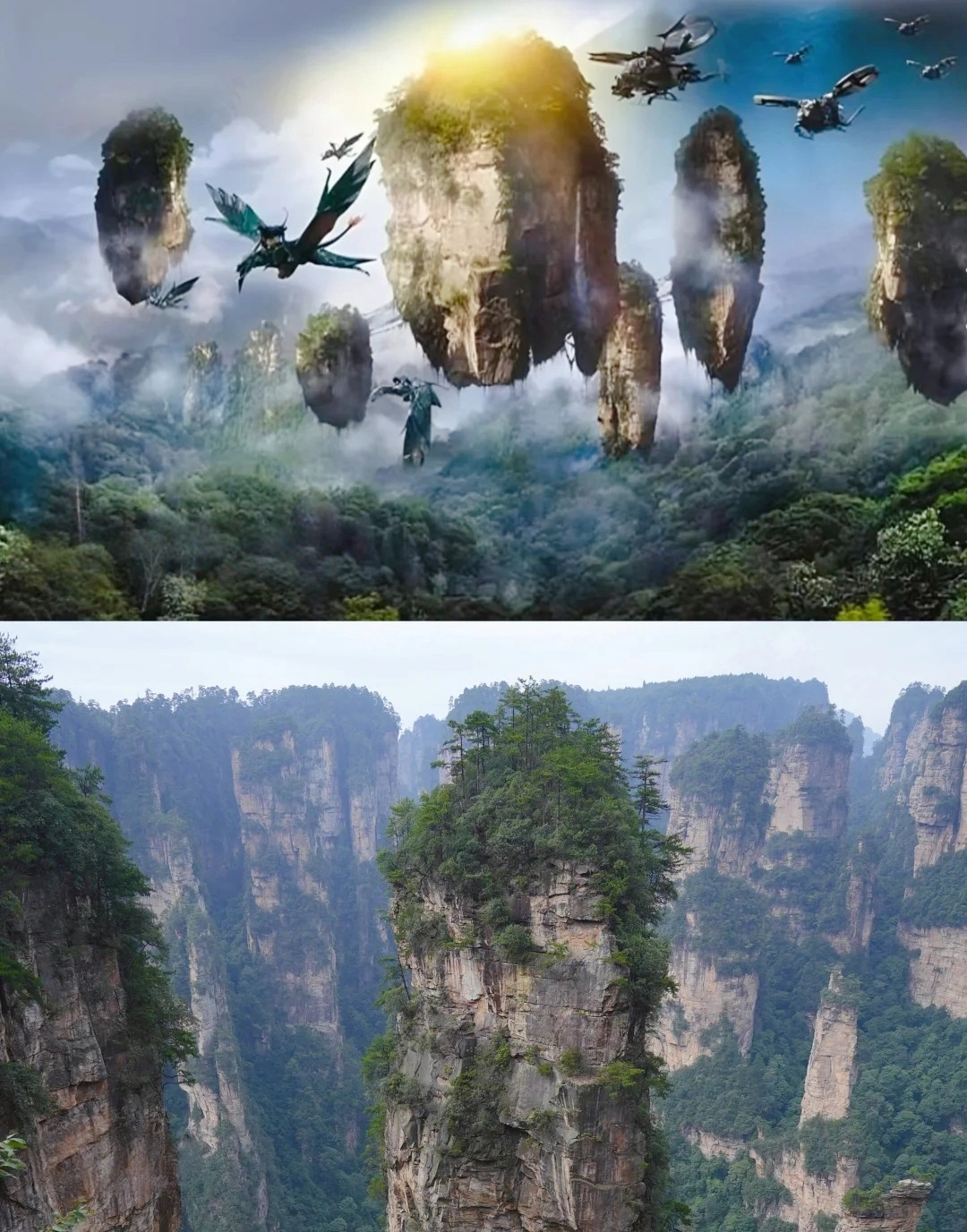
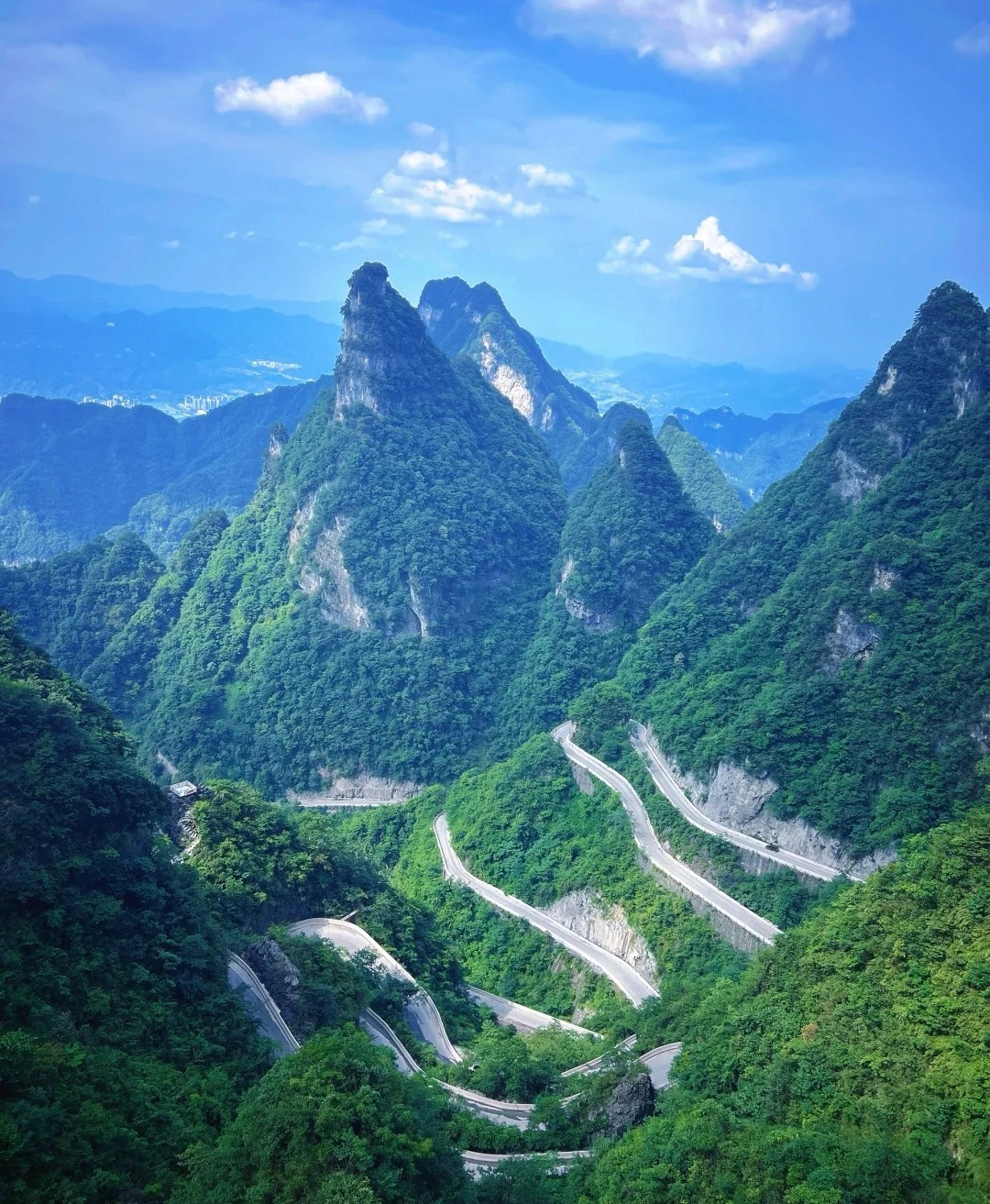
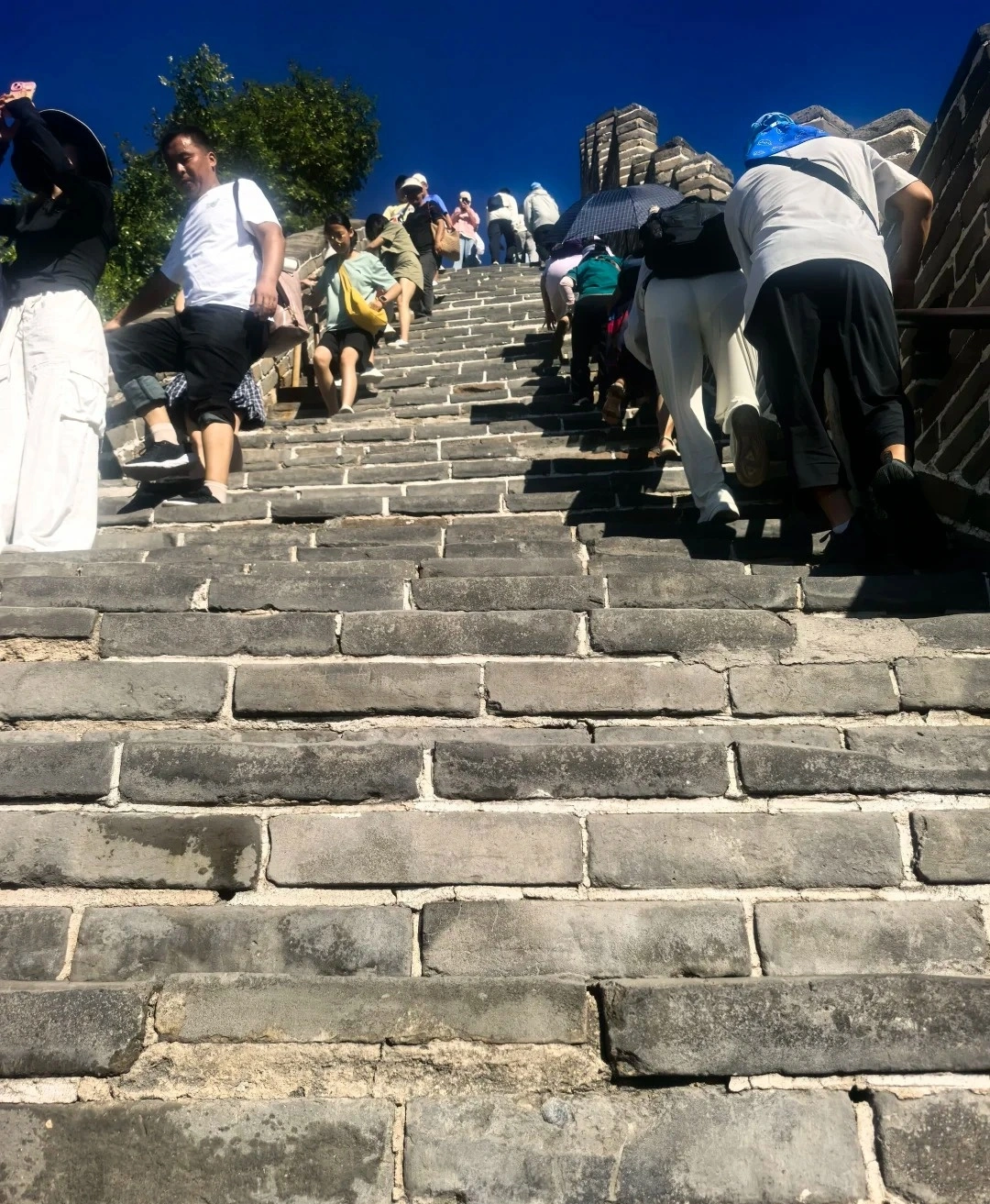
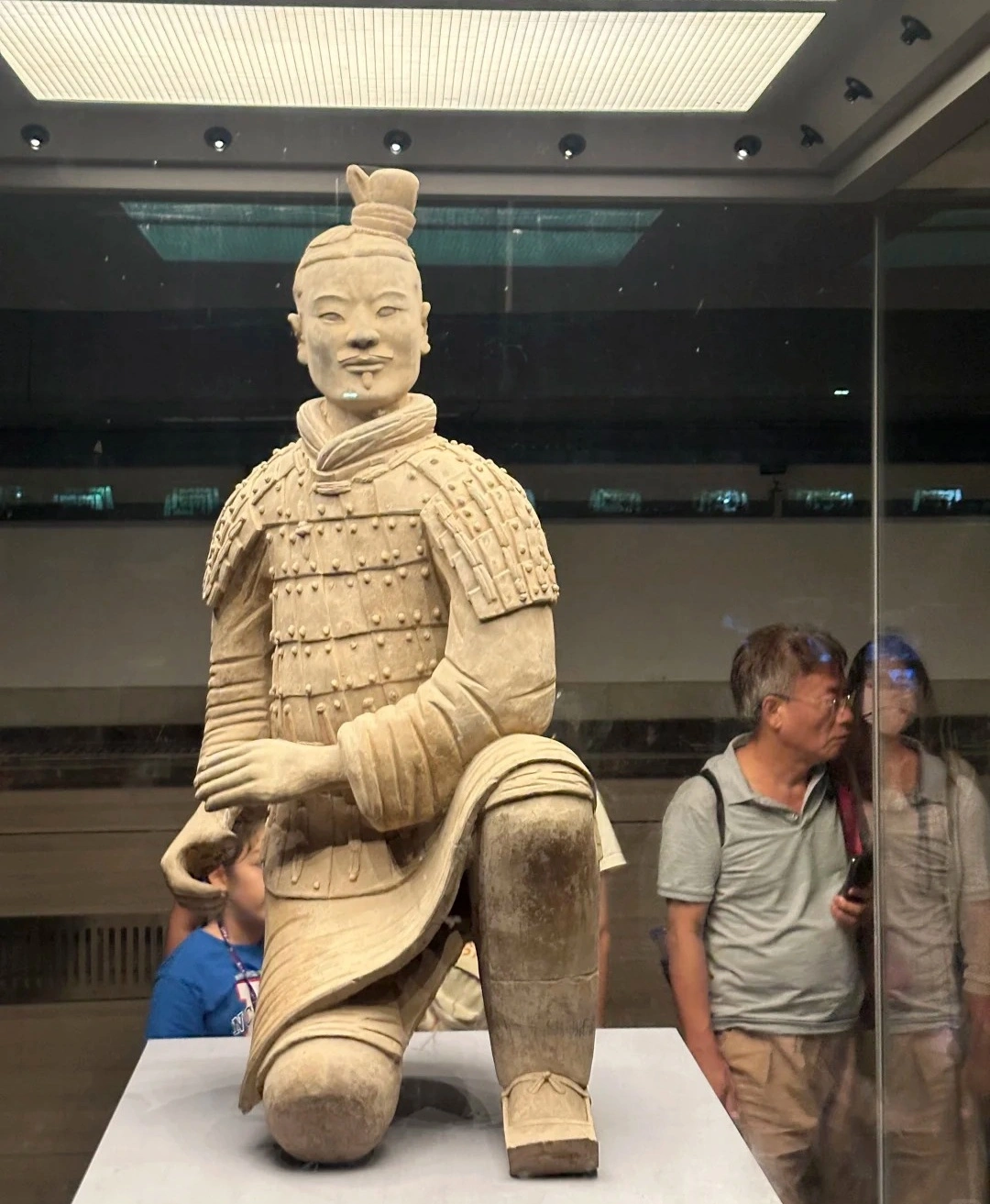
As a solo traveler from Canada, I was nervous about navigating China alone—but this 11-day tour was PERFECT! From hiking the Great Wall at sunrise (Day 3) to gasping at the Terracotta Army (Day 5), every day delivered ‘pinch-me’ moments. The real showstopper? Zhangjiajie’s Avatar Mountains (Day 7)! Our guide made the stone pillars come alive with stories.
Massive thanks for handling all logistics—bullet train tickets, entry passes, car! And the 4-star hotels surprised me.
Destination(s):
Beijing Xian Zhangjiajie Shanghai
Date of
Experience:
June 02,2025

Simon
America
Reviewed on May 29,2025
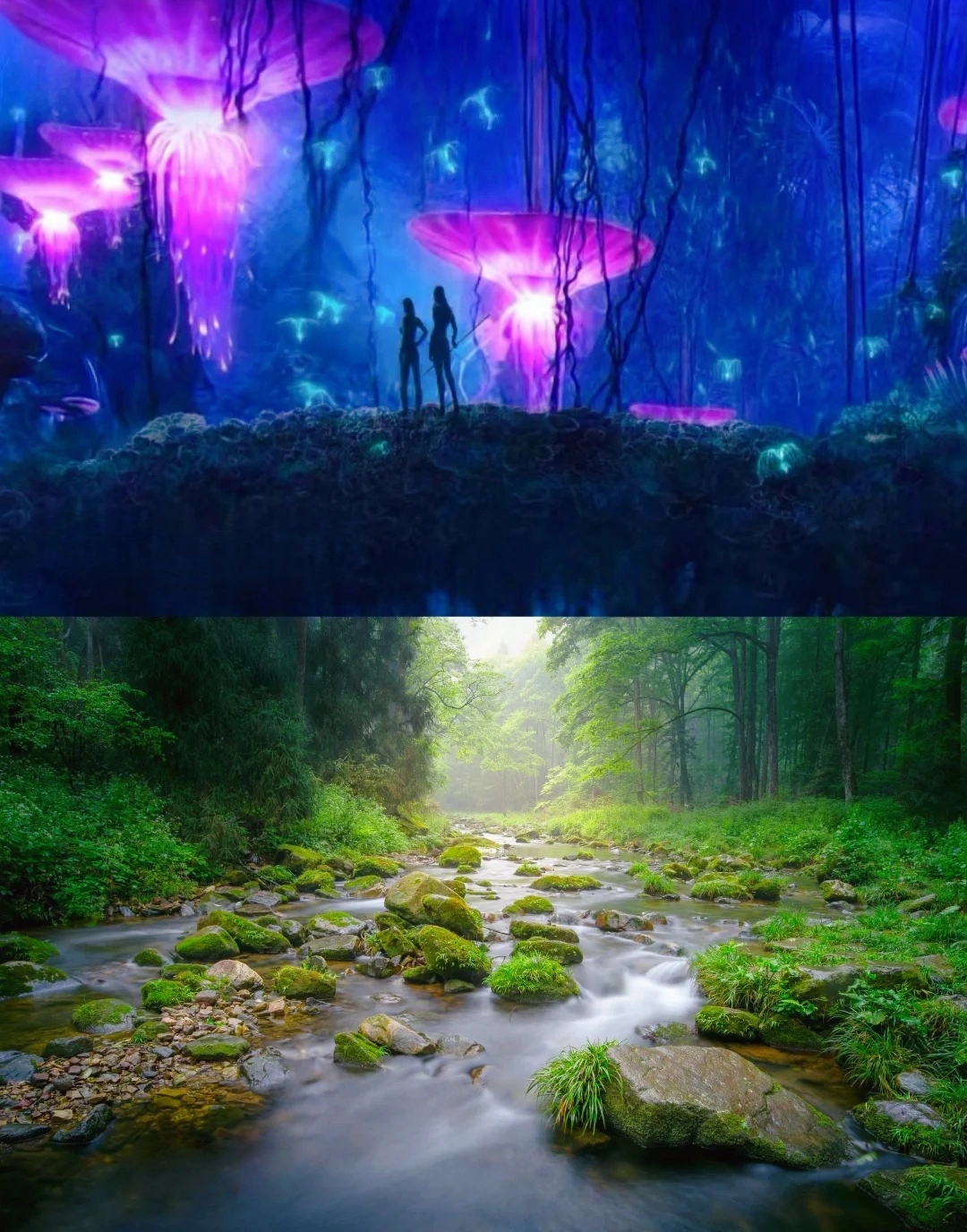
Our 2-day Zhangjiajie tour was beyond spectacular! As someone who’s visited Beijing and Shanghai for work, this trip revealed China’s wild, magical heart. Day 1 in Zhangjiajie National Forest Park felt like stepping onto Pandora—I’m a huge Avatar fan, and Yuanjiajie’s floating peaks left me breathless. The misty pillars and lush valleys like pure movie magic!
Then came Fenghuang Ancient Town, we eat dinner beside the thundering waterfall. It seems Unreal! The night views of stilt houses glowing over the river were straight from a fairy tale.
For fellow Avatar lovers and adventure seekers: Don’t miss this bucket-list experience! 10/10 would return.
A Well-Traveled Film Buff, May 2025
Destination(s):
Zhangjiajie
Date of
Experience:
May 08,2025