Natural Creation–The Spectacular Scene of Seventy-Two Peaks Paying Homage to the Main Peak
The natural landscape of Wudang Mountain is a magnificent scroll painting with mountains as its bones,clouds as its ink,and water as its rhythm.
Majestic Peaks:Seventy-Two Peaks Paying Homage to the Main Peak
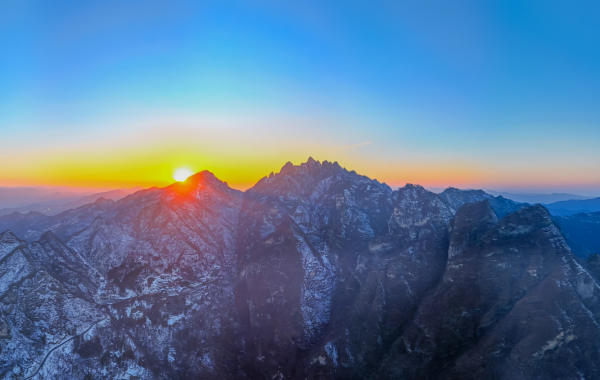
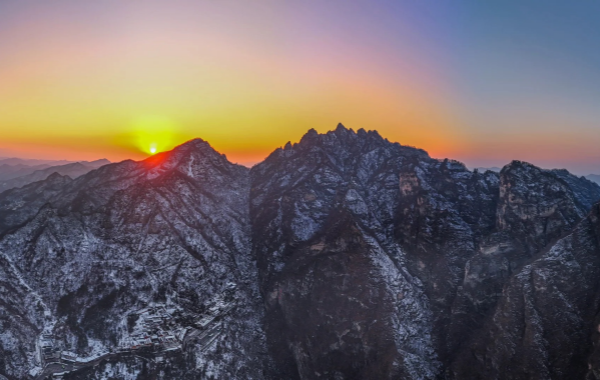
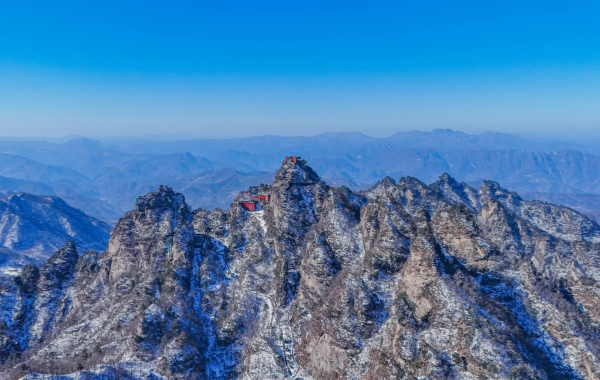
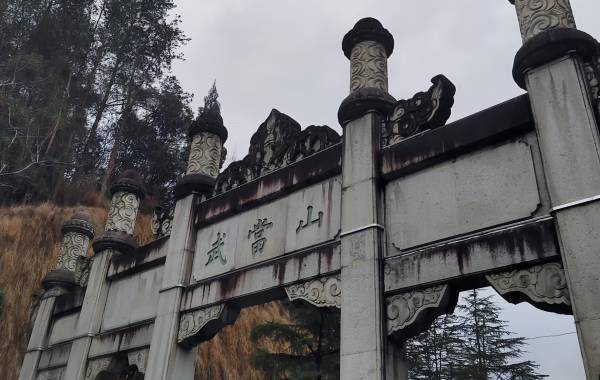
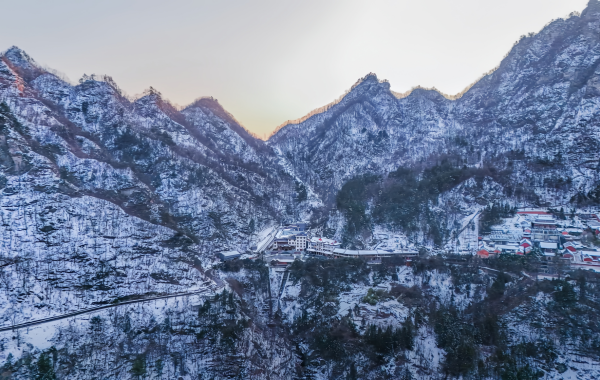
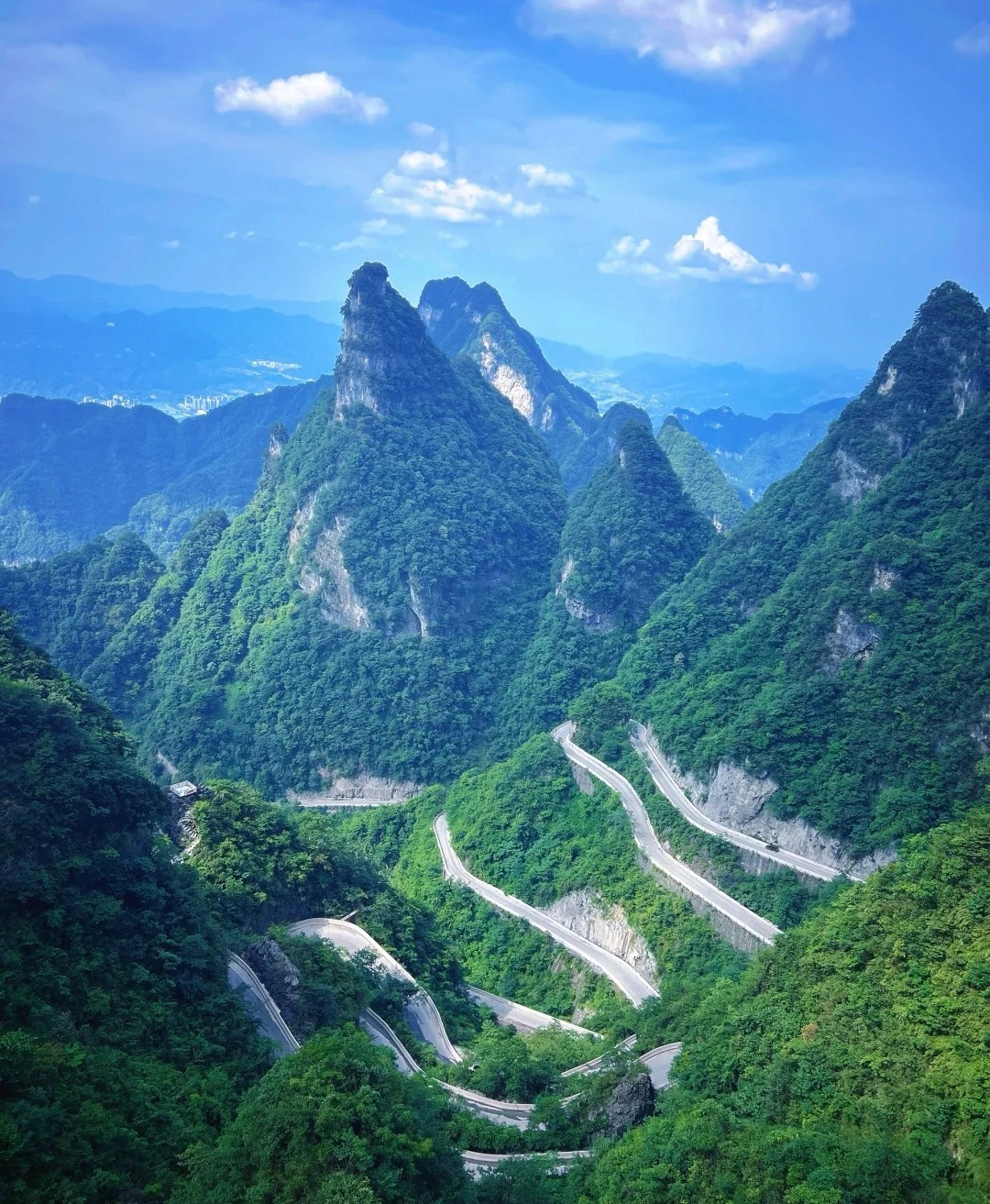
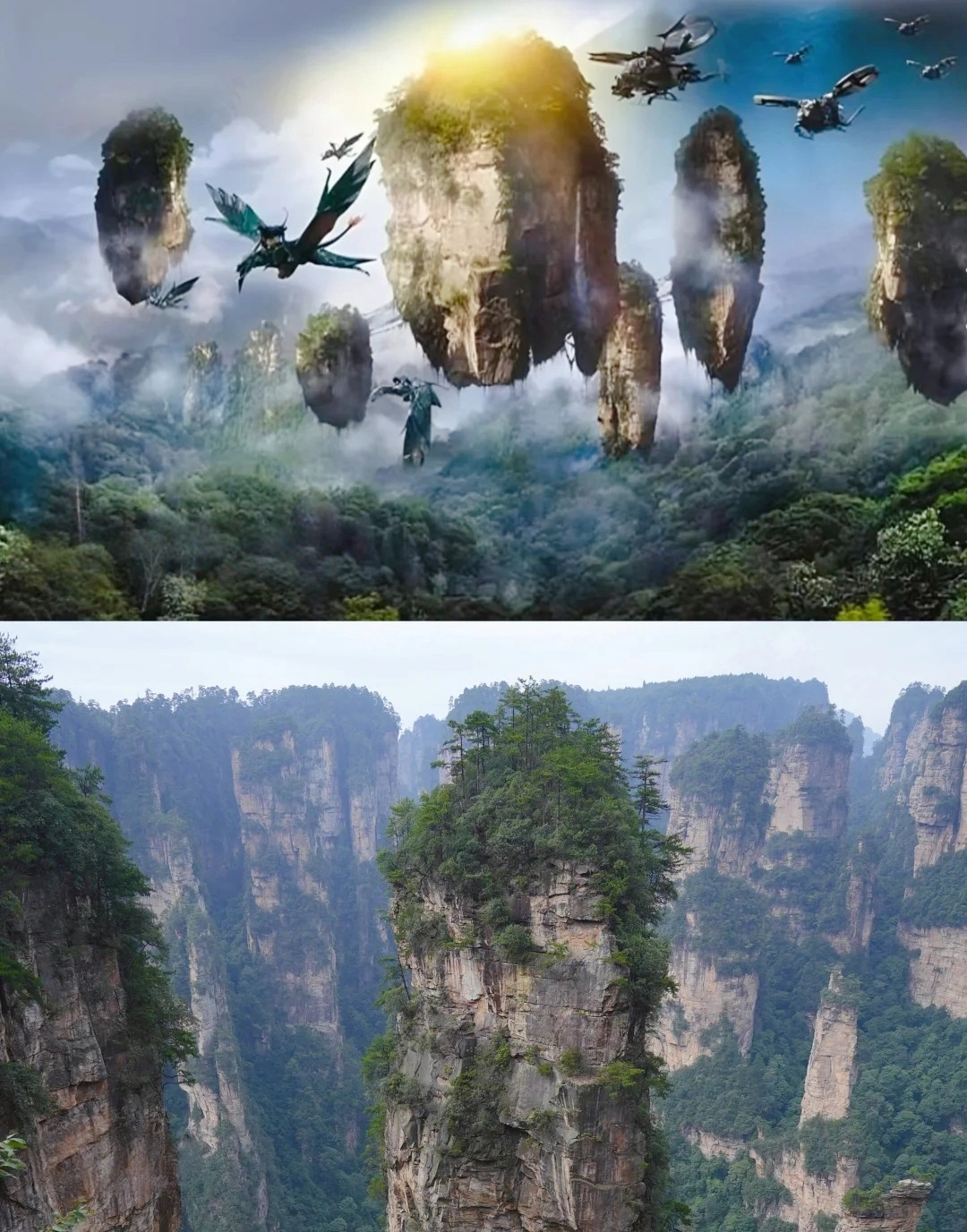
The most iconic natural wonder of Wudang Mountain is undoubtedly the"Seventy-Two Peaks Paying Homage to the Main Peak."The main peak,Tianzhu Peak,rises to 1612 meters,a single pillar reaching the sky,dominating the surrounding mountains.The seventy-two peaks all appear to bow in homage,forming a rare landform of"ten thousand mountains paying homage,"creating a magnificent and awe-inspiring spectacle.In the 41st year of the Wanli reign of the Ming Dynasty(1613 AD),Xu Xiake traveled here and penned the famous lines,"Its grandeur swallows the Qin and Hua Mountains,its Milky Way seems near;its power surpasses the Min and Emei Mountains,its Jade Fortresses stand high,"perfectly capturing the majestic beauty of Wudang Mountain.Standing atop the Golden Summit,the peaks rise and fall like waves,inspiring a sense of grandeur and a feeling of"viewing all mountains as small."
The Ever-Changing Clouds:A Sea ofClouds and Fairy Tales
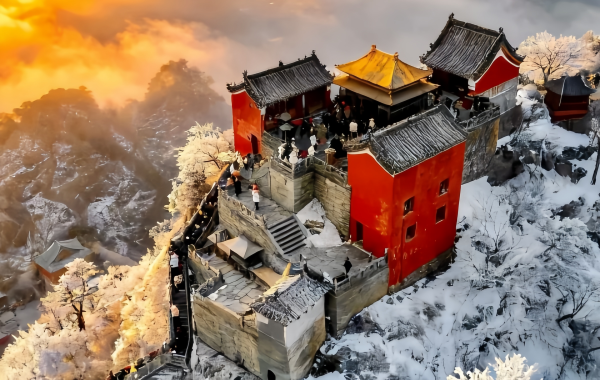
The sea ofclouds at Wudang Mountain is the soul of its name as a sacred mountain.On a clear morning after rain,the sea ofclouds surges up from the valleys,revealing only the tips of the seventy-two peaks.The vermilion palaces and temples appear and disappear in the mist,creating a dynamic ink painting.As the sun leaps out of the clouds,the gilded palaces gleam in the morning light,and the sea ofclouds is dyed orange-red brocade.Exclamations of amazement mingle with the crisp sound of copper bells from the eaves,echoing atop Tianzhu Peak.Scenic area management personnel explain that the best time to view the sea ofclouds is on a clear morning after rain,when the atmosphere is clear and the sea ofclouds is most stable,often providing the most exquisite visual experience.
The Tranquil Waters:Twenty-Four Streams Flowing Forever
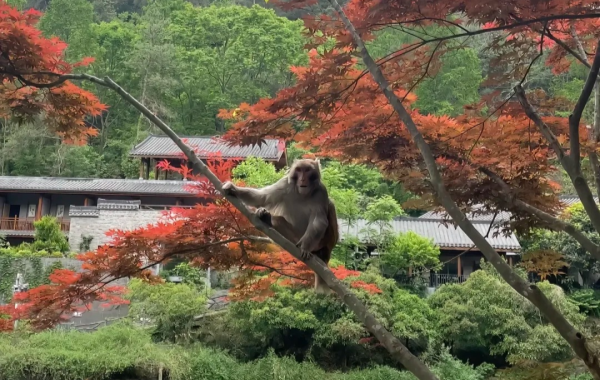
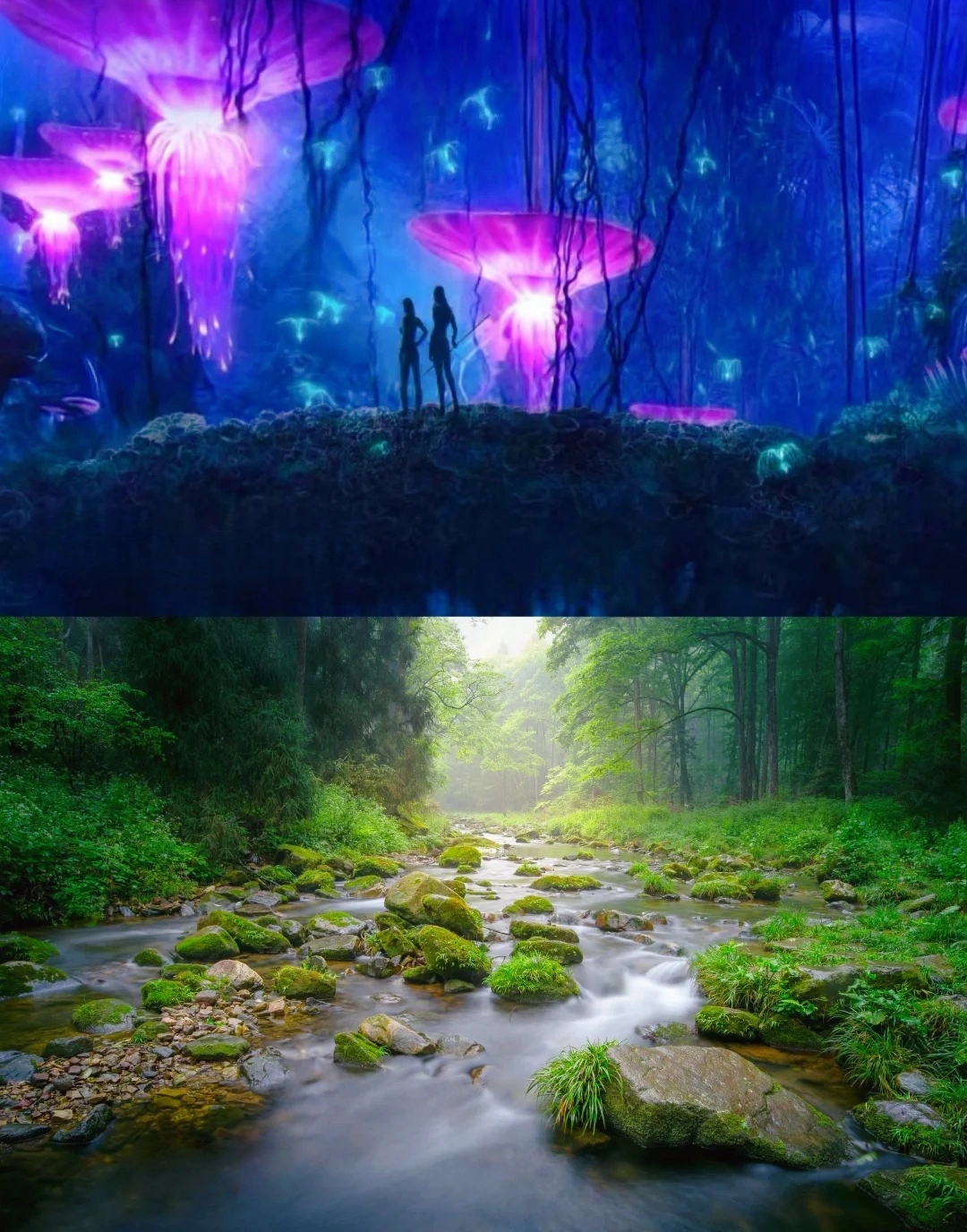
Wudang Mountain is not only famous for its mountains,but its waters are also a scenic wonder."Twenty-four streams flowing endlessly"is a true reflection of Wudang's natural landscape.In Xiaoyao Valley,babbling brooks flow amidst lush forests,where wild macaques are often seen,and a group of clever monkeys,affectionately known as"Wudang Kung Fu Monkeys"by tourists,frolic here.The valley boasts fresh air and extremely high levels of negative oxygen ions,making it an ideal place for hiking,breathing in fresh air,and cultivating one's mind and body.The Taiji Lake Water Resort showcases another side of Wudang—the vast expanse of turquoise water reflecting the verdant mountains,perfect for water activities such as kayaking and sailing.
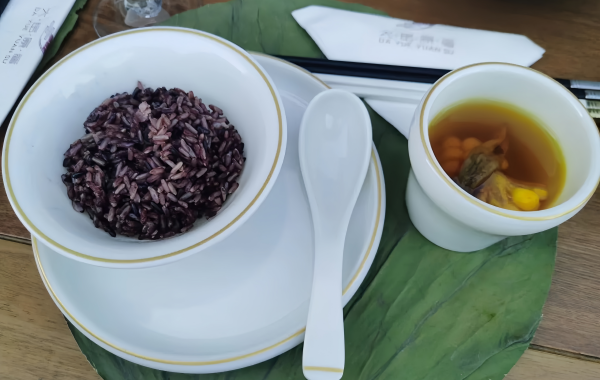
Hidden Treasure Trove:A Natural Pharmacy Wudang Mountain is also a"natural pharmacy."Li Shizhen's Compendium of Materia Medica from the Ming Dynasty records over 1800 kinds of Chinese herbal medicines,of which over 400 are found in Wudang Mountain.The mountain's abundant medicinal plant resources provide a unique natural foundation for Wudang Taoist health culture.Whether it's medicinal cuisine like stewed chicken with Solomon's seal or Wudang Taoist tea,both contain the essence of this land's herbs and plants.
Humanistic Ingenuity–The Forbidden City on the Cliff
The architecture of Wudang Mountain is not merely palaces and temples,but artistic treasures that coexist with the mountains and rivers and converse with heaven and earth.
Golden Summit Taihe Palace:A Bronze Miracle Above the Clouds
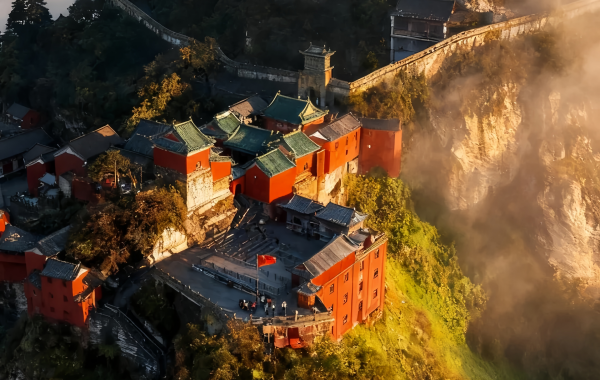
Standing atop Tianzhu Peak,the Golden Summit Taihe Palace was first built in the 14th year of the Yongle reign of the Ming Dynasty(1416 AD),and is the soul landmark of Wudang Mountain.The Golden Hall within the palace is cast in bronze and gilded,using hundreds of thousands of kilograms of bronze.Constructed entirely of bronze,it bears no trace of welding,making it the largest and best-preserved ancient bronze-cast and gilded building in China.The folds of the robes of the Zhenwu Emperor statue inside are vividly clear,and the statue and offerings are all original Ming Dynasty artifacts.Despite enduring over six hundred years of wind,rain,and lightning,it still shines brilliantly.A folk legend tells of the"Thunder and Fire Refining the Hall"phenomenon—during thunderstorms,fireballs swirl around the hall,yet the Golden Hall remains intact,which people believe is the divine protection of the Zhenwu Emperor.
Photography Tips:The bronze hall on the golden roof is most magnificent at sunset,where the golden light and the evening glow complement each other.Use a telephoto lens to shoot from the side of the hall,looking up;the golden hall and the sunset together in a breathtaking frame.
Zixiao Palace:The Solemnity of a Royal Temple
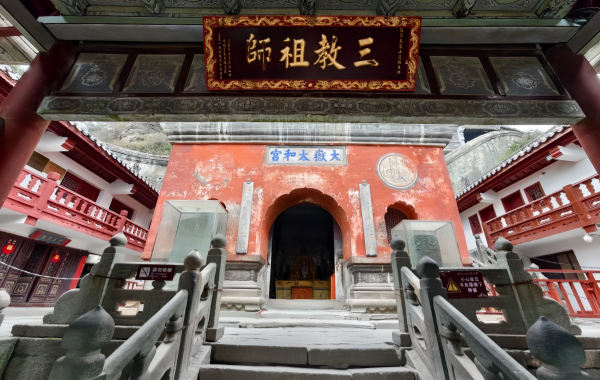
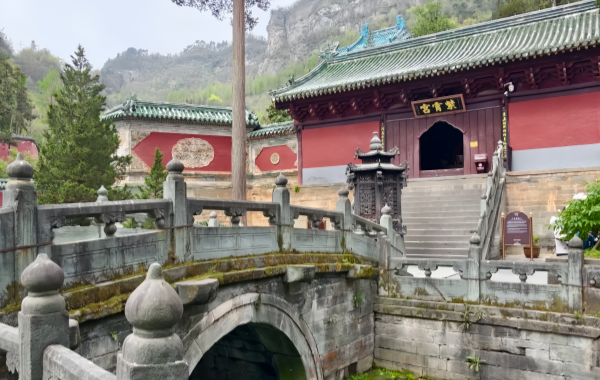
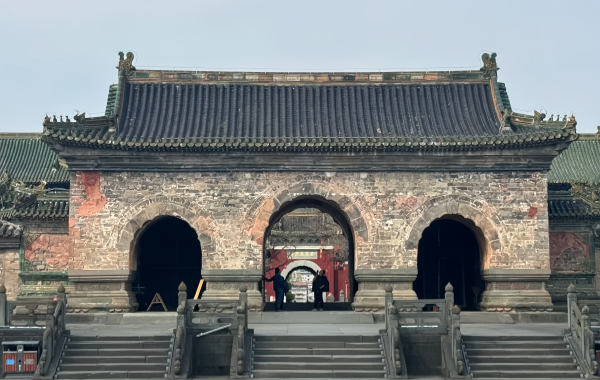
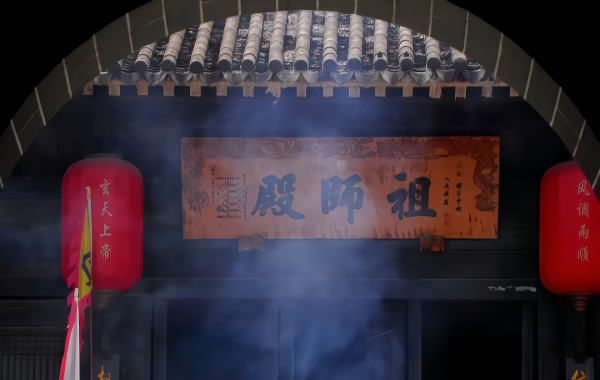
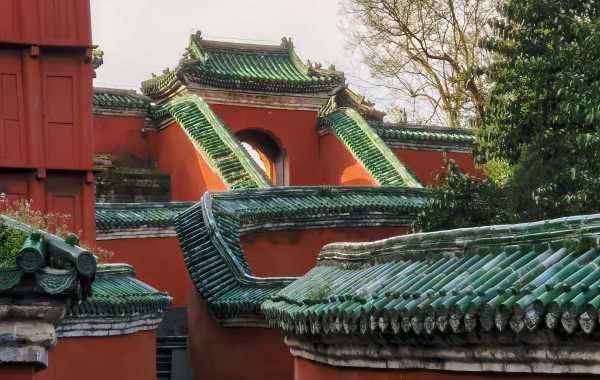
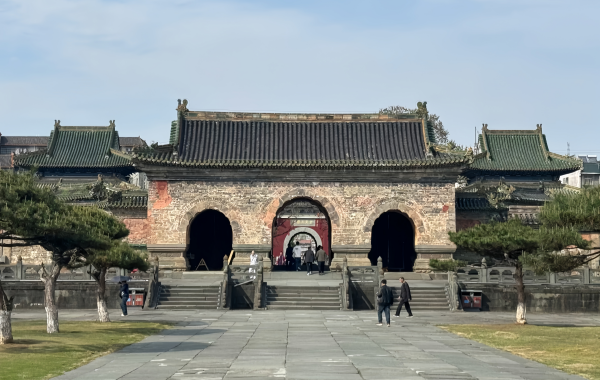
Zixiao Palace is located at the foot of Zhanqi Peak and is the best-preserved Ming Dynasty palace and temple building in Wudang Mountain,as well as its main palace.The main hall of Zixiao Palace is a timber-framed structure with a peacock blue glazed tile roof,decorated with openwork carvings in yellow and green on the ridge and eaves.The roof style of Zixiao Palace is the same as that of Tiananmen Square in Beijing,a double-eaved hip roof,a architectural structure that was reserved for the imperial family in ancient China.Along the central axis of the palace are five terraces,from bottom to top:the Dragon and Tiger Hall,the Stele Pavilion,the Shifang Hall,the main hall of Zixiao Palace,and the Shengwenmu Hall.The halls and buildings are arranged in a neat and orderly fashion,clearly distinguishing between main and secondary structures,exuding the grandeur of a royal temple.The Forbidden City features red walls and yellow tiles,while Wudang Mountain boasts red walls and green tiles,as green is the exclusive color of Taoism.Everywhere,one can see the perfect fusion of imperial architecture and Taoist aesthetics.
Nanyan Palace:A Marvelous Landscape Hanging on a Precipice
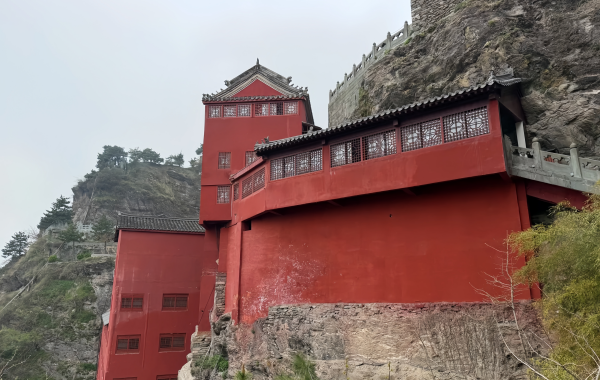
Nanyan Palace is the most scenic of the thirty-six cliffs of Wudang Mountain,renowned as the"Palace Hanging on a Precipice."The most breathtaking feature of Nanyan is undoubtedly the"Dragon Head Incense Burner,"suspended thousands of meters above a precipice—a stone dragon head,3 meters long and only 0.33 meters wide,protruding horizontally from the cliff,with a small incense burner placed on top.The dragon head faces the Golden Summit and is hailed as the"Number One Incense Burner in the World."In the past,believers,to show their piety,had to kneel and climb up the narrow dragon's body to light the incense,then kneel and retreat,a slight misstep threatening to plunge into the abyss.Now,the Dragon Head Incense Burner has railings,allowing visitors to worship safely and experience the power of faith that has transcended six centuries on the precipice.
Taizipo:A Spatial Dialogue of Architectural Aesthetics
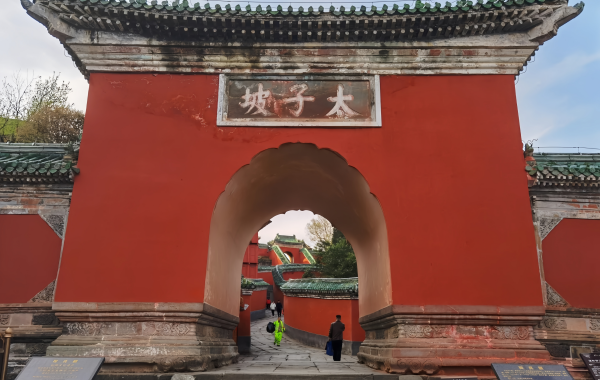
Taizipo,also known as Fuzhen Temple,is said to be the place where the prince of Jingyue Kingdom(i.e.,Zhenwu the Great)returned to cultivate after being saved by his grandmother's needle-grinding ritual.It boasts four architectural wonders:"Four Gates in One Mile,Nine-Bend Yellow River Wall,One Pillar with Twelve Beams,and Ten Miles of Osmanthus Fragrance."The undulating Yellow River Wall,reminiscent of the Echo Wall at the Temple of Heaven in Beijing,carries sound.The"One Pillar with Twelve Beams"structure in the Wuyun Tower,with one pillar supporting twelve beams,is a marvel of architectural mechanics and aesthetics.During the osmanthus blooming season in September and October,a stroll along the 2.2-kilometer bluestone path,watching the Yellow River Wall undulate with the mountainside,is an excellent spot for photography and leisurely walks.
Yuzhen Palace:The Ancestral Temple of Wudang Martial Arts
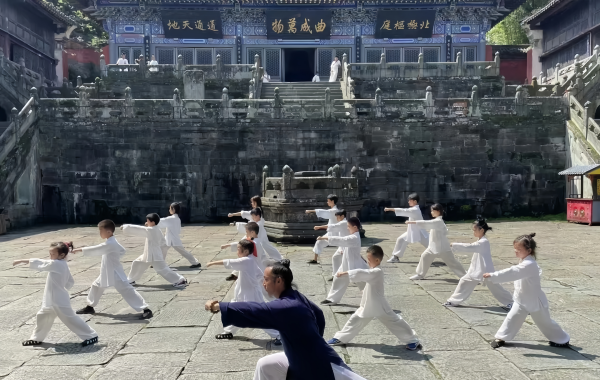
Yuzhen Palace was commissioned by the Yongle Emperor of the Ming Dynasty to commemorate his encounter with Zhang Sanfeng.It is the only temple in Wudang dedicated to Zhang Sanfeng and is revered as the ancestral temple by the Wudang internal martial arts school.During the Hongwu era of the Ming Dynasty,Zhang Sanfeng established a hermitage here,naming it"Huixian Hall,"thus making it a sacred place in the martial arts world.In 2011,to facilitate the South-to-North Water Diversion Project,Yuzhen Palace was raised to a world record height of 15 meters,creating a miracle in the field of world heritage protection and demonstrating China's superb technical strength in cultural heritage preservation.
Yuxu Palace:The Imperial Grandeur of the Nine Palaces
Yuxu Palace,officially named"Xuantian Yuxu Palace,"is the largest existing palace in the Wudang ancient architectural complex.Emperor Yongle of the Ming Dynasty once fasted and bathed here.Standing before Yuxu Palace and touching the giant tortoise-shaped stele from the Yongle era of the Ming Dynasty,one can imagine the immense scale of the project:"Building the Forbidden City in the north,and Wudang in the south."Today,the Yuxu Palace Lantern Garden,with its dazzling lanterns showcasing Wudang and Taoist culture,is a great place for nighttime visits.
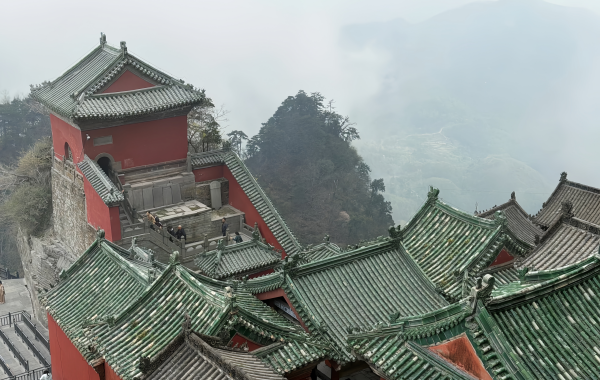
The architectural complex of Wudang Mountain is strictly laid out according to the story of Zhenwu's cultivation of immortality,adopting royal architectural regulations and fully embodying the Taoist concept of"harmony between heaven and man."It is hailed as a"museum of ancient Chinese architectural achievements"and a"Forbidden City hanging on a cliff."