Humanistic craftsmanship—cultural relics living in history
The cultural landscape of Zhanghua Temple is a history of the fusion of Chu culture and Buddhist culture,written in wood and stone.
Four Ancient Wonders:The Soul Imprint of Zhanghua Temple
Zhanghua Temple houses four ancient relics,known as the"Four Ancient Wonders,"each carrying a legend spanning a thousand years.
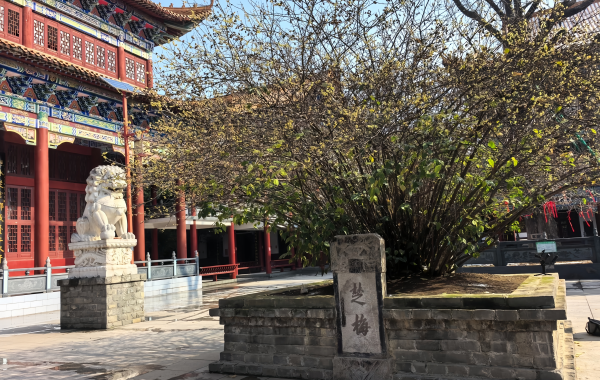
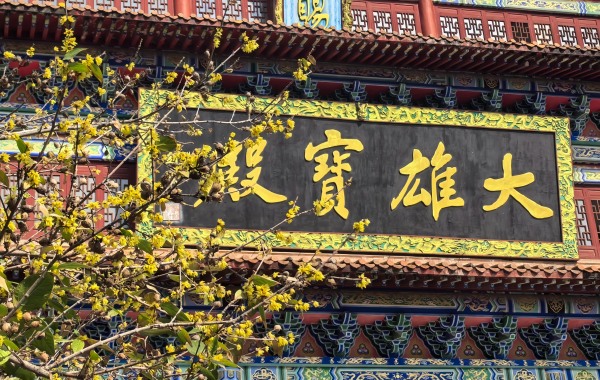
Chu Plum(Zhangtai Ancient Plum):The first national treasure of Zhanghua Temple.Legend has it that it was planted by King Ling of Chu during the Spring and Autumn Period.Over 2500 years old,it is the oldest existing plum tree in my country,enjoying the titles of"China's First Plum"and"The World's First Ancient Plum."Located directly in front of the main hall,this tree is approximately 5-6 meters tall with a crown spread of 6.48 meters.It blooms two months earlier than common varieties in winter.As the only surviving specimen from the forty-acre plum grove at the Zhanghuatai site,it is considered one of China's five great ancient plum trees,along with the Sui Dynasty plum tree from Tiantai,Zhejiang;the Jin Dynasty plum tree from Huangmei,Hubei;the Tang Dynasty plum tree from Zhejiang;and the Song Dynasty plum tree from Zhejiang.Photography tip:Winter(December to February)is the best time to view the Chu plum blossoms.The plum blossoms in the morning mist,contrasting beautifully with the eaves of the ancient temple,create a Zen-like atmosphere.
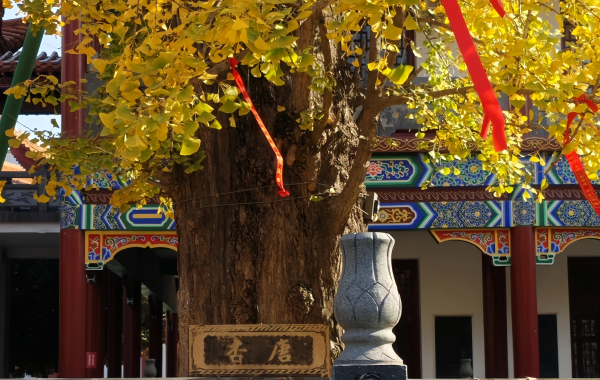
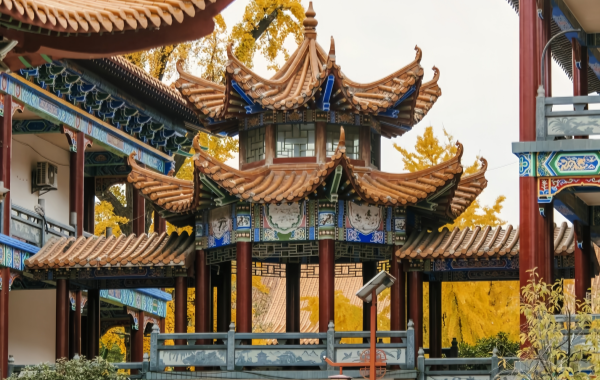
Tang Dynasty Ginkgo Tree:Legend has it that this tree was planted by an ancient monk during the early Tang Dynasty.Over 1400 years old,its robust and weathered form is quite different from common ginkgo trees.In 1402,during the fourth year of the Jianwen Emperor's reign,Emperor Zhu Yunwen stayed at Zhanghua Temple for three days,wearing monk's robes.Under this Tang Dynasty ginkgo tree,he left the poem:"Where are the songs of Chu and the dances of Zhao now?Only crows cry around the tree."
Ancient Agarwood Well:The well's water is crystal clear,and legend has it that a thousand-year-old agarwood tree lies at its bottom,ensuring its sweet and inexhaustible flow.Standing by the well,one can feel the tranquility accumulated over a thousand years.
Ancient Stone Inscriptions:The temple preserves a large number of stone inscriptions from various dynasties,recording the rise and fall of Zhanghua Temple.These are important historical materials for studying Chu culture and Buddhist history.
In-depth Exploration:Buried underground within the temple are shell paths from the Spring and Autumn Period and large Han Dynasty bricks.These archaeological discoveries add further depth to the history of Zhanghua Temple.
Palace Architecture Complex:The Solemn Framework of Zhanghua Temple
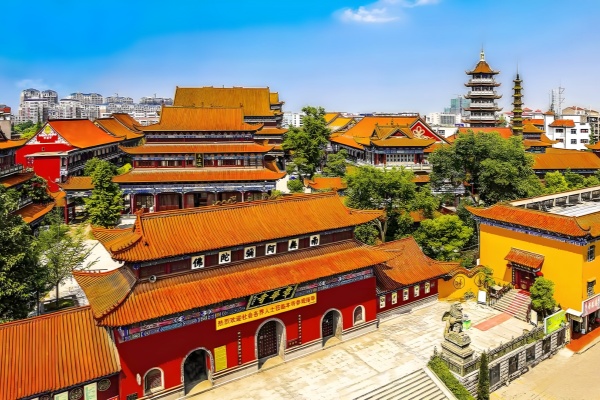
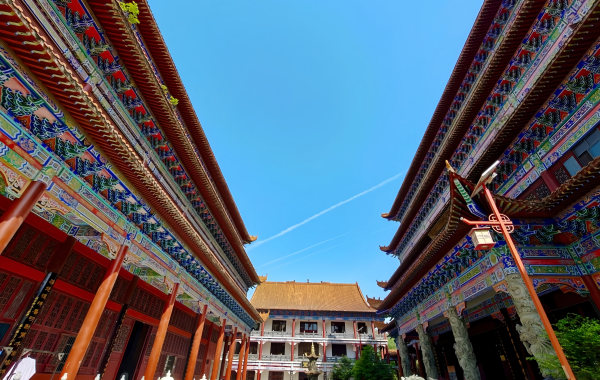
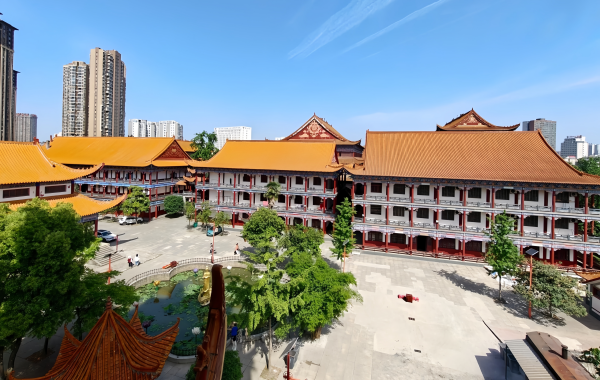
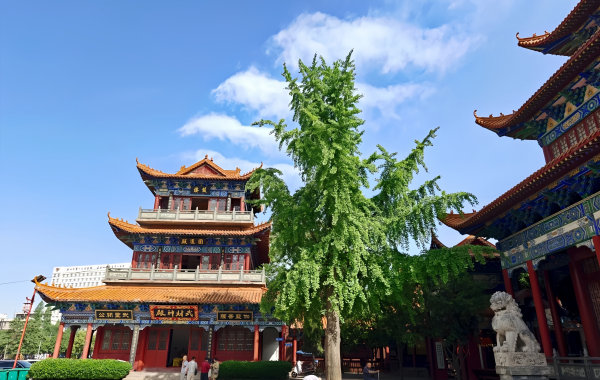
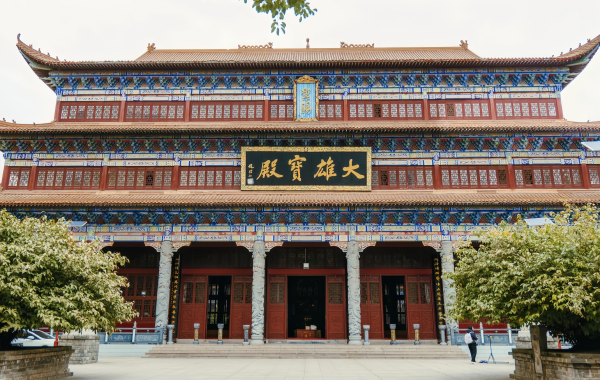
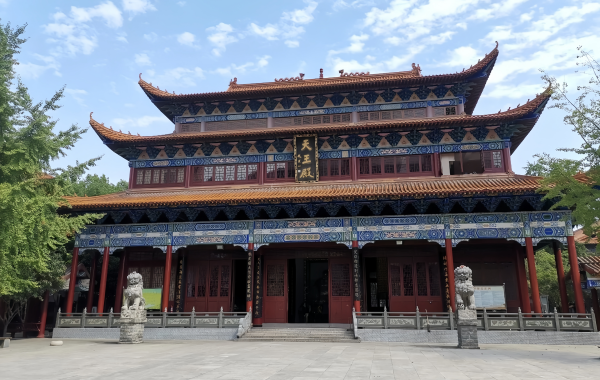
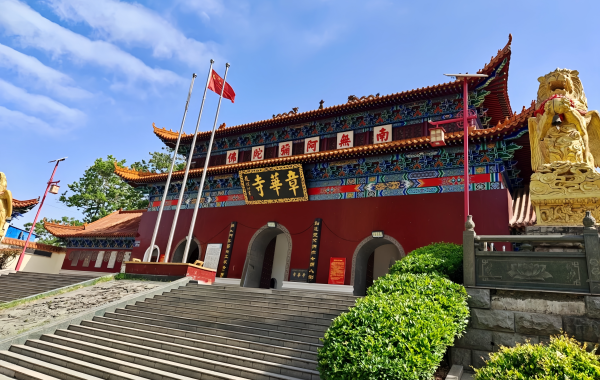
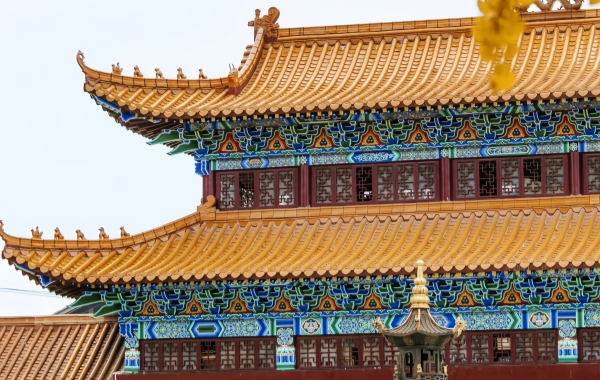
Zhanghua Temple faces west,covering an area ofapproximately 8,000 square meters.Its layout is rigorous,and its architecture is magnificent.The entire temple is laid out in a palace style,resplendent in gold.Core buildings include:
Mountain Gate,Hall of Heavenly Kings,Hall of Weituo:The first gate upon entering the temple,imposing and solemn,with lifelike statues of the Four Heavenly Kings.
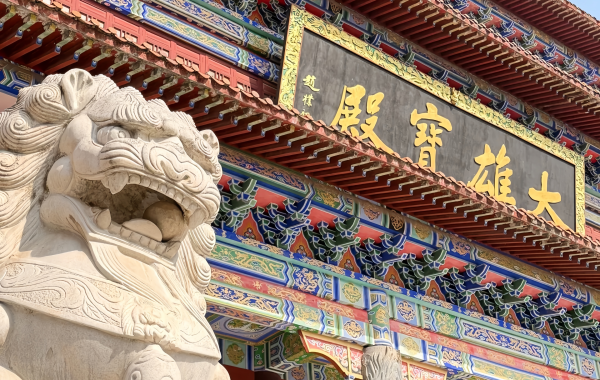
Mahayana Hall:The core hall of the entire temple,solemn and dignified,with resplendent golden Buddha statues.Facing the ancient plum blossoms directly in front of the main hall,this is an excellent vantage point for photographing the ancient plum tree and temple side-by-side.
The Sutra Repository:Built by imperial decree during the Guangxu era of the Qing Dynasty,it houses a complete copy of the Qing imperial canon,the Longzang,and many other palace treasures.
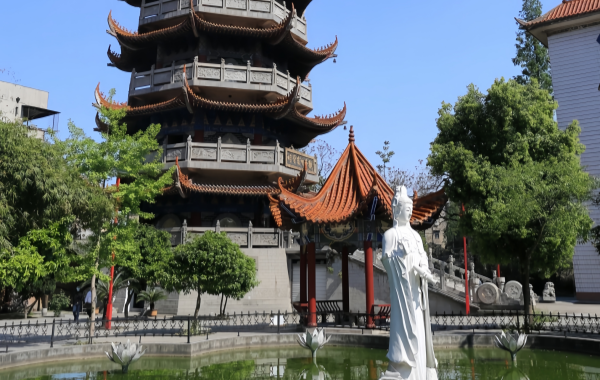
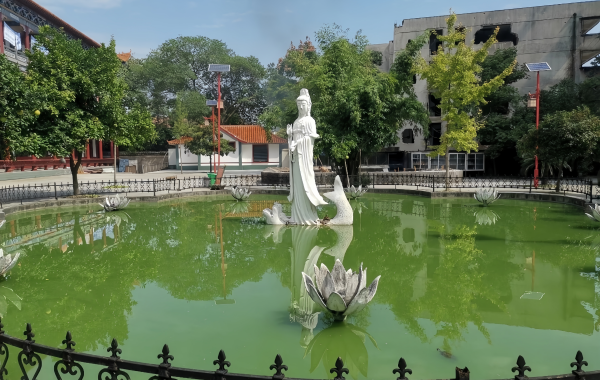
The Guanyin Hall and Jade Buddha Hall:These halls enshrine two jade Buddha statues,gifts from the King of Burma,exquisite examples of Buddhist art.
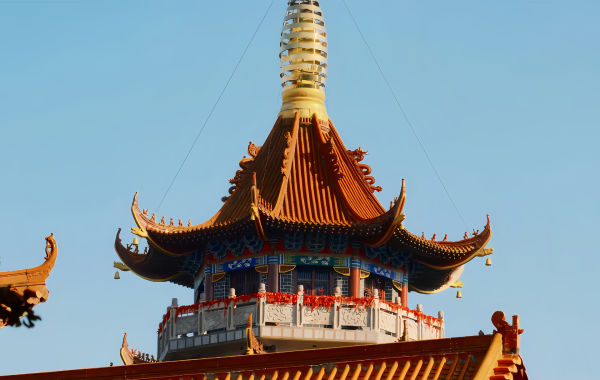
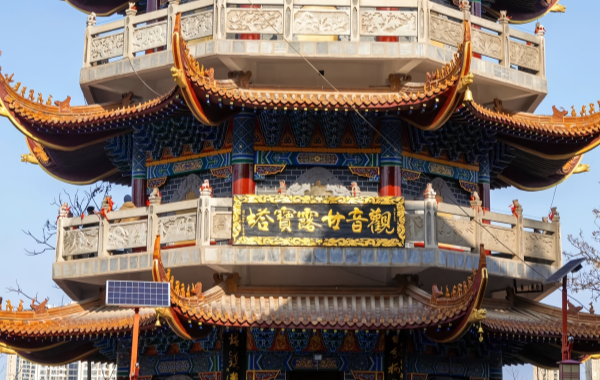
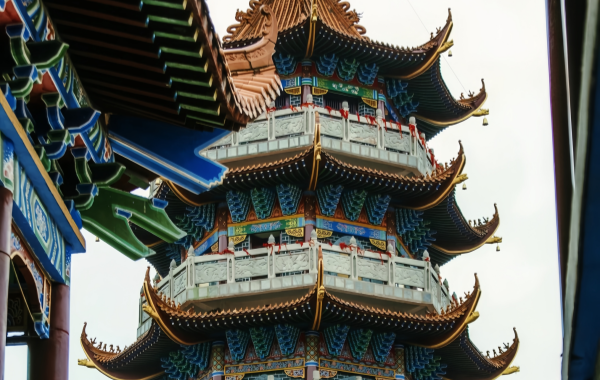
The Guanyin Sweet Dew Pagoda:Rebuilt under the supervision of Abbot Xinji,the pagoda offers panoramic views of Zhanghua Temple.
In addition,the temple also houses the stupas of eminent monks from the Republican era onwards,enshrining the remains of six masters.The body of the Venerable Changqi remained incorrupt after his death,a living Buddha symbolized in the True Body Hall,becoming another miraculous sight at Zhanghua Temple.
Photography Tips:
The best panoramic view is from the Guanyin Ganlu Pagoda,offering a panoramic view of the entire Zhanghua Temple complex;a photo of the Chumei plum tree and the Mahavira Hall is a classic,especially beautiful in winter when the plum blossoms are in full bloom;the Tang Dynasty ginkgo tree is best photographed in late autumn when the leaves turn yellow,creating a striking visual contrast against the ancient temple's red walls.