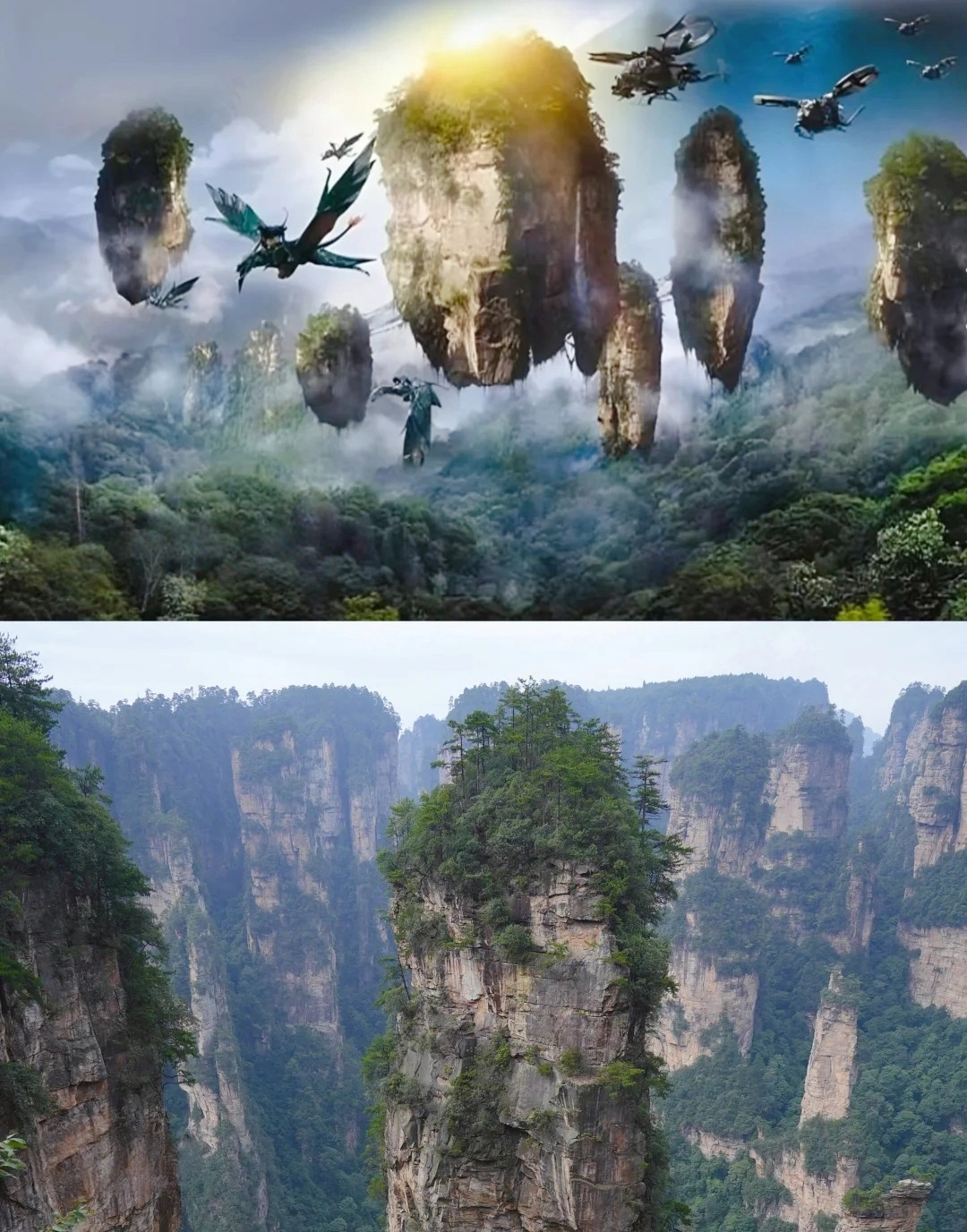
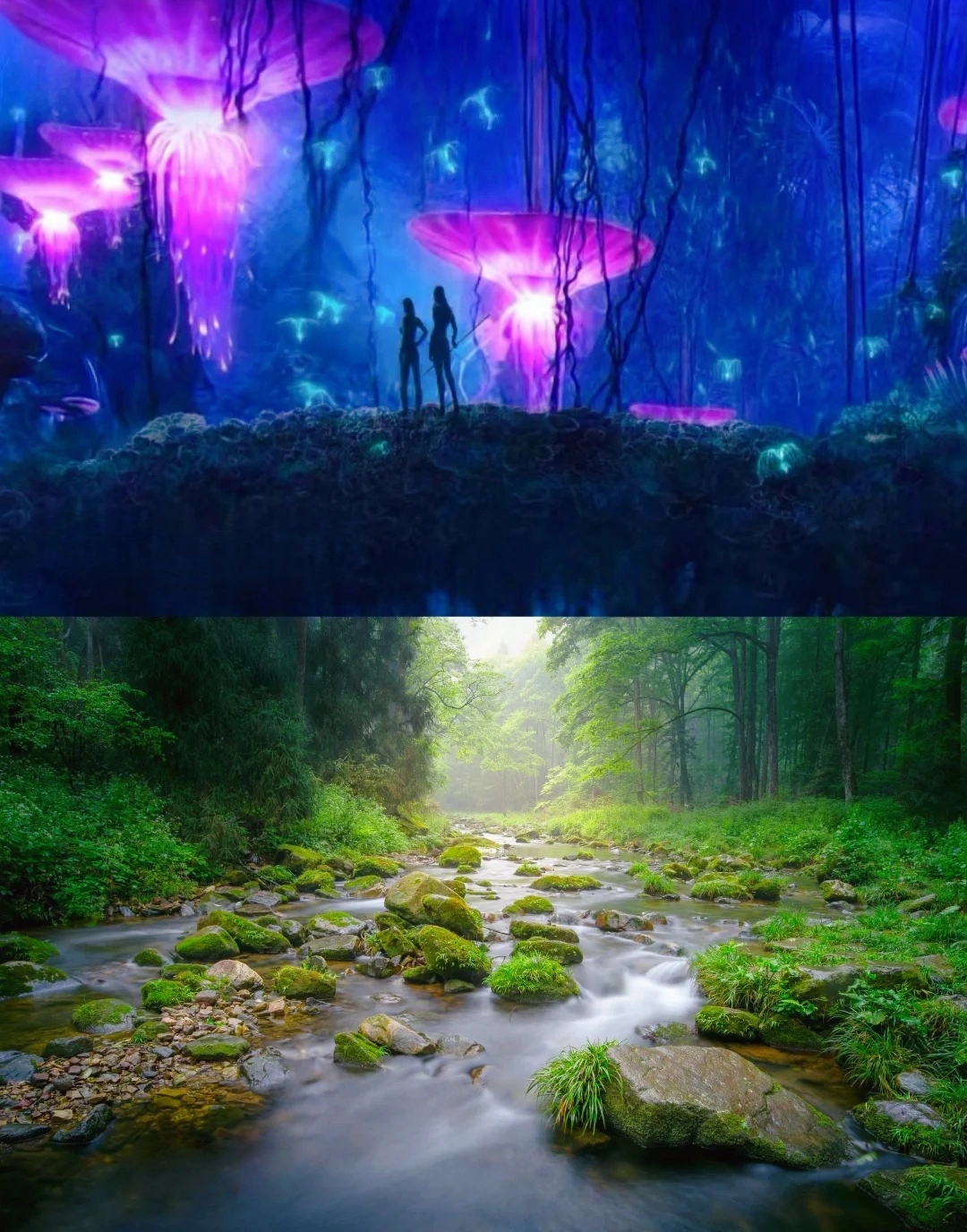
Nature's Masterpiece: An Emerald Corridor Amidst Karst Peaks
The natural landscape of the Yulong River is an eternal symphony of mountains and water, light and shadow, dawn and dusk—where every single frame resembles a living, breathing ink-wash painting.
The Spirit of the Water: A Flowing Emerald Ribbon
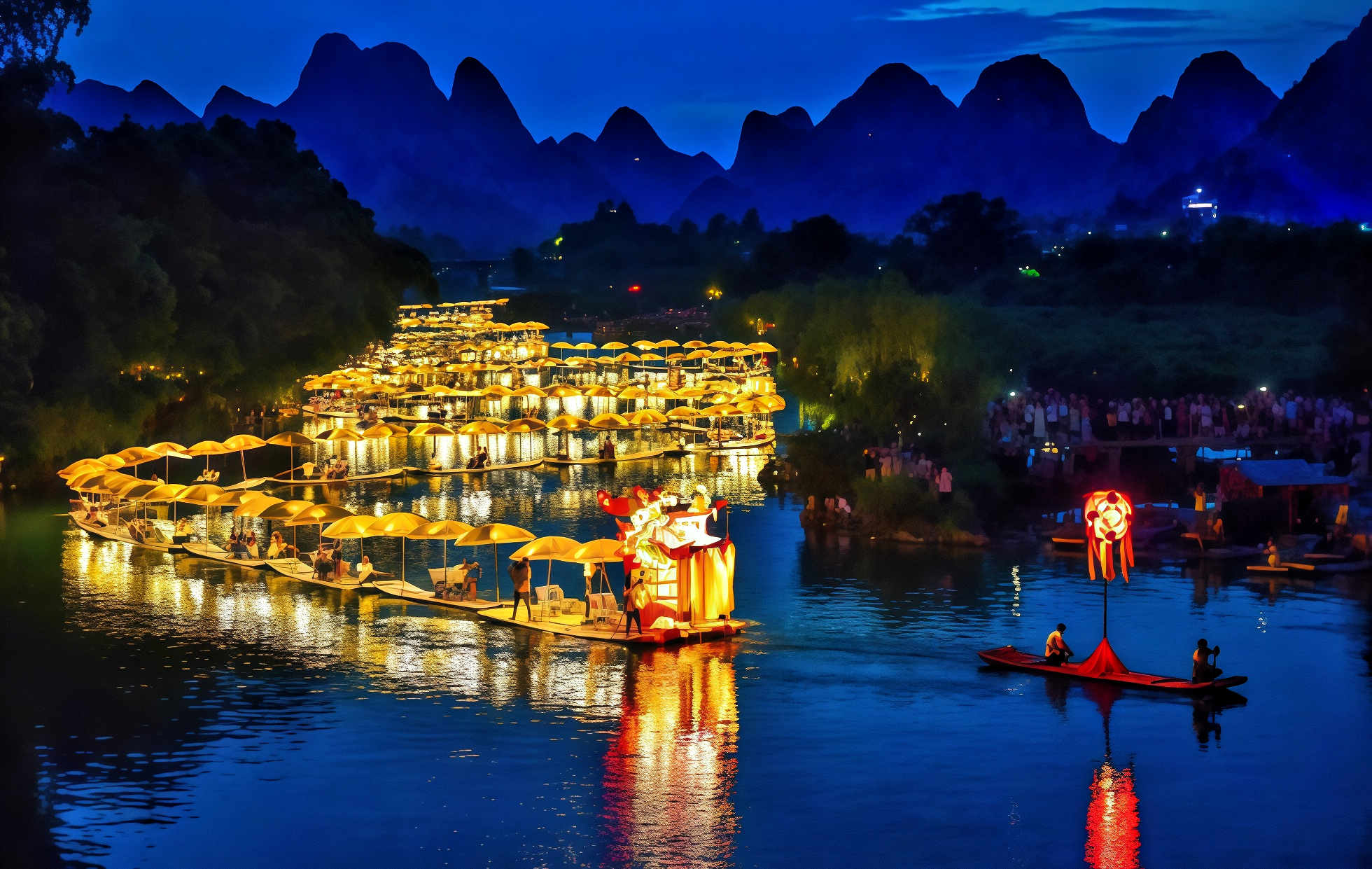
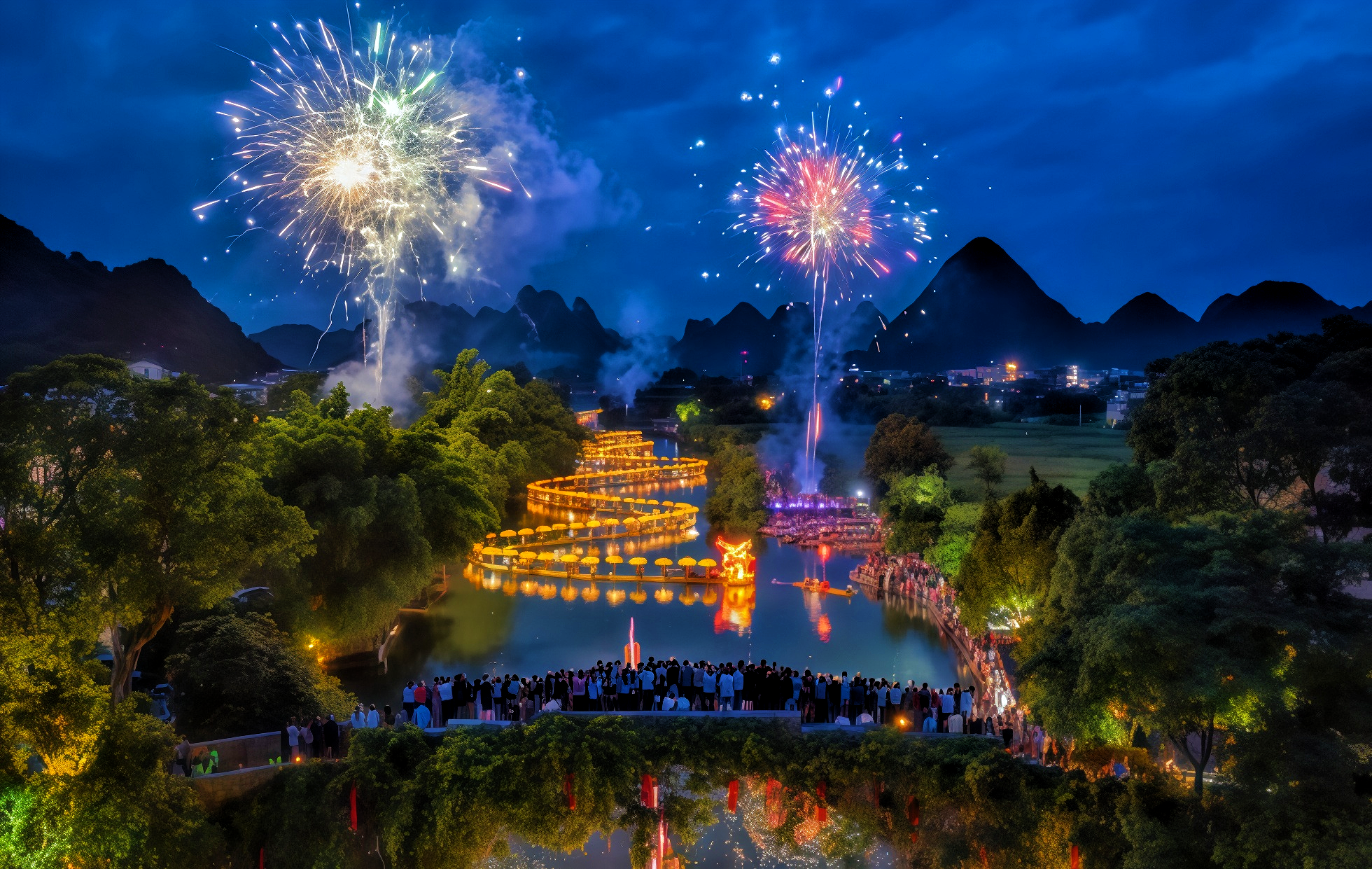
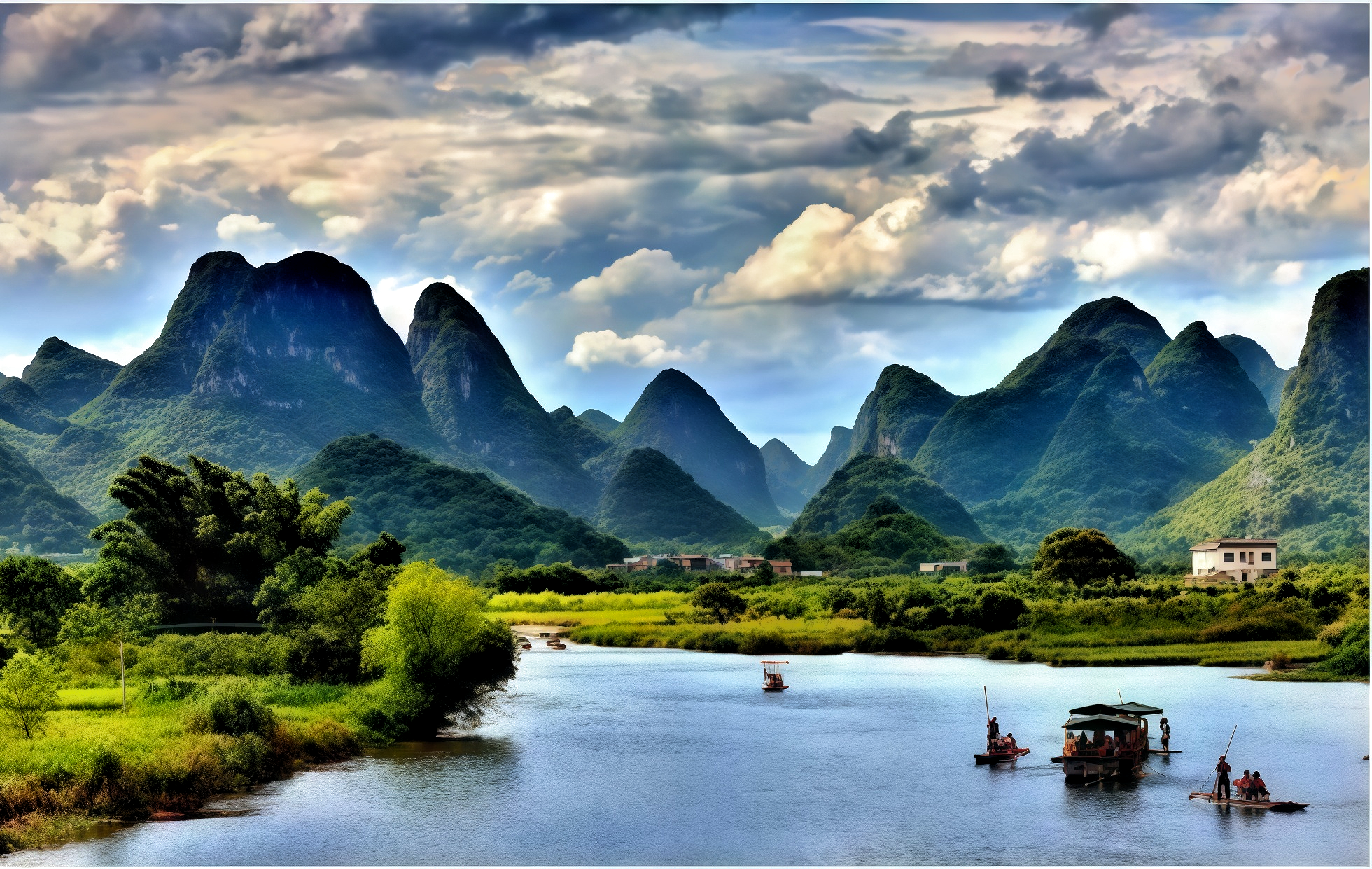
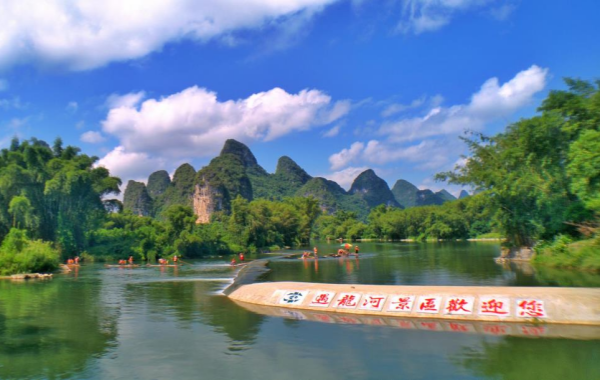
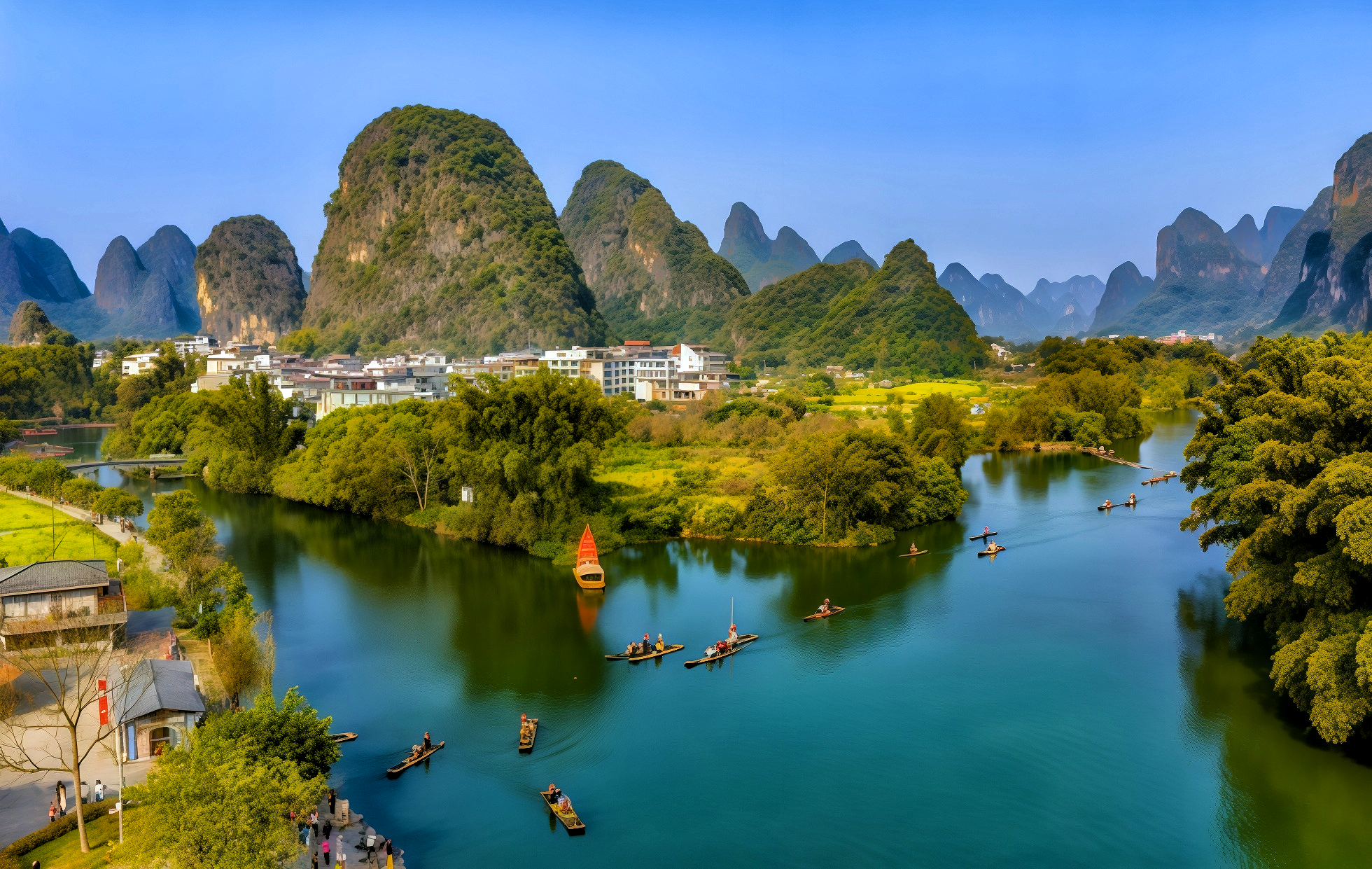
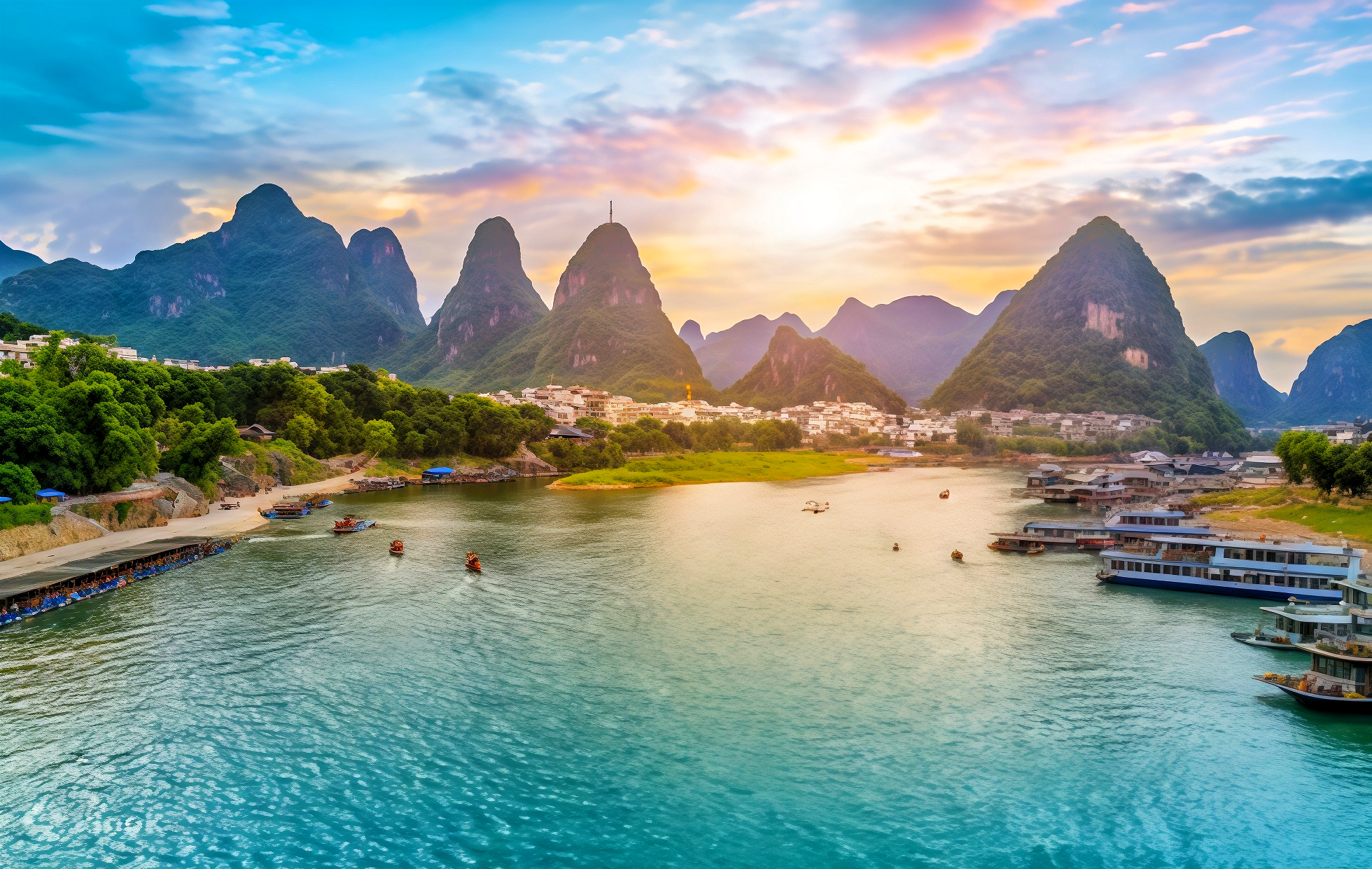
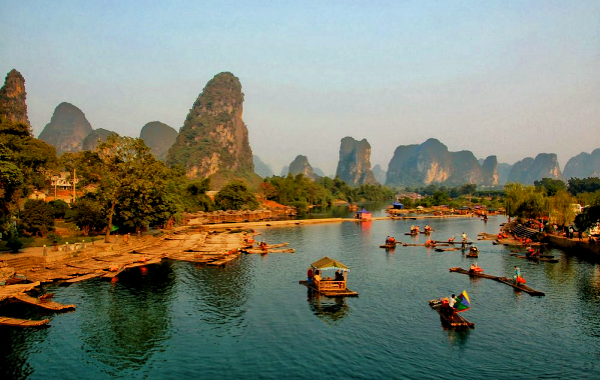
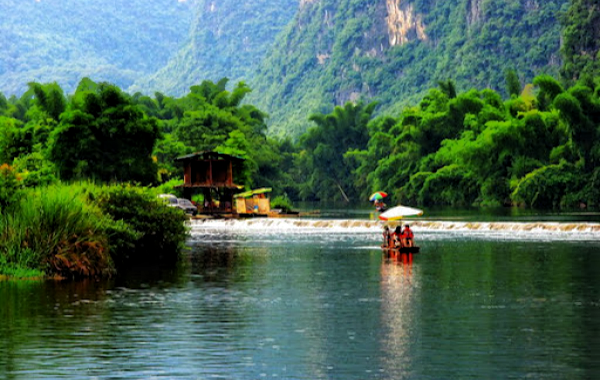
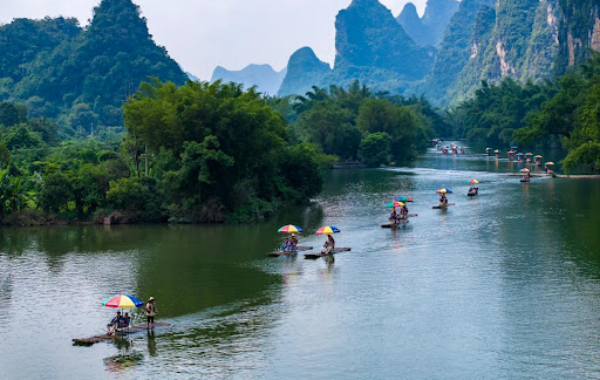
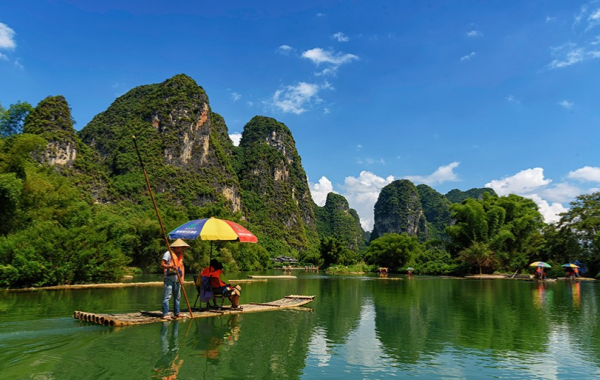
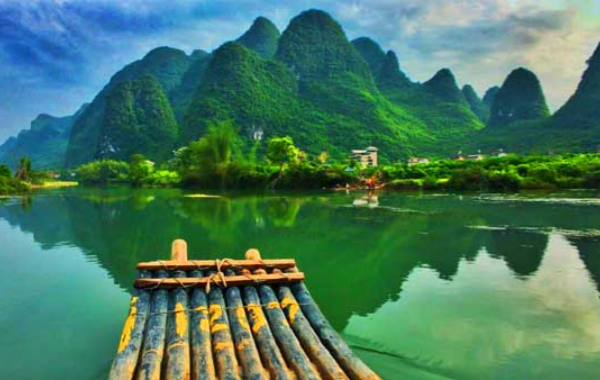
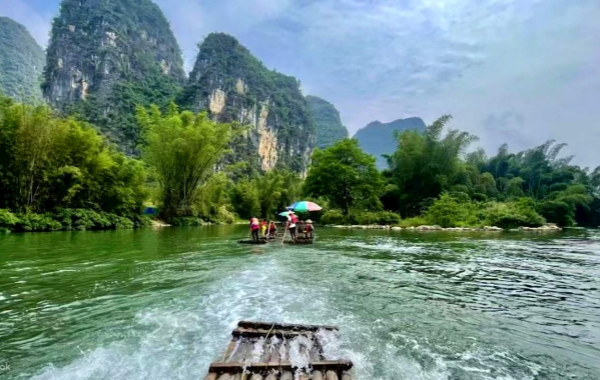
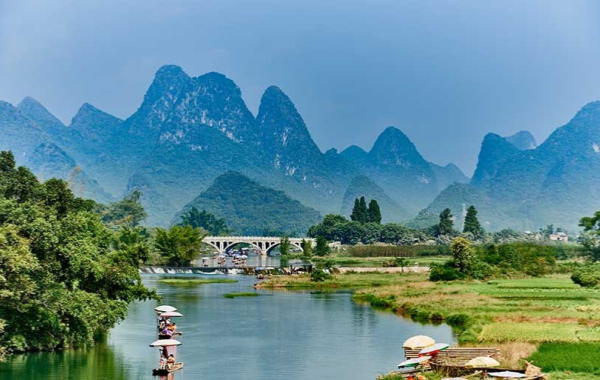
The waters of the Yulong River resemble brilliant green jade—crystal clear and translucent, allowing one to count the fish swimming beneath the surface. The river's 43.5-kilometer course winds like a jade-green ribbon, weaving together a tapestry of the most pristine, pastoral scenery. Absent is the clamor of motorized boats; instead, the only sounds are the gentle dipping of bamboo poles into the water and the lingering mountain folk songs of the raft-men echoing through the valley. The river flows gently from northwest to southeast; as a breeze skims across the surface, rows of bamboo rafts drift gracefully by, sending ripples fanning out in their wake. In the distance, the karst peaks rise and fall in undulating waves—their dusky silhouettes blurring like soft smudges of ink against the sky—creating a colossal, natural masterpiece of traditional Chinese landscape art. The 15.36-kilometer stretch of water between Yulong Bridge and Gongnong Bridge represents the very essence of the scenery; along this route, villages are scattered amidst a screen of emerald bamboo, while the reflections of the surrounding mountains shimmer gently in the water, swaying with every ripple. This scene is particularly enchanting in the spring, when the rapeseed flowers are in full bloom; the golden sea of flowers, mirrored in the jade-green river, creates an intoxicating pastoral masterpiece—a living oil painting of the countryside.
Rugged Peaks: The Earth’s Green Lines of Poetry
The clusters of karst peaks lining the banks of the Yulong River are works of art sculpted by nature over the course of hundreds of millions of years. Along both shores, extraordinary peaks stand in formation amidst lush bamboo and foliage, assuming a myriad of shapes and forms: Five-Finger Mountain resembles a hand propping up the sky; Lion Mountain looks like a majestic lion crouching in repose; and the Eight Immortals Rock appears as if the deities themselves have gathered for a celestial meeting. Each peak tells a silent, enduring story of geological evolution. Unlike the winding, sinuous course of the Li River, the Yulong River flows gently through a broad, open valley. Here, the solitary karst pinnacles are scattered across the landscape with a natural, harmonious rhythm, blending with the blue skies, white clouds, green trees, and cultivated fields to form a series of idyllic pastoral tableaux. Whether strolling along the riverside walkways or cycling along the paths winding through the fields, the forest of peaks remains ever-present—always shimmering faintly on the horizon, creating the illusion that one can never truly step out of this vast, living masterpiece.
The Rhythm of the Seasons: A Breathing Pastoral Palette
The true allure of the Yulong River lies in the way it transforms its colors and atmosphere with the changing of the seasons:
- Spring (March–April): The landscape is awash in golden rapeseed blossoms; a sea of flowers blankets the hillsides, creating a stunning interplay with the karst peaks. This is celebrated as the season when the "most beautiful rural road" is at its absolute finest.
- Summer (May–August): The rice paddies turn a vibrant emerald green—resembling a lush carpet—while lotus flowers bloom in succession. This is the perfect time for bamboo raft drifting, offering a refreshing and delightfully leisurely escape from the summer heat.
- Autumn (September–November): Waves of golden rice sway across the fields in a celebration of the harvest season. It is also the ideal time of year for hiking and cycling, offering pleasant weather and breathtaking scenery. - Winter (Dec–Feb): The karst peaks loom faintly through the mist; with few tourists around, it is the perfect season to escape the urban bustle and immerse yourself in the tranquility of the landscape.
Master artist Xu Beihong’s renowned paintings, Misty Rain on the Li River and Qing'e Crossing, drew their inspiration from this poetic, picturesque scenery and these dreamlike village settings—a testament to the enduring allure that the Yulong River landscape holds for artists.
Photography Tips:
- Gongnong Bridge: At sunset, position yourself on either side of the bridge deck to capture stunning shots featuring fishing boats framed against the backdrop of the peaks—it is the premier vantage point for photographing the Yulong River at dusk.
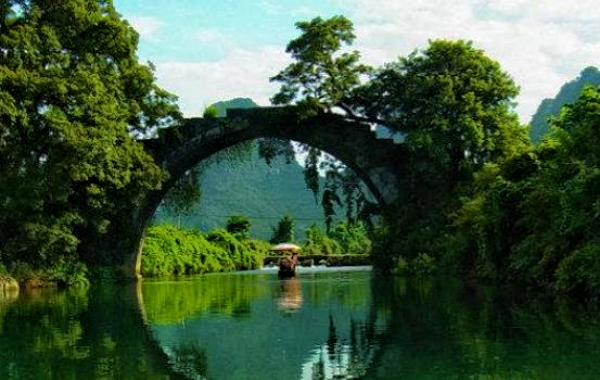
- Fuli Bridge: In the early morning mist, stand at the bridgehead to shoot panoramic views for an atmosphere-rich effect; the bridge’s stone arch, combined with its reflection in the water, forms the perfect shape of a full moon—a setup with an exceptionally high success rate for great photos.
- Yulong River Riverside Trails: Capture the interplay between the bamboo rafts and the karst peaks; shoot with the light to highlight the water's color, or against the light to emphasize dramatic shadows and silhouettes.
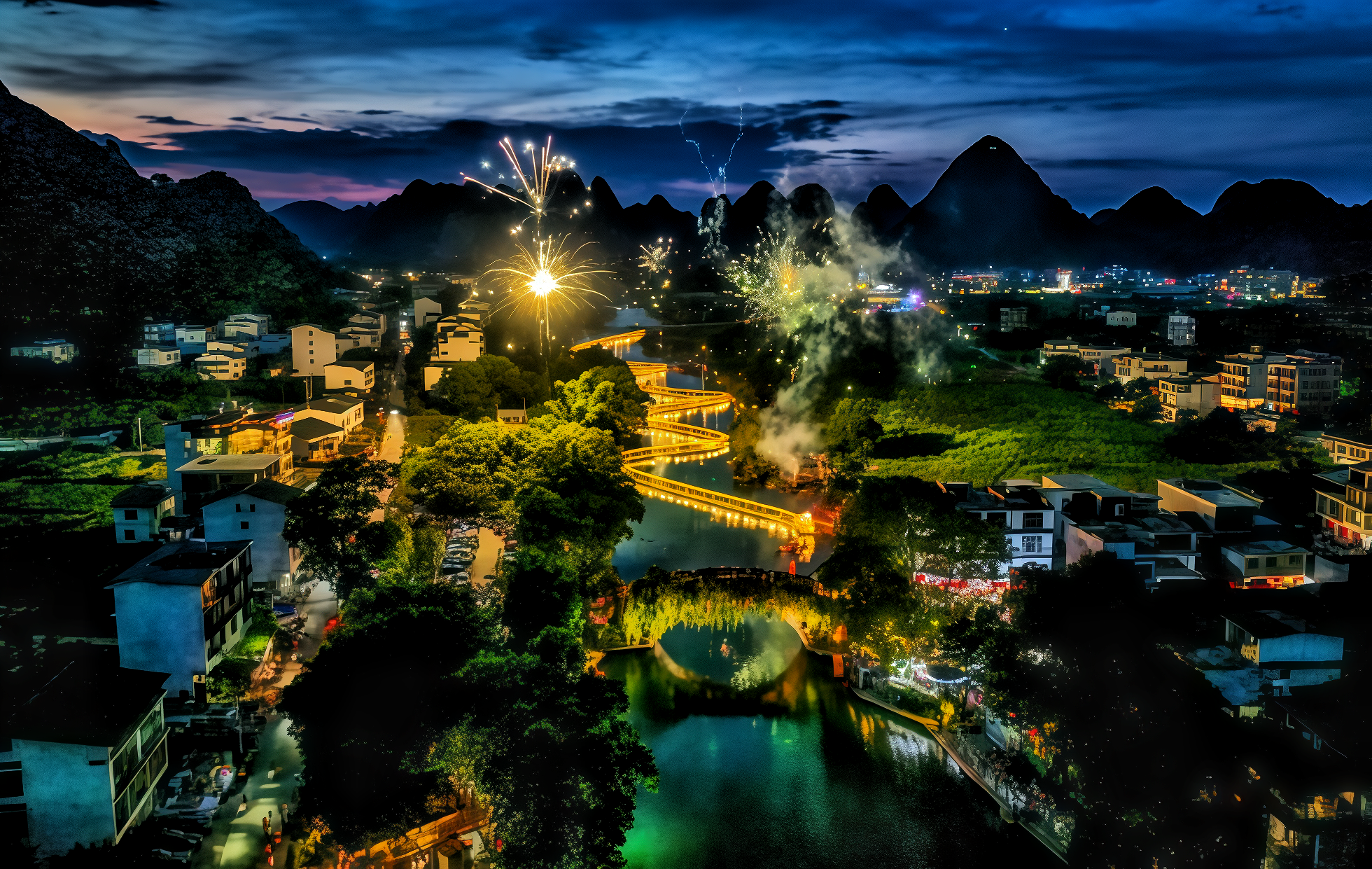
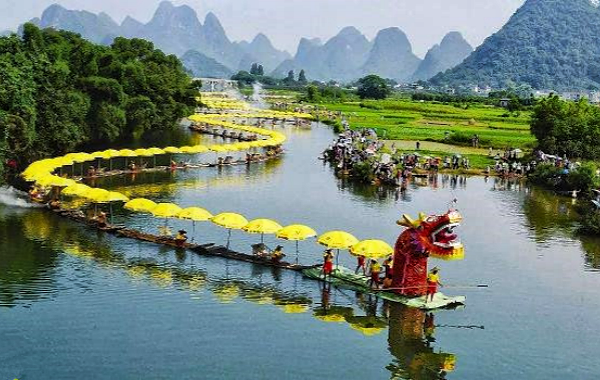
- Drones: From a bird's-eye perspective, the Yulong River unfolds as a breathtaking tableau—a winding waterway dotted with scattered karst peaks that is truly awe-inspiring.
Humanistic Craftsmanship: Ancient Bridges, Historic Villages, and Everyday Life
The humanistic charm of the Yulong River lies hidden within the ancient bridges that have withstood centuries of wind and rain, within the historic villages scattered across the fields, and within the daily lives of the local villagers themselves.
Yulong Bridge: A Ming Dynasty Stone Bridge Guarding the Land
The Yulong River takes its name from this very bridge, making Yulong Bridge the most prominent cultural landmark in this entire landscape. Constructed during the Ming Dynasty, it stands as the largest surviving single-arch stone bridge in Guangxi Province. For centuries, it has rested serenely above the emerald waters, bearing witness to the ceaseless passage of time and seasons. Built from dressed stone, the bridge possesses a rustic yet sturdy elegance; beneath it, the Yulong River flows with a gentle murmur, while atop it, the daily footsteps of villagers echo as they go about their routines. Standing on the bridge and gazing into the distance, one sees lush bamboo swaying along the banks and peaks rising like ink-wash brushstrokes—a scene that feels like a journey back in time to that poetic era of "small bridges, flowing water, and humble homes."
Fuli Bridge: The "Full Moon" Ancient Bridge on the Upper Yulong River
Located 500 meters upstream from the main course of the Yulong River, Fuli Bridge marks the river's very source. Constructed during the Yongle era of the Ming Dynasty, this single-arch stone bridge measures 30 meters in length, 5 meters in width, and 10 meters in height, boasting a history of approximately 600 years. Built from massive blocks of blue stone, the bridge—together with its reflection in the water—resembles a perfect full moon; its aesthetic appeal is exceptional, making it the most perfectly rounded single-arch stone bridge still standing in Yangshuo today. The bridge is guarded at both ends by two ancient trees, and its deck serves as the ultimate vantage point for admiring the surrounding pastoral scenery: standing at the bridgehead, one can gaze out upon a crisscrossing network of fields and paths, wisps of cooking smoke curling gently upward, and distant karst peaks looming faintly through the thin mist. Fuli Bridge remains one of Yangshuo’s relatively undeveloped ancient bridge attractions, preserving an authentic and unspoiled rustic charm.
Xiangui Bridge: Guangxi’s Oldest Single-Arch Stone Bridge
Situated along the banks of the Yulong River, Xiangui Bridge holds the distinction of being the oldest surviving single-arch stone bridge in Guangxi. Although modest in size, the bridge features meticulously cut stonework and an ingenious structural design, standing as a silent witness to centuries of cultural and social evolution within the Yulong River basin. Its very existence transforms the Yulong River from a mere scenic natural wonder into an open history textbook, offering profound insights into the past.
Jiuxian Ancient Village: Pastoral Nostalgia Frozen in Time
Nestled along the banks of the Yulong River, Jiuxian Village is renowned as one of Yangshuo’s most celebrated ancient settlements. The village preserves a wealth of historic residential structures dating back to the Ming and Qing Dynasties; characterized by blue-grey bricks, dark-tiled roofs, and gracefully upturned eaves, these buildings beautifully exemplify the distinctive architectural style of Northern Guangxi. The ancient village is encircled by rolling fields and towering karst peaks, where a traditional pastoral lifestyle—defined by rising at dawn and resting at dusk—has endured for centuries. As you stroll through the narrow lanes of this ancient village, you feel as though you have stepped deep into the corridors of time, enveloped by a sense of rustic simplicity and profound, wistful nostalgia.